What Vehicle Type Is a Jeep? SUV, Truck, or More?
What vehicle type is a Jeep? This is a common question for car enthusiasts and everyday drivers alike, as Jeep has carved out a unique niche in the automotive world. While many associate the brand primarily with rugged SUVs designed for off-road adventures, the Jeep lineup has expanded to include various models that blur the lines between traditional vehicle categories.
Understanding where Jeep fits in helps consumers make informed choices based on their needs for utility, capability, and lifestyle. This post will break down the classifications of Jeep vehicles, exploring their features and how they stack up against conventional definitions of cars, trucks, and SUVs.
In short, most Jeep vehicles are classified as SUVs due to their body-on-frame or unibody construction, higher ground clearance, and emphasis on utility and off-road capability. However, specific models like the Gladiator blur lines by incorporating truck bed functionality, making them unique in their respective segments.
Key Takeaways
- Most Jeep vehicles fall under the broad category of Sport Utility Vehicles (SUVs), characterized by their robust build and off-road prowess.
- The iconic Jeep Wrangler and its variants are quintessential body-on-frame SUVs, designed explicitly for extreme terrain.
- Models like the Grand Cherokee and Cherokee offer more refined, unibody SUV experiences with a balance of on-road comfort and off-road capability.
- The Jeep Gladiator is a notable exception, bridging the gap between SUV and pickup truck with its distinct truck bed.
- Jeep’s defining characteristic across most of its lineup is its emphasis on 4×4 capability and a spirit of adventure.
What is an SUV?
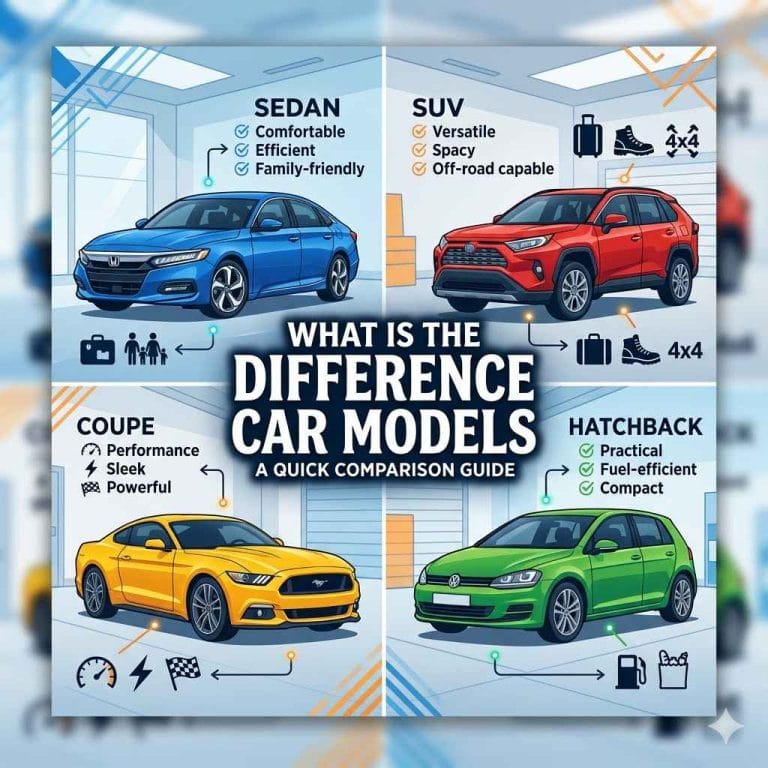
An SUV, or Sport Utility Vehicle, is a general term for a vehicle that combines aspects of road-going passenger cars with features from off-road vehicles such as raised ground clearance and four-wheel drive. Historically, SUVs were built on truck chassis, making them very durable and capable of handling rough terrain. These are often referred to as body-on-frame SUVs.

As an Amazon Associate I earn from qualifying purchases.
In recent decades, many manufacturers, including Jeep, have also adopted unibody construction for their SUVs. Unibody vehicles integrate the body and frame into a single structure, which typically results in a lighter, more fuel-efficient, and better-handling vehicle on paved roads, while still offering considerable capability, especially with advanced four-wheel-drive systems.
The primary distinctions of an SUV include a higher driving position, more cargo space than a typical sedan, and often, the availability of all-wheel drive (AWD) or four-wheel drive (4WD) systems. These features contribute to their popularity for families, outdoor enthusiasts, and anyone needing a versatile vehicle that can handle various driving conditions.
Key Characteristics of SUVs
- Higher Ground Clearance: Allows for better traversal over obstacles and uneven surfaces.
- Four-Wheel Drive (4WD) or All-Wheel Drive (AWD) Systems: Enhance traction and capability in challenging conditions like snow, mud, or off-road trails.
- Spacious Interior: Offers ample passenger room and significant cargo capacity, often with fold-down rear seats.
- Robust Construction: Typically designed to withstand more demanding use than standard passenger cars.
- Towing Capacity: Many SUVs offer substantial towing capabilities, making them suitable for hauling trailers or boats.
- Versatile Usage: Can serve as daily drivers, family haulers, and adventure vehicles.
The Iconic Jeep Wrangler: A True SUV
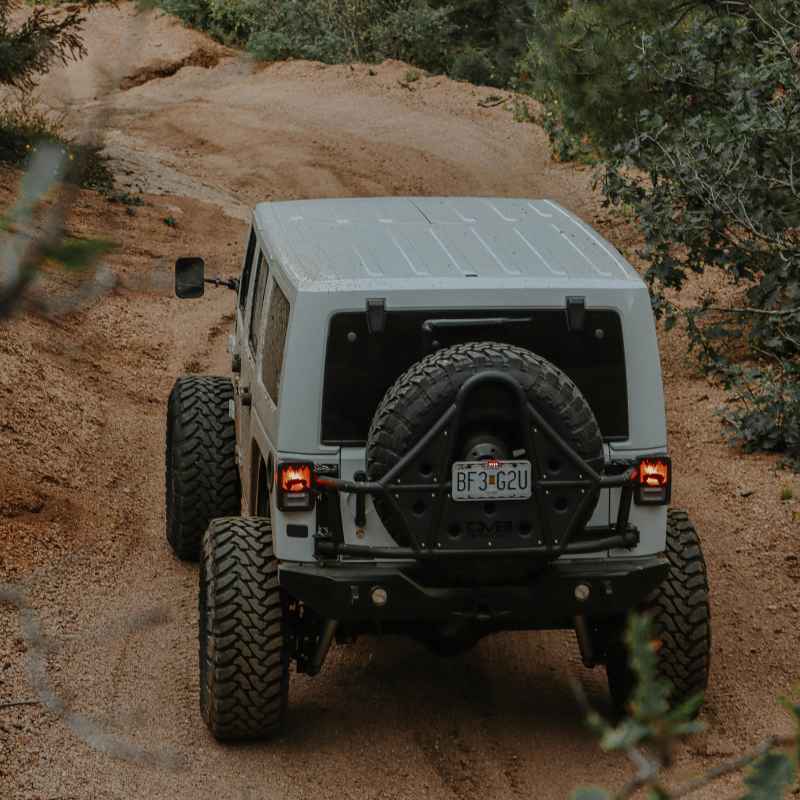
When most people picture a Jeep, they envision the Wrangler. This vehicle is the epitome of the classic SUV. It’s built on a rugged body-on-frame chassis, which provides exceptional durability and flex for extreme off-road articulation.
The Wrangler’s design is iconic, featuring removable doors, a fold-down windshield, and a choice of soft or hard tops, all contributing to an open-air, connected-to-nature driving experience.
The Wrangler’s primary purpose is off-road dominance. It comes standard with Jeep’s legendary Command-Trac or optional Rock-Trac 4×4 systems, which offer true low-range gearing for crawling over rocks and steep inclines. Its approach, departure, and breakover angles are class-leading, further enhancing its ability to conquer difficult terrain.
While it can be driven on pavement, its design prioritizes off-road capability over on-road refinement.
For those who need a vehicle that can tackle the Rubicon Trail and also serve as a daily driver with a unique style, the Wrangler is the benchmark. It’s not just an SUV; it’s a lifestyle statement for adventurers.
Jeep Wrangler Core Features
- Body-on-Frame Construction: Provides superior strength and durability for off-road abuse.
- Removable Doors and Top Options: Enables an open-air driving experience.
- Advanced 4×4 Systems: Command-Trac and Rock-Trac offer exceptional off-road control.
- High Ground Clearance and Articulation: Designed to overcome significant obstacles.
- Dana Solid Axles: Known for their strength and reliability in demanding conditions.
- Jeep Performance Parts Availability: Extensive aftermarket support for customization and enhancement.
Jeep Grand Cherokee: The Luxury SUV Blend
The Jeep Grand Cherokee represents a different facet of the SUV world. It is a larger, more luxurious, and refined SUV that uses a unibody construction. This design choice makes it a more comfortable and capable on-road vehicle compared to the Wrangler, while still offering impressive off-road capabilities through its advanced Quadra-Trac and Quadra-Drive 4×4 systems.
The Grand Cherokee is designed for families and individuals who want the versatility and capability of an SUV without sacrificing the comfort and amenities of a luxury car. It boasts a premium interior, advanced technology features, and a smooth ride on highways. Its towing capacity is also substantial, making it a practical choice for those who tow campers, boats, or utility trailers.
This model appeals to a broader audience than the Wrangler, offering a sophisticated driving experience suitable for both daily commutes and weekend getaways to less challenging trails. It successfully blends the rugged Jeep spirit with the sophistication expected of a premium SUV.
Grand Cherokee vs. Wrangler: Key Differences
| Feature | Jeep Wrangler | Jeep Grand Cherokee |
|---|---|---|
| Construction | Body-on-frame | Unibody |
| Primary Focus | Extreme Off-Road Capability | On-road Comfort & Refinement, Capable Off-Road |
| Interior Luxury | Basic, functional | Premium, well-appointed |
| Open-Air Experience | High (removable doors/top) | Moderate (sunroof/moonroof) |
The Grand Cherokee prioritizes a balance between luxury and capability, making it a versatile choice for various lifestyles.
Jeep Cherokee: The Compact and Mid-Size SUV
The Jeep Cherokee, in its various generations, has generally been positioned as a more compact or mid-size SUV. Like the Grand Cherokee, modern iterations of the Cherokee typically utilize unibody construction, providing a good compromise between on-road comfort and off-road readiness. This makes it a strong contender in the crowded SUV market for those who need a practical vehicle for everyday use and occasional adventures.
Jeep offers different 4×4 systems for the Cherokee, such as the Selec-Terrain traction management system, which allows drivers to select different modes (like Snow, Sport, and Sand/Mud) to optimize performance for various conditions. This adaptability makes the Cherokee a capable option for navigating adverse weather or light to moderate off-road trails.
The Cherokee’s size makes it more maneuverable in urban environments and easier to park than larger SUVs like the Grand Cherokee, yet it still offers a respectable amount of cargo space and passenger room. It’s a well-rounded choice for individuals or small families seeking a capable and comfortable SUV.
Cherokee vs. Compass: Positioning
The Jeep Compass is another unibody SUV from Jeep, typically positioned below the Cherokee in terms of size and features, often falling into the subcompact or compact SUV segment. While both offer 4×4 capability, the Cherokee generally provides more space, higher towing capacities, and potentially more advanced off-road features in its higher trims.
The Compass is often seen as the more budget-friendly and urban-focused option, emphasizing fuel efficiency and maneuverability. The Cherokee, while still practical for city driving, leans more towards the traditional SUV feel with a greater emphasis on capability and versatility for a wider range of activities.
| Aspect | Jeep Cherokee | Jeep Compass |
|---|---|---|
| Segment | Compact/Mid-size SUV | Subcompact/Compact SUV |
| Size & Maneuverability | Larger, more spacious | Smaller, more agile |
| Off-Road Focus | Moderate to good, depending on trim | Light off-road capability, primarily AWD |
| Target Audience | Families, active individuals needing versatility | Urban dwellers, first-time SUV buyers, budget-conscious individuals |
Choosing between the Cherokee and Compass often comes down to the balance of space, capability, and price point desired.
Jeep Renegade and Compass: The Crossover/Urban SUVs
The Jeep Renegade and Compass are Jeep’s offerings that lean heavily into the crossover SUV segment. These vehicles are built on car-derived platforms (unibody) and are primarily designed for urban environments and light recreational use. While they wear the Jeep badge and offer available 4×4 systems, their focus is more on providing a stylish, comfortable, and fuel-efficient experience for daily driving.
The Renegade, in particular, is known for its distinctive styling and surprisingly capable “Trail Rated” variants that can handle modest off-road challenges, often thanks to its smaller size and good approach/departure angles. The Compass offers a bit more space and a slightly more conventional SUV profile, making it a solid choice for small families or individuals looking for a practical and affordable compact SUV.
These models represent Jeep’s effort to cater to a wider market that appreciates the brand’s heritage and image but requires a vehicle more suited to pavement and everyday commutes. They are excellent examples of modern compact SUVs that offer a blend of utility and comfort.
Crossover SUV Characteristics
- Car-Based Platform (Unibody): Contributes to a more comfortable ride and better fuel economy.
- Higher Driving Position: Provides better visibility compared to sedans.
- Available AWD/4WD: Enhances traction in varied weather conditions.
- Versatile Cargo Space: Offers more flexibility than sedans for hauling goods.
- Urban Maneuverability: Generally smaller dimensions make them easy to drive and park in cities.
- Focus on Fuel Efficiency and Comfort: Prioritizes everyday usability and running costs.
The Jeep Gladiator: A Truck by Definition?
The Jeep Gladiator is perhaps the most intriguing vehicle in the Jeep lineup when it comes to classification. It is a mid-size pickup truck that is built on the same platform as the four-door Jeep Wrangler. This means it inherits much of the Wrangler’s off-road prowess, including its robust suspension, powerful engines, and available 4×4 systems.
However, the defining feature of the Gladiator is its five-foot truck bed. This cargo bed makes it a functional pickup truck, capable of hauling gear, supplies, or equipment. It offers a unique combination: the open-air experience and extreme off-road capability of a Jeep, coupled with the utility of a truck bed.
While it shares its DNA with the Wrangler, the Gladiator is unequivocally a truck. The addition of the bed lengthens the wheelbase, which impacts its approach and departure angles compared to the Wrangler, but it remains exceptionally capable off-road. It’s a niche vehicle that appeals to those who want the Jeep lifestyle and the utility of a pickup.
Gladiator vs. Wrangler: Truck vs. SUV
| Feature | Jeep Wrangler | Jeep Gladiator |
|---|---|---|
| Vehicle Type | SUV | Mid-size Pickup Truck |
| Key Differentiating Feature | Open-air freedom, extreme articulation | Truck bed for cargo hauling |
| Platform Basis | Body-on-frame SUV chassis | Body-on-frame pickup truck chassis (Wrangler derived) |
| Towing & Payload Capacity | Moderate (vehicle dependent) | Significantly higher than Wrangler |
| Off-Road Capability | Class-leading | Exceptional, truck-specific considerations |
The Gladiator occupies a unique space by merging the essence of Jeep with the practicality of a pickup.
What Does “Trail Rated” Mean for a Jeep?
Jeep’s “Trail Rated” designation is a critical element in defining its vehicles’ capabilities. It’s not just a marketing term; it’s a certification that a Jeep model has met rigorous standards in five key performance categories designed to test its off-road prowess. These categories ensure that a Trail Rated Jeep is genuinely equipped to handle challenging terrains.
The five categories are: Traction, Water Fording, Maneuverability, Articulation, and Ground Clearance. To earn the Trail Rated badge, a Jeep must demonstrate superior performance in each of these areas. This means the vehicle is engineered with specific components and design elements to excel when the pavement ends.
For instance, high traction is achieved through advanced 4×4 systems and carefully calibrated differentials. Water fording ability is tested by ensuring critical components are sealed and protected from submersion. Maneuverability is enhanced through a tight turning radius, crucial for navigating tight trails.
Articulation measures how well the suspension can keep the wheels on the ground over uneven surfaces, and ground clearance is vital for avoiding obstacles. According to Jeep itself, only a fraction of the SUVs sold globally meet these stringent criteria.
The Five Trail Rated Categories Explained
- Traction: Assesses the vehicle’s ability to maintain grip on various surfaces, including mud, sand, and snow, often through advanced 4×4 systems and wheel-slip management.
- Water Fording: Evaluates the depth of water the vehicle can safely traverse, with sealed electrical components and a higher air intake. Jeep models can often ford water up to 30 inches deep.
- Maneuverability: Tests the vehicle’s agility and ability to navigate tight spaces, sharp turns, and obstacles, often achieved through a precise steering system and short wheelbase.
- Articulation: Measures how well the suspension can keep the wheels in contact with the ground on uneven terrain, allowing for maximum tire contact and grip.
- Ground Clearance: Ensures the vehicle can clear obstacles like rocks, logs, and uneven terrain without its undercarriage or vital components being damaged.
A Trail Rated badge signifies a Jeep’s commitment to authentic off-road capability.
Are Jeeps Considered Trucks or SUVs?
The primary classification for most Jeep vehicles is SUV. This is because they generally feature a car-like or truck-like body integrated with a frame (body-on-frame for rugged models like Wrangler, unibody for others like Grand Cherokee) and are designed for utility and carrying passengers and cargo, with enhanced ground clearance and often 4×4 capabilities.
However, the lines can blur, especially with models like the Jeep Gladiator. The Gladiator is explicitly a pickup truck, defined by its truck bed, higher payload, and towing capacities compared to its SUV counterparts. It’s a testament to Jeep’s ability to adapt its core design principles to different vehicle types while retaining its signature character.
Other models like the Compass and Renegade are often termed “crossover SUVs” or simply “crossovers” because they are built on car platforms and emphasize on-road comfort and fuel efficiency, though they still offer SUV-like utility and some degree of all-weather capability. Thus, while the SUV is the dominant category, Jeep’s lineup includes vehicles that touch upon truck and crossover definitions.
Jeep Vehicle Categories Summary
- Body-on-Frame SUVs: Jeep Wrangler (and its variants) – The most traditional and rugged SUV.
- Unibody SUVs: Jeep Grand Cherokee, Jeep Cherokee – Offer a blend of on-road comfort and off-road capability.
- Crossover SUVs: Jeep Compass, Jeep Renegade – Car-based, focused on urban driving and efficiency with SUV versatility.
- Pickup Trucks: Jeep Gladiator – Combines Jeep’s off-road DNA with a functional truck bed.
The diversity of Jeep’s lineup means that while many are SUVs, there’s a specific model for almost any need, including those traditionally met by pickup trucks.

Frequently Asked Questions
Is the Jeep Wrangler a truck or an SUV?
The Jeep Wrangler is definitively classified as an SUV. It is built on a body-on-frame chassis and is designed for off-road capability and utility, rather than cargo hauling from an open bed, which is characteristic of pickup trucks.
What is the difference between a Jeep SUV and a Jeep truck?
The main difference lies in the body style and primary function. Jeep SUVs, like the Wrangler or Grand Cherokee, are enclosed vehicles designed for passenger transport and varying degrees of off-road use. A Jeep truck, specifically the Gladiator, features an open cargo bed at the rear, making it suitable for hauling goods and equipment in addition to its off-road capabilities.
Are all Jeeps considered SUVs?
No, not all Jeeps are exclusively SUVs. While the vast majority of Jeep vehicles are SUVs or crossover SUVs, the Jeep Gladiator is classified as a mid-size pickup truck. It shares SUV-like traits but its defining feature is the truck bed.
How do Jeep SUVs perform on the road?
Performance varies by model. The Wrangler is designed for extreme off-road and can be less refined on the road due to its rugged suspension and tires. Models like the Grand Cherokee and Cherokee, built on unibody platforms, offer a much more comfortable and car-like on-road experience, blending luxury with capability.
Crossovers like the Renegade and Compass are optimized for urban driving and fuel efficiency.
Can Jeeps be used as daily drivers?
Yes, most Jeeps can be used as daily drivers. While the Wrangler’s primary focus is off-road, many people use it for daily commutes. Models like the Grand Cherokee, Cherokee, Compass, and Renegade are excellent daily drivers, offering a good balance of comfort, utility, and fuel efficiency suitable for urban and highway driving.
Final Thoughts
Ultimately, the question of what vehicle type a Jeep is depends on the specific model. While the SUV designation covers the majority of Jeep’s iconic lineup, the brand has strategically expanded to include vehicles like the Gladiator, which is a bona fide pickup truck. Whether you’re looking for an extreme off-road machine, a comfortable family hauler with adventurous capabilities, or a utilitarian truck with the Jeep spirit, there’s a Jeep model designed to fit that need.
Understanding these classifications helps consumers appreciate the diverse engineering and intended purpose behind each vehicle bearing the legendary Jeep badge.
For more on this topic, see vehicle types and class: key differences you should know. See also how to get started with models a complete beginner guide.
Related pick: Check today's price on Amazon
Products related to this article
Sponsored / affiliate links. As an Amazon Associate I earn from qualifying purchases. I may earn additional commission from eligible campaigns.
 Car Key Battery for Jeep Grand Cherokee (2005-2021 Grand Cherokee SRT, 2022 Grand Cherokee WK Remote Batteries CR2032 3V Pack of 2)
 Hard Folding Truck Bed Tonneau Cover Compatible with Chevy Colorado & GMC Canyon(2015-2026) 5.2 ft Short Box, Tri Fold Style
 Hard Folding Truck Bed Tonneau Cover Compatible with Nissan Frontier 2005-2026 5 ft Short Box w/or w/o Track Rail, Tri Fold Style