Where Can I Get My Tires Checked For Free Near Me?
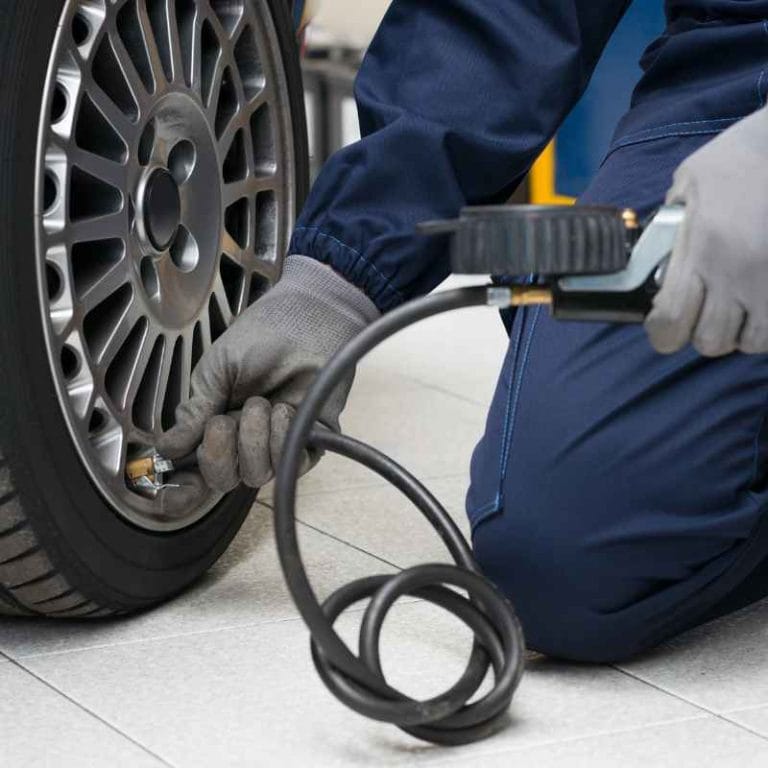
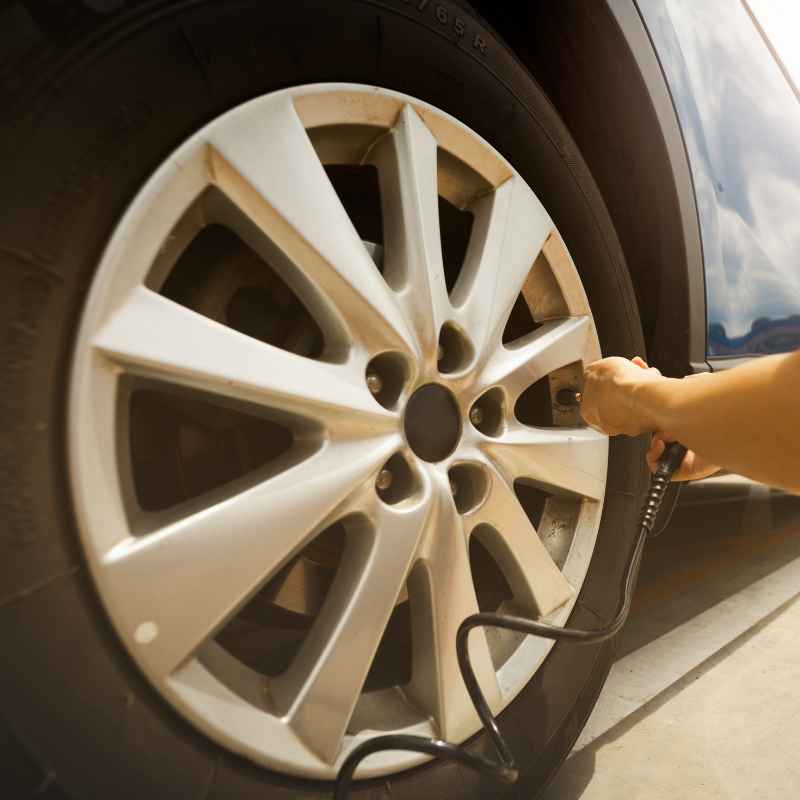
You can get your tires checked for free at many auto parts stores, tire retailers, and some service centers. They often offer this service to encourage business. Look for shops advertising “free tire inspection” or “complimentary tire check.” It’s a great way to ensure your tires are safe without immediate cost.
Understanding Tire Checks
Why do we even need to check our tires? Tires are the only part of your car touching the road. They handle all the steering, braking, and acceleration.
Worn or damaged tires can cause big problems. This includes poor handling, longer stopping distances, and even blowouts. Regular checks help prevent these issues.
Think of it like checking the shoes you wear. If the soles are worn down, you might slip. If there’s a hole, it’s uncomfortable and could cause a blister.
Tires are similar for your car. They need to be in good condition to do their job well.
So, what do people look for when checking tires? They mainly focus on a few key areas. These are tire pressure, tread depth, and any visible damage.
Each one is super important for safety and how long your tires last.
Tire pressure is how much air is inside your tires. Too much or too little air causes problems. Low pressure makes tires overheat and wear out faster.
It also makes your car harder to steer. High pressure can make the ride bumpy. It also means your tires don’t grip the road as well.
Tread depth is the pattern on the tire surface. These grooves help your tires grip the road. They are especially important when it’s wet.
If the tread is worn down, your tires can’t push water away. This makes it easy to hydroplane. You can check tread depth with a special gauge or even a penny.
Visible damage is anything that looks wrong. This could be cuts, bulges, cracks, or even nails stuck in the tire. These issues can weaken the tire.
They might lead to a flat tire or a blowout.
My Own Tire Scare
I remember one time, it was a sweltering August afternoon. I was driving home from a client meeting out of town. The highway was busy, and the sun beat down relentlessly.
Suddenly, I heard a faint thumping sound. At first, I thought it was just the road. But it grew louder, more rhythmic.
My stomach did a little flip. I knew that sound. It was the sound of a flat or a very unhappy tire.
I gripped the steering wheel tighter, my knuckles turning white. I felt a growing sense of unease. I couldn’t see anything obviously wrong in my mirrors.
I quickly found the next exit and pulled over onto a quiet side street. The thumping stopped. I got out and walked around the car, my heart still pounding a bit.
And there it was. On the rear passenger tire, a long, jagged screw was sticking out. It looked like it had been there for a while, but I guess it finally gave way.
It was a stark reminder of how quickly things can go wrong.
I was lucky. It hadn’t completely deflated yet. I had a spare tire and knew how to change it.
But it made me realize how important it is to check your tires often. I hadn’t done a thorough check in a few weeks. This experience taught me a valuable lesson about proactive care.
That day, I learned firsthand how crucial even a quick visual check can be.
Where to Find Free Tire Checks
Tire Shops: Most tire retailers offer free inspections. They want you to buy tires from them eventually. It’s a good way for them to show their service.
Some big names are Discount Tire, Goodyear, Firestone, and local independent shops. They have trained staff who know what to look for.
Auto Parts Stores: Many large auto parts chains also offer free checks. Stores like AutoZone, Advance Auto Parts, and O’Reilly Auto Parts often have service counters. They can usually check your pressure and look for obvious issues.
They might not do as deep a check as a dedicated tire shop, but it’s a start.
Service Centers: Some general auto repair shops may offer free basic tire checks. It’s always good to call ahead and ask. They might do this as part of a broader service check or just as a community offering.
It doesn’t hurt to inquire.
Dealerships: Car dealerships might offer free checks, especially if you bought your car there. They often have specific service promotions. Check their websites or call your local dealership.
Common Tire Checks and What They Mean
When you go for a free tire check, the staff will usually look at a few main things. Understanding what they’re checking helps you know what to ask. It also helps you spot issues yourself later on.
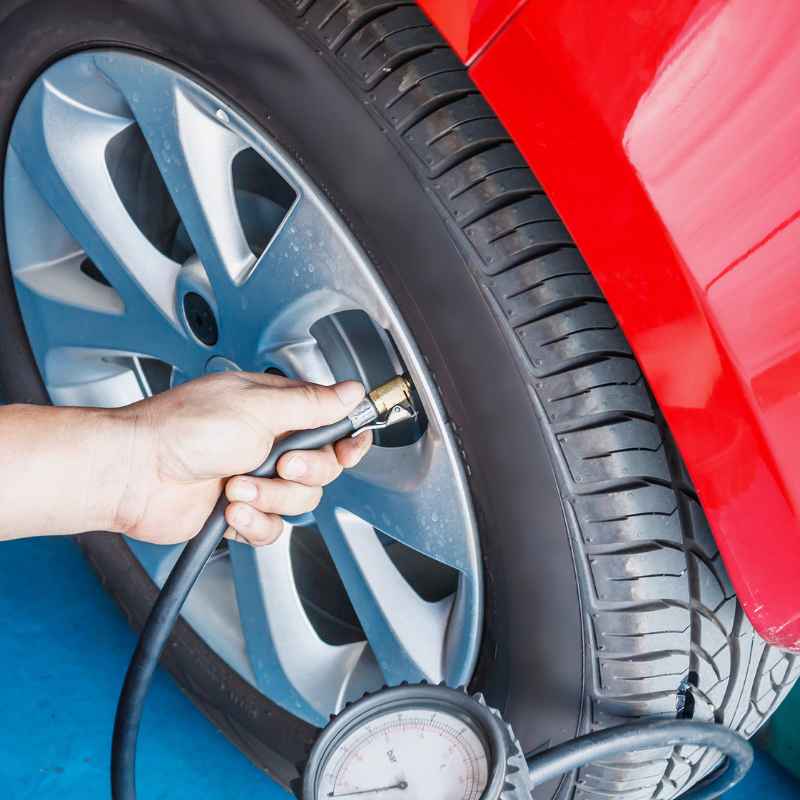
Tire Pressure: This is usually the first thing they check. They use a tire pressure gauge. They compare the reading to the recommended pressure for your car.
This is usually found on a sticker inside the driver’s side door jamb or in your car’s manual. Correct pressure is vital for safety, fuel economy, and tire wear.
Tread Depth: They will measure how much tread is left. Worn tires are dangerous. Most places use a tread depth gauge.
A common guideline is to replace tires when the tread is down to 2/32 of an inch. Some places might use a simple coin test. A penny can show if you have at least 2/32 inches of tread.
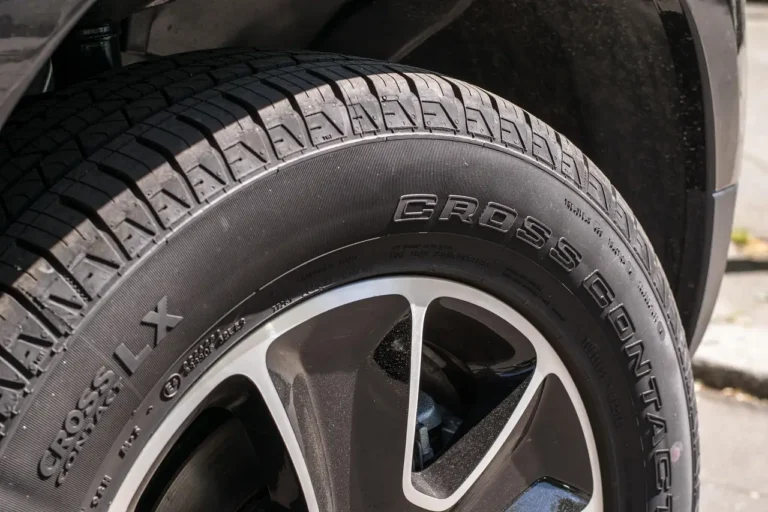
Tire Condition: This involves looking for any physical damage. They check for cuts, cracks, and bulges. They also look for uneven wear patterns.
Uneven wear can signal alignment or suspension problems. They will also check for any objects stuck in the tire, like nails or screws.
Valve Stems: These are small rubber or metal parts where air goes in. They can sometimes crack or leak. A good check includes making sure these are in good shape and not letting air out.
Wheel Balance: While not always part of a free quick check, some places might mention it. If your car vibrates at certain speeds, your wheels might be out of balance. This means the weight isn’t spread evenly around the tire.
Balancing ensures a smooth ride and prevents uneven tire wear.
Wheel Alignment: Similar to balance, this is a more in-depth check. Alignment refers to the angles of your wheels. If they aren’t set correctly, your car can pull to one side.
It also causes faster, uneven tire wear. You might notice this if your steering wheel isn’t straight when you’re driving straight.
Quick Tire Check at Home
1. Check Tire Pressure: Use a reliable tire pressure gauge. Do this when tires are cold.
Find your car’s recommended PSI (pounds per square inch) on the doorjamb sticker. Adjust as needed.
2. Inspect Tread Depth: Use a tread depth gauge or the penny test. Insert a penny into the deepest part of a tread groove, Lincoln’s head facing you.
If you can see the top of Lincoln’s head, your tread is too low.
3. Look for Damage: Walk around your car. Check each tire for cuts, cracks, blisters, or embedded objects.
Look at the sidewalls and the tread.
4. Examine for Uneven Wear: Notice if one side of the tire is more worn than the other. Or if wear is concentrated in the center or edges.
Real-World Scenarios and Tire Issues
Life happens, and so do tire problems. They often show up when you least expect them. Understanding these common situations can help you spot trouble early.
Scenario 1: The Long Road Trip
Imagine you’re packing up for a cross-country drive. You’ve got luggage, snacks, and the whole family ready to go. Before you hit the highway, you give the tires a quick look.
One tire looks a little low. You pump it up, but then you notice a small bulge on the sidewall. That bulge is a sign of weakness.
It could fail under stress. So, the plan changes: a quick stop at the tire shop before you leave.
Scenario 2: The Pothole Encounter
It’s a rainy Tuesday. You’re driving on a familiar road, but a big pothole appears out of nowhere. You hit it hard.
Later that day, you notice your car feels a bit wobbly. Or maybe you hear a strange noise. It’s possible you’ve damaged your tire or even your wheel.
A free tire check can help detect any new damage.
Scenario 3: The Daily Commute Grind
You drive the same route to work every day. Over time, tiny bits of gravel and road debris get ground into the tire’s surface. This can cause small nicks and cuts.
If you don’t check your tires regularly, these small issues can grow. They might lead to leaks or weaken the tire structure over time. A free inspection can catch these small problems before they become big ones.
Scenario 4: The Weather Change
When the seasons change, so does the road. Extreme heat can put extra pressure on tires. Freezing temperatures can cause tire pressure to drop.
You might need to adjust your tire pressure more often. Also, different weather means different road conditions. Good tread is crucial for wet or icy roads.
These scenarios show that tire health isn’t a one-time check. It’s an ongoing process. Being aware of these common situations helps you be a more proactive driver.
What a Free Tire Check Means for You
So, what’s the real benefit of getting your tires checked for free? It boils down to a few key advantages for you as a driver and car owner.
Safety First: This is the biggest one. Tires are critical safety components. A free check can identify worn-out treads, low pressure, or dangerous damage.
Catching these issues means you’re less likely to have a blowout or lose control of your vehicle. It’s about protecting yourself and your passengers.
Saving Money: It might seem counterintuitive, but fixing small tire problems early can save you cash. If your tires are underinflated, your car uses more gas. If they are wearing unevenly due to alignment issues, you’ll need to replace them sooner.
A free check can spot these money-wasters.
Extending Tire Life: Proper tire maintenance, which starts with regular checks, makes your tires last longer. Rotating your tires, maintaining correct pressure, and fixing minor issues can add thousands of miles to their lifespan. This means you buy new tires less often.
Peace of Mind: Knowing your tires are in good shape is a huge relief. You can drive with more confidence. You won’t have that nagging worry about whether your tires can handle the next rainstorm or long drive.
It’s the feeling of being prepared.
Identifying Other Problems: Sometimes, a tire issue is a symptom of a larger problem. For example, uneven tire wear can point to suspension or steering problems. A technician doing a free check might notice this.
They can then advise you to get it looked at by a mechanic.
In short, a free tire check is a simple, no-cost way to invest in your safety and your car’s well-being. It’s a small step that can prevent big headaches down the road.
When to Worry About Your Tires
Significant Tread Wear: If the tread is worn down to the wear bars (small raised areas in the grooves) or is very shallow. The penny test shows Lincoln’s head easily.
Bulges or Blisters: Any noticeable outward swelling on the tire’s sidewall. This is a serious structural defect.
Deep Cuts or Cracks: If you see cuts that go deep into the tire or many small cracks, especially on the sidewall. Aging tires can develop dry rot cracks.
Uneven Wear Patterns: One side of the tire is much more worn than the other, or wear is heavy in the center or on the edges only. This often means alignment or pressure issues.
Constant Pressure Loss: If a tire keeps losing air faster than others, even after being refilled. It might have a slow leak.
Vibration or Pulling: If your car vibrates at speed or pulls to one side, it can indicate tire, balance, or alignment problems.
Quick Tips for Tire Health
While a free check is great, taking small steps yourself can keep your tires in top shape between visits. These are simple actions that make a big difference.
Check Pressure Weekly: Make it a habit to check your tire pressure at least once a week. Cold tires give the most accurate reading. It only takes a few minutes.
Rotate Your Tires: Most car manufacturers recommend rotating your tires every 5,000 to 7,500 miles. This helps them wear more evenly. Front tires wear differently than rear tires.
Rotation helps balance this out.
Observe Tire Wear: Pay attention to how your tires are wearing. If you see an unusual pattern, it’s time to get them checked by a professional. This can save you from more costly repairs later.
Drive Smart: Avoid hitting curbs or potholes whenever possible. Drive smoothly and avoid sudden braking or acceleration. These actions put less stress on your tires.
Keep Them Clean: Wash your tires regularly. This helps remove road grime and chemicals that can degrade the rubber. It also makes it easier to spot any issues.
Replace When Needed: Don’t wait until your tires are bald. If a free check or your own inspection reveals they are worn out or damaged, get them replaced. It’s an investment in your safety.
Tire Tread Depth Guide
New Tires: Typically 10/32 to 11/32 inches of tread.
Good Tread: 8/32 to 9/32 inches. Excellent grip and water dispersion.
Acceptable Tread: 4/32 to 7/32 inches. Still good, but start planning for replacement soon.
Minimum Legal Tread: 2/32 inches. This is the legal limit in most places. Grip is severely compromised, especially in wet conditions.
Replace Immediately: If tread is at or below 2/32 inches.
Frequently Asked Questions About Free Tire Checks
Where is the best place to get a free tire check?
Many places offer free tire checks. Major tire retailers like Discount Tire, Firestone, and Goodyear are good options. Large auto parts stores like AutoZone, Advance Auto Parts, and O’Reilly Auto Parts also often provide this service.
It’s always a good idea to call ahead and confirm.
What exactly do they check during a free tire inspection?
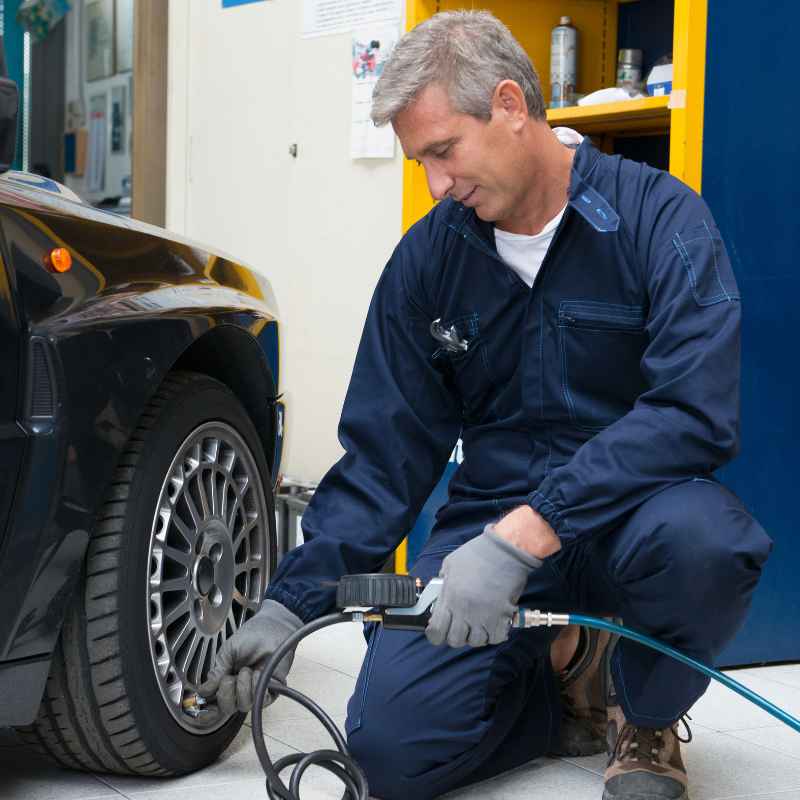
A typical free inspection includes checking tire pressure, measuring tread depth, and looking for visible damage like cuts, bulges, or cracks. They might also briefly check valve stems. Some may offer a quick look at tire wear patterns.
Is a free tire check reliable?
For basic checks, yes. They can spot obvious issues like low pressure or significant wear. However, for a very in-depth analysis of wear patterns, alignment, or complex damage, a professional mechanic’s inspection might be more thorough.
But it’s a great starting point.
Can I get my spare tire checked for free too?
Some places might check your spare tire if you ask them specifically. However, spare tires are often not part of the standard free inspection. It’s best to ask when you make your appointment or arrive.
What if they find a problem during my free tire check?
If they find a problem, they will usually tell you what it is and recommend a solution. For example, they might say your tires are low on tread and need replacement. Or that your tire pressure is too low.
You are never obligated to buy anything. You can take the information and decide where to get the work done.
How often should I get my tires checked?
It’s recommended to check your tire pressure weekly. For a more thorough inspection, a free check every few months or at least twice a year is a good idea. Especially before long trips or when seasons change.
Conclusion
Keeping your tires in good condition is a vital part of safe driving. Knowing where to get them checked for free nearby gives you a practical way to stay on top of it. These checks help ensure your safety, save you money, and make your tires last longer.
Don’t wait for a problem to arise; take advantage of these free services.
See also how to put a tire on a rim safely step-by-step guide . See also why are car tires so expensive the real reasons revealed.
Products related to this article
Sponsored / affiliate links. As an Amazon Associate I earn from qualifying purchases. I may earn additional commission from eligible campaigns.