Why Don’T Car Tires Use Inner Tubes Anymore? Answered Simply
Car tires today are designed as tubeless systems. This means the tire itself and the wheel rim create an airtight seal. This tubeless design offers better safety, improved performance, and easier maintenance compared to older tires that relied on inner tubes.
The Shift to Tubeless Tires: A Game Changer
For many years, inner tubes were a standard part of car tires. They were made of rubber and held the air. The tire itself was just a casing.
This system worked okay for a long time. But as cars got faster and roads improved, people needed better tires. Engineers started looking for ways to make tires safer and more reliable.
That’s when the idea of a tubeless tire began to take hold.
A tubeless tire is one piece of technology. The tire seals directly against the wheel rim. It uses special materials in the tire’s inner lining.
This lining stops air from escaping. The rim also plays a big role. It has a specific shape that helps create a tight fit with the tire bead.
This airtight seal is key.
This wasn’t an overnight change. It took time and a lot of testing. Early tubeless tires had some issues.
But as the technology improved, the benefits became clear. They offered better performance and fewer problems than the old tube-type tires. Today, you’d be hard-pressed to find a new passenger car with tube-type tires.
The main goal was always to make driving safer. Imagine a slow leak versus a sudden blowout. Tubeless tires offer more control in these situations.
They also made tire maintenance simpler for drivers. We’ll explore these advantages more deeply.
My Own Tubeless Tire Surprise
I remember a time a few years back. I had a slow leak in my front tire. It was a pretty hot summer day.
I’d been driving around town, running errands. I noticed the steering felt a bit off. It wasn’t drastic, but I’m pretty sensitive to how my car handles.
I pulled over into a gas station. I looked at the tire. It looked a little low, but not completely flat.
I grabbed my trusty tire pressure gauge.
The reading was way lower than it should have been. I felt a little pang of worry. My first thought went back to my dad changing tires when I was a kid.
He always seemed to be fiddling with inner tubes. But then I remembered, my current car never had those. I hadn’t really thought about it until that moment.
I put some air in. The gauge showed the leak was pretty steady.
I found a tire shop nearby. The mechanic took the tire off. He found a small nail right in the tread.
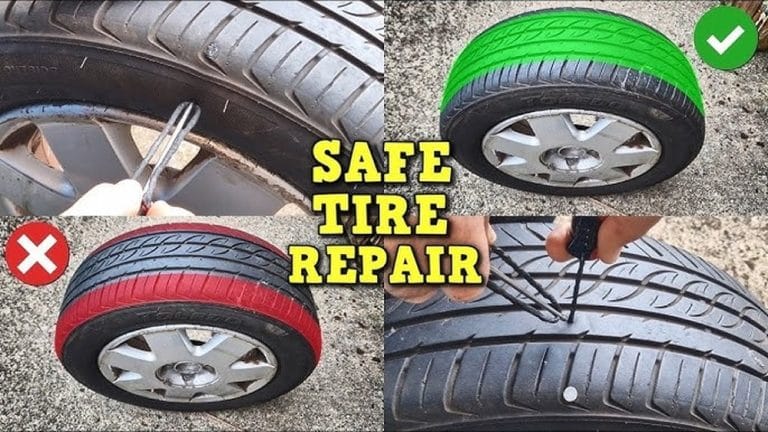
He showed me how they could plug it from the outside. No need to break the bead or deal with a separate tube. He explained how the tubeless design lets them do this easily.
It was so much quicker and cleaner than I imagined. It really hammered home how much better this system is. It felt like a small, personal revelation about car tech.
Why Tubeless Tires Are Better: Quick Look
Safety First: Slower leaks, less risk of sudden blowouts.
Performance Boost: Better handling and fuel economy.
Easy Fixes: Simple repairs for common punctures.
Weight Savings: Less material means lighter wheels.
How Tubeless Tires Create a Seal
The magic of a tubeless tire is its ability to hold air all by itself. It doesn’t need a separate rubber tube inside. This is possible thanks to a few key design features.
They work together to make a perfect, airtight seal.
First, the tire itself has a special inner liner. This liner is made of a butyl rubber compound. It’s very good at preventing air from escaping.
Think of it like a built-in balloon. This liner is bonded directly to the inside of the tire carcass. It forms a continuous, airtight barrier.
Second, the wheel rim is designed differently. It has a raised hump, often called a “bead hump” or “safety hump.” This hump is located just inside the edge of the rim. When the tire is mounted and inflated, the tire bead presses firmly against this hump.
This creates a secure seal that keeps air from leaking out around the bead.
The tire bead itself is also important. It’s the edge of the tire that sits on the rim. It’s made of strong steel wires embedded in rubber.
These beads are stiff and designed to seat properly on the rim. When the tire is inflated, the air pressure pushes the bead outwards. This forces it into a tight seal against the rim and the bead hump.
So, you have three main players: the airtight inner liner of the tire, the specially shaped rim, and the tire bead. When all three work together with proper inflation, you get a strong, airtight seal. This seal is what allows the tire to hold air without an inner tube.
The Downsides of Old Tube-Type Tires
Before tubeless tires became the standard, most car tires used inner tubes. This system had some major drawbacks. Understanding these helps explain why the industry made the switch.
One of the biggest problems with tube-type tires was safety. If a tube got a puncture, the air could escape very quickly. This could lead to a sudden loss of tire pressure.
This is called a blowout. A blowout can cause a car to swerve unexpectedly. This makes it hard to control the vehicle.
It’s a very dangerous situation for drivers and passengers.
Another issue was related to slow leaks. If a tube had a small hole, it would lose air slowly. This meant drivers had to check their tire pressure more often.
They needed to add air regularly to keep the tires properly inflated. This was inconvenient and could lead to underinflated tires. Underinflated tires are less safe.
They also wear out faster and reduce fuel efficiency.
Repairs on tube-type tires were also more complex. If you got a puncture, the tire often had to be removed from the rim. The tube would be taken out.
The puncture would be located and patched from the inside. This was a more time-consuming process. It required more skill than simply plugging a tubeless tire from the outside.
Finally, tube-type tires were heavier. The added weight of the inner tube contributed to the overall weight of the wheel and tire assembly. Lighter wheels can improve a car’s performance, handling, and fuel economy.
So, removing the inner tube offered another advantage in this regard.
Tubeless vs. Tube-Type: Key Differences
| Feature | Tubeless Tire | Tube-Type Tire |
|---|---|---|
| Air Seal | Tire seals directly to rim | Inner tube holds air |
| Puncture Safety | Slower deflation, less blowout risk | Sudden deflation, higher blowout risk |
| Repair Ease | Easier external plugs | More complex internal patching |
| Weight | Lighter | Heavier |
| Common Use | Modern passenger cars | Older vehicles, some heavy-duty trucks |
The Benefits of Modern Tubeless Tires
The shift to tubeless tires wasn’t just about following a trend. It brought about real improvements that drivers experience every day. These benefits are why tubeless technology is now the standard for most vehicles.
Improved Safety: This is perhaps the biggest advantage. When a tubeless tire gets a puncture, the air usually escapes much more slowly. This is because the tire bead creates a seal against the rim.
Even with a small hole, the seal can sometimes help slow down the air loss. This gives the driver more time to react and find a safe place to stop. It greatly reduces the risk of a sudden, dangerous blowout.
Better Performance: Tubeless tires can be designed to run at lower air pressures than tube-type tires. This allows the tire to flex more. This improved flexibility helps the tire grip the road better.
This leads to better handling, especially when cornering. It also provides a more comfortable ride.
Enhanced Fuel Economy: Because tubeless tires provide a more stable seal and can be made lighter, they contribute to better fuel efficiency. A good seal means less air leakage, so tires stay properly inflated longer. Properly inflated tires reduce rolling resistance.
Less rolling resistance means the engine doesn’t have to work as hard. This saves gas.
Easier Puncture Repairs: As mentioned before, repairing a puncture in a tubeless tire is usually much simpler. Most common tread punctures can be fixed with a quick plug from the outside. This doesn’t even require removing the tire from the wheel.
This saves time and money for the vehicle owner. It’s a practical benefit that many appreciate.
Reduced Vibration: The way a tubeless tire seals to the rim can help reduce vibrations. This is because the tire and rim are more integrated. This contributes to a smoother, quieter driving experience.
It also reduces wear and tear on the vehicle’s suspension system.
A Personal Experience with a Slow Leak
I had a situation a few winters ago. It was one of those really cold mornings. Everything was covered in a thin layer of ice.
I was heading out for work, and I noticed my tire pressure warning light come on. I looked at the tires. They looked okay from a distance.
But the light was on, so I knew something was up.
I went to the nearest gas station. I checked the pressure. The front passenger side tire was significantly low.
It wasn’t flat, but it was well below the recommended pressure. It was cold enough that I worried about the rubber shrinking. I suspect this might have weakened the seal slightly.
I added air. I figured I’d deal with it properly later. But by the afternoon, the light was on again.
This time, I took it to my mechanic. He put the car up on the lift. He sprayed soapy water all around the tire.
We watched. Tiny little bubbles started forming around the valve stem. It turned out the valve stem itself was the issue.
The rubber seal around the base of the valve stem had started to break down. It was letting air escape very slowly.
He explained that this happens sometimes, especially with older valve stems. He replaced the valve stem. It was a simple, quick fix.
He showed me how the new one sealed perfectly. The whole process took maybe twenty minutes. It was a good reminder that while tubeless tires are great, all components need maintenance.
And that seal is crucial. It’s not just the tire and the rim; the valve stem is part of that airtight system too.
Infographic: How a Tubeless Tire Works
Tire Bead
Strong wires in rubber grip the rim.
Wheel Rim
Special shape with a bead hump.
Airtight Liner
Butyl rubber inside tire stops air leaks.
Air Pressure
Inflates tire, pressing bead against rim.
When Are Inner Tubes Still Used?
While modern passenger cars almost exclusively use tubeless tires, there are still situations where inner tubes are found. These are usually in specialized applications where the demands are different.
Heavy-Duty Trucks and Buses: Many larger commercial vehicles still use tube-type tires. These tires operate under extremely high loads and pressures. The sheer force involved can sometimes stress the seals on tubeless systems.
In these heavy-duty applications, inner tubes can provide an extra layer of reliability and help manage the immense pressures. They are often combined with special rims designed for tube-type tires.
Off-Road and Agricultural Vehicles: Think tractors, construction equipment, and some ATVs. These vehicles often face harsh conditions. They can encounter sharp rocks, debris, and extreme terrain.
In some of these applications, the durability and puncture resistance offered by a heavy-duty tube can be advantageous. Tubes can sometimes provide a bit more cushioning and resistance to sidewall damage.
Older Classic Cars: If you own a classic car, it might originally have come with tube-type tires. To maintain historical accuracy, some owners will opt to keep them. However, many classic car enthusiasts today will convert their wheels to tubeless systems.
This is done for safety and reliability reasons, even if the car looks original on the outside.
Motorcycles and Bicycles: This is a big one. Most motorcycles, especially those with spoked wheels, still use inner tubes. The design of spoked wheels makes it very difficult to create a reliable airtight seal with the rim.
Similarly, most bicycles, from road bikes to mountain bikes, rely on inner tubes. While tubeless bicycle tires are becoming more popular, tubes are still the norm for many.
The reason these applications still use tubes often comes down to the rim design, the extreme operating conditions, or the need for easier field repairs in remote locations. For the average car driver, however, the tubeless system offers superior benefits.
What This Means For Your Car
For the vast majority of car owners, the fact that tires are tubeless is a good thing. It means you benefit from the advancements in safety, performance, and convenience. But understanding this system also means knowing a few things.
Regular Tire Pressure Checks Are Still Crucial: Even though tubeless tires deflate slower, they still lose air over time. It’s vital to check your tire pressure regularly. Use a reliable gauge.
The recommended pressure is usually found on a sticker inside the driver’s side doorjamb or in your owner’s manual. Maintaining correct pressure is key to safety, tire life, and fuel economy.
Punctures Can Still Happen: While tubeless tires are more resistant to blowouts, they can still get punctured by nails, screws, or sharp objects. If you get a puncture, notice it promptly. Don’t drive on a severely underinflated tire.
If it’s a small puncture in the tread area, a quick plug repair is usually possible.
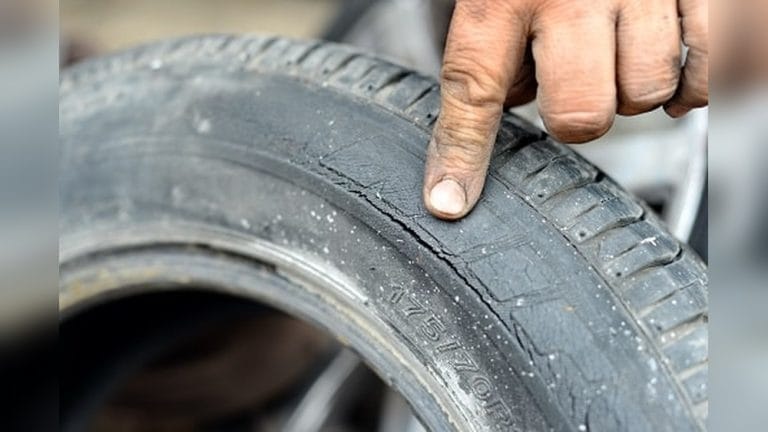
Be Aware of Sidewall Damage: Tubeless tires are generally not repairable if they are damaged on the sidewall. The sidewall is flexible and crucial for tire structure. Any cut or damage here compromises the tire’s integrity.
If you have sidewall damage, the tire must be replaced. This is a safety measure.
Valve Stems Need Attention: As I learned firsthand, valve stems can degrade over time. They are made of rubber and can crack or become brittle, especially in harsh weather or with age. Always check valve stems for cracks when you check your tires.
Replacing a faulty valve stem is a simple and inexpensive way to prevent air loss.
Consider Tire Sealant: Some people choose to put liquid tire sealant inside their tubeless tires. This sealant can help automatically seal small punctures as they happen. While this can be convenient, it’s important to know that some sealants can make future repairs more difficult for a mechanic.
They can also be messy. Consult a tire professional if you’re considering using sealant.
Quick Tips for Tubeless Tire Care
Taking care of your tubeless tires is straightforward. Following these simple tips will help keep them safe and performing well.
- Check Pressure Weekly: Make it a habit. A quick check once a week saves headaches later.
- Inspect Tires for Damage: Look for cuts, bulges, or embedded objects. Do this when you check pressure.
- Rotate Tires Regularly: Follow your car’s maintenance schedule. This ensures even wear.
- Watch for Uneven Wear: If you see uneven wear, it might mean an alignment issue. Get it checked.
- Listen for Changes: Odd noises or vibrations can indicate a problem. Don’t ignore them.
- Replace Old Valve Stems: If your tires are old, consider replacing the valve stems during a tire change. It’s cheap insurance.
Frequently Asked Questions About Tubeless Tires
Are all modern car tires tubeless?
Yes, virtually all passenger car tires manufactured today for road use are designed as tubeless. This technology has been the standard for decades due to its superior safety and performance benefits.
Can I put an inner tube in a tubeless tire?
While it is technically possible to install an inner tube in a wheel designed for a tubeless tire, it is strongly discouraged. Tubeless rims and tires are designed to work as a system. Using an inner tube in a tubeless tire can lead to improper seating and potential safety issues.
It bypasses the benefits of the tubeless design.
How do I know if my tires are tubeless?
If your car was made in the last 30-40 years, it almost certainly has tubeless tires. You can also check the tire sidewall. It will often have “Tubeless” printed on it.
Also, look at your wheel rims. If they have a deep drop center, they are likely designed for tubeless tires.
What happens if a tubeless tire gets a large cut?
A large cut, especially on the sidewall, usually means the tire cannot be safely repaired. The structural integrity of the tire is compromised. In such cases, the tire will need to be replaced to ensure safety on the road.
How long do tubeless tires typically last?
The lifespan of a tubeless tire depends on many factors. These include the quality of the tire, driving habits, road conditions, and maintenance. Most passenger car tires are designed to last between 30,000 and 70,000 miles.
Regular checks and proper inflation help maximize their life.
Why do some trucks and motorcycles still use tubes?
Some trucks and motorcycles, particularly those with spoked wheels or operating under very heavy loads, still use tubes. This is often due to rim design limitations in creating a perfect seal, or the need for extra robustness in extreme conditions. For regular cars, tubeless is the better and safer choice.
A Look Back and Forward
The journey from simple rubber tubes to sophisticated tubeless tire systems is a testament to automotive innovation. It shows how evolving needs drive technological progress. The change wasn’t just about convenience; it was fundamentally about making our roads safer.
Tubeless tires have transformed the driving experience. They offer better control, a more comfortable ride, and greater peace of mind. While the technology might seem simple, its impact is profound.
Understanding why they don’t use inner tubes anymore helps us appreciate the engineering that keeps us moving.
Products related to this article
Sponsored / affiliate links. As an Amazon Associate I earn from qualifying purchases. I may earn additional commission from eligible campaigns.