Are LED Lights Bad for Your Car? What You Need to Know
Are LED lights bad for your car? This is a question many car owners ponder as they consider upgrading their vehicle’s lighting system. While LEDs offer numerous advantages like increased brightness and energy efficiency, there are potential downsides and installation considerations that can impact your car’s performance and safety.
This post will break down the pros and cons of LED car lights, explore common issues, and provide guidance on making informed decisions to ensure your vehicle’s lighting is both effective and compliant.
Simply put, while LED lights offer significant benefits like superior brightness and efficiency, they can be problematic if not chosen or installed correctly. Poor quality LEDs, improper aiming, or non-compliant kits can lead to glare for other drivers, reduced visibility in certain conditions, and potential legal issues, making informed selection and installation crucial.
Key Takeaways
- Are LED lights bad for your car? Generally no, if chosen and installed correctly, but poorly designed or installed LEDs can cause glare and reduce visibility.
- Proper beam pattern and aiming are critical to ensure LEDs illuminate the road effectively without blinding oncoming drivers.
- Non-compliance with local regulations regarding automotive lighting can lead to fines or failed inspections.
- Heat dissipation is a key factor for LED longevity; inadequate cooling can shorten their lifespan.
- The upfront cost of quality LED bulbs can be higher, but their energy efficiency and lifespan often provide long-term savings.
What Are LED Car Lights?
LED stands for Light Emitting Diode. Unlike traditional halogen bulbs that heat a filament to produce light, LEDs generate light when an electric current passes through a semiconductor material. This fundamental difference is what gives LEDs their remarkable efficiency and longevity.

Govee
Govee Car LED Lights, RGB Smart Car…
- Creative DIY Mode: Choose from 16 million available colors or customize car led light effects to your liking in DIY mode via Govee…
- Dynamic Music Mode: Built-in mic helps interior car lights sync with any music type. Liven up your road trips, weekend getaways or…
- Smart App Control: Manage the colors and brightness of car lights or choose music mode by one simple tap with Govee Home app. Enjo…
As an Amazon Associate I earn from qualifying purchases.
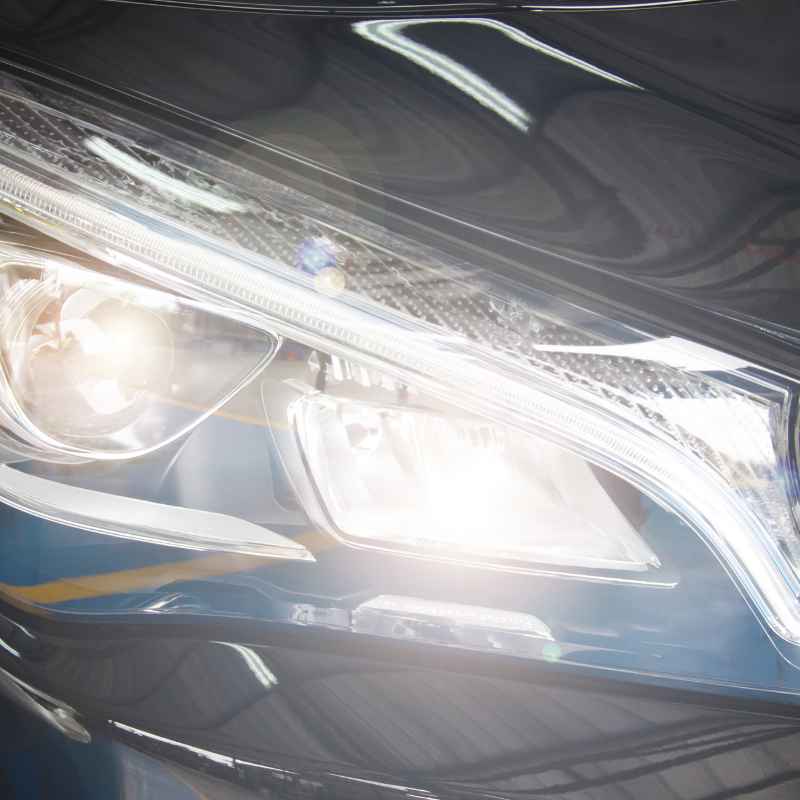
In the automotive world, LED technology has rapidly advanced, moving from taillights and interior lighting to headlights and fog lights. Their ability to produce crisp, bright light with minimal power consumption makes them an attractive upgrade for many car owners seeking improved visibility and a more modern aesthetic.
The appeal of LEDs is undeniable, but it’s important to understand that not all LED bulbs are created equal. The quality of the diode, the driver electronics, the heat sink design, and the overall beam pattern engineered into the bulb all play a significant role in their performance and whether they are truly beneficial or potentially detrimental.
How Do LED Car Lights Work?
The core of an LED is a semiconductor chip. When electricity flows through this chip, electrons recombine with electron holes, releasing energy in the form of photons, which is light. The color of the light is determined by the semiconductor material used.
For automotive applications, multiple LEDs are often arranged on a small board to mimic the filament position of a traditional halogen bulb. This is crucial for ensuring the light is directed correctly through the headlight reflector or projector lens, maintaining a proper beam pattern. The light output is typically much higher than halogen bulbs, and the light spectrum is closer to natural daylight, which can improve driver perception and reduce eye strain.
However, a critical aspect of LED operation is heat management. While LEDs are more energy-efficient than halogens, they still generate heat. This heat must be effectively dissipated to prevent premature failure.
High-quality LEDs use advanced heat sinks, often made of aluminum, sometimes with cooling fans, to draw heat away from the diodes and prevent them from overheating.
- Energy Efficiency: LEDs consume significantly less power than halogen bulbs, typically around 70-80% less. This can slightly improve fuel economy and reduce strain on the car’s electrical system.
- Brightness and Clarity: LEDs produce a brighter, whiter light that closely resembles daylight, enhancing visibility and making road signs and other vehicles easier to see.
- Longevity: With proper heat management, LEDs can last much longer than halogen bulbs, often tens of thousands of hours, meaning fewer replacements over the vehicle’s lifetime.
- Instant On: LEDs illuminate instantly to full brightness, unlike halogen bulbs that take a moment to warm up, offering a slight advantage in reaction time.
- Durability: LEDs are solid-state devices, meaning they have no filament to break, making them more resistant to vibration and shock.
Potential Problems with LED Car Lights
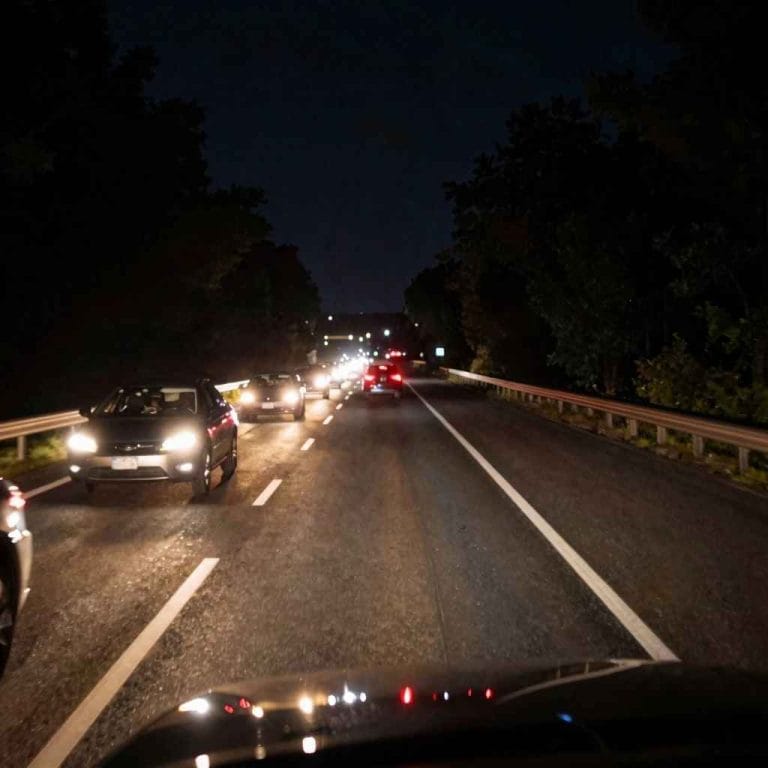
While the benefits are clear, there are several common pitfalls that can arise when switching to LED lights. The most significant concern is glare. Because LEDs are so bright, if they are not designed with a proper beam pattern or if they are not aimed correctly in the headlight housing, they can project light upwards and into the eyes of oncoming drivers, creating a dangerous situation.
Another issue is compatibility. Some vehicles have complex lighting systems that rely on specific resistance values from the original bulbs. Cheap LED replacements might not have the correct load, leading to hyper-flashing (turn signals blinking too fast) or the car’s computer registering a “bulb out” error.
Quality LED kits often include resistors or decoders to mitigate these issues.
Furthermore, the effectiveness of LEDs can be compromised in certain weather conditions. While their brightness can be an advantage, the color temperature of some LEDs (too blue) can scatter more in fog, rain, or snow, potentially reducing visibility compared to a warmer-toned halogen or a properly designed dedicated fog light. The long-term reliability also depends heavily on the quality of the heat dissipation system.
Beam Pattern Issues and Glare
The primary reason why improperly installed or low-quality LEDs can be “bad” for your car and other drivers is the disruption of the beam pattern. Headlights are precisely engineered with reflectors or projectors designed to work with a specific light source, typically a halogen bulb. This design creates a specific cutoff line and light distribution pattern that illuminates the road ahead while minimizing glare for oncoming traffic.
Many aftermarket LED bulbs are designed as simple replacements for halogen bulbs. However, the LED chip placement may not perfectly match the filament’s position. Even a slight difference can cause the light to be scattered incorrectly by the headlight assembly.
This can result in dark spots on the road, excessive light being cast into the sky, and critically, blinding glare for drivers in the opposite lane.
This glare is not just an annoyance; it’s a significant safety hazard. Studies have shown that glare from oncoming headlights can cause temporary vision impairment, increasing the risk of accidents. Therefore, when choosing LEDs, it’s crucial to opt for bulbs designed for specific headlight types (reflector vs.
projector) and to ensure they maintain a sharp, well-defined beam pattern. Proper aiming after installation is also non-negotiable.
Types of Headlight Housings and LED Compatibility
- Reflector Headlights: These use a polished metal or plastic reflector to cast and direct light. LEDs designed for reflectors need to mimic the halogen filament’s light source position accurately so the reflector can shape the beam correctly. Many general-purpose LEDs struggle to achieve this in reflector housings.
- Projector Headlights: These use a lens to focus and direct light. Projector housings are often more forgiving with LED placement, as the lens does more of the work in shaping the beam. However, the quality of the LED itself and its light output still matter.
- Halogen Replacement LEDs: These are designed to fit into existing halogen sockets. Their effectiveness varies greatly depending on how well they replicate the halogen filament’s position and light dispersion.
- Purpose-Built LED Headlights: These are complete headlight assemblies designed from the ground up with LED technology. They offer the best performance and beam control but are a more significant upgrade.
Heat Dissipation and Longevity Concerns
LEDs generate heat, and this is perhaps the most common factor leading to their premature failure. If the heat is not efficiently removed from the LED chips, their performance degrades rapidly, and they can burn out. This is why quality LED bulbs incorporate robust cooling systems.
Simpler, cheaper LED bulbs might only have a basic aluminum heat sink. While better than nothing, these can be insufficient, especially in tightly sealed headlight housings where airflow is limited. More advanced LEDs use larger, finned heat sinks, sometimes with integrated cooling fans, to actively push heat away from the diodes.
The fans, however, can be a point of failure themselves, and their small size might not be effective in all conditions.
The environment inside a car’s engine bay or headlight housing can be extreme. Temperatures can soar, and dust and moisture can infiltrate. A cooling system that works well in a lab might struggle in the real world.
Therefore, a well-built LED with a proven cooling mechanism is essential for achieving the advertised lifespan.
| Cooling Method | Pros | Cons |
|---|---|---|
| Passive Heat Sink (Fins) | No moving parts, silent operation, reliable in dusty environments. | Can be less effective in confined spaces or high ambient temperatures. May require larger physical size. |
| Active Cooling (Fan) | Very effective at dissipating heat, allowing for more compact bulb designs and higher light output. | Moving parts can fail, noisy operation, susceptible to dust and moisture clogging, may draw additional power. |
Choosing an LED with a robust cooling system is paramount for ensuring it lasts and performs optimally. A fan-based system might offer superior cooling but introduces more potential failure points and noise.
Legality and Compliance Issues
In many regions, automotive lighting is strictly regulated to ensure safety. The use of non-compliant LED bulbs, especially for headlights, can lead to legal troubles. Many countries and states have specific standards for headlight performance, including beam pattern, intensity, and color temperature.
Aftermarket LED kits are often marketed as “off-road use only” or are not officially certified for road use in specific jurisdictions. If your vehicle is inspected, or if you are stopped by law enforcement, having non-approved lighting could result in a citation or a requirement to revert to standard lighting. It’s crucial to research your local regulations before purchasing and installing LED bulbs.
Furthermore, even if LEDs are technically legal, if they cause excessive glare and are deemed to be a hazard, you could still face penalties. This emphasizes the importance of selecting LEDs that are designed to maintain a safe and effective beam pattern, often requiring specific designs for projector or reflector headlights.
Regulatory Considerations
- DOT/SAE Compliance: In North America, look for headlights and bulbs that are DOT (Department of Transportation) or SAE (Society of Automotive Engineers) compliant. However, true DOT-certified LED replacement bulbs for headlights are rare, as the entire headlight assembly usually needs to be certified.
- E-Mark Certification: In Europe and many other countries, E-mark certification (e.g., ECE regulations) is required for automotive lighting.
- Beam Pattern Standards: Regulations often specify acceptable beam patterns, including the height and intensity of the light on the road and the sharp cutoff line to prevent glare.
- Color Temperature Limits: Some regions may have limits on the color temperature of headlights to prevent overly blue or harsh light.
Are LED Lights Bad for Your Car’s Electrical System?
Generally speaking, when you upgrade to LEDs, they are less of a strain on your car’s electrical system than traditional halogen bulbs. This is due to their significantly lower power consumption. A typical halogen headlight bulb might draw 55-60 watts, while an equivalent LED bulb might only use 15-25 watts.
This reduced power draw can be beneficial. It means less demand on your alternator and battery, potentially leading to slightly better fuel efficiency. It also means less heat generated within the headlight housing itself from electrical resistance, which can be a positive factor for the longevity of other components within the housing.
However, there are specific compatibility issues to be aware of, particularly with modern vehicles. Some cars use the headlight’s resistance to monitor its status. If a low-draw LED bulb is installed without the correct load resistor or CANbus decoder, the car’s computer might interpret this as a burnt-out bulb, triggering error messages on the dashboard or causing turn signals to hyper-flash.
CANbus Errors and Hyper-Flashing
Modern vehicles are equipped with sophisticated computer systems that monitor various functions, including lighting. These systems often rely on the electrical load (resistance) of a bulb to confirm it’s working correctly. Halogen bulbs have a specific resistance, and the car’s computer is programmed to expect it.
LEDs, with their much lower power draw, present a different resistance. This discrepancy can confuse the car’s computer. For turn signals, this often results in “hyper-flashing,” where the signal blinks much faster than normal.
For headlights, it might trigger a “bulb out” warning light on the dashboard, even if the LED is functioning perfectly. To combat this, many LED kits for sensitive vehicles include inline resistors or CANbus decoders that mimic the load of a halogen bulb, tricking the car’s computer into thinking the original bulb is still in place.
It’s important to note that these resistors generate heat and need to be installed correctly, typically away from flammable materials. Faulty resistors or decoders can still lead to issues. Therefore, choosing an LED kit specifically designed for your vehicle’s make and model, if available, can help avoid these compatibility problems.
| Issue | Cause | Solution |
|---|---|---|
| Dashboard Error Light (Bulb Out) | Low power draw of LED not recognized by car’s computer. | Install CANbus decoder or load resistor. |
| Hyper-Flashing Turn Signals | Low power draw of LED causes faster blinking speed. | Install inline load resistor or replace flasher relay with an LED-compatible one. |
| Dim or Flickering Lights | Poor quality LED driver, loose connection, or insufficient power supply. | Check connections, ensure adequate power, consider higher-quality LEDs. |
Addressing these electrical compatibility issues is a common step when retrofitting LEDs, and the solutions are usually straightforward with the right components.
Maximizing Visibility and Safety with LEDs
To ensure that LEDs enhance rather than detract from your driving experience, focus on maximizing both visibility and safety. This means choosing the right type of LED for your specific headlight housing and ensuring they are properly aimed. It also involves selecting LEDs with appropriate color temperatures and considering their performance in adverse weather conditions.
The goal is to achieve a bright, clear light that illuminates the road far ahead, provides good peripheral vision, and has a sharp cutoff line to prevent blinding other drivers. High-quality LEDs with advanced optical designs are key to achieving this balance. Investing in reputable brands known for their automotive lighting expertise can make a significant difference.
Regularly checking and adjusting your headlight aim is also crucial, especially after installing new bulbs or if you notice a change in lighting performance. Many auto shops can perform this adjustment quickly and affordably, ensuring your LEDs are working as safely and effectively as possible.
Choosing the Right LED Bulb for Your Headlight Type
As mentioned, not all LED bulbs are suitable for all headlight housings. The design of the reflector or projector dictates how the light is shaped and directed. Using the wrong type of LED can lead to a completely ineffective or hazardous beam pattern.
For Reflector Headlights: Look for LEDs that explicitly state they are designed for reflector housings. These bulbs typically have LED chips positioned very close to where the filament of a halogen bulb would be, allowing the reflector to direct the light properly. Avoid generic “all-in-one” LED bulbs that might not be optimized for reflectors.
For Projector Headlights: These housings are generally more forgiving. However, it’s still best to use LEDs designed for projector use, as they often have specific optics to work with the projector lens for a clean cutoff. Be mindful of the overall brightness and avoid bulbs that project light in all directions.
A good rule of thumb is to consult the LED bulb manufacturer’s specifications and recommendations for your specific vehicle make, model, and headlight type. Reading reviews from other users with similar vehicles can also provide valuable insights.
LED Color Temperature Considerations
- Cool White (6000K-6500K): This is a very popular choice, offering a bright, crisp light that closely resembles daylight. It enhances contrast and makes road markings very visible. However, in poor weather like fog or heavy rain, this color can scatter more, potentially reducing visibility.
- Natural White (4000K-5000K): A good balance between brightness and all-weather performance. This range is often considered excellent for general driving, providing clear visibility without being excessively blue.
- Warm White (3000K-3500K): Less common for headlights but often used for fog lights. This color is less prone to scattering in fog, rain, and snow, making it more effective in adverse conditions.
- Blue Tinted LEDs (7000K+): These can appear very bright and modern but often sacrifice usable road illumination and can cause significant glare. They are frequently illegal for road use.
For general headlight use, a color temperature between 4000K and 6500K is usually recommended, with 5000K often being cited as the sweet spot for balancing clarity and weather performance.
The Role of Aiming and Professional Installation
Even the best LED bulbs will perform poorly if your headlights are not aimed correctly. The precise angle at which your headlights point is critical for illuminating the road at an appropriate distance while avoiding glare. Over time, impacts, vibrations, or even simple wear and tear can cause headlights to become misaligned.
After installing any new headlight bulbs, especially LEDs, it’s highly recommended to have them aimed professionally. Auto repair shops and specialized lighting installers have specialized equipment to measure and adjust the headlight aim precisely according to safety standards. This process ensures that you get the maximum benefit from your new LEDs and, more importantly, that you aren’t creating a hazard for others.
For those comfortable with DIY, there are guides available on how to aim headlights using a wall, but professional alignment is generally more accurate. Given the potential safety implications and legal requirements, professional installation and aiming are often a worthwhile investment when upgrading to LED headlights.
Tip: When choosing LED bulbs, look for brands that offer specific models for projector or reflector headlights and check for customer reviews that mention beam pattern quality and glare.
When Are LED Lights Truly Bad for Your Car?
To summarize the potential downsides, LED lights can be considered “bad” for your car and for road safety in several scenarios:
Firstly, when cheap, low-quality LEDs are used. These often lack proper heat dissipation, leading to premature failure and reduced brightness. They may also have poorly designed optics that scatter light randomly, causing significant glare for others and poor illumination for the driver.
Secondly, when LEDs are installed in headlight housings not designed for them, or when they are not aimed correctly. This is a critical point, as a perfectly good LED can become a hazard if its beam pattern is distorted or misdirected by the reflector or projector. This leads to reduced visibility for the driver and increased risk for oncoming traffic.
Thirdly, if the LED conversion is not compatible with the vehicle’s electrical system and causes persistent error messages or malfunctions. While usually solvable with decoders, persistent electrical issues can be frustrating and potentially impact other vehicle systems.
Finally, if the LEDs used are not legal for road use in your region or do not meet required safety standards, leading to potential fines or failed inspections. Always prioritize compliance and safety over simply having the brightest lights.
Common Mistakes to Avoid
- Buying the Cheapest Option: Low price often means compromises in quality, heat management, and optical design, leading to poor performance and short lifespan.
- Ignoring Headlight Type: Using LEDs designed for projectors in reflector housings (or vice-versa) without verification can drastically alter and worsen the beam pattern.
- Skipping Aiming: Installing LEDs and assuming they’ll work perfectly without proper aiming is a major mistake that creates glare and reduces effective road illumination.
- Not Checking Vehicle Compatibility: Failing to use CANbus decoders or resistors when needed can lead to dashboard errors and hyper-flashing.
- Overlooking Weather Performance: Choosing very high color temperature (e.g., 7000K+) LEDs might look bright but perform poorly in fog, rain, or snow.
- Installing without Researching Legality: Using non-certified or illegal lighting can result in fines and mandatory removal.
- Improper Installation: Forgetting to seal headlight housings properly after bulb replacement can lead to moisture and dust ingress, damaging the LEDs and electronics.
Important: Always ensure that any LED bulb you install has a proper beam pattern designed for your specific headlight housing (reflector or projector) and is aimed correctly. This is paramount for safety.
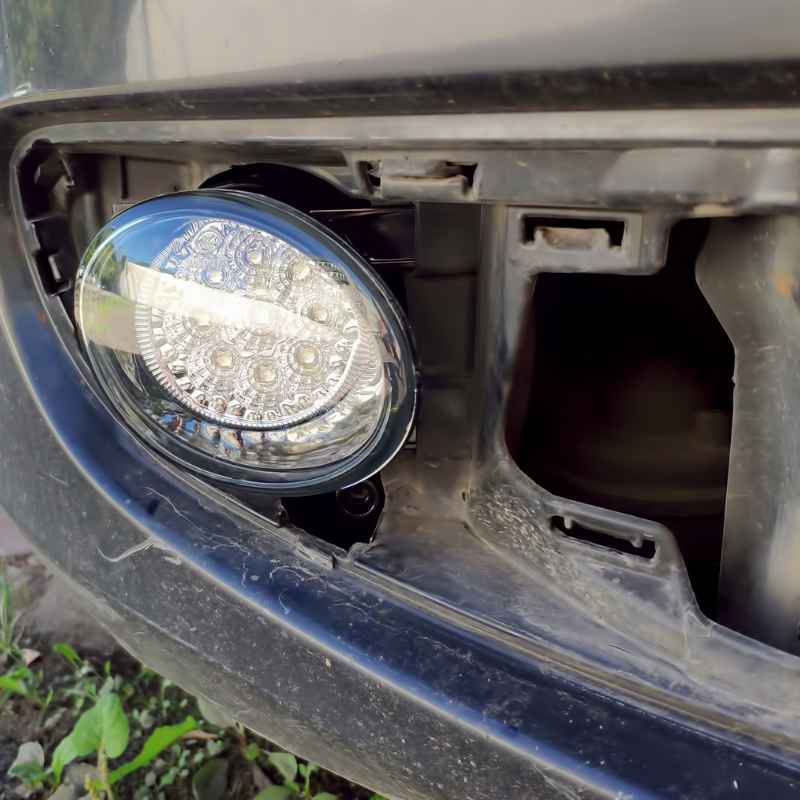
Frequently Asked Questions
Are LED headlights brighter than halogen headlights?
Yes, generally LED headlights are significantly brighter than halogen headlights. They produce more lumens (a measure of light output) and often have a whiter color temperature, which can make them appear even brighter and improve visibility.
Can LED headlights cause damage to my car’s headlight assembly?
Poorly designed LED bulbs with inadequate heat sinks can overheat and potentially damage the plastic components of your headlight assembly over time due to excessive heat buildup. High-quality LEDs with effective cooling systems are designed to manage heat and should not cause damage.
Do LED headlights last longer than halogen bulbs?
With proper heat management and quality construction, LEDs can last considerably longer than halogen bulbs. Halogen bulbs have a filament that degrades over time and can burn out, while LEDs have a much longer operational lifespan, often tens of thousands of hours.
Are LED bulbs road legal everywhere?
Legality varies by region. While LEDs are common in modern cars and often used as upgrades, aftermarket LED replacement bulbs for headlights may not be DOT or ECE certified in all jurisdictions. It’s essential to check your local regulations.
Can I put LED bulbs in my car’s fog lights?
Yes, you can put LED bulbs in fog lights. Many people opt for warmer color temperatures (around 3000K) for fog lights, as this color scatters less in adverse weather conditions like fog, rain, or snow, providing better visibility.
Final Thoughts
Ultimately, the question of whether LED lights are bad for your car depends entirely on the quality of the product and the installation. When chosen wisely, with attention to beam pattern, heat dissipation, compatibility, and legality, LEDs offer a superior lighting experience. However, opting for cheap, uncertified, or improperly installed LEDs can indeed be detrimental, leading to safety hazards and potential legal issues.
Prioritize quality, research your vehicle’s needs, and ensure proper aiming for a brighter, safer drive.
Related pick: Check today's price on Amazon See also how often do cars light on fire stats and safety tips.
Products related to this article
Sponsored / affiliate links. As an Amazon Associate I earn from qualifying purchases. I may earn additional commission from eligible campaigns.
 ACARLUOY Acrylic Interior Car LED Lights,for Tesla Model 3 2020 6 in1kit
 48 72 LED Car Interior RGB Ambient Strip Lights 12V
 Jushope Car LED Lights, Interior Car Lights with Wireless APP/RF Remote/Button Control, Car Ambient Lighting Kit with 315" Integrated Molding Fiber Optic RGB Sync to Music (6 in 1-USB)