How Much Do Car Tires Cost in the USA?
How much car tire cost in USA varies significantly based on brand, type, size, and retailer, but understanding the typical price ranges can help you budget for this essential vehicle maintenance.
This guide will break down the factors influencing tire prices, provide average costs for different categories, and offer tips on finding the best value. Getting the right tires at a fair price is crucial for safety, performance, and your wallet.
In short, car tires in the USA can range from $100 to $400 or more per tire, with an average cost of $150 to $250 for a set of four, depending heavily on brand reputation, performance features, and vehicle type. Installation and balancing costs typically add $60 to $120 per set.
Key Takeaways
- Car tire cost in USA averages $150-$250 per tire, but can range from $100 to over $400.
- Factors like brand, tire type (all-season, performance, winter), size, and tread life significantly impact the car tire cost.
- Installation, balancing, and alignment fees can add $60-$120+ to the total price of a set of four tires.
- Shopping around at different retailers and considering less premium brands can help reduce the overall car tire cost.
- Premium brands like Michelin, Bridgestone, and Goodyear are generally more expensive than budget-friendly options.
What Factors Influence Car Tire Costs?
The price tag on a new set of tires isn’t arbitrary. Several key elements contribute to the final cost you’ll see at the auto shop or online retailer. Understanding these components empowers you to make informed decisions and avoid overspending.
The most obvious factor is the brand. Established manufacturers like Michelin, Bridgestone, and Goodyear often command higher prices due to their reputation for quality, research and development, and extensive warranties. These brands invest heavily in tire technology, leading to improved performance and longevity, which is reflected in their pricing.
Beyond brand, the specific type of tire plays a massive role. Are you looking for all-season tires for general use, performance tires for spirited driving, winter tires for harsh weather, or rugged all-terrain tires for off-roading? Each category has different engineering requirements and material compositions, affecting its price.
- Brand Reputation: Premium brands with extensive R&D and warranties generally cost more.
- Tire Type: All-season, performance, winter, and all-terrain tires have different price points.
- Size and Load Rating: Larger tires and those with higher load capacities are typically more expensive.
- Tread Life (Warranty): Tires with longer mileage warranties often have a higher upfront cost.
- Traction and Speed Ratings: Higher performance ratings can increase the price.
- Fuel Efficiency Features: Special compounds designed for better MPG might also add to the cost.
- Specialty Tires: Run-flat tires or tires designed for specific vehicle types (e.g., electric vehicles) can be premium priced.
Understanding Tire Categories and Their Average Costs
Tires aren’t one-size-fits-all, and neither are their prices. Different categories are engineered for specific purposes, leading to a wide spectrum of costs. For instance, basic all-season tires, designed to handle a variety of common driving conditions, are often the most budget-friendly option for everyday vehicles.
On the other hand, high-performance tires, built for speed and superior handling, utilize specialized rubber compounds and intricate tread designs that significantly increase their price. These are typically found on sports cars and luxury sedans where maximum grip and responsiveness are paramount. Similarly, winter tires, with their deep treads and flexible compounds for cold weather, come at a premium due to their specialized construction for extreme conditions.
| Tire Category | Average Cost Per Tire (USD) | Key Features |
|---|---|---|
| Standard All-Season | $100 – $180 | Versatile performance, good tread life, balance of grip and comfort. |
| Performance All-Season | $150 – $250 | Enhanced handling, better cornering, responsive steering. |
| High-Performance/Summer | $180 – $350+ | Maximum grip, sportier feel, optimized for warmer weather. |
| Winter/Snow Tires | $120 – $220 | Superior traction in snow, ice, and cold temperatures. |
| All-Terrain (A/T) | $140 – $280 | Balanced on-road and off-road capability, durable construction. |
| Mud-Terrain (M/T) | $180 – $350+ | Aggressive tread for extreme off-road conditions, noisy on pavement. |
This table illustrates that the range of car tire cost is vast, primarily driven by performance and application. A standard all-season tire on a compact car will be considerably cheaper than a set of mud-terrain tires for a lifted truck.
Premium vs. Budget Tire Brands: What’s the Difference?
The choice between premium and budget tire brands often comes down to a trade-off between upfront cost and long-term value. Premium brands like Michelin, Continental, Pirelli, and Bridgestone typically use more advanced rubber compounds, sophisticated tread designs, and extensive R&D to create tires that offer superior grip, handling, durability, and often a quieter ride.
These tires also usually come with more comprehensive mileage warranties, meaning they are designed to last longer, potentially offsetting their higher initial price. For drivers who prioritize safety, performance, and a comfortable driving experience, investing in premium tires can be worthwhile. For example, a premium all-season tire might offer better wet traction and a longer tread life, saving money and hassle in the long run compared to frequent replacement of cheaper tires.
Important: When considering tire brands, also look at the UTQG (Uniform Tire Quality Grading) ratings for treadwear, traction, and temperature resistance. This can offer a more objective comparison between different brands, even budget ones.
Budget brands, on the other hand, offer a significantly lower upfront car tire cost. They are a good option for drivers on a tight budget, those who drive fewer miles annually, or for older vehicles where the highest performance isn’t a primary concern. While they may not offer the same level of refined performance or longevity as premium tires, many budget brands from reputable manufacturers can still provide adequate safety and reliability for everyday driving.
Brands like Cooper, General Tire, and Firestone often fall into a middle ground, offering good value.
| Feature | Premium Brands (e.g., Michelin, Bridgestone) | Budget Brands (e.g., Accelera, Sailun) |
|---|---|---|
| Average Cost Per Tire | $150 – $400+ | $70 – $150 |
| Performance & Handling | Excellent; superior grip, braking, and cornering. | Adequate; acceptable for normal driving conditions. |
| Tread Life & Durability | Generally longer; higher mileage warranties. | Typically shorter; lower mileage warranties or none. |
| Ride Comfort & Noise | Quieter and smoother ride. | Can be noisier and less refined. |
| Technology & Innovation | High; advanced compounds, tread patterns, and design. | Basic; focused on core functionality. |
This comparison highlights that while budget tires are cheaper initially, the long-term benefits of premium brands, like extended tread life and superior safety features, often make them a more economical choice for many drivers over the vehicle’s lifespan.
The Hidden Costs: Installation, Balancing, and Alignment
When you calculate the car tire cost, it’s essential not to forget the associated services required to get those new tires fitted and functioning correctly. Simply buying tires online or off the shelf doesn’t mean they’re ready for the road. These additional services are crucial for safety, tire longevity, and optimal vehicle performance.
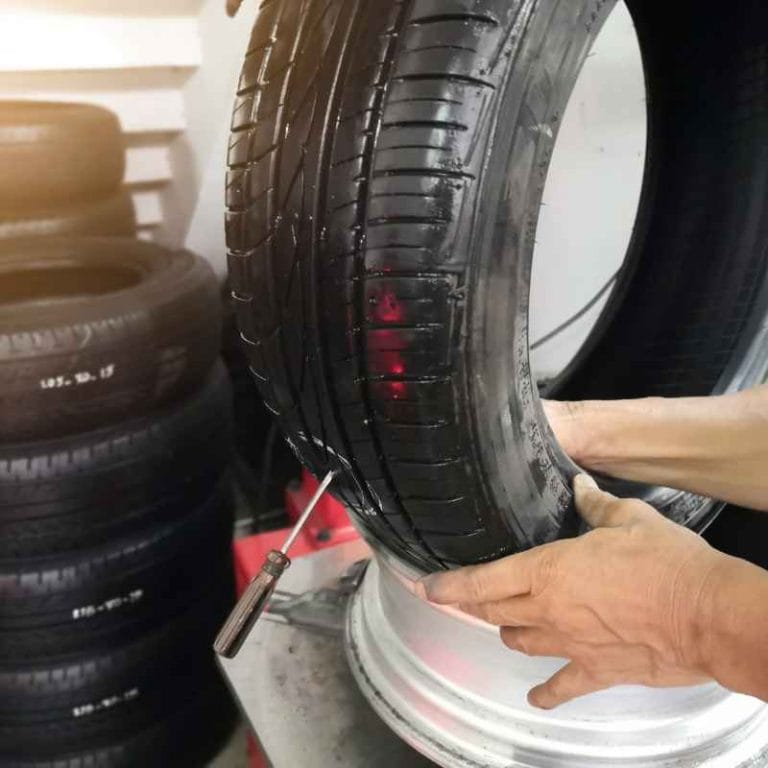
Installation involves mounting the new tires onto your vehicle’s wheels. This process requires specialized equipment to safely remove the old tires and securely attach the new ones. Balancing is equally important; it ensures that the weight of the tire and wheel assembly is distributed evenly around the axle.
Without proper balancing, you’ll experience vibrations at certain speeds, uneven tire wear, and potential stress on your vehicle’s suspension components.
Warning: Skipping tire balancing can lead to premature tire wear, making your new tires need replacement much sooner and costing you more in the long run. It can also cause uncomfortable vibrations and affect handling.
Wheel alignment is another critical service, especially when getting new tires. Alignment refers to adjusting your vehicle’s suspension and steering components so that your wheels are set to the optimal angles. Proper alignment ensures that your tires are making even contact with the road, which is vital for safe handling, consistent braking, and maximizing tire life.
Misaligned wheels can cause tires to wear unevenly and rapidly, sometimes within a few thousand miles.
- Tire Mounting: Safely attaching new tires to your existing wheels.
- Tire Balancing: Adding small weights to the wheel to counteract imbalances, ensuring smooth rotation.
- Valve Stem Replacement: Often replaced during installation to prevent leaks.
- Wheel Alignment: Adjusting suspension angles for optimal tire contact and vehicle tracking.
- Tire Disposal Fee: A small charge for responsibly disposing of your old tires.
The typical cost for installation and balancing for a set of four tires can range from $60 to $120. Wheel alignment is a separate service and usually costs between $80 and $150, though some tire shops offer alignment services as part of a tire purchase package. Always inquire about these additional costs when budgeting for new tires to get an accurate total car tire cost.
Where to Buy Car Tires: Online vs. Local Retailers
Deciding where to purchase your new car tires involves weighing the convenience and price of online retailers against the service and expertise offered by local tire shops and auto service centers. Both options have distinct advantages and disadvantages that can influence your overall experience and the final car tire cost.
Online tire retailers like Tire Rack, Discount Tire Direct, and Amazon offer a vast selection and often competitive pricing. You can easily compare different brands, read customer reviews, and have tires shipped directly to your home or a preferred installer. This convenience allows you to do extensive research from your couch.
However, you lose the immediate personalized advice and hands-on inspection that a local shop can provide. The price you see online might also not include installation, balancing, or other potential fees, so it’s crucial to factor those in.
Tip: Many online retailers partner with local installers, allowing you to ship tires directly to a shop near you for professional mounting and balancing. This can streamline the process and sometimes offer bundled pricing.
Local tire shops and auto service centers, on the other hand, offer immediate assistance, expert recommendations, and professional installation services on-site. You can physically see and touch the tires, and the staff can provide personalized advice based on your vehicle and driving habits. Many local businesses also offer package deals that include tires, installation, balancing, and even alignment at a bundled price, potentially simplifying the entire process and sometimes offering better overall value when all services are considered.
However, their selection might be more limited than online options, and prices might be slightly higher.
- Online Retailers:
- Pros: Wide selection, competitive pricing, convenience of research at home, direct shipping.
- Cons: No immediate expert advice, potential hidden installation costs, requires scheduling installation separately.
- Local Tire Shops/Auto Centers:
- Pros: Expert advice, immediate installation, professional fitting services, package deals, potential for warranties and services.
- Cons: Potentially more limited selection, prices might be slightly higher, requires an in-person visit.
When comparing prices, always ask for a “total out-the-door” price that includes all taxes, fees, and services, whether buying online or locally, to accurately assess the true car tire cost.
How to Get the Best Value on Your Tire Purchase
Maximizing the value of your tire purchase involves a combination of smart shopping strategies, timing, and understanding what you truly need. It’s not just about finding the cheapest option, but the best combination of price, quality, and longevity for your specific situation.
One of the most effective ways to save money is to shop during promotional periods. Many tire manufacturers and retailers offer seasonal sales, rebates, and discounts throughout the year, especially around holidays like Memorial Day, Labor Day, and Black Friday. Keeping an eye out for these promotions can lead to significant savings, often hundreds of dollars on a set of four tires.
Additionally, some retailers offer loyalty programs or discounts for first-time buyers.
Tip: Consider signing up for email newsletters from your favorite tire brands and retailers. They often announce sales and special offers directly to their subscribers first.
Another strategy is to look beyond the top-tier brands. While premium tires offer excellent performance, mid-range or even lesser-known reputable brands can provide a fantastic balance of quality and affordability. Sometimes, a tire with a slightly lower speed rating or a less aggressive tread pattern might be perfectly adequate for your driving needs and significantly cheaper.
Always check reviews and compare specifications before settling on a budget option.
- Shop During Sales Events: Look for holiday promotions and seasonal discounts.
- Utilize Rebates: Take advantage of manufacturer mail-in or instant rebates.
- Compare Mid-Range Brands: Consider brands that offer good value for their price point.
- Negotiate: Don’t be afraid to ask local shops if they can match or beat online prices.
- Buy a Full Set: Purchasing four tires at once is often more cost-effective than buying them individually.
- Check for Certified Pre-Owned Tires: Some reputable dealers offer lightly used, inspected tires at a discount.
- Factor in Installation and Alignment: Always get a quote for the total cost, including all services.
Finally, consider the tire’s mileage warranty. A tire with a longer warranty might have a higher upfront cost but will likely last longer, reducing the need for premature replacement and saving you money over time. When you calculate the cost per mile, a more expensive tire with a longer lifespan can often be the more economical choice.
Frequently Asked Questions
How much does a set of four car tires typically cost?
A set of four standard car tires typically costs between $400 and $800. This includes the cost of the tires themselves, often averaging $150-$250 per tire. However, this figure can easily rise to $1,000 or more for high-performance or specialty tires.
Are expensive tires always better?
While expensive tires often use superior materials and technology for better performance, handling, and longevity, they are not always necessary. For many drivers, mid-range or even certain budget brands can provide excellent safety and durability for everyday use at a lower cost.
What is the average cost of tire installation and balancing?
The average cost for professional installation and balancing of a set of four tires typically ranges from $60 to $120. This service is essential to ensure new tires are fitted correctly and perform safely.
Should I buy tires online or from a local shop?
Both options have pros and cons. Online retailers often have a wider selection and competitive prices, while local shops offer expert advice, immediate service, and often package deals. It’s best to compare total costs, including installation, from both sources.
How long should car tires last?
The lifespan of car tires varies greatly depending on the tire type, driving habits, road conditions, and maintenance. Most all-season tires are designed to last between 40,000 to 70,000 miles, with some premium tires exceeding 80,000 miles.
Final Thoughts
Understanding the many factors that influence how much car tire cost in USA is key to making a smart purchase. From brand reputation and tire type to installation fees and promotional savings, the final price is a culmination of several elements. By carefully considering your vehicle’s needs, comparing options, and shopping strategically, you can find reliable tires that offer excellent value without breaking the bank.
Related pick: Check today's price on Amazon See also best car tyres for indian roads top rated options in 2026.
Products related to this article
Sponsored / affiliate links. As an Amazon Associate I earn from qualifying purchases. I may earn additional commission from eligible campaigns.