How Do Car Tire Pressure Sensors Work? Simple Explanation
This system uses special sensors inside your wheels. They measure the air pressure. If the pressure drops too much, the car tells you. This helps keep you safe and saves gas.
Understanding Tire Pressure Monitoring Systems (TPMS)
These systems are called Tire Pressure Monitoring Systems, or TPMS for short. They are a key part of car safety. They help drivers know when their tires need more air.

A-Premium
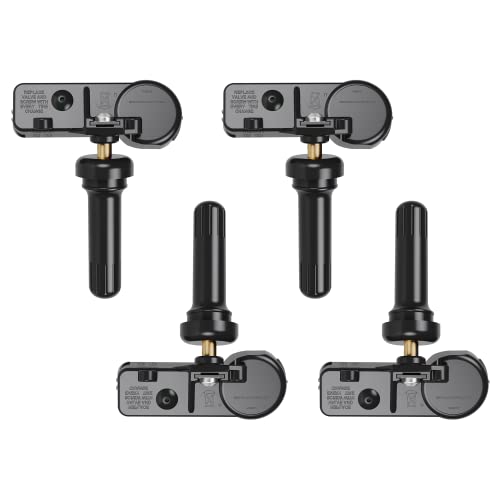
A-Premium 315MHz Pre-programmed TPMS Sensor Tire Pressure…
- [VEHICLE FITMENT-1]: Compatible with Ford Bronco 2021-2024, E-350 Super Duty 2021-2023, E-450 Super Duty 2017-2023, Ecosport 2018-…
- [VEHICLE FITMENT-2]: Compatible with Lincoln Continental 2017-2020, Corsair 2020-2021, Mark LT 2015-2016, MKC 2018-2020, MKX 2017-…
- [REFERENCE NUMBER]: F2GZ-1A189-A, F2GZ1A189A, F2GZ-1A189-D, F2GZ1A189D, F2GT-1A180-AB, F2GT1A180AB, HC3Z-1A189-A, HC3Z1A189A
As an Amazon Associate I earn from qualifying purchases.
Low tire pressure is a common problem. It can happen for many reasons.
Things like small leaks, temperature changes, or just slow air loss over time can cause it. Driving on under-inflated tires is dangerous. It makes steering harder.
It also makes braking less effective. Your tires can wear out faster too. Even worse, a tire can blow out suddenly.
TPMS helps prevent these issues. It works by having sensors in each tire. These sensors are small but powerful.
They constantly check the air pressure. They also often measure the tire’s temperature. This extra data can be useful.
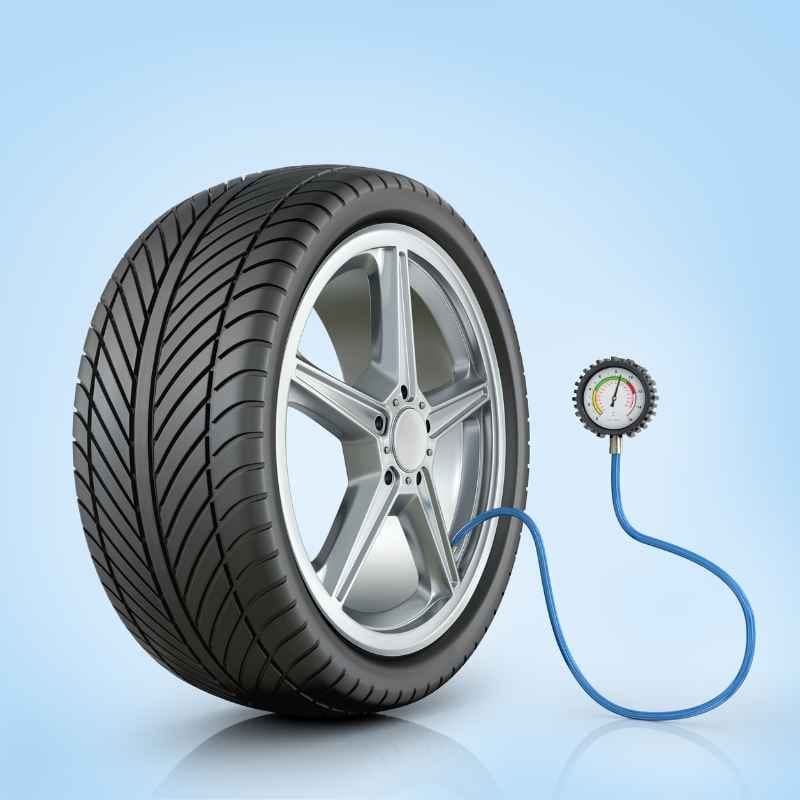
When the pressure in one or more tires falls below a safe level, the system alerts you. A light on your dashboard comes on. This is usually a yellow light shaped like a tire with an exclamation mark inside.
It’s a clear signal to check your tires right away.
A Little Bit of History
TPMS isn’t new, but it’s become standard. Back in the late 1980s, some luxury cars started using it. But it was not common then.
The U.S. government made it mandatory for all new cars. This was after the late 1990s.
They wanted to improve road safety. Now, most cars sold in the U.S. have TPMS.
It’s a big help for drivers.
How the Sensors Actually Work
Inside each wheel, there’s a special sensor unit. This unit has a few main parts. It has a battery to power it.
It has a pressure sensor itself. It also has a small computer chip. And it has a radio transmitter.
The pressure sensor measures the air pressure inside the tire. It does this by detecting how much the tire’s inner surface is pushing out. The more air, the more push.
The sensor converts this pressure into an electronic signal.
This signal goes to the little computer chip in the sensor. The chip processes the information. It checks if the pressure is within the normal range.
It usually looks for a pressure that is too low. Some systems also have a threshold for too high pressure. But low pressure is the main concern.
If the pressure is too low, the chip tells the radio transmitter to send a message. This message includes the tire’s ID and its pressure reading. It’s like a tiny radio broadcast from inside your wheel.
The transmitter sends this signal wirelessly. This signal travels through the rubber and air of the tire. It also goes through the metal wheel rim.
It then travels to a receiver in the car. Most cars have one main receiver. Some might have a few around the car.
The car’s computer receives these signals. It knows which signal belongs to which wheel because each sensor has a unique ID. The computer compares the pressure from each sensor to a pre-set safe range.
This range is set by the car manufacturer.
If any tire’s pressure is too low, the warning light comes on. The car’s display might also show which tire is low. This is very helpful.
It tells you exactly where the problem is.
Types of TPMS Sensors
There are two main types of TPMS systems:
- Direct TPMS: This is the most common type. It uses the individual sensors inside each tire mentioned above. They give precise readings for each wheel.
- Indirect TPMS: This system uses the car’s anti-lock braking system (ABS) wheel speed sensors. It doesn’t measure pressure directly. Instead, it infers low pressure by looking at how fast a tire is rotating. A low tire will spin faster than a properly inflated one. This system is less accurate and can be tricked.
Direct TPMS is what most people mean when they talk about tire pressure sensors. It’s the more advanced and reliable system. The sensors themselves are quite durable.
They are designed to withstand the harsh conditions inside a wheel. This includes impacts, water, salt, and extreme temperatures.
What Happens When the Light Comes On?
Seeing that TPMS light can be a little unnerving. But it’s a good warning. The first thing to do is find a safe place to pull over.
You can’t check tire pressure while driving. Once you’re safely stopped, you need to look at your tires.
Visually inspect all four tires. Do any of them look obviously flat or low on air? Sometimes, the problem is very clear.
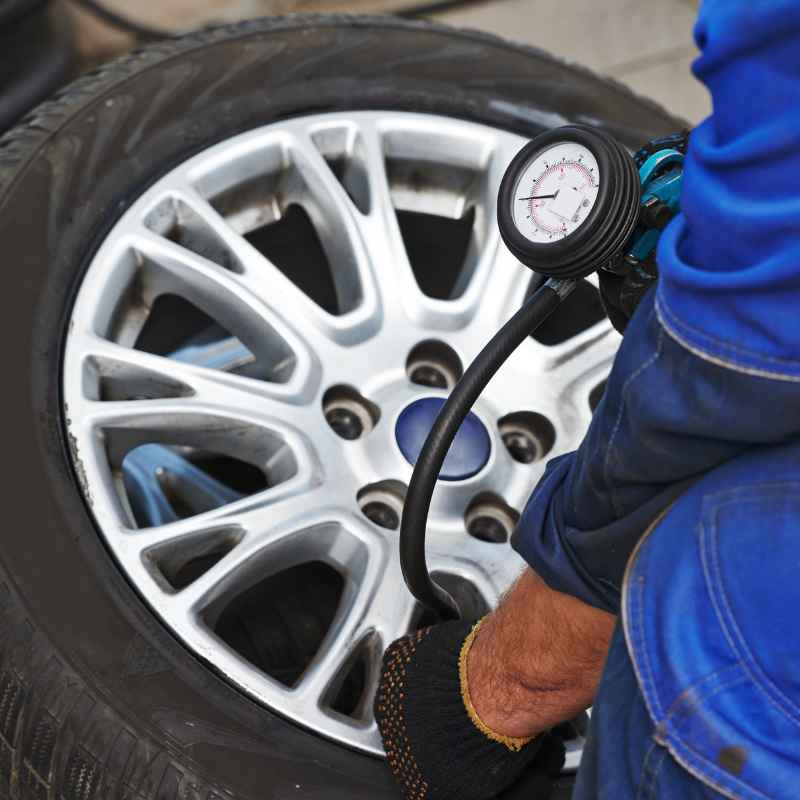
You might see a tire that is visibly sagging. This is a good time to use a tire pressure gauge if you have one.
You can usually find the recommended tire pressure for your car on a sticker. This sticker is typically on the driver’s side doorjamb. It might also be in your car’s owner’s manual.
It will list the front and rear tire pressures. These are usually given in pounds per square inch (PSI).
If you don’t have a gauge, you can drive to a gas station. Many gas stations have air pumps. Some are free, and some require a small payment.
Use the pump to check the pressure. Add air if needed. Most pumps have a gauge built into them.
Aim to reach the PSI recommended on your car’s sticker.
Once you’ve adjusted the tire pressure, the TPMS light should turn off. This might not happen immediately. Some systems need you to drive a short distance.
This allows the sensors to take new readings and send them to the car’s computer. A few miles of driving is usually enough.
When Low Pressure Isn’t Obvious
Sometimes, tires can be low on air without looking flat. This is especially true if all tires are low by the same amount. Temperature changes can cause this.
A drop in outside temperature can lower tire pressure. A few PSI difference might not be visible. This is why using a tire gauge is important.
It’s also worth noting that some TPMS systems have a reset button. You might need to press this after inflating your tires. Check your owner’s manual.
It will tell you if your car has this feature and how to use it.
Why Your Tires Lose Pressure
It’s natural for tires to lose a small amount of air over time. This is called permeation. Air molecules can slowly pass through the rubber of the tire.
This is a very slow process. You might lose about 1 PSI per month from each tire. This is normal.
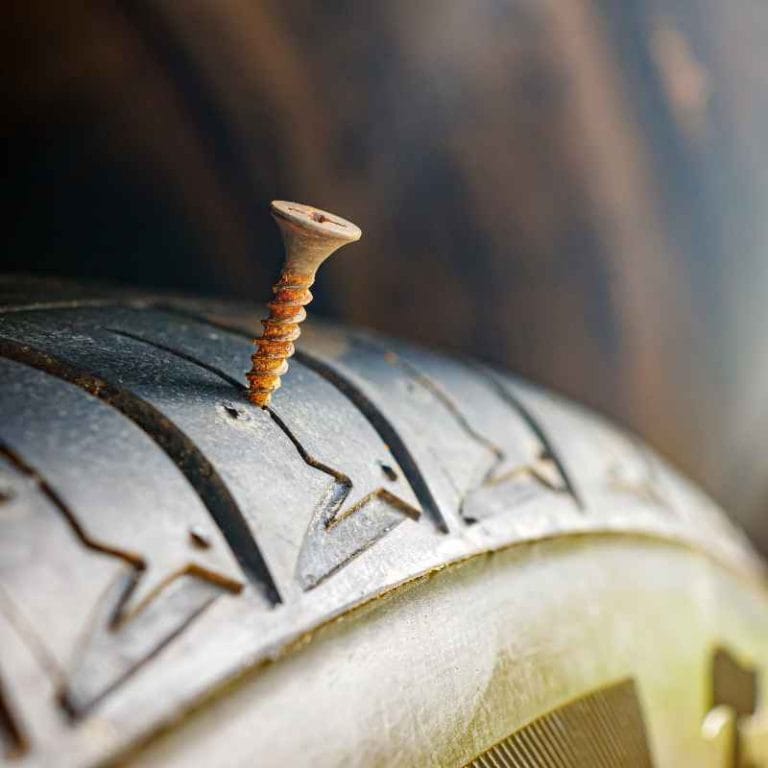
However, other things can cause faster pressure loss. Punctures from nails or screws are common. Even a tiny hole can let air escape.
You might not notice a nail right away. It could be lodged deep in the tread.
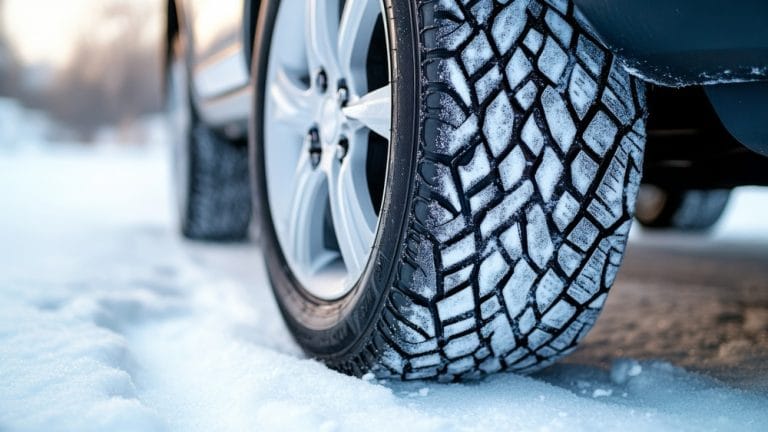
Temperature changes also play a big role. For every 10-degree Fahrenheit drop in temperature, tire pressure can decrease by about 1 PSI. So, if it gets much colder outside, your tire pressure will go down.
This is why checking tires is important in the fall and winter. The opposite is true in warmer weather. Pressure increases as it gets hotter.
Valve stems can also be a source of leaks. The valve stem is where you add air. It has a small valve inside.
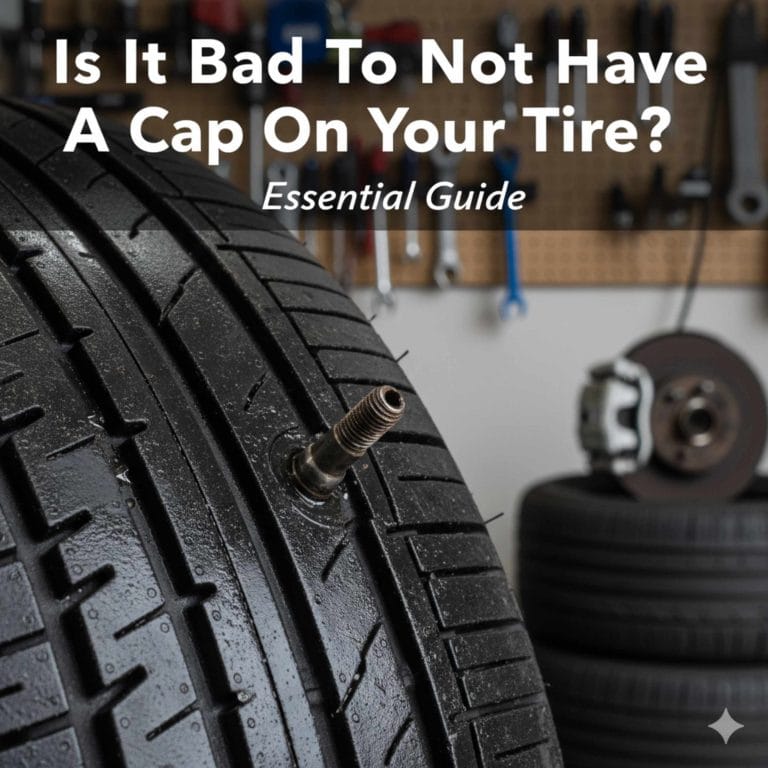
If this valve is faulty or loose, air can escape. The valve cap is also important. It helps keep dirt and moisture out of the valve stem.
The Role of the Sensors in Safety
The main job of tire pressure sensors is safety. Under-inflated tires are dangerous for several reasons. They can overheat.
This can lead to tire failure or a blowout. This is a sudden loss of air. It can cause a driver to lose control of the car.
Handling is also affected. When tires are low on air, the car feels less responsive. Turning the steering wheel might feel sluggish.
Braking distances can also increase. This means it takes longer to stop the car. This can be critical in an emergency situation.
Tire wear is another issue. Low pressure causes the tire tread to flex more. This leads to uneven wear.
The edges of the tire tread will wear down faster than the center. This reduces the tire’s lifespan. It also compromises its grip on the road.
Finally, fuel efficiency suffers. When tires are under-inflated, your engine has to work harder. This is because there is more friction between the tires and the road.
More effort from the engine means more fuel is used. Keeping tires properly inflated can save you money on gas. It’s estimated you can improve fuel economy by up to 3% by keeping tires at the correct pressure.
Quick Check: Your Car’s Recommended Tire Pressure
Where to find it: Driver’s side doorjamb sticker, owner’s manual.
What it means: The ideal pressure for your tires when they are cold.
Why it matters: Ensures safety, optimal handling, and fuel efficiency.
So, those little sensors are working hard to protect you and your car. They are a simple yet effective safety feature. They also help you save money on gas and tire replacements.
When Do the Sensors Need Replacing?
These sensors are powered by batteries. The batteries inside the sensors are designed to last a long time. Typically, they can last for 5 to 10 years.
Eventually, the battery will die. When this happens, the sensor will stop sending signals.
You will usually see the TPMS warning light come on. It might blink for a while and then stay solid. This could mean a sensor battery is dead.
It could also mean there is a problem with the sensor itself.
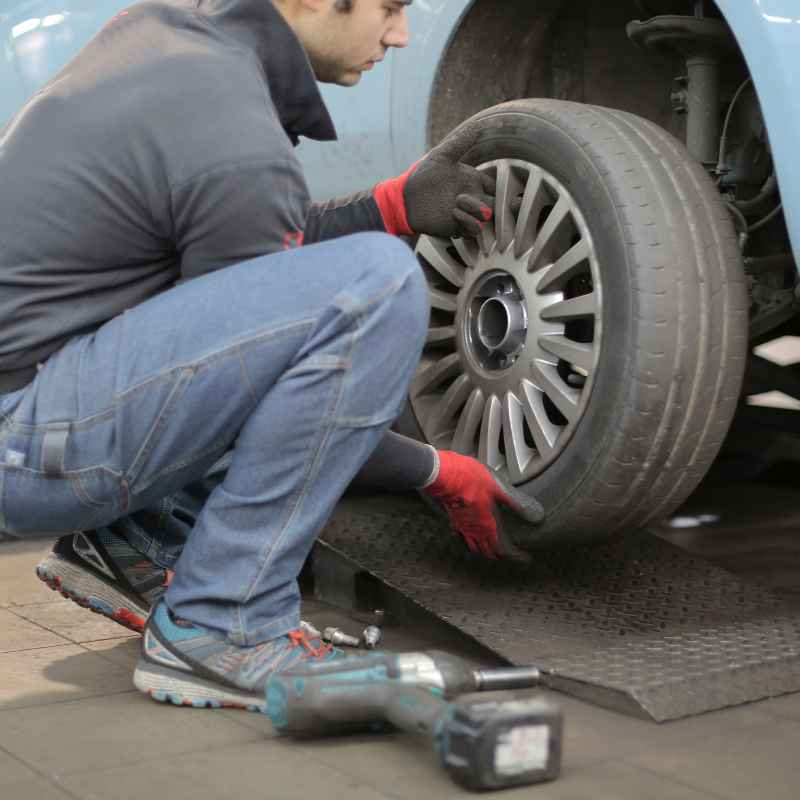
Another reason sensors might need replacing is damage. Sometimes, during tire changes or rotations, a sensor can be accidentally damaged. The technician might hit it with tools.
Or they might not handle it with care.
Replacement sensors are available. They are often sold as individual units. Sometimes, they are sold in sets of four.
Your mechanic can install them for you. After installation, the new sensors will need to be “programmed” or “relearned” by your car’s computer. This process ensures the car recognizes the new sensors.
Some tire shops can do this programming. Your car dealership can also do it. The procedure varies by car make and model.
So, it’s always best to consult your owner’s manual or a trusted mechanic.
Sensor Battery Life
- Typical Lifespan: 5-10 years.
- Indicator: TPMS warning light appears.
- Replacement: Usually requires a new sensor unit, as batteries are often not replaceable separately.
It’s a good idea to ask your tire shop about the TPMS sensors when you get new tires. They can often check the sensor’s battery life. They can also inspect them for damage.
This can save you from future headaches.
Indirect TPMS: How It Differs
As mentioned earlier, indirect TPMS is a different approach. It doesn’t use individual sensors in each wheel. Instead, it relies on the car’s ABS sensors.
These sensors are already there to monitor wheel speed for anti-lock braking. How does it guess tire pressure?
When a tire is under-inflated, it becomes smaller in diameter. This means it rotates faster than the other tires. The ABS sensors pick up this difference in rotation speed.
The car’s computer analyzes this data.
If it detects that one wheel is spinning significantly faster than the others, it flags it as a potential low-pressure situation. The TPMS warning light will come on. This system is simpler and often cheaper for manufacturers to implement.
It doesn’t require the extra sensors in the wheels.
However, indirect TPMS has some downsides. It’s not as precise as direct TPMS. It can’t tell you the exact pressure in each tire.
It also can’t tell you which tire is low if multiple tires are low by the same amount. If you rotate your tires, the system might get confused.
It also requires you to reset the system after you inflate the tires. You need to tell the car that the tires are now properly inflated. If you don’t reset it, the light might stay on.
This can be a bit annoying for drivers.
Another issue is that if all tires lose pressure equally, like from a cold snap, the indirect system might not detect it. This is because there’s no difference in rotation speed between the wheels. You could still be driving on under-inflated tires without a warning.
Indirect TPMS vs. Direct TPMS
| Feature | Direct TPMS | Indirect TPMS |
|---|---|---|
| Sensor Type | Individual sensors in each wheel | Uses ABS wheel speed sensors |
| Pressure Reading | Precise PSI for each tire | Inferred, no exact PSI reading |
| Location Alert | Identifies specific low tire | May not identify specific tire if all are low |
| Cost | Higher initial cost | Lower initial cost |
| Maintenance | Sensor battery replacement | System reset after tire inflation |
Most newer cars and many well-equipped cars use direct TPMS. It’s considered the more advanced and user-friendly system. But understanding how indirect TPMS works is still useful.
Common TPMS Problems and Solutions
Beyond dead batteries or damaged sensors, there are other things that can cause TPMS issues. Sometimes, the warning light can come on for no clear reason. This can be frustrating.
1. False Warnings: As we discussed, temperature changes can cause the light to come on. If it’s cold, your tires might be a few PSI lower.
Inflate them to the correct pressure. If the light goes off, that was the issue. Similarly, if you’ve just driven over a big bump, it might have temporarily confused the system.
2. Tire Rotation Issues: If you’ve recently rotated your tires, the car’s computer might not have correctly identified which sensor is now in which position. This can lead to the wrong tire warning.
A relearn procedure by a mechanic usually fixes this.
3. Aftermarket Wheels: If you’ve
4. Sensor Malfunction: Sometimes, a sensor can just go bad. It might start sending incorrect readings or stop sending them altogether.
This is when replacement is usually needed.
5. Receiver Issues: Less commonly, the car’s central receiver unit could be faulty. Or there could be something blocking the signal from the sensors to the receiver.
This is rare but possible.
Solutions often involve:
- Checking tire pressure: Always the first step.
- Driving a short distance: To allow the system to recalibrate.
- Resetting the system: If your car has a reset button.
- Professional diagnosis: Taking it to a mechanic or tire shop. They have tools to read TPMS error codes. They can test individual sensors and the receiver.
- Sensor replacement and programming: If a sensor is faulty.
Don’t ignore the TPMS light. It’s there for a reason. Even if you think it might be a false alarm, it’s always best to check your tires.
Safety first!
Troubleshooting Checklist
- Is the light on or blinking? A blinking light often means a system malfunction, not just low pressure.
- Check all tire pressures: Use a reliable gauge.
- Inflate tires to recommended PSI: Find it on the doorjamb sticker.
- Drive for a few minutes: See if the light turns off.
- Consult your owner’s manual: For specific reset procedures.
- Visit a tire shop or mechanic: For further diagnosis if the light persists.
My Own Experience with TPMS
I remember one particular morning. It was a chilly October day. I was rushing to get to a client meeting.
As I started my car, there it was: the dreaded TPMS light. It was solid, not blinking, which usually means low pressure. I glanced at my tires.
They looked okay, but I knew better than to trust my eyes.
I had a small portable tire inflator in my trunk. I pulled into a quiet parking lot near my office. I got out my trusty tire pressure gauge.
The front passenger tire was at 25 PSI. The recommended pressure was 35 PSI. That was a significant drop!
I added air slowly, checking the gauge every few seconds.
Once I got it up to 35 PSI, I checked the other tires. The driver’s side front was at 30 PSI. The rear tires were both around 32 PSI.
It turned out the cold weather had dropped the pressure in all of them, but the passenger side had a slow leak too. After inflating all the tires, I drove off. Within about five minutes, the TPMS light finally went off.
It was a good reminder that even a small pressure drop can trigger the warning.
Another time, I had a nail in my tire. The TPMS light came on. This time, I could clearly see the nail.
I took it to a tire shop. They patched the tire and re-inflated it. The light went off after a short drive.
It really does work as intended. It’s a system that has genuinely made driving safer for everyone.
What This Means For You
Having a working TPMS is a big plus. It’s a proactive safety feature. It helps you avoid dangerous situations.
It also helps you save money. Here’s a breakdown of what it means for you:
- Increased Safety: You are alerted to low tire pressure before it becomes a critical safety hazard. This means better handling and braking.
- Improved Fuel Efficiency: Properly inflated tires reduce rolling resistance. This means you use less fuel.
- Extended Tire Life: Even tire wear prevents premature replacement.
- Reduced Risk of Breakdowns: Preventing blowouts saves you from unexpected roadside issues.
- Peace of Mind: Knowing your car is monitoring a vital safety component.
It’s important to remember that TPMS is a warning system. It doesn’t magically inflate your tires. It tells you when they need attention.
You still need to do your part. Regular visual checks and using a tire pressure gauge are essential.
When the light comes on, don’t panic. Assess the situation calmly. Check your tires.
Add air if needed. If the light persists, seek professional help. It’s a small system that provides significant benefits.
Quick Tips for TPMS Care
Here are some easy tips to keep your TPMS working well:
- Check tire pressure regularly: At least once a month and before long trips. Use a reliable gauge.
- Know your recommended PSI: Found on the driver’s doorjamb sticker.
- Be aware of temperature changes: Adjust pressure as needed when it gets colder or hotter.
- Avoid over-inflating: Too much air can also be dangerous and cause poor handling.
- When getting new tires: Ask the installer to check your TPMS sensors. Ensure they are not damaged.
- If the TPMS light comes on: Don’t ignore it. Check your tire pressure first.
- Keep valve caps on: They help keep the valve stem clean and prevent leaks.
Frequent Questions About TPMS Sensors
How often should I check my tire pressure?
You should check your tire pressure at least once a month. Also, check it before any long drives. It’s also a good idea to check it when the weather changes significantly, especially when it gets colder.
Can I replace a TPMS sensor myself?
Replacing the sensor itself can be done, but programming it to your car’s system usually requires special tools. Most car owners find it easier and more reliable to have a tire shop or mechanic handle the replacement and programming.
Why is my TPMS light blinking?
A blinking TPMS light usually indicates a system malfunction rather than just low tire pressure. This could mean a sensor failure, a problem with the car’s receiver, or a communication issue within the system. It’s best to have a mechanic check this.
How do I reset my TPMS light?
The reset procedure varies by car. Some cars have a button on the dashboard or steering wheel. Others require a specific sequence of starting the car and turning the ignition. Consult your owner’s manual for exact instructions. For indirect systems, a reset is usually needed after inflating tires.
Do all cars have TPMS sensors?
In the United States, all cars manufactured since 2007 are required to have a Tire Pressure Monitoring System (TPMS). So, most cars on the road today are equipped with one.
Can a flat tire repair kit affect TPMS sensors?
Some tire sealants used in repair kits can clog or damage TPMS sensors. If you use a sealant, it’s important to use one that is specifically designed to be compatible with TPMS sensors. Some sealants can be corrosive to sensor components.
Conclusion
Car tire pressure sensors are unsung heroes of automotive safety. They quietly work to keep your tires at optimal pressure. This protects you, your car, and your wallet.
Understanding how they work helps you appreciate their value. It also empowers you to respond correctly when they signal a problem.
See also how to get the cheapest tires without sacrificing safety.
Related pick: Check today's price on Amazon See also how to stop car tyres cracking and extend their lifespan.
Products related to this article
Sponsored / affiliate links. As an Amazon Associate I earn from qualifying purchases. I may earn additional commission from eligible campaigns.