Can You Pump Car Tire With Bike Pump
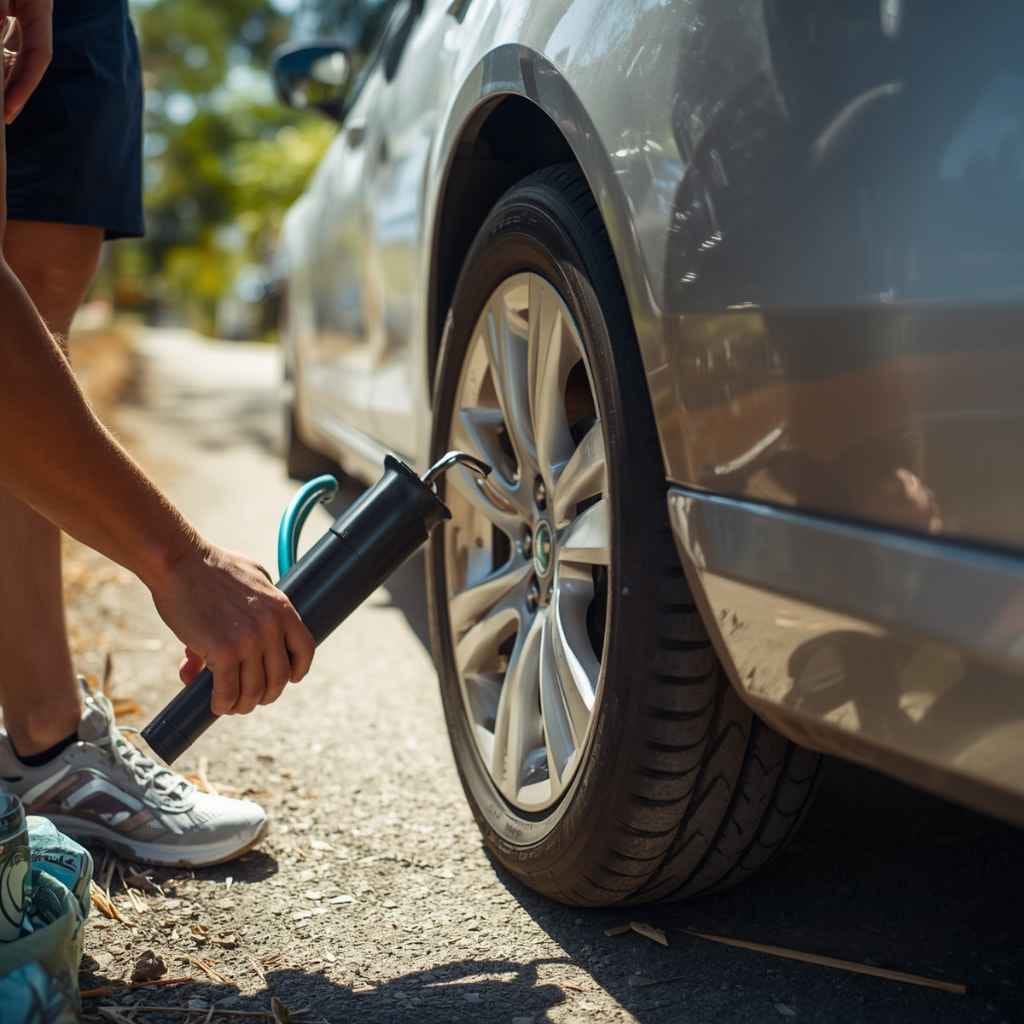
You can use a bike pump to inflate a car tire, but it takes a lot of effort and time. It’s best suited for very slow leaks or emergencies when no other option is available. For significant air loss, a bike pump is not a practical solution.
What It Means to Pump a Car Tire
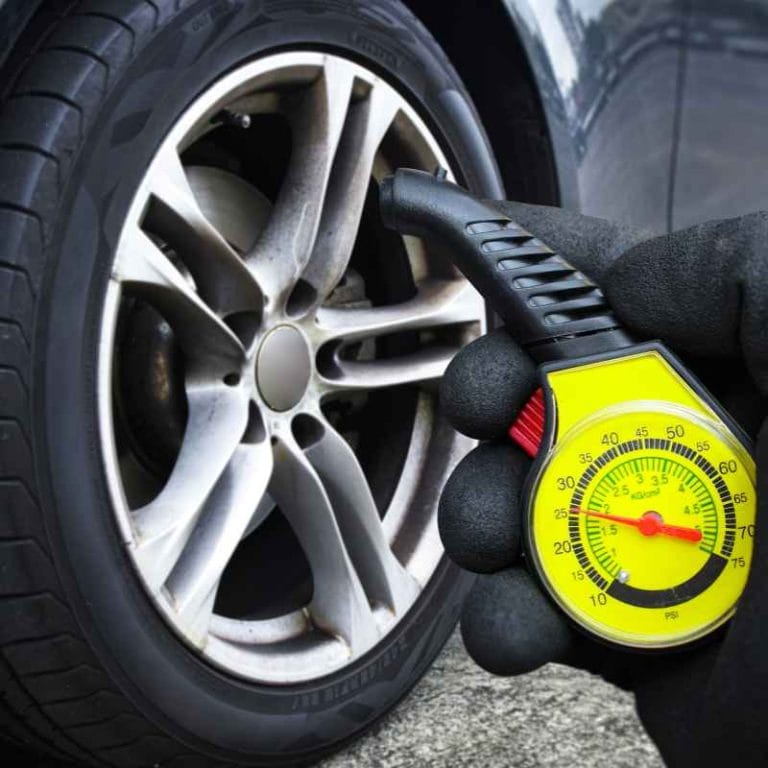
A car tire is designed to hold a lot of air. This air needs to be at a specific pressure. We call this pressure “PSI.” PSI stands for pounds per square inch.

AstroAI
AstroAI L7 Tire Inflator Portable Air Compressor,150…
- ADVANCED TRUEGAUGE SCREEN: This battery tire inflator includes updated sensor technology, capable of collecting pressure data from…
- EASY TO USE: You can choose 4+N smart modes (car, motorcycle, bicycle, ball, and custom) and 4 pressure units (PSI, Bar, kPa, kg/c…
- COMPACT, FASTER INFLATION: Weighing less than 1 pound, this portable tire inflator is easy to carry and store in any limited space…
As an Amazon Associate I earn from qualifying purchases.
Car tires need much higher PSI than bike tires. They also hold a much larger volume of air.
Think about it. A car is heavy. It needs firm tires to support that weight.
These tires also need to grip the road well. They must handle bumps and turns. All of this relies on the air pressure inside.
Bike tires are much smaller. They don’t carry as much weight. So, they need less air pressure.
A bike pump works by pushing air into a tire. You move a handle up and down. This action pushes air.
It goes through a hose or directly into the valve. Most bike pumps are small. They are made for small volumes of air.
This is fine for a bike tire. It’s a big difference for a car tire.
My Own Flat Tire Scare
I remember one time, years ago. I was driving home late from visiting my parents. The road was dark and winding.
Suddenly, I heard a weird thumping sound. My car started to pull to one side. My heart sank.
A flat tire. In the middle of nowhere.
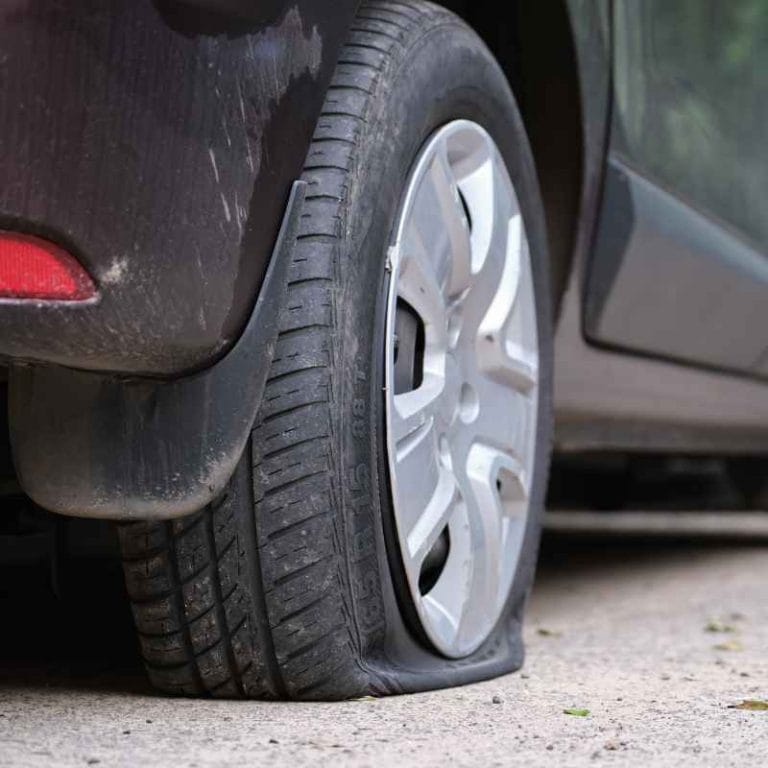
I pulled over safely. Looking at the tire, it was definitely low. Not completely flat, but sagging.
I didn’t have a spare tire easily accessible. That was my mistake. I also didn’t have one of those portable air compressors.
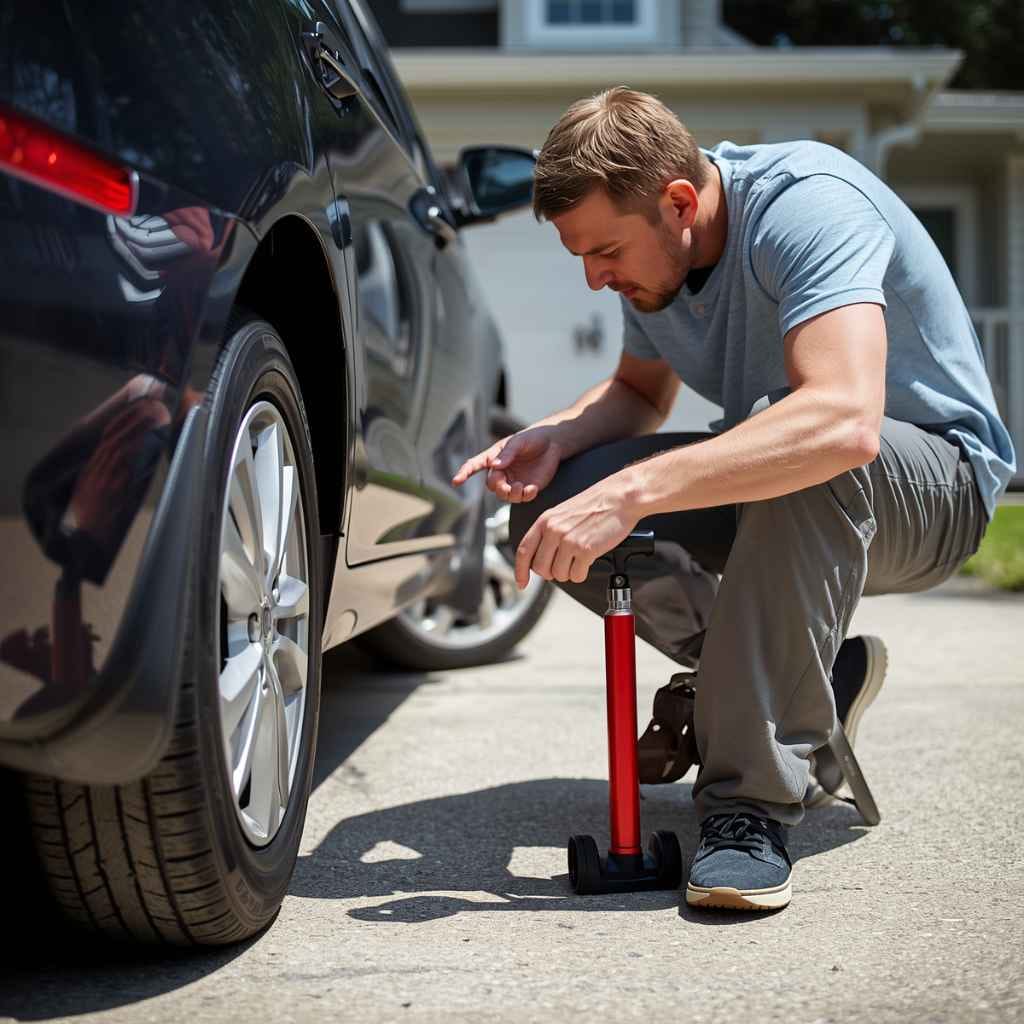
Panic started to set in. Then, I remembered my backpack. I had a small, trusty bike pump in there.
It was a manual one, the kind you have to work hard with.
My first thought was hopeful. Could this little thing save me? I attached the pump to the valve.
I started pumping. Up and down, up and down. My arm got tired fast.
After what felt like forever, the tire looked maybe a tiny bit firmer. But it was so slow. I could see the gauge on the pump barely moving.
The PSI was still way too low for a car tire. I realized then how big the difference was. It was a good lesson.
That little bike pump wasn’t going to get me far on a car tire.
Understanding Tire Pressure
What is PSI? PSI means Pounds per Square Inch. It’s how we measure air pressure in tires.
Car Tire PSI: Most cars need between 30 and 40 PSI. Check your car’s doorjamb sticker for the exact number.
Bike Tire PSI: Road bike tires can need 80-120 PSI. Mountain bikes are lower, maybe 25-50 PSI.
The Big Difference: Car tires need more pressure and much more air volume than bike tires.
The Physics Behind Pumping
Let’s talk about why this is so hard. It’s about air volume and pressure. A bike pump moves a small amount of air each time you push the handle.
Think of it like a tiny syringe. It’s perfect for filling a small space like a bike tire.
A car tire is like a big balloon. It needs a lot more air to get full. To reach car tire pressure, you need to push a lot of air in.
A bike pump just can’t move that much air quickly. It’s like trying to fill a bathtub with an eyedropper. You’d be there all day.
Also, car tires are built tough. They have strong rubber walls. These walls can hold high pressure.
This means the pump has to work against that pressure. Each push of the bike pump handle becomes harder as the tire fills up. It’s a battle against resistance.
Most manual bike pumps are designed for lower pressures. They might have a gauge that maxes out around 60 PSI. Some high-pressure road bike pumps go higher.
But even those are not meant for the continuous effort needed for a car tire. You’d wear yourself out long before the car tire felt firm.
Bike Pump Types and Limitations
Floor Pumps: These are bigger and easier to use. They have a wider barrel. They move more air per stroke.
Still, they are not ideal for cars.
Hand Pumps: These are small and portable. They move very little air. Very tiring for car tires.
CO2 Inflators: These use small cartridges of CO2 gas. They inflate tires very fast. But they don’t add much volume.
Not good for a car tire needing a lot of air.
When Can a Bike Pump Actually Help?
So, is a bike pump ever useful for a car tire? Yes, but only in very specific situations. Imagine you have a very slow leak.
You notice the tire is a little low. It’s not dangerous. You just need a bit more air to get you to a gas station.
In this case, a bike pump can be your friend. You can add a few PSI. This might be enough to make the tire feel firmer.
It can help you drive safely for a short distance. It’s a temporary fix. It’s not a solution for a major problem.
Think of it as a bridge. It gets you from point A to point B. Point A is the low tire.
Point B is a place where you can get proper help. This could be a repair shop or a place with a working air compressor.
Experience Check: I once had a nail in my tire. It was a slow leak. I noticed the pressure dropping over a few days.
I used my bike pump to top it off each morning. This allowed me to drive to the tire shop without needing a tow. It took maybe 5 minutes of pumping each time.
This was manageable.
Quick Scan: Bike Pump vs. Car Tire
| Feature | Bike Pump | Car Tire |
|---|---|---|
| Air Volume per Stroke | Low | High |
| Typical PSI Range | 40-120 PSI | 30-40 PSI (recommended) |
| Effort for Full Inflation | Low (for bike) | Very High (for car) |
| Best Use Case | Bike tires | Emergency top-up (slow leak) |
What You Need to Connect
To even attempt this, you need the right adapter. Bike tire valves come in two main types: Schrader and Presta. Car tire valves are almost always Schrader valves.
Many bike pumps have heads that can fit both.
If your bike pump only fits Presta valves, you’ll need an adapter. This is a small, screw-on piece. It changes the Presta valve to a Schrader valve.
You can buy these adapters at bike shops or online. They are very cheap.
Make sure your bike pump head is secure. It needs to create a good seal. If air leaks out around the connection, you’ll lose pressure.
This makes pumping even harder. A loose connection means wasted effort. Double-check that it’s on tight.
You should hear a hiss of air if it’s connected correctly.
The pump’s built-in pressure gauge is also helpful. It lets you see how much air you are adding. This is important.
You don’t want to over-inflate a tire. While a bike pump won’t easily over-inflate a car tire, knowing the pressure is good practice. It helps you stop when you’ve added enough air.
The Real-World Scenario: A Slow Leak in a Driveway
Let’s paint a picture. It’s a Saturday morning. You’re about to leave for the grocery store.
You notice one of your car tires looks a bit flat. You check it. It’s not dangerously low, but it’s soft.
You don’t have time to go to a garage. You have a bike pump in your garage.
This is the perfect scenario for a bike pump. You grab the pump. You ensure it has a Schrader valve connection.
You attach it to the car tire valve. You start pumping. You do this for about five minutes.
You watch the gauge. You see the pressure rise from, say, 20 PSI to 30 PSI.
You take the pump off. You listen for leaks. You might hear a very faint hiss.
This tells you there’s still a slow leak. But the tire looks much better. It feels firmer.
You can now drive to the store. You’ll need to keep an eye on it, though. You should plan to get it checked and fixed soon.
This saved you time and hassle.
Myth vs. Reality
Myth: A bike pump can fully inflate a flat car tire quickly.
Reality: It will take a very long time and immense effort, and may not reach the necessary pressure.
Myth: Using a bike pump will damage your car tire.
Reality: It’s unlikely to cause damage if used correctly. The main risk is not reaching sufficient pressure for safe driving if the leak is significant.
Myth: Any bike pump will work.
Reality: You need a pump with a Schrader valve connection or the right adapter. High-pressure pumps are better but still very slow.
When to Absolutely NOT Use a Bike Pump
Now, let’s talk about when this is a bad idea. If your car tire is completely flat, do not rely on a bike pump. A completely flat tire means there’s a lot of air missing.
It also means the tire might have been damaged by driving on it. Driving on a flat tire can ruin the tire’s structure. It can also damage your car’s wheel rim.
If you have a large puncture, a bike pump won’t be enough. A large hole lets air escape too quickly. You’d be pumping and pumping, and the air would just escape.
It would be a waste of your energy. In this case, you need a more powerful solution. This often means a portable air compressor, a tire repair kit, or a tow truck.
Also, consider the weather. If it’s freezing cold or scorching hot, pumping manually will be even harder. Your hands might get too cold to grip the pump.
Or you might get overheated very quickly. Safety first. If the situation feels dangerous or too difficult, it’s better to call for help.
Trustworthiness Note: Emergency roadside services exist for a reason. If you’re unsure about a tire issue, or if the leak seems large, call a professional. It’s better to be safe than sorry.
The Power of Portable Air Compressors
If you travel often, or if you have cars, it’s wise to have a portable air compressor. These are small, electric devices. They plug into your car’s 12-volt outlet (the cigarette lighter socket).
They are designed specifically for car tires.
These compressors can fill a car tire much faster than a bike pump. They can reach the required PSI without extreme effort from you. Many even have built-in pressure gauges.
Some can even detect the current tire pressure and inflate to a set level.
They are a bit more expensive than a basic bike pump. But for car owners, they offer much more convenience and effectiveness. They are a much better solution for flats or low tires on the road.
They give you peace of mind.
When to Call for Help
Completely Flat Tire: Do not drive on it. Call for roadside assistance.
Large Puncture Visible: You might see a nail or a gash. A bike pump won’t fix this.
Tire Sidewall Damage: Any damage to the side of the tire is serious. It needs professional inspection.
Uncertainty: If you’re not sure what’s wrong, it’s safest to get expert advice.
What This Means for Your Car Care Routine
Understanding the limitations of a bike pump for car tires is important. It helps you plan for emergencies. It also highlights the need for regular tire maintenance.
Checking your tire pressure regularly is key. Most car manufacturers recommend checking pressure at least once a month.
You can find the correct tire pressure for your car on a sticker. This sticker is usually on the driver’s side doorjamb. It might also be in your car’s owner’s manual.
Never use the pressure listed on the tire sidewall itself. That number is the maximum pressure the tire can hold, not the recommended driving pressure.
Having a reliable way to check and adjust tire pressure is crucial for safety. It affects your car’s handling, braking, and fuel efficiency. Properly inflated tires also last longer.
So, it saves you money in the long run.
While a bike pump is a useful tool for your bicycle, it’s best to see it as a very limited emergency tool for your car. For anything more serious, you’ll need a dedicated car air compressor or professional help.
Quick Fixes & Tips for Tire Issues
1. Regular Checks: Make it a habit to check your tire pressure every few weeks. Use a reliable tire pressure gauge.
They are inexpensive.
2. Know Your PSI: Always use the recommended PSI for your vehicle. Don’t guess.
3. Listen for Leaks: If you hear a hissing sound, investigate immediately. It could be a slow leak.
4. Carry a Portable Compressor: For peace of mind on longer trips, a 12V air compressor is a great investment.
5. Tire Sealant for Emergencies: Some people carry tire sealant cans. These can temporarily seal small punctures.
Follow product instructions carefully.
Frequent Questions About Bike Pumps and Car Tires
Can I use a bike pump to inflate a completely flat car tire?
It’s not recommended. A completely flat tire needs a lot of air and might have internal damage. A bike pump will struggle to provide enough air and volume.
It’s better to use a portable car air compressor or call for roadside assistance.
How long will it take to inflate a car tire with a bike pump?
It depends on the pump and the tire. For a slow leak and adding just a few PSI, it might take 5-10 minutes of continuous pumping. If the tire is significantly low, it could take much longer, and you might not reach the correct pressure.
What kind of bike pump is best for car tires, if any?
A floor pump that moves more air per stroke is better than a small hand pump. However, even the best bike pump will be slow and tiring. Ensure it has a Schrader valve connection or you have an adapter.
Can I over-inflate a car tire with a bike pump?
It’s very unlikely. A bike pump simply doesn’t have the power or volume to easily over-inflate a car tire to dangerous levels. The effort required will likely stop you long before that happens.
Always check the pressure gauge if your pump has one.
Is it safe to drive on a tire inflated with a bike pump?
If you’ve added enough air to reach the recommended PSI and there are no signs of further leaks or tire damage, it can be safe for short distances. However, it’s a temporary fix. You should get the tire inspected and properly inflated at a service station as soon as possible.
What if my bike pump has a Presta valve head?
You will need a Presta-to-Schrader adapter. These are small, inexpensive metal pieces that screw onto the Presta valve. This converts it to a Schrader valve, which is what car tires use.
You can find them at most bike shops or online.
Final Thoughts on Pumping Up
So, can you pump a car tire with a bike pump? Technically, yes. But the reality is it’s a tough job.
It’s more of an emergency backup plan. It’s for topping up a slightly low tire. It’s not for fixing a flat.
For real tire issues, rely on proper car tools. A portable compressor is a much better choice for car owners. Stay safe out there, and keep those tires in good shape!
See also pros and cons of big tires what no one tells you.
Related pick: Check today's price on Amazon