How Long Do Tires Last If Not Used? Storage Life Explained
Tires seem tough. They sit on your car through hot summers and cold winters. They handle bumps and rough roads.
But they are made of rubber and other materials. These materials break down over time. This happens even if the tires aren‘t being used.
Think of it like food. Some foods last a long time on the shelf. Others spoil quickly, even in the pantry.
Rubber is similar. It’s not inert. It reacts to its surroundings.
The main enemy of unused tires is oxygen. Oxygen causes rubber to oxidize. This is like rust for metal, but for rubber.
Oxidation makes the rubber brittle. It loses its flexibility. Another big factor is ozone.
Ozone is a gas in the air. It also attacks rubber. UV rays from sunlight are also bad.
They can break down the rubber. Heat speeds up all these processes. Even cold can make rubber stiff and prone to cracking.
So, a tire that’s just sitting there is not truly “preserved.” It’s slowly changing. The tread might look fine. But the sidewalls and the rubber compounds deep inside can be affected.
This is why knowing the shelf life of a tire is important. It ensures your safety when you eventually put them to use.
The Science Behind Tire Shelf Life
Tires are complex. They aren’t just plain rubber. They have many ingredients.
These include synthetic rubber, natural rubber, carbon black, silica, oils, and chemicals. These chemicals do important jobs. They help the tire grip the road.
They make it strong. They help it resist heat. They also help it age gracefully.
But over time, these chemicals can be used up or react with the environment.
The rubber itself can lose its elasticity. This is called “perishing.” It means the rubber becomes hard and cracks easily. This is often caused by oxidation and ozone.
The oils in the tire compound can also dry out. This makes the rubber less pliable. The steel belts inside the tire can also corrode if exposed to moisture.
Though usually protected, extreme conditions can still affect them.
Manufacturers add anti-oxidants and anti-ozonants to tires. These are like shields. They protect the rubber from breaking down too fast.
But these shields aren’t infinite. They get used up over time. This is why a brand new tire stored for years might still be usable.
But a very old tire, even if it looks good, might have depleted defenses.
How Long Do Tires Last If Not Used? The General Rule
This is the million-dollar question, right? How long can you expect a tire to be good if it’s just sitting in your garage or basement? For most tires, under good storage conditions, the general rule is about 5 to 6 years from their manufacturing date.
After this period, the rubber starts to degrade more noticeably. Even if they look okay, their performance and safety might be compromised.
Some sources say tires can last up to 10 years. This is possible, but with big caveats. This usually applies to tires that have been stored perfectly.
It also assumes the tire wasn’t subjected to harsh conditions before storage. And importantly, the tire manufacturer’s warranty usually expires around this 10-year mark anyway. It’s a sign that even they don’t guarantee performance beyond that.
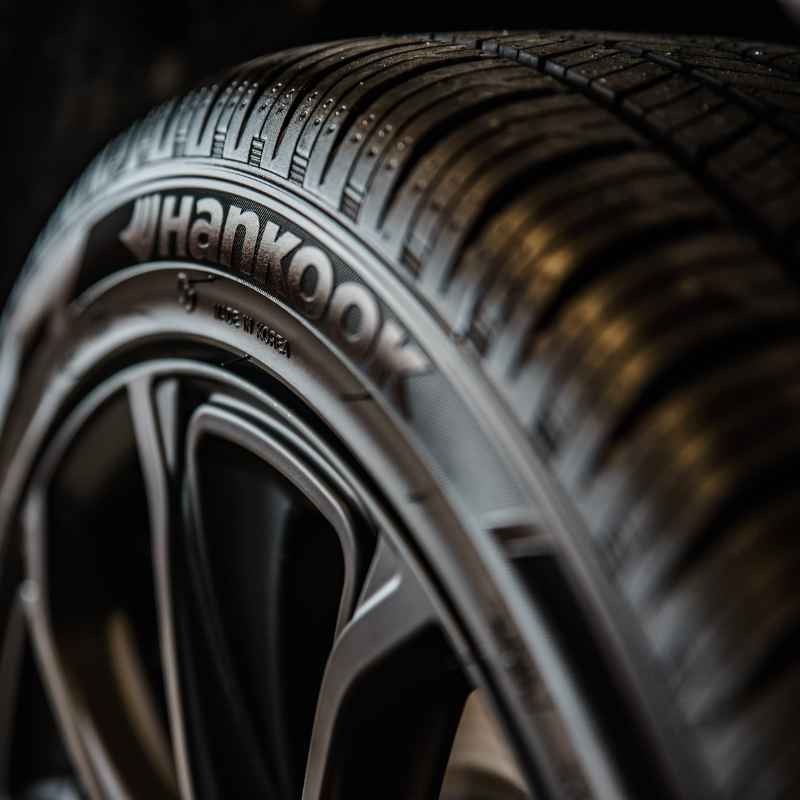
The key here is “manufacturing date.” You can find this on the tire’s sidewall. It’s a four-digit code. The first two digits are the week.
The last two are the year. For example, “3523” means the tire was made in the 35th week of 2023. Always check this code.
A tire that’s five years old but has been sitting in a hot, sunny shed is much worse than a tire that’s six years old but stored in a cool, dark place.
Factors Affecting Tire Storage Life
Several things can make a tire age faster or slower when it’s not in use. Understanding these helps you assess your own tires.
Key Factors Influencing Tire Longevity
- Exposure to Sunlight (UV Rays): Direct sunlight is a tire’s enemy. UV rays break down the rubber compounds, making them brittle and prone to cracking.
- Ozone Exposure: Ozone in the air attacks rubber. It causes the surface to degrade and crack. This is why storing tires near electrical equipment that produces ozone (like some motors) can be harmful.
- Temperature Extremes: Very high temperatures can accelerate the chemical reactions that cause aging. Very low temperatures can make the rubber stiff and brittle, increasing the risk of cracks. Consistent, moderate temperatures are best.
- Humidity: High humidity can promote the growth of mold or mildew on tires, especially if they are dirty. It can also contribute to corrosion if moisture seeps into the tire structure over long periods.
- Chemicals and Solvents: Contact with oils, gasoline, solvents, or certain cleaning agents can severely damage rubber. These can cause swelling, softening, or premature degradation.
- Stress and Strain: Tires stored improperly, like stacked too high or placed under heavy, uneven loads, can develop flat spots or deform. This deformation can be permanent and compromise the tire’s integrity.
- Air Pressure: While not in use, tires should ideally be stored with their normal operating air pressure. Very low pressure can lead to deformation. Very high pressure for extended periods isn’t ideal either.
Let’s dive a bit deeper into each. Sunlight is something many people overlook. A tire stored in a sunny window will age much faster than one in a dark closet.
Ozone is harder to see, but it’s a constant presence in the air. Tires are designed to handle it to some extent, but prolonged, direct exposure isn’t good.
Temperature is a big one. Imagine leaving a tire in a blazing hot car trunk all summer. The rubber will get soft and aged much quicker.
The same happens in reverse if they are left in extreme cold. Stable, cool temperatures, like in a basement or climate-controlled garage, are your best bet. Chemicals are also a no-go.
If you spill motor oil on a tire, it’s not just a stain; it’s damage.
My Own Tire Storage Mishap
I remember a few years back. I had a set of winter tires. They were still in pretty good shape.
I decided to keep them for another season. I put them in the corner of my garage. It’s not a fancy garage.
It gets hot in the summer and cold in the winter. I didn’t think much of it. They were just sitting there, looking fine.
The next fall, when it was time to swap them out, I noticed something. The sidewalls looked a bit dry. There were tiny little cracks starting to appear.
I was a bit annoyed. I thought they had at least two more seasons left. I ended up having to buy new winter tires sooner than I planned.
That mistake cost me money and taught me a valuable lesson. Proper storage is not just a nice-to-have; it’s essential if you want your tires to last.
That day, I learned that even if a tire looks okay from a distance, unseen damage can be happening. The rubber is a living thing, in a way. It needs to be protected.
Now, I always store my seasonal tires in tire bags. I keep them on a rack, off the concrete floor. And I make sure they are out of direct sunlight.
It makes a big difference.
What Does “Unused” Really Mean for Tires?
When we say “unused,” we mean tires that are not actively being driven on. This means they aren’t experiencing the dynamic stresses of rotation, friction, and contact with the road. They aren’t generating heat from friction.
They aren’t flexing under load. This sounds good, right? Less wear and tear.
However, “unused” does not mean “immune to aging.” As we’ve discussed, environmental factors still play a huge role. A tire sitting in a cool, dark, stable environment is much better off than one exposed to the elements. Think of it like this: a book left on a sunny windowsill will fade and warp faster than a book kept in a bookbinder’s protective sleeve.
Even a spare tire, tucked away in the trunk, is exposed to temperature fluctuations. It might be heated up in the summer and cooled down in the winter. It’s also subject to vibrations from the road.
So, while a spare tire might last for many years, its lifespan is also finite. It’s not a lifetime guarantee.
The term “shelf life” is really the most accurate. It’s about how long a product can sit before its quality degrades. For tires, this shelf life is influenced by both the internal chemical makeup and external environmental factors.
Even a tire on a car that’s driven very little will age over time, though the rate might be slower than a tire in constant use.
When Is It Time to Replace Tires, Even If They Haven’t Been Driven Much?
This is where it gets tricky. There’s no hard and fast rule that applies to every single situation. However, there are clear indicators that it’s time to consider replacement, even if the tread looks perfectly fine.
The most significant factor is age. As a general guideline, most tire manufacturers and safety experts recommend replacing tires that are 6 years old or older from their manufacture date. Some might stretch this to 10 years, but this is pushing it.
This is regardless of tread depth. Why? Because the rubber compounds have degraded internally.
They are no longer as strong or as flexible as they once were.
What else should you look for? Cracking is a big sign. If you see cracks on the sidewalls or even small ones on the tread surface, it’s time to be concerned.
These cracks mean the rubber is breaking down. They can lead to blowouts, especially under pressure or heat.
Look for signs of dry rot. This is a type of rubber deterioration. It makes the tire look dull and can cause surface cracking.
It often appears as a grayish or whitish powdery substance on the tire surface. This means the protective oils have leached out.
Bulges or deformities in the tire shape are also serious. This could indicate internal damage to the tire’s structure. This is dangerous, whether the tire has been used or not.
If you notice any of these, it’s best to err on the side of caution and replace the tire.
Even if you don’t see obvious signs, if a tire is approaching or has passed the 6-year mark, think about its history. Was it stored properly? Was it exposed to heat or sunlight?
If you’re unsure, it’s safer to replace it. Think about the cost of a new tire versus the potential cost of an accident. Safety should always come first.
Proper Tire Storage: Maximizing Usable Life
If you want your unused tires to last as long as possible, you need to store them correctly. This is the single most important thing you can do. Proper storage can significantly extend the usable life of a tire.
It protects them from the elements that cause aging.
Here’s a breakdown of best practices:
Your Tire Storage Checklist
- Cool, Dry, and Dark Place: The ideal storage location is indoors. Think a climate-controlled garage, a basement, or a dedicated storage unit. Avoid direct sunlight and extreme temperatures.
- Off the Floor: Never store tires directly on concrete. Concrete can leach moisture and chemicals from the rubber. Use a tire rack, shelves, or even wooden pallets.
- Clean Them First: Before storing, clean the tires thoroughly. Remove dirt, grease, brake dust, and any road grime. A mild soap and water solution works well. Dry them completely.
- Protect from Ozone: Keep tires away from electrical motors, generators, or other equipment that might produce ozone.
- Store Vertically or Stacked Carefully:
- Loose Tires: Store loose tires upright (vertically) on their tread.
- Stacked Tires: If you must stack tires (e.g., on a rack), do not stack them too high. A stack of 4 is usually the maximum. Stacking them with rims is better as it maintains their shape.
- Tire Bags: Using airtight tire storage bags can provide an extra layer of protection against ozone and UV rays.
- Maintain Air Pressure (if on rims): If tires are mounted on rims, store them with their recommended operating air pressure. This helps them maintain their shape. If they are off the rims, they can be stored with a bit less air, but not completely flat.
- Rotate if Stacked: If storing stacked tires for a very long time, rotate them occasionally to prevent flat spots.
Let’s expand on a couple of these. Why off the concrete? It’s a common myth that concrete “sucks the life” out of tires.
It’s more about moisture and potential chemical interactions. But the principle is sound: don’t let them sit directly on a porous surface that could draw out their good qualities.
Tire bags are a great investment if you plan to store tires for a while. They are often made of thick plastic or nylon. They seal out light, moisture, and ozone.
They are relatively inexpensive. They can make a real difference in how well your tires hold up.
For tires that are not mounted on rims, storing them vertically is usually best. If you stack them, the weight of the tires above can deform the rubber of the tires below over time. This can lead to flat spots or uneven wear patterns when you eventually use them.
Stacking them with the rims on prevents this shape distortion.
How to Check a Tire’s Manufacturing Date
This is super important. You need to know how old your tires are. It’s not always obvious.
Look for the DOT code on the sidewall. It’s a series of letters and numbers. The last four digits are key.
The code will look something like this: DOT
In this example:
- The first two digits (35) tell you the week of the year the tire was manufactured. So, this tire was made in the 35th week.
- The last two digits (23) tell you the year of manufacture. So, this tire was made in 2023.
If you see a code with only three digits, like 259, this means the tire was made in the 1990s (specifically, the 25th week of 1999). Tires made in the 90s are generally considered too old to be safe, regardless of condition.
Always double-check this code. It’s your best indicator of a tire’s age. A tire might look brand new.
But if that DOT code says it’s 8 years old, you need to be very cautious. It has likely passed its prime for safe performance.
Tire Storage vs. Tire Usage: What’s the Difference in Aging?
This is a good point to clarify. How does aging when unused compare to aging when in use?
When tires are in use, they experience a different kind of wear. They endure friction, heat generated by friction, impacts, and constant flexing. This wear is physical and chemical.
The tread wears down. The rubber compounds also degrade from exposure to heat and road conditions.
When tires are unused, the primary aging process is chemical degradation due to oxidation, ozone, and UV rays. The rubber loses its flexibility and becomes brittle. While there’s no physical wear from the road, the tire is still susceptible to environmental damage.
Heat and sunlight can accelerate this chemical breakdown.
It’s possible for a tire that’s rarely used but stored poorly to age faster than a tire that’s driven regularly but stored well (e.g., always parked in a garage and driven on smooth roads). However, most of the time, a tire in active use will wear out its tread long before its rubber compounds become critically degraded from age alone. The exception is very low-mileage tires.
For tires that sit for long periods, their tread might look perfect, but the internal structure and rubber compounds could be compromised. This is why age is such a critical factor for unused tires. The rubber chemistry has changed, making it less safe and less predictable.
Real-World Scenarios: Where Unused Tires Pop Up
Where do we typically find unused tires? Let’s look at some common situations:
Common Places for Unused Tires
- Spare Tires: Most cars have a spare, often a donut or full-size. These sit for years.
- Seasonal Tire Sets: Many people swap between summer and winter tires. These sets sit for 6 months at a time.
- Classic or Project Cars: Cars that are not driven regularly. Tires might be on the car but not used for months or years.
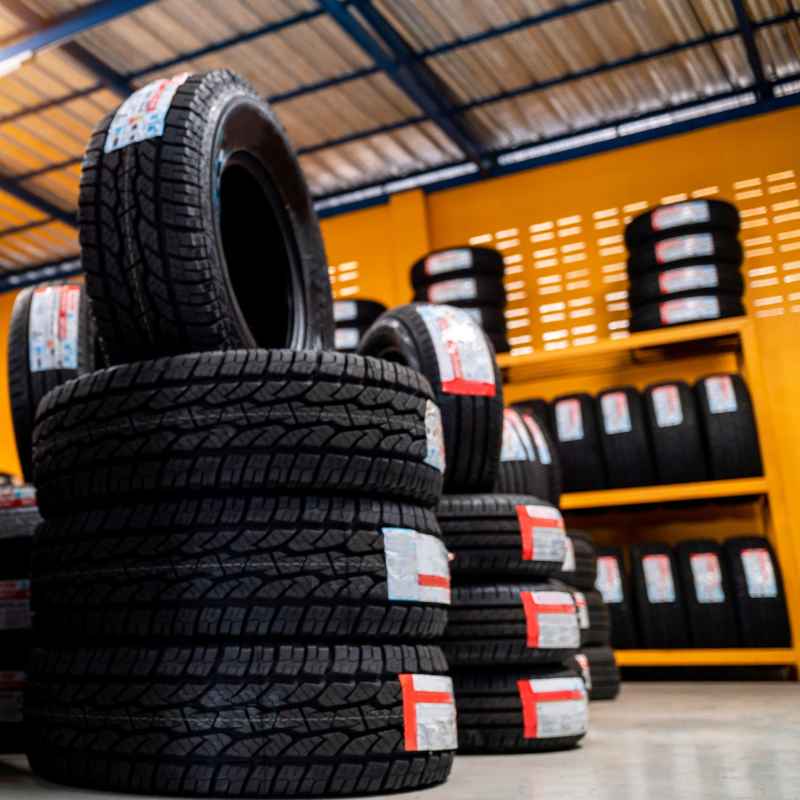
- Tires Bought in Bulk or Stored for Future Use: Some people buy tires on sale and store them.
- Tires on Vehicles Stored Long-Term: RVs, classic cars, or vehicles stored in garages for extended periods.
Let’s take the spare tire. It’s designed to get you to a repair shop in an emergency. It’s not meant for long-term, high-speed driving.
More importantly, it sits in the trunk, exposed to the same temperature swings as the rest of the car. If a car is stored for, say, five years, that spare tire is also aging those five years. It might look fine, but it’s not as reliable as it was when new.
Seasonal tires are another big one. You swap them, and they go into a garage or shed. If that shed is hot and sunny in the summer, those tires are taking a beating.
They might have a lot of tread left, but the rubber is getting older and drier. When you put them back on, they might not grip as well as they used to. This is crucial for winter tires, where grip is paramount.
Classic cars are a prime example. You might have a beautiful vintage car that you only drive on special occasions. The tires might be period-correct, but if they are old, even if they haven’t accumulated many miles, the rubber could be brittle.
Driving on old tires, even at low speeds, can be risky. The structure might fail.
What This Means for Your Safety
This all boils down to safety. Tires are your only contact with the road. They are the most critical safety component on your vehicle.
When a tire fails, it can lead to a loss of control. This can cause accidents with severe consequences.
If you are using tires that are old, even if they have good tread, you are taking a significant risk. The rubber might not flex properly. It might not grip the road effectively, especially in wet or cold conditions.
The internal structure might be weaker, making it more prone to sudden failure. This is true whether you’ve driven 1,000 miles or 100,000 miles on them.
Think about the “shelf life” of your unused tires. If they are past the 6-year mark, consider them compromised. If they are approaching 10 years, they are almost certainly unsafe for regular driving.
It’s not worth the risk to save a few dollars. The cost of an accident, both financially and personally, is far greater.
The U.S. National Highway Traffic Safety Administration (NHTSA) does not set a specific age limit for tires. However, they strongly advise consumers to check their tires for signs of aging and to consult with tire professionals.
They emphasize that older tires, regardless of tread wear, can pose a safety risk.
So, always check the manufacturing date. If your tires are old, it’s time for them to be retired, even if they look good. The unseen degradation is the real danger.
When Is It Okay to Use Older, Unused Tires?
There are very limited circumstances where using older, unused tires might be considered. These are typically low-speed, low-stress situations where a tire failure would not pose a significant safety risk.
- Very Low-Speed Utility Use: For example, tires on a small garden tractor, a wheelbarrow, or a trailer that is only used for very slow movements around a property. In these cases, the speeds are so low, and the loads so light, that the risk of catastrophic failure is minimal.
- Temporary “Get it to the Shop” Scenarios: If you have a flat tire and your only option is to use a very old spare to drive a short distance at a very low speed to the nearest tire shop. This should be an absolute last resort.
- Display or Static Purposes: Tires used for decorative purposes on an old display vehicle that never moves.
Even in these cases, extreme caution is advised. A tire that looks fine externally could still have internal weaknesses. If there’s any doubt about the tire’s integrity, it’s best to replace it.
For any vehicle that will be driven on public roads, at typical driving speeds, or in varying weather conditions, using tires older than 6 years from their manufacture date is generally not recommended. The risk simply isn’t worth it. The slight cost savings of keeping old tires are dwarfed by the potential for a serious accident.
My Experience with a Trailer Tire
I had a small utility trailer that sat in my yard for a few years. It had decent tires on it, or so I thought. I didn’t use it much.
One hot summer day, I decided to haul some gravel with it. I loaded it up, and everything seemed fine. I was going maybe 15 miles per hour on my property.
As I turned a corner, I heard a loud pop. One of the trailer tires just blew out. It wasn’t a slow leak; it was a sudden, violent failure.
Luckily, I was going very slowly, and the trailer was lightly loaded. It just tilted a bit, and I was able to stop without incident. But it scared me.
I looked at the tire afterwards. It had plenty of tread. But it was over 8 years old.
That experience really hammered home the point. Even for a low-speed application like a trailer, age is a major factor. The rubber had become too brittle.
It couldn’t handle the stress, even at low speeds. I
Quick Fixes & Tips for Unused Tires
Since we’re talking about unused tires, the “quick fixes” aren’t really about repairing them for use. They are about proper storage and knowing when to let go.
Tip 1: Check Those Dates! Make it a habit to check the DOT code on your spare tire and any seasonal tires at least once a year. Know their age.
Tip 2: Invest in Tire Bags. If you store seasonal tires, buy quality tire bags. They are an inexpensive way to protect your investment and ensure they remain in good condition.
Tip 3: Rotate Your Spare. If you have a full-size spare that you never use, consider rotating it with one of your regular tires every few years. This way, all tires get some exposure to use and proper storage.
Tip 4: Don’t Store in Direct Sunlight. Even if it’s just for a few months, avoid leaving tires in a sunny spot. This includes inside a car parked outside during the day.
Tip 5: Clean Before Storing. A quick wash and dry can prevent dirt from becoming embedded and potentially causing issues down the line.
Tip 6: When in Doubt, Replace. If a tire is old (over 6 years) or shows any signs of cracking, dry rot, or deformation, it’s time to replace it. Safety is paramount.
There are no magic sprays or treatments that will “renew” old, degraded rubber. The chemical changes are permanent. The best approach is prevention through proper storage and timely replacement.
Frequent Questions About Tire Lifespan When Not Used
How can I tell how old my tires are?
You can find the age of your tires by looking at the DOT code on the sidewall. The last four digits of this code indicate the week and year of manufacture. For example, “3523” means the tire was made in the 35th week of 2023.
Is it safe to use tires that are 7 years old but have never been driven?
It is generally not recommended. While they have good tread, the rubber compounds can degrade significantly after about 6 years, regardless of use. This can compromise their grip and structural integrity, making them unsafe for driving.
Do tires expire even if they have deep tread?
Yes, tires expire based on age and material degradation, not just tread wear. The rubber loses its flexibility and strength over time due to oxidation and exposure to elements. Deep tread on an old tire does not guarantee its safety.
What is the best way to store seasonal tires?
Store seasonal tires in a cool, dry, dark place, off the concrete floor. Using airtight tire storage bags is highly recommended. They should be stored vertically or stacked carefully, ideally on a rack, and kept away from ozone-producing equipment.
Can I store tires outside?
It is strongly advised against storing tires outside. Exposure to sunlight (UV rays), ozone, temperature fluctuations, and moisture will significantly accelerate the aging process and degrade the rubber, making them unsafe for use much sooner.
What if my spare tire is over 10 years old?
If your spare tire is over 10 years old, it is highly recommended to replace it. Even if it looks visually fine, the rubber will have deteriorated significantly. A spare tire’s reliability is crucial in an emergency, so it should be in good condition.
Conclusion: Age Matters More Than Miles Sometimes
So, there you have it. Tires, even when not being driven, are not immune to aging. Environmental factors like sunlight, heat, and ozone play a significant role.
While tread depth is important for performance, the age and condition of the rubber itself are critical for safety. For most tires, the 6-year mark is a significant point where degradation becomes a real concern, and 10 years is generally considered the absolute maximum for any type of use. Prioritizing proper storage and knowing when to replace old tires is key to staying safe on the road.
See also why are car tires tubeless now the real reason explained. See also what does a car tire warranty actually cover full details.
Products related to this article
Sponsored / affiliate links. As an Amazon Associate I earn from qualifying purchases. I may earn additional commission from eligible campaigns.