Electric Cars Pros And Cons: What Scholarly Research Says
Electric cars offer many benefits, including lower running costs and reduced emissions. However, potential drawbacks like initial purchase price, charging infrastructure, and driving range need careful consideration before making a purchase decision.
What Are Electric Cars?
Electric cars, or EVs, are vehicles that run on electricity. They do not use gasoline like most cars. Instead, they have a battery.

As an Amazon Associate I earn from qualifying purchases.
This battery stores energy. An electric motor uses this energy to move the car. Think of it like a giant rechargeable battery for your phone.
You plug it in to get power. Then, it runs until it needs more.
There are a few main types of electric cars. Some are fully electric. They run only on battery power.
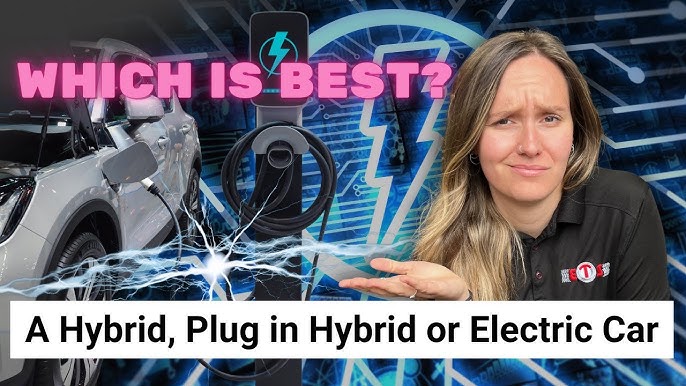
Others are hybrids. They have both an electric motor and a gasoline engine. Plug-in hybrids can be charged from an outlet.
They can run on electricity for a while. Then, the gas engine kicks in.
The idea behind electric cars is simple. They aim to be cleaner. They also aim to be cheaper to run.
Less moving parts mean less to break. Less fuel means less money spent at the pump. Plus, when the electricity comes from clean sources, it helps the air we breathe.
My First Encounter with an EV
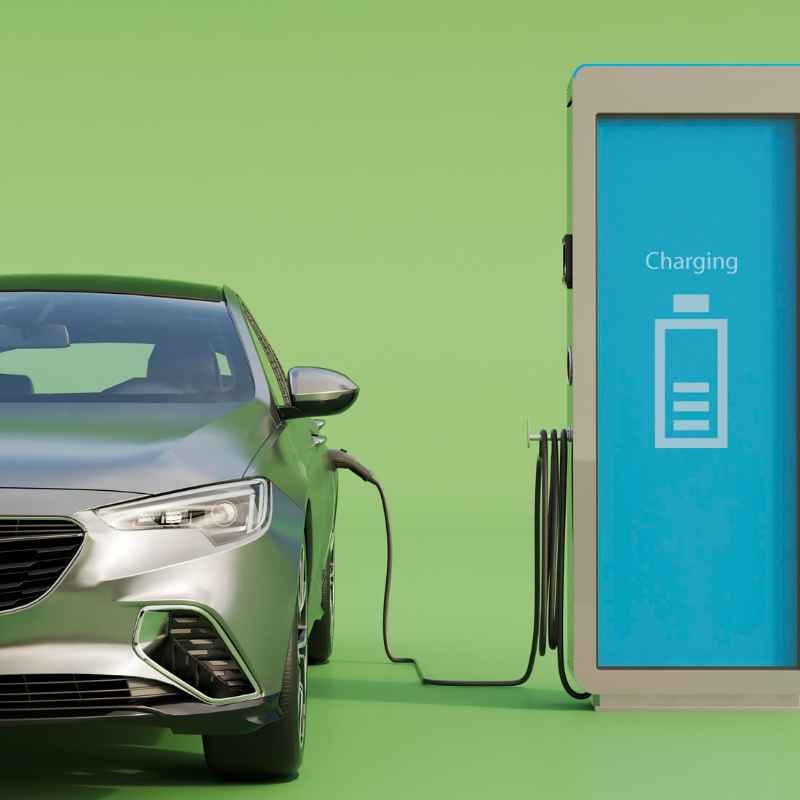
I remember when I first saw a truly all-electric car in someone’s driveway. It wasn’t a fancy sports car; it was a regular sedan. It looked so… quiet.
The owner, Sarah, waved me over. She had just bought it. She seemed so proud.
I asked her about it. She told me all sorts of things. She said her commute felt different.
It was peaceful, she explained. No engine rumble. Just a gentle hum.
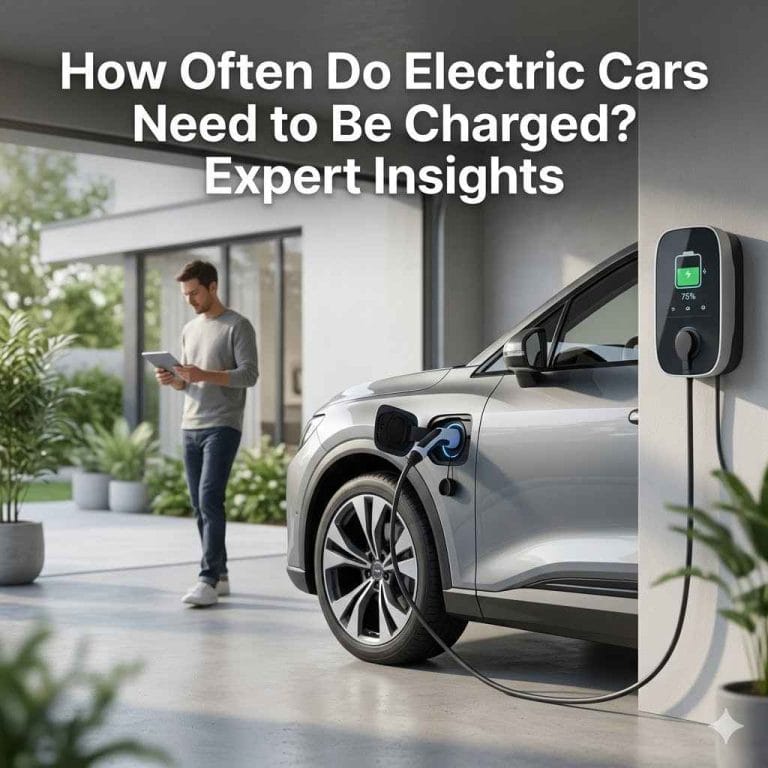
She also talked about her charging routine. “It’s like charging your phone,” she said with a smile. “I plug it in overnight.” But then she mentioned a longer trip.
She had to plan stops for charging. That made me think. Planning ahead is key, I realized.
It’s not quite like a quick stop at a gas station. This simple chat opened my eyes. EVs are different.
They require a slightly different way of thinking about driving.
EV Battery Basics
What it is: A big battery pack stores electricity. It powers the car’s motor.
Where it’s located: Often under the car’s floor.
This helps with balance.
How it works: It gets charged from an electric outlet. Then, it gives power to the motor.
Lifespan: Batteries last many years. They are designed for lots of use.
Cost: Replacing a battery can be costly.
But prices are coming down. Manufacturers often offer long warranties.
The Upside: Why People Love EVs
There are many good reasons to choose an electric car. Researchers and owners point to a few big ones. These benefits touch our wallets and our world.
Environmental Friendliness
This is a huge draw for many. Electric cars produce zero tailpipe emissions. This means they don’t release harmful gases into the air when you drive.
Think about smog in cities. EVs can help reduce that. They don’t burn fuel.
So, they don’t create carbon dioxide (CO2). CO2 is a major cause of climate change.
It’s important to know where the electricity comes from. If it’s from clean sources like solar or wind, the car is very green. If the electricity comes from burning coal, it’s still better than a gas car.
This is because power plants are usually more efficient. They can also control their pollution better than millions of individual cars.
Studies show that over their lifetime, EVs have a smaller carbon footprint. Even when you count making the battery and generating the electricity, they often come out ahead. This is a big deal for people who want to drive greener.
It’s a way to reduce your personal impact.
Lower Running Costs
This is where your wallet feels the love. Electricity is usually cheaper than gasoline. Filling up your EV at home overnight costs less.
You pay for electricity by the kilowatt-hour (kWh). You pay for gas by the gallon. When you compare the cost per mile, EVs often win.
This can save drivers a lot of money over time.
Maintenance is another big saver. Electric cars have fewer moving parts. There’s no engine oil to change.
There are no spark plugs or exhaust systems. This means fewer trips to the mechanic. Fewer parts to fix means less money spent on repairs.
This adds up to significant savings. It’s a practical benefit that many EV owners rave about.
Also, many governments offer incentives. These can be tax credits or rebates. They help lower the initial cost of buying an EV.
These programs encourage more people to buy electric. They make EVs more affordable for more families.
Driving Experience
Driving an EV is often described as a pleasure. The instant torque is a big factor. This means the car has a lot of power right away.
When you press the accelerator, you go. It feels quick and responsive. It’s a smooth ride.
There’s no gear shifting. The ride is quiet. No engine noise means a more peaceful cabin.
You can hear your music better. You can have conversations easily.
Many people find the regenerative braking system interesting. When you lift your foot off the accelerator, the car slows down. It also recharges the battery a bit.
This is different from a gas car. It takes some getting used to. But it can make driving smoother.
It also helps extend the driving range.
Quick Scan: EV Driving Perks
- Smooth Ride: No gear shifts make for a seamless drive.
- Quiet Operation: Enjoy a peaceful cabin.
- Quick Acceleration: Instant power is readily available.
- Regenerative Braking: Helps slow the car and charge the battery.
The Downside: Challenges with EVs
While EVs are great, they aren’t perfect for everyone. There are real challenges that potential buyers face. Understanding these helps make a smart choice.
Initial Purchase Price
Let’s be honest. Electric cars can cost more upfront. The batteries are expensive.
This makes the sticker price higher than a comparable gas-powered car. While governments offer incentives, the initial cost is still a barrier for many families. It’s an investment.
You have to think about how long you’ll keep the car.
However, this gap is shrinking. As battery technology improves and production scales up, EV prices are falling. More affordable EV models are coming out.
This makes them accessible to more people. Over the life of the car, the savings on fuel and maintenance can offset the higher purchase price. But that initial hurdle is real.
Charging Time and Infrastructure
This is perhaps the biggest concern for many. Unlike a gas car that you can fill up in five minutes, charging an EV takes longer. Even fast chargers take about 20-60 minutes to add a significant amount of range.
Charging at home, which is the most common way people charge, can take several hours. This means you need to plan your charging.
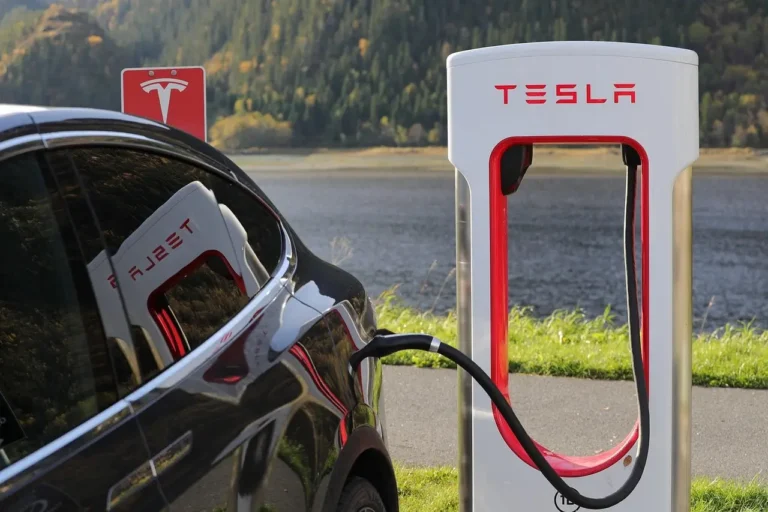
The availability of charging stations is also a worry. While public charging networks are growing, they aren’t as widespread as gas stations. This is especially true in rural areas.
If you live in an apartment building, you might not have easy access to charging at home. This can make owning an EV difficult. It requires more planning for road trips.
You need to find charging spots along your route.
This is a challenge researchers and companies are working hard to solve. More charging stations are being built. Battery technology is improving to allow for faster charging.
But for now, it’s something to consider.
Driving Range and “Range Anxiety”
Another common concern is driving range. This is how far a car can go on a single charge. Early EVs had much shorter ranges.
Now, many EVs can travel 250-350 miles or more on a full charge. This is enough for most daily commutes and errands.
However, “range anxiety” is still a thing. This is the fear that you’ll run out of battery before you reach your destination or a charging station. Factors like cold weather, high speeds, and using the heater or air conditioning can reduce range.
This means a car’s stated range might be less in real-world conditions. People worry about getting stranded.
For most people’s daily driving needs, the range is perfectly adequate. It’s the longer trips that require more planning. Researchers are constantly working to improve battery energy density.
This means making batteries hold more power in the same space.
EV Charging: What You Need to Know
Home Charging (Level 1 & 2)
Level 1: Uses a standard household outlet. Slow. Adds about 2-5 miles of range per hour.
Good for overnight charging of short distances.
Level 2: Uses a 240-volt outlet (like for a clothes dryer). Much faster. Adds about 20-30 miles of range per hour.
Common for home chargers.
Public Charging (Level 2 & DC Fast Charging)
Level 2: Available in many public places like parking lots and workplaces. Similar speed to home Level 2.
DC Fast Charging (Level 3): The quickest option. Can add 100-200 miles of range in 20-30 minutes. Essential for road trips.
Real-World Context: Who Benefits Most?
Who is an electric car a good fit for? Several factors come into play. Thinking about these helps decide if an EV fits your lifestyle.
Urban and Suburban Commuters
If you live in a city or a suburb, an EV is often a great choice. Most daily driving is relatively short. You probably drive less than 40 miles a day.
You can charge your EV at home overnight. This means you start each day with a “full tank.” This avoids the need for public charging during the week.
The instant acceleration of EVs is also great for city driving. It makes merging into traffic and passing easier. Plus, zero tailpipe emissions help improve air quality in densely populated areas.
Many cities also offer perks like preferred parking or HOV lane access for EVs.
Environmentally Conscious Drivers
For people who are passionate about reducing their environmental impact, EVs are a clear winner. The goal is to move away from fossil fuels. EVs are a key part of that.
The cleaner the electricity grid, the greener the EV. As renewable energy sources like solar and wind become more common, the environmental benefit of EVs grows even larger.
This group often researches their local power sources. They might even consider installing solar panels at home. They see driving an EV as a statement and a commitment to a more sustainable future.
It aligns their daily actions with their values.
Those Seeking Lower Running Expenses
If you drive a lot, the savings on fuel and maintenance can be significant. Imagine saving hundreds of dollars a year on gas. Imagine fewer repair bills.
For drivers who put many miles on their cars, an EV can pay for itself over time. This makes it a wise financial choice.
This group often does the math. They compare the total cost of ownership. This includes the purchase price, fuel, maintenance, and insurance.
They find that while the upfront cost might be higher, the long-term savings make EVs competitive. They focus on the total economic picture, not just the initial price tag.
EV vs. Gas Car: Cost Comparison (Example)
This is a simplified look. Actual costs vary greatly.
| Feature | Electric Car (EV) | Gasoline Car |
|---|---|---|
| Fuel Cost (Per Year) | ~$400-$800 (based on 12,000 miles) | ~$1200-$2000+ (based on 12,000 miles) |
| Maintenance Cost (Per Year) | ~$100-$300 (fewer parts) | ~$300-$600+ (oil changes, etc.) |
| Initial Purchase Price | Higher (but decreasing) | Lower |
What This Means for You: When to Worry and When It’s Normal
Understanding normal EV behavior versus concerning signs is important. This helps you feel confident in your EV ownership.
When EV Behavior is Normal
Slightly Reduced Range in Cold Weather: Batteries don’t perform as well when it’s very cold. You might notice your car’s range is less than advertised in winter. This is normal.
Using the heater also uses battery power. You can often pre-condition your car while it’s still plugged in to save battery.
Charging Speed Varies: The speed at which your EV charges can change. It depends on the charger’s power. It also depends on the car’s battery temperature.
Charging slows down as the battery gets closer to full. This is normal to protect the battery.
Quieter Than You Expect: EVs are very quiet. You might not hear them coming. This is normal.
Some EVs have a small artificial sound at low speeds. This is for pedestrian safety. You’ll get used to the quiet ride quickly.
Battery Degradation Over Time: All batteries lose some capacity over many years. This is called degradation. It means the maximum range will slowly decrease.
Most modern EVs are designed to lose very little capacity. This is usually not noticeable for many years. Manufacturers offer long warranties on batteries to cover this.
When to Pay Closer Attention
Sudden, Significant Range Loss: If your car suddenly loses a lot of its expected range, something might be wrong. This could be an issue with the battery management system or a component. If this happens, it’s time to check with your dealer.
Unusual Noises or Vibrations: While EVs are quiet, you should still hear normal sounds. If you hear grinding, whining, or strange vibrations, get it checked. These could point to problems with the electric motor, transmission, or suspension.
Charging Problems: If your car consistently refuses to charge, or charges extremely slowly without a clear reason (like very cold weather), there might be an issue. This could be with the charging port, the battery, or the car’s onboard charger.
Warning Lights on the Dashboard: Just like any car, EVs have warning lights. If a system warning light comes on, don’t ignore it. Consult your owner’s manual.
It will tell you what the light means. Then, decide if you need to visit a mechanic.
Quick Checks for EV Owners
- Tire Pressure: Properly inflated tires improve range.
- Charging Cable: Make sure it’s clean and undamaged.
- Software Updates: EVs often get software updates that can improve performance and range.
- Driving Style: Smooth acceleration and braking help maximize range.
Quick Tips for EV Owners
If you’re considering an EV or already own one, here are some tips to make the experience better.
Plan Your Charging Strategy
Most EV owners charge at home overnight. This is the most convenient and cost-effective method. If you have a garage or driveway, consider installing a Level 2 charger.
This will make your daily charging much faster.
For longer trips, use charging apps. These apps show you where charging stations are. They also show you the type of charger and if it’s available.
Planning your route with charging stops in mind is key. Don’t wait until you’re low on battery.
Understand Your Car’s Range
Know what your car’s typical range is. Pay attention to how driving conditions affect it. Cold weather, hills, and driving fast all reduce range.
Drive smoothly. Avoid hard acceleration. Coast more when possible.
Don’t always aim to charge to 100%. For daily driving, charging to 80% can be better for battery health. This can extend the battery’s lifespan.
Save the full charge for when you need the extra range for a long trip.
Explore Incentives and Rebates
Many governments and local utilities offer incentives for buying EVs and installing home chargers. These can significantly reduce the cost. Research what’s available in your area.
These programs change, so check regularly. They can make an EV much more affordable.
Myth vs. Reality: EV Common Beliefs
| Myth | Reality |
|---|---|
| EVs are bad for the environment because making batteries is dirty. | While battery production has an impact, over their lifetime, EVs (especially with clean electricity) have a lower carbon footprint than gas cars. Recycling is improving. |
| You can only charge EVs at special stations. | Most EV owners charge at home overnight, similar to charging a phone. Public stations are also growing. |
| EV batteries wear out quickly and are expensive to replace. | Batteries are designed to last many years, often 8-15 years or more. Replacement is costly but becoming less common and less expensive. Warranties are long. |
Frequently Asked Questions About Electric Cars
How long do electric car batteries last?
Most electric car batteries are designed to last for many years, often 8 to 15 years or even longer. They can typically withstand hundreds of thousands of miles of driving. Manufacturers usually provide long warranties on the battery, such as 8 years or 100,000 miles, covering significant degradation.
Can I charge an electric car in the rain?
Yes, absolutely. Electric car charging systems are designed to be safe in all weather conditions, including rain. The charging port and the charging equipment are waterproofed.
They have safety mechanisms to prevent electrical hazards, just like any other outdoor electrical appliance you might use.
Are electric cars more expensive to insure than gas cars?
Insurance costs can vary. Some studies suggest EVs might be slightly more expensive to insure. This can be due to the higher initial purchase price and the cost of battery repairs.
However, this is not always the case and depends on many factors, including your driving record and location.
What happens to electric car batteries when they are too old to use?
Old EV batteries can be reused for “second-life” applications, such as storing energy for homes or the power grid. When they can no longer serve these purposes, they are recycled. Recycling processes are improving to recover valuable materials like lithium, cobalt, and nickel, reducing the need for new mining.
Do electric cars require special maintenance?
EVs require less maintenance than gasoline cars. There are no oil changes, no spark plugs, and no exhaust systems to worry about. The main maintenance items are tires, brakes (which often last longer due to regenerative braking), cabin air filters, and the windshield wiper fluid.
It’s simpler and often less costly.
How do electric cars perform in very hot weather?
Similar to cold weather, very hot temperatures can affect EV range. The battery cooling system has to work harder to keep the battery at an optimal temperature. This uses some energy.
You might see a slight decrease in range. However, EVs have robust thermal management systems to handle extreme heat.
The Future of Driving is Electric
Electric cars are more than just a trend. They represent a significant shift in personal transportation. The technology is advancing rapidly.
Benefits like lower emissions and reduced running costs are clear. While challenges like cost and charging still exist, they are being addressed. More research and development mean better batteries and more charging options are coming.
EVs offer a cleaner, quieter, and often more cost-effective way to drive.
Related pick: Check today's price on Amazon
Products related to this article
Sponsored / affiliate links. As an Amazon Associate I earn from qualifying purchases. I may earn additional commission from eligible campaigns.