How Car Tire Pressure Sensors Work (And Why They Matter)
Having a car is great. It gives you freedom. But sometimes, car parts can be confusing.
Tire pressure sensors are one of those things. You see the light on your dashboard. It makes you wonder what it means.
It can feel a bit stressful. We’ve all been there, right?
This guide will make it clear. We will explain how these sensors work. We will also talk about why they are so important.
You’ll understand them better. You’ll feel more confident about your car.
Tire pressure sensors are electronic devices that monitor the air pressure inside your tires. They alert you when pressure drops too low. This helps keep you safe and saves fuel. They are vital for modern vehicle safety systems.
Understanding Tire Pressure Sensors
Think of tire pressure sensors as little helpers for your tires. They are small gadgets. They live inside each tire.

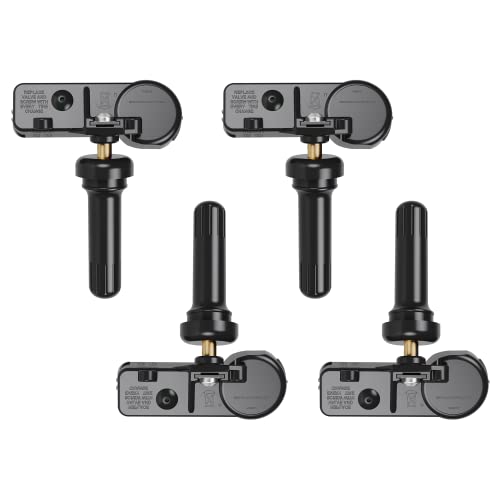
A-Premium
A-Premium 315MHz Pre-programmed TPMS Sensor Tire Pressure…
- [VEHICLE FITMENT-1]: Compatible with Ford Bronco 2021-2024, E-350 Super Duty 2021-2023, E-450 Super Duty 2017-2023, Ecosport 2018-…
- [VEHICLE FITMENT-2]: Compatible with Lincoln Continental 2017-2020, Corsair 2020-2021, Mark LT 2015-2016, MKC 2018-2020, MKX 2017-…
- [REFERENCE NUMBER]: F2GZ-1A189-A, F2GZ1A189A, F2GZ-1A189-D, F2GZ1A189D, F2GT-1A180-AB, F2GT1A180AB, HC3Z-1A189-A, HC3Z1A189A
As an Amazon Associate I earn from qualifying purchases.
Their main job is simple. They check the air pressure all the time. This happens while you drive.
It also happens when your car is parked.
Why do they check pressure? Low tire pressure is a big problem. It can make your car unsafe.
It can also waste gas. These sensors catch this problem early. They send a signal to your car’s computer.
Then, a warning light shows up on your dashboard. This light is usually yellow. It looks like a flat tire with an exclamation mark inside.
This warning is important. It tells you one or more tires have low air. It’s not just a random light.
It’s a safety feature. It’s there to help you.
Types of Tire Pressure Monitoring Systems
There are two main ways cars check tire pressure. Both do a good job. They just do it a little differently.
One type is called Direct TPMS. This is the most common kind. Direct TPMS uses sensors right inside each tire.
These sensors are like tiny computers. They measure the air pressure. They also often measure tire temperature.
They send this data wirelessly to your car’s main computer. If the pressure is too low, the car knows. It turns on the dashboard light.
The other type is Indirect TPMS. This system is simpler. It doesn’t have sensors in the tires.
Instead, it uses your car’s anti-lock braking system (ABS) sensors. These ABS sensors already track how fast each wheel is turning. When a tire has low pressure, it spins faster than the others.
The system notices this difference. It figures out a tire is low. It then turns on the warning light.
Direct TPMS is more accurate. It can tell you the exact pressure in each tire. Indirect TPMS is less precise.
It mostly tells you that a tire is low, not by how much. But both systems serve the same goal: to keep your tires properly inflated.
How Direct TPMS Sensors Work
What they are: Small electronic devices mounted on the valve stem inside each wheel.
What they measure: Air pressure and sometimes tire temperature.
How they send data: They use radio waves to send information to your car’s computer.
When they activate: They are always working, sending updates about tire pressure.
Power source: They have tiny batteries that last for many years.
The Science Behind the Sensors
It’s pretty neat how these little sensors do their job. They are powered by tiny batteries. These batteries are built to last.
They can work for five to ten years. That’s a long time for such a small part!
The sensor itself has a pressure transducer. This is a special part. It changes the air pressure into an electrical signal.
It’s like a tiny translator. The electrical signal then goes to a small computer chip. This chip processes the information.
It checks if the pressure is too low. It might also check if the tire is too hot.
This information is sent out using radio waves. Your car has a receiver. This receiver picks up the signal from the sensor.
Your car’s computer looks at this signal. It compares it to the normal pressure it expects. If it’s too low, bam!
The warning light comes on. It’s all happening very fast.
The system is designed to be smart. It knows the normal pressure for your tires. This is usually found on a sticker inside your driver’s side door.
The sensor system uses this information. It knows when to alert you. It’s not just guessing.
Why Tire Pressure Matters So Much
You might wonder why car makers care so much about tire pressure. It seems like a small thing. But it affects a lot.
Safety is the biggest reason. Proper tire pressure keeps your car’s tires working as they should.
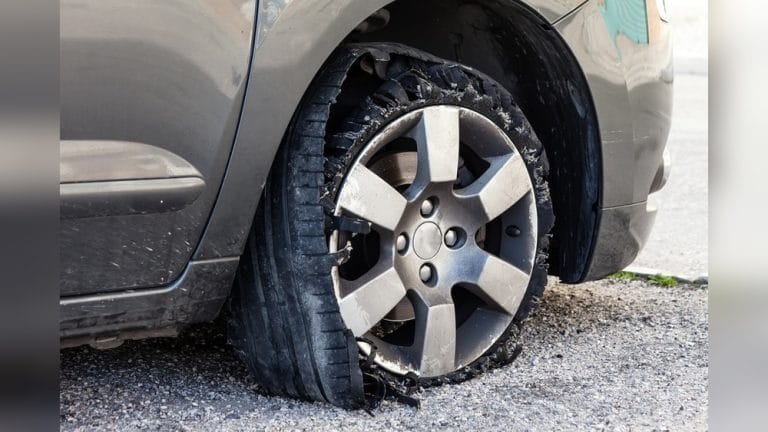
When tires are underinflated, they don’t hold their shape well. The sides of the tire can flex too much. This makes them overheat.
Overheated tires can blow out. This can cause you to lose control of your car. That’s a very dangerous situation.
Underinflated tires also affect how your car handles. Steering can feel heavy. Your car might pull to one side.
Braking can also take longer. This means you might not stop as quickly as you need to. In an emergency, every second counts.
Good tire pressure helps you stay in control.
It’s not just about safety. Tire pressure also saves you money. Properly inflated tires mean better gas mileage.
When tires are soft, they create more drag. Your engine has to work harder. This uses more gas.
Driving with correctly inflated tires can save you a noticeable amount of money at the pump.
Your tires will also last longer. When tires are underinflated, they wear out faster. The wear is often uneven.
This means you have to buy new tires sooner. That’s another cost. Keeping your tires at the right pressure helps them last their full life.
Impact of Underinflated Tires
- Safety Risk: Increased chance of tire blowouts and loss of control.
- Poor Handling: Heavy steering, car pulling, and longer braking distances.
- Wasted Fuel: Your car uses more gas to overcome tire drag.
- Reduced Tire Life: Tires wear out faster and unevenly.
- Lower Ride Comfort: Can lead to a bumpier ride.
My Own Tire Pressure Scare
I remember one chilly Tuesday morning. I was running late for a client meeting. I grabbed my keys and headed out the door.
As I started the car, a bright, familiar yellow light lit up my dashboard. The dreaded tire pressure warning. My heart sank a little.
Of course, this was happening today.
I looked at the tires. They seemed okay to my eyes. This is the tricky part, you know?
You can’t always see low pressure. The tires didn’t look obviously flat. But the sensor was telling me otherwise.
I had a moment of panic. Should I still drive? What if a tire blew out on the highway?
That would be a disaster. I imagined being stranded on the side of the road, looking unkempt for my important meeting.
I decided it was too risky. I called my mechanic. He was great and said to bring it in right away.
I ended up being late for my meeting. But I was safe. The mechanic found that one of my tires was significantly low.
There was a small nail in it. The tire pressure sensor had saved me from a much bigger problem. It was a vivid reminder of how important those little sensors really are.
Real-World Scenarios
Where do you usually see this tire pressure light? It happens in many common situations. You’re about to go on a long road trip.
The car has been sitting for a while. The temperature has dropped overnight. Suddenly, the light comes on.
This is very common in the fall and winter.
Why does temperature matter? Air expands when it’s hot. Air shrinks when it’s cold.
So, on a cold morning, the air in your tires is less. This can cause the pressure to drop enough to trigger the sensor. It doesn’t mean your tire is leaking.
It just means the air inside has contracted.
Another scenario: you hit a pothole. Maybe you ran over something sharp. Even if you don’t hear a hiss, a small puncture can lose air slowly.
The tire pressure sensor will eventually notice. It will turn on the light. This gives you a chance to check and fix it before it becomes a big issue.
Sometimes, the TPMS light comes on even when the tires look fine. This is often due to temperature changes. Or it could be a very slow leak.
It could also be that the system itself needs a reset. Tire shops can help with this. They can also check the actual pressure with a gauge.
Common Times for the TPMS Light
- Cold Weather: Air pressure drops as temperatures fall.
- Long Periods of Non-Use: Tires can lose a little air over time.
- Recent Tire Service: Sometimes sensors need to be re-learn your car.
- Punctures or Leaks: Slow leaks can take time to trigger the light.
- Temperature Fluctuations: Daily changes in heat and cold.
What This Means for You
So, what should you do when that light comes on? First, don’t panic. It’s a warning, not an emergency in most cases.
But you should definitely pay attention to it.
When it’s normal: The most common reason is a simple drop in air pressure. This happens with temperature changes or slow leaks. Your tires might be a few pounds per square inch (PSI) low.
This is usually not dangerous right away. But you should still check your tires soon.
When to worry: If the light is flashing, that’s different. A flashing light usually means there’s a problem with the TPMS system itself. It might be a sensor failure.
Or there could be a more serious issue. If the light is solid yellow, and you feel like the car is handling strangely, pull over when it’s safe. Check your tires visually.
Listen for hissing.
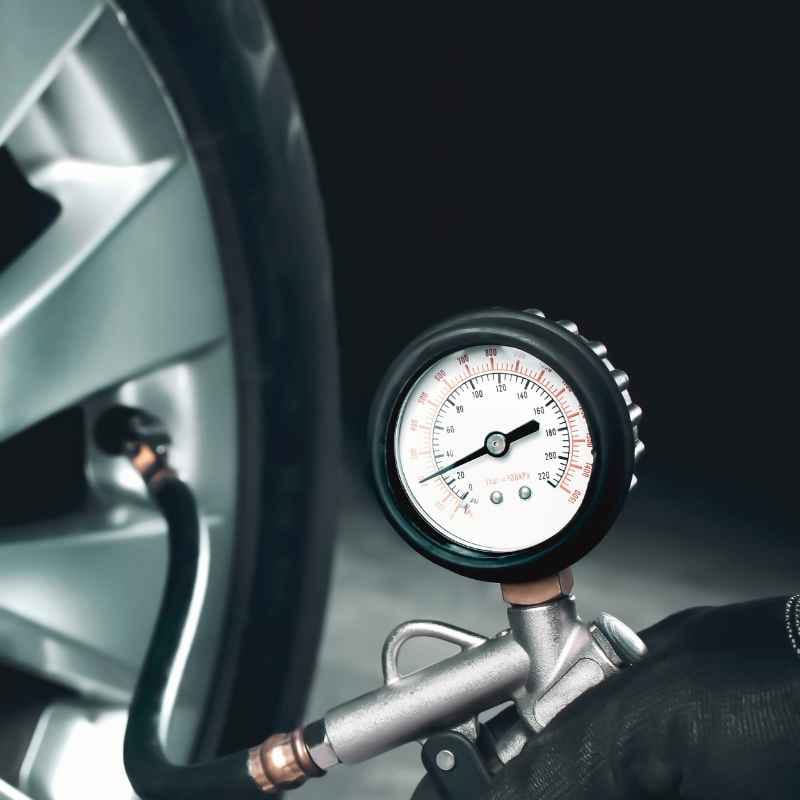
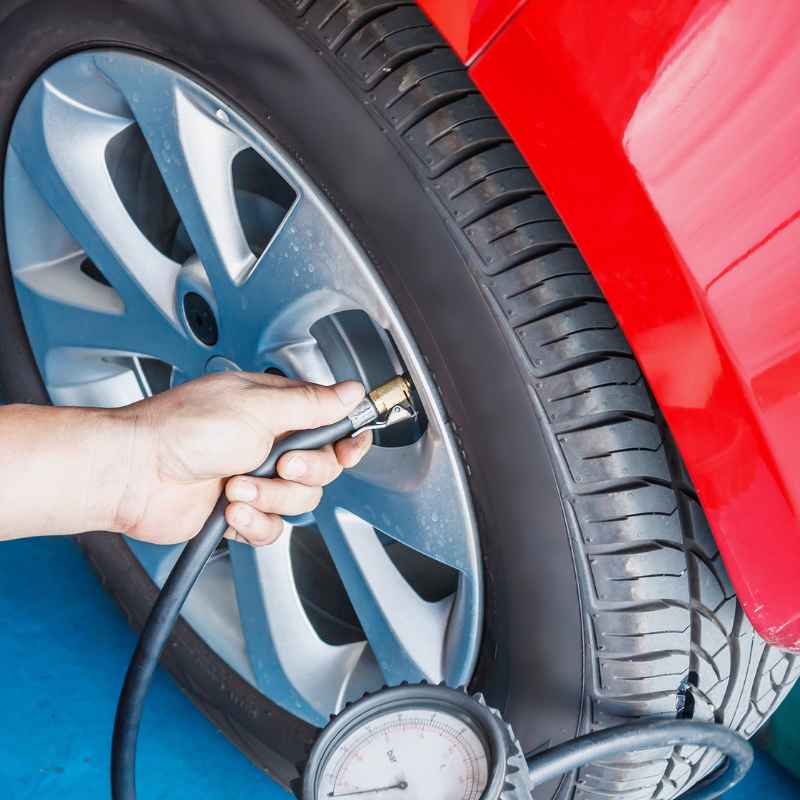
Simple checks: The easiest thing to do is check the air pressure in all your tires. Use a tire pressure gauge. You can buy one at an auto parts store.
The correct pressure for your car is on a sticker. This sticker is usually on the driver’s side door jamb. It’s NOT the pressure listed on the tire sidewall.
That number is the maximum pressure the tire can hold.
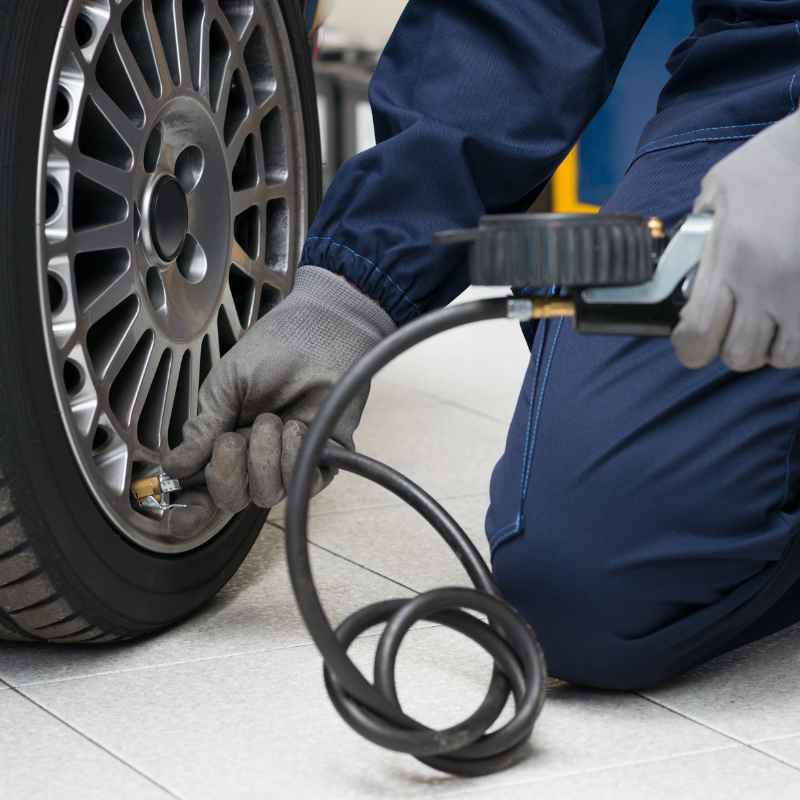
If the tires are low, add air. You can do this at most gas stations. Once the pressure is correct, the light might turn off on its own.
For some cars, you might need to drive a bit. For others, you might need to reset the system. Your car’s owner manual will tell you how.
If you add air and the light stays on, or if it comes back on soon after, you might have a leak. Or there could be an issue with a sensor. In this case, it’s best to visit a mechanic.
They can properly diagnose the problem.
Quick Checks When the Light Appears
1. Observe the Light: Is it solid or flashing? (Solid is usually pressure, flashing is system fault).
2. Visual Check: Look at all tires. Do any look obviously low?
3. Use a Gauge: Check the PSI in each tire. Compare to the sticker on your car.
4. Add Air: Inflate tires to the recommended PSI.
5. Drive a Bit: See if the light turns off after driving a short distance.
6. Seek Help: If the light persists, visit a mechanic.
Quick Fixes and Tips
Here are some practical tips to help you manage your tire pressure sensors and your tires in general.
Regular Checks: Make it a habit to check your tire pressure. Do it at least once a month. Also, check before long trips.
It takes only a few minutes.
Know Your PSI: Always use the recommended tire pressure for your car. This is found on the driver’s door jamb sticker. It’s not the max PSI on the tire itself.
Correct pressure ensures safety and good fuel economy.
Understand Temperature Effects: Remember that cold weather lowers tire pressure. You may need to add air more often in the fall and winter. The opposite is true in summer heat, though pressure is less likely to drop too low.
TPMS Reset: If the light comes on and you fix the pressure, your car might need a reset. Check your owner’s manual. Some cars have a button for this.
Others reset automatically after some driving.
Sensor Lifespan: The batteries in direct TPMS sensors don’t last forever. They usually last 5-10 years. If your car is older, and the light stays on, it could be a dying sensor.
A mechanic can test them. Replacing them can be a bit costly, but it’s important for safety.
Indirect TPMS Limitations: If your car has indirect TPMS, know its limits. It relies on wheel speed. It might not detect a slow leak in all tires at once.
It also doesn’t give you exact pressure readings. You still need to check tires manually.
Tire Rotation: When you rotate your tires, make sure the TPMS sensors are accounted for. Some systems need to be reprogrammed. This makes sure the car knows which sensor is on which wheel.
This is important for accurate readings.
Spare Tire: Don’t forget your spare tire! If you have a full-size spare, it also needs to be properly inflated. Some spare tires are temporary and have specific pressure needs.
Check your manual.
TPMS Maintenance Tips
Monthly Checks: Check tire pressure every month with a gauge.
Correct PSI: Inflate to the car manufacturer’s recommendation (door jamb sticker).
Seasonal Adjustments: Add air in cold weather; it might decrease in heat.
Reset Procedures: Learn how to reset your TPMS system if needed.
Sensor Awareness: Understand that sensor batteries will eventually need replacement.
Spare Tire Care: Don’t forget to check the pressure in your spare tire too.
Frequently Asked Questions
Why did my tire pressure light come on even though my tires look fine?
This is very common! Temperature changes are a big reason. As the air inside your tires cools, it contracts.
This lowers the pressure. It might drop just enough to trigger the sensor. Slow leaks can also take time to become noticeable.
It’s always best to check the actual pressure with a gauge.
How often should I check my tire pressure?
It’s a good habit to check your tire pressure at least once a month. You should also check it before any long road trips. Cars lose a small amount of air over time.
Also, temperature changes affect pressure significantly.
What is the difference between direct and indirect TPMS?
Direct TPMS uses sensors inside each tire to measure pressure and temperature. They send this info wirelessly to your car. Indirect TPMS uses your car’s ABS sensors to detect differences in wheel speed.
Low pressure makes a tire spin faster. Direct systems are more accurate and tell you exact pressure.
How long do TPMS sensor batteries last?
The batteries inside direct TPMS sensors are designed to last a long time. They typically last between five and ten years. Once the battery dies, the sensor needs to be replaced.
This is a normal part of car maintenance for older vehicles.
Can I ignore the tire pressure light?
No, you should not ignore it. While a solid light often means slightly low pressure that can be fixed, it’s a warning. Driving on underinflated tires is unsafe.
It reduces fuel economy and wears out your tires faster. A flashing light means a system malfunction, which also needs attention.
What does it mean if my TPMS light is flashing?
A flashing tire pressure light usually indicates a problem with the TPMS system itself. This could be a malfunctioning sensor, a faulty receiver, or an issue with the car’s computer. It means the system is not working correctly.
You should have it checked by a mechanic as soon as possible.
Where do I find the correct tire pressure for my car?
The correct tire pressure is not the number on the tire sidewall. That number is the maximum pressure. You need to find the sticker on your car that lists the recommended PSI (pounds per square inch).
This sticker is usually on the driver’s side door jamb, inside the glove box, or on the fuel filler door.
Conclusion
Tire pressure sensors are small but mighty. They are key to your car’s safety. They help you save money on gas.
They also make your tires last longer. Understanding how they work is important.
Remember to check your tires regularly. Add air when needed. Pay attention to that warning light.
It’s there for your benefit. Your car will thank you for it. And so will your wallet.
See also are more expensive tires worth it honest answer here.
Related pick: Check today's price on Amazon See also cheapest place to get car tyres without cutting corners.
Products related to this article
Sponsored / affiliate links. As an Amazon Associate I earn from qualifying purchases. I may earn additional commission from eligible campaigns.