How To Know If Your Car Tire Is Expired (Warning Signs)
It’s easy to forget about your tires. You check the air. You look for wear.
But did you know tires can expire? It sounds strange, but it’s true. Old tires can be dangerous.
They might look fine on the outside. Yet, their insides can be weak. This can lead to big problems.
We want you to be safe. Let’s talk about how to spot an expired tire.
Understanding tire expiration is crucial for your safety. Tires degrade over time due to exposure to heat, UV rays, and ozone. Even if they have good tread, the rubber can become brittle and prone to failure. Knowing the signs of an expired tire helps prevent dangerous blowouts and accidents.
What Does Tire Expiration Mean?
When we talk about tires expiring, we don’t mean they go bad like milk. Tires are made of rubber and other chemicals. Over time, these chemicals break down.
This is called aging or degradation. It happens even if you don’t drive much.
The rubber gets less flexible. It can become hard and brittle. Think of a rubber band you leave in the sun.
It gets stiff and might snap easily. Tires face the same fate. This breakdown affects their ability to grip the road.
It also makes them more likely to crack or fail suddenly.
This aging process is a big safety concern. A tire that is too old can blow out. This is when the tire suddenly bursts.
It can cause you to lose control of your car. That’s why knowing the age of your tires is important.
Why Do Tires Age?
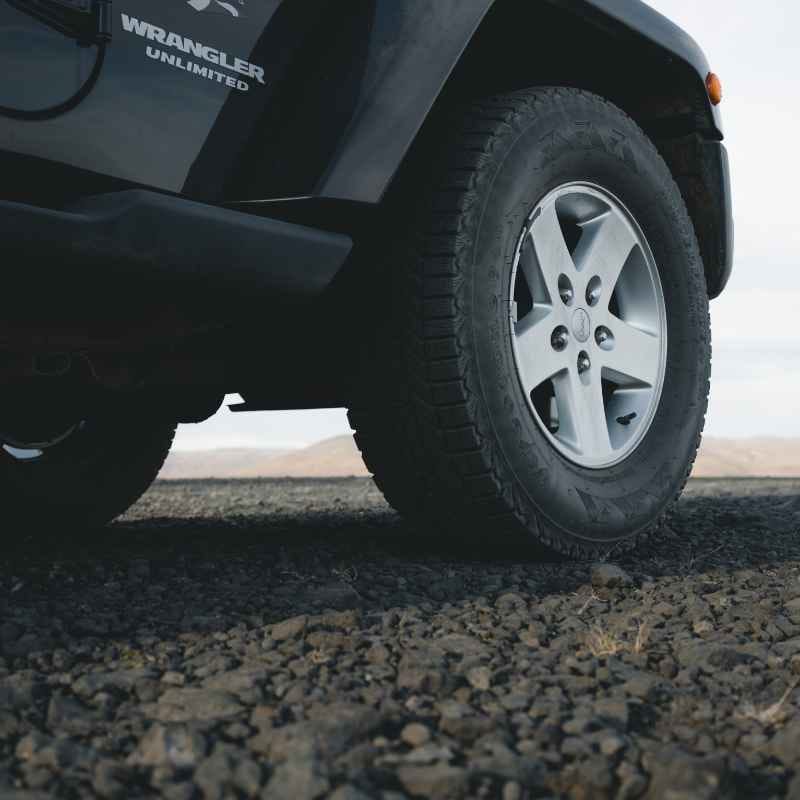
Several things make tires age. Heat is a big one. Driving generates heat.
Parking on a hot road adds more heat. High temperatures speed up the chemical breakdown of rubber.
Sunlight also plays a role. The UV rays in sunlight attack the rubber. This makes it dry out and crack.
Think about how paint fades in the sun. Rubber does something similar, but it weakens the structure.
Ozone in the air is another culprit. It reacts with the rubber and causes it to break down. You might see tiny cracks forming.
These are signs of ozone damage.
Moisture and road salt can also contribute. They can seep into the rubber. They can cause corrosion or damage the internal structure.
Even if your tires have great tread, they can still be old. The tread is the part that touches the road. But the inner structure matters just as much.
The belts and cords inside can weaken over time. This can lead to a catastrophic failure.
How to Find Your Tire’s Age
The good news is, you can find your tire’s age. It’s stamped right on the sidewall. You’ll see a series of letters and numbers.
This is called the DOT code. DOT stands for Department of Transportation.
Look for a group of four numbers. It will be at the end of the DOT code. It might look like “3219”.
The first two numbers show the week. The last two numbers show the year. So, “3219” means the tire was made in the 32nd week of 2019.
Sometimes, older tires might only have three numbers. This means they were made before the year 2000. In that case, they are definitely expired and unsafe.
Most tires made after 2000 have the four-number code.
Finding this code is key. It’s usually on the inside of the tire too. You might have to look closely.
It can be small print. You might need a flashlight. This little code tells you a lot about your tire’s life.
I remember helping a friend check her tires. She had a car that sat in the garage a lot. The tires looked brand new.
There was plenty of tread. But when we found the DOT code, they were over 10 years old. She had no idea.
We told her they needed to be replaced. It was a good wake-up call for both of us.
Warning Signs of Expired Tires
Even if you can’t find the DOT code easily, there are signs. You can often see when a tire is getting old. You just need to know what to look for.
These signs are your car’s way of telling you something is wrong.
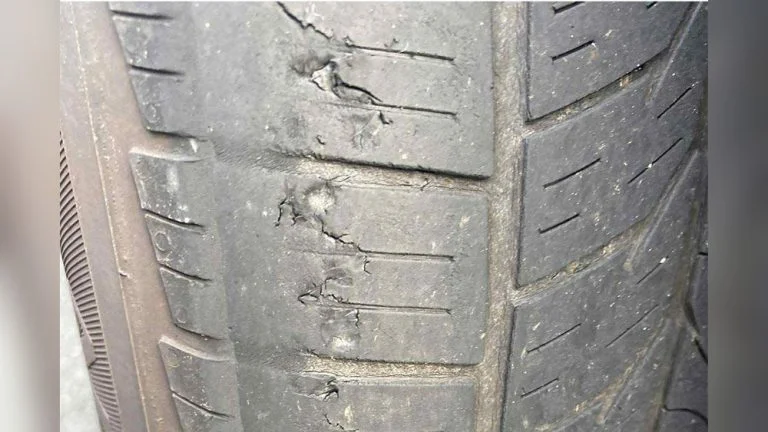
One of the most obvious signs is cracking. Look at the sidewalls. Do you see small lines?
These look like tiny spiderwebs. They might be around the edges. They could also be on the tread itself.
These cracks show the rubber is drying out. It’s losing its flexibility.
Another sign is a brittle feel. If you can gently press on the sidewall, it might feel hard. It won’t have that soft, pliable feel of a newer tire.
It might even feel a bit stiff.
You might also see bulges or blisters. These are weak spots. They look like lumps or bubbles on the tire’s surface.
These are very dangerous. They mean the internal structure is failing. Never drive on a tire with a bulge.
It could blow out at any moment.
If your car feels funny to drive, pay attention. Does it pull to one side? Does the ride feel bumpy or shaky?
This could be a sign of tire problems. Old tires can lose their shape. They might not be round anymore.
Uneven wear is also a clue. While wear can happen for many reasons, very old tires can contribute to it. The rubber might not be able to hold its shape evenly under pressure.
Sometimes, you might hear strange noises. A hissing sound could mean a slow leak. This could be from small cracks.
A thumping sound might mean a tire is out of balance. Old tires can become unbalanced.
Tire Age vs. Tread Depth
Tread Depth: How much rubber is left on the surface. This tells you if the tire is worn out from use.
Tire Age: How old the tire is. This tells you if the rubber itself has broken down.
Key Point: A tire with great tread can still be dangerous if it’s too old. Always check both!
What About Spare Tires?
People often forget about their spare tires. They sit in the trunk for years. They don’t get much use.
But they age just like regular tires. A spare tire is often the only thing you have if you get a flat.
You need that spare to be in good condition. If it’s expired, it won’t help you. It could fail when you need it most.
You might end up stranded.
So, check your spare tire’s age too. Find the DOT code. Look for cracks.
Make sure it’s properly inflated. Treat your spare with the same care as your main tires.
I learned this the hard way. I had a flat on a long trip. I pulled out my spare.
It looked okay. But as I drove slowly to the nearest town, I heard a weird noise. Then I saw it start to bulge.
I had to pull over again. I ended up calling a tow truck. My spare was old and weak.
It was a costly mistake. Now I check my spare regularly.
Spare tires often sit in odd conditions. They can be exposed to trunk heat. They might be in dampness.
This can speed up their aging process. It’s not uncommon for spare tires to be expired even if they look new.
Tire Lifespan Recommendations
Most tire manufacturers and safety experts have recommendations. They generally suggest replacing tires after six years. This is from the date of manufacture, not when you bought them.
Even if the tread looks good, replace them. Six years is a common guideline. Some experts say up to ten years is the absolute limit.
But many recommend replacement sooner.
This is especially true for tires that are rarely used. A car that sits a lot might have tires that age out before they wear out. The rubber breaks down from sitting and exposure.
Think of it like food. It has an expiration date for a reason. Tires have a limited lifespan.
Their performance and safety degrade over time.
Here’s a simple way to think about it:
Tire Age Guidelines
- Manufacture Date: Always check this first (DOT code).
- 6 Years: Most manufacturers suggest replacement.
- 8-10 Years: Absolute maximum limit, even with good tread.
- Any Cracks, Bulges, or Dry Rot: Replace immediately, regardless of age.
This isn’t just about the tire company trying to sell you more tires. This is about real safety. Tires are the only thing connecting your car to the road.
They handle braking, steering, and acceleration. When they fail, it’s dangerous.
When Are Tires Too Old to Use?
The general rule is six years from the manufacture date. But you can’t always wait that long. If you see signs of damage, they are too old.
Age is just one factor. The condition of the tire is critical.
If your tires have visible cracks in the sidewall or tread, they are too old. If they have bulges or blisters, they are too old. If the rubber looks dry and hard, they are too old.
Consider your climate. If you live in a very hot or sunny area, your tires might age faster. The constant heat and sun can degrade the rubber more quickly.
Even if the DOT code says they are five years old, if they show signs of aging, it’s time to consider replacing them.
In the US, we have different climates. Tires in Phoenix, Arizona, will likely age differently than tires in Seattle, Washington. Hot, dry climates tend to be harder on rubber.
Frequent exposure to harsh sun can accelerate the aging process significantly.
If you’re unsure, it’s always best to have a professional check them. A tire shop can tell you if your tires are still safe to use.
Quick Tire Checkup Checklist
- Find the DOT code on the sidewall.
- Note the last four digits (week and year of manufacture).
- Inspect sidewalls for cracks, cuts, or bulges.
- Check the tread for unusual wear or cracking.
- Feel the rubber – is it hard and brittle?
- Consider the age (over 6 years is a concern).
- If in doubt, ask a pro.
What Happens If You Drive on Expired Tires?
Driving on expired tires is a serious risk. The rubber is weakened. It can’t handle the stresses of driving.
This can lead to a tire blowout. As we mentioned, a blowout is sudden and dramatic.
If a tire blows out while you’re driving, especially at highway speeds, it’s terrifying. The car can swerve violently. You might lose control.
This can cause an accident. It can lead to serious injury or even death. It puts everyone on the road at risk.
Even if you don’t have a blowout, expired tires perform poorly. They don’t grip the road as well. This affects your braking distance.
It also impacts your ability to steer effectively. Wet roads are especially dangerous with old tires.
You might notice longer stopping distances. You could experience hydroplaning more easily in the rain. The car might feel less stable when turning.
Think about it this way: your tires are your link to safety. They are designed to perform under pressure. When they age, they lose that ability.
It’s like driving on old, worn-out shoes. They won’t support you properly.
I saw a news report once about a family involved in a terrible accident. The investigation found that one of their tires had failed. It was an old tire that had degraded.
It’s a heartbreaking reminder of why tire maintenance is so important.
Can You Buy Old Tires?
Yes, unfortunately, you can. This is a common problem, especially if you buy tires from less reputable sources. Sometimes, tires are stored for a long time before they are sold.
When buying new tires, always ask about their manufacture date. Look for the DOT code. You want tires that were made recently.
Tires that are more than a year old are already starting to age.
If a dealer tries to sell you tires that are more than a few years old, be cautious. Even if they offer a discount, it might not be worth the risk. Make sure you are getting fresh tires.
This is why buying from a trusted tire shop is important. They should have a good stock rotation. They should be able to tell you the age of any tire they are selling.
If you are buying used tires, be extremely careful. It’s generally not recommended. The risk of buying old, damaged, or expired tires is very high.
You don’t know their history.
Buying New Tires: What to Ask
“When were these tires made?”
“Can I see the DOT code?”
“What is the warranty on these tires?”
“Do you have a more recent manufacturing date available?”
Tire Maintenance for Longevity
While tires do age, you can help them last longer. Proper maintenance is key. It helps them perform their best and slows down the aging process.
1. Proper Inflation: This is huge. Always keep your tires inflated to the correct pressure.
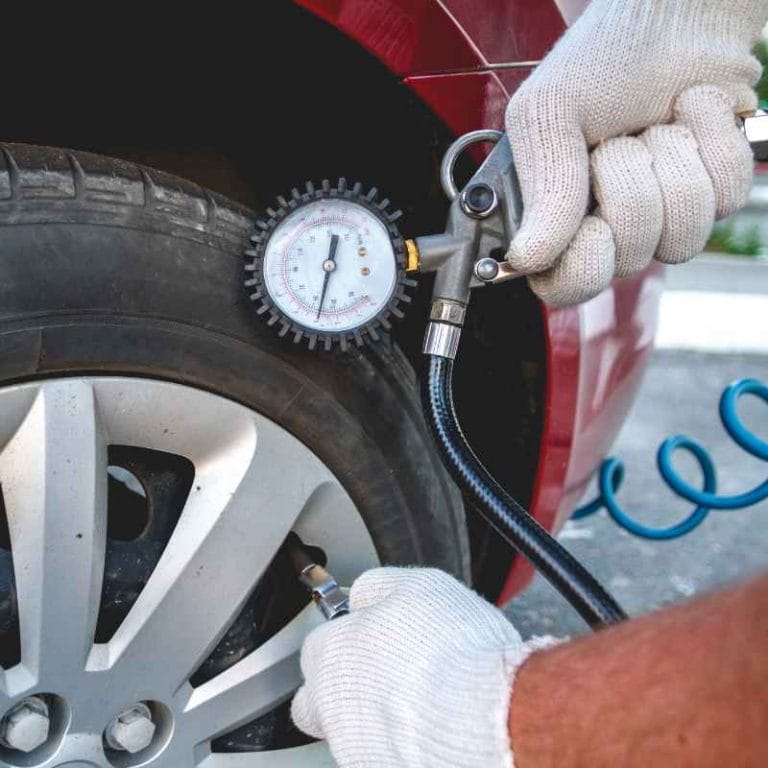
Check it at least once a month. Low pressure causes tires to overheat. High pressure can lead to uneven wear and blowouts.
2. Regular Rotation: Rotate your tires every 5,000 to 7,500 miles. This ensures they wear evenly.
Uneven wear can put stress on certain parts of the tire. Rotation helps them age more uniformly.
3. Wheel Alignment: Get your alignment checked regularly. If your wheels are out of alignment, it can cause tires to wear down quickly and unevenly.
This also puts extra stress on the tire structure.
4. Balancing: Have your tires balanced when you rotate them or if you notice vibrations. Unbalanced tires can cause bumpy rides and uneven wear.
5. Avoid Overloading: Don’t overload your car. Exceeding the weight limit puts extra strain on your tires.
This can lead to overheating and premature failure.
6. Clean Your Tires: Wash your tires occasionally. Remove road grime, oil, and dirt.
These can sometimes degrade the rubber over time.
7. Store Properly: If you store tires, keep them in a cool, dry place. Avoid direct sunlight.
Don’t store them near electric motors or ozone-generating equipment. Laying them flat or storing them upright is better than hanging them.
These simple steps can make a big difference. They help your tires last longer and stay safer. They reduce the chances of them degrading too quickly.
I used to just fill my tires with air when they looked low. That was it. Then I learned about rotation and alignment.
I started doing it regularly. My tires lasted much longer. The ride felt smoother too.
It was a small effort for a big payoff.
What This Means For You
Knowing your tire’s age and condition is not just about passing an inspection. It’s about your peace of mind. It’s about knowing you and your loved ones are safe when you’re on the road.
When it’s normal: It’s normal for tires to age. It’s normal to see some wear. It’s normal to have a DOT code that shows they were made a year or two ago.
It’s normal for them to eventually need replacement.
When to worry: You should worry if you see cracking, bulges, or dry rot. You should worry if your tires are over six years old and you haven’t checked them recently. You should worry if your car is handling strangely, and you suspect the tires.
Simple checks you can do: Make it a habit to check your tires every month. Look at them while you’re walking around your car. Find the DOT code and make a note of the age.
Check the tire pressure. Look for any obvious damage. These quick checks can prevent major problems.
Don’t wait for a problem to happen. Be proactive. Your tires are your car’s most important safety feature.
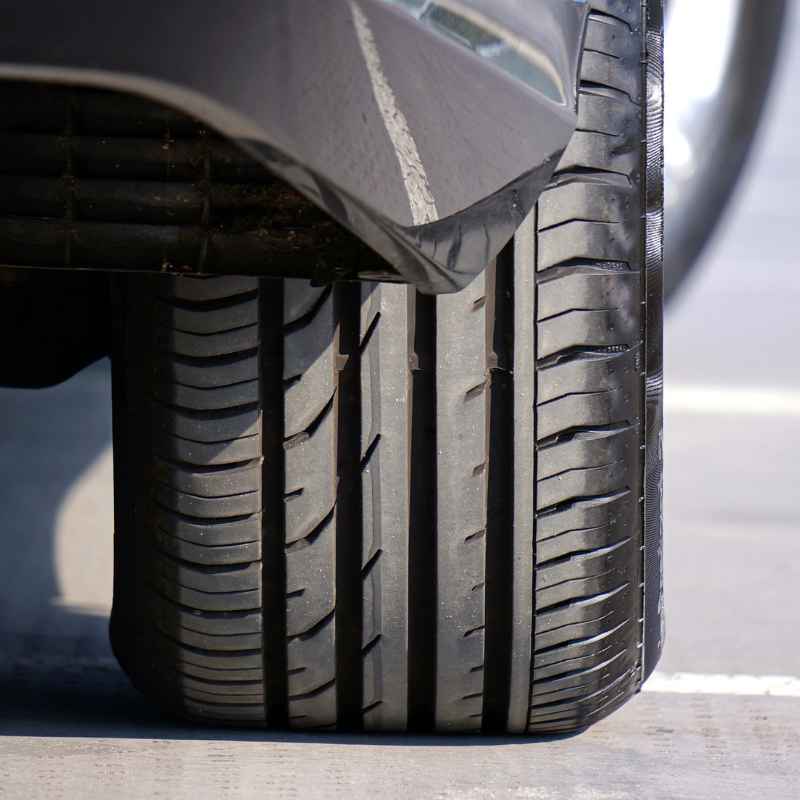
Quick Fixes & Tips
There aren’t really “quick fixes” for expired tires. The only fix for an expired or damaged tire is to replace it. Anything else is a dangerous compromise.
Here are some important tips instead of fixes:
- Educate yourself: Know the DOT code. Know the warning signs.
- Be vigilant: Check your tires regularly, not just when you think about it.
- Don’t buy used tires unless you are an expert and can verify their age and condition. Even then, it’s risky.
- Buy from reputable dealers and ask for recent manufacturing dates.
- Replace all four tires at once if possible. This ensures even performance. If you can’t, at least replace them in pairs on the same axle.
- Listen to your car: Unusual sounds or vibrations often point to tire issues.
It’s better to invest in new tires than to risk an accident. The cost of new tires is far less than the cost of a crash. Safety always comes first.
Frequent Questions
How long do car tires really last?
Car tires typically last between 3 to 5 years of use, or about 40,000 to 60,000 miles. However, their lifespan is also limited by age. Even with good tread, tires should generally be replaced after 6 years from their manufacture date, or 10 years at the absolute maximum.
Can you tell if a tire is expired just by looking at it?
Sometimes, yes. Look for visible signs like cracks in the sidewall or tread, bulges, or a very hard and brittle texture. If you see these, the tire is likely expired or unsafe, regardless of the date.
However, internal degradation can happen without obvious external signs.
What is the best way to check my tire’s age?
The best way is to find the DOT code on the tire’s sidewall. Look for a series of letters and numbers that ends with four digits. The first two digits indicate the week of manufacture, and the last two indicate the year (e.g., “3219” means the 32nd week of 2019).
If there are only three digits, it was made before 2000.
Does the weather affect how quickly tires expire?
Yes, it does. Extreme heat, constant exposure to sunlight (UV rays), and ozone in the air can all speed up the aging process of tire rubber. Tires in hot, sunny climates might degrade faster than those in cooler, milder climates.
Is it okay to mix tires of different ages on my car?
It’s best to avoid mixing tires of significantly different ages, especially on the same axle. Tires degrade over time. Mixing them can lead to uneven handling, braking, and traction.
If you need to replace tires, it’s recommended to replace them in pairs or all four at once for optimal safety and performance.
What does “dry rot” mean on a tire?
Dry rot refers to the breakdown of the rubber compound in tires. It’s caused by exposure to oxygen and ozone, and often shows up as small cracks, particularly on the sidewalls. Dry rot makes the tire brittle and prone to failure, even if the tread depth is still good.
Conclusion
Your tires are critical for safe driving. Knowing their age and condition is essential. Look for the DOT code and inspect your tires regularly.
Replace them based on age and signs of wear. Keeping your tires in good shape protects you and everyone else on the road. Stay safe out there!
See also how to use a tire kit to fix a flat in minutes.
Products related to this article
Sponsored / affiliate links. As an Amazon Associate I earn from qualifying purchases. I may earn additional commission from eligible campaigns.