What To Do When Your Car Tire Is Flat (Don’T Panic Guide)
It’s a sinking feeling, isn’t it? That sudden lurch, the strange noise, and then the unmistakable awareness that something is wrong. A flat tire is one of those roadside surprises that can throw your whole day off track.
But before you start to panic, know that most people deal with this at some point. We’ll walk through what to do, step by step.
If your car tire is flat, the first step is to find a safe spot to pull over completely off the road. Next, assess if you have a spare tire and the tools needed to change it yourself. If not, or if you feel unsafe, it’s best to call for roadside assistance.
Always prioritize your safety.
Understanding a Flat Tire
A flat tire means your tire has lost most of its air. This can happen for many reasons. You might have hit a sharp object like a nail or glass on the road.

Antego Tire & Wheel
Antego 18x8.50-12 Flat Free Golf Cart Tire…
- Set of 4 Tire & Wheel Assemblies: Includes four Antego branded 18x8.50-12 flat free golf cart tire and wheel assemblies. These com…
- Flat Free Golf Cart Tire Design: Built to help eliminate flat tires, air pressure checks, tubes, and puncture-related downtime. Th…
- 18x8.50-12 Golf Cart Size: Designed for carts that use 18x8.50-12, 18x8.5-12, or 18x8.50x12 tires. This low-profile 18-inch tire o…
As an Amazon Associate I earn from qualifying purchases.
Sometimes, the valve stem can leak. Old tires can also crack and lose air over time. Even extreme temperature changes can sometimes affect tire pressure.
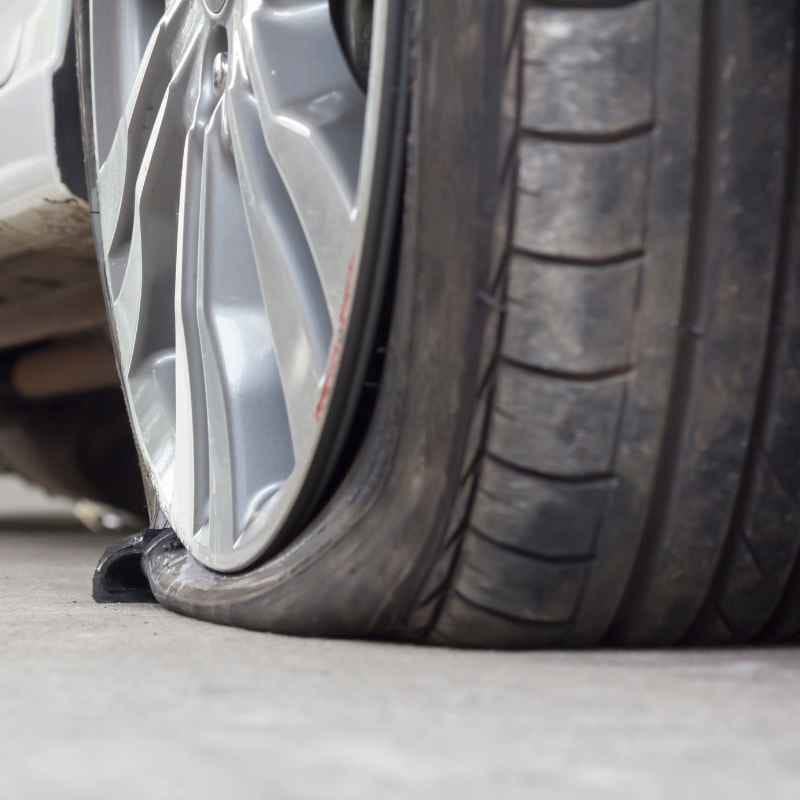
When a tire goes flat, the car will pull sharply to one side. You might hear a thumping or flapping sound. The steering can feel very heavy and hard to control.
Driving on a completely flat tire is dangerous. It can damage your wheel rim and even cause a loss of control. So, acting fast and safely is key.
My Own Flat Tire Scare
I remember it vividly. I was driving home from a friend’s house late one Tuesday night. It was raining, and the road was dark.
Suddenly, my car started to make this awful flapping noise. The steering wheel yanked hard to the right. My heart leaped into my throat.
I knew instantly it was a flat tire.
My first thought was pure panic. I was on a busy highway, and it was getting dark. I worried about other cars, about being stranded.
I gripped the steering wheel tight and slowly eased the car onto the shoulder. It was a narrow one, and cars whizzed by far too close. The rain was coming down harder.
I felt so alone and a little scared. That’s when I took a deep breath and remembered I had a plan for this exact situation.
Common Causes of Flat Tires
Punctures: Nails, screws, sharp rocks, glass.
Valve Stem Issues: A damaged or leaking valve stem.
Sidewall Damage: Cuts or cracks in the side of the tire.
Blowouts: Sudden, rapid air loss, often from damage or underinflation.
Rim Damage: A bent or cracked wheel rim can prevent a good seal.
Finding a Safe Place to Stop
The absolute first thing you must do is get to a safe location. This is more important than anything else. If you feel the tire go flat while driving, don’t slam on the brakes.
Instead, ease off the gas pedal. Grip the steering wheel firmly. Gently steer the car towards the side of the road.
Look for a wide, flat, and stable spot. A shoulder that’s clear of traffic is ideal. Avoid stopping on a curve or a hill where it’s hard for other drivers to see you.
If you can, pull over onto a side street or into a parking lot. The goal is to get your car as far away from moving traffic as possible. Your safety and visibility are crucial.
Safety First Checklist
- Pull Over Safely: Find a wide, level spot away from traffic.
- Turn On Hazard Lights: Make your car visible to others.
- Engage Parking Brake: Ensure the car won’t roll.
- Stay Aware: Keep an eye on traffic passing by.
- Consider Visibility: If it’s dark or foggy, wear bright clothing if possible.
Assessing Your Situation: Spare Tire or Assistance?
Once you’re safely stopped, take a moment to look at your tires. Is one visibly flat or bulging? Then, you need to decide if you can handle it yourself or if you need help.
Most cars come with a spare tire and a jack. You’ll also need a lug wrench to loosen the lug nuts.
Check your car’s manual for specific instructions on changing a tire. It will show you where the jack points are. It will also explain how to use the jack and lug wrench.
If your car has a “donut” spare (a smaller, temporary spare), know its speed and distance limits. These are not meant for long drives.
If you don’t have a spare, or if your spare is also flat, or if you just don’t feel comfortable changing it, that’s perfectly okay. Many people don’t. Modern cars might have a tire repair kit instead of a spare.
These kits use sealant and air to temporarily fix a puncture. They work best for small holes.
When to Call for Help
There are times when calling for help is the best and safest option. If you are on a busy highway with fast-moving traffic, it might be too dangerous to try and change the tire yourself. If you are in a remote area with no cell service, you might need to wait for a passing car to help or find a way to get a signal.
If you’re unsure about any step of changing a tire, don’t risk it. A mistake could lead to injury or further damage to your car. If the lug nuts are too tight to loosen, or if the jack seems unstable, it’s time to call for professional help.
This is where roadside assistance services come in handy.
Signs You Need Professional Help
- Unsafe Location: Busy road, poor visibility, bad weather.
- Missing Equipment: No spare tire, jack, or lug wrench.
- Damaged Wheel: If the rim itself is bent or broken.
- Tight Lug Nuts: If you can’t loosen them with reasonable force.
- Lack of Confidence: If you’re unsure about any part of the process.
Changing Your Tire: Step-by-Step (If You Can)
If you’ve decided to change the tire yourself, let’s go through the steps. Remember to stay calm. Each step is manageable.
Step 1: Gather Your Tools. Get your spare tire, jack, and lug wrench from your trunk. Most cars have these stored under a floor mat or in a side compartment. Make sure your spare tire is properly inflated before you need it.
Step 2: Loosen Lug Nuts. Before you lift the car, use the lug wrench to loosen the lug nuts on the flat tire. Turn them counter-clockwise. They might be very tight.
You may need to use your foot to press down on the wrench handle. Just loosen them a little, about half a turn. Do not remove them yet.
Step 3: Position the Jack. Find the correct jacking point on the car’s frame near the flat tire. Your owner’s manual is your best friend here. Placing the jack in the wrong spot can damage your car or cause the jack to slip.
Step 4: Lift the Car. Slowly operate the jack to raise the car. Lift it high enough so the flat tire is completely off the ground. Make sure the car is stable on the jack.
Never put any part of your body under the car when it’s only supported by a jack.
Step 5: Remove Lug Nuts and Tire. Now, finish unscrewing the lug nuts completely. Keep them in a safe place, like your pocket or a cup, so you don’t lose them. Then, grip the flat tire firmly and pull it straight towards you.
It might be heavy.
Step 6: Mount the Spare Tire. Line up the spare tire with the wheel studs. Push it onto the studs until it sits flat against the hub. Put the lug nuts back on by hand.
Tighten them as much as you can.
Step 7: Lower the Car. Slowly lower the car using the jack. Once the tire is touching the ground but the car is not fully on the ground, tighten the lug nuts again. Tighten them in a star pattern.
This ensures the wheel is seated evenly.
Step 8: Fully Lower and Final Tighten. Lower the car the rest of the way. Remove the jack. Now, give the lug nuts a final, firm tightening with the lug wrench, again using the star pattern.
Make sure they are very secure.
Step 9: Stow Your Gear. Put the flat tire, jack, and lug wrench back into your trunk. Don’t forget to check the air pressure in your spare tire as soon as possible. Also, get your flat tire repaired or replaced quickly.
Remember that temporary spares have speed and mileage limits.
Quick Tire Change Tips
- Park on Level Ground: This makes jacking safer.
- Loosen Nuts Before Lifting: Easier when the wheel is on the ground.
- Star Pattern Tightening: For even pressure on the wheel.
- Check Spare Pressure: Ensure it’s ready to go.
- Visit a Mechanic Soon: Get the flat fixed or replaced.
Using a Tire Repair Kit
Some newer cars don’t have a spare tire. Instead, they come with a tire repair kit. These kits usually contain a sealant and an air compressor.
The idea is to inject the sealant into the tire, which plugs the hole. Then, the compressor inflates the tire.
These kits are generally meant for small punctures, like from a nail. They are not designed for large cuts or sidewall damage. After using a repair kit, you still need to get the tire professionally inspected.
The sealant is a temporary fix. It allows you to drive to a repair shop safely.
Follow the instructions that come with your specific kit carefully. Usually, you’ll attach the compressor to the tire’s valve stem and to your car’s power outlet. Then, you’ll activate the sealant and inflation process.
It’s important to know your kit’s limitations and to seek professional advice afterward.
What if the Lug Nuts Won’t Budge?
This is a common frustration. Lug nuts can get very tight due to road vibrations and being tightened with force. If they are stuck, don’t force it so hard that you injure yourself or break the wrench.
First, ensure you are turning the wrench counter-clockwise.
Try applying steady, firm pressure. Sometimes, shifting your weight or using your foot can help. If they are still stuck, you can try a penetrating oil, like WD-40, around the lug nuts.
Let it soak in for a few minutes. Then, try again. If they absolutely will not move, it’s time to call for roadside assistance.
They have specialized tools and expertise.
Common Tire Issues and Solutions
Myth: You can drive on a completely flat tire for a while.
Reality: Driving on a flat tire can cause permanent damage to the tire and your wheel rim. It’s unsafe and costly.
Myth: All spare tires are the same as regular tires.
Reality: Many cars have temporary spares (“donuts”). These have speed and distance limits and are only for emergencies.
Myth: Tire repair kits fix all tire damage.
Reality: Repair kits are for small punctures only. Sidewall damage or large cuts cannot be fixed with a kit.
Driving on a Temporary Spare
If you used a temporary spare, remember it’s not a permanent solution. These tires are smaller and have lower speed ratings. They are designed to get you to a safe place or a repair shop, not for regular driving.
Always check the speed limit indicated on the spare tire’s sidewall. It’s usually around 50 mph. Also, avoid long trips.
The car’s handling will feel different. Pay close attention to how the car drives. If you feel any instability, pull over.
Get your regular tire fixed or replaced as soon as possible.
Check the air pressure in the temporary spare too. They often need more air than regular tires. Proper inflation is crucial for safety and to prevent damage to the spare itself.
Driving on an underinflated temporary spare can be very dangerous.
When Is a Flat Tire Not Just a Flat Tire?
Sometimes, what seems like a simple flat could be a symptom of a bigger problem. If your tires are consistently losing air, even when you haven’t hit anything, there might be a slow leak. This could be from a tiny puncture, a bad seal on the rim, or a faulty valve stem.
You might notice your tire pressure warning light coming on frequently.
If a tire blows out suddenly, it’s a more serious event. This can happen if a tire is severely underinflated, has suffered major damage, or is very old and worn out. A blowout can be startling and make the car difficult to control.
In these cases, staying calm and steering carefully is vital.
Also, be aware of your tires’ age and condition. Tires have a lifespan. Even if they look okay, the rubber can degrade over time.
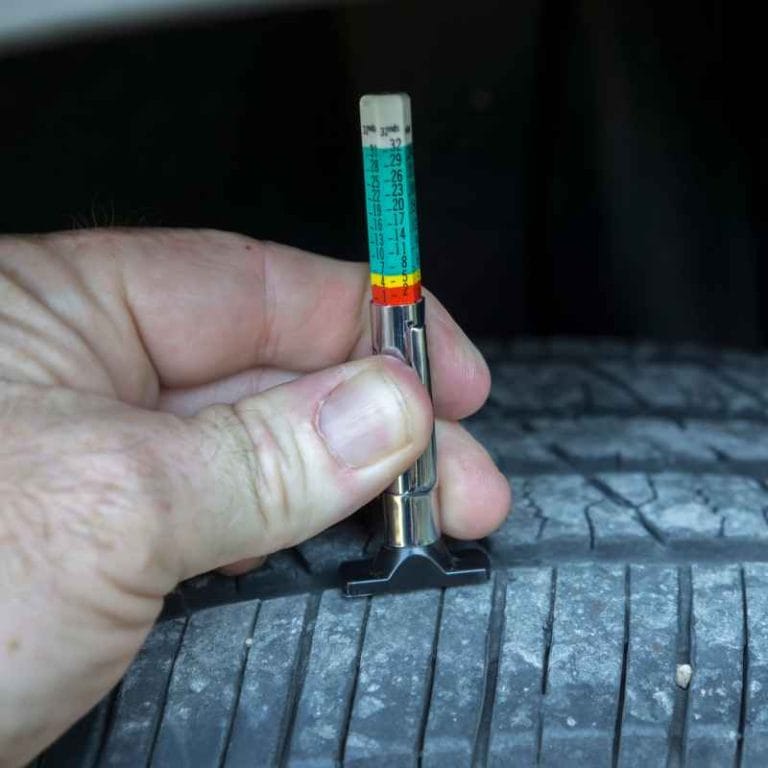
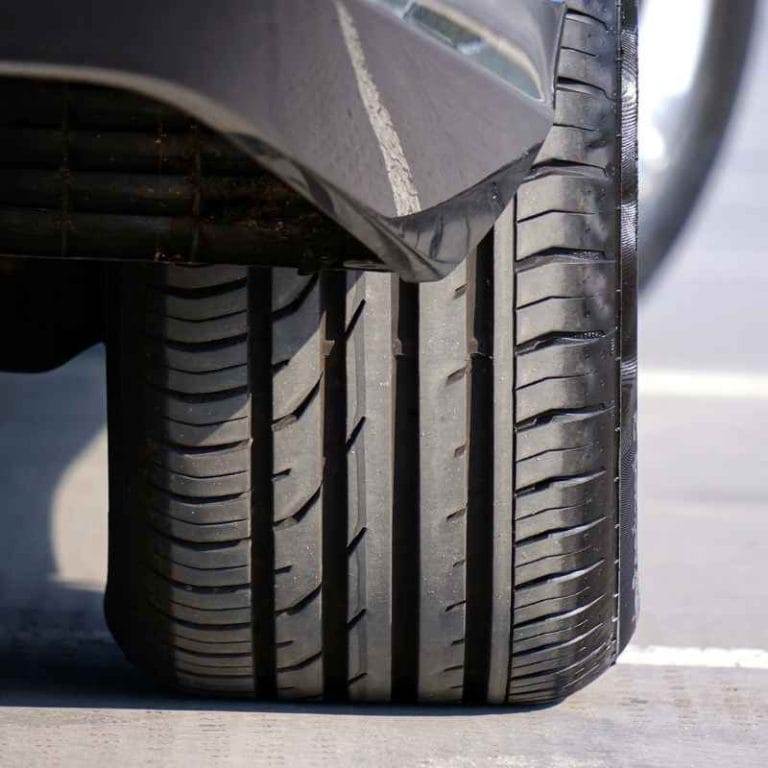
Check for cracks in the sidewalls. Look for uneven wear patterns on the tread. These can indicate other issues, like alignment problems or underinflation.
Understanding Tire Wear
- Normal Wear: Even tread wear across the tire.
- Underinflation Wear: More wear on the outer edges of the tread.
- Overinflation Wear: More wear in the center of the tread.
- Alignment Issues: Feathering or cupping wear on the tread.
- Rotation Needed: Uneven wear between front and back tires.
Preventative Measures: Avoiding Flat Tires
While you can’t prevent every flat tire, you can take steps to reduce the risk. The most important thing is regular tire maintenance. Keep your tires properly inflated.
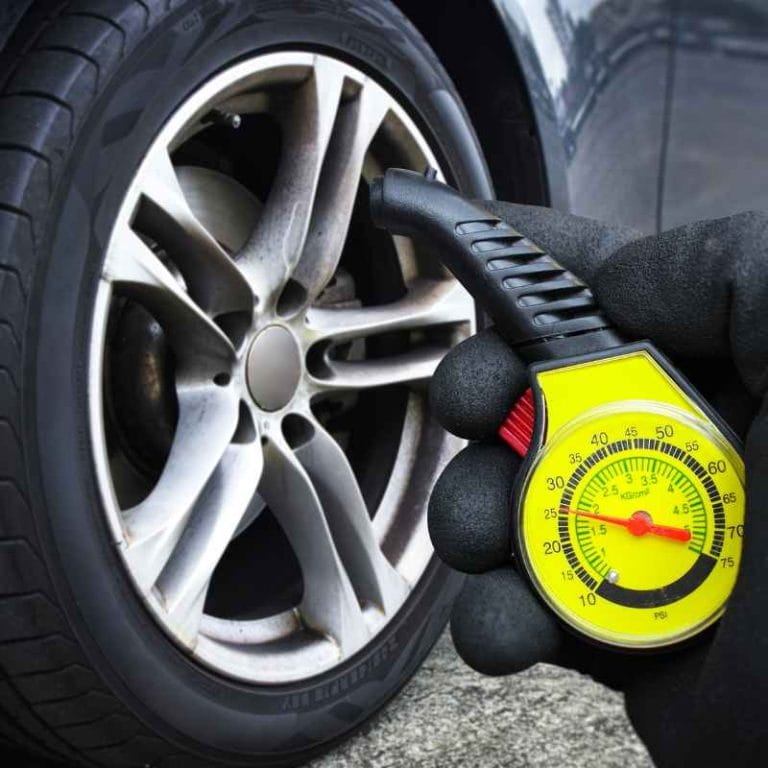
Check the pressure at least once a month and before long trips.
You can find the correct tire pressure for your car on a sticker inside the driver’s side doorjamb or in your owner’s manual. Don’t just look at the maximum pressure listed on the tire itself; that’s not the correct operating pressure for your vehicle.
Also, inspect your tires regularly for any visible damage, like cuts, bulges, or embedded objects. Rotate your tires every 5,000 to 7,500 miles. This helps them wear more evenly and last longer.
Driving carefully can also help. Avoid hitting potholes or debris whenever possible.
What Does This Mean for You?
So, what does all this mean when you’re faced with a flat tire? It means you have options, and your safety is the top priority. You can be prepared by knowing where your spare and tools are.
You can also be prepared by having roadside assistance coverage.
If you can change it yourself, follow the steps carefully. If not, don’t hesitate to call for help. Modern technology like tire repair kits offers an alternative for some situations.
The key is to stay calm and make smart decisions based on your circumstances.
When you get your flat tire fixed or
Quick Fixes and Tips
Here are a few quick tips to remember:
- Know Your Car: Familiarize yourself with your car’s jack points and spare tire location before you need it.
- Check Your Spare: Make sure your spare tire is properly inflated regularly. A flat spare won’t help you.
- Have Emergency Supplies: Consider keeping a flashlight, gloves, and a small first-aid kit in your car.
- Roadside Assistance: If you have it, know your provider’s number and your membership details.
- Temporary Spares: Always drive slower and shorter distances on a temporary spare.
Frequently Asked Questions
How do I know if my tire is truly flat?
A truly flat tire will look deflated, possibly bulging at the bottom where it meets the road. You’ll also notice the car pulling heavily to that side, and the steering will feel much harder to turn. The tire pressure warning light on your dashboard will likely illuminate.
Can I drive on a slightly low tire?
Driving on a tire that is only slightly low is not ideal. It can affect your car’s handling and fuel efficiency. More importantly, it can cause the tire to overheat, which can lead to a blowout.
It’s best to add air or change the tire as soon as possible.
How long does a temporary spare tire last?
Temporary spare tires, often called “donuts,” are not meant for long-term use. They typically have a speed limit of around 50 mph and a mileage limit of about 50-70 miles. Always check the tire’s sidewall for specific limits and get your regular tire repaired or replaced immediately.
What should I do after using a tire sealant kit?
After using a tire sealant kit, you should drive at a reduced speed to a repair shop. The sealant is a temporary fix. A professional mechanic needs to inspect the tire to determine if it can be safely repaired or if it needs to be replaced.
They can also check for any damage the puncture may have caused.
Is it dangerous to change a tire in the rain?
Yes, changing a tire in the rain can be more dangerous. The ground can become slippery, making the jack less stable. Visibility is reduced for you and other drivers.
If possible, try to find a more sheltered or well-lit location. If not, be extra cautious and use your hazard lights.
How often should I check my tire pressure?
You should check your tire pressure at least once a month. It’s also a good idea to check it before any long road trips. Tires can lose air slowly over time, even without a puncture, especially with temperature changes.
Final Thoughts
A flat tire can be a stressful event, but it doesn’t have to ruin your day. By knowing the steps, prioritizing your safety, and staying calm, you can handle the situation effectively. Whether you change it yourself or call for assistance, being prepared makes all the difference.
See also how does a tire machine work simple explanation inside.
Related pick: Check today's price on Amazon
Products related to this article
Sponsored / affiliate links. As an Amazon Associate I earn from qualifying purchases. I may earn additional commission from eligible campaigns.