Can A Low Tire Cause Your Car To Shake? Honest Answer
There are times when you notice something is just not quite right with your car. One common thing people worry about is a shaky feeling. You might feel it in the steering wheel or the whole car. A big question that pops up is, “Can a low tire cause my car to shake?” It’s a fair question, and the answer is usually yes. This article will walk you through why this happens, what to look for, and what it means for your drive.
Yes, a low tire can definitely cause your car to shake. This happens because the tire’s shape changes, leading to an uneven roll. This unevenness can make the steering wheel vibrate or the whole car feel wobbly, especially at certain speeds. It’s a sign your tires need attention for safety and performance.
Understanding Why a Low Tire Makes Your Car Shake
When a tire loses air, it doesn’t look or feel the same. The rubber and air inside it support the weight of your car. If there’s less air, the tire squishes more. This squishing means the tire isn’t perfectly round anymore.
It becomes a bit flat on the bottom where it touches the road. As this misshapen tire rolls, it doesn’t spin smoothly. It’s like trying to roll a ball that’s a little deflated. It wobbles instead of rolling straight.
This wobbling motion is what you feel as a shake. The wheels turn, but their shape is off. This sends vibrations up through the car. The steering wheel might wiggle in your hands. Sometimes, the whole car feels like it’s shaking or pulsing.
Tire Shape and the Road
Normal Tire: A properly inflated tire is firm. It holds a round shape. This roundness lets it roll smoothly over the pavement.
The contact patch with the road is consistent.
Low Tire: When air is low, the tire sags. The top part of the tire curves inward. The bottom part flattens out.
This makes the tire look droopy.
The Roll: As the saggy tire rolls, its uneven shape causes it to bounce slightly. This bounce happens with every rotation. It’s this constant, uneven bounce that creates vibrations.
The severity of the shake often depends on how low the tire is. A tire that’s just a little low might cause a slight vibration. A tire that is very flat will cause a much more noticeable and unsettling shake.
The Role of Speed
You might notice the shake more when you drive at certain speeds. Often, the wobble becomes more apparent as you reach highway speeds. This is because the faster the wheel spins, the more pronounced the effect of its uneven shape becomes.
At low speeds, the wobble might be so small you barely notice it. But as the wheel spins faster, the “flat spot” hits the ground many times a second. This rapid hitting creates a strong vibration. It’s like a tiny hammer hitting the road over and over.
If the tire is very low, you might feel the shake even at slower speeds. But usually, it’s the higher speeds that make the problem obvious. It can feel scary when your car starts shaking on the highway. This is why checking your tire pressure is so important.
Real-World Experience: The Day My Car Started Shaking
I remember it vividly. It was a Tuesday afternoon, and I was heading to meet a friend across town. The drive wasn’t too long, maybe 40 minutes. I was cruising along, music playing softly. Then, around the 20-minute mark, I felt it.
A subtle shimmy in the steering wheel. At first, I thought it was just the road. Some roads have little bumps that make the wheel wiggle a bit. But this felt different. It was a consistent, rhythmic shake. It grew a little stronger as I picked up speed.
My mind immediately went to the worst. Was it the alignment? Was something serious wrong with the suspension? I started to feel a knot of worry in my stomach. Driving at highway speeds with a shaky car feels dangerous. You feel less in control.
I decided to pull off at the next exit. I found a quiet side street and parked. I got out to look at my tires. And there it was. The front passenger-side tire looked noticeably saggy. It wasn’t completely flat, but it was definitely low on air. I felt a mix of relief and annoyance. Relief that it wasn’t something catastrophic, and annoyance that I hadn’t checked it sooner. A quick stop at a gas station with an air pump fixed it right up. The shake vanished instantly. It was a powerful lesson.
Signs Your Car Might Be Shaking Due to a Low Tire
Besides the obvious shake, there are other signs you might notice. These clues can help you pinpoint the problem before it gets worse.
Vibrations Felt in Different Places
The shake isn’t always just in the steering wheel. It can be felt in other parts of the car.
The Steering Wheel: This is the most common place. You’ll feel a vibration or shimmy.
The Seat: Sometimes, the vibration can travel up through the seat. You might feel it in your backside.
The Floorboard: Less common, but you might feel a pulsing through the floor.
The Whole Car: In severe cases, the entire car can feel like it’s vibrating.
Quick Scan: Identifying Tire Issues
- Visual Check: Look at your tires. Do any look flatter than the others?
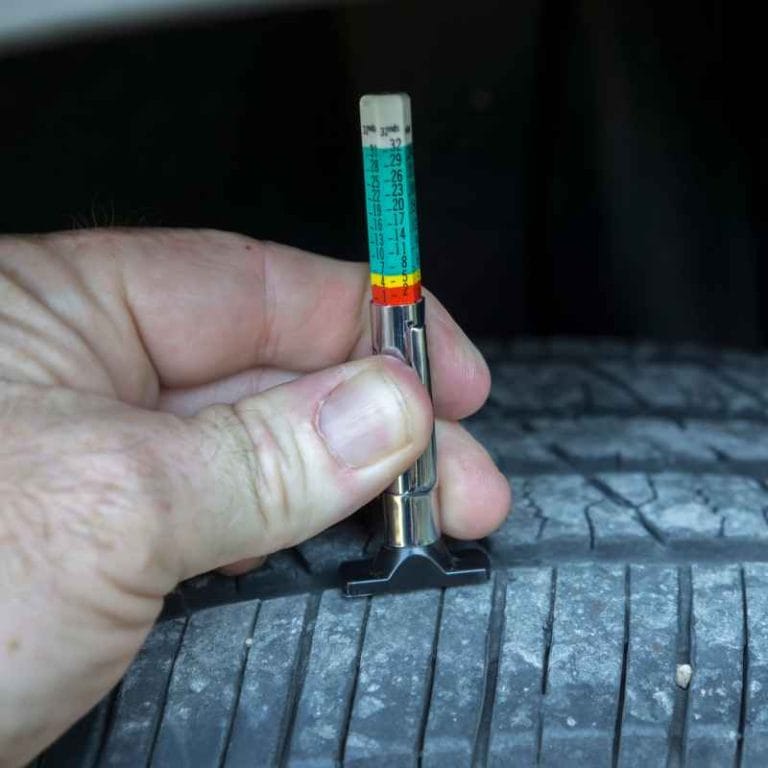
- Pressure Gauge: Use a tire pressure gauge. This is the most accurate way.
- Speed Sensitivity: Does the shake get worse as you speed up?
- Location of Shake: Where do you feel the shake the most?
Uneven Tire Wear
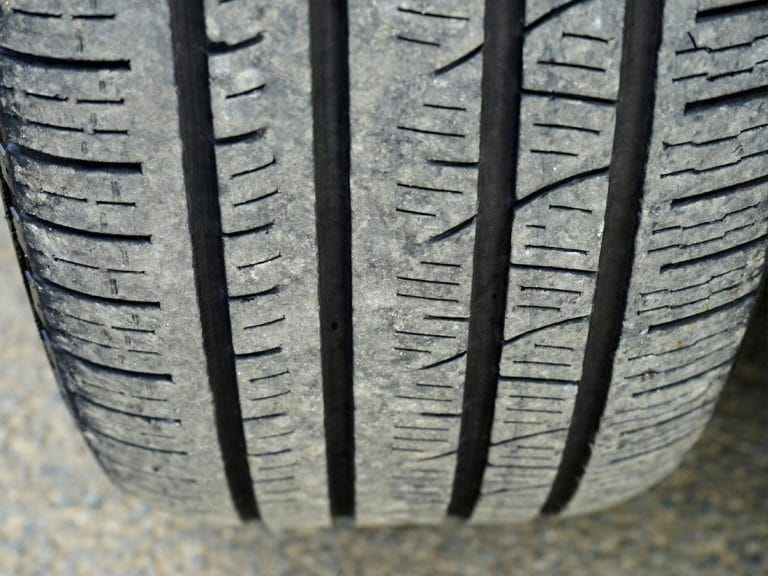
If a tire is consistently low on air, it can lead to unusual wear patterns. The tire might wear down more on the edges. This is because the sides of the tire are doing more work to support the car.
This uneven wear, sometimes called cupping or feathering, is a strong indicator that tire pressure has been an issue. Even if you fix the pressure, the tire might still have an imbalance from the wear. This can also cause shaking.
Pulling to One Side
When one tire is significantly lower than the others, it can affect how the car steers. The car might feel like it’s being pulled towards the side with the low tire. This happens because the car is trying to roll on an uneven set of wheels. The lower tire offers more resistance.
It’s important to distinguish this from a wheel alignment problem. With low tire pressure, the pull usually stops or lessens once the tire is properly inflated. With alignment issues, the pull is often consistent regardless of tire pressure.
The Science Behind the Shake: Pressure, Balance, and Rotation
It’s not just about a flat tire. Several factors contribute to the shaking sensation.
Tire Pressure Imbalance
Cars have four tires, and they all need to have the right amount of air. If one tire is significantly lower than the others, it throws off the balance. Imagine trying to balance a table with one leg shorter than the others. It will wobble.
The recommended tire pressure is usually listed on a sticker inside the driver’s side doorjamb or in the owner’s manual. Keeping all tires at the same pressure is key.
Wheel Balance
Even with the correct pressure, a tire and wheel assembly can become unbalanced. This happens over time. Small weights are attached to the wheel rim to counteract any heavy spots. If these weights fall off, or if the tire wears unevenly, the wheel can become unbalanced.
A low tire can exacerbate an existing imbalance. The changed shape of the tire puts stress on the balance. When an unbalanced wheel spins, the heavier side moves further away from the center. This creates a vibration.
Tire Rotation and Tread
The tread on your tires is what grips the road. When a tire is low on air, the tread can wear down unevenly. This uneven wear means some parts of the tire have less tread than others.
As the tire rotates, these variations in tread depth can cause a slight difference in the tire’s diameter at different points. This difference, however small, contributes to the bumpy, shaky ride.
Myth vs. Reality: Tire Shakes
Myth: A shake is always a serious mechanical problem.
Reality: Many times, a shake is a simple tire pressure issue. It can also be a sign of minor imbalance.
Myth: You can ignore a slight shake.
Reality: Even a slight shake can be a warning sign. It could mean uneven tire wear is starting. This can lead to tire failure or affect handling.
How Low Tire Pressure Affects Your Drive
Beyond just shaking, low tire pressure has other negative effects. These can impact your safety and your wallet.
Reduced Fuel Efficiency
This is a big one that many people don’t think about. When tires are underinflated, they create more friction with the road. This increased resistance means your engine has to work harder to move the car.
Working harder uses more gas. So, you’ll find yourself stopping at the gas station more often. This costs you money. The U.S. Department of Energy states that keeping tires properly inflated can improve gas mileage by up to 3%. That adds up over time.
Increased Tire Wear
As mentioned before, low tire pressure causes uneven wear. The edges of the tire take on more load. This means those parts of the tire will wear out faster.
Worn-out tires don’t grip the road as well. This is especially dangerous in wet or icy conditions. You’ll also have to replace your tires sooner. This is another added expense that could be avoided.
Compromised Handling and Braking
When your tires aren’t firm and round, they don’t respond as precisely. The steering can feel sluggish. Quick maneuvers, like swerving to avoid an obstacle, become more difficult.
Braking can also be affected. The contact patch between the tire and the road might not be optimal. This can increase stopping distances. In an emergency, even a few extra feet can make a big difference.
Quick-Scan Table: Impact of Underinflated Tires
| Effect | Description |
| Shake/Vibration | Uneven tire shape causes wobbling. |
| Fuel Economy | Engine works harder, uses more gas. |
| Tire Wear | Uneven wear on edges shortens tire life. |
| Handling | Slower steering response, less control. |
| Braking | Longer stopping distances. |
What This Means for You: When to Worry and When It’s Normal
It’s helpful to know what level of shaking is concerning. Not all vibrations mean disaster.
When a Shake is Normal (or Minor)
A very slight, barely noticeable vibration that goes away once you reach a certain speed might just be a minor road imperfection or a slightly out-of-balance wheel. If you notice it, it’s still a good idea to get your tires checked.
However, if the shake is mild and occurs only when you hit a specific type of pavement, it’s less likely to be a serious tire pressure issue. It could be the road itself. But if it happens on smooth pavement, pay closer attention.
When to Worry About the Shake
Any noticeable shake that persists, especially at highway speeds, is a cause for concern.
Strong Vibrations: If the shake is strong enough to rattle things in your car or make it hard to keep the steering wheel steady, it’s a problem.
Consistent Shake: If the shake happens every time you drive at a certain speed, and doesn’t go away, it needs attention.
Shake with Other Symptoms: If you notice the shake along with other issues like the car pulling to one side, strange noises, or visible tire damage, it’s definitely time for a professional check.
Sudden Onset: If the shake appeared suddenly while you were driving, it could indicate a rapid air leak or a more serious tire problem.
Simple Checks You Can Do
- Look: Walk around your car. See if any tire looks visibly deflated.
- Feel: When parked, push down on each tire. Does one seem softer?
- Listen: While driving, are there any hissing sounds from a tire?
- Gauge: Get a reliable tire pressure gauge. Check all four tires.
Quick Fixes and Preventative Tips
The best “fix” for a low tire causing a shake is to prevent it from happening in the first place.
Regular Tire Pressure Checks
This is the most crucial step. Check your tire pressure at least once a month. Also, check it before long trips. Use a good quality tire pressure gauge.
Remember to check the pressure when the tires are cold. Driving heats them up, which increases the pressure. The recommended pressure is on the sticker in your car, not on the tire itself.
Visual Inspections
Get in the habit of doing a quick visual check of your tires every time you get in or out of your car. Look for anything that seems out of the ordinary. This includes obvious deflation, cuts, bulges, or anything stuck in the tire.
Listen to Your Car
Pay attention to how your car sounds and feels. Unusual noises or sensations are often the first signs that something needs attention. Don’t ignore them.
Address Leaks Promptly
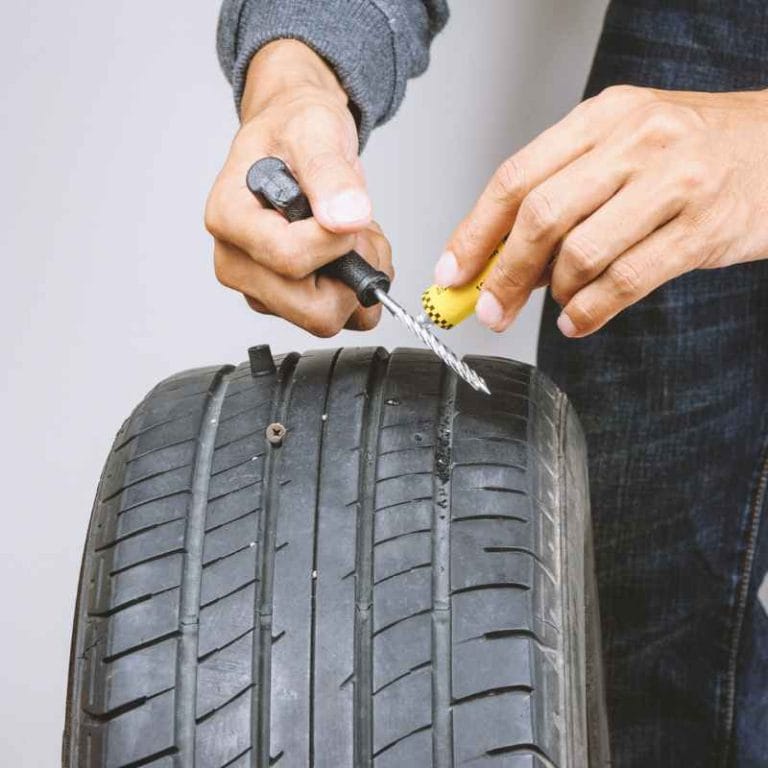
If you find a slow leak, get it fixed as soon as possible. A small leak can quickly become a big problem. A reputable tire shop can often repair simple punctures.
Preventative Maintenance Flow
Step 1: Monthly Pressure Check
Use a gauge when tires are cold.
Step 2: Regular Visual Check
Look for damage or deflation daily.
Step 3: Listen for Issues
Note any new sounds or feelings while driving.
Step 4: Address Leaks Immediately
Repair small punctures before they grow.
Frequent Questions About Tire Shakes
What is the correct tire pressure for my car?
The correct tire pressure is usually found on a sticker inside the driver’s side doorjamb or in your car’s owner’s manual. It is often expressed as “PSI” (pounds per square inch). Do not use the pressure listed on the tire sidewall, as this is the maximum pressure the tire can hold.
How often should I check my tire pressure?
You should check your tire pressure at least once a month. It’s also a good idea to check it before any long road trips or if you notice a change in temperature, as temperature can affect air pressure.
Can a tire that’s only slightly low cause a shake?
Yes, even a slightly low tire can cause a shake, especially at higher speeds. The uneven shape it takes on the road creates vibrations. The exact amount of pressure loss needed to cause a shake can vary based on the tire and vehicle.
My car shakes when I brake. Is that a low tire?
A shake when braking is usually a sign of warped brake rotors or brake caliper issues, not typically low tire pressure. However, severely uneven tire wear caused by chronic low pressure could potentially contribute to other braking issues. It’s best to have this checked by a mechanic.
I replaced a flat tire. Why is my car still shaking?
If your car is still shaking after replacing a flat tire, the new tire might not be properly balanced. New tires need to be mounted and balanced on the wheel. Also, check the pressure in all your other tires to ensure they are all at the correct PSI.
What if my steering wheel vibrates but the car doesn’t feel shaky?
Vibration in the steering wheel, especially at highway speeds, often points to issues with the front tires. This could be an unbalanced tire, uneven tire wear, or a low tire pressure in a front tire. It’s a good indicator to check those front tires first.
Conclusion
It’s clear that a low tire can indeed cause your car to shake. This vibration is a direct result of the tire’s altered shape affecting its smooth roll. Paying attention to your car’s signals, like a shaky steering wheel or an odd feeling under your feet, is key. Regularly checking your tire pressure is one of the simplest yet most effective ways to ensure a safe and smooth ride. It not only prevents shaking but also improves fuel economy, extends tire life, and enhances your car’s overall handling. Keep those tires properly inflated, and enjoy your journeys with peace of mind.
See also which tires should you replace first front or rear . See also why won’t my tire come off here’s how to fix it fast.