What Is The Purpose Of A Tire Cover? Benefits Explained
It’s easy to overlook the simple things that keep our cars running smoothly. Your spare tire is one of them. It sits quietly, waiting for its moment.
But what about protecting it? You might have seen tire covers on other vehicles. Maybe you wondered, “What is the purpose of a tire cover?” It seems like a small thing.
Yet, it does a big job for your spare tire. This article will show you why they matter. You’ll learn about the real benefits they bring to your vehicle.
The purpose of a tire cover is to shield a spare tire and its wheel from damage, environmental elements like UV rays and moisture, and dirt. This protection helps maintain the tire’s condition, preventing premature wear and ensuring it’s ready for use when needed, thus prolonging its lifespan and usability.
Understanding the Role of a Tire Cover
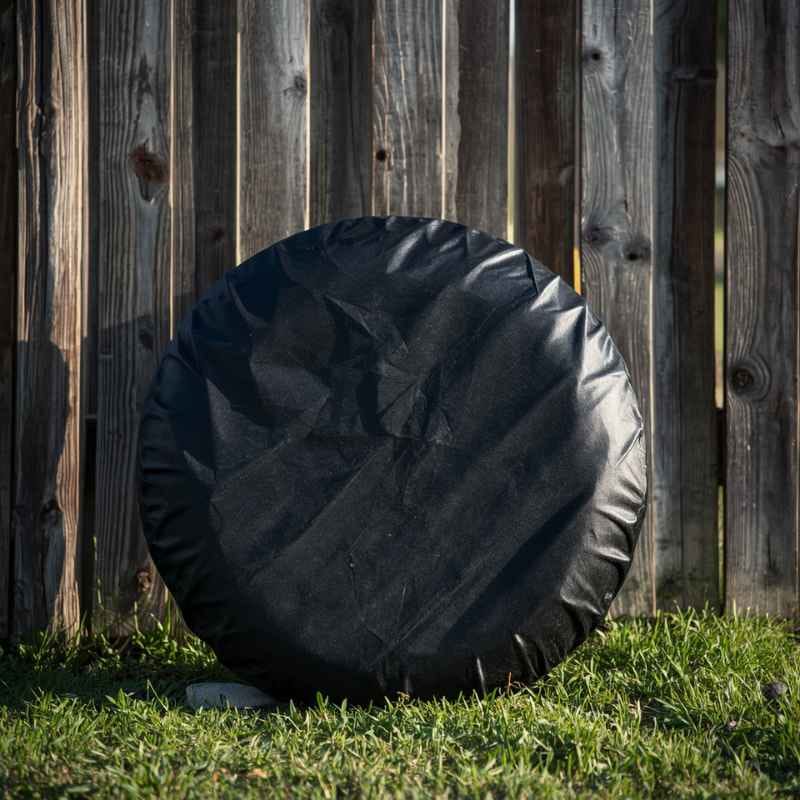
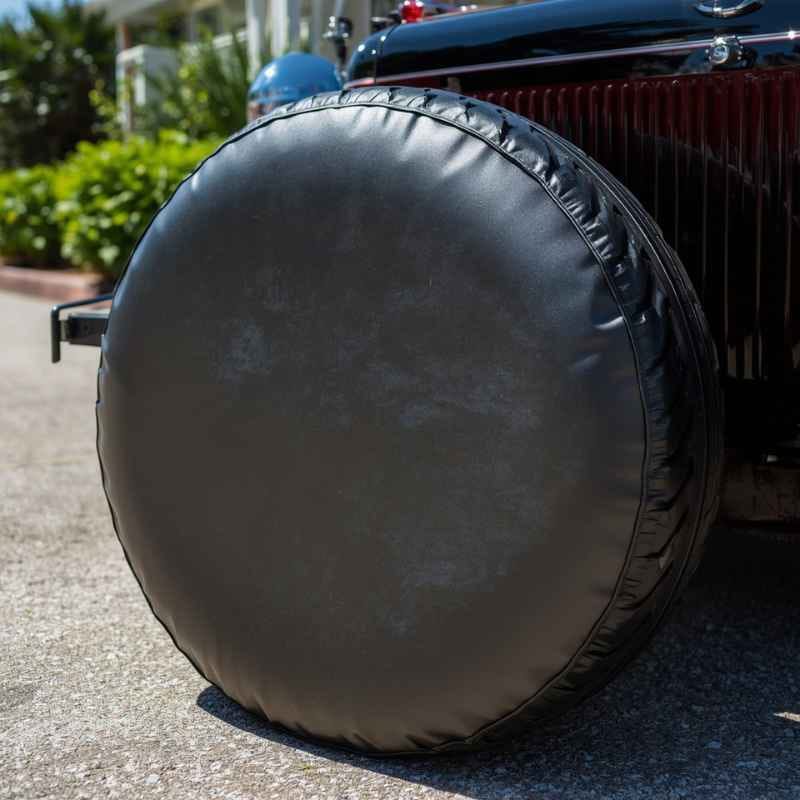
A tire cover is a simple piece of equipment. It wraps around your spare tire. Most often, it covers the entire tire and wheel assembly. Think of it like a hat for your tire. Its main job is protection. It keeps your spare tire safe from many things.
Why does a spare tire need protection? It’s not always on the road. It sits in your trunk or under your vehicle. This means it’s exposed to different conditions. Even though it’s not being used, it can still get damaged. A tire cover acts as a shield. It stops problems before they start.
The tire itself is made of rubber. Rubber can break down over time. Sunlight is a big reason for this. The sun’s rays contain ultraviolet (UV) light. UV rays can make rubber hard and brittle. This is called dry rot. A tire cover blocks these harmful rays. It helps the rubber stay flexible.
Besides sun, other things can cause harm. Dirt, dust, and road salt are common. These can get into the tire’s surface. They can cause tiny cracks to form. Moisture is also a problem. Water can lead to rust on the wheel. It can also affect the tire’s rubber over time. A cover keeps these things out.
My Own Close Call with a Neglected Spare
I remember one sweltering summer afternoon. I was miles from home, on a quiet back road. Pop! My rear tire went flat. No big deal, I thought. I’d dealt with flat tires before. I opened the trunk, ready to swap it out. That’s when I saw it. My spare tire looked… sad. It was covered in a thick layer of dust. The rubber seemed a bit dry. The wheel had a faint orange tint of rust.
I’d never really paid attention to it before. It was just there. Now, I felt a pang of worry. Would this tire actually hold air? Would it be safe to drive on, even for a short distance? I pulled the cover off. It was just a basic vinyl one, probably as old as the car. I took a deep breath and started the swap.
As I worked, I noticed tiny cracks forming on the sidewall of the spare as I handled it. It felt stiff. My heart sank a little. I managed to get it on the car. It held air, thankfully. But the drive to the nearest town felt much longer than it needed to be. I kept glancing at the dashboard warning lights. Every bump felt like a potential disaster. That day taught me a valuable lesson. A spare tire isn’t just an emergency item; it’s a part of your car’s safety system. And like any other part, it needs care. That’s when I learned how important a good tire cover really is.
The Many Benefits of a Tire Cover
It’s not just about looks. Tire covers offer practical advantages. They help keep your spare tire in great shape. This means it’s ready when you need it most. Let’s break down the specific benefits.
1. UV Ray Protection
We talked about UV rays. They are a major enemy of rubber. Prolonged exposure to sunlight can degrade the rubber compound. This leads to cracking and premature aging. A tire cover, especially one made from UV-resistant material, acts as a barrier. It blocks these damaging rays. This is super important if your spare is stored where it gets sun. This can happen if it’s mounted on the outside of an RV or Jeep.
2. Protection from the Elements
Rain, snow, sleet, and even dew can introduce moisture. This moisture can seep into the tire. It can also cause the wheel to rust. A tire cover helps keep the elements away. It creates a dry environment for your spare. This is especially true for the metal wheel. Rust weakens the wheel. It can also make it hard to remove the spare later.
3. Defense Against Dirt and Grime
Roads are dirty places. Dust, mud, oil, and road salt can all stick to your tires. This grime isn’t just unsightly. It can work its way into the rubber. It can make the tire’s surface less effective. It can also make the tire look old and worn. A cover keeps all this mess off. Your spare stays cleaner. This also makes it easier to handle when you need to change it.
4. Preserving Tire Pressure
Believe it or not, a tire cover can help maintain tire pressure. The rubber itself can lose air slowly over time. This is called permeation. A good tire cover can help slow this down. It creates a more sealed environment. This means your spare tire is more likely to have the correct air pressure when you need it. A low-pressure spare is dangerous. It can blow out or cause handling problems.
5. Preventing Damage to the Wheel
The wheel itself can get scratched or dented. Small rocks or debris can hit it. This is more likely if the spare is exposed. A tire cover provides a protective layer. It guards against minor impacts. It also stops corrosion. This keeps your wheel looking good and safe to use.
6. Enhanced Aesthetics
Let’s be honest, a clean, well-maintained vehicle looks better. A tire cover can improve the look of your spare tire. You can get them in different colors and designs. This can add a custom touch to your vehicle. It shows you care about the details. For some people, this is a big part of why they choose a cover.
7. Ease of Handling
When you need to change a tire, you’re often in a hurry. You might be stressed. A dirty, dusty tire can be messy to handle. It can leave grease and grime on your hands and clothes. A tire cover keeps the spare clean. This makes it much easier and more pleasant to grab and install.
Tire Cover Materials: What to Look For
Tire covers come in various materials. Each has pros and cons.
- Vinyl: This is a common and affordable option. It offers decent protection from sun and dirt. It’s usually water-resistant.
- Treated Fabric: These are often made from polyester or canvas. They are more durable than vinyl. They often have better UV protection. Some are also waterproof.
- Heavy-Duty Vinyl/Plastic: These are thicker and more robust. They offer excellent protection against harsh weather and physical damage.
- Metal: Some custom covers are made of metal. They are very durable. They often have painted finishes.
The best material depends on your climate and where you store your spare.
Real-World Scenarios Where Tire Covers Shine
Think about where spare tires often live. Many cars have them in the trunk. SUVs and trucks sometimes carry them underneath. RVs and off-road vehicles often mount them on the back. Each location presents unique challenges.
Trunk Storage
In a typical car trunk, the spare tire can be exposed to temperature swings. It can also collect dust and other debris that falls into the trunk. If you store groceries or other items there, they might rub against the tire. A cover keeps it clean and protected from accidental bumps. It also prevents any rubber smell from permeating your car’s interior.
Underbody Storage
Many trucks and SUVs have the spare tire mounted underneath the vehicle. This is a prime spot for exposure. It’s right in the line of fire for road spray, mud, salt, and small stones kicked up by the tires. Without a cover, this spare is constantly getting battered. This can lead to rapid deterioration of the tire and significant rust on the wheel.
External Mounts (Jeeps, RVs, etc.)
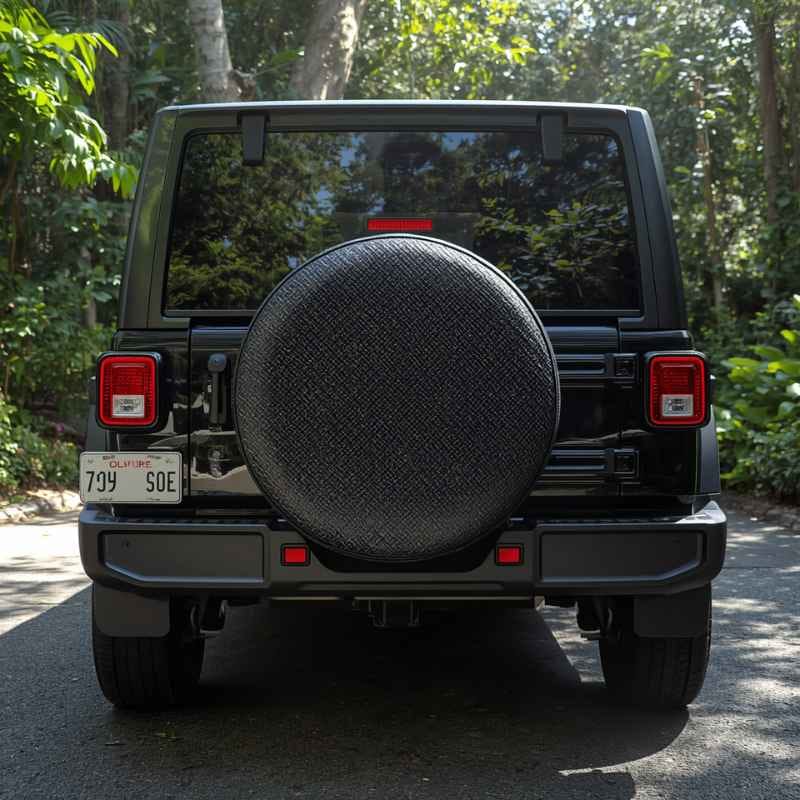
For vehicles designed with external spare tire carriers, the exposure is extreme. These tires are directly facing the elements all the time. UV rays, rain, snow, and dust are constant threats. A high-quality, UV-resistant tire cover is essential here. It’s one of the most important ways to ensure the spare remains usable. I’ve seen many spares on the back of Jeeps that looked almost black with age and sun damage.
What This Means for Your Vehicle and Safety
Your spare tire isn’t just a backup. It’s a crucial safety component. If you get a flat, you need that spare to be reliable. A neglected spare could be unusable. This could leave you stranded or force you to pay for a tow.
When Is a Spare Tire Condition Normal?
A spare tire that’s been kept clean and out of direct sun will look almost new. The rubber will be supple. The wheel will be free of rust. It will hold air well. Even if it’s a few years old, it should look and feel good. This is the ideal state.
When Should You Worry About Your Spare?
You should worry if you see any of these signs on your spare tire:
- Cracks: Look for cracks on the sidewalls or tread. Small hairline cracks are a sign of drying and aging.
- Dry, Brittle Rubber: The rubber should be flexible. If it feels hard and stiff, it’s likely damaged by UV rays or age.
- Bulges or Bubbles: These indicate internal damage and are a serious safety hazard.
- Significant Rust: While a little surface rust on the wheel is common, deep pitting or rust that’s flaking off is concerning. It can weaken the wheel.
- Irregular Shape: If the tire looks warped or deformed, it’s not safe.
A tire cover helps prevent most of these issues.
Simple Checks You Can Do
Periodically, take a moment to check your spare tire.
- Pull off the cover and inspect the tire for cracks or dryness.
- Check the air pressure. Most spares require a higher pressure than regular tires.
- Look at the wheel for excessive rust.
- Ensure the tire is still securely mounted.
Doing these checks a few times a year can save you a lot of trouble.
Spare Tire vs. Regular Tire: Lifespan Differences
A full-sized spare tire, if properly cared for, can last many years. Some manufacturers suggest replacing spare tires after 6-10 years, regardless of tread depth. This is because rubber degrades over time.
The materials in a spare tire might be formulated for longevity rather than high performance. Factors like extreme heat, UV exposure, and moisture can shorten this lifespan significantly.
Key Takeaway: Even with protection, regular inspection and age consideration are vital for spare tires.
Quick Tips for Tire Cover Care
If you have a tire cover, or are thinking about getting one, here are some tips:
- Clean it Regularly: Just like your car’s paint, tire covers can get dirty. Wash them with mild soap and water.
- Check for Wear: Inspect the cover for rips or tears. These can let dirt and moisture in.
- Choose the Right Material: For sunny climates, pick a UV-resistant cover. For areas with lots of rain, a waterproof one is best.
- Ensure a Snug Fit: A cover that’s too loose can flap in the wind. This can cause damage to the cover or the tire.
- Consider a Lock: If your spare is mounted externally, a tire lock can prevent theft.
Frequently Asked Questions About Tire Covers
Do I really need a tire cover for my spare?
It’s highly recommended, especially if your spare is exposed to the elements. A cover protects the tire from UV rays, moisture, and dirt. This helps ensure your spare is in good condition when you need it.
It also keeps the wheel from rusting.
What are the best materials for tire covers?
Common materials include vinyl, treated fabrics like polyester, and heavy-duty plastics. For very sunny or wet climates, look for UV-resistant and waterproof options. Durable fabrics often offer better protection and longevity.
How do I clean a tire cover?
Most tire covers can be cleaned with mild soap and water. You can use a soft brush or cloth. Rinse thoroughly and let it air dry.
For stubborn dirt, you might need a specific cleaner, but always test it in an inconspicuous spot first.
Will a tire cover make my spare tire last forever?
No tire part lasts forever. A tire cover significantly slows down wear and tear from environmental factors. It helps prolong the tire’s usable life.
However, tires still age over time and should be replaced based on age recommendations (often 6-10 years) regardless of condition.
Can a tire cover affect tire pressure?
A good quality tire cover can help slow down the natural loss of air pressure from the tire. It creates a more sealed environment. This means your spare is more likely to maintain its recommended pressure, making it safer to use in an emergency.
Where is the best place to store my spare tire?
Ideally, a spare tire should be stored in a cool, dry, dark place. This means inside the trunk, under the vehicle (protected by a cover), or in a climate-controlled storage unit. Avoid direct sunlight and extreme temperatures.
How tight should a tire cover be?
A tire cover should fit snugly but not be overly tight. It should cover the tire and wheel completely without flapping in the wind. Most covers have elastic or tie-downs to adjust the fit.
A loose cover can be damaged by wind or let elements in.
Final Thoughts on Spare Tire Protection
So, the purpose of a tire cover is really quite significant. It’s a simple accessory, but it plays a vital role. It keeps your spare tire safe from the many things that can damage it. UV rays, moisture, dirt, and debris can all take a toll. A good tire cover acts as a shield. This means your spare tire is much more likely to be ready and reliable when you face a flat. Taking care of your spare tire is a smart move. It’s a small step that adds a lot of peace of mind. It’s about being prepared for the unexpected.
See also can car tyres be recycled what actually happens to them. See also cheapest car tire alignment near you how to find and save.
Products related to this article
Sponsored / affiliate links. As an Amazon Associate I earn from qualifying purchases. I may earn additional commission from eligible campaigns.