Is It Safe To Patch A Car Tire? What Mechanics Really Say
The safety of patching a car tire depends heavily on the type and location of the damage. Small punctures in the tread area are often repairable. However, sidewall damage, large cuts, or punctures near the tire’s edge usually mean the tire is beyond repair and needs replacement. Always consult a professional tire technician.
Understanding Tire Damage and Patches
When your car gets a flat or a slow leak, it’s usually due to a puncture. This can happen from nails, screws, glass, or other sharp objects on the road. Tires are complex, built with layers of rubber and steel belts.

AUTOWN
AUTOWN Flat Tire Repair Kit 68pcs, Heavy…
- [🔨PROFESSIONAL QUALITY ] - AUTOWN Tire Repair Kits are made of refined high-quality steel, AUTOWN upgraded tire patch kits comply…
- [🔨DURABLE & SAFE ] - The tire puncture repair set own great adhesion, flexibility, shock absorption, and not easy to aging and lon…
- [🔨MULTIPLE USES ] - The AUTOWN 68 pcs tire repair heavy duty kit repairs easily all types of tires on cars, motorcycles, ATVs, tra…
As an Amazon Associate I earn from qualifying purchases.
These layers work together to keep the air inside and the tire strong.
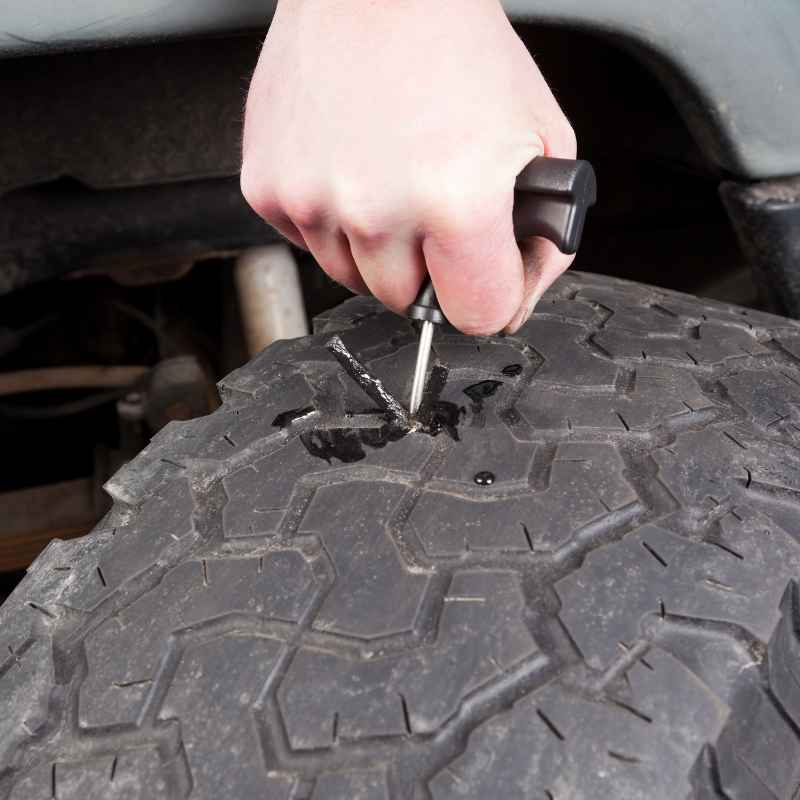
A tire patch is a common repair method. It involves plugging the hole from the inside of the tire. Technicians often use a combination plug-patch.
This is a sturdy rubber patch with a built-in plug that fills the hole. It’s designed to seal the puncture and reinforce the tire’s inner lining.
However, not all damage is created equal. The location and size of the damage are super important. A small nail hole right in the middle of the tire’s tread is very different from a long cut on the sidewall.
This is where the safety aspect really comes into play. Understanding these differences helps you make a good decision.
My Own Tire Scare
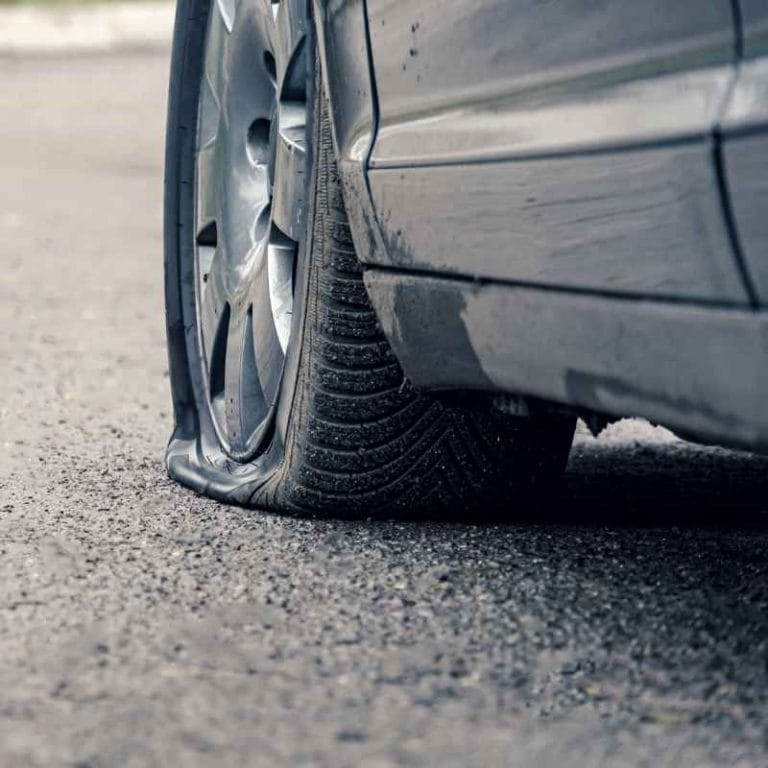
I remember one chilly Tuesday morning, rushing to get to an early meeting. I was driving on a familiar stretch of highway when I heard a loud POP. My car immediately felt… wrong.
It started pulling hard to the right. My heart sank. I managed to steer to the shoulder, and there it was: a gaping hole in my front tire.
It looked like I’d hit a piece of metal debris. My first thought was, “Can I just patch this and keep going?” I imagined a quick fix, a little rubber plug, and I’d be on my way. But looking at the size of the tear, I felt a knot of worry.
This wasn’t a tiny nail. This was serious.
I called roadside assistance. The tow truck driver took one look and shook his head. “Sidewall damage,” he said plainly.
“You’ll need a new tire for this one. It’s not safe to patch this kind of rip.” That experience taught me a crucial lesson. Not all damage is created equal, and sometimes, a quick fix just isn’t the safe or smart choice.
The cost of a new tire suddenly seemed a lot less daunting than the potential cost of an accident.
Tire Patching: Where It’s Generally Safe
Location is Key: Most tire professionals agree that punctures in the flat tread area of a tire are the most common and safest type of repair. This is the part of the tire that contacts the road surface directly.
Type of Puncture: Small, clean holes caused by nails or screws are usually repairable. These punctures don’t typically compromise the tire’s structural integrity significantly.
Size Matters: The puncture hole itself should be small, generally no larger than about a quarter of an inch in diameter. Larger holes create more stress on the repair.
When a Patch is NOT a Good Idea
There are several situations where patching a tire is a definite no-go. These are the times when the tire’s structure is too compromised. Driving on a damaged tire can be incredibly dangerous.
It can lead to a blowout, which can cause you to lose control of your vehicle.
Sidewall Damage: This is perhaps the most critical area where patching is not recommended. The sidewall flexes constantly as you drive. It’s thinner than the tread and doesn’t have the steel belts for support.
Any cut, puncture, or bulge on the sidewall means the tire is weakened. Trying to patch it puts immense stress on an already fragile area. This is a serious safety hazard.
Large Punctures or Cuts: If the object that caused the damage was large or made a significant cut, the tire’s structure is likely too damaged. Think of something that created a gash instead of a clean hole. These larger damages can cut through the steel belts and cords, which are essential for the tire’s strength.
Punctures Near the Sidewall: Even if the puncture is in the tread, if it’s very close to the edge where the tread meets the sidewall, it might be too risky to repair. This area is also subject to flexing, and a patch might not hold reliably.
Run-Flat Damage: If you drove on a completely flat tire for any distance, the internal structure of the tire could be damaged, even if the initial puncture was repairable. Driving on a flat tire generates extreme heat, which can break down the rubber and cords.
Previous Repairs: Sometimes, a tire might have already been repaired. If you have another puncture, a second repair, especially if it’s in the same area, might not be advisable. Experienced technicians can often tell if a tire has had previous repairs.
Common Tire Damage Types: Patchable vs. Not
Patchable:
- Small nail or screw puncture in the center tread area.
- Clean hole, not a large cut or tear.
Not Patchable:
- Any damage to the sidewall (cuts, punctures, bulges).
- Large holes or gashes in the tread.
- Punctures near the tread-sidewall edge.
- Damage from driving on a severely underinflated or flat tire.
- Multiple punctures in the same area.
What Mechanics Mean by “Safe”
When mechanics talk about safety, they’re thinking about preventing catastrophic failure. A tire blowout at highway speeds can be devastating. They look at the tire as a whole system designed to handle specific pressures and stresses.
Structural Integrity: The primary concern is the tire’s structural integrity. The cords and belts inside the tire provide its strength. If these are cut or damaged, the tire can’t withstand the forces of driving.
A patch is meant to seal a hole, not to replace lost structural support.
Flex Zones: The sidewall is a flex zone. It bends and twists with every rotation and every bump. A patch on the sidewall would have to endure constant, intense flexing.
This makes it highly likely to fail. Mechanics know that the sidewall is designed for flexibility, not for rigid repairs.
Heat Buildup: Tires generate heat when they are driven on, especially at higher speeds or with underinflation. Damage, even if patched, can create weak spots. These weak spots can overheat, leading to tire failure.
Industry Standards: There are industry standards, often set by organizations like the Tire Industry Association (TIA), that guide tire repair. These standards define the limits of what can be safely repaired. Most reputable shops strictly follow these guidelines.
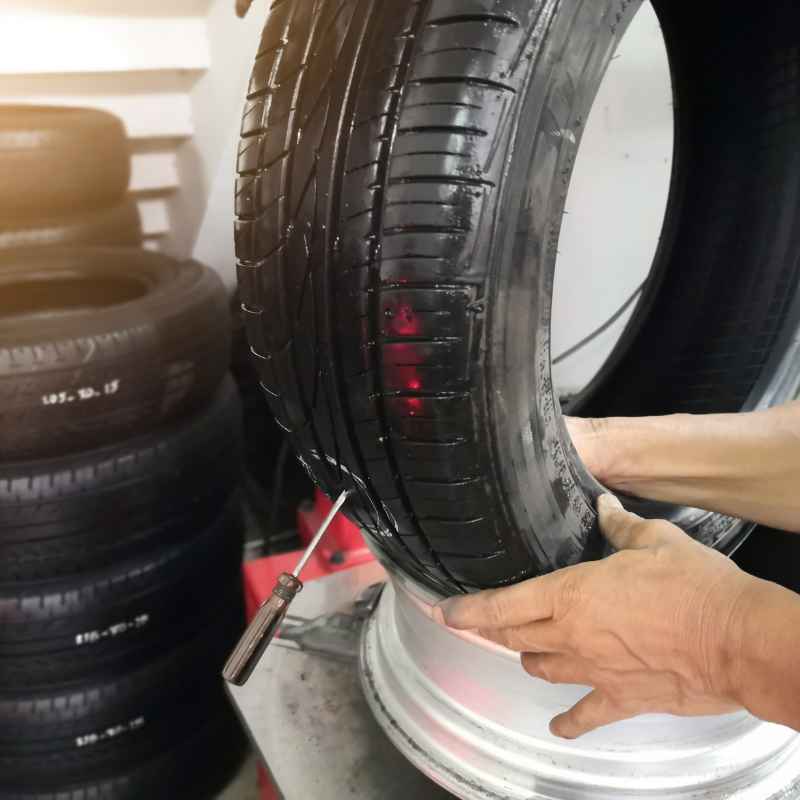
Expert Opinion: Most tire professionals will tell you that a proper repair is done from the inside. This involves dismounting the tire, inspecting it thoroughly, and then applying a patch-plug combination from the inner liner. A quick plug inserted from the outside is a temporary fix at best and often not recommended for long-term use or high speeds.
Real-World Scenarios: When to Be Extra Cautious
Let’s picture some common situations you might encounter. Understanding these can help you make a better judgment call, but always remember, consulting a pro is the safest bet.
The “I Just Drove Over a Screw” Scenario: You notice your tire pressure light comes on. You find a screw stuck in the tread. You can feel the air hissing out slightly.
In many cases, this is the ideal situation for a patch. The screw has made a relatively clean hole, and it’s in the main tread area. A good tire shop can patch this effectively.
You’ll likely need to get it done soon, not drive on it for weeks.
The “Looks Like a Small Cut” Scenario: You see a small slit or cut in the tread. It might not be a puncture from a sharp object but more of a graze. If the cut is shallow and not too long, it might be repairable.
However, if it looks like it has gone deep or severed any cords, it’s likely not safe. Technicians will look very closely at the depth and any visible damage to the internal structure.
The “Mysterious Leak” Scenario: Your tire keeps losing air slowly, but you can’t find a puncture. This can be tricky. Sometimes, the leak might be at the bead where the tire seals to the rim.
Other times, the puncture might be very small and hard to spot. If a technician can locate the puncture in the tread and it meets the repair criteria, they might patch it. If they can’t find it, or suspect it’s in a non-repairable area, they’ll recommend replacement.
The “Hit a Pothole Hard” Scenario: You hit a big pothole, and afterward, you notice a bulge on the sidewall or a change in how the tire feels. This isn’t a puncture in the traditional sense. Hitting something hard can damage the internal structure without breaking the surface.
A bulge on the sidewall is a clear sign of internal damage. This tire is unsafe and needs to be
Quick Scan: Patchable Tire Puncture Checklist
Is the puncture in the main tread area? Yes/No
Is the hole size about a quarter inch or smaller? Yes/No
Was the cause a nail or screw (clean puncture)? Yes/No
Is there any visible damage or cut on the sidewall? No/Yes
Is there a bulge on the sidewall? No/Yes
Has the tire been driven on flat for a long distance? No/Yes
If you answered “Yes” to the first three questions and “No” to the last three, the tire may be a candidate for repair. Always get a professional opinion.
The Difference Between a Plug and a Patch
It’s easy to confuse tire plugs and patches, but they are very different. This distinction is crucial for understanding tire repair safety.
Tire Plugs (External Repair): These are often what people think of as a quick fix. A plug is a sticky, rubbery material that is pushed through the puncture hole from the outside. It seals the hole, but it doesn’t reinforce the tire from the inside.
Tire manufacturers and most professional shops do not recommend these for anything other than a very temporary emergency fix. They can put stress on the tire’s internal structure and may not hold reliably, especially at higher speeds or under heavy loads.
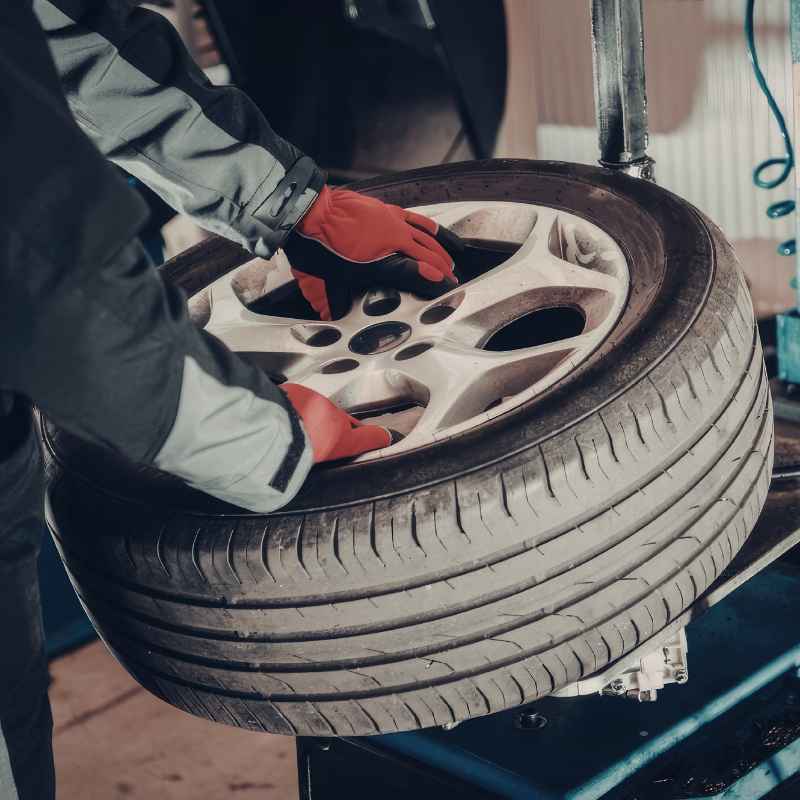
Tire Patches (Internal Repair): A true tire repair involves dismounting the tire from the wheel. The technician then inspects the inside of the tire for any further damage. They clean the area around the puncture and apply a special internal patch.
Often, this patch has a built-in plug that fills the hole. This is called a patch-plug combination. It seals the puncture from the inside and provides some reinforcement.
This is the industry-accepted method for a permanent and safe tire repair.
Why the Inside Matters: The inner liner of a tire is critical for holding air. Damage here needs to be sealed properly. Also, the internal inspection allows the technician to check for any hidden damage that might not be visible from the outside.
This internal approach is what makes a repair safe and durable.
Expert Advice: What Tire Shops Want You to Know
Tire shop professionals have seen it all. They understand the mechanics of tires and the physics of driving. Here’s what they often emphasize:
Don’t Guess, Ask: If you have any doubt about whether a tire is repairable, always ask a tire professional. They have the tools and the knowledge to make an accurate assessment. They can also tell you if the repair is cost-effective compared to a new tire.
Know Your Tire: Understand the type of tires you have. Are they standard tires, or are they performance tires with special construction? Some high-performance tires may have different repairability guidelines.
Inspect Regularly: Make it a habit to look at your tires regularly. Check for embedded objects, cuts, bulges, or uneven wear. The sooner you spot a problem, the better your chances of a safe and simple solution.
Tread Depth Matters: Even if a tire can be patched, it still needs to have enough tread left to be safe. If the tread is worn down, a patch might not be the best long-term solution. You’ll need to replace the tire soon anyway.
Consider the Age of Your Tire: Rubber degrades over time, even if the tire looks fine. Tires older than six years, and especially those older than ten years, should be inspected very carefully. The sidewalls can become brittle and prone to failure.
Patch vs. Plug: A Simple Breakdown
Tire Plug:
- Method: Inserted from the outside.
- Purpose: Seals the hole.
- Reinforcement: None from the inside.
- Safety: Generally considered a temporary emergency fix. Not recommended for highway speeds or long-term use by most pros.
Tire Patch (Internal Patch-Plug):
- Method: Applied from the inside after tire removal.
- Purpose: Seals the hole and reinforces the inner liner.
- Reinforcement: Yes, with a rubber patch.
- Safety: The industry-standard, safe, and permanent repair for suitable punctures.
What This Means for Your Driving Safety
The decision to patch or replace a tire directly impacts your safety on the road. When a tire is repaired correctly, it can be as safe as a new tire. However, a compromised tire, or one that is repaired improperly, can lead to serious accidents.
When is a Patch “Normal” and Safe? A properly executed internal patch-plug repair for a small puncture in the tread area is considered normal and safe. It restores the tire’s ability to hold air and maintain its structural integrity in that specific spot.
When Should You Worry? You should worry if any of the following apply:
- The damage is on the sidewall.
- The puncture is larger than a quarter inch.
- The damage is a cut or tear, not a clean hole.
- You drove on the tire when it was flat.
- There is any sign of internal damage, like a bulge.
- You are unsure about the repair’s quality.
Simple Checks You Can Do:
- Visual Inspection: Regularly look for anything stuck in your tires, any cuts, or bulges.
- Air Pressure: Pay attention to your tire pressure warning light and check your tire pressure with a gauge periodically.
- Listen and Feel: Notice any new sounds, vibrations, or pulling sensations while driving. These can be signs of tire problems.
Quick Tips for Dealing with Tire Issues
When you encounter a tire problem, it’s good to have a plan. Here are some quick tips to help you navigate the situation:
- Carry a Tire Gauge: Always have a reliable tire pressure gauge in your car.
- Know Your Spare: Make sure your spare tire is properly inflated and you know how to change it.
- Have Roadside Assistance: If you have a roadside assistance plan, know the number and what services they provide.
- Drive Slowly if Unsure: If you suspect a tire issue but aren’t sure if it’s safe, drive slowly and find a safe place to stop or get help.
- Don’t Delay Repairs: If you have a puncture that needs patching, get it done as soon as possible. Small problems can become big ones quickly.
- Seek Professional Advice: When in doubt, always go to a reputable tire shop. Their expertise is invaluable.
Frequent Questions About Tire Patching
Can I patch a tire myself at home?
While temporary tire plug kits are available for DIY use, most professionals strongly advise against them for anything other than an absolute emergency. A proper tire repair requires dismounting the tire, inspecting it internally, and applying a patch-plug from the inside. This is best done by a trained technician at a tire shop to ensure safety.
How long does a tire patch last?
A properly installed internal patch-plug repair, done by a professional, can last for the life of the tire. It’s designed to be a permanent fix. However, the lifespan still depends on the overall condition of the tire and how well it’s maintained.
What is the maximum speed I can drive on a patched tire?
If the tire has been repaired correctly by a professional using an internal patch-plug for a suitable puncture, you should be able to drive at normal highway speeds. However, always follow the tire manufacturer’s speed rating. If the repair was a temporary plug from the outside, it’s best to limit speed and get a proper repair or replacement as soon as possible.
What if my tire has multiple small punctures?
If your tire has several small punctures close together, or if there’s already been a repair in the area, a tire professional might deem it unrepairable. The structural integrity of the tire can be too compromised with multiple holes in a small section.
How can I tell if my tire needs replacing instead of patching?
You should replace your tire if the damage is on the sidewall, if the puncture is larger than about a quarter-inch, if it’s a cut or tear, if there’s a bulge, or if you drove on it flat for a significant distance. Always let a tire technician make the final call after a thorough inspection.
Is it safe to patch a tire that has been driven on low pressure?
Driving on a tire with low pressure, even if it has a puncture, can cause internal damage to the tire’s cords and structure due to excessive heat and flexing. Even if the puncture itself looks small and repairable, the internal damage from low-pressure driving might make the tire unsafe to repair. A professional inspection is crucial.
Conclusion: Prioritizing Safety Above All Else
The question of whether it’s safe to patch a car tire boils down to the specifics of the damage. Small, clean punctures in the tread area are often repairable with a proper internal patch-plug. However, any damage to the sidewall, large cuts, or signs of internal compromise mean the tire needs to be replaced.
Always trust your gut and, more importantly, the expertise of a qualified tire professional. Your safety and the safety of others on the road depend on it.
Related pick: Check today's price on Amazon
Products related to this article
Sponsored / affiliate links. As an Amazon Associate I earn from qualifying purchases. I may earn additional commission from eligible campaigns.
 Vondior Tire Pressure Gauge for Cars, Certified ANSI 0-60 PSI Tire Gauge | 0-60 PSI Certified ANSI Accurate with Large 2 Inch Easy to Read Glow Dial, Low - High Air Pressure Gauge
 ETENWOLF Tire Pressure Gauge for Cars 0-75 PSI with Large Glow Dial | Air Pressure Gauge Calibrated to ANSI B40.1 Grade A (±1%), Tire Gauge for Tire Pressure Car Accessories