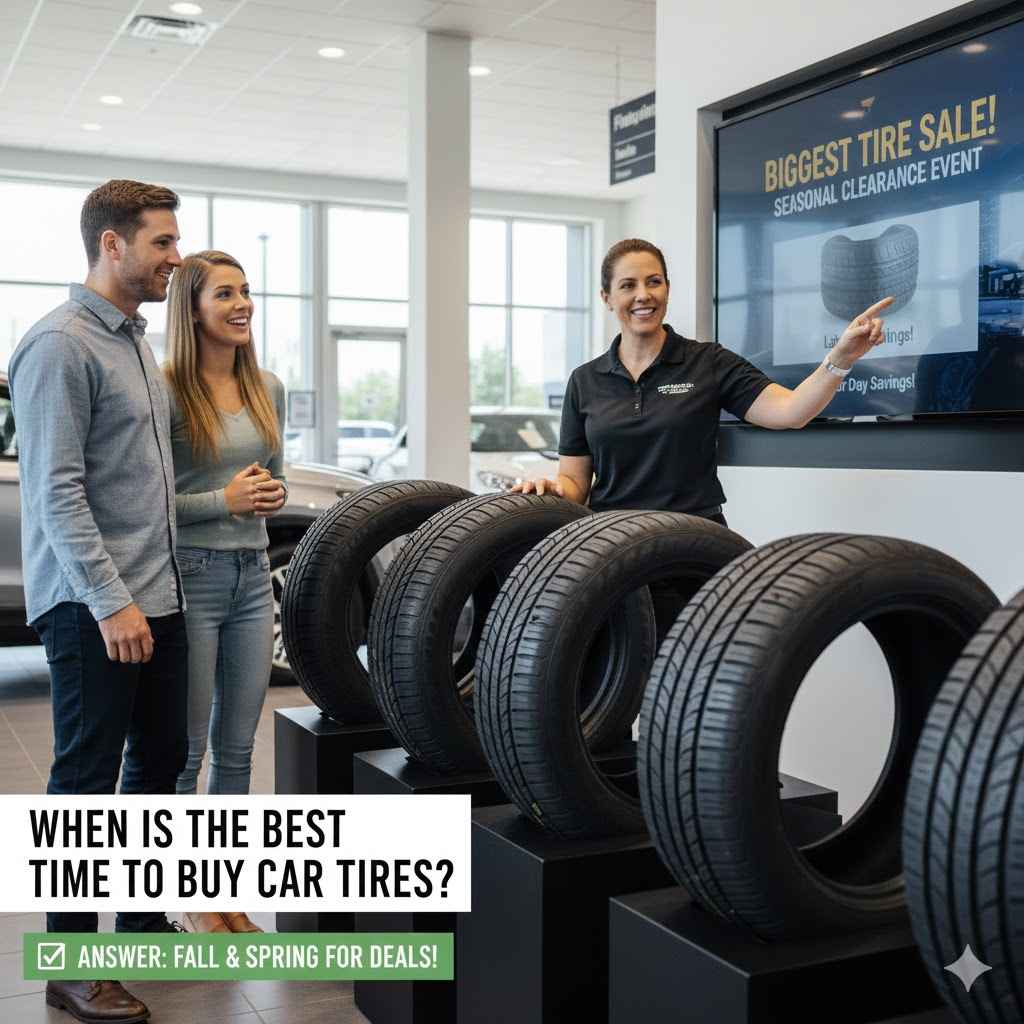
When Is The Best Time To Buy Car Tires
Figuring out when is the best time to purchase car tires can feel a bit tricky, especially if you’re new to car care. It’s not always obvious if you should wait for a sale or buy them right away. Don’t worry, though.
This guide will break it down simply so you can make a smart choice. We’ll walk through it step by step and show you how to get good tires without overpaying.
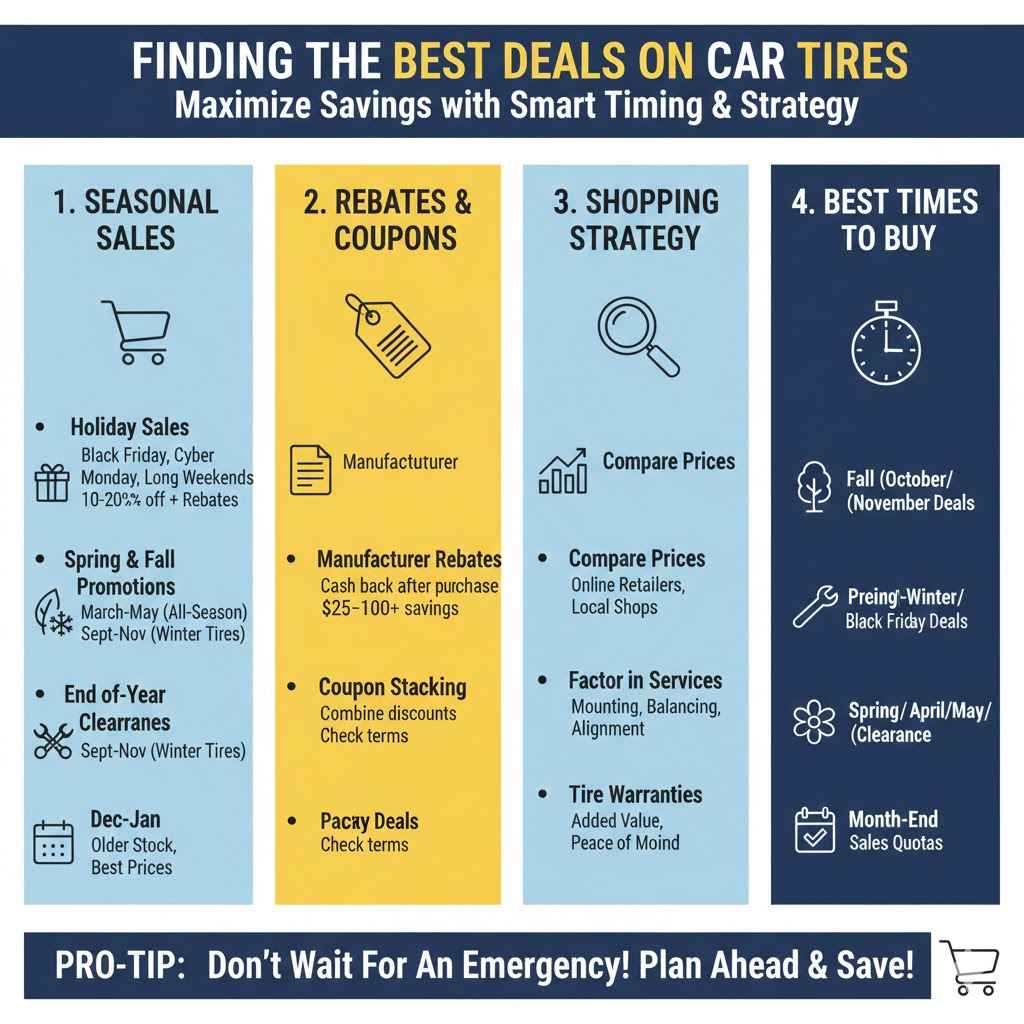
Finding The Best Deals On Car Tires
Choosing the right moment to buy new car tires can save you a good amount of money. Many people wonder, when is the best time to purchase car tires to get the most value. The answer involves looking at sales events, seasonal trends, and when your current tires truly need replacing.

YOUNGFLY
YOUNGFLY Small Digital Clock, Mini Car Dashboard…
- 【 Large Display Screen 】The small dashboard clock has a large LCD screen. You can clearly look at the date and time in form of lar…
- 【 High-quality material 】The small clock is made of PVC material, not easy to deform, or damage. You could use it for a long time.
- 【Multiple uses】Each car clock comes with a piece of sturdy adhesive sticker. You could peel off and place on the dashboard or wind…
As an Amazon Associate I earn from qualifying purchases.
This section explores the ideal times and strategies to find great deals on tires.
Seasonal Sales Events
Major holidays and seasonal changes often bring significant discounts on car tires. Retailers use these times to attract shoppers, and tire manufacturers often run promotions. Knowing these periods can help you plan your purchase and get quality tires for less.
Holiday Sales
Many holidays are prime times for sales. Think about long weekends and major shopping holidays like Black Friday and Cyber Monday. Stores often offer special promotions, and tire brands might have rebates available.
These sales can cut down the cost of tires considerably, sometimes by 10-20% or more, especially when combined with other offers.
Spring and Fall Promotions
As seasons change, so do tire needs. Spring cleaning often extends to car maintenance, and shops might offer deals on new tires. Similarly, as winter approaches, many people buy winter tires.
This can lead to sales on all-season tires as retailers clear out inventory. Look for these promotions from late March to May and again from September to November.
End-of-Year Clearances
At the end of the year, retailers and manufacturers want to sell off older stock to make room for new models. This can be a great opportunity to find clearance prices on tires. While you might not get the absolute latest model, you can often find excellent, reliable tires at a fraction of their original price.
Manufacturer Rebates And Coupons
Beyond general sales, tire manufacturers and retailers frequently offer specific rebates and coupons. These can provide a direct discount, often paid back to you after your purchase. Keeping an eye on these can lead to even bigger savings, especially if you time your purchase with a rebate offer.
Understanding Rebates
Manufacturer rebates work by giving you money back after you buy a set of tires. You typically fill out a form and mail it in with proof of purchase. These rebates can range from $25 to $100 or more, depending on the brand and the number of tires purchased.
They are a fantastic way to lower the final cost.
Coupon Stacking
Some retailers allow you to use coupons in addition to sales or rebates. This “stacking” of discounts can result in substantial savings. Always check the terms and conditions of both sales and coupons to see if they can be combined for maximum benefit.
When Is The Best Time To Purchase Car Tires For Performance
The performance of your tires directly impacts your car’s handling, braking, and fuel efficiency. Choosing the right time to buy isn’t just about saving money; it’s also about ensuring you have the best possible tires for your driving needs when you need them. This section focuses on why timing matters for performance and how to ensure you get the right tires at the right moment.
Seasonal Tire Needs
Different seasons demand different types of tires for optimal performance and safety. Buying tires at the right time of year ensures you have the appropriate grip and control for changing weather conditions.
Winter Tire Installation
When winter weather is approaching, and temperatures consistently drop below 45°F (7°C), it’s time to consider winter tires. Buying them before the first snowfall is crucial. This ensures you have them ready when you need them most.
Waiting until after the snow flies means dealing with crowds and potentially limited stock. Winter tires are designed with special rubber compounds and tread patterns that remain flexible in the cold, providing better traction on snow and ice. A study by the Rubber Association of Canada found that winter tires can reduce braking distances by up to 25% on snowy roads compared to all-season tires.
Summer Tire Transition
As spring arrives and the threat of frost and snow disappears, it’s time to switch back to summer tires, or all-season tires if you don’t use dedicated winter ones. Making this switch around April or May ensures your car performs optimally in warmer conditions. Summer tires have compounds that harden in cold temperatures, and their tread patterns are optimized for dry and wet grip in warmer weather.
This transition maintains good handling and reduces wear on your winter tires.
All-Season Tire Considerations
For drivers in milder climates, all-season tires are a popular choice. While they offer a balance for year-round use, they perform best within a certain temperature range. If you notice your all-season tires are becoming stiff or losing grip in cooler weather, it might be time to shop for replacements before the real cold sets in.
Similarly, if they seem worn or less effective in heavy rain, consider a new set in the spring.
Tire Technology And Updates
Tire technology is always advancing. New materials and designs are introduced regularly, aiming to improve safety, fuel economy, and longevity. Buying tires when new models are released can sometimes mean getting the latest advancements.
New Model Releases
Tire manufacturers often release new tire models in the spring and fall, aligning with the major tire buying seasons. When a new model comes out, the older, but still perfectly good, models might go on sale to clear inventory. This can be a great way to get a high-quality tire from a previous generation at a reduced price.
Researching Tire Reviews
Before purchasing, always research reviews for the specific tires you are considering. Websites and automotive publications often test and compare tires. Understanding how a tire performs in various conditions can help you decide if it’s worth the price and if it meets your performance needs.
Look for reviews that discuss tread life, wet braking, dry handling, and noise levels.
When Is The Best Time To Purchase Car Tires For Wear And Tear
The condition of your current tires is a major factor in determining when to buy new ones. Ignoring worn tires can be dangerous, affecting braking and steering. Knowing the signs of wear and tear helps you make a safe and timely decision, even if it’s not during a big sale event.
Tire Tread Depth
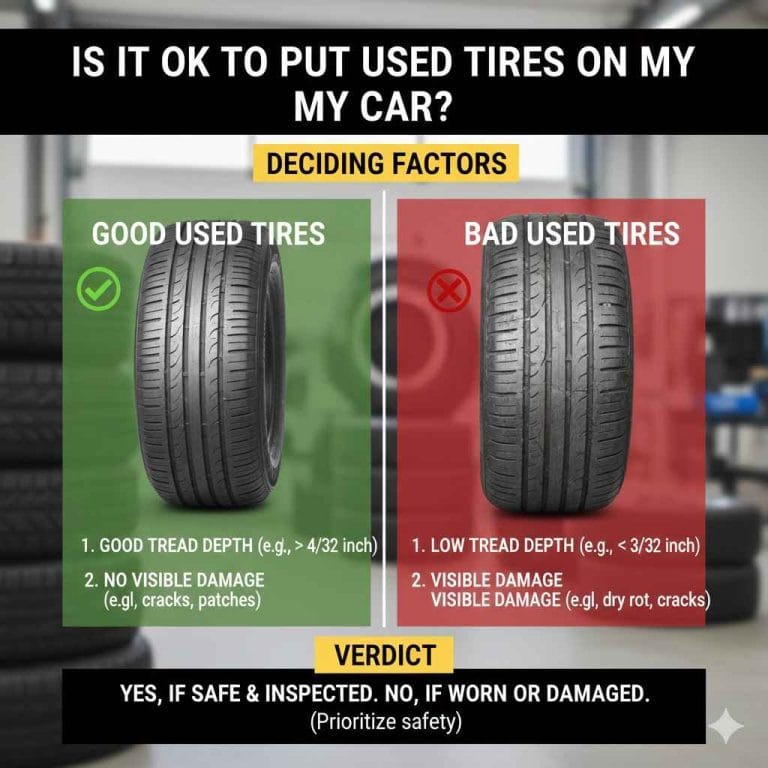
Tire tread is essential for grip, especially in wet or slippery conditions. Worn-out tread significantly increases the risk of hydroplaning and reduces braking effectiveness.
The Penny Test
A simple way to check your tread depth is the penny test. Insert a penny into the deepest part of your tire’s tread with Lincoln’s head facing down. If you can see the top of Lincoln’s head, your tread is likely too low, and it’s time to consider new tires.
The legal minimum tread depth in many places is 2/32 of an inch. Tires with less tread than this are considered unsafe.
Wear Bars
Most tires have “wear bars” built into the tread grooves. These are small, raised bars that become visible when the tread is worn down to a certain level. If the tread is level with these bars, your tires are worn out and need immediate replacement.
Ignoring wear bars is a significant safety risk.
Uneven Wear Patterns
Uneven wear across the tire’s surface can indicate alignment or inflation issues, but it also means the tire may need replacing sooner than expected. For example, if the edges are worn more than the center, it could mean under-inflation. If the center is worn more, it might be over-inflation.
If one side is worn more, it points to alignment problems. Addressing these issues and potentially replacing the tires is key for safety.
Age Of Tires
Even if the tread looks good, tires degrade over time. The rubber compounds can become brittle and lose their effectiveness, increasing the risk of blowouts.
Checking The DOT Code
You can find the age of your tires on the sidewall. Look for the DOT code. The last four digits indicate the week and year of manufacture.
For example, “3218” means the tire was made in the 32nd week of 2018. Most manufacturers recommend replacing tires after 6-10 years, regardless of tread depth, due to rubber degradation.
Visual Inspection For Cracks
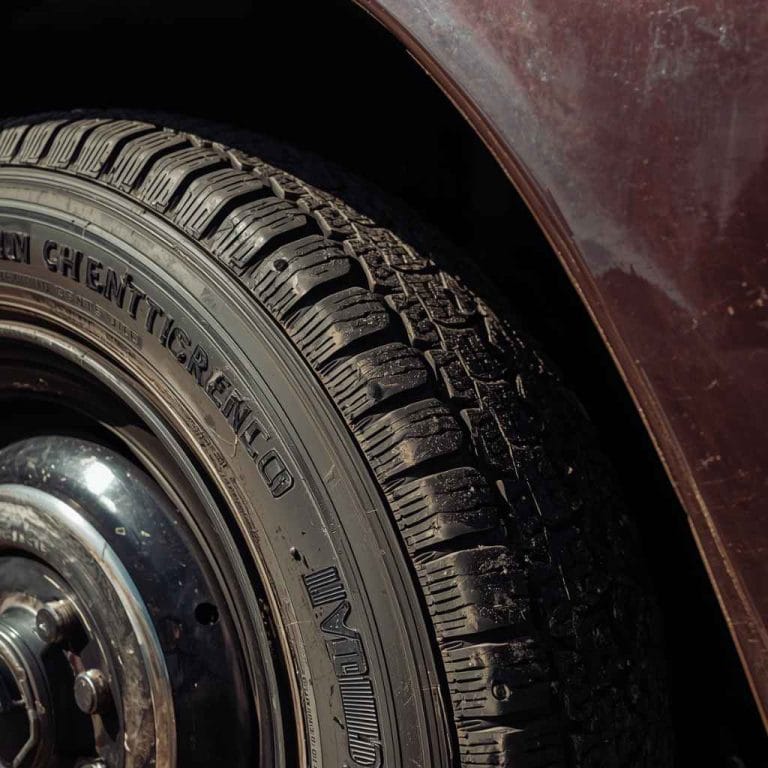
Regularly inspect your tires for any signs of aging. This includes small cracks or checks in the sidewall or tread. These can be a sign that the rubber is breaking down and becoming less safe.
If you see significant cracking, it’s a strong indicator that it’s time for new tires, even if the tread looks okay.
Signs Of Damage
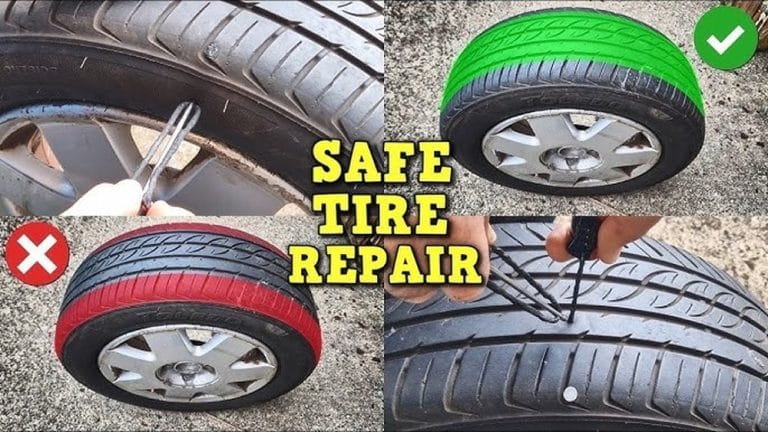
Punctures, bulges, or cuts can compromise the structural integrity of a tire, making it unsafe to drive on.
Sidewall Damage
The sidewall is the most vulnerable part of a tire. Any cuts, bulges, or visible damage here means the tire needs to be replaced immediately. Sidewall damage can lead to a sudden and dangerous tire failure while driving.
Frequent Punctures
If you’re experiencing multiple punctures in a short period, it might be a sign that your tires are too worn or that you’re driving through an area with many hazards. It could also indicate that the tires are no longer able to seal small punctures effectively.
Where To Find The Best Tire Deals
Knowing when to buy is important, but knowing where to look for deals can make a big difference. Different retailers and brands offer various advantages.
Tire Retail Chains
Large tire chains often have frequent sales, promotions, and rebates. They also offer convenience with many locations for installation. Examples include Discount Tire, Firestone Complete Auto Care, and Pep Boys.
They often have their own credit cards or loyalty programs that can offer additional savings.
Online Tire Retailers
Websites like Tire Rack and Amazon sell tires directly to consumers. Prices can be very competitive, and you can often find tires that might not be available in local stores. However, you’ll need to arrange for installation yourself, which can add to the overall cost and effort.
Car Dealerships
While often more expensive, dealerships sometimes offer specialized tires for specific car models or run promotions that can be appealing, especially if you’re already there for service. They might also have package deals that include installation and alignment.
Independent Tire Shops
Smaller, independent shops can sometimes offer more personalized service and competitive pricing, especially if they have a strong local reputation. It’s worth checking them out, as they may have access to different brands or promotions.
Comparing Tire Prices And Value
When you’re looking for new tires, it’s not just about the sticker price. You need to consider the overall value, which includes factors like tread life, warranty, and performance.
| Retailer Type | Pros | Cons | Best For |
|---|---|---|---|
| Tire Retail Chains | Frequent sales, easy installation, wide selection, loyalty programs. | Prices might be slightly higher than online, can be busy. | Convenience, quick replacement, bundled deals. |
| Online Tire Retailers | Competitive pricing, wide selection, direct shipping. | Installation required separately, shipping times vary, can’t see tires in person. | Budget shoppers, those looking for specific or rare tires. |
| Car Dealerships | Specialized tires, sometimes package deals, brand expertise. | Often the most expensive, limited selection compared to tire specialists. | New car owners, those seeking OEM-specific tires. |
| Independent Tire Shops | Personalized service, potential for local deals, can build relationships. | Selection may vary, some may not have extensive sale events. | Building local relationships, seeking specific advice. |
A study by Consumer Reports found that consumers can save an average of $150 by shopping around and comparing prices at different retailers before buying a set of four tires.
Treadwear Warranty
Many tires come with a treadwear warranty that promises a certain number of miles before the tread wears out. This warranty can be a good indicator of a tire’s expected lifespan and can provide peace of mind.
Understanding Warranty Terms
Treadwear warranties are usually measured in miles, such as 40,000, 60,000, or even 80,000 miles. It’s important to read the fine print. Most warranties require you to maintain proper tire inflation and alignment, and they prorate the value if you need a replacement before the full mileage is reached.
Value Proposition
A tire with a higher treadwear rating and a longer warranty generally offers better long-term value, even if its initial cost is higher. It means you’ll likely buy fewer sets of tires over time, potentially saving money and hassle in the long run.
Performance Metrics
Beyond tread life, tires are rated for their performance in wet braking, traction, and temperature resistance. These Uniform Tire Quality Grading (UTQG) ratings can help you compare tires, though they are not a substitute for real-world reviews.
UTQG Ratings Explained
The UTQG system includes Treadwear (a relative measure of durability), Traction (AA, A, B, C), and Temperature resistance (A, B, C). A higher treadwear number suggests longer life. Traction ratings indicate how well the tire stops on wet pavement.
Temperature ratings show resistance to heat buildup.
Balancing Performance And Price
For most drivers, a good balance between treadwear, wet traction, and price is ideal. If you live in an area with frequent rain, prioritize a higher traction rating. If you drive many miles, a long treadwear warranty becomes more important.
When Is The Best Time To Purchase Car Tires For The Average Driver
For the everyday driver, the most practical approach to buying tires combines waiting for good deals with recognizing when replacements are truly necessary. It’s about being smart, not just thrifty.
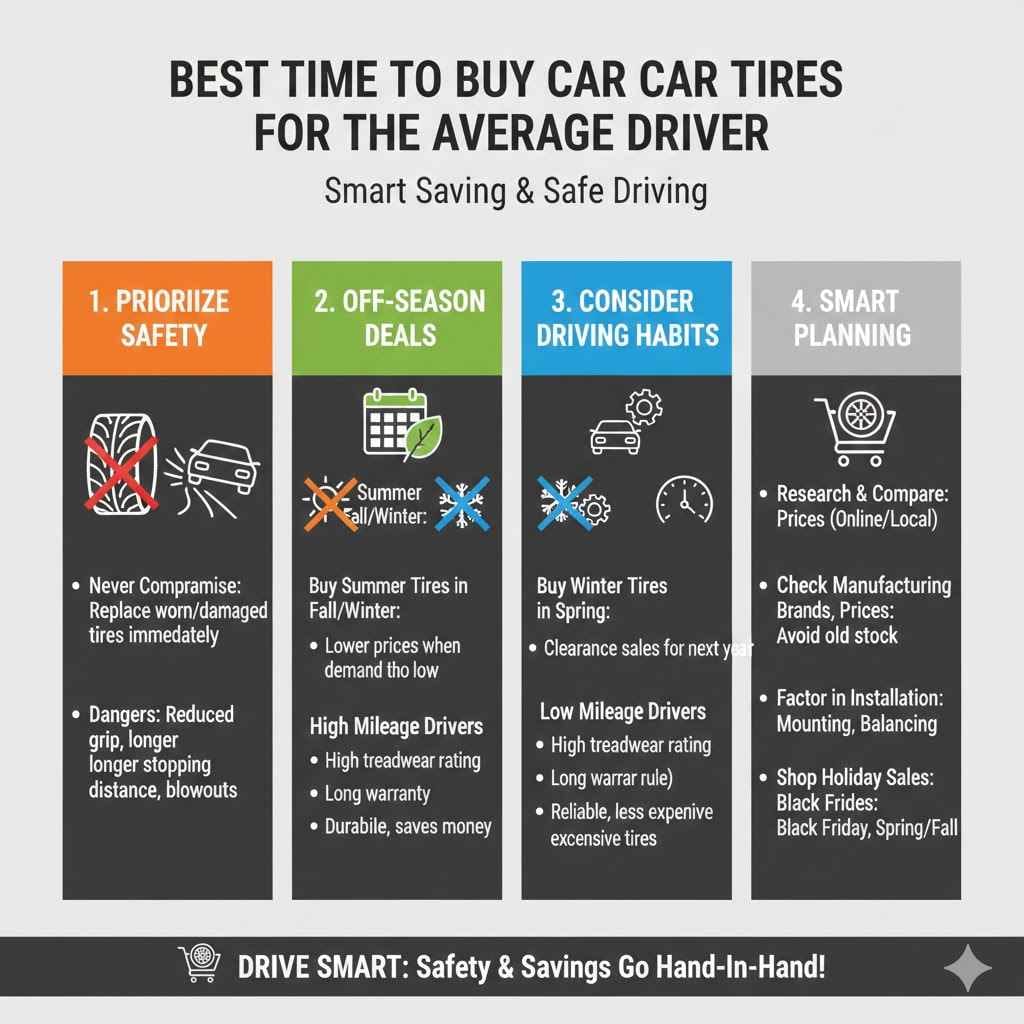
Prioritizing Safety Over Savings
While finding deals is great, never compromise on safety. Driving on worn or damaged tires is dangerous for you and others on the road. If your tires are showing signs of significant wear, have visible damage, or are past their recommended age, replace them immediately, regardless of sales.
The Dangers Of Worn Tires
Worn tires have reduced grip, especially on wet roads, leading to longer stopping distances and an increased risk of hydroplaning. This can turn a minor incident into a serious accident. Studies have shown that cars with bald tires are three times more likely to be involved in a crash.
Age And Deterioration
Rubber degrades over time. Even with good tread, old tires can become brittle and prone to sudden failure, like a blowout. This risk increases significantly after 6 years of age.
Leveraging Off-Season Deals
Sometimes, the best deals appear when demand is lower. For example, buying summer tires in the fall or winter might yield discounts as retailers prepare for winter tire season. Likewise, purchasing winter tires in early spring can be cheaper.
Buying Summer Tires In Winter
When winter is in full swing, retailers might offer significant discounts on summer tires to move inventory. If you have a set of winter tires and don’t mind waiting for summer, this can be a smart move. You get the tires at a lower price and can store them until the weather warms up.
Buying Winter Tires In Spring
Similarly, as winter ends, many shops put winter tires on clearance. If you have storage space and can plan ahead, buying winter tires in March or April for the following year can save you a substantial amount of money.
Considering Your Driving Habits
Your driving habits play a big role in tire wear. If you drive a lot, you’ll need tires with better tread life and durability. If you drive infrequently, you might prioritize a good all-around tire that isn’t overly expensive.
High Mileage Drivers
If you put many miles on your car annually, look for tires with high treadwear ratings and long treadwear warranties. This will help you avoid frequent tire replacements, saving you money and time in the long run. Investing a bit more upfront in a durable tire can pay off.
Low Mileage Drivers
For drivers who use their car sparingly, the age of the tire becomes a more significant factor than mileage. You’ll want to focus on the tire’s manufacturing date and condition rather than how many miles are on it. You might also opt for a less expensive, reliable tire since it won’t wear out from high mileage quickly.
Frequently Asked Questions
Question: When do tire shops typically have their biggest sales
Answer: Tire shops usually have their biggest sales around major holidays like Black Friday, Cyber Monday, Memorial Day, Labor Day, and the Fourth of July. They also often have promotions in the spring and fall.
Question: How old is too old for car tires
Answer: Most manufacturers recommend replacing tires after 6 to 10 years, even if they look like they have good tread. This is because the rubber can degrade over time, making the tires unsafe.
Question: Should I buy tires based on mileage warranties alone
Answer: Mileage warranties are important for understanding potential tire life, but they shouldn’t be the only factor. Always consider tread depth, tire age, and any visible damage to ensure your tires are safe.
Question: Can I get good deals on tires in the off-season
Answer: Yes, buying tires in the off-season can lead to great deals. For example, you might find discounts on summer tires during winter, or winter tires in early spring.
Question: What is the penny test for checking tire tread
Answer: The penny test involves inserting a penny into the deepest part of your tire’s tread with Lincoln’s head facing down. If you can see the top of Lincoln’s head, your tread is likely too low and needs replacement.
Conclusion
The best time to buy car tires is a mix of timing for sales and necessity. Watch for holiday promotions and seasonal sales. Always check your tire’s tread depth and age.
Prioritize safety first. If your tires are worn or old, replace them promptly. Smart shopping and timely replacement keep you safe and save money.
Related pick: Check today's price on Amazon
Products related to this article
Sponsored / affiliate links. As an Amazon Associate I earn from qualifying purchases. I may earn additional commission from eligible campaigns.