Should You Fill Tires to Max PSI? Use Door Sticker Instead
Filling car tires to the maximum PSI listed on the sidewall is generally not recommended for everyday driving. The maximum PSI is a safety limit, not a performance suggestion. Optimal tire pressure is usually found on your vehicle’s doorjamb sticker and varies based on your car’s weight and handling needs.
What Tire Pressure Numbers Mean
AstroAI Digital Tire Pressure Gauge 150PSI — $6.58
Since this article recommends the door-sticker PSI over the sidewall max, an accurate digital gauge (±1 PSI) is what actually lets you hit that number precisely.
- Best for: Checking your actual PSI against the door-sticker number this article points you to
- Why picked: ±1 PSI accuracy beats the built-in gauge on most gas station air pumps
- Main drawback: Battery-powered — keep a spare CR2032 on hand
The Tire Sidewall Number (MAX. INFLATION PRESSURE)
This number, like the “51 PSI” example, is the absolute highest pressure the tire can safely hold. Think of it as the tire’s absolute limit. It’s a safety guideline from the tire maker. They put it there to ensure the tire doesn’t burst under extreme conditions. This number is not the pressure you should use every day. Using this maximum pressure can cause problems. It’s like redlining your car’s engine all the time. It’s not built for that.The Vehicle Doorjamb Sticker (Recommended PSI)
Your car has a sticker. You can usually find it on the driver’s side doorjamb. It might also be in your glove box or on the fuel filler door. This sticker tells you the recommended tire pressure for your specific car model. This recommended pressure is set by your car’s manufacturer. They tested your car with specific tires. They figured out the best pressure for a good balance. This balance is for ride comfort, fuel efficiency, and safe handling. It’s the pressure your car is designed to work best with.Why Max PSI Isn’t Your Friend for Daily Driving
Using the maximum tire pressure can sound like a good idea. More air might mean better gas mileage, right? Or maybe a firmer ride feels sportier. But in reality, it often leads to more trouble than it’s worth.Stiffer Ride and Less Comfort
When tires are overinflated, they become much harder. They don’t absorb bumps well. Every little crack in the road feels like a big jolt. Your car will feel much less comfortable. Long drives can become very tiring. This is especially true if you fill all four tires to the max. You’ll feel every ripple in the pavement. It can make your car feel like it’s bouncing around.Uneven Tire Wear
This is a big one. Overinflated tires make the center of the tread wear out much faster. The edges of the tire get less contact with the road. This means your tires won’t last as long. You’ll have to buy new tires sooner. Imagine pressing a pencil eraser very hard onto a table. The middle part touches the most. The edges might not even touch. Tires work the same way. When they are too hard, the middle pushes down more.Reduced Traction and Grip
This might seem backward. More air means a firmer tire. A firmer tire might seem like it would grip better. But it’s the opposite. When a tire is too hard, it has less contact with the road. The tire can’t flex and grip the road surface properly. This is especially bad in wet weather. Less contact means longer stopping distances. It also means less control when turning. This can be very dangerous.Higher Risk of Blowouts
Tires need to flex. This flex helps them stay cool. When a tire is overinflated, it’s too stiff. It can’t flex properly. This makes it more likely to overheat. Heat is a major enemy of tires. Overheated tires are more prone to damage. They can also fail suddenly. This sudden failure is called a blowout. A blowout can cause you to lose control of your car. This is extremely dangerous, especially at high speeds. The max PSI is a limit. Pushing it can be risky.What Happens If You Use the Recommended PSI
The number on your car’s doorjamb is there for a reason. It’s the sweet spot for your vehicle.Better Ride Comfort
When your tires have the right air pressure, they can do their job. They absorb road imperfections. This makes your ride smooth and comfortable. You won’t feel every little bump. This is important for long trips and daily commutes.Even Tire Wear
The recommended PSI ensures the tire makes full, even contact with the road. This means the tread wears down evenly. Your tires will last longer. You’ll get the most miles out of them. This saves you money in the long run.Optimal Traction and Handling
With the correct pressure, your tires can grip the road well. This gives you good traction. You’ll have better control when you steer, brake, and accelerate. This is crucial for safety. It helps prevent accidents.Improved Fuel Efficiency
Underinflated tires create more friction. This makes your engine work harder. This means you use more gas. Properly inflated tires roll more easily. This helps your car get better gas mileage. You’ll save money at the pump.Reduced Risk of Tire Damage
The recommended pressure allows the tire to flex correctly. This prevents overheating and stress. It keeps the tire cooler and stronger. This reduces the chance of flats or blowouts. Your tires will be more reliable.When Overinflation Might Seem Tempting (And Why It’s Still Risky)
Sometimes, people think about filling tires to max PSI for specific reasons. Let’s look at those and why they aren’t the best approach.For Better Gas Mileage
It’s true that slightly overinflated tires can sometimes improve fuel economy a bit. This is because they have less rolling resistance. However, the difference is usually small. It’s not worth the downsides. The safety risks and uneven wear outweigh any minor fuel savings.To Carry Heavier Loads
Some people think more air means they can carry more weight. While tires do have a load rating, the vehicle manufacturer’s recommended PSI is already set for the car’s designed weight capacity. Overinflating beyond that limit can strain the tire and suspension. If you need to carry very heavy loads regularly, you might need a different vehicle or trailer.During Hot Weather
Tire pressure increases as air heats up. So, if you check pressure in a cool garage and then drive in hot sun, the pressure will rise. This is normal. You don’t need to overinflate to compensate. Checking pressure when tires are cold is always best.My Own Experience with Tire Pressure
I remember a time a few years ago. I had just bought a used car. It felt a bit bumpy, and the steering seemed a little heavy. I figured that was just how the car was. One day, I finally got around to checking the tire pressure. I was shocked. All four tires were inflated to over 55 PSI! The sticker on the door said 38 PSI. I went to a gas station and adjusted them to 38 PSI. The change was instant and amazing. The car rode so much smoother. It felt lighter on its feet. Turning corners was easier. I realized I had been driving around for months with a harsh, unsafe ride. All because someone filled the tires to their maximum limit. It was a lesson I never forgot. It showed me how much of a difference the correct pressure makes.How to Check and Adjust Your Tire Pressure Correctly
Checking your tire pressure is simple. You just need a tire pressure gauge.When to Check
Always check your tire pressure when the tires are cold. This means the car has been sitting for at least three hours. Or, it hasn’t been driven more than a mile at low speed. Driving heats up the tires. This makes the air inside expand. It will give you a false higher reading.Where to Find the Recommended PSI
Look for the sticker on your driver’s side doorjamb. It’s usually a white or yellow sticker. It has symbols and numbers. The recommended pressure for the front and rear tires is listed there.Using a Tire Pressure Gauge
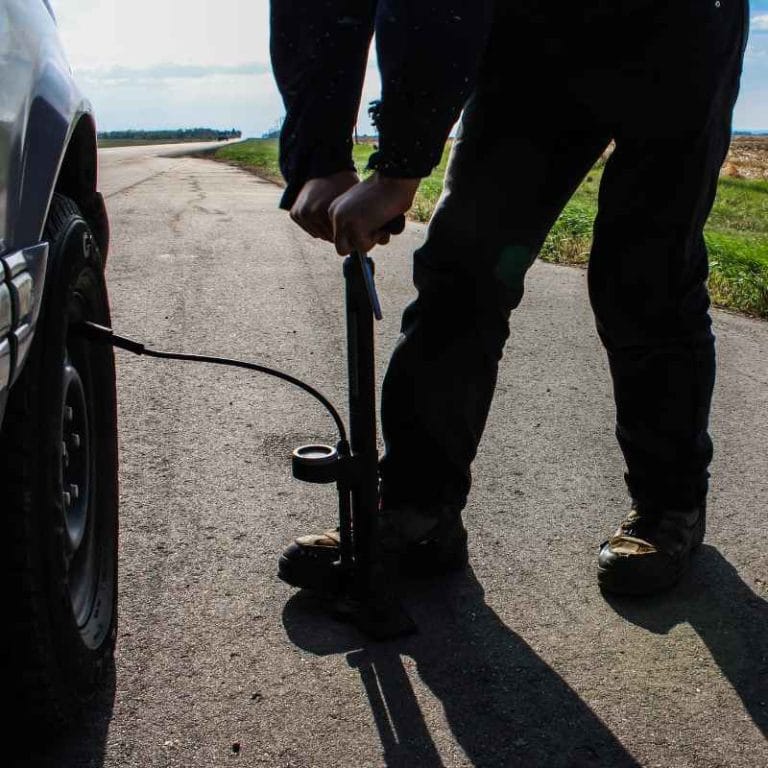
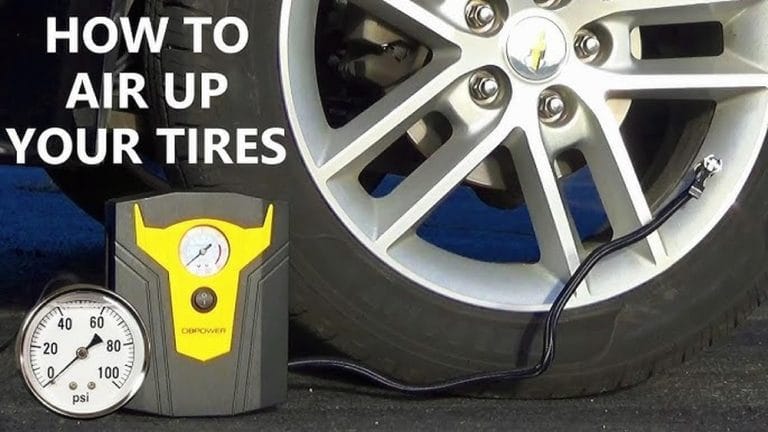
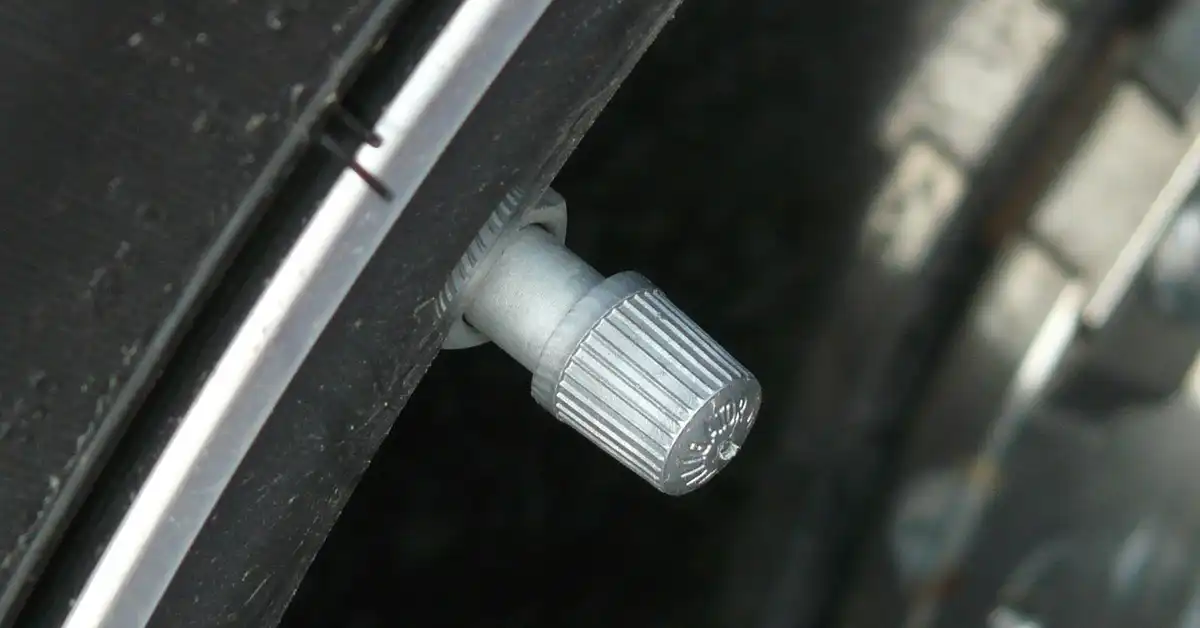
1. Remove the valve cap from one tire’s valve stem. 2. Press the tire pressure gauge firmly onto the valve stem. You might hear a short hiss of air. 3. Read the number on the gauge. 4. Compare this number to the recommended PSI on your car’s sticker. 5. If the pressure is too low, add air. Use an air compressor. Add air in short bursts, checking the gauge often. 6. If the pressure is too high, let some air out. Press the small pin in the center of the valve stem with a fingernail or the back of the gauge. Let air out in short bursts. 7. Repeat for all four tires. 8. Don’t forget the spare tire! It often needs a different pressure. Check your owner’s manual for its recommendation. 9. Put the valve caps back on.Quick Tire Pressure Check Guide
What You Need: Tire pressure gauge.

DEWALT
DEWALT Tire Inflator Portable Air Compressor 20V…
- High-pressure inflation mode with automatic shutoff
- Three power sources for inflation on this tire air pump: 20v max battery, 12v dc, or 110v ac
- Convenient onboard accessory storage. Heavy-duty rubber feet help reduce walking when in use ideal for a car pump, bike pump and d…
As an Amazon Associate I earn from qualifying purchases.
When to Check: Tires are cold.
Where to Look: Driver’s doorjamb sticker.
How To Do It: Remove cap, press gauge on stem, read number. Add or release air as needed. Replace cap.
Understanding Tire Temperature and Pressure Changes
It’s important to know that tire pressure changes with temperature. This is a basic science principle. Heat makes air expand. Cold makes air contract.Temperature’s Effect on Tire Pressure
Normal Temperature: Ideal for checking pressure.
Hot Weather: Air expands, pressure increases. Your gauge reading will be higher.
Cold Weather: Air contracts, pressure decreases. Your gauge reading will be lower.
Rule of Thumb: For every 10°F drop in temperature, tire pressure can drop about 1 PSI. See also how do car tire sizes work a simple guide for everyone.
What About Extreme Heat or Cold?
In very hot climates, tires can get quite warm. In extreme cold, they can lose pressure. If you live in an area with big temperature swings, you might need to check your tires more often. For example, if your tires are at the recommended 35 PSI on a 30°F morning, they might drop to 30 PSI when it’s 0°F outside. This is a significant drop. Low pressure in cold weather is dangerous. It affects handling and can lead to tire damage. If you see your pressure drop significantly in cold weather, add air to reach the recommended PSI. Then, when the weather warms up, check them again. You might need to let a little air out to get back to the recommended level.Are There Any Times You Might Go Slightly Higher Than Recommended?
There are very specific, limited situations where you might temporarily adjust tire pressure. But these are not for everyday driving. And they are still not about reaching the tire’s max PSI.Towing or Hauling Heavy Loads
If your vehicle is rated for towing or carrying heavy loads, the owner’s manual might suggest increasing tire pressure slightly. This is usually only a few PSI above the normal recommendation. It is not to the tire’s maximum sidewall pressure. This slight increase can help the tires handle the extra weight better. It prevents the tires from deforming too much. It’s important to check your owner’s manual for specific advice. Do not guess.Performance Driving (Track Days)
If you take your car to a race track or for performance driving events, you might adjust tire pressure. This is done to optimize grip and handling on the track. This is a very specialized situation. It requires expert knowledge. The pressures used are often determined by the track conditions and the driver’s feedback. It’s a dynamic process. For normal road driving, this is not applicable and can be dangerous.The Dangers of Underinflation
Just as overinflation is bad, so is underinflation. Many drivers neglect to check their pressure regularly. This leads to tires being underinflated.Increased Risk of Blowouts
Underinflated tires flex too much. This causes excessive heat buildup. This heat can damage the tire structure. It makes blowouts much more likely. This is a major safety hazard.Poor Handling and Steering
When tires are underinflated, they feel squishy. The steering response becomes slow and vague. Your car won’t feel as stable. This makes it harder to control your vehicle, especially in emergencies.Worse Fuel Economy
Underinflated tires have more friction with the road. This is called rolling resistance. It makes your engine work harder. You will use more fuel. It’s a common reason for poor gas mileage.Uneven Tire Wear
Underinflated tires wear out faster on the outer edges. The center of the tire might have less contact. This uneven wear shortens the life of your tires.Real-World Scenarios and Tire Pressure
Let’s think about different situations where tire pressure matters.Scenario 1: The Commuter Car
Sarah drives about 30 miles to work each day. Her car is a standard sedan. She keeps her tires at the recommended 35 PSI. This gives her a comfortable ride. Her tires are wearing evenly. She gets good gas mileage. This is the ideal scenario for most drivers.Scenario 2: The Weekend Warrior with a Truck
Mark has a pickup truck. He often hauls tools for his DIY projects or pulls a small trailer. His truck’s doorjamb sticker says 40 PSI. When he’s hauling or towing, he checks his owner’s manual. It suggests adding 5 PSI, bringing his pressure to 45 PSI. He never goes near the tire’s max 60 PSI. This slight increase helps his truck handle the load safely.Scenario 3: The Road Tripper
The Miller family is going on a long vacation. They pack their car full of luggage. Their car is rated for 5 passengers. They have 4 people plus lots of bags. The doorjamb sticker says 32 PSI. The owner’s manual notes that for a full load, they can increase pressure to 36 PSI. They check and adjust their tires. This ensures the car handles well with the extra weight and offers a safe journey.What This Means for You and Your Car
Understanding tire pressure is key to a safe and efficient drive.When Your Tire Pressure is Normal
Your car feels stable. The ride is smooth. You don’t hear excessive road noise. Your tires look like they have an even amount of tread wear across the surface. You’re getting decent gas mileage. This is when your tires are happy.When to Worry About Tire Pressure
If your ride suddenly feels much harder or bouncier, check your tires. If you notice your car pulling to one side, check your tires. If you see the edges of your tires wearing much faster than the middle, check your tires. If you’re getting significantly worse gas mileage, check your tires.Simple Checks You Can Do
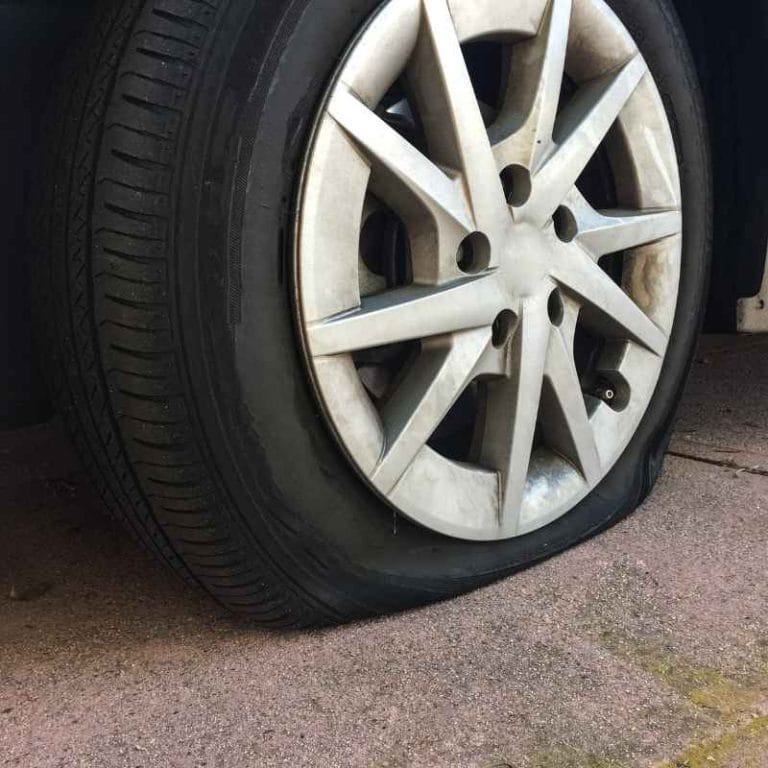
A quick visual check can tell you a lot. Do your tires look flat or saggy? That’s a sign of low pressure. Do they look perfectly round and very rigid, almost bulging at the top? That might be overinflated. But the best check is always a gauge.Quick Tips for Proper Tire Inflation
Here are some easy-to-remember tips. Check pressure monthly and before long trips. Always check when tires are cold. Use the recommended PSI from your car’s sticker, not the tire’s max PSI. Invest in a good tire pressure gauge. They are inexpensive. Don’t ignore TPMS alerts. That low tire pressure warning light is important. Adjust for temperature changes. Be more vigilant in extreme heat or cold.Frequently Asked Questions About Tire Pressure
What is the difference between PSI on the tire and PSI on the car door?
The PSI number on the tire sidewall is the maximum pressure the tire can safely hold. The PSI number on your car’s doorjamb sticker is the recommended pressure for your vehicle. You should always use the pressure recommended by your car’s manufacturer for normal driving.Can I fill my tires to the maximum PSI for better gas mileage?
While slightly overinflating tires can marginally improve gas mileage, it’s not recommended. The risks of uneven tire wear, a harsh ride, reduced traction, and increased blowout risk far outweigh any small fuel savings. Always stick to your vehicle’s recommended PSI.How often should I check my tire pressure?
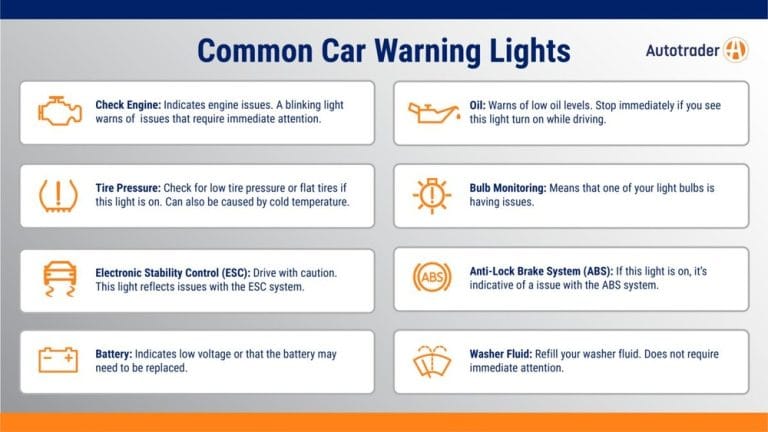
You should check your tire pressure at least once a month. It’s also a good idea to check before any long road trips. Temperature changes can affect tire pressure, so monitoring regularly is wise.What does it mean if my car’s TPMS light comes on?
TPMS stands for Tire Pressure Monitoring System. If this light comes on, it means one or more of your tires has significantly low pressure. You should check your tire pressure as soon as possible and add air if needed.Does the spare tire need the same pressure as my other tires?
Not always. Your spare tire, especially if it’s a temporary or “donut” spare, often requires a much higher pressure than your regular tires. Check the sidewall of the spare tire or your owner’s manual for the correct pressure.Is it okay to have different tire pressures on the front and rear tires?
Yes, it is common. Your vehicle manufacturer’s sticker may list different recommended pressures for the front and rear tires. This is because the weight distribution on your car is not always the same between the front and rear axles.Conclusion
It’s tempting to think that filling your tires to their maximum pressure is the best approach. However, this number is a safety limit, not a performance goal. For everyday driving, always rely on the recommended tire pressure found on your vehicle’s doorjamb sticker. This ensures a safe, comfortable ride, even tire wear, and optimal handling. Regularly checking your tire pressure is one of the simplest yet most important maintenance tasks you can do. It protects your tires, your car, and most importantly, you and your passengers.Related pick: Check today's price on Amazon