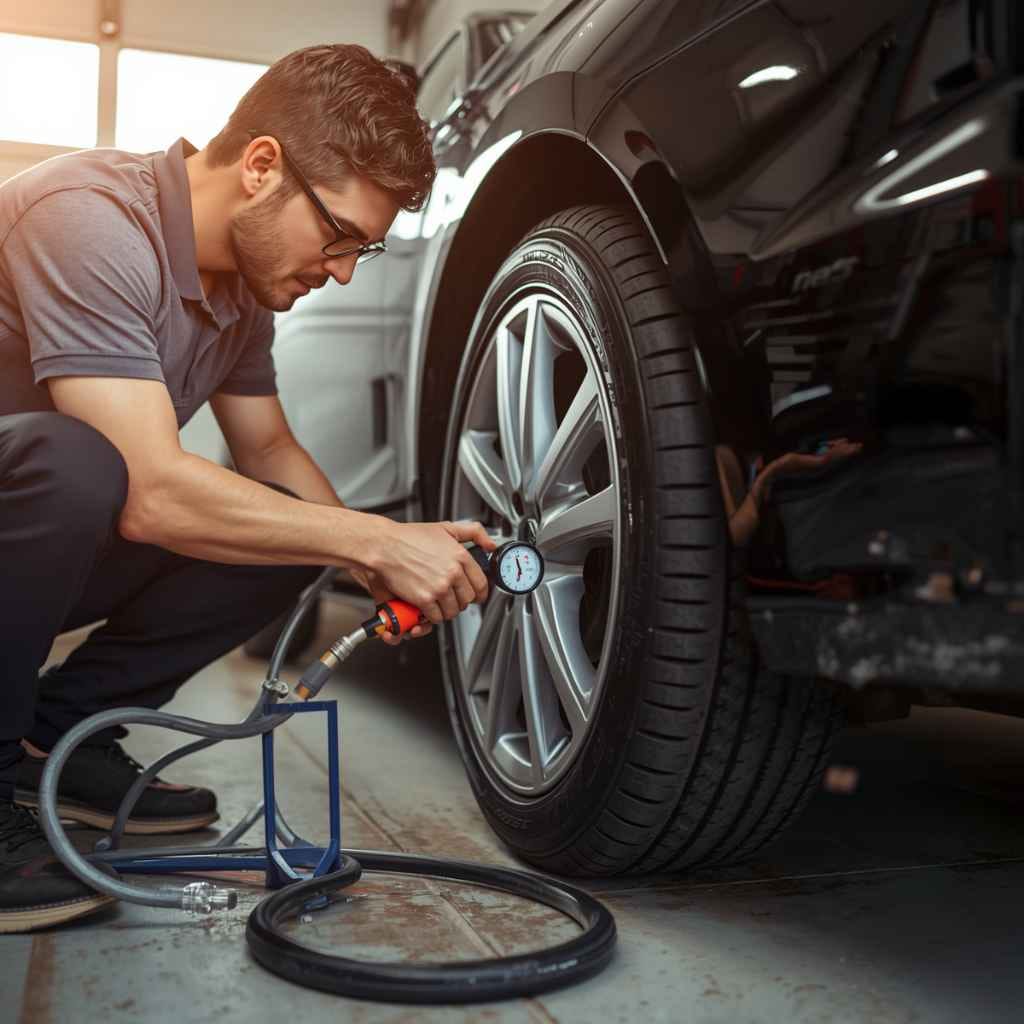
Best Way To Inflate Car Tires At Home
The best way to inflate car tires at home involves using a reliable tire pressure gauge to check the current PSI against your car’s recommended pressure, then using a portable air compressor or a bike pump with a tire inflator attachment to add air as needed. Always check tires when they are cold.
Understanding Tire Pressure Matters
Tire pressure is the amount of air inside your tires. This air pushes outwards. It’s what holds your tire up.
It also helps your tires grip the road. Getting this pressure right is super important. It affects your car’s handling.
It also impacts your fuel economy. Plus, it keeps your tires from wearing out too fast.
Think about it: tires are the only thing connecting your car to the ground. If they aren’t happy, your car won’t be either. The right pressure makes sure the tire touches the road evenly.
This gives you the best control. It also means your tire lasts longer. This saves you money over time.
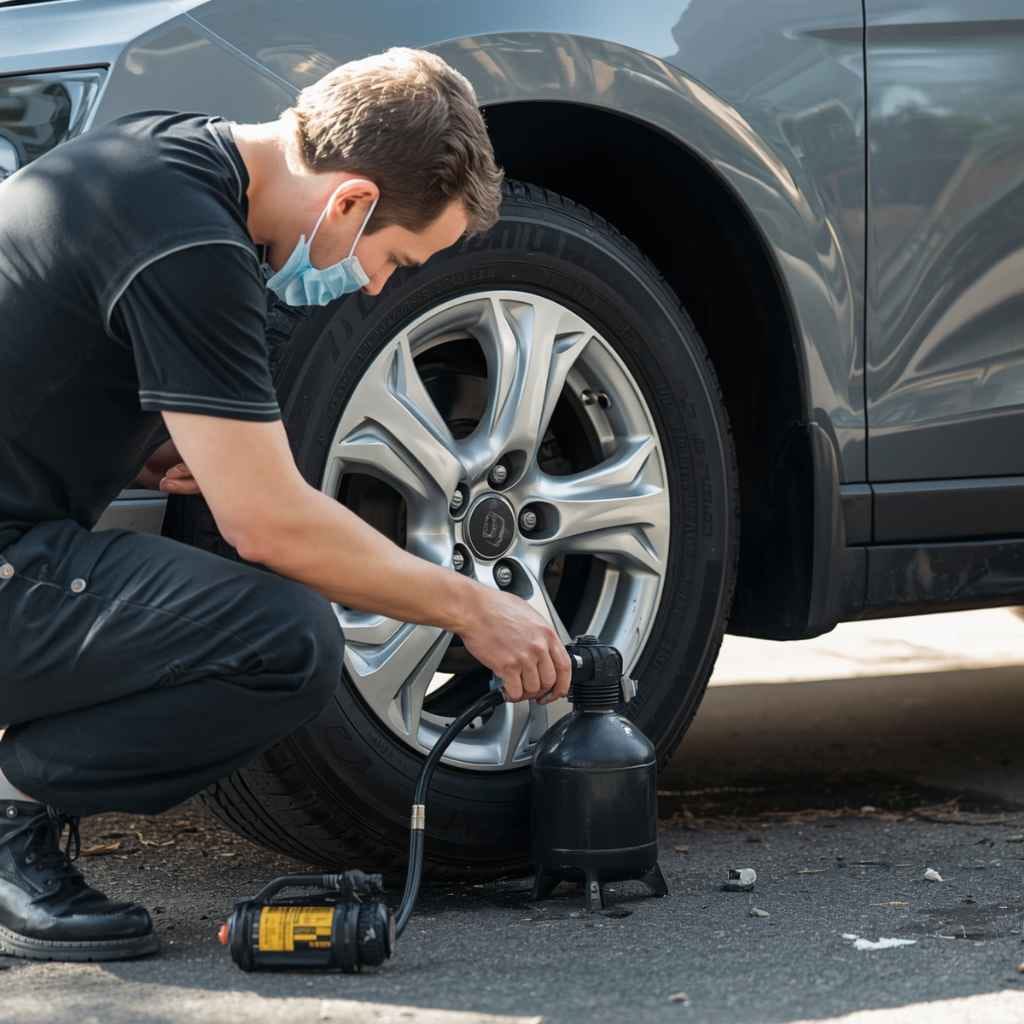
Why Checking Regularly Is Key
Tires naturally lose air over time. This is normal. Driving over bumps or through temperature changes can also affect air pressure.
Even a tiny leak can let air out. That is why you should check your tires often. It is a simple step that makes a big difference.
Checking them once a month is a good rule.
You should also check them before long trips. This is especially true if you are carrying extra weight. More weight means more strain on your tires.
Having them at the right pressure helps your car handle better. It also makes your drive safer. You will feel more confident on the road.
Finding Your Car’s Recommended Tire Pressure
Your car’s maker knows best. They tell you the right air pressure for your specific car. You won’t find this on the tire itself.
Look for a sticker. It’s usually on the driver’s side door jamb. It might also be inside the glove box door.
Or check the fuel filler door. This sticker shows the recommended “cold tire inflation pressure.”
This number is measured in pounds per square inch (PSI). It’s a range. Your car needs this specific pressure to work well.
Do not use the number on the side of the tire. That number is the maximum pressure the tire can hold. It is not the pressure for your car.
What Does “Cold Tire Pressure” Mean?
Checking “cold tire pressure” is really important. It means checking the air when your car has not been driven for a while. Driving heats up the tires.
Heat makes the air inside expand. This increases the pressure. If you check tires when they are hot, you will get a wrong reading.
The reading will be higher than it should be.
So, the best time to check is in the morning. Or after your car has been parked for at least three hours. This gives the tires time to cool down.
Then the reading you get will be accurate. It will be the true “cold tire pressure.”
Tools You Will Need
You don’t need fancy tools. Just a few simple things will do the job. First, you need a good tire pressure gauge.
There are a few types. Digital gauges are easy to read. Dial gauges are also common.
Stick gauges are simple but can be less precise. Pick one you trust.
Next, you will need a way to add air. For many people, a portable air compressor is the easiest option. These plug into your car’s 12-volt outlet.
Some are small enough to fit in your glove box. You can also use a bike pump. Make sure it has a fitting for car tire valves.
Some electric bike pumps are fast and easy to use.
Checking Your Tire Pressure: Step-by-Step
This is the main part. Take your time. Do it right.
First, make sure your tires are cold. Then, find the valve stem on one of your tires. It is a small, black or metal nozzle sticking out from the wheel.
Unscrew the cap from the valve stem. Keep the cap safe; you’ll need it later.
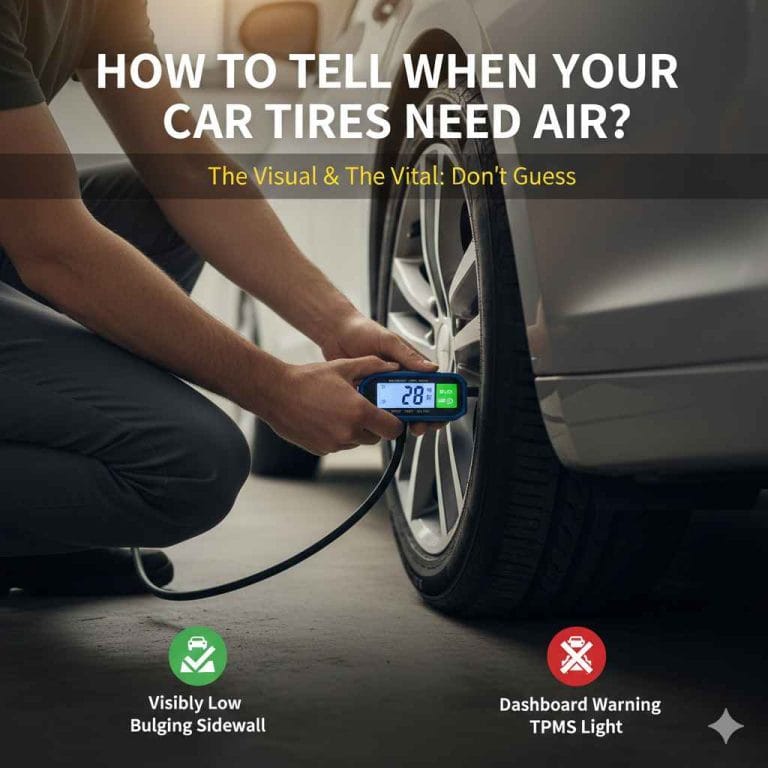
Now, press your tire pressure gauge firmly onto the valve stem. You might hear a short hiss of air. This is normal.
Hold it there for a few seconds. The gauge will show you the current PSI. Write this number down.
Do this for all four tires.
Compare the numbers you wrote down to the recommended pressure on your car’s sticker. If a tire is low, you need to add air. If it’s high, you need to let some air out.
You can let air out by pressing the small pin in the center of the valve stem with a fingernail or the gauge itself. Just a quick press is enough to release a little air. Then re-check the pressure.
Adding Air to Your Tires
If a tire needs more air, connect your air compressor or pump. For a portable compressor, plug it into your car’s 12-volt outlet. Turn it on.
Attach the hose to the tire valve. Many compressors have a gauge on them. You can watch the PSI as it fills.
For a bike pump, attach the hose to the valve stem. Then start pumping. This takes more effort.
It’s a good workout! Keep checking the pressure as you add air. You don’t want to overfill it.
Add a little air at a time. Then re-check the pressure with your gauge.
Once a tire reaches the correct PSI, turn off the compressor. Disconnect the hose. Screw the valve stem cap back on tightly.
This keeps dirt out. Repeat this for any tires that need air. Don’t forget to check your spare tire too!
It needs the right pressure to be useful.
Quick Tire Check Guide
What to Look For:
- Tire Pressure: Use your gauge.
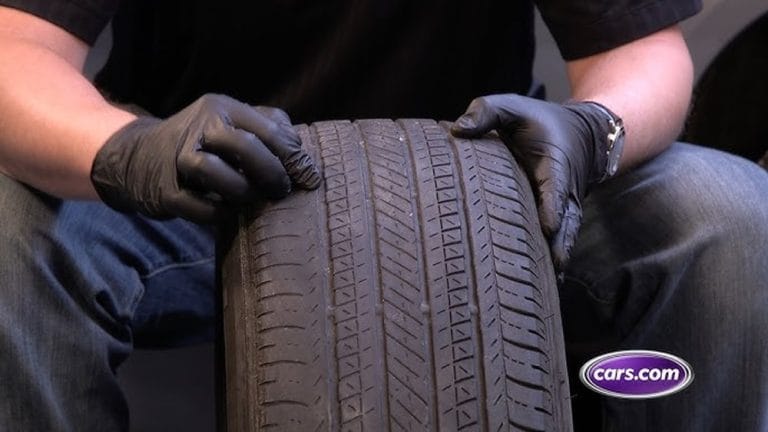
- Tread Depth: Use a penny. Insert it upside down into the tread. If you can see all of Lincoln’s head, your tread is too low.
- Tire Condition: Look for cracks, bulges, or cuts on the sidewalls.
Common Mistakes to Avoid
One big mistake is using the number on the tire sidewall. Remember, this is the max pressure. It’s not your car’s recommendation.
Always use the sticker on your car. Another common error is checking pressure when tires are hot. This gives you a false high reading.
People also forget their spare tire. It’s often overlooked. But it’s vital for emergencies.
Make sure it’s ready to go. Also, don’t just guess. Use a good gauge.
Guessing leads to wrong pressures. This can cause problems with your car.
My Own Tire Pressure Fumble
I remember one time, I was heading out for a road trip. I felt like my car was pulling to one side a bit. The ride felt a little bumpy too.
I thought maybe my alignment was off. Or perhaps I just needed new tires soon. I was about to spend money getting it checked.
Then, on a whim, I decided to check my tire pressure. I grabbed my old, cheap stick gauge. I checked all four tires.
One tire was almost 10 PSI lower than the others! I had no idea. I must have hit a small nail or something and not noticed.
Or maybe it just lost air slowly. I added air to that tire. Suddenly, my car drove perfectly straight again.
The bumpy ride vanished. It was a simple fix that saved me a lot of worry and cash. That day taught me how much even a little bit of air difference matters.
And how important it is to check regularly.
Portable Air Compressor Tips
When using an electric portable air compressor:
- Ensure your car’s engine is running. This keeps your battery from draining.
- Check the compressor’s power cord length. It should reach all your tires.
- Most compressors have a maximum run time. Don’t overheat them.
- Listen for leaks when attaching the hose. A good seal is important.
When is Tire Pressure Too Low?
If your tire pressure is more than 5 PSI below the recommended level, it’s too low. Underinflated tires are dangerous. They can overheat.
This can lead to blowouts. They also make your steering feel sluggish. Fuel economy drops significantly.
You will be stopping for gas more often.
Visually, an underinflated tire looks a bit flat. The sides bulge out more than usual. The tread might look squashed.
It’s crucial to catch this early. A simple check with a gauge is all it takes. Don’t wait until your car feels wrong.
When is Tire Pressure Too High?
Overinflated tires can be just as problematic. If your tires have too much air, the ride becomes very stiff and bumpy. You will feel every little crack in the road.
The center of your tire tread will wear out faster. This is because only the middle part of the tire is touching the ground well.
Overinflation also reduces your car’s ability to grip the road. This is especially bad in wet or slippery conditions. It can make your car harder to control.
The tire is too rigid. It can’t flex as it should. If your gauge shows a pressure much higher than recommended, let some air out.
Tire Pressure Normal vs. Concerning
| Normal | Concerning |
| Pressure matches the car’s sticker (when cold). | Pressure is 5+ PSI lower than recommended. |
| Slight loss of pressure over weeks. | Rapid loss of pressure in one tire. |
| Even wear on tire tread. | Uneven wear pattern (center, edges, or one side). |
| Tire sidewalls look even. | Visible bulges or cracks on the tire sidewall. |
Checking Tire Pressure at Gas Stations
Many gas stations have air pumps. These are convenient. Most are coin-operated.
Some have a free option. The machines usually have a gauge. But these gauges can be inaccurate.
They get a lot of use. It’s always best to have your own reliable gauge.
You can use the gas station pump to add air. But double-check the pressure with your own gauge when you’re done. This ensures accuracy.
Sometimes, the PSI reading on the pump can be off. It’s better to be safe than sorry.
The Role of Tire Tread
Tire tread is the pattern on the surface of your tire. It helps your car grip the road. It also pushes water away.
Good tread is vital for safety. Worn-out tread means less grip. This is dangerous, especially in rain or snow.
Your tires can’t grip the road well if they are underinflated or overinflated either.
When tires are underinflated, the edges of the tread wear down faster. When they’re overinflated, the center of the tread wears faster. Both situations reduce the life of your tires.
They also compromise safety. Always keep an eye on your tread depth. Use the penny test.
It’s a simple way to check.
What Does Your Tire Sidewall Tell You?
Example: P205/55R16 91V
- P: Passenger vehicle.
- 205: Tire width in millimeters.
- 55: Aspect ratio (sidewall height is 55% of width).
- R: Radial construction.
- 16: Wheel diameter in inches.
- 91: Load index (how much weight the tire can carry).
- V: Speed rating (maximum speed the tire can sustain).
Look for “MAX. PRESS.
Seasonal Tire Pressure Changes
Temperature plays a big role. For every 10 degrees Fahrenheit change, tire pressure changes by about 1 PSI. In summer, when it’s hot, tires naturally gain pressure.
In winter, when it’s cold, they lose pressure. This is why it’s extra important to check your tires when the seasons change.
If you live in an area with extreme temperature swings, you’ll notice this more. You might need to add air more often in the fall and winter. And perhaps let a little out in the spring and summer.
Always refer back to your car’s recommended pressure. That is your constant guide.
Tire Pressure and Fuel Economy
Did You Know?
Driving on underinflated tires can reduce your car’s fuel efficiency by as much as 3%. That might sound small, but over a year, it adds up to wasted money at the pump. Keeping tires properly inflated is one of the easiest ways to save on gas.
The Importance of Tire Valves
The valve stem is where you put air in. It has a small spring-loaded pin inside. This pin keeps the air from escaping.
The valve cap is also important. It protects the valve stem from dirt and moisture. Dirt can damage the seal.
This can lead to slow leaks.
If a valve stem looks cracked or damaged, it should be replaced. A leaky valve stem is a common cause of slow tire deflation. It’s a small part, but it’s critical for keeping air in your tires.
Most tire shops can replace them quickly and cheaply.
When to Consider New Tires
If your tires are worn out, even perfect air pressure won’t help. Your tires might be old. Or the tread might be too low.
Signs of needing new tires include: tread wear indicators showing. These are small raised bars in the grooves. If the tread is level with them, you need new tires.
Visible damage like cracks or bulges is another sign.
If your tires are several years old (check the DOT code on the sidewall for the manufacturing date), they might be past their prime. Rubber degrades over time. Even if they look okay, they might not perform as well.
Tires are a safety item. Don’t skimp on them.
Myth vs. Reality: Tire Pressure
Myth: You should fill tires to the maximum pressure listed on the sidewall.
Reality: The number on the sidewall is the maximum pressure the tire can safely hold. Your car’s recommended pressure is on the door jamb sticker and is what you should use.
Myth: Checking tire pressure is only necessary when tires look low.
Reality: Tires can lose air slowly without looking obviously flat. Regular checks with a gauge are essential.
Using a Tire Inflator with Gauge
Some portable compressors come with a built-in gauge. This can be handy. You can inflate and check the pressure all with one tool.
However, as mentioned, these gauges can sometimes be less accurate than a separate, high-quality gauge. It’s good to have your own trusted gauge. Use it to confirm the compressor’s reading.
When using these inflator/gauge tools, attach the chuck securely. Make sure you get a good seal. Then, turn on the compressor.
Watch the gauge. Stop adding air when you reach the target PSI. Then disconnect.
It makes the process faster.
The Ultimate Goal: Safe Driving
Ultimately, the goal is safety. Properly inflated tires provide better traction. They help your car stop more quickly.
They prevent sudden tire failures. They give you predictable handling. This is especially true during emergencies.
When you have to swerve or brake hard.
Underinflated tires can cause your car to swerve unexpectedly. Overinflated tires reduce your braking effectiveness. The right pressure ensures your tires perform as the car manufacturer designed them to.
It’s a simple yet profound aspect of car maintenance.
What This Means for You
Knowing how to check and inflate your tires at home means you are in control. You don’t have to rely on others. You can ensure your car is always running its best.
This saves you money on gas. It extends the life of your tires. Most importantly, it keeps you and your passengers safer.
Make it a habit. Pick a day each month. Check your tires.
Look at the tread. Ensure there are no obvious issues. This small routine is a big step towards responsible car ownership.
It’s part of being a good driver.
Checking Your Spare Tire
Your spare tire is often forgotten. It might be a smaller “donut” spare or a full-size spare. Whatever type it is, it needs the correct air pressure.
The recommended pressure for a spare tire is often higher than for your regular tires. Check your car’s manual or the sticker for this specific pressure.
A spare tire with low pressure is useless when you need it most. It can also damage itself if driven on improperly. Keep it checked and ready.
It’s your backup plan.
How Often Should You Check?
A good rule of thumb is once a month. Also, check your tires before any long road trip. If you notice your car handling differently, check them sooner.
If you notice a tire looks low, check it immediately. Weather changes also warrant a check. Especially the shift from warm to cold weather.
Don’t wait for a warning light. Many cars have Tire Pressure Monitoring Systems (TPMS). These lights are helpful.
But they often don’t come on until pressure is quite low. Your own gauge is the most reliable tool. It gives you the exact numbers.
Quick Fixes and Tips
Always use a reliable tire pressure gauge. Don’t guess.
Check tires when they are cold, before driving.
Use the recommended pressure from your car’s sticker, not the tire sidewall.
Keep valve stem caps on to protect from dirt.
Check your spare tire regularly.
Consider a portable air compressor for convenience.
If you have a slow leak, find the cause. It could be a nail or a faulty valve.
Frequently Asked Questions
What is the best tire pressure for my car?
The best tire pressure for your car is the one recommended by the vehicle manufacturer. Look for a sticker on the driver’s side door jamb, glove box, or fuel filler door. It will list the “cold tire inflation pressure” in PSI.
Can I use a bike pump to inflate car tires?
Yes, you can use a bike pump, especially if it has an attachment for car tire valves. It will take more effort and time than a car compressor, but it works. Make sure to check the pressure often with your own gauge.
How often should I check my car’s tire pressure?
You should check your car’s tire pressure at least once a month. It’s also wise to check before long trips or when there are significant temperature changes, like going from summer to winter.
What happens if I overinflate my tires?
Overinflating tires can lead to a harsh, bumpy ride. It also causes the center of the tire tread to wear down faster. This reduces traction and can make your car harder to control, especially in wet conditions.
What happens if I underinflate my tires?
Underinflated tires can cause poor handling, reduced fuel efficiency, and increased tire wear on the edges. They are also more prone to overheating, which can lead to dangerous blowouts.
Where do I find the recommended tire pressure on my car?
The recommended tire pressure, often called “cold tire inflation pressure,” is typically found on a sticker located on the driver’s side doorjamb. You might also find it inside the glove compartment door or on the fuel filler door. It is NOT on the tire itself.
Final Thoughts
Taking care of your tires is simple. It just takes a few minutes each month. Using a good gauge and knowing where to find your car’s recommended pressure are the keys.
You can easily keep your tires safe and ready. This small effort pays off in big ways for your car and your wallet.
See also flat tire and car won’t start here’s what to do first.