Why Does My Car Engine Oil Keep Reducing? Causes & Fixes
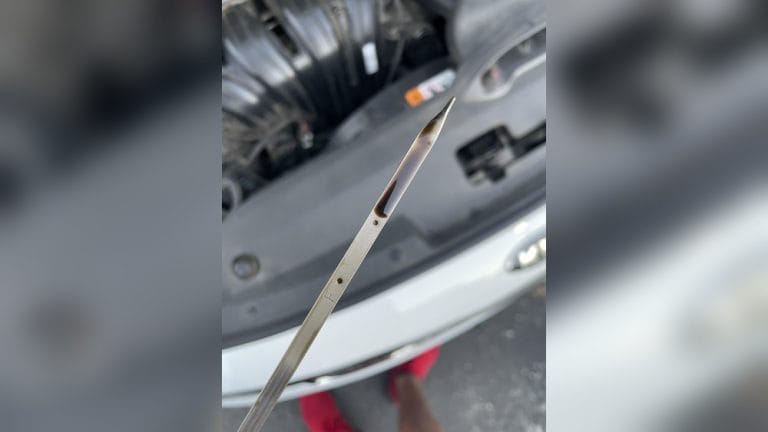
It can be really worrying when you notice your car’s engine oil level dropping. You check the dipstick, and it’s lower than it should be. This is a common problem many car owners face, and it often sparks concern.
You might wonder if something serious is wrong with your engine. Understanding why this happens is the first step to fixing it. We’ll explore all the likely reasons your engine oil is reducing.
This will help you feel more in control and know what to do next.
Engine oil keeps reducing primarily due to leaks or the engine burning oil. Leaks can happen at seals, gaskets, or the oil pan. Burning oil often results from worn piston rings, valve seals, or PCV systems.
Regular checks and prompt attention to any unusual symptoms are key.
Understanding Engine Oil Reduction
Engine oil is like the lifeblood of your car’s engine. It keeps parts moving smoothly. It also cools the engine and cleans away gunk.
When the oil level goes down between changes, it means something is happening to the oil. It’s either escaping the engine system or being used up by the engine itself.
Several things can cause this. Some are simple fixes. Others might point to bigger issues needing a mechanic’s touch.
Knowing the difference is important. It helps you decide how quickly you need to act. We’ll break down the common culprits so you can figure out what might be going on with your car.
The oil system in your car is a closed loop. Ideally, the oil stays inside the engine. It circulates to do its job.
If the level drops, that loop is broken. Oil is either escaping or being consumed. It’s not usually a sign that oil is simply “disappearing” into thin air.
Common Causes of Oil Leaks
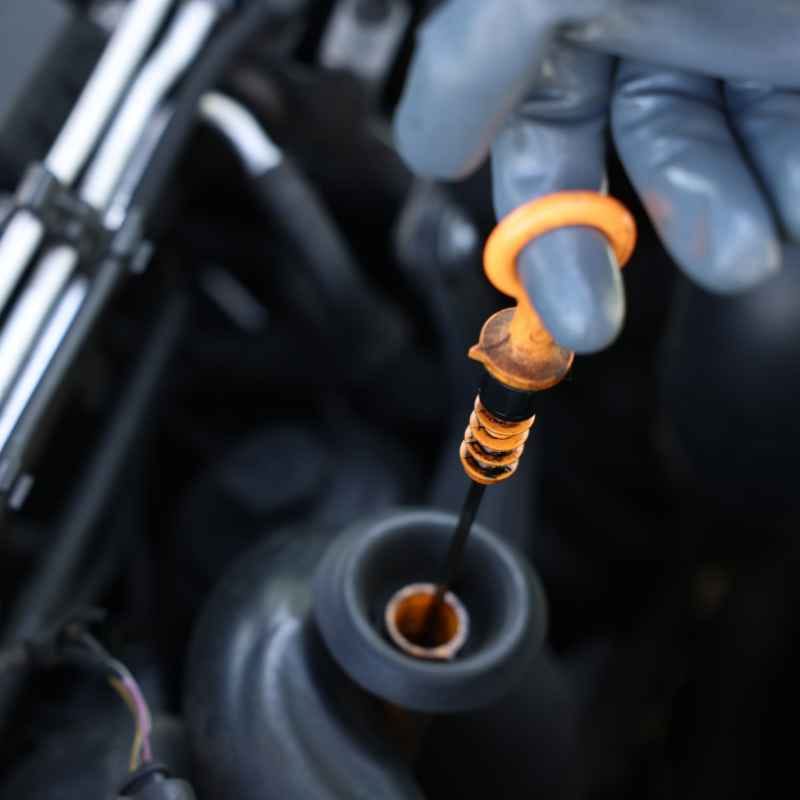
Oil leaks are one of the most frequent reasons for a low oil level. Your engine has many places where oil could potentially escape. These are often due to wear and tear over time or damage.
Think of seals and gaskets. They are like the rubber or cork rings that keep fluids from getting out. They seal different parts of the engine together.
When these get old, dry, or cracked, oil can seep through. This can start small and get worse.
Common leak spots include:
- Oil Pan Gasket: This seals the bottom of the engine.
- Valve Cover Gasket: Found on top of the engine.
- Crankshaft Seals: At the front and rear of the engine.
- Oil Filter: If not tightened properly or if the seal is bad.
- Oil Drain Plug: The plug you remove to change oil. It can loosen.
Sometimes, you’ll see oil spots under your car. This is a clear sign of a leak. The color of the spot is usually dark brown or black.
The location of the spot can help a mechanic guess where the leak is coming from.
It’s not always a dramatic drip. Sometimes, it’s just a slow seep. This can take a long time to noticeably lower the oil level.
But over weeks or months, it adds up. You might also smell burning oil if it drips onto hot engine parts.
My own experience with a leak was quite startling. I remember one hot summer day. I parked my car after a long drive. When I got out, I smelled something acrid.
It was that sharp, oily smell. I looked under the car and saw a dark puddle forming. My heart sank a little.
I checked the dipstick later, and it was indeed lower than I expected. It turned out to be a worn valve cover gasket. It was a messy but ultimately manageable fix.
When the Engine Actually Burns Oil
Besides leaking out, oil can also be consumed by the engine itself. This is often called “burning oil.” It means the oil is getting into the combustion chambers where it shouldn’t be. Then, it burns up with the fuel.
This usually happens when the engine’s internal seals and components are worn. The oil gets past them and into the cylinders. It’s a more serious issue than a simple leak, often indicating deeper engine wear.
Key areas where oil can enter the combustion chamber:
- Worn Piston Rings: These rings seal the piston to the cylinder wall. If they’re worn, oil can slip past them into the cylinder.
- Worn Valve Seals: These seals sit on the valve stems. They stop oil from flowing down the valve guides into the cylinder.
- Bad PCV System: The Positive Crankcase Ventilation (PCV) system manages gases in the engine. If it’s clogged, pressure can build up and force oil past seals.
When an engine burns oil, you might notice a few things. A common sign is blue smoke coming from the exhaust pipe. This is especially noticeable when you first start the car or when you accelerate.
The smoke is the oil burning.
The oil can also leave deposits on spark plugs. This can cause engine misfires and rough running. Your car might feel less powerful.
You could also notice an oily residue inside the exhaust pipe.
Burning oil is something you don’t want to ignore. It can lead to more engine damage over time. It also means your engine is not being lubricated properly.
This can cause parts to wear out faster.
I recall a friend whose old truck started smoking a lot. It wasn’t just a little puff. It was a consistent blue haze behind him.
He knew it was burning oil. He checked the oil level daily. He had to add a quart almost every other day.
Eventually, the engine needed a major overhaul because the wear was so significant.
Signs Your Engine is Burning Oil
Blue Exhaust Smoke: This is the most obvious sign. It looks like thin, light blue smoke. It might be more noticeable after idling or when you speed up.
Oily Spark Plugs: If you check your spark plugs, they might look oily or have black, sooty deposits. This affects how the spark plug works.
Unusual Smells: A burning oil smell can come from the exhaust. It’s different from a leak smell.
Increased Oil Consumption: You’re adding oil much more often than you should between scheduled oil changes.
Low Oil Level Due to Other Issues
While leaks and burning oil are the main culprits, a few other less common things can make your oil level drop.
Sometimes, the oil can get into the cooling system. This is usually a sign of a blown head gasket. The head gasket separates the oil passages from the coolant passages.
If it fails, oil can mix with the coolant. You might see a milky or foamy substance on your oil dipstick or in the coolant reservoir.
Another possibility is a faulty oil pressure sensor or sending unit. These parts monitor the oil pressure. If they fail, they might not accurately report the oil level.
However, they don’t directly cause the oil level to drop. They just might give you bad information about it.
Consider these less frequent causes:
- Head Gasket Failure: Oil mixes with coolant.
- Cracked Engine Block or Cylinder Head: Very rare, but can cause massive leaks.
- Faulty Oil Cooler: If your car has an external oil cooler, it could leak.
It’s also worth mentioning that very old oil can degrade. Over long periods without an oil change, oil can break down. It loses its protective properties.
However, this doesn’t usually cause a significant drop in level. It’s more about performance loss.
What if the oil is just old? If your oil hasn’t been changed in ages, it might seem lower. But this is more about contamination and thickening. It’s still critical to change it.
But the actual volume reduction might not be huge unless other issues are present.
How to Check Your Engine Oil
Knowing how to check your oil is a fundamental car maintenance skill. It helps you catch problems early. Doing this regularly is key to preventing bigger issues down the road.
First, make sure your car is parked on a level surface. This is very important. If the car is on a slope, your reading will be wrong.
It’s also best to check the oil when the engine is cold or has been off for at least 15 minutes. This lets the oil drain back into the oil pan.
Steps for checking engine oil:
- Open the Hood: Locate the hood release inside your car.
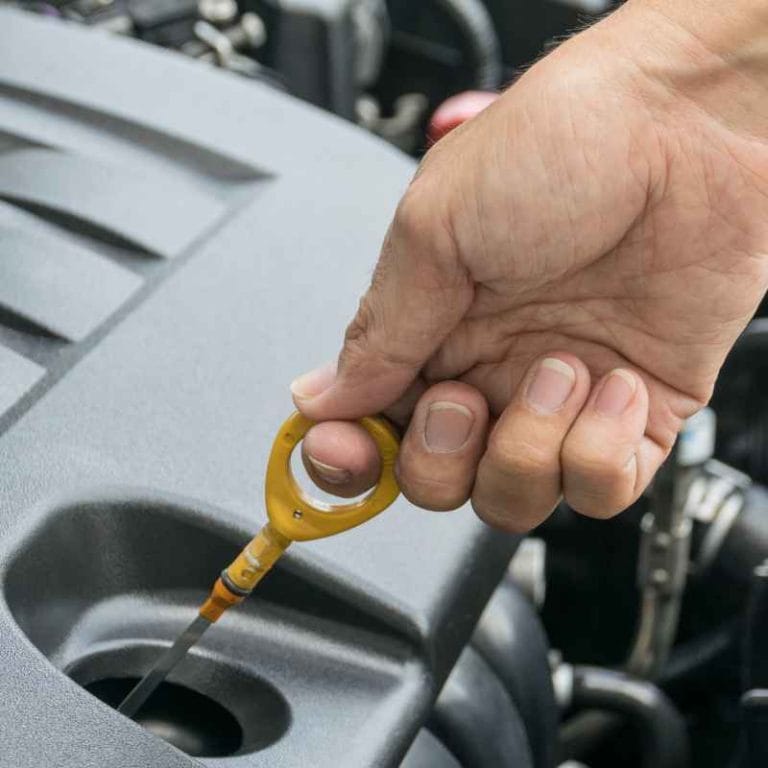
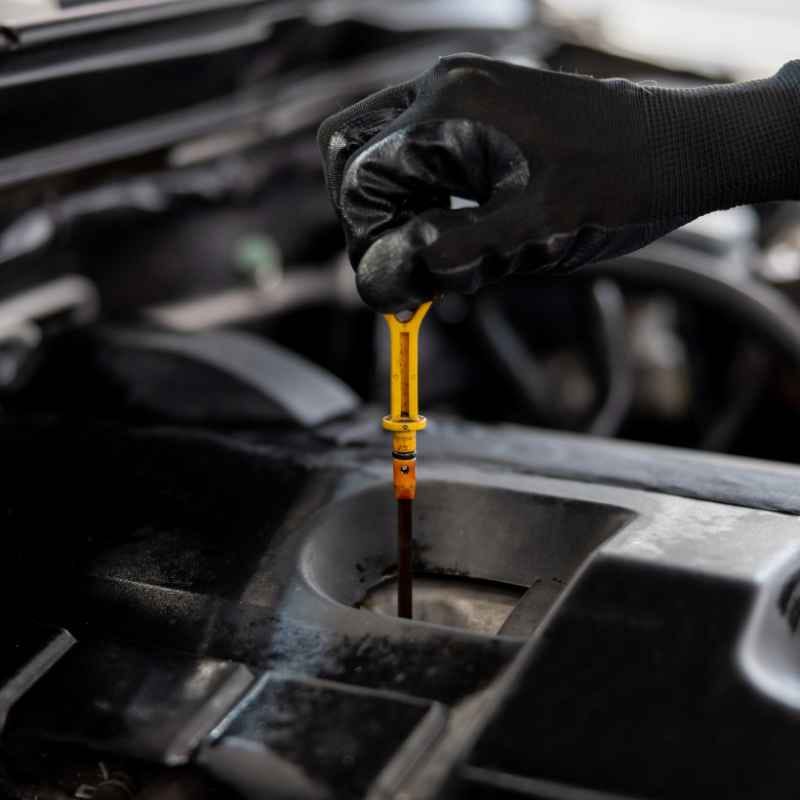
- Find the Dipstick: It usually has a bright-colored handle, often yellow or orange.
- Pull Out the Dipstick: Withdraw it fully.
- Wipe it Clean: Use a clean cloth or paper towel.
- Reinsert the Dipstick: Push it all the way back in.
- Pull it Out Again: Look at the oil level on the dipstick.
- Check the Markings: There are usually two marks or holes. One is the “low” mark, and the other is the “full” or “add” mark. The oil level should be between these two marks.
You’ll see the oil clinging to the end of the dipstick. The shiny, wet part shows the level. If it’s below the “low” mark, you need to add oil.
If it’s above the “full” mark, it might be overfilled, which is also bad.
What kind of oil to use? Always check your car’s owner’s manual. It will tell you the correct type and weight of oil for your engine. Using the wrong oil can cause damage.
I remember when I first learned to check my oil. It felt like a secret handshake for car owners. My dad showed me.
He said, “This is how you know if your car is thirsty.” It was a simple lesson, but it made me feel more connected to my car’s well-being.
Quick Oil Check Guide
- Surface: Always on level ground.
- Engine Temp: Cold or off for 15+ mins.
- Dipstick: Pull, wipe, reinsert, pull again.
- Level: Between “Low” and “Full” marks.
- Oil Color: Clean oil is amber. Dark or gritty means it’s old.
What Type of Oil Should You Use?
Using the correct engine oil is crucial. It’s not just about topping up; it’s about using the right stuff for your specific engine. Your car’s manufacturer specifies this for a reason.
The owner’s manual is your best friend here. It will list the recommended oil viscosity grade. This is usually shown as something like “5W-30” or “10W-40.” The “W” stands for winter.
The number before it tells how well the oil flows when cold. The number after tells how well it flows when hot.
Beyond viscosity, there are oil types: conventional, synthetic blend, and full synthetic. Full synthetic oils offer the best protection. They resist breaking down at high temperatures.
They also flow better in the cold.
Why does it matter?
- Protection: The right oil lubricates moving parts, reducing wear.
- Cooling: It helps carry heat away from engine parts.
- Cleaning: It suspends dirt and debris.
- Sealing: It helps create a seal between pistons and cylinder walls.
If you add the wrong type of oil, it might not lubricate effectively. It could also cause issues with seals or other engine components over time. In some modern cars with turbochargers or complex emissions systems, using the wrong oil can lead to serious damage or void your warranty.
When topping up oil between changes, try to use the same type and brand if possible. If you have to mix, ensure the viscosity grade is the same. Never mix conventional and full synthetic oil and expect the same performance.
It’s better to just use what’s recommended.
When is a Little Oil Loss Normal?
It’s important to know that some very small amount of oil consumption is considered normal for most engines. Engines are not perfectly sealed systems. Over time, a tiny bit of oil might get past piston rings or valve seals into the combustion chamber.
This is especially true for engines with higher mileage. As parts wear, these tiny gaps can widen. The amount is usually very small.
You might not even notice it between oil changes.
For example, your car might use about a quart of oil every few thousand miles. This is often within the manufacturer’s acceptable range. This is why you have an oil change interval, usually every 5,000 to 10,000 miles, depending on the car and oil type.
What is considered “normal” loss?
- Manufacturer Guidelines: Check your owner’s manual. It often states an acceptable oil consumption rate.
- Gradual Reduction: The oil level drops slowly over weeks or months.
- No Visible Leaks: No puddles under the car.
- No Blue Smoke: The exhaust looks normal.
So, if your oil level is just slightly below the full mark when you check it after a few thousand miles, it might not be a cause for alarm. But it’s always better to be safe than sorry.
I had a car once that always seemed to be a little low on oil by the time I was due for a change. I’d add about half a quart. The mechanic always said it was normal for that model.
It was comforting to know it wasn’t a sign of imminent failure, just part of its character.
When to Worry About Low Engine Oil
While some oil loss can be normal, there are clear signs that indicate a serious problem. You need to pay attention to these warnings.
Red flags that mean you should worry:
- Rapid Oil Level Drop: If the oil level drops significantly in a short time (e.g., a quart in a week or two).
- Visible Leaks: Puddles under your car, especially if they are large.
- Blue Smoke from Exhaust: This is a strong sign of burning oil.
- Oil Light Illuminates: The oil pressure warning light on your dashboard comes on. This is a critical warning. Stop the car safely as soon as you can.
- Engine Overheating: Low oil can lead to increased friction and heat.
- Strange Noises: Knocking or grinding sounds from the engine can indicate lack of lubrication.
- Milky Oil or Coolant: Signs of oil mixing with coolant.
If your oil pressure light comes on, it means your engine isn’t getting enough oil to protect its parts. Driving with low oil pressure can destroy your engine very quickly. It’s like trying to run a marathon without water.
You have to stop immediately.
Even if the oil light doesn’t come on, a fast drop in oil level or blue smoke is a big warning. It means the engine is consuming oil or leaking it at a rate that needs attention. Ignoring these signs can lead to very expensive repairs.
I learned this the hard way with a previous car. I noticed the oil was a bit low. I kept telling myself, “I’ll top it up next week.” Then, one day, the engine started making a terrible knocking sound.
It turned out I had driven too long with insufficient oil. The engine suffered permanent damage. It was a very costly lesson in not delaying simple checks.
Critical Warning Signs
Oil Pressure Light: STOP DRIVING IMMEDIATELY. This is an emergency.
Sudden Oil Level Drop: More than a quart in a month usually warrants investigation.
Heavy Blue Smoke: Indicates serious oil burning.
Loud Engine Noises: Knocking or grinding means parts are not lubricated.
Checking for Leaks
Detecting oil leaks is key to understanding why your oil level is dropping. It involves a bit of detective work, but it’s often quite straightforward.
Visual Inspection is First:
- Look Under the Car: After it’s been parked for a while, check the ground for oil spots. Note their color and size.
- Inspect the Engine Bay: With the engine off and cool, use a flashlight. Look for wet spots or fresh oil residue on engine parts. Pay attention to the areas where gaskets and seals are located.
- Check the Oil Pan: This is at the bottom. Look for oil around its edges or the drain plug.
- Examine the Oil Filter: Make sure it’s snug and not leaking oil around its seal.
What to Look For:
- Fresh Oil: Shiny, wet-looking oil indicates a current leak.
- Grime and Dirt: Leaks often attract dirt, making the area look greasy and dark.
- Drips: Small drips can form larger puddles over time.
- Smell: A burning oil smell can pinpoint areas where oil is hitting hot engine parts.
If you see oil on the outside of the engine, try to trace it upwards to find the source. It might be a leaking gasket or a worn seal. Sometimes, a mechanic might use a special UV dye.
You add it to the oil. Then, they use a UV light to find even tiny leaks.
DIY Leak Detection Tips:
- Park on Cardboard: Place a large piece of clean cardboard under your car overnight. Any drips will show up clearly on it.
- Clean the Engine Bay: If you’re comfortable, you can gently clean greasy areas. This makes it easier to see where new oil is appearing.
I once found a leak on my own by following the trail of grime. It started small, a little oily film on the transmission. I traced it up.
It led to a leaky rear main seal. It was a big job, but knowing where it was helped me prepare for the repair.
Checking for Oil Burning
Determining if your engine is burning oil is a bit different from checking for leaks. It’s more about observing the engine’s behavior and exhaust.
Key Indicators of Burning Oil:
- Exhaust Smoke: As mentioned, blue smoke is the primary sign. Watch your exhaust, especially when you first start the car, after idling, or when you accelerate.
- Oil Consumption Rate: Keep a log of how much oil you add between oil changes. If you’re adding more than a quart every few thousand miles, it’s a concern.
- Spark Plug Condition: If you’re comfortable removing and inspecting spark plugs, look for oily deposits on the electrode.
- Engine Performance: Loss of power, rough idling, or misfires can sometimes be linked to oil burning.
- Smell: A persistent burning oil smell from the exhaust system.
DIY Checks for Burning Oil:
- Observe Exhaust: Park your car and let it idle. Then rev the engine slightly. Watch the exhaust. Normal exhaust is clear or slightly white steam (especially in cold weather). Blue smoke is the key sign.
- Check Oil Level Regularly: Do this at every fuel stop. A consistently low level without visible leaks points to consumption.
- Monitor Oil Changes: Note how much oil is in your engine at each oil change. If it seems consistently low, the engine is using it.
If you suspect your engine is burning oil, it’s best to get it checked by a mechanic. They can perform tests to pinpoint the exact cause, whether it’s worn rings, valve seals, or something else. Early diagnosis can sometimes prevent more severe damage.
I remember a friend who had an older performance car. It was known to use a bit of oil. He was used to topping it up.
But one day, he noticed a thick, dark smoke coming from his tailpipe. It wasn’t the usual light blue. It was heavy and dark.
That’s when he knew it was more serious than just normal consumption. He had a valve stem seal fail catastrophically.
Oil Burning vs. Oil Leaking
Oil Burning:
- Sign: Blue smoke from exhaust.
- Result: Oil is consumed by the engine.
- Cause: Worn internal engine parts (rings, seals).
Oil Leaking:
- Sign: Puddles under car, visible oil on engine parts.
- Result: Oil escapes the engine system.
- Cause: Worn external seals, gaskets, or loose parts.
What To Do If Your Oil Level is Low
If you discover your engine oil level is low, don’t panic. Take a deep breath and follow these steps. The immediate action depends on how low it is and whether the oil warning light is on.
If the Oil Warning Light is ON:
This is an emergency. Stop driving as soon as it is safe to do so. Pull over to the side of the road. Turn off the engine.
Driving with low oil pressure can cause catastrophic engine failure. Call for a tow truck. Do not attempt to drive it further.
If the Oil Level is LOW but the Warning Light is OFF:
This means your oil level has dropped, but there’s still enough oil pressure for now. You can likely drive to a safe place or a mechanic. But you need to address it promptly.
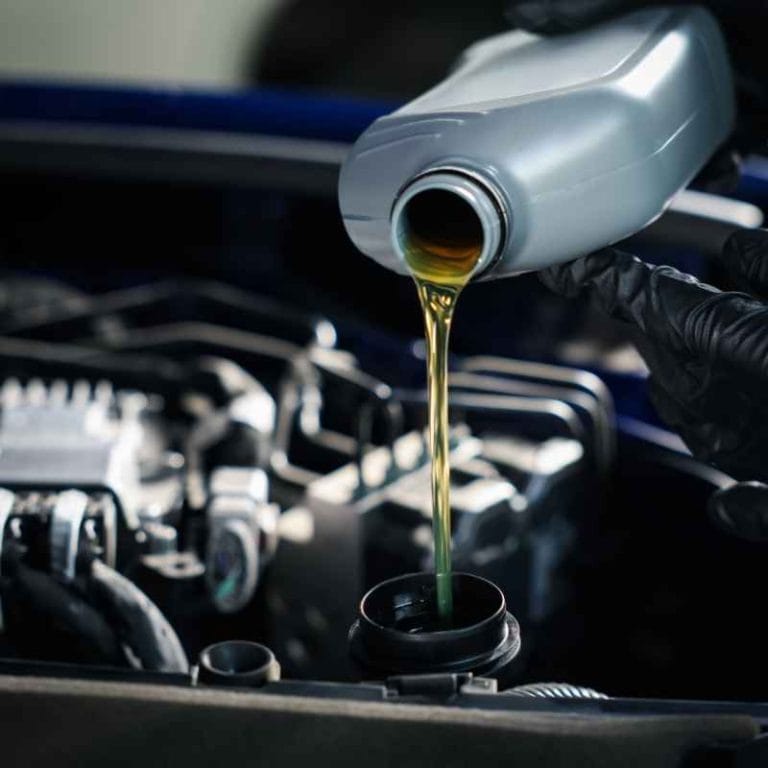
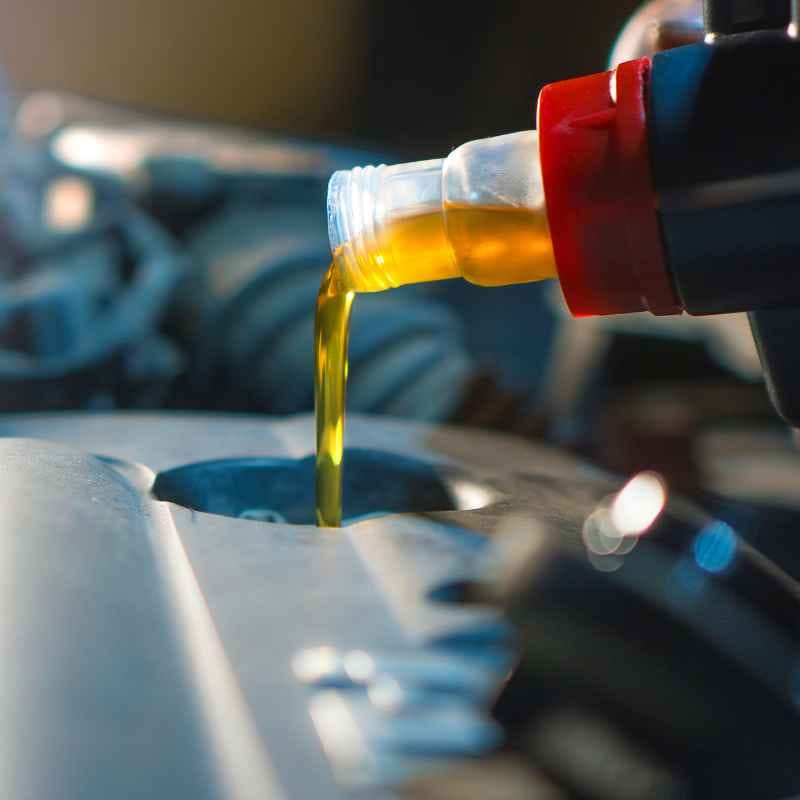
- Add the Correct Oil: Get the right type and weight of oil for your car. Check your owner’s manual. Buy a quart or two.
- Add Oil Slowly: Add about half a quart at a time. Wait a few minutes for it to settle.
- Re-check the Dipstick: See where the level is. Add more small amounts until it reaches the “full” mark. Do not overfill.
- Monitor Closely: After adding oil, keep a very close eye on the oil level over the next few days. Check it every time you fuel up.
- Schedule a Mechanic Check: Even if you add oil, you need to find out why it’s going down. Schedule an appointment with a trusted mechanic. They can inspect for leaks or signs of oil burning.
It’s important to know that simply adding oil doesn’t fix the underlying problem. It’s a temporary measure to keep the engine safe until you can get it properly diagnosed and repaired.
I once found my oil very low on a road trip. The light wasn’t on, but it was well below the minimum mark. I found a nearby auto parts store.
I bought the correct oil. I carefully added it in stages, checking the dipstick each time. It took almost a full quart.
I felt much better driving again. Then, I made sure to get it checked out when I got home.
Simple Checks and Maintenance Tips
Preventing oil loss and keeping your engine healthy involves regular checks and good maintenance habits. These aren’t complicated tasks, but they make a big difference.
Regular Oil Level Checks: Make this a habit. Check your oil level at least once a month, or more often if you have an older car or notice any issues. It takes only a couple of minutes.
Scheduled Oil Changes: Stick to the recommended oil change intervals. Using fresh oil is vital. Old oil breaks down and loses its protective qualities.
It also collects more debris.
Use the Right Oil: Always use the oil type and viscosity recommended in your owner’s manual. Using the wrong oil can cause harm.
Inspect for Leaks: When you check your oil, take a moment to glance under the car and under the hood for any signs of new oil spots or wetness.
Listen to Your Car: Pay attention to any new sounds your engine makes, or changes in how it runs. These could be early warnings.
Address Warning Lights: Never ignore dashboard warning lights, especially the oil pressure light. They are there for a reason.
Keep Records: Keep track of your oil changes and any repairs. This helps you and your mechanic understand your car’s history.
A little proactive care goes a long way. Most people don’t think about their oil until there’s a problem. But a few minutes of your time can save you hundreds or thousands of dollars in future repairs.
My neighbor, an old mechanic, always said, “An ounce of prevention is worth a pound of cure.” He meant that taking small steps regularly prevents big headaches later. He lived by that with his own cars, and they ran like tops well into their old age.
Proactive Care Checklist
- Monthly Oil Checks: Always on level ground.
- Follow Oil Change Schedule: Use recommended intervals.
- Use Manufacturer-Approved Oil: Check your manual.
- Inspect for Leaks: Quick look under car and hood.
- Note Engine Sounds: Any new noises?
When to See a Mechanic
While you can do some basic checks yourself, there are times when you absolutely need a professional. Mechanics have the tools, knowledge, and experience to diagnose and fix complex issues.
You should see a mechanic if:
- The oil warning light comes on. This is critical.
- You see significant oil leaks. If you can’t find the source or it’s substantial.
- You notice persistent blue smoke from the exhaust. This indicates oil burning.
- Your engine makes unusual noises (knocking, grinding).
- Your car’s performance has dropped noticeably (loss of power, rough idling).
- You’ve added oil, but the level keeps dropping rapidly.
- You see oil mixed with coolant (milky residue).
- You’re unsure about the cause of the oil reduction.
Mechanics can perform pressure tests, leak detection with dyes, and internal engine inspections to find the root cause. They can also advise on the best course of action, whether it’s replacing a gasket, seals, or performing more extensive engine work.
Don’t delay getting these issues looked at. The sooner you address a problem, the less likely it is to cause secondary, more costly damage. A wise investment in a mechanic’s diagnosis can save you a fortune in the long run.
I’ve learned that sometimes, admitting you don’t know is the smartest thing you can do. When I was younger, I tried to fix everything myself. But a few times, I made things worse.
Now, for anything beyond basic checks or fluid top-offs, I trust my mechanic. It’s worth the peace of mind and often the cost savings.
Frequently Asked Questions
Why does my car smell like burning oil?
A burning oil smell often means oil is dripping onto hot engine parts, like the exhaust manifold. This could be due to a leaky gasket, seal, or even a loose oil filter. If you smell it, check for visible leaks and get it inspected soon.
Can I drive my car with low oil?
It’s highly risky. If the oil pressure warning light is on, stop driving immediately. If the level is just low but the light is off, you can drive cautiously to a safe place or a mechanic.
However, driving with insufficient oil greatly increases the risk of severe engine damage.
How much oil should I add if it’s low?
Add oil in small increments, like half a quart at a time. Wait a few minutes for the oil to settle in the pan. Then, re-check the dipstick.
Repeat until the oil level is between the “low” and “full” marks. Never overfill your engine.
What is the difference between oil leaks and burning oil?
Oil leaks are when oil escapes the engine externally, often seen as puddles under the car or wet spots on the engine. Burning oil means oil is entering the combustion chamber and being burned, usually indicated by blue smoke from the exhaust.
Is it normal for a new car to use oil?
Some new cars might consume a very small amount of oil during their break-in period. However, significant oil loss or visible issues are not normal for a new vehicle. If you notice this, contact your dealership immediately.
How often should I check my oil if I suspect a problem?
If you suspect a leak or burning oil, check your oil level every time you refuel your car. This allows you to catch any rapid drops in level quickly and take appropriate action before serious damage occurs.
Conclusion
Noticing your engine oil reducing can be unnerving. But by understanding the common causes like leaks and oil burning, you can feel more prepared. Regular checks and prompt attention to warning signs are your best tools.
Keeping your car’s oil topped up and healthy ensures it runs smoothly and reliably for years to come. Don’t hesitate to seek professional help when needed.
Products related to this article
Sponsored / affiliate links. As an Amazon Associate I earn from qualifying purchases. I may earn additional commission from eligible campaigns.