How Much Is A Car Engine Oil Change? Full Cost Breakdown
A typical car engine oil change can cost anywhere from $50 to $150. This price depends on many things, like the type of oil, your car’s make and model, and whether you do it yourself or go to a shop.
Understanding the Cost of an Engine Oil Change
An engine oil change is vital for your car’s health. It keeps the engine parts moving smoothly. Clean oil prevents wear and tear.
It also helps your engine run cooler. Old oil loses its ability to do these jobs. That’s why changing it is a must.
The price tag for an oil change might seem to vary a lot. This is because several factors play a role. Think of it like buying groceries.
Some items cost more than others. For your car, the biggest cost drivers are the oil itself and the labor involved.
We’ll look at why these costs change. We’ll also discuss how to get the best value. Knowing these things helps you budget better.
It also helps you keep your car running its best for longer.
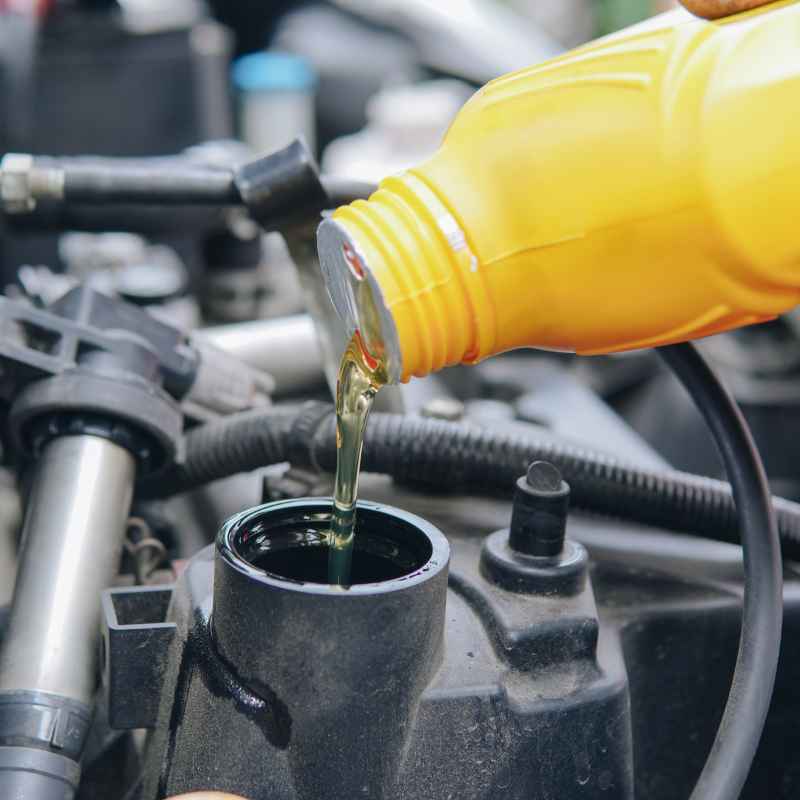
The Experience of Getting an Oil Change
I remember my first car, a little used sedan. I was so proud of it. But I also knew nothing about keeping it running.
The check engine light came on one Tuesday morning. I panicked. I thought it was something huge and expensive.
I called a friend who knew cars.
She calmed me down. She said it was probably just the oil light. “Have you changed the oil recently?” she asked.
I hadn’t. I had no idea when it was last done. She told me to take it to a local shop right away.
I drove there, feeling nervous. The mechanic came out and smiled. He said it was indeed time for an oil change.
He told me the cost. It felt reasonable. He explained what he was doing.
He showed me the old, dark oil. He showed me the shiny new oil. It made sense then.
It wasn’t a big scary problem. It was just routine care.
That experience taught me a lot. It showed me that regular maintenance is key. It also showed me that mechanics can explain things clearly.
It took away some of the mystery. Now, I pay attention to my car’s needs. I know that an oil change is an investment in my car’s life.
Oil Change Cost: DIY vs. Professional
Doing it Yourself:
- Pros: Saves money on labor. You learn more about your car.
- Cons: Requires tools and a safe space. Messy. You handle disposal.
- Typical Cost: $25 – $60 (for oil and filter)
Going to a Professional:
- Pros: Convenient and quick. Professionals have the right tools. They handle disposal.
- Cons: Higher cost due to labor and shop overhead.
- Typical Cost: $50 – $150+
Breaking Down the Costs: What You Actually Pay For
When you go to a shop, your bill has a few parts. Understanding these helps you see where your money goes. It’s not just one lump sum.
There are distinct costs.
The Cost of Engine Oil
Engine oil is the main ingredient. Its price varies. There are different types of oil.
These are conventional, synthetic blend, and full synthetic. Each has a different price point. Conventional oil is the cheapest.
Motor Oil? Full List” target=”_blank” rel=”noopener” data-wpil-monitor-id=”7205″>Full synthetic oil is the most expensive. It offers the best protection. It also lasts longer.
Your car’s owner manual tells you what oil to use. Most cars today need synthetic or a blend. This is to handle modern engine demands.
High-performance engines often need special oils too. These can add to the cost. The amount of oil your car needs also matters.
Most cars take between 4 and 6 quarts.
Quick Scan: Oil Types and Their Impact on Cost
Conventional Oil:
- Price: Lowest
- Use: Older vehicles, less demanding engines.
- Change Interval: Shorter (e.g., 3,000-5,000 miles)
Synthetic Blend Oil:
- Price: Mid-range
- Use: Good balance for many modern cars.
- Change Interval: Medium (e.g., 5,000-7,500 miles)
Full Synthetic Oil:
- Price: Highest
- Use: High-performance, luxury, or extreme condition vehicles.
- Change Interval: Longest (e.g., 7,500-15,000 miles)
The Price of an Oil Filter
An oil filter is like a small kidney for your engine. It catches dirt and debris. This keeps the oil clean.
The filter needs to be
Some shops might use cheaper filters. These might not protect your engine as well. It’s good to ask what brand of filter they use.
Or, if you do it yourself, buy a reputable brand.
Labor Costs: The Biggest Variable
This is often the biggest part of the bill. Labor covers the mechanic’s time. It includes their expertise and the use of their tools.
For a simple oil change, labor is usually a flat fee. Or it’s part of a package deal. This can range from $10 to $40.
For more complex jobs, labor is charged by the hour.
Some shops might have special deals. They might offer an oil change for a low price. But then they might try to sell you other services.
This is called upselling. Be aware of this. It’s good to compare prices from different places.
Shop Fees and Other Charges
Some shops add small fees. These can be for things like “shop supplies” or “environmental disposal.” These fees are usually small. They might add a few dollars to your bill.
They help cover the costs of running the business. Always check your bill to see what these fees are.
Factors That Affect Oil Change Prices
We’ve touched on this, but let’s dig a bit deeper. Why does one place charge more than another for the same basic service?
Car Make and Model
Some cars are more complex than others. For example, some luxury cars or SUVs have filters in hard-to-reach places. This can take more time for the mechanic.
It might require special tools. This can increase the labor cost. Also, some high-end cars require very specific, expensive synthetic oils.
Even within brands, there can be differences. A small compact car might have an easier oil change than a large truck. The type of engine also matters.
Some engines need more oil than others.
Type of Oil Recommended
As we discussed, synthetic oils cost more than conventional ones. Many modern cars are designed to use full synthetic oil. This is because it provides better lubrication.
It also handles higher temperatures and pressures. So, if your car requires full synthetic, your oil change will naturally cost more.
For example, a car needing 5 quarts of full synthetic oil at $10 per quart will have an Motor Oil At Walmart? Prices Revealed” target=”_blank” rel=”noopener” data-wpil-monitor-id=”7207″>oil cost
of $50 alone. Compare this to a car needing conventional oil at $5 per quart, costing $25 for the same amount.Location of the Service Center
Where you get your oil changed can also influence the price. Shops in major cities or high-cost-of-living areas often charge more. This is to cover their higher operating expenses.
Rent, utilities, and wages are all higher in these places.
A dealership might also charge more than an independent mechanic. Dealerships often have higher overhead. But they may also offer specialized service for your specific car brand.
You’re often paying for the brand name and the specialized training of their technicians.
Service Packages and Add-ons
Many places offer oil change packages. These might include tire rotation, a multi-point inspection, or fluid top-offs. These can offer good value if you need those services.
But if you don’t, they might increase the overall cost unnecessarily. Always ask what is included in a package.
Beware of unnecessary add-ons. Things like fuel system cleaners or engine flushes might be suggested. They are not always needed.
They can add significant cost. Only agree to services you feel are truly necessary for your car.
Myth vs. Reality: Oil Change Myths Debunked
Myth: You need an oil change every 3,000 miles, no matter what.
Reality: Modern cars and synthetic oils allow for longer intervals. Check your owner’s manual for the correct mileage or time recommendations.
Myth: All oil changes are the same price.
Reality: Prices vary widely based on oil type, car model, location, and whether it’s DIY or professional.
Myth: Cheap oil is just as good as expensive synthetic oil.
Reality: Synthetic oils offer superior protection and performance, especially in extreme temperatures and for longer intervals. They are worth the extra cost for many vehicles.
Doing It Yourself: The Ultimate Cost Saver?
If you’re handy with tools, changing your own oil can save you money. It takes time and effort, but the savings can be significant. Let’s look at what you need and how the costs add up.
What You Need for a DIY Oil Change
First, you’ll need the right oil. Check your owner’s manual for the type and amount. You’ll also need a new oil filter.
Make sure it’s the correct one for your car.
Next, the tools. You’ll need a wrench for the drain plug. You’ll also need a filter wrench to remove the old filter.
A drain pan is essential for catching the old oil. You’ll also want gloves and rags to keep clean. Ramps or a jack and jack stands are needed to safely lift your car.
DIY Cost Breakdown
The cost of oil can range from $25 to $60 for a few quarts, depending on the type. An oil filter typically costs $5 to $15. If you don’t have the tools, you might spend $50 to $100 on a basic tool kit.
Ramps can cost around $30 to $70.
So, for your first DIY oil change, the upfront cost might be higher if you need to buy tools. But after that, you only pay for the oil and filter. This usually keeps each subsequent oil change under $30.
Disposal of Old Oil
This is an important step. You cannot just pour old oil down the drain or on the ground. It’s harmful to the environment.
Most auto parts stores and service centers accept used motor oil for recycling. Some local recycling centers also take it. There is usually no charge for this.
Make sure to research where you can take it in your area.
When Is It Time for an Oil Change?
Knowing when to change your oil is crucial. Ignoring this can lead to serious engine damage. There are two main ways to know: by mileage and by time.
Mileage Recommendations
Your car’s owner’s manual is your best friend here. It will tell you the recommended mileage interval for oil changes. For older cars, this might be every 3,000 to 5,000 miles.
Newer cars, especially those using synthetic oil, can often go 7,500 miles or even more.
Some modern cars have an oil life monitoring system. This system tracks how you drive. It considers factors like temperature and engine load.
It will tell you when the oil needs changing. It’s usually displayed on your dashboard. These systems are quite accurate.
Time Recommendations
Even if you don’t drive much, oil degrades over time. It can become contaminated with moisture and acids. Most manufacturers recommend changing your oil at least once a year, even if you haven’t reached the mileage limit.
If you drive in harsh conditions – like lots of short trips, stop-and-go traffic, or extreme temperatures – you might need to change your oil more often. Your owner’s manual will usually have specific advice for these conditions.
Observational Flow: Oil Change Triggers
Start: Car bought new or used.
Step 1: Check owner’s manual for oil type and change interval.
Step 2: Note the current mileage and date.
Step 3: Monitor mileage. Count down to recommended interval (e.g., 5,000 miles).
Step 4: Monitor calendar. If mileage interval isn’t met, aim for at least 12 months.
Step 5: Consider driving conditions. Harsh conditions may mean shorter intervals.
Step 6: Check for dashboard oil life indicator. Follow its guidance.
Step 7: Schedule appointment or gather supplies for DIY change.
Step 8: Perform oil change. Record new mileage and date.
End: Car is now protected with fresh oil.
What This Means for You: Making Smart Choices
Understanding the costs and factors involved helps you make informed decisions. You can choose the most cost-effective option for your situation.
When is a Professional Oil Change Worth It?
If you value your time, a professional oil change is worth the extra cost. It’s also a good choice if you don’t have the tools or a safe place to do it yourself. Many people prefer to have it done by professionals because they trust their expertise.
They know it will be done right.
Dealerships can be pricier, but they offer specific expertise for your car brand. Larger chains like Jiffy Lube or Valvoline offer a balance of convenience and cost. Independent mechanics can sometimes offer the best prices if you find a trustworthy one.
When Is DIY the Better Option?
If you’re on a tight budget and have the time, DIY is the way to go. It’s a great way to save money. It also builds your confidence with car maintenance.
Once you’ve done it a few times, it becomes very easy. You’ll save $25-$100 each time you do it yourself.
Comparing Costs Over Time
Let’s say a professional oil change costs $100. If you do it twice a year, that’s $200 annually. If you do it yourself and spend $30 per oil change (including initial tool costs spread out), that’s $60 annually.
That’s a saving of $140 a year. Over five years, that’s $700 saved.
It’s important to remember that quality matters. Don’t sacrifice engine protection just to save a few dollars. Using the wrong oil or filter can lead to costly repairs down the line.
For example, a modern engine might require full synthetic oil. Using conventional oil could lead to premature wear.
Quick Check: Is Your Oil Okay?
Check the Dipstick:
- Color: New oil is amber. Used oil gets dark brown or black. It might look gritty if it has a lot of dirt.
- Level: Ensure it’s between the “low” and “full” marks.
- Smell: If it smells burnt, it might be time for a change.
Listen to Your Engine:
- Noise: If your engine sounds louder or rougher than usual, it could be due to old oil.
Note Dashboard Lights:
- Oil Light: If the oil pressure light or oil level light comes on, stop driving and check your oil immediately.
Quick Fixes & Tips for Saving Money
There are always ways to be smart about car maintenance costs. Here are some tips to help you save on your next oil change.
- Look for Coupons and Deals: Many service centers offer coupons. Check their websites or local flyers. Some offer discounts for first-time customers.
- Join Loyalty Programs: Some shops have programs where you get a free oil change after a certain number of paid ones.
- Consider Independent Shops: Independent mechanics often have lower overhead than dealerships. They can sometimes offer lower prices.
- Bundle Services: If you need other services like tire rotation or an inspection, ask if they can be bundled with your oil change for a package deal.
- Ask About Your Car’s Needs: Make sure you know exactly what type of oil and filter your car needs. Don’t let them sell you something more expensive if it’s not necessary.
- DIY Filter Changes: If you’re comfortable, you could change just the filter yourself between full oil changes, but this is uncommon and not generally recommended by manufacturers. Stick to the full recommended service.
- Schedule Appointments: Sometimes, scheduling your appointment in advance can help you get a better time slot or even a slightly better price, as they can plan their workload.
Frequent Questions About Oil Change Costs
What is the average cost for a standard oil change?
The average cost for a standard oil change typically falls between $50 and $100. This usually includes conventional oil, a standard filter, and labor for most common vehicles.
How much does a synthetic oil change cost compared to conventional?
A synthetic oil change can cost $20 to $50 more than a conventional one. Full synthetic oil itself is more expensive per quart, and it generally requires a more specialized filter.
Are dealership oil changes more expensive?
Yes, dealership oil changes are often more expensive. They tend to charge more for labor and may use premium parts. However, they offer specialized service for your car’s brand.
How much do I save by changing my own oil?
By changing your own oil, you can save around $50 to $70 per service. This is because you only pay for the oil and filter, avoiding labor costs. The initial investment in tools might be higher, though.
Does the oil filter type affect the cost of an oil change?
Yes, the oil filter type can affect the cost. While most standard filters are inexpensive, some high-performance or specialized filters for certain vehicles can be more costly.
Are there hidden fees in oil change costs?
Sometimes. Be aware of potential “shop supply” or “environmental disposal” fees. These are usually small but can add a few dollars to your bill.
Always ask for a clear breakdown of the charges.
What is an oil life monitoring system and how does it affect when I change my oil?
An oil life monitoring system tracks your driving habits and engine conditions to estimate when your oil needs changing. It often allows for longer intervals than older mileage-based recommendations, so you change your oil based on actual need, potentially saving money over time.
Conclusion
Understanding the cost of an engine oil change involves looking at oil types, filters, and labor. Whether you go the DIY route or choose a professional service, knowing these factors empowers you. It helps you make the best choice for your car and your wallet.
Regular oil changes are key to a healthy, long-lasting engine.
Related pick: Check today's price on Amazon
Products related to this article
Sponsored / affiliate links. As an Amazon Associate I earn from qualifying purchases. I may earn additional commission from eligible campaigns.