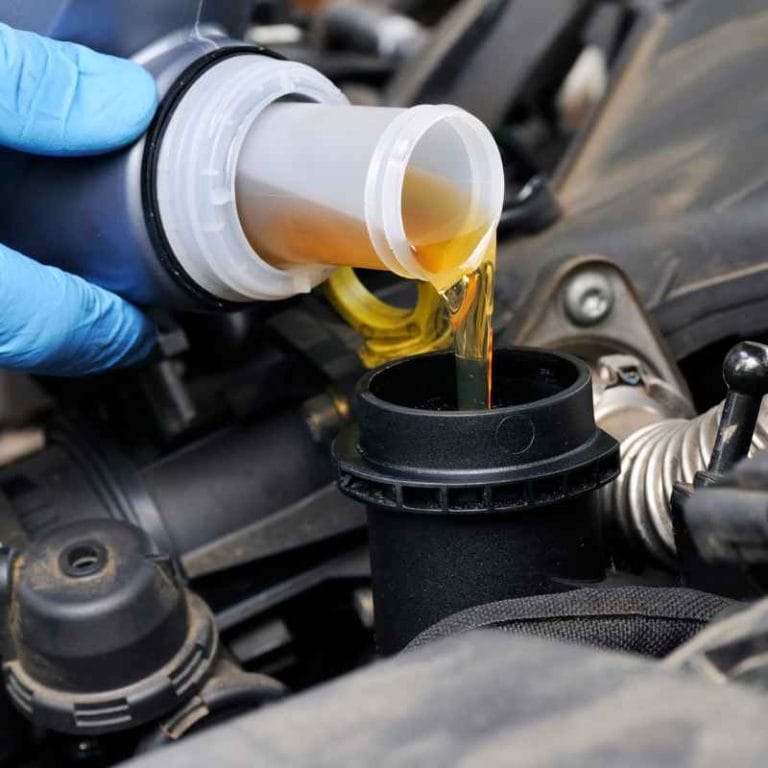
Best Oil for a Car Engine in 2026: Top Picks Ranked
Mobil 1 Extended Performance leads 2026 with a 20,000-mile drain interval and full API SP certification — the safest default pick for most everyday cars.
This guide ranks top picks by mileage, budget, and climate so you can match one to your exact car.
The best oil for a car engine depends on your specific vehicle’s needs and manufacturer recommendations. Generally, synthetic oil offers superior protection and performance across a wider temperature range compared to conventional oil, making it a top choice for many modern vehicles. Always check your owner’s manual for the exact oil viscosity (e.g., 5W-30) and specification required.
Understanding Engine Oil
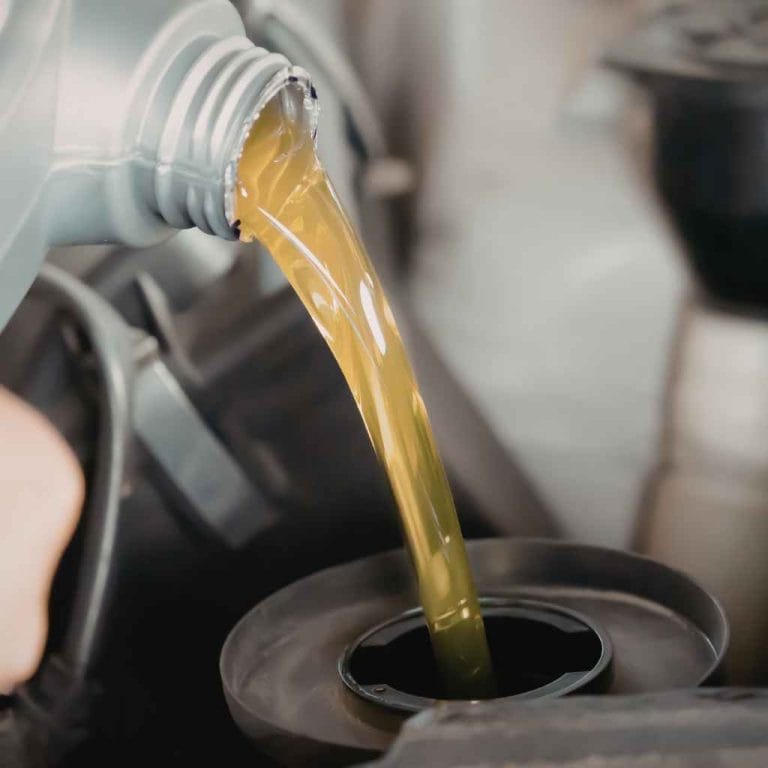
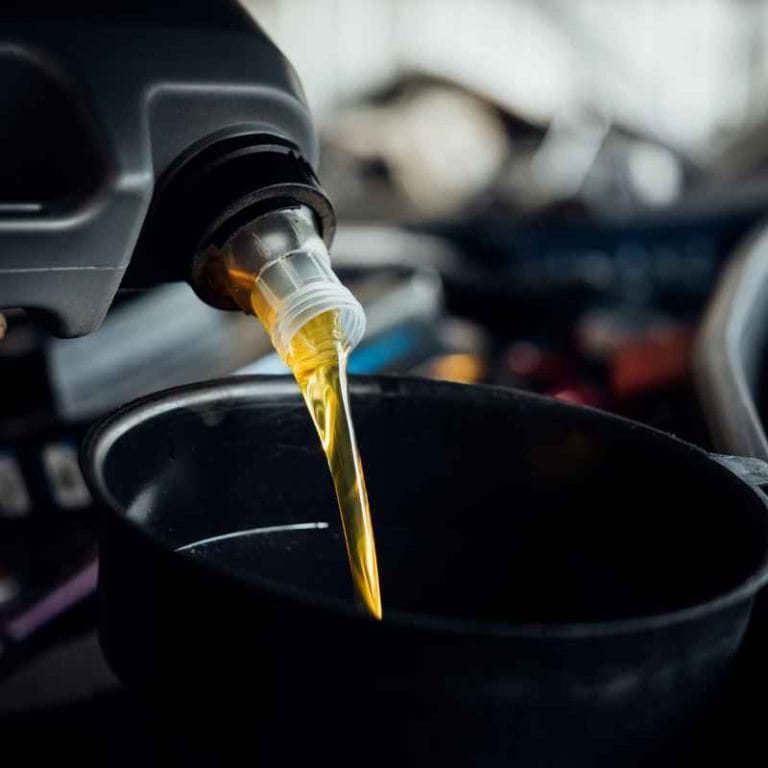
Motor oil is like the lifeblood of your car’s engine. It does a lot of important jobs. First, it lubricates moving parts.
Mobil 1 Extended Performance Full Synthetic 5W-30 (5 Qt) — $26.97
The overall #1 pick this guide ranks first — a 20,000-mile drain interval and full API SP/ILSAC GF-6A certification make it the safest default for most everyday cars.
- Best for: Everyday drivers who want one reliable oil without researching viscosity specs themselves
- Why picked: Longest drain interval of the mainstream brands compared in this guide, at a mid-range price
- Main drawback: High-mileage engines (75,000+ miles) do better with a dedicated high-mileage formula instead
This stops them from rubbing together. It also reduces wear and tear. Think of it as a slippery layer everywhere.
This layer keeps metal pieces from grinding. That’s crucial for the engine’s life.
Oil also helps cool the engine. Engines get very hot when they run. The oil moves heat away from hot spots.
It carries this heat to the oil pan. Then, the oil cools down. This prevents the engine from overheating.
Overheating can cause serious damage. It’s a big problem for any car.
Another key job is cleaning. Engines build up gunk over time. This is called sludge.
Oil picks up this dirt and small particles. It keeps them suspended. Then, the oil filter catches these bits.
Clean oil means a cleaner engine. A cleaner engine runs better. It lasts longer too.
Oil also protects against corrosion. Metal parts inside the engine can rust. This happens when they meet water or air.
Oil forms a barrier. This barrier stops these elements from reaching the metal. It keeps the engine parts in good shape.
Finally, oil helps seal moving parts. This is important for things like pistons. They move up and down fast.
Oil helps create a good seal. This seal helps the engine perform at its best. It makes sure all the power gets used.

Types of Engine Oil
There are a few main types of engine oil. They all do the same basic jobs. But they do them differently.
They also have different strengths. Knowing these types helps you choose wisely.
Conventional Oil
This is the oldest type of motor oil. It’s made from refined crude oil. It’s been used for a long time.
Conventional oil is usually less expensive. It works well for older cars. It also works for cars that don’t put a lot of stress on the engine.
Think of a car that mostly drives short trips. Or a car that isn’t driven hard.
However, conventional oil breaks down faster. It doesn’t perform as well in extreme temperatures. Both very cold and very hot weather can be tough.
In the cold, it can get thick. This makes starting the engine harder. In the heat, it can become thinner.
This means less protection.
Synthetic Oil
Synthetic oil is made in a lab. It’s engineered for peak performance. It starts with a base oil.
Then, chemicals are added. These chemicals make it better than conventional oil. It’s more consistent.
This means it performs the same way in different temperatures. It flows well when it’s cold. It stays strong when it’s hot.
Synthetic oil offers much better protection. It resists breaking down. This means it lasts longer.
You can often go longer between oil changes. This is a big plus for many drivers. It’s also great for engines that work hard.
This includes performance cars. Or cars that tow things. Or cars driven in tough conditions.
There are different grades of synthetic oil. Some are full synthetics. These are the best.
There are also synthetic blends. These mix conventional and synthetic oils. They offer better protection than conventional oil.
But they aren’t as good as full synthetics. They are a good middle ground for many people.
Synthetic vs. Conventional: Quick Look
Conventional Oil:
- Refined crude oil.
- Less expensive.
- Good for older cars.
- Breaks down faster.
- Less effective in extreme temps.
Synthetic Oil:
- Lab-engineered.
- More expensive.
- Better for modern engines.
- Lasts longer.
- Superior temperature protection.
High-Mileage Oil
This type of oil is for cars with more miles. Usually, this means over 75,000 miles. Engines with high mileage can have leaks.
They might also have worn parts. High-mileage oil has special additives. These additives help condition seals.
This can reduce oil leaks. It can also help engines run a bit quieter.
These oils often have more cleaning agents. This helps deal with sludge. They also offer good protection.
It’s a good option for older cars. Cars that have seen a lot of use can benefit. It helps keep them running smoothly.
Understanding Oil Viscosity (Weight)
You’ve probably seen numbers like 5W-30 or 10W-40. These numbers refer to oil viscosity. Viscosity is how thick or thin the oil is.
It’s a key factor in choosing the right oil.
What the Numbers Mean
The first number with a “W” is important. The “W” stands for Winter. This number tells you how well the oil flows in cold temperatures.
A lower number means the oil flows better when it’s cold. So, 0W or 5W oils are thinner in the cold. This helps your engine start more easily on cold mornings.
The second number tells you how thick the oil is at normal engine operating temperatures. A higher number means the oil is thicker. It provides more protection for parts when the engine is hot.
So, 20W-50 is thicker at operating temperature than 5W-30.
Choosing the Right Viscosity
Your car’s owner’s manual is the best place to find this. Manufacturers test their engines. They know what oil is best for them.
Using the wrong viscosity can hurt your engine. Too thin and it won’t protect well. Too thick and it can strain the engine.
Climate also plays a role. If you live in a very cold place, a lower W number is good. If you live somewhere very hot, you might need a thicker second number.
But for most people, the manual has the perfect answer. Sticking to it is the safest bet.
Oil Viscosity Explained
First Number (e.g., 5W):
- W = Winter.
- Tells how well oil flows when cold.
- Lower number = thinner oil in cold.
- Helps engine start easily.
Second Number (e.g., 30):
- Tells how thick oil is when hot.
- Higher number = thicker oil.
- Provides protection at operating temp.
Key Oil Specifications and Standards
Besides type and viscosity, oils have specifications. These are like seals of approval. They tell you the oil meets certain standards.
Major organizations set these standards. They ensure quality and performance.
API Service Categories
The American Petroleum Institute (API) is important. They have service categories for gasoline engines. You’ll see codes like SP, SN, or SM.
The most recent category is usually the best. For example, API SP is the latest. It offers better protection against low-speed pre-ignition.
This is common in modern engines.
Always look for the API “Donut” symbol on the oil bottle. It shows the performance level. The current standard is the one to aim for.
Your car’s manual will state the required API category. Using an older or lower-rated oil can be risky.
ILSAC Standards
The International Lubricant Standardization and Approval Committee (ILSAC) also sets standards. They work with the API. ILSAC standards often add fuel economy requirements.
You might see designations like GF-6A or GF-6B. These are common for many passenger cars.
ILSAC standards often align with API categories. For instance, GF-6A generally matches API SP. These standards help ensure your oil helps your car be more fuel-efficient.
They also ensure good engine protection.
ACEA European Oil Sequences
For cars made in Europe, you might see ACEA sequences. These are different standards. They focus on different aspects.
For example, they might have specific requirements for diesel engines. Or for engines with exhaust after-treatment systems. If your car is European, check its manual.
It might specify an ACEA rating.
Generally, if your car is from the U.S., API and ILSAC standards are what you need. European cars might require ACEA. Always defer to your car’s owner’s manual.
It’s the ultimate guide.
My Own Oil Change Mishap
I remember one time, years ago. I was in a rush. I had to drive across the country for a family emergency.
My car was making a weird noise. I ignored it. Then, the oil light came on.
I panicked. I pulled into the first gas station I saw.
I grabbed the cheapest oil I could find. It was a basic conventional oil. I didn’t even check the viscosity carefully.
I just knew it was for gasoline cars. I poured it in. The light went off.
I felt a wave of relief. But then, the engine started sputtering. It felt sluggish.
About 100 miles down the road, the sputtering got worse. The engine started making a loud knocking sound. It was awful.
I pulled over again. This time, I was really scared. I called a tow truck.
The mechanic looked at it. He said the oil I used was too thin for my car.
He explained that my car needed a specific synthetic blend. The one I picked wasn’t doing its job. It wasn’t protecting the engine well enough.
The heat and the stress of the drive were too much. I ended up needing some expensive repairs. It was a hard lesson learned.
Never ignore the manual. And always use the right oil.
Oil Change Do’s and Don’ts
Do:
- Always check your owner’s manual.
- Use the recommended oil type and viscosity.
- Look for API and ILSAC certifications.
- Change oil at recommended intervals.
- Consider synthetic for better protection.
Don’t:
- Guess the oil type or viscosity.
- Use the cheapest oil available.
- Ignore your car’s oil light.
- Skip oil changes.
- Use oil not meeting specifications.
Top Oil Picks for Various Needs
Finding the “best” oil depends on your car and your driving. But some brands and types stand out. They are known for quality and performance.
Here are some top contenders. They cover different needs.
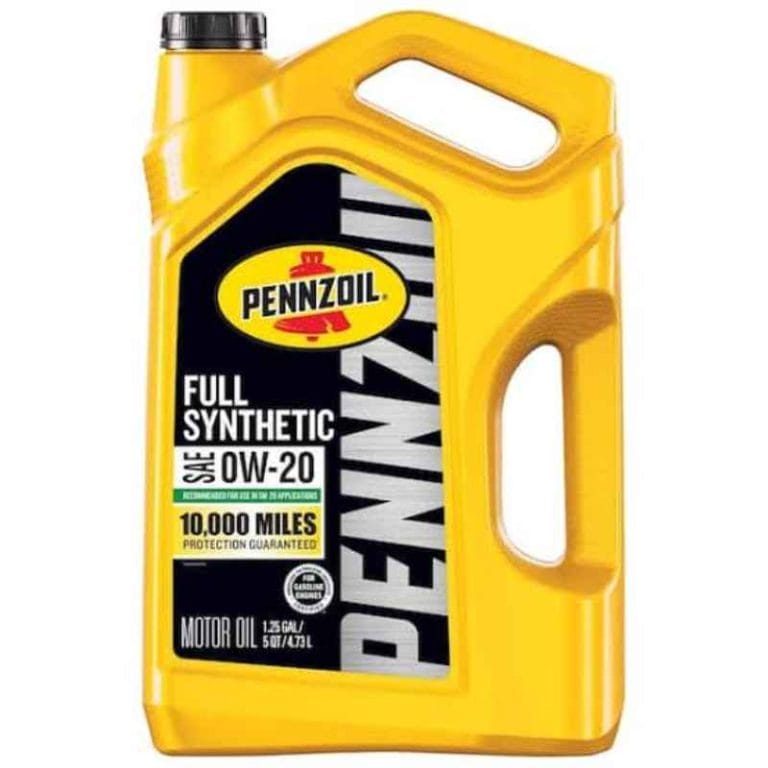
Best Overall: Pennzoil Platinum Full Synthetic
Pennzoil Platinum is a popular choice. It’s a full synthetic oil. It offers excellent protection.
It’s great for a wide range of cars. It performs well in both hot and cold weather. Many mechanics recommend it.
It helps keep engines clean and running smoothly. It’s often a go-to for many drivers who want top-notch protection.
This oil is designed to prevent sludge. It also helps reduce wear. It’s a bit more expensive than conventional oil.
But the benefits are often worth it. Especially for newer cars. Or cars you plan to keep for a long time.
It meets modern API and ILSAC standards. This means it’s approved for most new vehicles.
Best Budget Synthetic Blend: Valvoline Synthetic Blend
If you want better protection than conventional but don’t want full synthetic prices, this is a good option. Valvoline’s synthetic blend offers a mix. It gives you some of the benefits of synthetics.
It still costs less. It’s a solid choice for many everyday cars.
It provides good wear protection. It handles moderate temperature changes well. It’s a reliable choice for routine oil changes.
Many drivers find it to be a good balance. It offers improved performance over basic oils. Without the higher cost of full synthetic.
Best for Older Cars: Castrol GTX High Mileage
For cars with more miles, Castrol GTX High Mileage is a strong contender. As mentioned, high-mileage oils help with leaks. They also condition seals.
This oil does a good job of that. It helps older engines run better.
It has added detergents. These help clean out old sludge. It also has anti-wear additives.
These protect parts that might be a bit worn. If your car has over 75,000 miles, this is worth considering. It’s formulated specifically for the needs of older engines.
Best for Extreme Conditions: Mobil 1 Extended Performance
Mobil 1 is a well-known name in synthetics. The Extended Performance line is top-tier. It’s designed for extreme conditions.
This means very hot or very cold weather. It’s also great for long drain intervals. If you drive in harsh climates or have a performance car, this is an excellent choice.
It offers superior protection against wear. It maintains its viscosity. This means it stays consistent no matter the temperature.
It’s one of the most robust oils available. It’s pricier, but for demanding applications, it can be a lifesaver for your engine.
Top Oil Picks at a Glance
Best Overall: Pennzoil Platinum Full Synthetic
Best Budget Synthetic Blend: Valvoline Synthetic Blend
Best for Older Cars: Castrol GTX High Mileage
Best for Extreme Conditions: Mobil 1 Extended Performance
Real-World Context: Why the Right Oil Matters
Think about your car engine. It’s a complex machine. It has hundreds of moving parts.
They all work together at high speeds. Temperatures inside can reach hundreds of degrees. Extreme pressure is also common.
The environment your car operates in is also a factor. If you live in a place with harsh winters, your oil needs to flow well. It needs to start your engine without struggling.
If you live somewhere very hot, the oil needs to resist thinning out. It must keep protecting those parts.
Your driving habits also matter a lot. Do you make lots of short trips? Your engine doesn’t always get hot enough.
This can lead to moisture buildup. This can harm the oil. Do you drive on dusty roads?
Your air filter works hard. But some dirt can still get through. Good oil helps clean it out.
Do you tow a trailer? Or drive up steep hills often? This puts extra strain on your engine.
It makes the oil work harder. It gets hotter. It needs to be robust.
This is where synthetic oils really shine. They can handle that extra stress better.
Consider the materials your engine is made of. Modern engines often use lighter metals. They can be more sensitive to heat and wear.
Older engines might be more forgiving. But even they benefit from good lubrication. The design of the engine dictates its oil needs.
Ultimately, the right oil is a form of preventive care. It’s like eating healthy food for your body. It helps avoid big problems down the line.
A little bit of care now saves a lot of pain later. Your car will thank you for it.
What This Means for Your Car
So, what does all this mean for your car? It means paying attention. It means not just grabbing any bottle.
It means understanding what your car needs.
When It’s Normal
It’s normal for your car to run smoothly. It’s normal for it to start up easily. It’s normal for the engine to sound healthy.
Oil is designed to make this happen. If you use the right oil, these are the expected results.
It’s also normal for oil to get dirty over time. That’s its job. It picks up debris.
You’ll see this when you check the oil. It will darken. This is a sign it’s time for a change.
But it doesn’t mean the oil has failed.
When to Worry
You should worry if your oil light comes on. This means the oil level is very low. Or the oil pressure is too low.
This is a serious warning. Stop driving as soon as it’s safe. Check your oil.
Add more if needed. But if the light stays on, you have a problem.
Listen for unusual noises. Is the engine knocking? Is it ticking loudly?
These can be signs of poor lubrication. This is where the right oil is critical. If you hear new noises, check your oil level and type.
If your engine performance drops, that’s a concern. Is the car sluggish? Is it hesitating?
While other things can cause this, bad oil can contribute. Especially if it’s the wrong type or old.
Simple Checks
Check your oil level regularly. It’s easy. Pull out the dipstick.
Wipe it clean. Put it back in fully. Pull it out again.
Look at the oil level. It should be between the marks. Don’t let it get too low.
Check the oil color and consistency. Fresh oil is usually amber or light brown. It looks clear.
Old oil looks dark brown or black. If it has bits in it, that’s also a sign. If it looks milky or foamy, that’s a serious problem.
It could mean coolant is leaking into the oil.
Always follow your car’s maintenance schedule. Your owner’s manual will tell you when to change your oil. This is usually based on miles driven.
Or time passed. Whichever comes first. Don’t skip these changes.
Quick Tips for Choosing Engine Oil
To wrap up, here are some quick pointers. These make choosing oil much simpler.
- Read Your Owner’s Manual: This is the most important step. It will tell you the exact oil type and viscosity your car needs. It will also list any specific certifications required.
- Synthetic is Often Best: For most modern cars, full synthetic oil offers the best protection. It lasts longer and performs better in extreme temperatures. While more expensive upfront, it can save money on repairs and reduce oil changes.
- Consider Your Climate: If you live in an area with very cold winters or very hot summers, synthetic oil’s performance in extreme temperatures is a major benefit.
- High Mileage for Older Cars: If your car has over 75,000 miles, high-mileage oil can help maintain seals and keep the engine running smoothly.
- Don’t Be Afraid to Ask: If you’re still unsure, ask your trusted mechanic. They can give you advice tailored to your specific vehicle and driving habits.
- Look for Certifications: Always ensure the oil meets the API and ILSAC standards recommended by your car manufacturer.

Frequently Asked Questions
How often should I change my car’s oil?
This varies by car and oil type. Most owner’s manuals recommend an oil change every 5,000 to 7,500 miles for conventional oil. With synthetic oil, you might be able to go 10,000 to 15,000 miles.
Always check your manual for the exact interval. It’s usually based on time or mileage, whichever comes first.
Can I mix different brands of oil?
It’s generally best to stick to one brand and type of oil. However, if you need to top off your oil between changes, you can mix brands. Just make sure they are the same type (e.g., synthetic with synthetic) and have the same viscosity rating (e.g., 5W-30).
Mixing different specifications can cause problems.
What happens if I use the wrong oil viscosity?
Using the wrong oil viscosity can be harmful. If the oil is too thin, it won’t protect your engine parts well, leading to increased wear. If it’s too thick, it can strain the engine, especially when cold, and reduce fuel efficiency.
Always use the viscosity recommended in your owner’s manual.
Is a synthetic blend oil good enough?
A synthetic blend offers better protection than conventional oil. It’s a good compromise between cost and performance for many drivers. It provides some of the benefits of full synthetic oil, like better temperature performance and longevity, but at a lower price point.
It’s a solid choice for many everyday vehicles.
Do I need to change my oil filter when I change the oil?
Yes, absolutely. The oil filter removes dirt and debris from the oil. If you don’t change it, it can become clogged.
A clogged filter can’t clean the oil effectively. It can also bypass the filter, letting dirt into your engine. Always
What does “API SP” mean on an oil bottle?
API SP is the latest performance standard from the American Petroleum Institute for gasoline engines. It represents the most current technology and offers improved protection. This includes better resistance to issues like low-speed pre-ignition (LSPI) which can damage modern turbocharged engines.
Always aim for the highest API category recommended by your car manufacturer.
Conclusion
Choosing the best oil for your car is about matching your vehicle’s needs with the right product. Your owner’s manual is your best friend here. Synthetic oils offer superior protection for most modern cars.
But don’t forget high-mileage options for older vehicles. Using the correct oil keeps your engine running smoothly. It helps it last longer.
And it saves you money on repairs.
Products related to this article
Sponsored / affiliate links. As an Amazon Associate I earn from qualifying purchases. I may earn additional commission from eligible campaigns.
 RVS Technology G6 Engine oil Treatment; For Gasoline Engines with a Motor oil capacity up to 6 quarts; Save fuel, Boost Power and Safely Restore and protect your Car, Truck, and all other engines
 MSMUSAS 2026 New Engine Oil Dipstick Oil Level Dipstick - Replace Part 120 589 07 21 00, 120589072100 - Compatible with Mercedes-Benz R500 2006-2007