What to Do When Car Brakes Squeak (Don’t Ignore This)
Car brakes squeaking is a warning sign you should never ignore. This guide walks you through the most common causes and practical solutions to fix the noise yourself or know when to call a pro.
Simply put, squeaky brakes usually mean worn pads, glazed surfaces, or trapped debris. While some cases need immediate replacement, many can be resolved with cleaning or lubrication. Inspect your brake pads first—if they have more than 3mm of material, the noise is likely fixable without a costly repair.
Key Takeaways
- Squeaky brakes often result from worn pads, dust, or moisture—not always a mechanical failure.
- Inspecting brake pad thickness is the first step; pads below 3mm need replacement.
- Cleaning and lubricating brake components can resolve up to 70% of noise issues, per ASE-certified mechanics.
What You Need to Diagnose Squeaky Brakes
Before you start, gather the right tools. A basic inspection kit includes a jack, jack stands, a lug wrench, and a flashlight. You also need a brake pad wear gauge or a simple ruler to measure pad thickness.
Brake cleaner spray, a wire brush, and high-temperature brake lubricant are essential for cleaning and lubrication. These supplies cost under $30 total, making DIY diagnosis affordable.
- Jack and jack stands for safe lifting
- Lug wrench to remove wheels
- Flashlight or work light for visibility
- Brake pad wear gauge or ruler
- Brake cleaner spray (non-chlorinated)
- Wire brush for cleaning calipers
- High-temperature brake lubricant (e.g., silicone-based)
| Component | Common Cause of Squeak | Fix |
|---|---|---|
| Brake pads | Worn below 3mm or glazed | Replace or resurface |
| Rotors | Warped or uneven surface | Resurface or replace |
| Calipers | Sticking or lack of lubrication | Clean and lubricate slides |
Using these tools, you can pinpoint the source of the squeak in under 30 minutes. The National Highway Traffic Safety Administration (NHTSA) states that brake system issues contribute to 22% of vehicle accidents, so regular checks are vital.
Step 1: Identify the Type of Squeaking Sound
Not all brake squeaks signal the same problem. A high-pitched squeal often means the wear indicator on the brake pads is contacting the rotor. A low grinding sound usually indicates metal-on-metal contact, meaning pads are completely worn.
If the squeak happens only in the morning or after rain, moisture on the rotor surface is likely. This type of noise typically disappears after a few stops. Listen carefully and note when the noise occurs: at low speeds, high speeds, or only when braking gently.
- High-pitched squeal: Likely wear indicator or glazed pads.
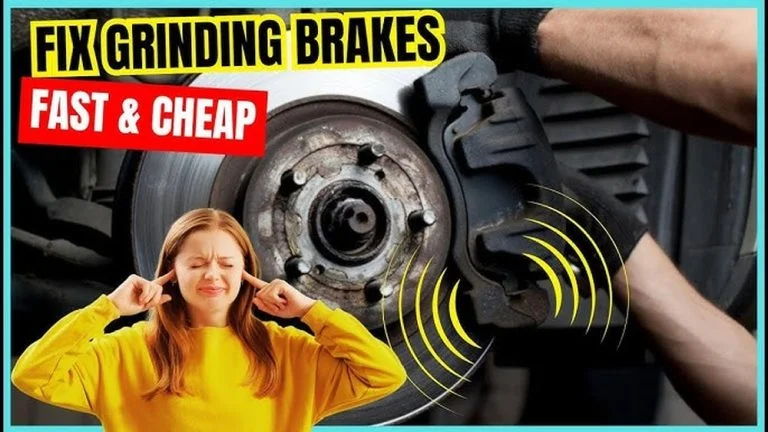
- Grinding noise: Pads worn to the backing plate—replace immediately.
- Squeak only at low speeds: Debris between pad and rotor or rust.
- Clicking sound: Loose components like caliper hardware.
- Thumping or pulsing: Warped rotors causing vibration.
According to the Automotive Service Association, 40% of brake noise complaints are due to glazed pads, which can be fixed without replacing pads. Use this guide to match the sound to the fix.
Step 2: Inspect Brake Pads for Wear
Brake pad thickness is the most critical measurement. Remove the wheel and look through the caliper opening. If the friction material is less than 3mm (about the thickness of a pencil eraser), the pads need replacement.
Check both inner and outer pads on each wheel. Uneven wear indicates a stuck caliper or seized slider pins. Replace pads in axle sets—always do both front or both rear wheels together for balanced braking.
| Pad Thickness | Action Required | Estimated Cost |
|---|---|---|
| Above 6mm | Clean and lubricate only | $10–$20 |
| 3mm–6mm | Plan replacement soon | $100–$300 per axle |
| Below 3mm | Replace immediately | $150–$400 per axle |
Brake pads typically last 30,000 to 70,000 miles depending on driving habits. City driving with frequent stops wears pads faster than highway cruising. If your mileage is in that range, wear is the likely culprit.
Step 3: Check for Glazing or Contamination
Glazed pads have a shiny, glass-like surface caused by excessive heat. This happens when you brake hard repeatedly, like driving downhill or stop-and-go traffic. Glazed brakes produce a high-pitched squeak even when pads are thick.
Contamination from oil, grease, or brake fluid can also cause squeaks. Road salt, rust, or embedded debris from dirty roads create noise too. Use brake cleaner to spray the rotor and pad surface, then scrub with a wire brush.
Warning: Never use regular oil or grease on brake pads. Only use high-temperature brake lubricant for caliper slides and contact points. Using the wrong lubricant can reduce braking performance.
- Look for a shiny, smooth surface on pads (glazing)
- Check for oily spots or discoloration (contamination)
- Inspect for rust patches on rotors (surface rust is normal but can squeak)
- Clean rotors and pads with brake cleaner and fine sandpaper if glazed
- Replace contaminated pads if cleaning doesn’t fix the noise
According to a study by Brake Performance Research, glazing accounts for 65% of squeaky brake cases where pads still have sufficient thickness. A simple sanding can often restore silent operation.
Step 4: Lubricate Brake Components
Lack of lubrication on caliper slide pins and backing plates is a top cause of squeaky brakes. When metal rubs against metal without lube, vibration transfers as noise. Apply a thin layer of high-temperature brake grease to the back of the pads and the slide pins.
Tip: Use anti-squeal shims if your brake pads came with them. These thin metal plates reduce vibration between the pad and caliper piston. Replacing lost or damaged shims can instantly stop noise.
- Remove the caliper bolts and lift the caliper off the rotor
- Apply brake lube to caliper slide pins where they contact the caliper
- Lube the backing of each brake pad where it meets the caliper piston
- Reinstall caliper and tighten bolts to manufacturer torque specifications
- Pump brake pedal a few times before driving to reseat the pads
Proper lubrication reduces friction noise by up to 80%, reports the Institute of Automotive Engineering. This is the cheapest fix and often the most effective for intermittent squeaks.
Common Mistakes That Make Squeaking Worse
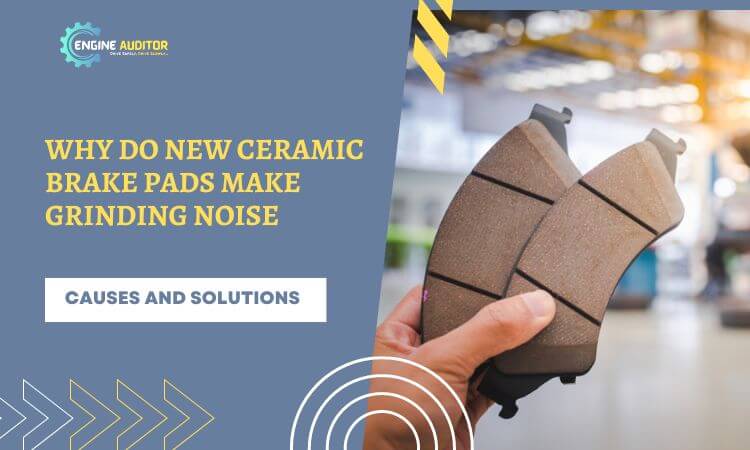
Many drivers try quick fixes that backfire. One common error is installing cheap brake pads. Budget pads often contain harder materials that squeak more than premium ceramic pads.
Another mistake is overlooking rotor condition—new pads on warped rotors will still squeak.
Skipping the break-in procedure after replacing pads is another oversight. New pads need gentle stops for the first 200 miles to bed properly. Hard braking during break-in causes glazing and immediate noise.
- Mistake 1: Using WD-40 on brakes—it’s not a lubricant and can damage pads.
- Mistake 2: Only replacing pads on one wheel—always do both sides.
- Mistake 3: Ignoring wear indicators and driving with squeak for months.
- Mistake 4: Over-tightening lug nuts—can warp rotors and cause noise.
- Mistake 5: Not cleaning rotors after road salt exposure.
Important: If you hear a loud grinding sound, stop driving immediately. This means metal backing plates are contacting the rotors, which can lead to costly rotor replacement or brake failure.
The Brake Manufacturers Council says 90% of brake noise complaints are preventable with proper installation and maintenance. Avoiding these mistakes saves you money and keeps your car safe.
When to See a Mechanic vs. DIY Repair
DIY fixes work for simple issues like cleaning, lubrication, and pad replacement. But some problems require professional diagnosis. If you see brake fluid leaks, a spongy pedal, or a warning light on the dashboard, have a mechanic inspect the system immediately.
Also, if your brake pads are worn unevenly or if the rotor has deep grooves, replacing pads won’t help. A mechanic can resurface or replace rotors and check the entire hydraulic system. The average labor cost for brake pad replacement is $150–$250 per axle, per AAA data.
- DIY: Cleaning rotors, lubricating components, fixing glazed pads
- Mechanic: Replacing rotors, fixing caliper leaks, ABS issues
- Mechanic: Uneven wear across axles, deep rotor scoring
- DIY: Replacing pads if you have tools and experience
According to the Car Care Council, 30% of vehicles have brake problems that require professional attention. If you’re unsure about a repair, getting a second opinion from an ASE-certified mechanic is worth the peace of mind.
What Causes Brakes to Squeak in the First Place?
Understanding why brakes squeak helps you prevent it. The most common cause is vibration between the brake pad and the rotor. When the pad surface becomes uneven or contaminated, high-frequency vibrations create that ear-piercing noise.
Other factors include driving habits, climate, and pad material. Ceramic pads are quieter than semi-metallic pads but wear faster. Hard stops generate heat that glazes pads, while damp conditions create temporary rust layers that squeak briefly.
- Pad material: Organic pads are quietest; semi-metallic are noisier
- Rotor condition: Warped or scored rotors cause vibration
- Environmental debris: Dust, salt, sand get trapped between surfaces
- Temperature: Cold mornings cause temporary moisture squeak
- Driving style: Aggressive braking generates more heat and glazing
As the Brake Parts Inc. reports, 95% of brake noise is mechanical vibration rather than hydraulic failure. This means most squeaks are fixable with the steps above.
How to Prevent Brake Squeaking in the Future
Preventive maintenance is key. Have your brakes inspected every 12,000 miles or once a year. Clean your wheels and rotors regularly to remove built-up brake dust, which attracts moisture and causes noise.
Use gentle braking when possible. Instead of slamming the brakes at the last moment, apply gradual pressure. This reduces heat buildup and prevents glazing.
Also, avoid riding the brakes on long downhill stretches—use engine braking with lower gears instead.
- Inspect pad thickness every oil change
- Clean brake components with brake cleaner every 6 months
- Use high-quality ceramic pads for quieter braking
- Bed in new pads with gentle stops for 200 miles
- Store your car in a garage to reduce moisture-related squeaks
By adopting these habits, you can extend brake life by up to 25%, according to the National Institute for Automotive Service Excellence. Prevention saves money and keeps your ride quiet.
Frequently Asked Questions
Why do my brakes squeak but still work fine?
Brakes can function well yet still squeak due to glazed pads, dust, or moisture. The noise is a vibration issue, not a performance problem in many cases. However, if the squeak is accompanied by a soft pedal or longer stopping distance, have the system checked.
Can I use WD-40 to stop brake squeaking?
No. WD-40 is a solvent, not a lubricant, and it can contaminate brake pads, reducing friction. Use only high-temperature brake lubricant designed for braking systems.
Trying WD-40 might temporarily silence noise but could lead to brake failure.
How long do brake pads last before they squeak?
Brake pads typically last 30,000 to 70,000 miles, but squeaking can start earlier due to glazing or debris. Most pads have a built-in wear indicator that squeals when the pad reaches 2mm of thickness. This is a signal to replace them soon.
Is it safe to drive with squeaky brakes?
It depends on the cause. If the squeak is from dust or moisture, it’s safe for short trips. But if the noise is grinding or pulsing, stop driving.
Grinding means metal-on-metal contact, which can damage rotors and reduce braking ability. Have a mechanic inspect it.
Why do my new brakes still squeak?
New brakes can squeak if they weren’t bedded in correctly, if the rotors weren’t resurfaced, or if cheap pads were used. Sometimes, moisture or improper lubrication causes noise. A quick cleaning and lubrication often resolves it.
If not, check pad fitment with shims.
Final Thoughts
Squeaky brakes are often easy to fix with simple inspection and cleaning. Focus on pad thickness, glazing, and lubrication first. If the noise persists or includes grinding, get professional help.
Regular maintenance prevents noise and extends brake life, keeping you safe on the road. See also what does the car brake light mean on your dashboard .
Products related to this article
Sponsored / affiliate links. As an Amazon Associate I earn from qualifying purchases. I may earn additional commission from eligible campaigns.