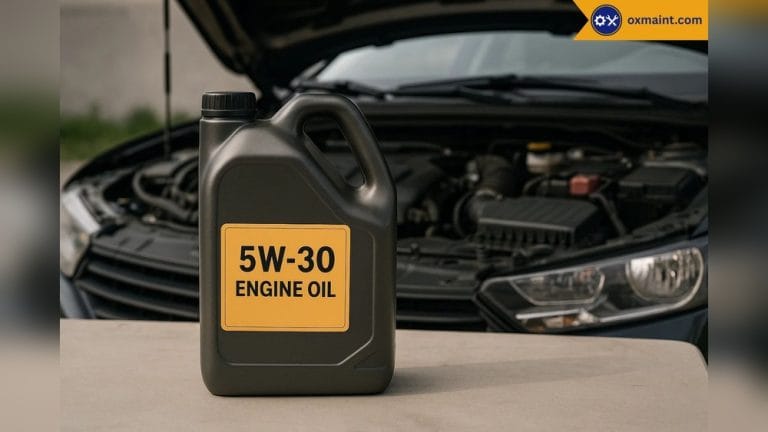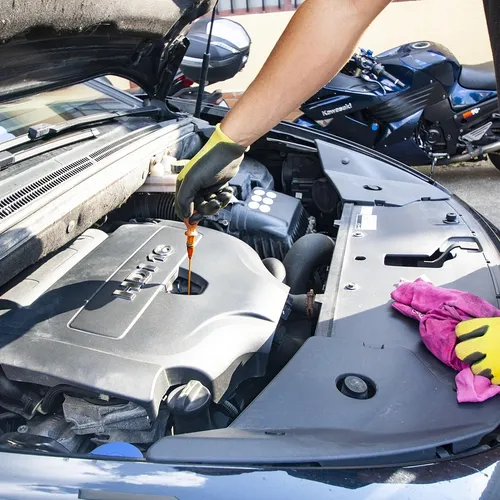
What Happens When Car Engine Oil Is Low (5 Real Effects)
When car engine oil is low, critical engine parts lose their protective lubrication. This causes increased friction, heat, and wear, leading to engine damage, reduced performance, and potential total engine failure if not addressed promptly.
The Crucial Role of Engine Oil
Without sufficient oil, engine bearings can fail within 30 minutes of continuous driving, turning a simple top-up into a $5,000 to $10,000 engine rebuild.
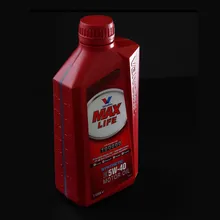
Castrol EDGE 5W-30 Full Synthetic Motor Oil — $34.97
Full synthetic 5W-30 oil that maintains a protective film between metal parts even as your level drops — the same metal friction this article covers.
- Best for: Gas engines calling for 5W-30 (Honda, Toyota, Ford, GM, and most European models)
- Why picked: Titanium Fluid Strength technology reduces metal-to-metal contact under the high-friction conditions that occur when oil levels fall below the minimum mark
- Main drawback: Costs 2-3x more per quart than conventional oil, though the 10,000-mile drain interval offsets the difference over time
This guide covers the five real effects of low engine oil, how fast each one sets in, and exactly what to do if your warning light just came on.
What Engine Oil Actually Does
Every time your engine runs, parts inside are moving very, very fast. We’re talking thousands of times a minute. This movement creates a lot of heat and friction.
Engine oil is there to help with this. It forms a thin film between moving metal parts.
This film does a few key things:
- Lubrication: This is the big one. It stops metal-on-metal contact. Imagine two pieces of metal grinding against each other at high speed. That’s what would happen without oil. The oil makes them glide.
- Cooling: As the oil circulates, it picks up heat from the engine parts. It then carries this heat away to the oil pan. This helps keep the engine from overheating.
- Cleaning: Tiny bits of metal can break off from moving parts over time. These are like microscopic metal dust. Oil also carries away dirt and gunk that build up. It all gets trapped in the oil filter.
- Sealing: Oil helps seal the gaps between pistons and cylinder walls. This is important for keeping combustion pressure where it belongs. Good sealing means better engine performance and efficiency.
- Corrosion Protection: Oil coats metal surfaces. This helps prevent rust and corrosion from forming, especially when the engine is not running.
So, as you can see, oil is doing a lot of heavy lifting. It’s working hard constantly to keep your engine running smoothly and coolly. For a detailed look at whether low oil specifically triggers overheating, see can low engine oil cause a car to overheat — including the temperature warning signs and when to stop driving immediately.
Signs and Symptoms of Low Engine Oil
When your engine oil level drops too low, your car often gives you signals. These are like its way of saying, “Hey, I need some help!” Paying attention to these signs is key to preventing major damage. Some signs are obvious, while others can be more subtle.
One of the most common indicators is the oil warning light on your dashboard. This light, usually red and shaped like an oil can, typically comes on when the oil pressure drops. Low oil level is a frequent cause of low oil pressure.
If you see this light, it’s a critical alert. You should pull over safely as soon as you can and turn off the engine.
Another sign can be unusual engine noises. When oil is low, there isn’t enough lubrication. This means moving parts start to grind or knock against each other.
You might hear a ticking sound, a knocking, or even a grinding noise that wasn’t there before. These sounds often get louder as you accelerate. They are clear warnings that something is seriously wrong inside.
You might also notice changes in your car’s performance. Your engine might feel sluggish. It might hesitate when you press the gas pedal.
You could also see a drop in oil pressure, which might be shown on a gauge if your car has one. The engine might also start to smell a bit burnt. This can happen as oil leaks onto hot engine parts or as the engine itself overheats due to lack of cooling.
In some cases, you might even see smoke coming from the exhaust. This could be blue or gray smoke, indicating that oil is burning inside the combustion chambers. This is a sign of serious internal engine wear, often caused by prolonged low oil conditions.
Quick Check: Oil Level
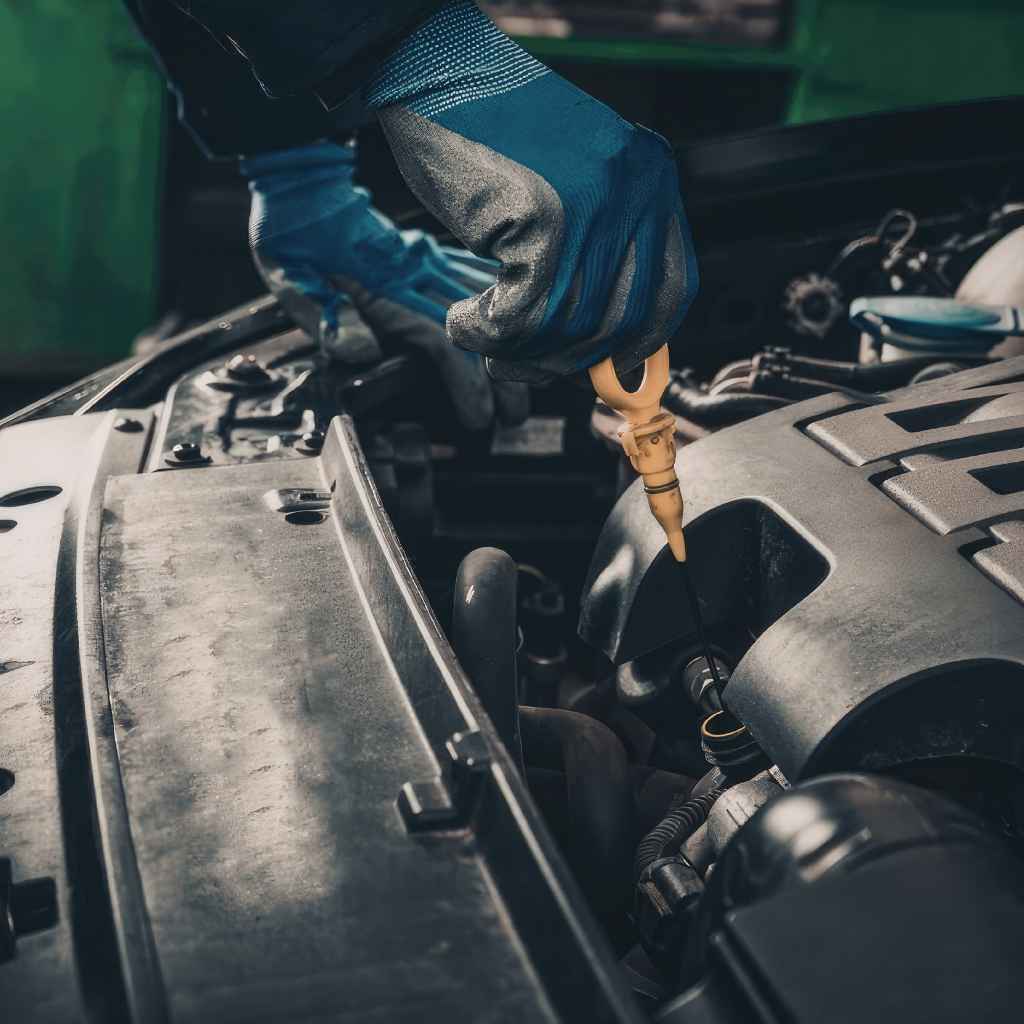
What to do: Find a flat, safe spot to park your car. Turn off the engine and let it cool for at least 5-10 minutes. Open the hood.
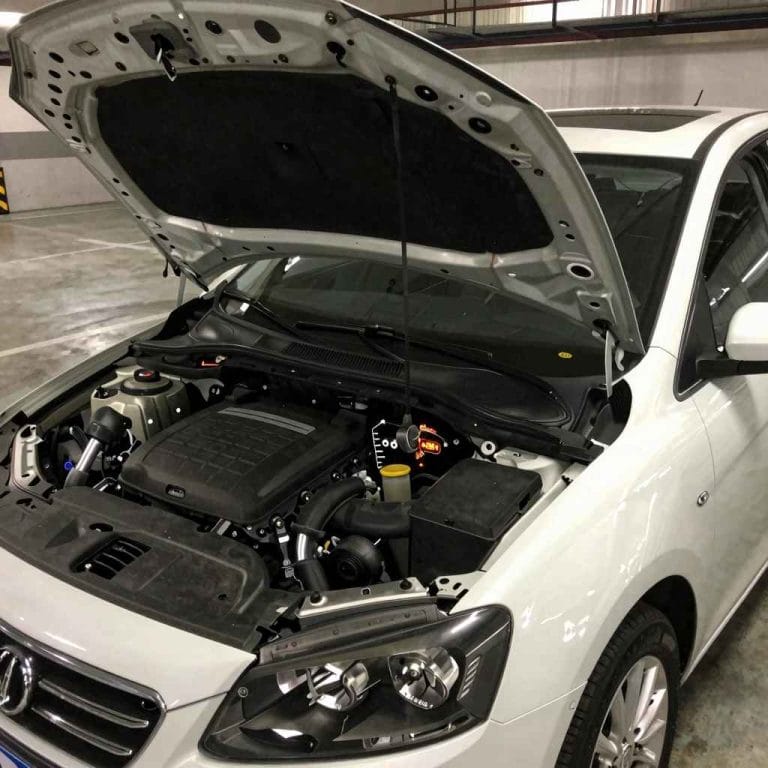
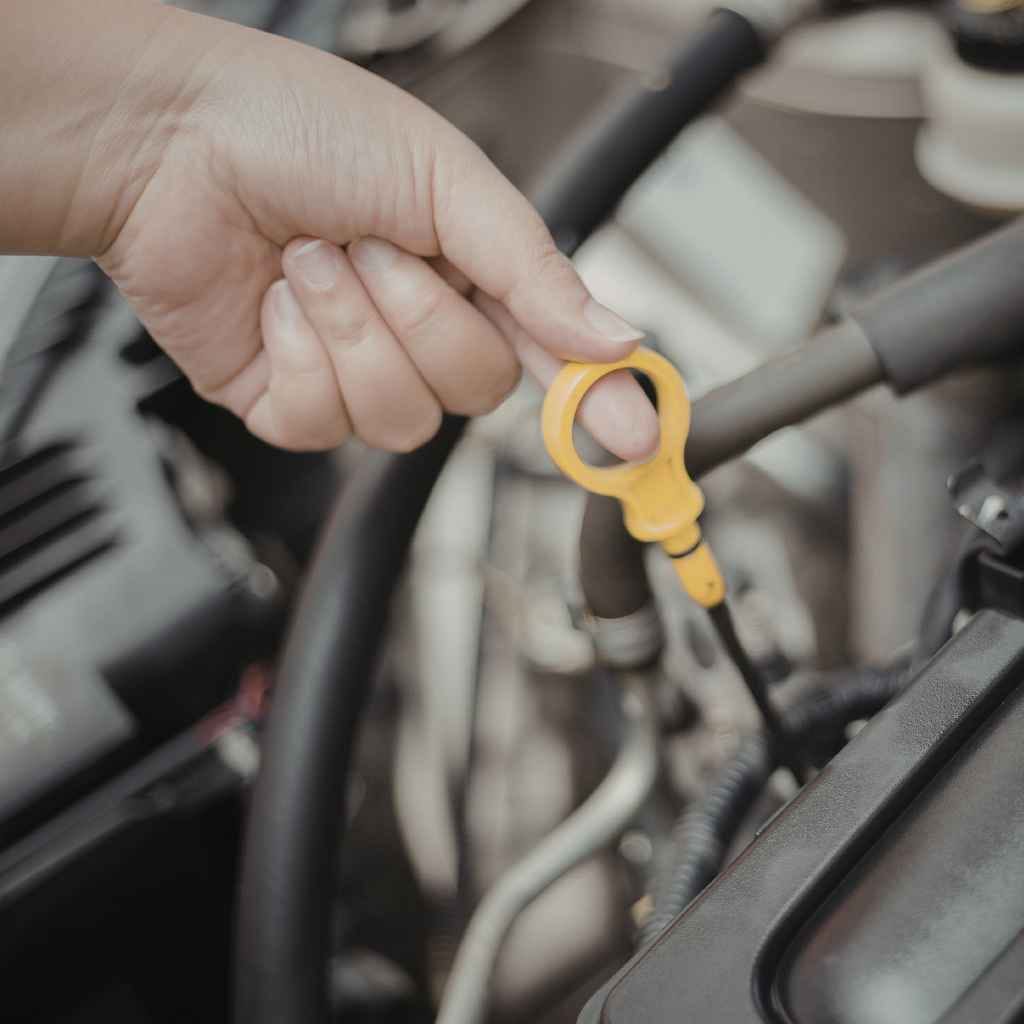
Find the engine oil dipstick (it usually has a brightly colored handle, often yellow or orange). Pull it out, wipe it clean with a rag, and push it back in all the way. Pull it out again.
Look at the oil level on the end. There are usually two marks, MIN and MAX (or ADD and FULL). If the oil level is at or below the MIN mark, your oil is low.
Why it matters: This is your first and best defense. Regular checks prevent problems before they start.
What Happens Inside When Oil is Low: The Grinding Halt
Let’s dive a bit deeper into what’s going on inside your engine when the oil level drops. It’s a cascade of problems, each making the next worse.
First, that crucial protective film of oil thins out. When it’s barely there, metal parts start to touch. This creates intense friction.
Friction generates heat. Lots of heat. Your engine is designed to run at a certain temperature range.
Without enough oil to help cool it, the temperature spikes.
This extra heat can cause engine parts to expand. They might even warp. Pistons, which move up and down inside cylinders, can get too hot.
They might expand so much that they stick or even seize within the cylinder. This is a catastrophic failure. It means the engine stops working abruptly and often with severe damage.
The lack of lubrication also means increased wear. Tiny metal particles start to break off from the crankshaft, camshaft, bearings, and other moving parts. This metal debris gets into the remaining oil.
It acts like sandpaper, accelerating wear on all other engine components. This is how the engine starts to “grind.”
The oil pump, which circulates the oil, also suffers. If the oil level in the oil pan (the reservoir at the bottom of the engine) gets too low, the oil pump can start to suck in air. This is called “cavitation.” When the pump sends air instead of oil through the engine, lubrication stops almost entirely.
This is extremely damaging.
So, a low oil level isn’t just about having less oil. It’s about losing the essential functions that oil provides. Lubrication, cooling, and cleaning all break down.
This quickly leads to a chain reaction of wear and damage.
Common Engine Parts Affected by Low Oil
- Crankshaft and Bearings: These spin at high speeds. Without oil, they grind and can seize.
- Camshaft and Lifters: These control valve timing. They can wear down quickly and become noisy.
- Pistons and Cylinder Walls: These move rapidly. Lack of oil causes scoring and can lead to a seized piston.
- Timing Chain or Belt System: If your car uses a chain, the tensioners and guides need oil. If it uses a belt, some belts need oil splash lubrication.
- Oil Pump: If it sucks air, it can fail and stop circulating oil entirely.
Real-World Scenario: My Friend’s Nearly Tragic Tale
I remember my friend, Alex, a few years back. He’s a great guy, always busy, and sometimes the little maintenance tasks slip his mind. He’d been noticing his car felt a bit “off” for a couple of weeks.
It was making a faint tapping sound, and he thought maybe it just needed an oil change. But he kept putting it off. “It’s just a little noise,” he’d say.
I’d tell him, “Alex, that oil light might come on next!” He’d just wave it away.
One particularly hot summer afternoon, he was driving home from work. The tapping sound grew louder. It turned into a more distinct knocking.
He finally saw the dreaded oil can light pop on. Panic set in. He decided to push it just a little further to get home, maybe another mile or two.
That was his mistake. As he pulled into his driveway, the knocking became a violent, terrifying clatter, followed by a loud bang. The engine died.
It just seized up. Absolutely dead.
We towed his car to the mechanic the next day. The mechanic took one look and shook his head. He said the engine was ruined.
The lack of oil had caused the pistons to seize in the cylinders. There was metal shavings everywhere. It needed a complete engine rebuild, costing thousands of dollars.
Alex was devastated. He learned a hard lesson that day: never ignore the warning signs, especially the oil light. That little bit of time he saved by not checking his oil cost him dearly.
The Devastating Consequences of Ignoring Low Oil
Alex’s story is a stark reminder. Ignoring low engine oil isn’t just inconvenient; it’s a fast track to very expensive repairs. The damage caused by running an engine with insufficient oil is cumulative and often irreversible.
One of the first major problems is increased wear and tear. Even short periods of low oil can cause microscopic damage to moving parts. Over time, this wear weakens components and reduces their lifespan.
Your engine won’t perform as well, and it will be more prone to other problems.
Then comes overheating. As we discussed, oil cools the engine. Without enough oil, the cooling system becomes overwhelmed.
Engine temperatures rise rapidly. This can lead to warped cylinder heads, blown head gaskets, and other severe thermal damage. A blown head gasket is a very serious and costly repair.
The most severe consequence is engine seizure. This is when critical engine parts, like pistons, seize up due to extreme heat and lack of lubrication. When this happens, the engine can literally stop dead while you’re driving.
It’s incredibly dangerous. The engine is usually beyond repair at this point and requires a complete replacement. A new engine can cost anywhere from $3,000 to $7,000 or even more, depending on the car.
Beyond the mechanical failure, there are other potential issues. Oil leaks can be a cause of low oil. If you’re constantly needing to add oil, there might be a leak.
Ignoring a leak can lead to the low oil situation in the first place. Also, old or dirty oil loses its effectiveness. If you’re not changing your oil regularly, even if the level is correct, it won’t protect your engine as well.
Myth vs. Reality: Low Oil Concerns
| Myth: | A little bit of knocking is normal for older cars. |
| Reality: | Knocking sounds are never normal. They are a sign of serious engine distress, often due to lack of lubrication or improper combustion. |
| Myth: | I can just add any type of oil if the level is low. |
| Reality: | Using the wrong type or weight of oil can be just as damaging as having low oil. Always use the oil recommended in your car’s owner’s manual. |
| Myth: | My car is new, so I don’t need to worry about oil levels. |
| Reality: | All engines consume some oil over time. Regular checks are essential for any vehicle, regardless of age. |
What Causes Engine Oil to Get Low?
It’s important to understand why your oil level might be dropping in the first place. It’s not always just about forgetting to top it up. There are usually underlying reasons.
The most common reason is normal oil consumption. Engines, especially as they age, can start to burn a small amount of oil. This oil gets past the piston rings and is burned in the combustion chamber.
This is usually a very slow process. If you have to add a quart of oil every few thousand miles, it might just be normal for your car.
However, a faster drop in oil level can be due to oil leaks. These can happen in various places. Seals and gaskets around the engine can wear out.
The oil pan itself could be damaged. The oil filter might not be tightened properly. Even a cracked oil pan can cause a significant leak.
Leaks can sometimes be visible as oil spots under your car.
Another possibility is internal engine problems. This could be worn piston rings, worn valve seals, or a damaged head gasket. These issues allow oil to leak into the combustion chambers or the cooling system.
This is more serious and usually requires significant engine repair.
Forgetting to add oil after an oil change is also a cause. Sometimes, mechanics might not fill it to the correct level. Or, if you’re doing it yourself, you might misjudge the amount.
Finally, extreme driving conditions can increase oil consumption. Driving very aggressively, towing heavy loads, or driving in extremely hot weather can put more stress on the engine, leading to slightly higher oil usage.
Why Regular Oil Checks Matter
Frequency: Most experts recommend checking your oil level at least once a month. Some suggest checking it every time you fill up with gas. If you drive a lot, check it more often.
Tools: All you need is your car’s dipstick and a clean rag. It takes less than two minutes.
Owner’s Manual: Always refer to your car’s owner’s manual for the correct type and weight of oil. It will also tell you the total oil capacity of your engine.
When is Low Oil a Concern?
It’s important to know the difference between a minor oil top-up and a serious problem. Not every slight drop in oil means disaster is imminent.
Normal levels: Your oil level should be between the MIN and MAX marks on the dipstick. If it’s near the MAX mark, that’s great. If it’s closer to the MIN mark but still above it, you might just need to add a quart before your next scheduled oil change.
Warning signs: If the oil level is at or below the MIN mark, that’s a concern. If the oil warning light comes on, it’s a critical emergency. These are situations where you need to act immediately.
Signs of leaks: If you notice oil spots under your car, or if you’re having to add oil much more frequently than before (e.g., every few weeks or every few hundred miles), you likely have an oil leak. This needs to be diagnosed and repaired by a mechanic.
Engine noises: Any new or unusual noises from the engine, especially ticking, knocking, or grinding, are a serious warning. Don’t dismiss them. They often indicate insufficient lubrication.
Sudden performance changes: If your car suddenly loses power, hesitates, or feels generally sluggish, and you haven’t noticed other obvious reasons, check your oil. Low oil can significantly impact engine performance.
Visible smoke: If you see blue or gray smoke coming from your exhaust, it’s a strong sign that oil is being burned in the engine. This indicates internal wear and potential damage.
Quick Checks for Potential Leaks
- Look Underneath: After your car has been parked for a while, check the ground for fresh oil spots. Dark brown or black spots could be engine oil.
- Check the Dipstick Frequently: If the level drops very rapidly, it’s a sign of a significant problem.
- Inspect Engine Bay: Look for wet, oily patches on the engine components or the underside of the hood.
What To Do If You Suspect Low Engine Oil
If you’re experiencing any of the signs of low oil or if you suspect your oil level is low, here’s what you should do. Acting quickly is the most important thing.
1. Pull Over Safely: If the oil warning light is on or you hear serious engine noises, find a safe place to pull over as soon as possible. Turn off the engine immediately.
Continuing to drive can cause irreparable damage.
2. Let the Engine Cool: Wait at least 10-15 minutes for the engine to cool down. This allows the oil to drain back into the oil pan, giving you a more accurate reading on the dipstick.
It also makes the engine safer to work around.
3. Check the Oil Level: Follow the steps mentioned earlier using the dipstick. Make sure the car is on a level surface.
4. Add Oil if Necessary: If the oil level is low, you’ll need to add the correct type and amount of oil. Check your owner’s manual for the specific oil viscosity (e.g., 5W-30) and API service rating.
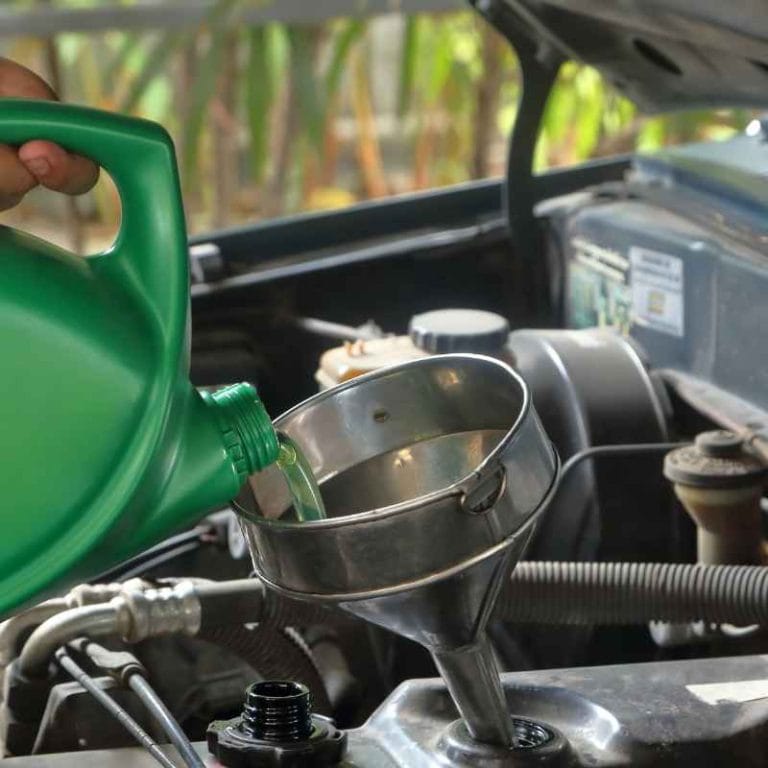
You can buy oil at most gas stations or auto parts stores. Add oil slowly, a little at a time, re-checking the level with the dipstick frequently. Do not overfill.
It’s better to be slightly under than overfilled.
5. Address the Root Cause: If you frequently need to add oil, or if you see signs of leaks, get your car to a trusted mechanic immediately. Don’t delay.
They can diagnose the cause of the oil loss and fix it before it leads to major engine damage.
6. Schedule Regular Maintenance: Make sure you’re following your car manufacturer’s recommended schedule for oil changes and filter replacements. This is the best preventive measure.
Emergency Oil Purchase Tips
Know Your Oil Type: Check your owner’s manual for the exact oil weight (e.g., 10W-40) and certifications your car needs.
Buy a Quart: Most auto parts stores and gas stations sell single quarts. This is enough to top off a low level.
Be Patient: Add oil slowly. Let it settle for a minute before re-checking the dipstick. Overfilling can also harm your engine.
Preventive Measures: Staying Ahead of the Problem
The best way to deal with low engine oil is to prevent it from happening in the first place. A little bit of regular attention can save you a world of headaches and money.
1. Regular Oil Checks: This is the most critical step. Make checking your oil level a habit.
Aim for at least once a month, or more often if you drive a lot or notice any subtle changes in your car’s performance. A quick check takes seconds and can prevent major issues.
2. Follow the Maintenance Schedule: Your car’s owner’s manual has a recommended maintenance schedule. This includes regular oil and filter changes.
These changes remove old, degraded oil and
3. Use the Correct Oil: Always use the oil type and viscosity recommended by your car manufacturer. Using the wrong oil can lead to poor lubrication, increased wear, and reduced engine performance.
You can find this information in your owner’s manual.
4. Address Leaks Promptly: If you notice oil spots under your car or if your oil level drops rapidly, get it checked by a mechanic right away. Small leaks can quickly become big problems if ignored.
5. Be Mindful of Driving Habits: Extreme driving conditions can increase oil consumption. If you frequently drive in very hot weather, tow heavy loads, or drive aggressively, check your oil level more often.
6. Listen to Your Car: Pay attention to any new sounds, smells, or changes in performance. These are often early warnings that something is not right.
Don’t ignore them.
By being proactive and performing these simple checks and maintenance tasks, you can significantly reduce the risk of experiencing the serious consequences of low engine oil. It’s about being a responsible car owner and taking care of your vehicle so it can take care of you.
Frequently Asked Questions About Low Engine Oil
How often should I check my engine oil?
It’s a good habit to check your engine oil at least once a month. If you drive frequently, especially under demanding conditions like towing or in very hot weather, checking it every time you fill up with gas is even better. Always ensure your car is parked on a level surface and the engine has cooled down before checking.
Can I drive my car if the oil light is on?
No, you should not drive your car if the oil light is on. The oil light indicates critically low oil pressure, meaning your engine is not being properly lubricated. Continuing to drive can cause severe and irreversible engine damage very quickly.
Pull over to a safe location and turn off the engine immediately.
How much oil should I add if it’s low?
You should only add enough oil to bring the level up to the “FULL” or “MAX” mark on the dipstick. It’s best to add oil in small increments (e.g., half a quart at a time), waiting a few minutes for it to settle, and re-checking the dipstick after each addition. Overfilling can be just as harmful as having too little oil.
What kind of oil should I use to top up?
Always use the type and viscosity of oil recommended in your car’s owner’s manual. This is typically shown as a number followed by W and another number (e.g., 5W-30). Using the wrong type of oil can impair lubrication and cause engine damage.
If you’re unsure, consult your owner’s manual or a trusted mechanic.
How do I know if my car is burning oil or leaking oil?
Signs of burning oil include blue or gray smoke from the exhaust and a distinct burning oil smell. Signs of an oil leak include visible oil spots under your car where it’s parked, oily residue on engine components, and a rapid drop in the oil level without any smoke.
What’s the difference between oil level and oil pressure?
Oil level refers to the amount of oil in your engine’s oil pan. Oil pressure refers to the force with which the oil is being pumped through the engine’s lubrication system. Low oil level is a common cause of low oil pressure, but oil pressure can also be affected by a failing oil pump or blockages in the system.
Conclusion
Low engine oil is a serious issue that demands immediate attention. It’s not a minor inconvenience but a critical warning sign that your engine is at risk. Understanding what happens when oil is low, recognizing the signs, and taking prompt action can save you from incredibly costly repairs.
Regular checks, proper maintenance, and listening to your car are your best defenses. Treat your engine oil with respect, and it will reward you with a long, healthy life for your vehicle.
Products related to this article
Sponsored / affiliate links. As an Amazon Associate I earn from qualifying purchases. I may earn additional commission from eligible campaigns.
 ECOGARD X10023 Cartridge Engine Oil Filter for Conventional Oil - Premium Replacement | Fits 2018-2023 Volkswagen Atlas 3.6L; 2020-2023 Atlas Cross Sport 3.6L
 ECOGARD X10040 Cartridge Engine Oil Filter for Conventional Oil - Premium Replacement | Fits 2011-2026 Jeep Grand Cherokee, Dodge Durango 3.6L; 2012-2026 Wrangler 3.6L; 2014-2022 Cherokee 3.2L