Why Does My Car Burn Engine Oil So Fast? Top Causes Explained
You start your car, drive a few miles, and the oil warning light comes on. Or maybe you check your dipstick and notice the engine oil level keeps dropping—even though you just topped it up last week. If you find yourself asking, “Why does my car burn engine oil so fast?” you’re not alone. Many drivers face this issue, but the reasons aren’t always obvious. Fast oil consumption isn’t just annoying; it can signal hidden problems that, if ignored, may lead to expensive repairs.
Understanding why your car burns oil quickly is important for keeping your engine healthy and your wallet happy. This article will break down the most common causes, what signs to look for, and what you can do to stop or reduce oil burning.
We’ll also cover how much oil loss is normal, when you should be concerned, and what steps you should take next.
How Engine Oil Works In Your Car
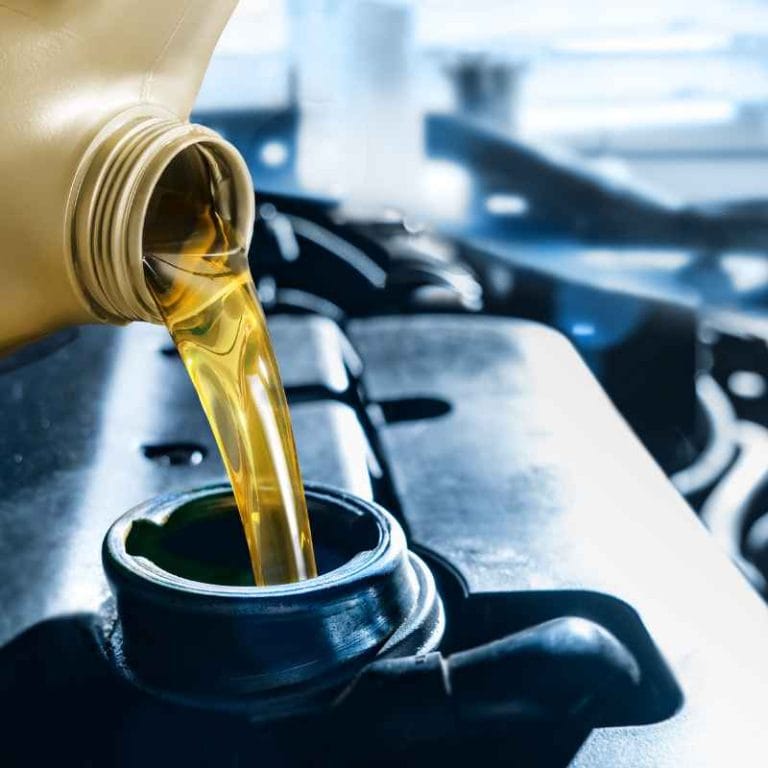
Before we dive into the reasons for fast oil burning, it helps to know what engine oil actually does. Engine oil lubricates moving parts inside the engine, reducing friction and heat. It also helps clean, cool, and protect the engine from wear. Over time, the oil gets dirty, breaks down, or can leak or burn away.

Bar's Leaks
Bar's Leaks OS-1 Oil Seal Engine Oil…
- DON'T GAMBLE ON AN UNPROVEN BRAND: A leaking engine, head gasket, cooling system, power steering or transmission is your one shot…
- REPAIRS LEAKING MAIN SEALS AND GASKETS: We have designed this product to work in all gasoline and diesel engines including turboch…
- RENEWS WORN VALVE SEALS AND GUIDES: Your vehicle is a good candidate for Bar’s Leaks Oil Seal Engine Oil Burning & Leak Repair if…
As an Amazon Associate I earn from qualifying purchases.
Most cars are designed to use a small amount of oil between oil changes—typically less than 1 quart (about 1 liter) every 3,000–5,000 miles. However, burning oil at a much faster rate is usually a sign of a problem.
Common Reasons For Fast Engine Oil Burning
Many things can cause your car to burn oil quickly. Let’s look at the most common causes and how they affect your vehicle.
1. Worn Piston Rings
Piston rings seal the gap between the piston and the cylinder wall. They keep oil out of the combustion chamber. If these rings wear out, oil can slip past and get burned along with the fuel. This is one of the leading causes of fast oil burning, especially in older or high-mileage cars.
Signs of worn piston rings include:
- Blue smoke from the exhaust, especially at startup
- Loss of engine power
- Higher oil consumption without visible leaks
Replacing piston rings is a major job, often requiring the engine to be rebuilt or replaced.
2. Damaged Valve Seals
Valve seals prevent oil from leaking into the engine’s cylinders through the valves. Over time, these seals can become hard, cracked, or worn. When this happens, oil can enter the combustion chamber and burn along with the air and fuel.
Symptoms of bad valve seals:
- Blue smoke when you first start the engine or after idling
- Fast oil loss
- Engine misfire or rough idle
Valve seal replacement is less costly than piston rings, but still requires a skilled mechanic.
3. Pcv System Problems
The Positive Crankcase Ventilation (PCV) system helps control engine pressure and recycles gases. If the PCV valve gets clogged or fails, it can cause oil to be sucked into the intake and burned.
Watch for these clues:
- Fast oil consumption with no obvious leaks
- Sludge or milky oil under the oil cap
- Engine roughness or poor fuel economy
A faulty PCV valve is usually cheap and easy to replace.
4. Oil Leaks
Not all oil loss is due to burning. Sometimes, external leaks make it seem like your engine is burning oil quickly. Common leak points include the oil pan gasket, valve cover gasket, or oil filter.
Check for:
- Oil spots under the car after parking
- Oily residue on engine parts
- Low oil level but no blue smoke from the exhaust
Fixing leaks early can prevent bigger engine problems.
5. Turbocharger Issues
If your car has a turbocharger, it can be a source of oil burning if the seals inside fail. Turbochargers spin at high speeds and use engine oil for lubrication. A bad turbo seal allows oil to enter the intake and exhaust, where it burns.
Possible signs:
- Blue smoke, especially when accelerating
- Whining or unusual sounds from the turbo
- Loss of power
Turbo repairs can be expensive, so regular oil changes are important for turbocharged engines.
6. Overfilled Engine Oil
Adding too much oil can cause your engine to burn it off. Excess oil puts pressure on seals and can be forced into parts of the engine where it shouldn’t be.
Risks of overfilling:
- Foamy oil, which doesn’t lubricate well
- Oil leaks and burning
- Engine damage over time
Always check the dipstick after an oil change to make sure the level is correct.
7. Using The Wrong Oil
Not all engine oils are the same. Using oil that’s too thin (low viscosity) or not recommended for your car can lead to faster burning, especially in hot engines or older vehicles.
Problems caused by wrong oil:
- Faster evaporation and burning
- Poor lubrication
- Increased wear
Always follow your car’s owner’s manual for the correct oil type.
8. High Engine Temperatures
Engines that run hotter than normal can burn oil faster. This can be due to a failing cooling system, stuck thermostat, or even aggressive driving.
Watch for:
- Temperature gauge running high
- Coolant loss or overheating
- Faster oil loss during heavy driving
Fixing cooling issues will help protect both your engine and oil.
9. Old Or Dirty Engine Oil
As oil ages, it loses its ability to protect and lubricate. Dirty oil can burn more easily, especially if you skip oil changes or use low-quality oil.
Effects of old oil:
- Sludge buildup
- Reduced engine performance
- Increased oil burning
Regular oil changes keep burning under control.
10. Aggressive Or High-speed Driving
Driving at high speeds or accelerating quickly puts more stress on your engine, causing it to use more oil. This is especially true for sports cars or cars driven on highways for long periods.
You may notice:
- More frequent need to top up oil after long trips
- Higher oil use compared to city driving
Gentler driving can reduce oil consumption.
How To Diagnose Fast Oil Burning
If you notice your car burns oil quickly, don’t panic. There are steps you can take to diagnose the problem.
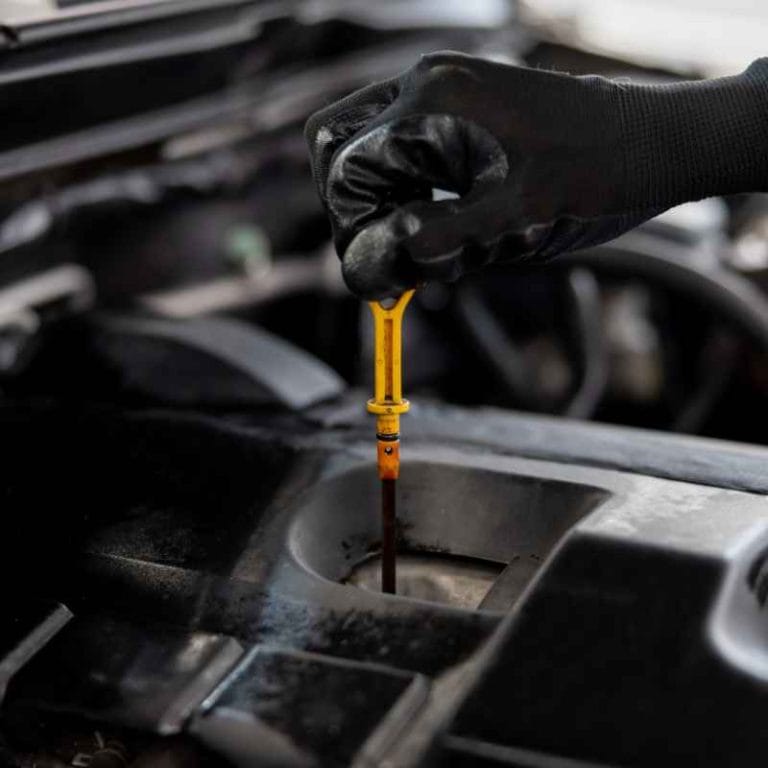
- Check the oil level regularly. Use the dipstick at least every 1,000 miles.
- Look for leaks. Inspect under your car and around the engine for fresh oil.
- Watch the exhaust. Blue smoke usually means oil is burning inside the engine.
- Monitor performance. Notice any engine misfires, rough idling, or loss of power.
- Check for oil in the air intake. Remove the intake hose and look for oily residue.
If you’re unsure, a trusted mechanic can perform tests such as a compression test or leak-down test to find the cause.
How Much Oil Burning Is Normal?
All engines use some oil, but how much is too much? Here’s a general guide:
| Mileage (since last oil change) | Normal Oil Loss | Concerning Oil Loss |
|---|---|---|
| 1,000 miles | Less than 0.5 quart (0.5 L) | More than 1 quart (1 L) |
| 3,000 miles | Up to 1 quart (1 L) | More than 1.5 quarts (1.5 L) |
| 5,000 miles | Up to 1.5 quarts (1.5 L) | More than 2 quarts (2 L) |
Some cars (like performance or older models) may use more oil. But if you’re adding a quart every 1,000 miles or less, it’s time to investigate.
Signs Your Car Is Burning Oil
Sometimes, oil burning isn’t obvious. Here’s what to look for:
- Blue exhaust smoke: Especially when starting the car or accelerating
- Frequent low oil warning: Dashboard light or dipstick shows low oil
- Oil smell inside or outside the car: Especially after driving
- Dirty spark plugs: Oil-fouled plugs can cause engine misfires
- Sticky residue on the tailpipe: May appear oily
Catching these signs early can save you from bigger engine troubles.
Can Fast Oil Burning Damage My Engine?
Yes. Fast oil burning is not just an inconvenience—it can lead to serious engine damage.
- Low oil levels reduce lubrication, causing friction and heat. This leads to engine wear or even a seized engine.
- Oil sludge can block oil passages, starving parts of the engine from oil.
- If oil burning is due to leaks, hot oil can damage sensors, wiring, and other parts under the hood.
Ignoring oil burning will almost always cost more in the long run.
What To Do If Your Car Is Burning Oil Fast
If you discover your car is losing oil quickly, act quickly but calmly.
Step 1: Top Up Your Oil
Keep oil at the correct level. This prevents further damage while you diagnose the problem.
Step 2: Find The Cause
Try to identify if you have a leak, smoke, or other symptoms. If you can’t find the issue, get professional help.
Step 3: Repair Or Replace
Once you know the cause, fix it as soon as possible. This might mean:
- Replacing gaskets or seals
- Cleaning or swapping the PCV valve
- Using the correct oil
- Engine repair or rebuild (for worn rings or valves)
Step 4: Monitor Regularly
After repairs, keep checking oil levels and look for any return of symptoms.
Step 5: Change Your Driving Habits
Gentler driving, warming up the engine, and avoiding over-revving can help reduce oil burning, especially in older cars.
Preventing Fast Engine Oil Burning
A few good habits go a long way in preventing oil burning:
- Regular oil changes: Use the right type and grade of oil for your car.
- Check oil level often: At least once a month or before long trips.
- Fix leaks early: Don’t let small leaks become big problems.
- Keep the cooling system healthy: Overheating increases oil burning.
- Avoid overfilling: Too much oil can cause leaks and burning.
- Use quality parts: Cheap filters and gaskets can fail quickly.
- Drive gently: Hard acceleration and high RPMs stress the engine.
Following these steps reduces the risk of engine damage and keeps your car running smoothly.
Non-obvious Insights Most Drivers Miss
Even experienced drivers overlook these oil-burning secrets:
- Short drives are harder on oil. If you mostly drive short distances, your engine may not get hot enough to burn off moisture and fuel in the oil. This can break down the oil faster and increase burning. Take your car for a longer drive occasionally to help the oil reach full operating temperature.
- Aftermarket oil additives don’t always help. Some products claim to stop oil burning, but they can sometimes clog oil passages or cause other problems. Always research before adding anything to your oil.
- Synthetic oils can reduce burning. High-quality synthetic oil resists breakdown at high temperatures, which can help older engines burn less oil. However, some older engines with worn seals may leak more with synthetic oil due to its thinness.
- High-mileage oils contain seal conditioners. These special oils can help slow leaks in older engines, but they won’t fix serious mechanical problems. They are a good choice for engines with mild oil burning.
- Not all blue smoke is oil. Sometimes, coolant burning (from a blown head gasket) or excess fuel can also cause smoke. Proper diagnosis is key.
Real-world Examples
Let’s look at a couple of real situations:
- Case 1: A 2012 Honda Accord owner noticed blue smoke and high oil loss. Mechanics found worn valve seals after 150,000 miles. Replacing the seals fixed the issue, and oil usage returned to normal.
- Case 2: A turbocharged Volkswagen Golf started burning oil after 80,000 miles. The culprit was a leaking turbo seal. After replacing the turbo, oil burning stopped.
- Case 3: A Toyota Camry with 200,000 miles had increasing oil loss but no leaks. The problem was worn piston rings. The owner chose to top up oil regularly instead of an expensive engine rebuild, and the car still ran reliably for several more years.
Cost Comparison: Repairing Oil Burning Causes
To help you understand the possible expenses, here’s a cost comparison:
| Cause | Typical Repair Cost (USD) | Repair Time |
|---|---|---|
| PCV Valve Replacement | $50–$150 | 1 hour |
| Valve Seal Replacement | $400–$1,200 | 1–2 days |
| Piston Ring Replacement | $1,500–$4,000+ | 3–5 days |
| Turbocharger Repair | $800–$2,500 | 1–2 days |
| Oil Leak Fix | $100–$500 | 1–2 hours |
Prices vary by car model and location, but you can see that early diagnosis can save money.
How Fast Oil Burning Affects Engine Longevity
Fast oil burning can dramatically shorten your engine’s life. Here’s a simple breakdown:
| Oil Level Maintenance | Engine Wear Rate | Expected Engine Life |
|---|---|---|
| Regularly topped up | Normal | 150,000–300,000 miles |
| Low oil, not topped up | High | 50,000–100,000 miles |
| Neglected (rarely checked) | Very high | 30,000–60,000 miles |
Engines that run low on oil will wear out much faster—sometimes failing in less than half their normal lifespan.
When Is It Time To See A Mechanic?
You should see a professional if:
- You add more than 1 quart of oil every 1,000 miles
- Blue smoke is steady or gets worse
- Oil leaks are visible but you can’t find the source
- The engine runs rough, misfires, or has poor performance
- The “check engine” light is on
A mechanic has the tools and experience to diagnose the problem quickly.
Trusted Resources For More Information
If you want to learn more about engine oil burning and vehicle maintenance, check out this resource from the Wikipedia: Motor Oil.
Frequently Asked Questions
Why Do I Smell Burning Oil But See No Leaks?
A burning oil smell with no visible leaks often means oil is leaking onto a hot engine part (like the exhaust) and burning off before it hits the ground. It can also mean oil is burning inside the engine due to worn rings or valve seals.
Is It Safe To Drive If My Car Burns Oil Fast?
You can drive short distances if you keep the oil topped up. However, long-term driving with fast oil burning is risky. Running out of oil can destroy your engine quickly.
Will Thicker Oil Stop My Car From Burning Oil?
Using a thicker oil can sometimes reduce burning in older engines with worn parts, but it’s not a permanent fix. Always use oil within your car maker’s recommendations to avoid engine damage.
How Often Should I Check My Oil If My Car Burns It Fast?
Check your oil at least once a week, or every time you refuel. Top up as needed to avoid running low and causing engine damage.
Can Fast Oil Burning Fail My Emissions Test?
Yes. Burning oil produces blue smoke and increases pollution. Many areas will fail cars with visible oil smoke or high emissions during testing.
If your car burns oil quickly, don’t ignore it. Finding and fixing the cause early will protect your engine and keep you on the road with peace of mind.
Related pick: Check today's price on Amazon
Products related to this article
Sponsored / affiliate links. As an Amazon Associate I earn from qualifying purchases. I may earn additional commission from eligible campaigns.