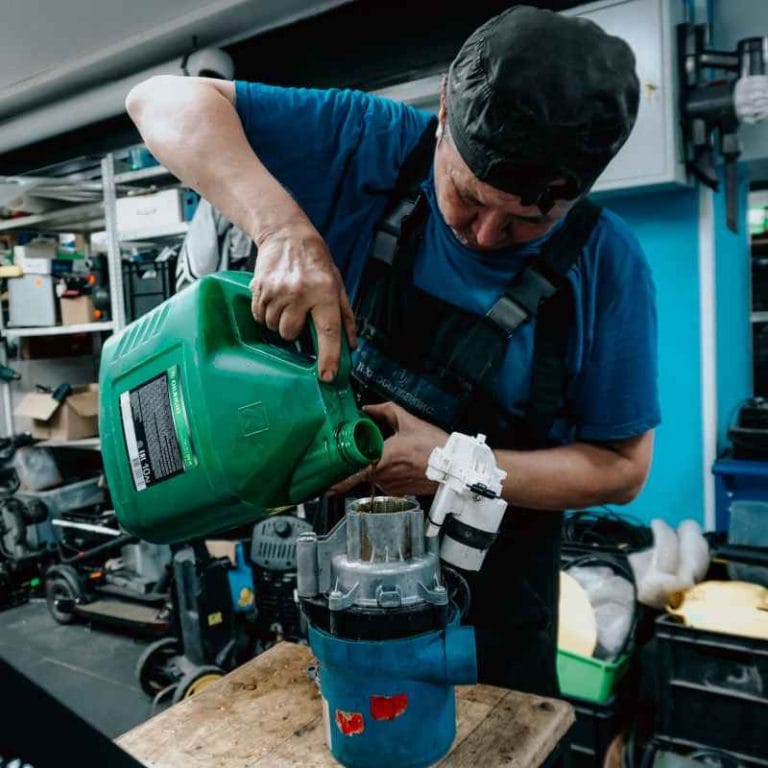
How to Check Car Engine Oil Level: 4 Simple Steps
Park on level ground, pull the dipstick, wipe it clean, reinsert it fully, then pull it out again to read the level between the ‘add’ and ‘full’ marks. If the oil looks milky instead of brown or black, that signals a coolant leak, not just low oil.
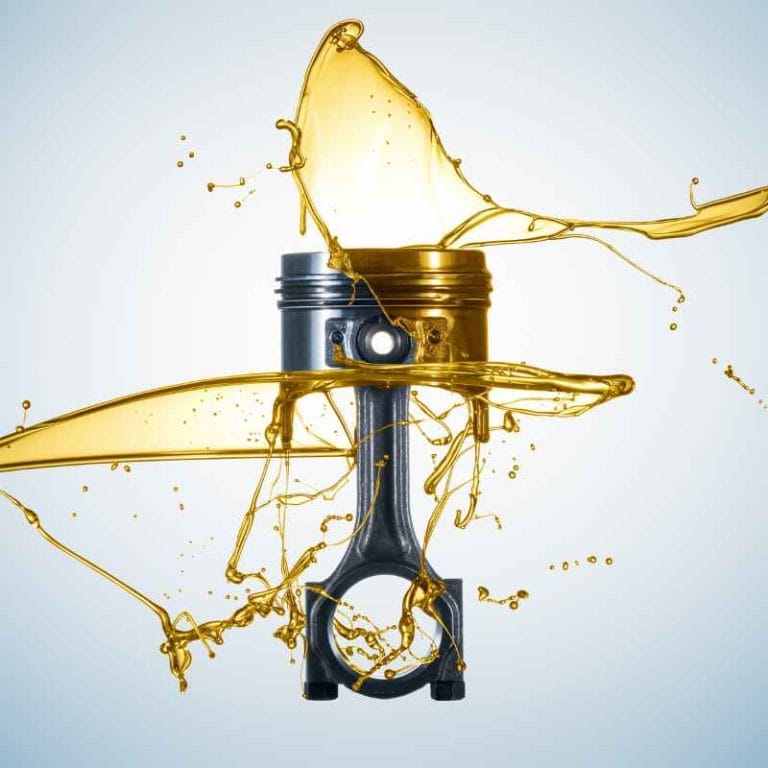
What Engine Oil Does
Engine oil is the lifeblood of your car’s engine. Think of it like the blood in your own body. It does a lot of important jobs.

Lucas Oil
Lucas Oil 10278 Engine Oil Stop Leak…
- Compatible with petroleum, semi-synthetic, and full synthetic motor oils
- Renews worn seals with no risk of damage or eventual corrosion
- Reduces engine noise and oil consumption, while raising oil pressure
As an Amazon Associate I earn from qualifying purchases.
It keeps all the moving metal parts inside your engine from rubbing against each other. This friction can create a lot of heat. The oil acts like a lubricant.
It reduces this friction. This helps keep the engine from overheating.
Oil also helps clean the engine. As it circulates, it picks up tiny bits of dirt and metal. These bits can build up over time.
The oil filter then traps most of these small particles. The oil also helps seal the gaps between pistons and cylinder walls. This helps keep the engine running smoothly.
It also helps keep combustion gases from escaping.
Without enough oil, or with old, dirty oil, these parts can wear out much faster. This is why knowing how to check your oil is so important. It’s a simple task that can save you big money and headaches later on.
Why Checking Your Oil Matters
So, why is this oil check such a big deal? Well, your car’s engine has many parts that move very fast. These parts need oil to work properly.
If the oil level gets too low, these parts can start to grind against each other. This can cause serious damage. Imagine trying to run without enough water.
Your body would not work well.
Low oil can make your engine run hotter than it should. It can also lead to a loss of power. You might even hear funny noises coming from the engine.
In the worst cases, an engine can seize up. This means it stops working completely. Fixing a seized engine is usually very expensive.
Sometimes, it’s cheaper to buy a new car.
Checking your oil regularly is a simple way to prevent these big problems. It’s like giving your car a quick health check. You can spot a problem before it gets serious.
This helps your car last longer and run better. Most car makers suggest checking oil every few weeks or before a long trip.
When to Check Your Oil
There’s a best time to check your engine oil. You want to make sure the oil has had time to drain back into the oil pan at the bottom of the engine. This is why the easiest time is when the engine is cold.
This usually means the car has been sitting for at least a few hours. A good time is first thing in the morning before you start the car.
Some people like to check the oil after the engine has been running for a bit. If you do this, make sure the engine has been off for at least 5 to 10 minutes. This gives the oil time to drip back down.
If you check it too soon, the reading might be lower than it really is. This can make you think you need to add more oil when you don’t.
Always check on a level surface. If your car is parked on a hill, the oil will pool to one side. This will give you a wrong reading.
A flat driveway or garage floor is best. So, remember: cold engine, flat ground. These are key for an accurate oil check.
My First Oil Check Scare
I remember one time, I was helping my friend Sarah with her old sedan. She was hearing a tappety sound from the engine. She was really worried.
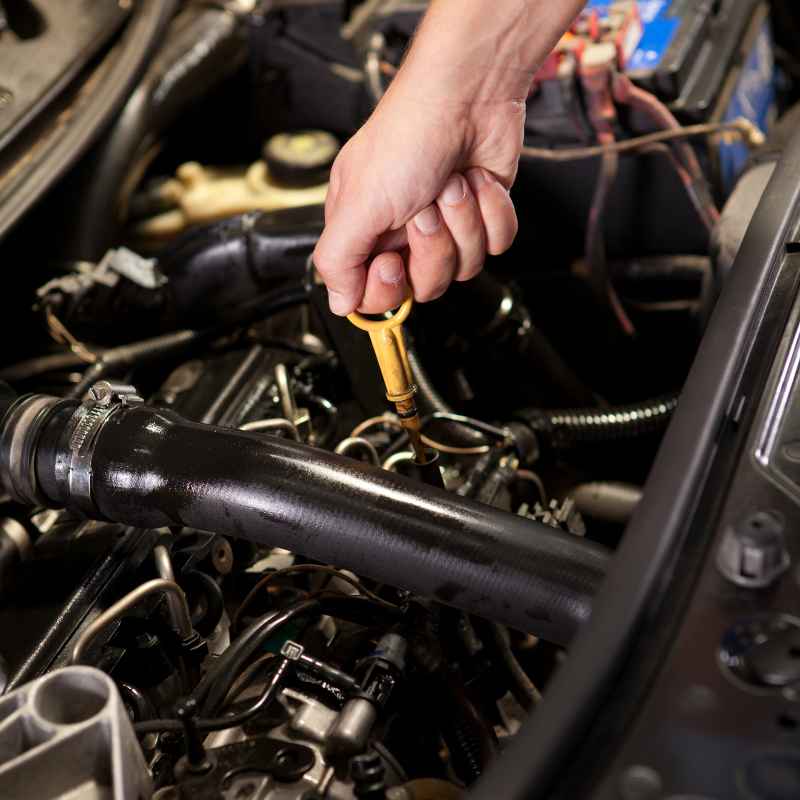
We popped the hood. I looked for the dipstick. It was a bright yellow ring, easy to spot.
I pulled it out. It was bone dry. Like, nothing on it dry.
My heart sank a little. I knew this was not good. I turned to Sarah, trying to keep my voice calm.
“Okay,” I said, “it looks like we’re very low on oil.” She went pale. We quickly drove to the nearest auto parts store. I grabbed a jug of the right kind of oil.
We added about two quarts. Two whole quarts!
That was a scary moment. It made me realize how important it is to check oil often. If she had waited longer, that tappety sound could have turned into a major engine repair.
It was a lesson for both of us. From that day on, she made checking her oil a regular habit. And I always double-check mine.
Oil Check Quick Guide
What you need:
- Your car’s owner’s manual (for oil type)
- The correct engine oil
- A clean cloth or paper towel
Where to find it:
- Engine oil dipstick (usually has a bright handle)
- Oil fill cap (marked with “Oil” or an oil can symbol)
Finding the Dipstick
The first step is to find the engine oil dipstick. Don’t worry, it’s usually pretty easy to spot. Look under the hood of your car.
You’ll see the engine. There are lots of tubes and wires. The dipstick is a long, thin metal rod.
It usually has a brightly colored handle or loop on the top.
The handle is often yellow, orange, or red. This is so you can see it easily. It might have a picture of an oil can on it.
The word “OIL” might be written on it too. If you can’t find it, check your car’s owner’s manual. It will have a diagram showing you exactly where the dipstick is.
It’s usually on one side of the engine block.
Once you find it, pull the dipstick all the way out. Be ready to see it might be a little greasy. That’s normal.
Just set it aside for a moment. You’ll need it again soon. Make sure you have a clean rag or paper towel ready for the next step.
Wipe It Clean
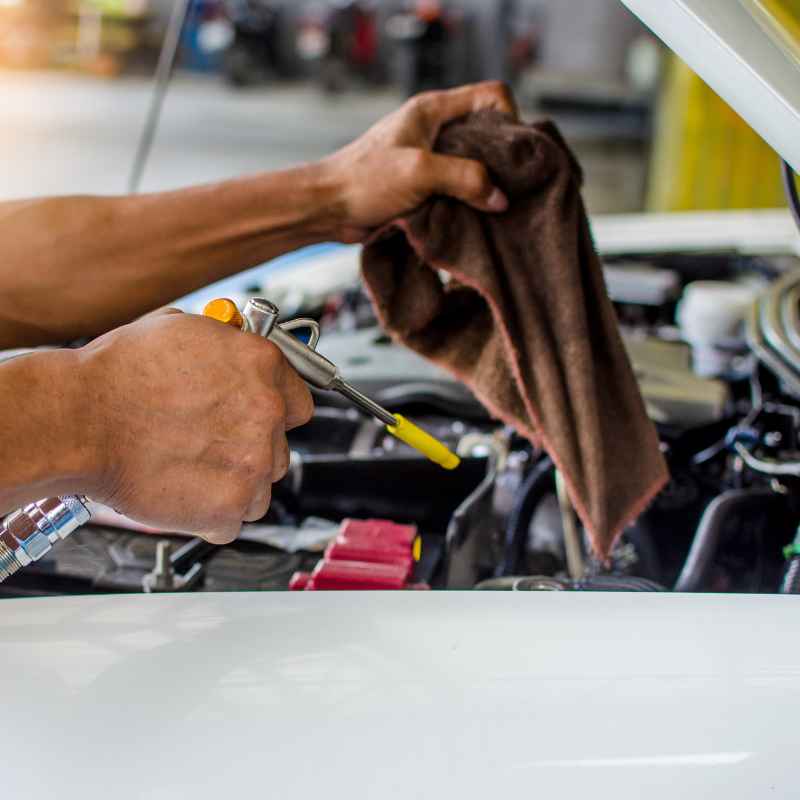
Now that you have the dipstick out, you need to make sure it’s clean. Take your clean cloth or paper towel. Wipe the entire metal part of the dipstick.
You want to remove all the old oil from it. Make sure you wipe it down to the very tip. This is important for getting an accurate reading.
It might seem like a small step, but it matters. If there’s old oil clinging to the dipstick, it can make the new reading look higher than it actually is. You want a fresh start.
So, give it a good wipe. Make sure there are no streaks or leftover oil. A clean dipstick is key to seeing exactly where the oil level is.
As you wipe, you can also get a feel for the oil. Is it thick and black? Or is it thin and almost clear?
This can tell you something about its condition. But for now, focus on getting it clean. Set the cleaned dipstick aside for just a second.
Reading the Dipstick
What to look for:
- Two markings on the end of the metal rod.
- These are usually lines, dots, or a cross-hatched area.
- One marking is the “Add” or “Low” mark.
- The other is the “Full” or “Max” mark.
Reinsert the Dipstick
With your dipstick now clean and dry, it’s time to put it back into the engine. Gently push the dipstick all the way back into its tube. Make sure it goes in completely.
You should feel it seat all the way down. Don’t force it. If it feels like it’s stuck, pull it out and try again.
The goal here is to make sure the tip of the dipstick is fully submerged in the oil at the bottom of the engine. This way, when you pull it out again, it will have a fresh film of oil on it. This is the oil that’s currently in your engine’s oil pan.
Give it a little wiggle if needed to ensure it’s all the way in. Once you’re sure it’s fully you get your answer.
Pull It Out and Read
Now for the moment of truth. Slowly pull the dipstick back out of the tube. Hold it horizontally so the oil doesn’t run down and mess up your reading.
Look at the metal end of the dipstick.
You should see a film of oil on the end. This film shows you the current oil level. Look closely at the markings on the dipstick.
There are usually two marks. One is labeled “ADD” or “LOW”. The other is labeled “FULL” or “MAX”.
Some dipsticks have a cross-hatched area between these two marks.
The oil film should be somewhere between these two marks. Ideally, it will be close to the “FULL” mark. If it’s near the “ADD” mark, you need to add oil.
If it’s below the “ADD” mark, you definitely need to add oil. If the dipstick is completely dry, it’s very low.
What if the oil level is above the “FULL” mark? This is also not good. Too much oil can be just as bad as too little.
It can cause problems too. So, aim for the middle or just below the “FULL” mark.
What the Oil Looks Like
Normal Oil:
- Looks amber or light brown.
- Has a slight smell, but not burnt.
Needs Attention:
- Dark Brown/Black: Oil is old and dirty. Needs changing.
- Milky/Frothy: Water or coolant is mixing with the oil. Serious issue.
- Smells Burnt: Oil is overheating or breaking down.
What If the Oil is Low?
If your dipstick shows the oil level is below the “ADD” mark, you need to add oil. Don’t panic. This is why we check.
First, find your car’s owner’s manual. It will tell you the correct type of oil to use for your car. Using the wrong oil can harm your engine.
It’s usually a number like 5W-30 or 10W-40.
Once you have the right oil, find the oil fill cap on the engine. It usually has an oil can symbol or the word “OIL” on it. Unscrew this cap.
Now, carefully pour in a small amount of oil. Start with about half a quart (half a bottle). Don’t just dump the whole bottle in.
Put the fill cap back on. Wait a minute or two. Then, recheck the oil level with the dipstick.
Pull it out, wipe it clean, re the oil level is now. If it’s still low, add a little more oil, maybe a quarter of a quart at a time.
Keep adding small amounts and rechecking until the oil level is between the “ADD” and “FULL” marks. It’s better to add a little too much slowly than to add too much all at once. Always aim for the middle of the range.
Once it’s in the right spot, screw the oil fill cap back on tight.
What If the Oil is Too High?
Seeing the oil level above the “FULL” mark can be a bit worrying. It’s not as common as being too low, but it can happen. If you added too much oil, or if there’s another issue, the oil level can be too high.
Overfilling can cause problems.
Excess oil can get churned up by the moving parts of the engine. This can create too much foam. Foamy oil doesn’t lubricate as well.
It can also lead to increased oil pressure. This can damage seals and gaskets. You might even see oil leaks.
If you’ve just added oil and realized you overfilled, the best thing to do is to drain some out. You’ll need to place a pan under the oil drain plug on the bottom of the engine. Then, carefully loosen the plug and let a small amount of oil drip out.
This can be messy. It’s often easier to have a mechanic do this for you if you’re unsure.
If you didn’t just add oil and the level is still too high, it could mean something else is wrong. Water or coolant might be getting into the oil. You should have this checked by a mechanic right away.
The oil will look milky or frothy if this is happening.
Oil Life Indicators
Older Cars:
- Often have no oil life indicator.
- You rely on manual checks and mileage.
- Check oil every 1,000-2,000 miles or monthly.
Newer Cars:
- May have an “Oil Life Monitor” system.
- This system tracks driving conditions and mileage.
- It tells you when it’s time for an oil change.
- Still check manually! The monitor is a guide, not a replacement for checks.
The Condition of the Oil
Looking at the oil on the dipstick isn’t just about the level. The color and smell can tell you a lot too. Fresh engine oil is usually a translucent amber color.
It might smell a bit oily, but it shouldn’t smell harsh or burnt.
As oil is used, it gets darker. This is normal. It picks up soot and other tiny particles from the engine.
So, if your oil is a dark brown, it’s likely just doing its job. However, if the oil is very black, thick, and gunky, it’s probably time for an oil change. It’s no longer cleaning or lubricating effectively.
A more serious sign is if the oil looks milky or foamy. This usually means coolant or water has gotten into the oil. This is a big problem.
It can happen if the head gasket has failed. This requires immediate attention from a mechanic. Also, if the oil smells like burnt toast or burnt rubber, that’s another warning sign.
It means the oil is overheating and breaking down.
So, when you check your oil level, take a moment to look at its color and give it a sniff. It’s a quick way to get more information about your engine’s health.
Real-World Oil Check Scenarios
Let’s talk about some common situations you might find yourself in when checking your oil. Imagine you’re on a road trip. You’ve been driving for several hours.
The sun is beating down. You pull over for gas. It’s a good time to check your oil, but remember the engine is hot.
Wait at least 10 minutes after shutting off the engine. Then, carefully open the hood. The dipstick might be hot to the touch, so be cautious.
Use a rag if needed. You’ll likely see the oil level is right where it should be. This is because the oil has had time to drain back.
Or maybe you notice a small oil spot under your car. This is a red flag. It means you might have a leak.
You should check your oil level more often, perhaps every few days. Keep an eye on it. If the level drops quickly, you need to get it checked by a mechanic to find and fix the leak.
What about in the winter? It gets cold here in many parts of the U.S. A cold engine check is still best.
The oil will be thicker when it’s cold. This means it might not flow as easily. But the dipstick reading will still be accurate after the oil has settled.
The important thing is to check it regularly, no matter the weather.
When is Low Oil a Problem?
It’s normal for your car to use a little bit of oil over time. Engines aren’t perfectly sealed. Some oil can burn off slowly.
That’s why you check it. But there’s a difference between normal oil consumption and a serious problem.
If you check your oil and it’s below the “ADD” line, that’s when you need to add oil. This is not necessarily a sign of a major failure. It just means you’re due for a top-up.
You should add oil to bring it up to the “FULL” mark or slightly below.
However, if you are constantly having to add oil, or if the level drops very quickly, that’s a sign of a bigger issue. It could be a leak in an oil line, a faulty seal, or even oil getting into the combustion chamber. In these cases, it’s important to get your car inspected by a qualified mechanic.
Continuing to drive with very low oil can lead to severe engine damage.
Don’t ignore a consistently low oil level. It’s your car telling you something needs attention. It’s better to fix a small problem now than to pay for a complete engine rebuild later.
When is High Oil a Problem?
As we’ve touched on, having too much oil in your engine isn’t good. If you recently had an oil change and the mechanic overfilled it, that’s one thing. You might be able to drain some out.
But if the oil level is high and you haven’t added oil recently, it’s a sign of a different problem.
This often happens when fuel or coolant gets into the oil. If fuel is leaking past the piston rings, it can thin out the oil and raise the level. If coolant is leaking into the oil (often due to a bad head gasket), the oil will look milky or frothy, and the level might rise.
This is very serious.
Foamy oil doesn’t lubricate well, and coolant in the oil can cause major internal engine damage. If your oil level is high and the oil looks milky or smells sweet (like coolant), stop driving the car immediately. Get it towed to a mechanic.
This type of problem needs expert repair to prevent catastrophic engine failure.
It’s important to remember that the “FULL” mark is a maximum. It’s not necessarily the best place to be all the time. Keeping the oil level near the middle of the dipstick range is often ideal.
Avoid going over the “FULL” line.
Oil Change Intervals
General Rule:
- Every 5,000 to 7,500 miles for conventional oil.
- Every 7,500 to 10,000 miles (or more) for synthetic oil.
Check Your Manual:
- Always follow your car manufacturer’s recommendations.
- Driving conditions (stop-and-go traffic, towing) affect this.
- Your car’s oil life monitor can provide guidance.
The Right Oil Type
Choosing the correct type of engine oil is crucial. It’s not a one-size-fits-all situation. Your car’s manufacturer specifies the exact type of oil your engine needs.
This information is found in your owner’s manual.
You’ll see numbers like “5W-30”. The first number (5W) refers to the oil’s viscosity in cold temperatures. The “W” stands for Winter.
A lower number means the oil flows better when it’s cold. The second number (30) refers to the oil’s viscosity at normal engine operating temperatures.
There are different types of oil: conventional, synthetic blend, and full synthetic. Full synthetic oils offer the best protection, especially in extreme temperatures and under heavy driving conditions. They also tend to last longer.
Using the wrong type of oil can cause problems. It might not lubricate properly. It could lead to increased wear and tear on engine parts.
It could even affect fuel economy. Always consult your owner’s manual or a trusted mechanic for the correct oil specification for your vehicle. It’s a small detail that makes a big difference.
When to Get Professional Help
While checking your oil is a simple DIY task, there are times when you should call in the experts. If you’re unsure about anything, it’s always best to be safe. If you can’t find your dipstick or are confused by the markings, a quick visit to a mechanic or even calling a friend who knows cars can help.
If you notice that the oil level is consistently dropping very quickly, or if you see signs of leaks, you need professional help. These could indicate a serious problem that needs to be fixed promptly to prevent major damage. Driving with very low oil is a recipe for disaster.
Also, if you see that milky, foamy appearance in the oil, or if it smells strongly of burnt coolant, stop driving immediately. This is a critical issue that requires immediate attention from a mechanic. They have the tools and knowledge to diagnose and repair these complex problems.
Don’t hesitate to seek help if you’re uncomfortable or uncertain. A small preventative cost can save you a massive repair bill down the line. Your car’s engine is a complex piece of machinery, and sometimes it needs a professional touch.
Frequently Asked Questions About Checking Car Engine Oil
How often should I check my car’s engine oil level?
It’s a good idea to check your engine oil level at least once a month. Also, check it before any long road trips. Some car owners like to check it every time they fill up their gas tank.
This frequent checking helps catch issues early.
What does it mean if my oil is black?
Black oil usually means it’s old and has picked up a lot of dirt and soot from the engine. It’s doing its job, but it’s likely time for an oil change. If it’s very thick and gunky, it’s definitely past its prime.
Fresh oil is amber-colored.
Can I use a different type of oil than what’s recommended?
It’s best to use the exact type of oil your car manufacturer recommends. This is usually found in your owner’s manual. Using the wrong oil can affect lubrication, engine wear, and even fuel efficiency.
Always stick to the recommended viscosity and specification.
What happens if I don’t check my oil enough?
If you don’t check your oil, you risk driving with low oil levels. This can lead to increased friction, overheating, and severe engine wear. In extreme cases, the engine can seize up, which is a very expensive repair.
Regular checks prevent this.
My car has an oil light. Do I still need to check the dipstick?
Yes, absolutely. The oil light usually comes on when the oil pressure is dangerously low, meaning the oil level is critically low. It’s a warning, not a substitute for regular manual checks.
You want to add oil before the light comes on.
Can I check my oil while the engine is hot?
You can, but it’s not ideal. Wait at least 5-10 minutes after turning off a hot engine. This allows the oil to drain back into the oil pan for a more accurate reading.
Checking a cold engine is generally easier and more reliable.
Final Thoughts on Oil Checks
Checking your car’s engine oil is a simple habit that pays off big time. It helps keep your engine healthy. It can save you from costly repairs.
Remember to check on a level surface with a cold or rested engine. Wipe the dipstick clean. Reinsert it fully.
Read the level carefully.
Knowing what the oil looks like and smells like adds even more insight. Don’t ignore low levels or warning signs. If you’re ever unsure, ask for help.
Taking these small steps ensures your car runs smoothly for years to come.
Related pick: Check today's price on Amazon
Products related to this article
Sponsored / affiliate links. As an Amazon Associate I earn from qualifying purchases. I may earn additional commission from eligible campaigns.