Engine Oil Light On? Pull Over and Check Level First
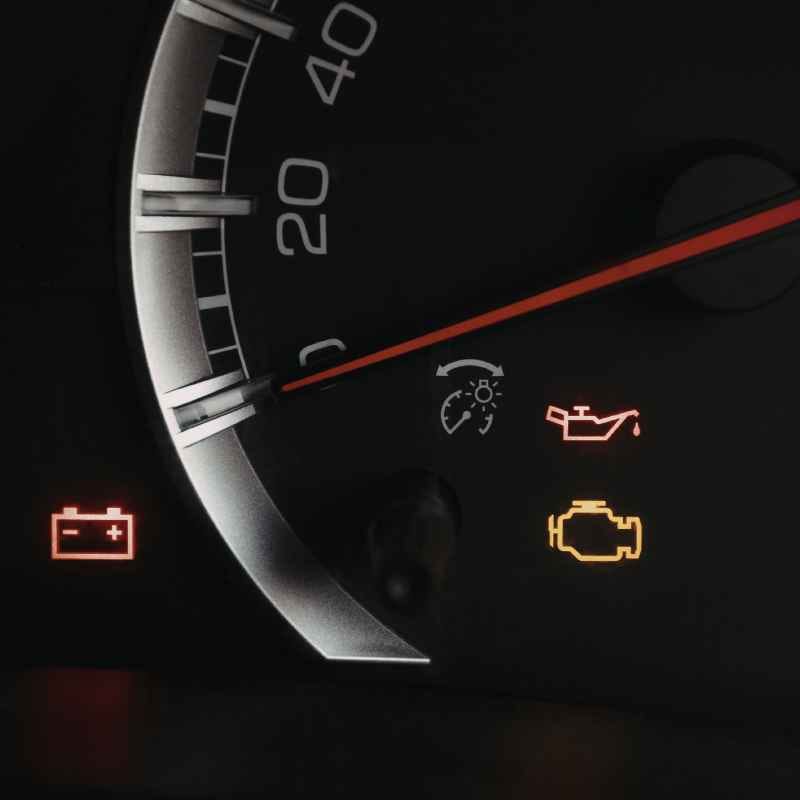
A red engine oil light means stop now and check your level immediately; a yellow light just means service is due soon. Confusing the two is the most common mistake drivers make.
Understanding the Engine Oil Light
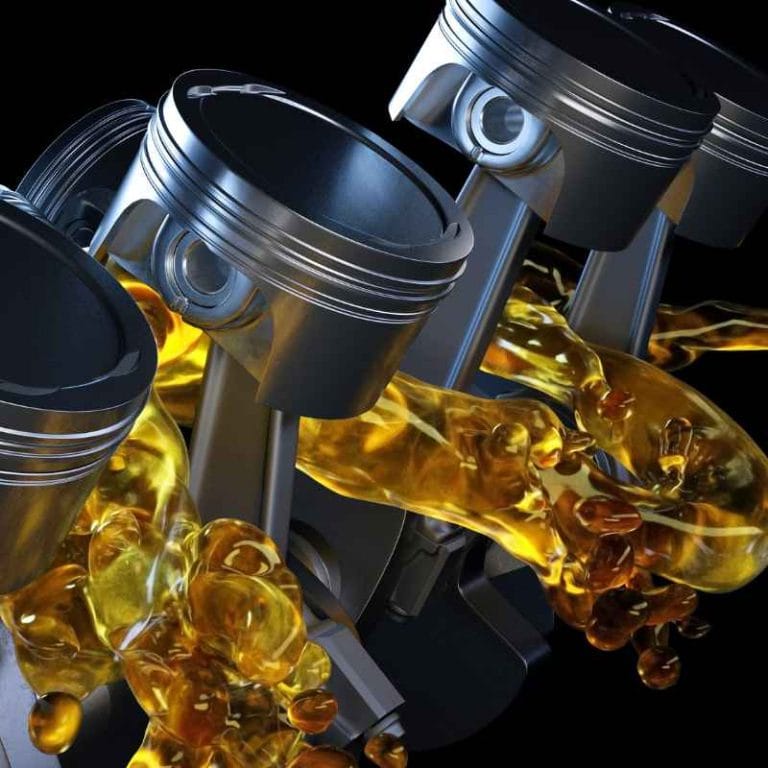
Your car’s engine needs oil. Oil is like its lifeblood. It keeps moving parts from rubbing together.
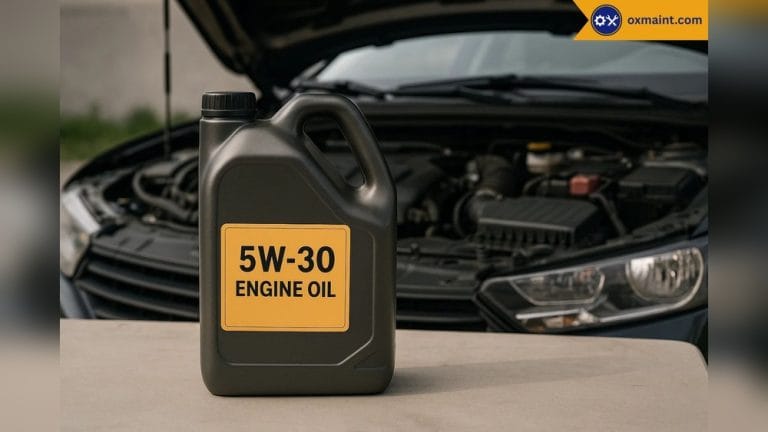
Mobil 1 Extended Performance 5W-30 (5 Qt, Pack of 2) — $71.94
If checking your dipstick confirms low oil (the most common cause this article covers), keep a quart on hand so you can top off immediately instead of driving on a red light.
- Best for: Topping off immediately when the dipstick check confirms low oil is the cause
- Why picked: Full synthetic matches most modern engines; two-pack means you always have a spare quart
- Main drawback: Confirm your engine’s exact viscosity spec before buying — not universal
This rubbing creates heat and wear. Oil also cleans the engine. It carries away tiny metal bits.
It also helps cool the engine.
The oil light is a warning signal. It usually means one of two things. Either the oil in your engine is too low.
Or the oil pump isn’t sending enough oil around. This lack of oil flow is called low oil pressure. Both situations are bad for your engine.
This light isn’t about checking oil quality. It’s about the oil quantity and pressure. There’s usually a sensor.
This sensor monitors oil pressure. If the pressure drops too low, the sensor tells the computer. The computer then turns on the red oil light.
My Own Oil Light Scare
I remember one time, years ago. I was driving home from a friend’s house. It was late.
The road was dark and winding. Suddenly, that dreaded red oil light blinked on. My heart did a little flip.
My mind raced. Was the engine going to seize up? I pictured a huge tow truck bill.
I pulled over immediately. I turned off the engine. I waited a few minutes.
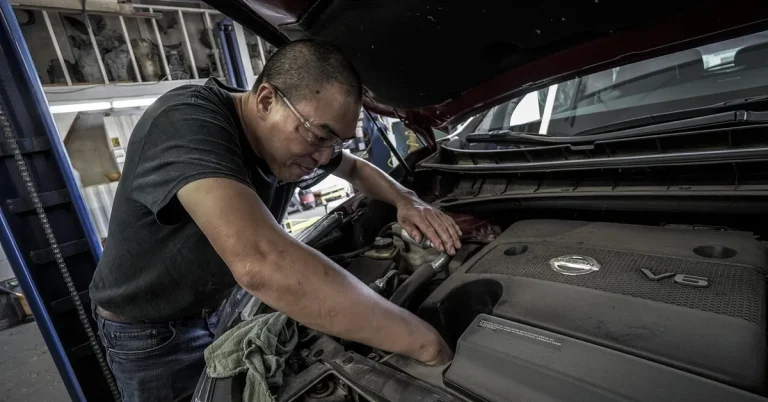
Then, I nervously opened the hood.
I found the dipstick. It felt like a test I hadn’t studied for. I pulled it out.
Wiped it clean. Put it back in. Pulled it out again.
The oil level was really low. It was below the minimum mark. I felt a wave of relief mixed with annoyance.
I had forgotten to check it. I had a spare quart of oil in my trunk. I added it carefully.
Then I started the engine. The light stayed off! I drove home very slowly.
I checked the oil again the next morning.
That experience taught me a lot. It showed me how critical even a small drop in oil can be. It also showed me that sometimes, the fix is surprisingly simple.
But I also knew I was lucky. It could have been a more serious problem.
Common Reasons for the Oil Light
Too Low Oil Level: This is the most frequent cause. Over time, engines can use a little oil. Leaks can also happen.
Low Oil Pressure: The oil pump might be failing. The oil filter could be clogged. Or the oil passages might be blocked.
Faulty Sensor: Sometimes, the sensor itself is bad. It might be sending a false signal.
Wrong Oil Type: Using oil that’s too thick or too thin for your car can affect pressure.
When the Light Comes On: Immediate Actions
If that red oil light pops on, don’t panic. But don’t ignore it either. It’s a serious warning.
1. Find a Safe Place to Stop. Pull over as soon as you can. Find a level spot.
Turn off the engine immediately. This stops the engine from running without proper lubrication. Running it dry can cause rapid, severe damage.
2. Wait for the Engine to Cool. Give it about 5 to 10 minutes. This lets the oil settle back into the oil pan.
It makes checking the level more accurate.
3. Check the Oil Level. Open the hood. Find the dipstick.
It usually has a bright handle. Pull it out. Wipe it clean with a rag or paper towel.
Put the dipstick all the way back in. Pull it out again. Look at the oil mark.
There are usually two marks on the dipstick. One is for ‘add’ or ‘low’. The other is for ‘full’.
See where the oil line is.
4. Assess the Situation. If the oil level is low, this is likely the cause. If the oil level looks fine, the problem might be with oil pressure or the sensor.
This is more serious.
Checking Your Oil Level Correctly
Getting an accurate oil reading is key. It helps you understand the problem better. Here’s how to do it right:
Park on Level Ground. This is super important. If your car is on a hill, the oil will gather in one part of the oil pan. This can make the dipstick read lower than it really is.
Or it can make it read higher.
Wait After Shutting Off the Engine. Cars need a few minutes for the oil to drain back down. This is often called the “dwell time.” Check your car’s manual. It will say how long to wait.
Usually, 5-10 minutes is enough.
Locate the Dipstick. It’s usually bright yellow or orange. It has a loop or handle. It’s typically on the side of the engine.
Your owner’s manual will show you exactly where it is.
Pull, Wipe, Reinsert, Pull. This is the standard method. First, pull the dipstick out. Use a clean rag or paper towel to wipe off all the oil.
Then, push the dipstick all the way back in. Make sure it’s seated properly. Pull it out one last time.
This time, observe the oil mark.
Read the Marks. You’ll see two marks or hatched areas. The oil should be between these two marks. If the oil level is at or below the lower mark, you’re low on oil.
Look at the Oil’s Appearance. While you have the dipstick out, look at the oil. Is it very dark? Does it have bits of metal in it?
Does it smell burnt? This gives you more clues. Dark oil isn’t always bad.
But if it’s black and gritty, it needs changing.
Quick Oil Check Steps
- Park on a flat surface.
- Turn off the engine. Wait 5-10 minutes.
- Open the hood. Find the dipstick.
- Pull, wipe, reinsert, and pull again.
- Check the oil level against the marks.
- Note the oil’s color and condition.
Adding Engine Oil: A Simple Fix
If your oil level is low, adding oil can solve the problem. This is the easiest fix. You’ll need the right type of oil for your car.
Your owner’s manual is the best place to find this. It will list the viscosity grade (like 5W-30) and specifications.
1. Get the Right Oil. Buy a quart or two of the correct oil. Make sure it matches your car’s needs.
Generic oil might not be the best choice.
2. Open the Oil Filler Cap. This cap is usually on top of the engine. It often has an oil can symbol on it.
It might say “Engine Oil.”
3. Add Oil Slowly. Pour the oil in slowly. Don’t just dump the whole quart in at once.
You don’t want to overfill. Use a funnel if you have one. This prevents spills.
4. Wait and Recheck. After adding about half a quart, wait a few minutes. Then, check the dipstick again.
Continue adding small amounts. Keep checking until the oil level is between the two marks. Aim for the upper mark, but don’t go over it.
5. Replace the Cap and Dipstick. Make sure the oil filler cap is screwed on tightly. Push the dipstick all the way back in.
6. Start the Engine. Start your car. Let it run for a few minutes.
Watch the dashboard. The oil light should turn off. If it stays on, shut off the engine immediately.
Do not drive.
Adding Oil: Key Points
Use the Correct Oil: Check your manual for viscosity and specifications.
Don’t Overfill: Too much oil can also harm your engine.
Add in Small Amounts: Pour slowly and check the dipstick often.
Tighten Caps: Ensure the oil filler cap and dipstick are secure.
When Adding Oil Doesn’t Work
If you’ve checked your oil, added some if needed, and the light is still on, it’s time for more investigation. This means the problem is likely not just low oil. It could be a more serious issue with the oil pressure system itself.
1. Check for Oil Leaks. Look under your car. Are there any fresh oil spots on the ground?
If you see oil, try to trace it back to the source. Common leak spots include the oil pan gasket, the oil filter housing, or the valve cover gasket.
2. Listen to Your Engine. With the engine running (and the light still on), listen for any strange noises. Are there knocking, ticking, or grinding sounds?
These can be signs of serious internal engine damage due to lack of lubrication.
3. Consider the Oil Filter. A clogged oil filter can restrict oil flow. If it’s been a long time since your last oil change, the filter might be the culprit.
However, you can’t easily check a filter without removing it.
4. Is the Oil Pump Failing? The oil pump circulates oil throughout your engine. If it’s worn out or failing, it won’t create enough pressure.
This is a mechanical problem that requires professional repair.
5. The Oil Pressure Sensor. It’s possible the sensor itself is faulty. It might be telling the car the pressure is low when it’s actually fine.
A mechanic can test this sensor.
My Neighbor’s Oily Predicament
My neighbor, Dave, had his oil light come on. He’s usually pretty good with car maintenance. He checked his oil.
It was full. The light stayed on. He started hearing a faint ticking sound.
He got worried. He called me over. I told him to shut it off.
We looked for leaks. We didn’t see any obvious ones. I suggested the oil pump might be weak.
Or maybe the oil filter was blocked. He decided to have it towed to his mechanic. The mechanic found that the oil pump was indeed failing.
The ticking sound was the engine starving for oil. He said if Dave had driven much longer, he would have needed a whole new engine. It was a close call for Dave, and a stark reminder for me.
Troubleshooting the Oil Light: A Step-by-Step Guide
Let’s break down what to do if the simple oil addition doesn’t work.
Step 1: Re-Check Oil Level and Condition
Even if you just added oil, check it again. Make sure it’s between the marks. Look at the oil on the dipstick.
Is it dark, gritty, or does it smell burnt? This tells you if the oil itself is old or contaminated.
Step 2: Inspect for Visible Leaks
Look underneath the car. Are there any drips? Check around the oil filter.
Check the oil pan and its gasket. Check the valve cover gasket on top of the engine. Any signs of oil seepage are important.
Step 3: Listen for Engine Noises
With the engine running (if you’ve determined it’s safe to do so for a very short period), listen carefully. Is there a knocking or tapping sound? This usually means metal parts are hitting each other without enough oil.
Step 4: Consider Recent Maintenance
When was your last oil change? Was the oil filter replaced? Sometimes, a new oil filter can be installed incorrectly.
Or it might be defective.
Step 5: Check Your Owner’s Manual
Your car’s manual is a treasure trove of information. It will explain the oil light’s meaning for your specific model. It might also have specific troubleshooting tips.
Step 6: Test the Oil Pressure (Requires Tools or Mechanic)
A mechanic can perform a more accurate test. They use a mechanical oil pressure gauge. This connects to your engine.
It directly measures the oil pressure. This is the best way to know if the pump is working correctly.
Step 7: Test the Oil Pressure Sensor
The sensor can be tested. It might be unplugged or faulty. A mechanic can check its wiring and connections.
They can also test the sensor itself.
When to Call a Mechanic
Light Stays On After Adding Oil: If the level is correct and the light persists.
Strange Engine Noises: Knocking, ticking, or grinding sounds.
Visible Oil Leaks: Especially if you can’t identify the source.
Uncertainty: If you’re not comfortable diagnosing the problem yourself.
Engine Overheating: Low oil can contribute to overheating.
Common Causes of Low Oil Pressure
Low oil pressure is a more complex issue than just a low oil level. It means the oil isn’t being pushed through the engine effectively. Here are the usual suspects:
1. Worn Oil Pump: Over time, the oil pump can wear out. Its internal parts become less efficient.
This means it can’t build up enough pressure to send oil everywhere it needs to go. This is common in older cars.
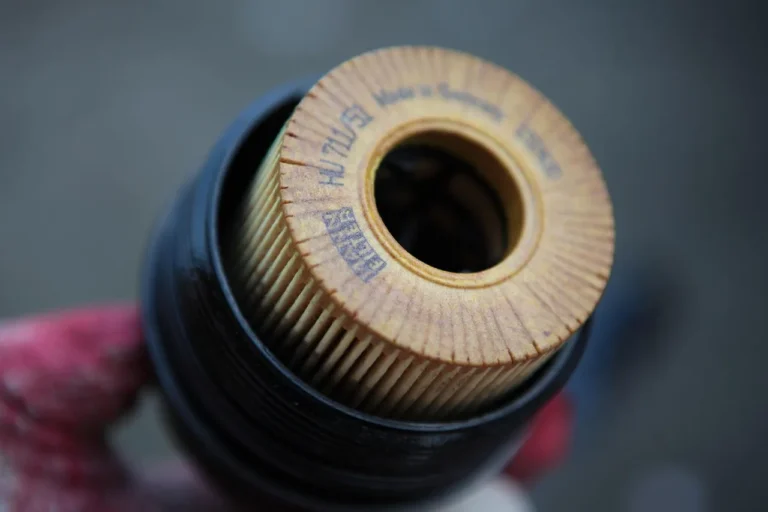
2. Clogged Oil Filter: The oil filter removes dirt and debris from the oil. If it gets too dirty, oil can’t flow through it easily.
This can restrict pressure. It’s why replacing the filter with every oil change is important.
3. Clogged Oil Passages: The engine has small passages (like tiny pipes) that carry oil. If sludge or debris builds up in these passages, they can become blocked.
This stops oil from reaching certain parts of the engine.
4. Worn Engine Bearings: The engine has bearings that support the crankshaft and connecting rods. If these bearings become worn, there’s more space between them and the metal surfaces.
This extra space allows oil to escape, reducing pressure.
5. Low Oil Level (Again): Even if the dipstick shows the oil is within the normal range, if it’s very close to the low mark, the oil pump might start sucking air. This can cause temporary drops in pressure.
6. Wrong Viscosity Oil: Using oil that is too thin for your climate or car can lead to low pressure, especially when the engine is hot. Oil that is too thick can struggle to flow in cold weather.
7. Oil Pump Pick-up Screen Clogged: The oil pump has a screen at the end of its intake pipe (the pick-up tube). This screen catches large debris before it enters the pump.
If this screen gets clogged with sludge, the pump can’t draw enough oil.
Oil Pressure vs. Oil Level
Oil Level: How much oil is in the oil pan.
Oil Pressure: How forcefully the oil is being pushed through the engine by the oil pump.
Relationship: You need enough oil (level) for the pump to work. But even with enough oil, a weak pump or clog will cause low pressure.
The Light: Usually measures oil pressure, not just level. Though very low levels trigger it.
What if the Oil Light Flashes?
A flashing or rapidly blinking oil light is often worse than a steady light. It indicates a more severe and immediate problem.
Severe Low Pressure: The pressure is critically low. The engine is not getting enough oil to protect itself. This is an emergency situation.
Intermittent Problem: The pressure might be fluctuating wildly. It could be that the oil pump is failing and only working sometimes. Or there’s a blockage that’s intermittently restricting flow.
What to Do: If the light is flashing, shut off the engine IMMEDIATELY. Do not try to drive it. Tow it to a mechanic.
Continuing to run the engine can cause catastrophic damage very quickly. We’re talking about destroying the engine in minutes.
I once saw a car that had a flashing oil light. The driver kept driving for a few miles. By the time they got it to the shop, the engine was making terrible grinding noises.
The mechanic said it was toast. The crankshaft was completely damaged from lack of oil. It was a $5,000+ repair for a problem that could have been a $50 oil top-off if caught earlier.
Preventing Oil Light Issues
The best way to deal with the oil light is to prevent it from coming on in the first place. Regular maintenance is your best friend.
1. Regular Oil Changes: Follow your car’s recommended oil change schedule. This is usually in your owner’s manual.
Don’t skip them. Use the correct type of oil and a new oil filter each time.
2. Check Oil Level Monthly: Make it a habit. Check your oil level at least once a month.
Do it when the engine is cold. This simple check can catch low oil levels before they become a problem.
3. Look for Leaks: When you check your oil, glance under the car. If you see new oil spots, investigate them.
Address small leaks before they become big problems.
4. Pay Attention to Your Car: Listen for strange noises. Notice any changes in how your car drives.
Early detection is key to avoiding costly repairs.
5. Use Quality Parts: When getting oil changes or other services, use reputable brands for oil and filters. Cheap parts might not last as long or perform as well.
Preventative Maintenance Checklist
- Monthly: Check oil level.
- Every Oil Change: Replace oil filter.
- Follow Schedule: Adhere to manufacturer’s oil change intervals.
- Inspect for Leaks: Look for oil spots under the car.
- Note Changes: Pay attention to engine sounds and performance.
The Role of the Oil Pressure Sensor
The oil pressure sensor is a small but vital component. It’s the link between your engine’s oil pressure and your dashboard warning light. Here’s how it works and what can go wrong:
How it Works: The sensor is threaded into the engine block. It has a diaphragm inside. Oil pressure pushes against this diaphragm.
This movement changes an electrical signal. The car’s computer reads this signal. If the pressure is too low, the computer triggers the oil light.
What Can Go Wrong:
- Sensor Failure: The sensor itself can fail. It might stop sending a signal or send a false signal. This can cause the oil light to come on when there’s no actual oil problem.
- Electrical Connection Issues: The wires connected to the sensor can become loose, corroded, or damaged. This disrupts the signal.
- Clogged Sensor Port: Sometimes, the small port on the engine where the sensor screws in can get clogged with sludge. This prevents the oil from reaching the sensor properly.
Diagnosing Sensor Issues: A mechanic can test the sensor. They can check the voltage it’s sending. They can also check the wiring.
Sometimes, they’ll even screw in a known good sensor to see if the problem goes away.
It’s important to note that while a faulty sensor is possible, you should always assume the light means what it says first. Don’t just
When is the Oil Light Normal? (Hint: It Rarely Is!)
This is a tricky question. In most modern cars, the oil light is almost always a sign of a problem. However, there are a couple of very rare scenarios:
1. Startup Flicker (Very Brief): Some cars might show a very brief flicker of the oil light right when you start the engine. This can happen as the oil pressure is building up.
The light should go out within a second or two. If it stays on or flickers longer, it’s not normal.
2. Faulty Sensor (as discussed): The only other time it might be “normal” is if the sensor is giving a false reading. But this isn’t the car having a problem; it’s the sensor failing.
The underlying oil system might be perfectly fine.
What is NOT Normal:
- A steady red oil light while driving.
- A flashing or blinking red oil light.
- An oil light that comes on and stays on after starting the engine.
Never ignore an oil light, even if you think it might be a fluke. The potential cost of ignoring it is too high.
Common Questions About the Oil Light
What does it mean when the engine oil light comes on?
The engine oil light usually means your oil level is too low or your oil pressure is too low. Both indicate a problem that needs immediate attention to prevent engine damage.
Should I drive if the oil light is on?
No, you should not drive if the oil light is on, especially if it’s flashing. Pull over to a safe location, turn off the engine, and check your oil level. Driving with low oil pressure can cause severe and expensive engine damage very quickly.
How do I check my car’s oil level?
Park on a level surface, turn off the engine, wait 5-10 minutes, locate the dipstick, pull it out, wipe it clean, reinsert it fully, pull it out again, and check the oil mark. The oil should be between the ‘low’ and ‘full’ marks.
What kind of oil should I add?
You should add the type of oil recommended in your car’s owner’s manual. This includes the correct viscosity (like 5W-30) and any specific performance ratings required by the manufacturer.
Can the oil light be on for reasons other than low oil?
Yes, the oil light can also come on due to low oil pressure caused by a failing oil pump, a clogged oil filter, or a faulty oil pressure sensor. These are more serious issues than just a low oil level.
How often should I check my oil level?
It’s a good practice to check your oil level at least once a month. Many people also check it before long road trips or if they notice any unusual engine sounds or performance changes.
What is the difference between oil level and oil pressure?
Oil level refers to the amount of oil in your engine’s oil pan. Oil pressure refers to the force with which the oil pump is circulating that oil throughout the engine. Both are critical, but the light typically measures pressure.
Final Thoughts on Your Oil Light
That little oil light can be nerve-wracking. But by understanding what it means and knowing the steps to take, you can handle it. Most of the time, a low oil level is the culprit.
Adding the right oil can fix it. But if the light stays on, or if you hear strange noises, don’t delay. Get it checked by a professional.
Your car’s engine is a complex machine. Treating it with care through regular checks and maintenance will keep it running smoothly for a long time.
Products related to this article
Sponsored / affiliate links. As an Amazon Associate I earn from qualifying purchases. I may earn additional commission from eligible campaigns.
 DongJinK Engine Oil Level Gage Dipstick Compatible with Toyota 4Runner 1984-1995 for Toyota Celica 1984-1985 for Toyota Pickup 1984-1995 Replace# 15301-35020 1530135020
 ACROPIX Engine Oil Level Indicator Dipstick for Ford Fusion 2010-2012 for Ford Escape 2010-2012 for Ford Fusion 2006-2007 No.6E5Z6750AC Car Parts