Can Car Engine Oil Be Used For A Generator? Real Answer
Using car engine oil in a generator might seem like a good idea, but it’s generally not recommended due to differences in engine design and operating conditions. Generators often need specific oil formulations to handle their unique demands, like higher operating temperatures and consistent load. Always check your generator’s manual for the manufacturer’s exact oil specifications.
Understanding Generator Engine Oil Needs
Generators and cars are both powered by engines, but they operate very differently. This is the main reason their oil needs aren’t the same. A car engine is designed for stop-and-go traffic, varied speeds, and periods of idling.
It also has a complex cooling system. A generator engine, on the other hand, often runs at a constant speed and under a steady, sometimes heavy, load for extended periods. This puts different kinds of stress on the engine.
Think of it like a marathon runner versus a sprinter. Both are athletes, but their training and needs are distinct.
The high, constant operating temperatures a generator can reach are a big factor. They often don’t have the same airflow or sophisticated cooling as a car. This means the oil has to work harder to keep things cool.
It also needs to resist breaking down under this sustained heat. Car oils are formulated with many additives. Some of these help with detergents, friction modifiers, and anti-wear agents.
They are tailored for the specific needs of a car’s engine, which includes things like emission control systems. Some of these additives might not be suitable for, or even harmful to, a generator’s simpler but equally demanding engine design.
So, while both are oils, their recipes are meant for different jobs. Using the wrong one can lead to more wear and tear over time. It can also shorten the life of your generator.
It’s a small detail that can have a big impact.
My Generator Oil Scare
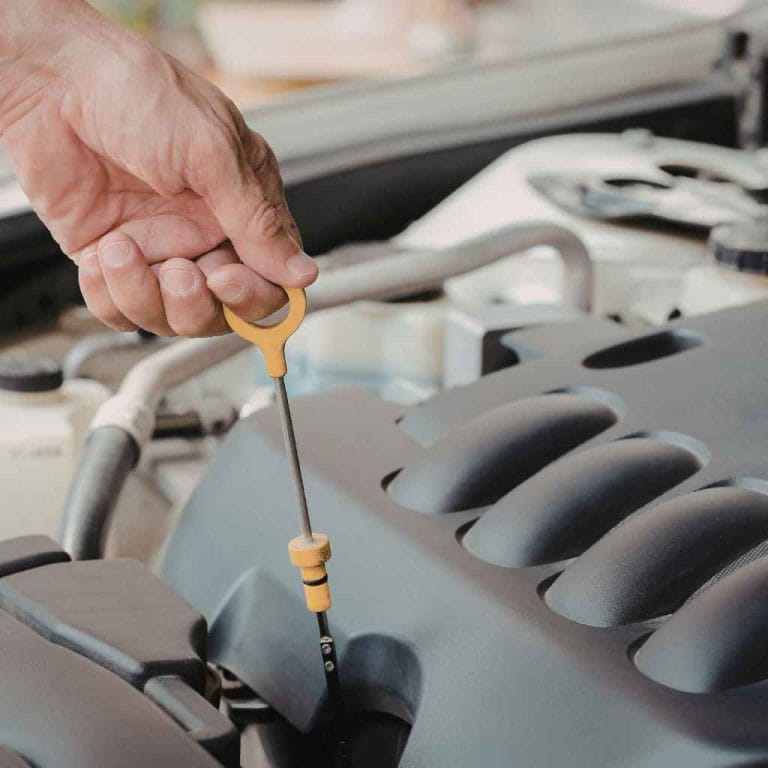
I remember this one time a few years back. We were heading into hurricane season, and I was checking all my emergency gear. My trusty generator, which I hadn’t run in months, was purring along fine during its test start.
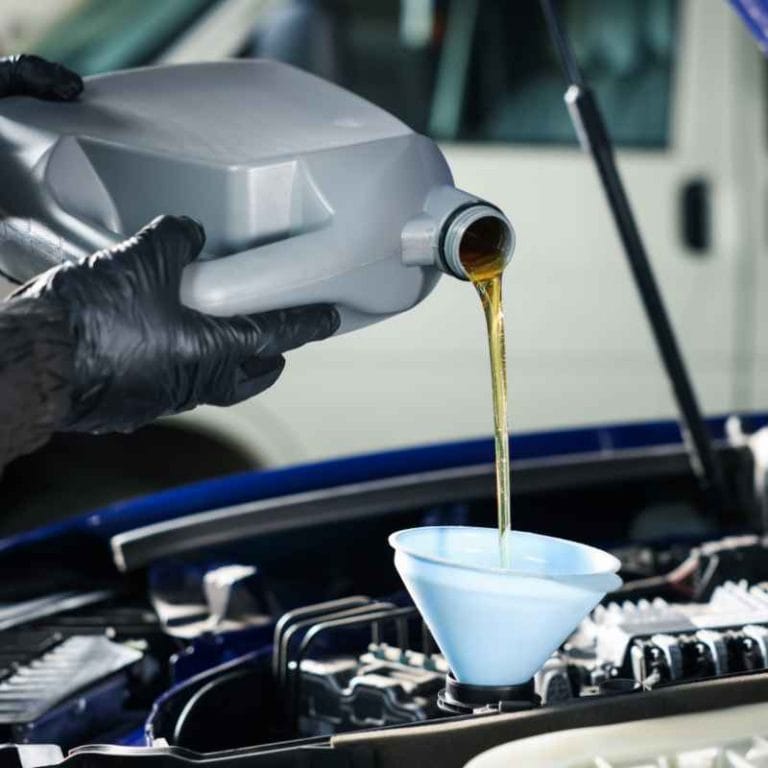
Then, I noticed the oil level was a bit low. My husband had recently changed the oil in his car and had a nearly full jug of 10W-30 synthetic sitting in the garage. My first thought was, “Perfect!
I’ll just top it off with this. It’s the same weight as what the generator usually takes.”
I grabbed the jug, poured in about half a quart, and felt pretty pleased with myself. It was a small thing, but it felt like smart resourcefulness. The generator kept running, and I put it back in its spot.
About a week later, we had a pretty bad storm. The power went out, and I fired up the generator. It ran for a good four hours that first night.
The next morning, I went to check on it. It was making a strange, clanky noise. Not the usual smooth hum.
My stomach dropped.
I immediately shut it off. Panic started to set in. I remembered that 10W-30 synthetic.
Was that the problem? I scrambled to find the generator’s manual. Flipping through it, I found the oil section.
It listed specific SAE grades but also mentioned API service classifications. My husband’s car oil had an API rating for modern gasoline engines, which often includes specific additive packages for things like turbochargers and emissions. The generator manual, however, recommended an older classification, something like SG or even older, or specifically listed oils for air-cooled engines.
That clanky noise was a wake-up call. Luckily, I hadn’t run it for too long with the “wrong” oil. I drained it immediately, even though it felt like a waste.
I refilled it with the exact type of oil the manual specified. The clanky noise went away. The generator ran perfectly after that.
That experience taught me a vital lesson: never assume oil is just oil. The engine type and how it’s used really matter. It’s a mistake I’ve never made again, and it’s why I’m so careful to explain this difference.
Generator Oil vs. Car Oil: Quick Look
Generator Oil:
- Often designed for air-cooled engines.
- Handles higher, constant operating temperatures.
- May have fewer detergents.
- Built for steady loads and less frequent starts/stops.
Car Engine Oil:
- Formulated for liquid-cooled engines.
- Handles varied speeds and temperatures.
- Contains more detergents for engine cleanliness.
- Has additives for emissions systems.
Why Generators Have Special Oil Needs
Let’s break down why a generator’s engine is a bit different. Many portable generators use air-cooled engines. This means they rely on airflow over the engine block to keep temperatures down.
Unlike a car’s radiator system, which uses a liquid coolant and fan, air-cooling can’t regulate temperature as precisely. This often leads to higher and more consistent engine temperatures. Oil in an air-cooled engine needs to be able to withstand this heat without breaking down.
When oil breaks down, it loses its ability to lubricate and protect the engine parts. It can also form sludge, which blocks oil passages and causes even more problems.
Car engines, while they get hot, usually have more robust cooling systems. They can maintain a more stable operating temperature range. This allows for different additive packages in their oils.
These additives often include detergents. Detergents help to keep the engine clean by preventing carbon deposits and sludge buildup. While cleaning is good, too many detergents in a generator might not be necessary and could potentially react with certain seals or materials in simpler generator engines.
Some older generator engine designs or those with specific materials might not benefit from modern detergent packages.
Another point is load. Cars experience fluctuating loads. They speed up, slow down, and idle.
Generators often run at a constant load for hours. This consistent strain means the oil is constantly under pressure and heat. It’s not getting the same cooling-down periods as car oil might.
This is why oils with good thermal stability are critical for generators. They need to maintain their viscosity and protective qualities under prolonged stress. The SAE (Society of Automotive Engineers) grade, like 10W-30, tells you about the oil’s viscosity (thickness) at different temperatures.
But the API (American Petroleum Institute) service classification tells you about the oil’s performance and the additives it contains.
Generators often specify older API classifications or simply a weight like SAE 30. This is because their engines are typically simpler and don’t require the advanced additive packages found in modern car oils designed for complex emission systems and varied operating conditions. Using an oil with the wrong API rating could mean it has additives that aren’t compatible with your generator’s engine or that it’s missing additives it needs to perform optimally under sustained load and heat.
Key Differences Explained
Operating Temperature: Generators often run hotter due to air-cooling.
Load Consistency: Generators run at steady loads, cars vary.
Additive Packages: Car oils have detergents for emissions; generators may need simpler oils.
Engine Design: Generators have simpler, often air-cooled engines.
The Role of Viscosity and Oil Weight
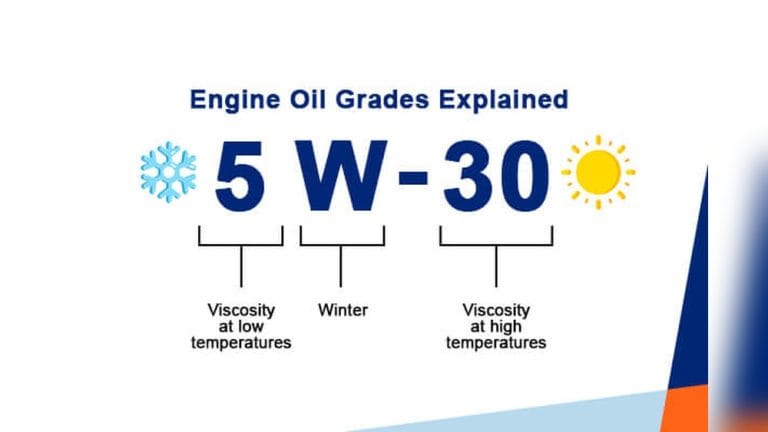
When we talk about oil, one of the first things mentioned is its weight or viscosity. You’ll see numbers like 10W-30 or SAE 30. This is a crucial part of oil specification.
The “W” stands for winter. So, 10W-30 means the oil flows well in cold temperatures (the 10W part) but also maintains a good thickness at operating temperature (the 30 part).
SAE 30 is a single-grade oil. It means it has a specific viscosity at operating temperature. Many smaller, air-cooled generator engines recommend SAE 30 oil, especially in warmer climates or during summer.
This is because these engines often run hotter, and a single-grade oil can maintain its protective thickness better under sustained high heat compared to some multi-grade oils. Multi-grade oils (like 10W-30) contain viscosity index improvers. These are polymers that expand as the oil heats up.
This helps them provide a wider range of protection.
However, these polymers can sometimes break down under extreme, sustained heat. If your generator manual specifically calls for SAE 30, especially for warmer weather use, it’s for a good reason. Using a multi-grade oil when SAE 30 is recommended might seem okay because the numbers match, but the underlying additive technology and thermal stability can be different.
The engine designer chose that specific viscosity for a reason related to oil flow, pressure, and heat management within that particular engine’s design.
So, while 10W-30 might be the same weight as SAE 30 at a certain temperature, the oil itself is made differently. For your generator, sticking to the recommended viscosity is key. If your generator is rated for 10W-30 and you have that for your car, it might seem like a match.
But this is where we need to look beyond just the numbers. The API service rating becomes the next, and often more important, factor.
Viscosity Grades Quick Guide
SAE 30: A single-grade oil. Good for warmer temperatures and simpler engines. Often recommended for generators.
10W-30: A multi-grade oil. Flows better when cold, maintains thickness when hot. Common in cars.
Important: Always check your generator manual. It will specify the correct grade and type.
API Service Classifications: The Hidden Factor
This is where things get really important, and often, overlooked. The API service classification is more than just a label. It tells you about the oil’s performance characteristics, including the types and amounts of additives it contains.
For gasoline engines, these classifications typically start with “S” (like SF, SG, SH, SJ, SL, SM, SN). Each letter indicates an improvement in performance and protection standards over the previous one.
Older generator engines might call for oils with older classifications, like API SG. Modern car oils will likely have API SN, SP, or even newer ratings. These newer ratings are designed for modern engines with advanced emission controls, turbochargers, and direct injection.
They contain specific additives to handle these technologies. Some of these additives, particularly those related to detergents and friction modification for fuel economy, may not be ideal or even necessary for a simpler generator engine.
In fact, using an oil with too many modern additives could potentially harm older generator engine designs. For example, some additives can increase oil consumption or deposits in engines not designed for them. It’s like giving a baby’s food to an adult – it might be nutritious, but it’s not formulated for their specific needs.
Manufacturers of generators often specify a particular API classification because it ensures the oil has the right balance of detergents, dispersants, anti-wear agents, and other components that will protect their specific engine design under its typical operating conditions.
If your generator manual says “API SG or higher,” that means SG is the minimum standard. You could use an oil that meets SG, SH, SJ, etc. But if it says “API SG recommended” or specifies older standards, it’s a strong hint that newer, more complex additive packages might not be beneficial and could even cause issues.
Always prioritize what the generator manufacturer states in the owner’s manual. They know their engine best.
API Classifications: What to Know
- API “S” for Spark Ignition: This is for gasoline engines like cars and generators.
- Higher Letters = Newer Standards: SN, SP are for modern cars.
- Generator Needs Vary: Older generators may need older API specs (e.g., SG).
- Check Your Manual: This is the most important step!
Synthetic vs. Conventional Oil: Does It Matter?
You’ve got synthetic oil for your car, and it’s great, right? It offers superior protection, especially in extreme temperatures. So, can you use it for your generator?
The answer, again, depends on what your generator manufacturer recommends. Many modern generators, especially the more expensive or higher-output models, might be perfectly happy with synthetic oil, and some might even recommend it.
Synthetic oils are engineered in a lab to have very uniform molecules. This leads to better lubrication, less friction, and improved performance at both high and low temperatures. They also resist breaking down under heat much better than conventional oils.
For an air-cooled engine that runs hot, synthetic oil could potentially offer better protection and longer oil change intervals.
However, conventional oils are what many smaller, less expensive generators are designed to use. They have been formulated with the right balance of additives for these engines. If your generator manual specifies conventional oil or a particular API classification that is common in conventional oils, using a full synthetic might not be necessary and, in rare cases, could potentially lead to issues if its additive package differs significantly.
The key is compatibility. If the generator manufacturer approves synthetic oil and the correct viscosity and API classification, then yes, you can likely use it.
The critical point remains the same: check the owner’s manual. If the manual states “use synthetic oil of type X,” then use it. If it says “use conventional oil of type Y,” then stick to that unless you have explicit manufacturer approval to do otherwise.
Sometimes, a synthetic oil that meets the exact specifications listed in your manual is available and would be a great choice. But simply assuming “synthetic is better” and pouring it in without checking can be just as risky as using the wrong weight.
Synthetic vs. Conventional for Generators
Synthetic: Can offer better heat resistance and protection. Check manual for approval and specs.
Conventional: Often the standard for simpler generator engines. Use if recommended.
Rule of Thumb: Always match the oil to the generator manual’s specifications, regardless of type.
Why It’s So Important to Use the Right Oil
Let’s recap why this isn’t just being picky. It’s about protecting a significant investment and ensuring reliability when you need it most. Using the wrong oil can lead to several problems:
1. Increased Wear and Tear: If the oil isn’t designed for the engine’s operating temperature and load, it can break down. This means less lubrication.
Metal parts rub against each other more, causing premature wear. This can lead to reduced engine life and eventually costly repairs.
2. Overheating: Oil plays a role in cooling. If it breaks down or isn’t the right viscosity, it can’t dissipate heat effectively.
This can cause the engine to run hotter than it should, leading to more stress on components.
3. Sludge and Deposit Buildup: Modern car oils have detergents. While good for cars, they might cause issues in generators not designed for them.
Conversely, if a generator oil doesn’t have enough of a certain additive it needs, deposits can form. This can clog oil passages and filters, starving parts of the engine of lubrication.
4. Reduced Performance: An engine not properly lubricated or cooled won’t run efficiently. You might notice a loss of power or a decrease in fuel efficiency.
5. Voided Warranty: This is a big one. Most manufacturers will void your warranty if you don’t use the recommended type of oil.
If something goes wrong and they find you used the wrong oil, they won’t cover the repairs. That could be thousands of dollars out of your pocket.
6. Failure During Emergency: The worst-case scenario is your generator failing during a power outage. This happens when you need it most for lights, refrigeration, medical equipment, or heating/cooling.
Using the wrong oil increases this risk significantly.
Think of your generator’s engine as a highly specialized tool. It needs the right fuel, the right maintenance, and crucially, the right lubricant. The oil is its lifeblood.
Ensuring you use the correct oil is one of the simplest yet most effective ways to keep it running reliably for years to come. It’s a small step with a huge payoff in terms of peace of mind and operational longevity.
Consequences of Using Wrong Oil
- Engine Damage: Increased wear, overheating, and reduced lifespan.
- Performance Issues: Loss of power and efficiency.
- Warranty Voided: Manufacturer won’t cover repairs.
- Unreliable Operation: Failure when you need it most.
Checking Your Generator’s Manual: Your Best Friend
I can’t stress this enough. Your generator’s owner’s manual is the ultimate authority. It’s not just a booklet with safety warnings; it’s the blueprint for your specific machine.
When it comes to oil, it will clearly state:
- The recommended viscosity grade (e.g., SAE 30, 10W-30).
- The required API service classification (e.g., API SG, SJ, SN).
- Whether synthetic oil is permitted or recommended.
- The oil capacity of the engine (how much oil to add).
- Recommended oil change intervals.
If you’ve lost your manual, don’t worry. Most manufacturers have them available for download on their websites. Just search for your generator’s make and model.
Once you have it, find the maintenance or specifications section. Bookmark it or make a note of the oil requirements. This information is vital not just for oil changes but also for topping up.
When you go to buy oil, take a picture of that section of your manual on your phone. Compare it carefully to the labels on the oil bottles. Don’t just look at the weight.
Look at the API rating. If it specifies an older rating that’s hard to find, don’t panic. Sometimes, newer oils that meet a higher API standard also meet or exceed the requirements of older ones.
For example, an API SN oil will likely be suitable if SG is recommended, but always double-check the oil manufacturer’s product descriptions or contact them if you’re unsure.
In the rare case that a newer API rating is explicitly not compatible, you might need to look for oils marketed as “classic” or “heavy-duty” that specifically state they meet older standards. But most of the time, understanding the manual’s requirements and finding an oil that meets them is straightforward.
Manual Checklist
Viscosity: SAE 30? 10W-30? etc.
API Rating: SG? SJ? SN?
etc.
Oil Type: Conventional? Synthetic allowed?
Capacity: How many quarts/liters?
Change Interval: How often?
When Is Car Oil Absolutely NOT Okay?
Based on everything we’ve discussed, using your car’s engine oil for your generator is generally a bad idea if:
- The viscosity (weight) is different from what the manual recommends.
- The API service classification is too high (meaning it has additives for modern engines not suited for your generator) or too low (not providing adequate protection).
- The manual explicitly warns against using oils with certain additive packages or for specific types of engines (e.g., some high-performance car oils have friction modifiers that can interfere with clutch plates in motorcycles, and similarly, some specialized additives could be problematic for generators).
- The oil contains friction modifiers designed for fuel economy in cars, as these can sometimes reduce the oil’s protective film strength under sustained generator loads.
Think about it this way: you wouldn’t use high-octane racing fuel in a lawnmower, even though both use gasoline. They are different fuels for different engines and purposes. The same logic applies to engine oil.
The subtle differences in formulation, designed for vastly different operating environments and engine technologies, can have a significant impact on performance and longevity.
The safest bet, and the one that will give you the most reliable performance from your generator, is to always adhere to the specifications provided by the manufacturer. It’s a small detail that ensures your generator is ready to go when you need it most, without any unexpected, costly, or dangerous surprises.
Red Flags: Avoid These Oils
Wrong Weight: 5W-20 in an engine that needs SAE 30.
Wrong API: Overly modern API rating not approved for your generator.
Specialized Additives: Oils with “friction modifiers for fuel economy” or specific racing formulas.
Anything NOT in the Manual: If it’s not listed or approved, don’t use it.
What if I’ve Already Used Car Oil?
If you’ve already used car engine oil in your generator and it hasn’t shown obvious signs of distress, don’t panic. The best course of action is to drain the oil immediately and
When you drain the oil, examine it. Does it look unusually dark or thick? Are there any signs of sludge?
Even if it looks okay, performing an oil change is the safest move. It’s a relatively inexpensive procedure that can prevent much larger, more costly problems down the line. After changing the oil, keep a close ear on your generator.
Listen for any unusual noises, like the clanking I heard. Pay attention to its performance. If everything sounds and runs normal, you’ve likely dodged a bullet.
Moving forward, make sure you have the correct oil on hand for future maintenance. It’s a good idea to buy a small, dedicated jug of generator-specific oil and keep it with your generator. That way, you’ll always have the right thing ready when you need to top it up or perform an oil change.
This simple step saves you from the temptation of using whatever is available.
Immediate Action if Wrong Oil Was Used:
Drain Oil: Remove the incorrect oil as soon as possible.
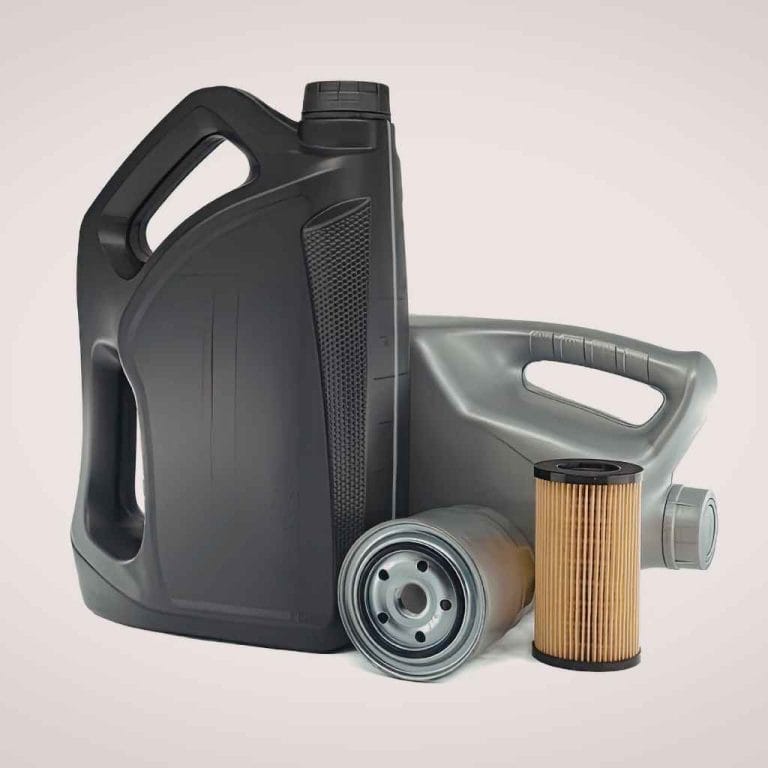
Replace Filter: If your generator has an oil filter, replace it too.
Refill Correctly: Use the exact oil specified in the manual.
Monitor Performance: Listen for unusual sounds and check for leaks.
Generator Oil: Where to Find the Right Stuff
Finding the right oil for your generator isn’t usually difficult. You can typically find it at several places:
- Auto Parts Stores: Many stores carry a range of oils, including those suitable for generators. Look for brands that offer SAE 30 or specific weights with the correct API ratings. You might need to search a bit more.
- Hardware Stores: Stores like Home Depot, Lowe’s, or your local hardware shop often sell generator-specific oils. They might even have small, convenient bottles.
- Online Retailers: Websites like Amazon, or the manufacturers’ own online stores, are great resources. You can often find exactly what you need by searching for your generator’s brand and model, or by the specific oil specifications.
- Small Engine Shops: Places that specialize in repairing lawnmowers, generators, and other outdoor power equipment will definitely carry the correct oils.
When you’re shopping, remember to bring your generator’s manual or at least the oil specifications with you. Look for the viscosity grade and the API service classification on the oil bottle’s label. If you’re unsure, don’t hesitate to ask a store employee for help, but remember they might not always be as knowledgeable about generator specifics as your manual is.
Trusting your manual is always the best approach.
It’s worth noting that sometimes, oils specifically marketed for “small engines” or “outdoor power equipment” are precisely what your generator needs. These are often formulated for the demands of air-cooled engines running at high RPMs under load. Just be sure to check that they meet the viscosity and API requirements listed in your manual.
Conclusion: Protect Your Power Source
Using the right oil in your generator is a critical maintenance step. It’s not just about topping up; it’s about using the precise formulation your engine needs to run efficiently and reliably. Car engine oil, with its different additives and performance characteristics, is generally not a substitute.
Always refer to your generator’s owner’s manual for the exact oil specifications. By following these guidelines, you ensure your generator stays in top shape, ready to provide power when you need it most. Protecting your generator means protecting your home and your peace of mind.

Frequently Asked Questions
Can I use the same oil for my generator as my car?
Generally, no. While both are engines, they operate under different conditions. Cars have liquid-cooled engines and varied loads, while generators often have air-cooled engines running at constant, high loads.
This means their oil needs, especially regarding temperature resistance and additive packages, differ significantly. Always check your generator’s manual for specific oil requirements.
What happens if I use the wrong oil in my generator?
Using the wrong oil can lead to increased engine wear, overheating, sludge buildup, reduced performance, and potentially void your warranty. In critical situations, it could cause your generator to fail when you need it most. It’s best to always use the oil recommended by the manufacturer.
Is SAE 30 oil good for all generators?
Not necessarily. While SAE 30 is a common recommendation for many smaller, air-cooled generator engines, especially in warmer climates, other generators might require different viscosities like 10W-30 or even other specific grades. Your generator’s owner’s manual is the definitive source for its oil requirements.
Can I use synthetic oil in my generator?
It depends on the generator. Some modern generators are designed to run on synthetic oil and may even recommend it for better performance and protection. However, for simpler or older generator engines, conventional oil might be specified.
Always check your generator’s manual to see if synthetic oil is approved and what specifications it must meet.
How often should I change the oil in my generator?
The oil change interval varies greatly depending on the generator model, its usage, and the type of oil used. Most manufacturers recommend checking the oil every time you use the generator and changing it after a certain number of operating hours (e.g., 50, 100, or 200 hours) or annually, whichever comes first. Consult your owner’s manual for the precise schedule.
Where can I find the correct oil specifications for my generator?
The best place to find the correct oil specifications for your generator is in its owner’s manual. If you no longer have the manual, you can usually download a digital copy from the manufacturer’s official website by searching for your generator’s make and model.
Products related to this article
Sponsored / affiliate links. As an Amazon Associate I earn from qualifying purchases. I may earn additional commission from eligible campaigns.
 ECOGARD X10023 Cartridge Engine Oil Filter for Conventional Oil - Premium Replacement | Fits 2018-2023 Volkswagen Atlas 3.6L; 2020-2023 Atlas Cross Sport 3.6L
 ECOGARD X10040 Cartridge Engine Oil Filter for Conventional Oil - Premium Replacement | Fits 2011-2026 Jeep Grand Cherokee, Dodge Durango 3.6L; 2012-2026 Wrangler 3.6L; 2014-2022 Cherokee 3.2L