How Much Engine Oil Does A Car Need? (By Model & Type)
The amount of engine oil a car needs varies widely, typically ranging from 3.5 to 6 quarts, depending on the vehicle’s make, model, engine size, and type. Always consult your owner’s manual for the exact capacity and recommended oil specification for your car.
What Is Engine Oil Capacity?
Engine oil capacity is simply the total amount of oil your car’s engine can hold. Think of it like a gas tank. Each car has a specific size tank for its fuel.
Your engine has a specific size “tank” for its oil. This capacity is measured in quarts or liters.
This oil is super important. It keeps all the moving parts inside your engine smooth. It stops them from rubbing together too hard.
That rubbing creates heat and wear. Oil also helps clean the engine. It carries away tiny bits of dirt and metal.
Then, the oil filter cleans these bits out.
Too little oil means parts don’t get enough lubrication. This can cause them to overheat and damage each other. Too much oil isn’t good either.
It can cause the engine to churn the oil too much. This can lead to air bubbles. These bubbles mean less effective lubrication.
It can even cause seals to leak.
So, knowing the right amount is key. It helps your engine run its best. It also helps it last a lot longer.
This keeps your car reliable for your daily drives.
Why Oil Capacity Varies So Much
You see a big difference in how much oil cars need. A small compact car might need only 3.5 quarts. A big truck or SUV might gulp down 6 or even 7 quarts.
Why such a gap? Several things play a role.
The size of the engine is a big one. Bigger engines have more parts. They also have larger cylinders.
More space inside means more oil is needed to fill it up and keep things protected. A 4-cylinder engine is usually smaller than a V8 engine. It needs less oil.
The design of the engine matters too. Some engines are built more compactly. Others are designed with more space between parts.
This design choice directly affects how much oil the oil pan can hold. The oil pan is where most of the oil sits when the engine is off.
Also, the type of car is a factor. A small sedan used for city commuting has different needs than a heavy-duty truck used for towing. Trucks often have larger engines and are built to handle more stress.
This means they need more oil for better cooling and lubrication under tough conditions.
Even the year the car was made can make a difference. Car technology changes over time. Engine designs evolve.
Manufacturers might adjust oil capacities as they find better ways to build engines or improve efficiency.
Engine Size Matters Most
Think of it this way:
Small Engines (like in compact cars): These are usually 4-cylinder engines. They have fewer moving parts and less internal space. They typically need 3.5 to 4.5 quarts of oil.
Medium Engines (like in sedans or smaller SUVs): Often V6 engines or larger 4-cylinders. They need a bit more oil, usually 4.5 to 5.5 quarts.
Large Engines (like in trucks or large SUVs): These are often V8 engines. They have more cylinders, more displacement (size), and work harder. They can require 5.5 to 7 quarts or even more.
Finding Your Car’s Specific Oil Capacity
Okay, so how do you find the exact amount for your car? This is the most important part. Guessing can lead to trouble.
The owner’s manual is your best friend here. It’s that book that came with your car. If you can’t find the physical copy, most car makers have a digital version on their website.
Just search for ” owner’s manual PDF.”
Inside the manual, look for a section on maintenance or specifications. You’ll find the oil capacity listed there. It will usually state it clearly, like “Engine Oil Capacity: 5.0 US Quarts (4.7 Liters).”
What if you don’t have the manual? There are other ways.
Many auto parts websites have a “lookup” tool. You enter your car’s year, make, model, and engine size. They will then show you the recommended oil type and the correct capacity.
This is usually quite accurate.
You can also find this information on many car maintenance forums or enthusiast websites. People who own the same car often share this exact detail. Just be sure to check multiple sources to confirm.
Finally, when you take your car to a mechanic, they will know the exact amount. They use professional databases for this. But it’s always good to know yourself too, for when you do it yourself.
Quick Check: Where to Look
- Owner’s Manual: The most reliable source.
- Manufacturer’s Website: Downloadable PDFs.
- Auto Parts Store Websites: Use their lookup tools.
- Reputable Car Forums: Community knowledge.
Does Oil Type Affect Capacity?
This is a great question! Does the kind of oil you buy change how much your car needs? Generally, no.
The amount of oil your engine physically holds is determined by its design, not the oil’s brand or type.
However, there are some nuances related to oil type and how you might check the level. The viscosity grade (like 5W-30 or 0W-20) is the most important specification. This is always listed in your owner’s manual.
Synthetic oils and conventional oils have different properties. But the engine’s structure doesn’t change. It still needs the same volume to function correctly.
Some people might choose a specific oil for better performance or protection in certain conditions.
For example, if your car is older or you live in a very hot climate, a mechanic might suggest a slightly thicker oil. Or, if you drive a high-performance car, a full synthetic might be recommended. These choices are about protection and longevity.
The key is to use the recommended oil type and viscosity. And then, fill it to the specified capacity. The amount itself doesn’t change based on whether it’s conventional or synthetic.
Oil Viscosity Explained Simply
Viscosity is just how thick or thin an oil is.
The number before the ‘W’ (like 5W in 5W-30) tells you how the oil flows when it’s cold. A lower number means it flows better in the cold. This is good for starting your engine on chilly mornings.
The number after the ‘W’ (like 30 in 5W-30) tells you how thick the oil is when the engine is hot. A higher number means it’s thicker when hot.
Your car’s manual specifies the best balance for its engine.
How to Check Your Oil Level Correctly
Once you’ve added the oil, you need to check the level. This is a vital step. Doing it wrong can give you a false reading.
First, make sure your car is on level ground. If the car is tilted, the oil will pool to one side. This makes the dipstick show an incorrect level.
Park on a flat surface, like a garage floor or a level driveway.
Second, the engine should be warm, but not hot. Run your engine for a few minutes to let the oil circulate. Then, turn it off.
Wait about 5 to 10 minutes. This gives the oil time to drain back into the oil pan.
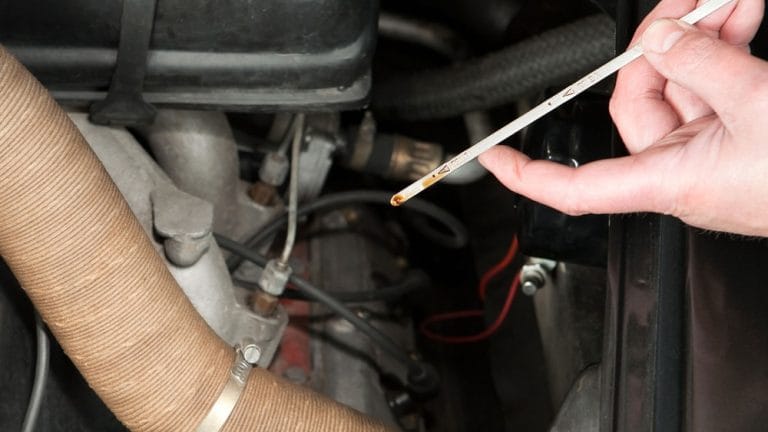
Third, locate the dipstick. It usually has a bright-colored handle, often yellow or orange. Pull it out completely.
Wipe it clean with a rag or paper towel.
Fourth, reinsert the dipstick fully. Then pull it out again. Look at the very end of the dipstick.
You’ll see two marks. These marks usually say “ADD” and “FULL.” Or they might be two dots or lines. The oil level should be between these two marks.
Ideally, it should be right at or just below the “FULL” mark. If it’s near the “ADD” mark, you need to add a little more oil. If it’s below “ADD,” you need to add a significant amount.
Important note: Never overfill the oil. If you’re adding oil, do it in small amounts, like half a quart at a time. Recheck the level after each addition.
This prevents overfilling.
Checking Your Oil: Step-by-Step
1. Park on a level surface.
2. Run engine for a few minutes, then turn off.
3. Wait 5-10 minutes.
4. Pull out, wipe, and reinsert dipstick.
5. Pull dipstick out again and check level.
6. Add oil slowly if needed, rechecking often.
Real-World Scenarios and Common Mistakes
I remember one time, a friend called me in a panic. He’d just changed his oil himself. He thought he’d put in enough, but his car was making a weird knocking sound.
He was convinced he’d ruined the engine. I drove over, and he showed me the oil he’d bought. He had a 5-quart jug.
His car, a common sedan, actually needed 4.5 quarts. He’d poured in the whole 5 quarts. When we checked the dipstick, it was way over the full mark.
The knocking sound? That was the engine trying to deal with too much oil. It was forcing oil past seals and causing pressure issues.
We drained out about half a quart. The knocking stopped almost immediately. He was so relieved!
This is a super common mistake. People buy a standard jug of oil, thinking it’s all the same. Or they eyeball the amount instead of checking the manual.
Another mistake people make is checking the oil when the car is still hot or not level. I had another neighbor who would always check his oil right after getting home from work. His dipstick always looked low.
He was constantly adding oil, thinking he had a leak. But his car was parked on a slight slope in his driveway. The oil was all sitting in the back of the oil pan.
He was essentially overfilling it every time he added a bit.
The simplest things can cause big problems if you don’t get them right. It’s why reading the manual or using those online lookup tools is so important. It saves you headaches and money in the long run.
Impact of Oil Capacity on Engine Performance
The amount of oil in your engine has a direct effect on how it performs. It’s not just about lubrication; it’s about efficiency and engine health.
Properly filled engines run smoothly. The oil circulates well. It reaches all the critical parts quickly.
This means less friction. Less friction means the engine doesn’t have to work as hard. This can even improve fuel economy slightly.
It also keeps the engine cooler, which is always good for its life.
Underfilled engines are problematic. If there isn’t enough oil, the oil pump might suck in air. This creates foamy oil.
Foamy oil doesn’t lubricate well. It can lead to increased wear on parts like the camshaft and crankshaft. You might hear ticking or knocking sounds.
Performance can suffer. The engine might overheat more easily.
Overfilled engines are just as bad, if not worse. Excess oil can get pushed into the combustion chamber. This leads to the oil burning.
You might see blue smoke from the exhaust. This burning oil fouls spark plugs. It can damage the catalytic converter over time.
The excess oil also causes more drag within the engine. This makes it work harder and reduces efficiency. It can also put too much pressure on seals, potentially causing leaks.
So, getting the oil level right is crucial for optimal performance, engine longevity, and fuel efficiency. It’s a simple maintenance task that pays big dividends.
Oil Level vs. Engine Health
| Oil Level | Potential Issues | Performance Impact |
|---|---|---|
| Too Low | Increased wear, overheating, engine knocking, oil starvation, potential engine damage. | Reduced power, poor fuel economy, louder engine. |
| Correct | Optimal lubrication, efficient cooling, clean engine. | Smooth running, good fuel economy, maximum engine life. |
| Too High | Foaming oil, seal leaks, burning oil (blue smoke), catalytic converter damage, reduced fuel economy. | Rough idle, reduced power, potential for costly repairs. |
When to Worry About Your Oil Level
Most of the time, your oil level will stay fairly consistent between oil changes. However, there are times when a low or high oil level is a warning sign.
Sudden drops in oil level are a concern. If you check your oil and it’s significantly lower than it was just a few days or weeks ago, it could mean you have an oil leak. Look for oil spots under your car when it’s parked.
Check around the oil pan, the oil filter, and the engine block for wet, greasy areas.
Consistently high oil level after adding oil could mean the oil isn’t circulating properly. Or it could indicate a problem with how the oil is being drained. If you’re certain you’re adding the correct amount, and the level still seems too high, it’s time to get it checked by a professional.
Milky or foamy oil on the dipstick is a serious red flag. This usually means coolant is mixing with your oil. This is often caused by a blown head gasket or other internal engine damage.
This requires immediate attention from a mechanic.
Oil that looks like coffee with cream is also a bad sign for the same reason – coolant contamination.
If you notice any of these unusual signs, don’t delay. Get your car inspected by a trusted mechanic. These issues can lead to severe engine damage if ignored.
Red Flags to Watch For
Sudden Low Oil: Check for leaks.
Consistently High Oil: Problem with oil system or draining.
Milky/Foamy Oil: Coolant contamination (serious!).
Unusual Smells: Burning oil or sweet coolant smells.
Strange Engine Noises: Knocking, ticking, or grinding.
DIY Oil Change: What You Need to Know
Many car owners choose to do their own oil changes. It can save money and give you a sense of accomplishment. If you’re thinking about it, here’s what you need to know, especially regarding capacity.
1. Gather Your Supplies: You’ll need the correct new oil (check your manual for type and capacity), a new oil filter, a wrench for the drain plug, an oil filter wrench, a drain pan, a funnel, and rags. Always buy a little more oil than you think you need, just in case.
2. Locate Drain Plug and Filter: Most cars have them on the bottom of the oil pan. Consult your manual for exact locations.
Make sure the engine is warm (not hot!) so the oil flows easily.
3. Drain Old Oil: Place the drain pan underneath the oil plug. Carefully loosen and remove the plug.
Let all the old oil drain out. This can take several minutes. Once it’s just dripping,
4.
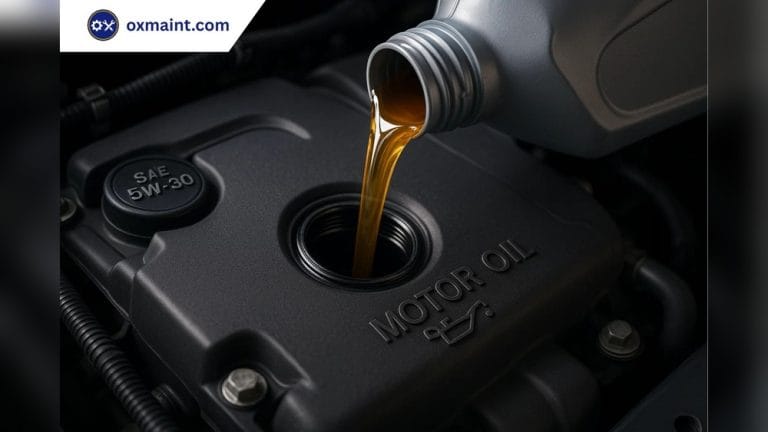
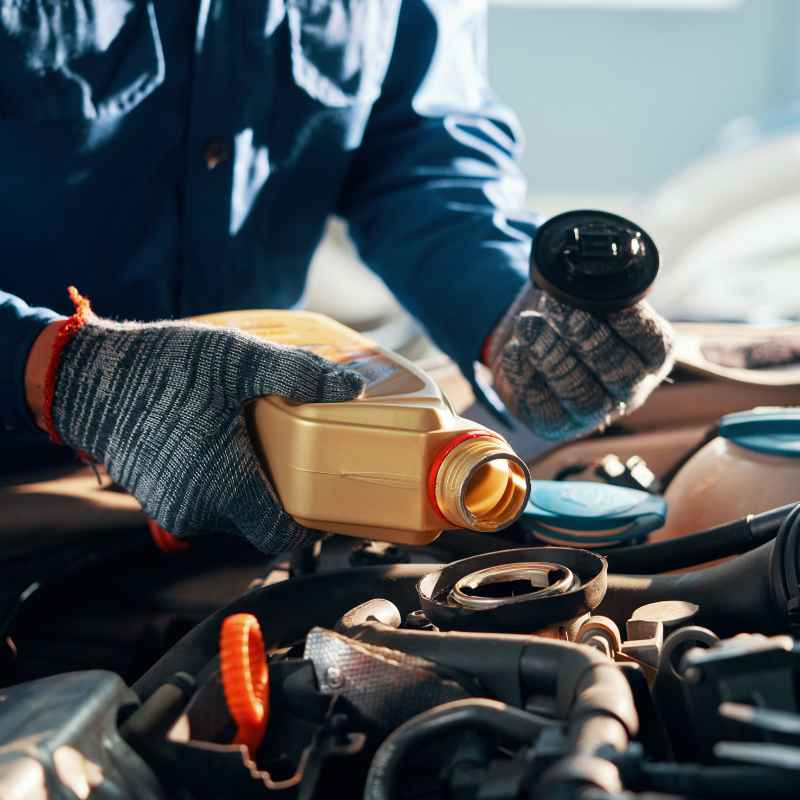
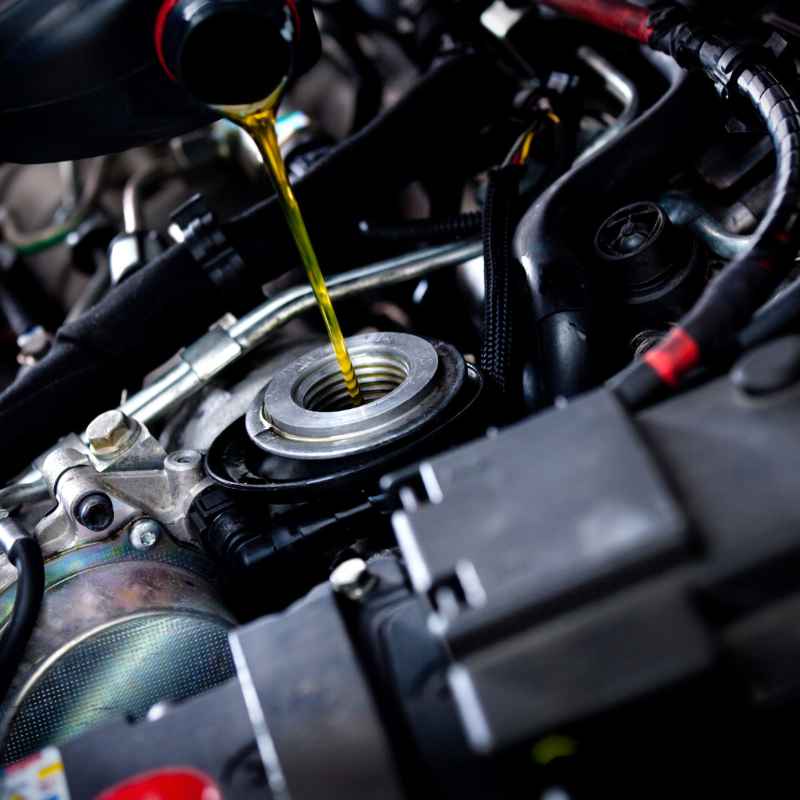
5. Add New Oil: Using your funnel, carefully add the specified amount of new oil. This is where knowing the exact capacity is vital.
For example, if your car needs 4.5 quarts, put in 4 quarts first. Then, start the engine for about 30 seconds to circulate the oil and fill the new filter. Turn off the engine and wait 5-10 minutes.
6. Check and Top Off: Now, check the oil level with the dipstick. Add small amounts of oil as needed until it’s at the full mark.
This step is critical for not overfilling.
7. Dispose of Old Oil Properly: Never pour old oil down the drain or in the trash. Take it to an auto parts store or a recycling center.
They can dispose of it safely.
DIY Oil Change Checklist
- Correct Oil & Filter: Manual specs are key.
- Warm Engine: For easier draining.
- Drain Pan: Big enough for all the old oil.
- Funnel: For clean pouring.
- Check Level After Adding 80-90% of Capacity: Crucial step!
- Proper Disposal: Environmentally responsible.
Engine Oil Capacity by Car Type (General Estimates)
While your owner’s manual is the definitive source, here are some general estimates for common car types. Remember, these are just guidelines. Engine size and specific design within a type can vary.
Compact Cars (e.g., Honda Civic, Toyota Corolla, Ford Focus):
- Engine Size: Typically 1.5L to 2.0L, 4-cylinder.
- Estimated Capacity: 3.5 to 4.5 quarts.
Mid-Size Sedans (e.g., Honda Accord, Toyota Camry, Nissan Altima):
- Engine Size: Typically 2.0L to 3.5L, 4-cylinder or V6.
- Estimated Capacity: 4.5 to 5.5 quarts.
Full-Size Sedans / Luxury Cars (e.g., BMW 5 Series, Mercedes E-Class, Audi A6):
- Engine Size: V6 or V8, often 3.0L to 4.0L.
- Estimated Capacity: 5.0 to 6.5 quarts.
Small SUVs / Crossovers (e.g., Toyota RAV4, Honda CR-V, Ford Escape):
- Engine Size: Usually 2.0L to 2.5L, 4-cylinder, sometimes a small V6.
- Estimated Capacity: 4.0 to 5.0 quarts.
Mid-Size & Large SUVs (e.g., Ford Explorer, Chevrolet Tahoe, Jeep Grand Cherokee):
- Engine Size: V6 or V8, often 3.5L to 6.2L.
- Estimated Capacity: 5.0 to 7.0 quarts.
Pickup Trucks (e.g., Ford F-150, Ram 1500, Chevrolet Silverado):
- Engine Size: V6 or V8, often 3.5L to 6.2L, sometimes larger diesel engines.
- Estimated Capacity: 5.5 to 7.5 quarts (can be more for heavy-duty or diesel).
Sports Cars (e.g., Ford Mustang, Chevrolet Camaro, Porsche 911):
- Engine Size: V6 or V8, often high-performance.
- Estimated Capacity: Varies greatly, from 5.0 to 8.0 quarts or more. Some require dry-sump systems which hold much more.
Key Takeaway: Always Check Your Manual
These are just general ideas. For your specific car, the owner’s manual is the only place to find the exact, correct engine oil capacity and specification. Using the wrong amount can cause damage.
Common Questions About Engine Oil Capacity
What happens if I use too much engine oil?
Using too much engine oil can cause several problems. The crankshaft can whip the oil into a foam. This foam doesn’t lubricate well.
It can also lead to increased oil pressure. This can blow out seals and gaskets, causing leaks. Furthermore, excess oil can be forced into the combustion chambers, leading to it being burned.
This results in blue smoke from the exhaust, fouled spark plugs, and damage to the catalytic converter.
How often should I check my engine oil level?
It’s a good habit to check your engine oil level at least once a month. Many people also check it before long road trips. If you notice your oil level dropping quickly between oil changes, you should check it more often and investigate the cause.
Can I use a different weight of oil than recommended?
It’s best to stick to the oil weight recommended in your owner’s manual. The manufacturer has tested specific weights for optimal performance and protection in various conditions for your engine. Using a significantly different weight can affect lubrication, fuel economy, and engine wear.
In some extreme cases, it could cause damage.
Does the oil filter capacity matter?
The oil filter itself doesn’t have a “capacity” in the same way an engine does. Its job is to trap contaminants. You need to use the correct oil filter for your car model, as they are designed to fit properly and filter efficiently.
The filter plays a crucial role in keeping your oil clean, which protects the engine.
Is it okay to mix different brands of oil if they have the same weight?
While it’s generally okay to mix different brands of the same type and viscosity oil in a pinch, it’s not ideal. Different brands may have slightly different additive packages. Mixing them could potentially dilute the effectiveness of certain additives.
It’s always best to use oil from the same brand and type for all your oil changes if possible. If you must mix, ensure they are the same viscosity grade (e.g., 5W-30).
What is “oil capacity” versus “oil capacity with filter change”?
Your owner’s manual usually lists the oil capacity with a filter change. This is the total amount of oil the engine holds when you
Conclusion
Understanding your car’s engine oil capacity is a simple but vital piece of car maintenance. It ensures your engine gets the lubrication it needs. It helps prevent common mistakes that can lead to costly repairs.
Always refer to your owner’s manual for the precise amount and type of oil. This small bit of knowledge goes a long way in keeping your car running smoothly and reliably for years to come.
Products related to this article
Sponsored / affiliate links. As an Amazon Associate I earn from qualifying purchases. I may earn additional commission from eligible campaigns.