Which Car Engine Oil Is Best In Pakistan? Top Picks 2026
The best car engine oil in Pakistan for 2026 balances advanced synthetic or semi-synthetic formulations with specifications suited for local climate and driving habits, often from brands like Mobil, Shell, Caltex, and Zic, focusing on viscosity grades like 5W-30 and 5W-40 for optimal engine protection and efficiency.
Understanding Engine Oil Needs
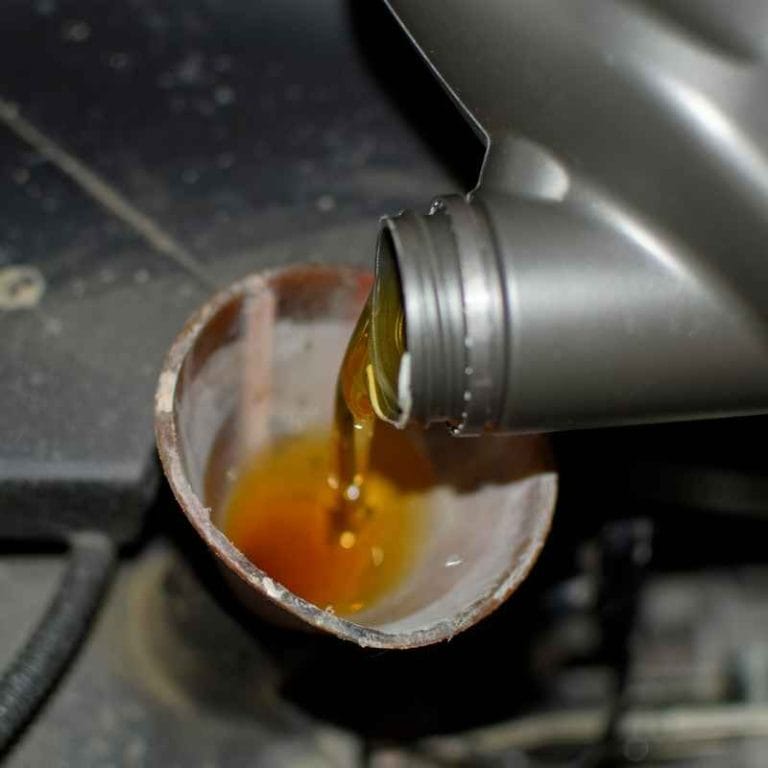
Engine oil is the lifeblood of your car’s engine. It does many jobs. It lubricates moving parts.
This stops them from rubbing together. It also cools the engine. Heat builds up during driving.
Oil carries this heat away. It cleans the engine too. It picks up dirt and tiny metal bits.
These can cause wear.
Oil also seals parts. It helps the pistons work well. It stops leaks.
Different engines need different types of oil. The car maker tells you what oil to use. This is in your car’s manual.
It talks about oil weight. It also talks about oil quality.
Why Engine Oil Matters So Much
Think about your engine. It has many small, fast parts. They move against each other all the time.
Without oil, they would grind to a halt. This creates massive heat and friction. It would quickly ruin your engine.
This is a very costly fix.
Good oil helps your engine run smoother. It makes it quieter too. You might notice a small change in how your car drives.
Better oil can mean better fuel use. It can help your car last longer. It helps prevent major breakdowns.
Common Engine Oil Types Explained
There are a few main types of engine oil. Each has its own benefits. Knowing these helps you choose.
Your car’s manual is your best guide. But it’s good to know the basics.
Conventional Oil: This is the most basic type. It comes from crude oil. It’s refined and treated.
It’s good for older cars. It’s also good for cars that don’t drive much. It’s usually the cheapest option.
Synthetic Oil: This oil is made in a lab. It’s chemically engineered. It has fewer impurities.
It performs better in extreme temperatures. It resists breaking down. It’s great for new cars.
It’s also good for cars driven hard. Or cars in very hot or cold weather.
Synthetic Blend Oil: This is a mix. It has both conventional and synthetic oil. It offers some benefits of synthetic oil.
But it costs less than full synthetic. It’s a good middle ground for many drivers.
Navigating Pakistan’s Driving Conditions
Pakistan has unique driving conditions. This affects what engine oil works best. The weather is often hot.
Traffic can be heavy. Roads might not always be smooth. These factors put extra stress on your car’s engine.
Heat: High temperatures make oil thinner. This means it can’t protect as well. Synthetic oils handle heat better.
They stay thicker. This offers better protection when it’s hot outside.
Traffic: Stop-and-go traffic is hard on an engine. Your engine idles a lot. This can make it run hotter.
It also means the oil isn’t flowing as much. This can lead to wear. Oils with good high-temperature performance are vital here.
Dust and Dirt: Pakistan can be dusty. Dust can get into the engine. Good engine oil has detergents.
These help clean the engine. They keep dirt from building up. The oil filter also plays a big role.
Make sure it’s changed with the oil.
The Importance of Viscosity Grades
You’ll see numbers like 5W-30 or 10W-40 on oil bottles. These are viscosity grades. Viscosity means how thick or thin the oil is.
The “W” stands for winter. The first number is how the oil flows when cold. The second number is how it flows when hot.
5W-30: This oil flows well when cold. It’s good for starting the engine in cooler weather. It also protects well when the engine is hot.
This is a very common grade for many cars today. It’s good for a mix of conditions.
5W-40: This oil is a bit thicker when hot than 5W-30. It can offer extra protection for engines that work hard. Or engines that run very hot.
It’s a popular choice for many SUVs and performance cars.
10W-40: This oil is a bit thicker when cold than 5W grades. It’s suitable for warmer climates. Or for older engines that might need a thicker oil film.
Always check your car’s manual.
My First Time Buying Oil in Pakistan
I remember my first oil change in Lahore. I had just moved there. My car was a few years old.
I went to a local mechanic. I asked for the best oil. He just looked at me and smiled.
He said, “What does the book say?” I hadn’t brought the book!
He then pointed to a few bottles. They had bright colors and big logos. I felt a bit lost.
There were so many choices. I didn’t want to pick the wrong one. I worried about damaging my engine.
I ended up picking a popular brand. I hoped for the best. It was a bit of a gamble then.
Now, I know more. I know to check the viscosity and type.
I learned that day that just picking a pretty bottle wasn’t enough. It’s about what’s inside the bottle that counts. And what your car needs.
That experience made me want to learn about oils. I didn’t want to feel that uncertain again.
Key Oil Checks for Pakistani Drivers
What to look for:
- Viscosity: 5W-30 or 5W-40 are common. Check your manual.
- Type: Synthetic or blend is often best for heat.
- Brand Reputation: Stick to known, trusted brands.
- API Rating: Ensure it meets or exceeds your car’s requirement (e.g., SP, SN).
Top Engine Oil Brands in Pakistan (2026)
Several brands are well-known and trusted in Pakistan. They offer quality oils. These are brands you can usually count on.
They have a good track record.
Mobil: A global leader. Mobil 1 is very popular. It’s known for its high-quality synthetic oils.
They offer excellent protection. They perform well in tough conditions. Many Pakistani drivers trust Mobil 1.
Especially for performance cars or demanding use.
Shell: Another giant in the oil world. Shell Helix is a common sight. They offer a range of oils.
From conventional to advanced synthetics. Shell’s Ultra series is high-end. It’s designed for ultimate engine care.
They are widely available.
Caltex (Chevron): Caltex Havoline is a very familiar name. They have oils for all types of vehicles. They are known for good value.
And reliable protection for everyday driving. Their products are easy to find in most shops.
Zic: This Korean brand has gained a strong following. Zic oils are often praised for their quality. Especially their synthetic options.
They are seen as a strong competitor. Offering performance at a good price point. Many enthusiasts recommend Zic.
PSO (Pak-Arab Refinery Company): Pakistan State Oil is a major local player. They offer a range of engine oils. Their products are designed for local conditions.
They are widely distributed. And often a good, accessible option.
Total: This French company is also present. Total Quartz is their engine oil line. They offer advanced formulations.
Designed for modern engines. They focus on fuel economy and engine cleanliness.
Castrol: A classic name in lubricants. Castrol GTX and Magnatec are well-known. They offer good protection.
And are designed to meet various engine needs. Castrol has a long-standing reputation.
These brands often have specific product lines. Like oils for gasoline engines. Or diesel engines.
Always double-check the bottle. Ensure it’s the right type for your car.
Quick Comparison: Top Brands’ Strengths
Brand | Key Strengths | Common Use Cases
Mobil 1 | Premium Synthetic, High Temp Performance | Performance Cars, Extreme Conditions
Shell Helix | Wide Range, Advanced Tech | Everyday to High-Performance Driving
Caltex Havoline | Reliable, Good Value | General Purpose, Everyday Cars
Zic | Quality Synthetics, Price | Enthusiasts, Modern Sedans
PSO | Local Focus, Accessible | Everyday Commuters, Wide Availability
Choosing the Right Oil for Your Specific Car
Your car’s make and model matter most. The manufacturer knows your engine best. They tested it thoroughly.
The owner’s manual is your ultimate guide. It tells you the exact oil specification needed.
API Service Classification: Look for the API starburst symbol. It tells you the oil meets certain standards. For gasoline engines, you might see “SP” or “SN”.
“SP” is the latest and greatest. It offers better protection against low-speed pre-ignition. And helps with timing chain wear.
ACEA Specification: Some European cars require ACEA ratings. Like A3/B4 or C3. These are different standards.
They focus on wear protection and fuel economy. Check your manual if it mentions ACEA.
Oil Weight (Viscosity): As discussed, this is critical. 5W-30 is common. But some older cars or specific models might need 10W-40.
Or even 20W-50 in very hot climates for older engines.
What If My Manual is Lost?
Don’t panic if you can’t find your manual. Many car manufacturers have them online. You can usually download a PDF.
Just search for ” owner’s manual PDF”.
If you still can’t find it, ask a trusted mechanic. They have seen your car model before. They will likely know the correct oil specification.
You can also look up common oil recommendations for your specific car online. Many car forums discuss this.
However, the most reliable information always comes from the car maker. So, try hard to find that manual. Or its online version.
My Experience with Different Oil Grades
I once owned a small Japanese sedan. The manual said 5W-30. I lived in a city with hot summers.
I decided to try 5W-40. I thought it would offer “more protection”. In reality, it didn’t make a noticeable difference.
The engine didn’t sound or feel better.
What I did notice was that my fuel economy dipped slightly. The thicker oil created a bit more drag. It took more energy to push it around.
This taught me a valuable lesson. Stick to what the manufacturer recommends. They designed the engine.
They know what oil works best for it.
Sometimes, people think “thicker is better”. This isn’t always true. Modern engines have very tight tolerances.
They are designed for specific oil viscosities. Using an oil that’s too thick can hinder oil flow. Especially during cold starts.
This can cause more wear. So, it’s best to use the recommended grade.
Quick Scan: Oil Grade vs. Condition
Condition | Recommended Viscosity | Notes
Cold Starts, Mild Climate | 5W-30 | Good all-around
Hot Climate, City Driving | 5W-30 or 5W-40 | Synthetic blend or full synthetic best
High-Performance Driving | 5W-40 or 10W-40 | Full synthetic recommended
Older Engines (Check Manual!) | Often 10W-40 or 20W-50 | Use as per manufacturer
Synthetic vs. Semi-Synthetic vs. Conventional in Pakistan
So, which type of oil is best for Pakistan? This depends on your car and how you drive it. But for most modern cars, especially those driven in city traffic or heat, synthetic or semi-synthetic oils are often superior.
Synthetic Oils: These are the best performers. They resist heat breakdown. They offer excellent cold-start protection.
They stay cleaner for longer. They provide the best wear protection. They are ideal for performance cars.
Or for anyone wanting maximum engine life. They cost more upfront. But can save money in the long run through better engine health.
Semi-Synthetic Oils: These offer a good balance. They have synthetic base oils mixed with conventional. They perform better than conventional oils.
Especially in heat and extreme conditions. They are a great choice for many everyday drivers. They offer a noticeable upgrade without the full cost of synthetic.
Conventional Oils: These are the most basic. They are fine for older cars. Or cars that do very little mileage.
Or cars driven in mild climates. In Pakistan’s heat and traffic, conventional oil may break down faster. It might not offer the best protection.
My Take: For most people in Pakistan, a good quality semi-synthetic or full synthetic oil is the best investment. It helps your car cope with the demands of local driving. It protects your engine better.
And can help it last much longer.
What Happens If You Use the Wrong Oil?
Using the wrong engine oil can cause problems. It’s not usually an immediate disaster. But it can lead to issues over time.
The car might not perform as well. Or it could shorten the engine’s life.
Wrong Viscosity: If the oil is too thin when hot, it won’t protect well. This means more friction and wear. If it’s too thick when cold, it won’t flow easily.
This can starve parts of lubrication at start-up. This is very damaging.
Wrong Type: Using conventional oil when your car needs synthetic might mean it breaks down too quickly. Especially in high heat. This leads to less protection.
It can also lead to sludge buildup.
Wrong Additives: Different oils have different additive packages. These help clean, prevent rust, and manage foam. Using an oil without the right additives for your car could mean less protection against these issues.
Voiding Warranty: Some car manufacturers state that using non-specified oil can void your warranty. Always check your warranty terms. Using the correct oil is often a requirement.
The “Check Engine” Light Connection
Sometimes, using the wrong oil can trigger a warning light. Usually, the “Check Engine” light. It might be related to oil pressure sensors.
Or even emissions sensors if the oil is burning excessively. It’s a sign something isn’t right. And it needs attention.
If your oil light comes on, stop driving if possible. Check your oil level first. If it’s low, top it up with the correct oil.
If the light stays on, get it checked by a mechanic. It could be a serious issue.
Consequences of Incorrect Oil Use
Issue | Potential Effect
Too Thin Oil (Hot) | Increased Engine Wear, Overheating
Too Thick Oil (Cold) | Poor Lubrication on Start-up, Engine Damage
Conventional in Hot/Hard Use | Rapid Oil Breakdown, Sludge Formation
Wrong Additives | Reduced Engine Cleaning, Rusting
Non-Specified Oil | Potential Warranty Void, Performance Issues
Real-World Scenarios: When Oil Choices Matter Most
Think about your typical driving day. Are you mostly on highways? Or stuck in city traffic?
This really matters for your oil choice. Let’s look at a couple of common Pakistani driving scenarios.
Scenario 1: The Daily Commuter
Sarah drives her small hatchback 30km to work each day. Most of it is city driving. Stoplights, slow traffic, and the occasional traffic jam.
Her engine idles a lot. It doesn’t always get fully warmed up. This means the oil needs to protect against wear even when the engine is not at optimal temperature.
For Sarah, a good quality 5W-30 or 5W-40 semi-synthetic oil would be a smart choice. It offers good cold-start flow. And decent protection during the frequent stops and starts.
A full synthetic would offer even better protection. But a good semi-synthetic is a significant upgrade from conventional.
Scenario 2: The Weekend Explorer
Ali loves taking his SUV out on weekends. He drives on highways. But also some rougher roads and mountain passes.
The engine works harder. It heats up more. He needs an oil that can handle higher temperatures and sustained stress.
For Ali, a full synthetic 5W-40 or even a 10W-40 (if recommended by the manual for sustained high temps) would be ideal. Full synthetic offers superior thermal stability. It resists breaking down under load.
It will provide better protection for his SUV during those more demanding drives.
These examples show how your driving habits influence the best oil choice. It’s not just about the car. It’s about how you use it.
My Engine Noise Story
I was visiting my parents in a smaller town. I noticed my older car started making a funny noise. It was a sort of ticking sound.
It seemed worse when the engine was cold. I got a bit worried. I thought maybe the engine was failing.
I took it to a local workshop. The mechanic listened. He asked when I last changed the oil.
I told him it was a few months ago. He then asked what type of oil I used. I admitted I had used whatever was cheapest at the time.
It was a conventional oil. And I hadn’t checked the grade carefully.
He suggested an oil change. With a better quality semi-synthetic oil. Specifically, a 10W-40 grade.
He explained that my older engine might benefit from a slightly thicker oil. And that the detergents in the better oil would help clean things up. I agreed.
After the oil change, the ticking noise was gone. The engine felt smoother too. It was a simple fix.
But it showed me how important the right oil is. Especially for older engines.
Contrast: Normal Engine Oil Sounds vs. Concerning Sounds
Normal Sounds | Concerning Sounds
Engine hum, steady rhythm | Ticking, knocking, grinding
Quiet revving | Loud clanking, hissing
Smooth acceleration noise | Sputtering, popping
Normal idle sound | Uneven idle, stalling sounds
(Note: These are general. Always consult a mechanic if unsure.)
When is it Time to Change Your Engine Oil?
This is a crucial part of engine care. Regular oil changes are vital. How often depends on your car.
And the type of oil you use. And how you drive.
Check Your Owner’s Manual: This is always the best source. Most modern cars have recommended intervals. For synthetic oils, this can be 10,000 to 15,000 miles.
Or even more. For conventional oil, it’s usually 3,000 to 5,000 miles.
Consider Your Driving: If you do a lot of short trips. Or drive in heavy traffic. Or tow heavy loads.
Your oil works harder. You might need to change it more often. Even if you’re within the mileage limit.
Oil Life Monitor: Many new cars have an oil life monitor system. It calculates when to change the oil. Based on driving conditions, not just mileage.
Pay attention to this light. When it comes on, it’s time for a change.
The “Color” Myth: Don’t rely on oil color. Dark oil doesn’t automatically mean it needs changing. Modern oils are designed to pick up dirt.
So, they get dark. A better indicator is the oil level and its consistency. If it feels gritty or smells burnt, it’s likely time for a change.
The Oil Filter is Important Too
Remember to change your oil filter at the same time you change the oil. The filter traps dirt and debris. If you don’t change it, it can become clogged.
This can lead to dirty oil flowing back into the engine. Or it can restrict oil flow.
Most mechanics will replace the filter as a standard part of an oil change. Just confirm it. It’s a small cost for important protection.
What This Means for Your Car in Pakistan
Choosing the right engine oil in Pakistan is about matching your car’s needs with the local environment. For most drivers, investing in a good quality semi-synthetic or full synthetic oil is the smartest move.
For New Cars: Stick to the manufacturer’s recommendation. Usually, this means a 5W-30 or 5W-40 full synthetic. This will give your engine the best possible protection as it ages.
It ensures your warranty remains valid.
For Slightly Older Cars: Consider a high-quality semi-synthetic. A 5W-30 or 5W-40 might be suitable. If your manual suggests something different, follow that.
A semi-synthetic can revitalize an older engine. It offers better protection than basic conventional oils.
For Very Old Cars: If you have a classic or older vehicle. And your manual recommends a thicker oil like 10W-40 or 20W-50. Use that.
Ensure it’s from a reputable brand. Even older engines benefit from good quality oil.
Key takeaway: Don’t be tempted by the cheapest option. The small savings are not worth the potential long-term damage to your engine. Think of oil as an investment in your car’s health.
Quick Fixes and Tips for Engine Oil Care
Here are some simple tips to keep your engine running smoothly with the right oil:
- Check Oil Level Weekly: Do this when the engine is cool. Park on a flat surface. Pull out the dipstick, wipe it clean, reinsert, pull out again. The oil level should be between the “low” and “full” marks.
- Top Up Promptly: If the level is low, add the correct type and grade of oil. Don’t overfill.
- Note Oil Smell: If your oil smells burnt, it’s a sign it might be breaking down. Check your driving habits and consider changing it sooner.
- Listen to Your Engine: Unusual noises can be a sign of oil issues. Don’t ignore them.
- Use Reputable Brands: Always buy oil from trusted sources. Avoid suspiciously cheap or unbranded oils.
- Keep Records: Note down when you last changed your oil and filter. This helps track maintenance.
- Consult Your Mechanic: If you’re ever unsure, ask a professional. They can offer specific advice for your car.
Frequently Asked Questions about Car Engine Oil in Pakistan
What is the best engine oil brand for cars in Pakistan?
Some of the most trusted and widely recommended engine oil brands in Pakistan include Mobil, Shell, Caltex, Zic, PSO, Total, and Castrol. The “best” brand often depends on the specific oil formulation and your car’s requirements. It’s always wise to choose a reputable brand that offers the correct viscosity and type (synthetic, semi-synthetic) for your vehicle.
Which oil viscosity grade is best for Pakistan’s hot weather?
For Pakistan’s hot climate, oils with good high-temperature performance are crucial. Grades like 5W-30 and 5W-40 are very common. In very hot conditions or for older engines, a 10W-40 might be recommended by the manufacturer.
Full synthetic oils generally perform better in extreme heat due to their superior thermal stability.
How often should I change my car’s engine oil in Pakistan?
The frequency depends on your car’s manual and the type of oil used. For modern synthetic oils, intervals can be 10,000-15,000 km or more. For conventional oils, it’s typically 3,000-5,000 km.
If your car has an oil life monitor, follow its recommendations. Heavy city driving or extreme conditions might require more frequent changes.
Can I use a different brand of engine oil if it has the same viscosity?
While viscosity is important, engine oils also differ in their additive packages and base oil quality. It’s best to stick to a brand that meets or exceeds your car manufacturer’s specifications (e.g., API service rating, ACEA specification). If you switch brands, ensure the new oil is the exact same type and grade recommended in your car’s manual.
What’s the difference between synthetic and conventional engine oil?
Conventional oil is refined from crude oil. Synthetic oil is engineered in a lab for higher purity and performance. Synthetics offer better resistance to heat and cold, last longer, and provide superior wear protection.
Semi-synthetic blends offer a mix of both.
Should I use 5W-30 or 5W-40 engine oil?
This choice depends on your car’s manufacturer recommendation. Generally, 5W-30 offers better fuel economy and cold-start flow. 5W-40 is slightly thicker when hot and can offer more protection in high-stress or very hot conditions.
Always consult your car’s owner’s manual for the specific grade recommended for your vehicle.
Conclusion: Investing in Your Engine’s Future
Choosing the best car engine oil in Pakistan is a vital part of car maintenance. It’s not just about picking a name. It’s about understanding your car’s needs.
And how Pakistan’s driving conditions affect its engine. By selecting the right viscosity and type of oil from a reputable brand, you invest in your car’s longevity and performance. This careful choice saves you money and worry down the road.
Keep your engine happy!
Products related to this article
Sponsored / affiliate links. As an Amazon Associate I earn from qualifying purchases. I may earn additional commission from eligible campaigns.
 MSMUSAS 2026 New Engine Oil Dipstick Oil Level Dipstick - Replace Part 120 589 07 21 00, 120589072100 - Compatible with Mercedes-Benz R500 2006-2007
 MSMUSAS 2026 New Engine Oil Dipstick Oil Level Dipstick - Replace Part 120 589 07 21 00, 120589072100 - Compatible with Mercedes-Benz SLK55 AMG 2005-2010