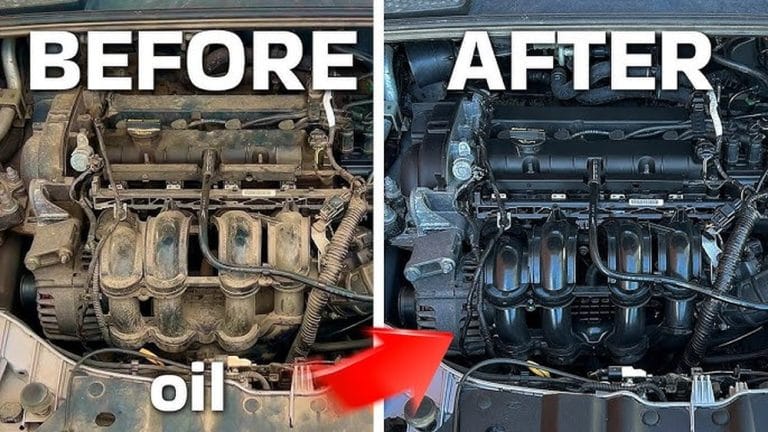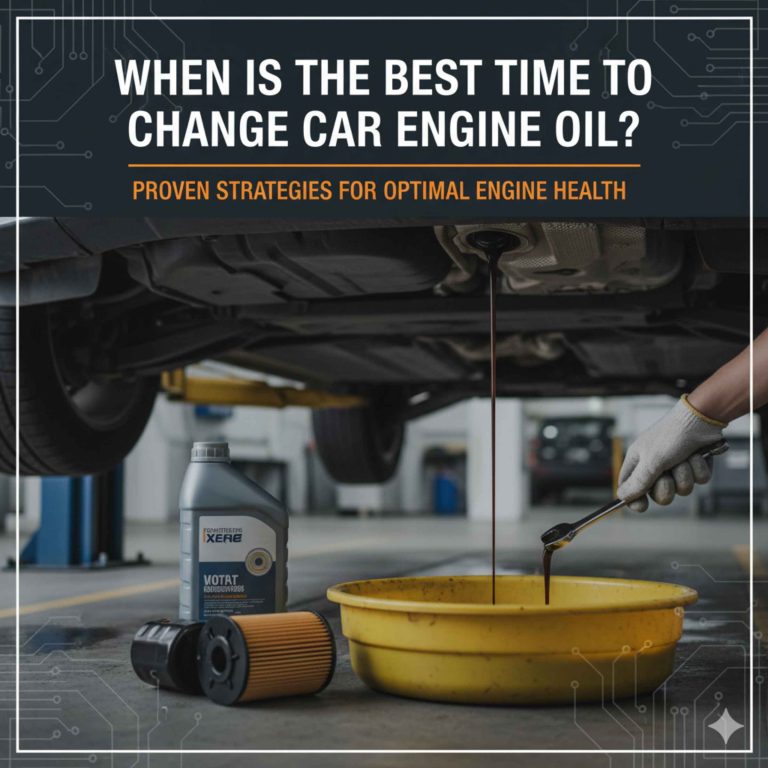
When To Check Car Engine Oil Level (Before It’S Too Late)
Car engine oil. It’s kind of like the blood for your car’s heart, right? It keeps things running smoothly.
But when was the last time you actually looked at it? Many of us just trust that it’s fine. Then, suddenly, we hear a funny noise or see a warning light.
That’s when panic sets in. You start to wonder, “Did I check the oil often enough?” This guide will help you know exactly when and how to check your car’s engine oil. We want to make sure you avoid costly repairs.
Checking your car’s engine oil level regularly is crucial for its health. Knowing when to perform this check, recognizing signs of low oil, and understanding the process can prevent serious engine damage and save you money on repairs. It’s a simple maintenance task that offers big rewards.
Understanding Your Car’s Engine Oil
Engine oil does a few really important jobs. First, it lubricates all the moving parts inside your engine. Think of tiny metal pieces rubbing against each other very, very fast.
Oil creates a slippery film. This film stops them from grinding away. It also helps keep the engine cool.
Friction creates heat. Oil absorbs some of that heat. It then carries it away.
Oil also cleans your engine. As it circulates, it picks up tiny bits of dirt and metal. These bits can come from normal wear and tear.
The oil filter then catches most of these bits. But some can still float around. Oil helps flush them out.
Finally, oil seals the gaps. In an engine, there are small gaps. Oil fills these gaps.
This helps maintain good compression. Good compression means your engine works efficiently. It gets the most power from the fuel.
When to Check Your Car Engine Oil Level
There are several times when you should definitely check your oil. Don’t wait for a warning light. That light often means there’s already a problem.
Let’s talk about the best times to check.
The easiest time is during regular maintenance. Most car makers suggest checking oil every few months. Or check it every oil change.
Many people get their oil changed every 5,000 to 7,500 miles. You can also check it each time you fill up with gas. This is a good habit to get into.
It’s only a few extra minutes.
You should also check your oil if you notice any changes. Is your car making a new sound? Does it feel sluggish?
Are there any strange smells coming from the engine? These could be signs of low oil. Or oil that is no longer working well.
Before a long trip is another smart time. You don’t want your car to break down on vacation. A quick check before hitting the road gives you peace of mind.
If you’ve recently noticed oil spots under your car, check it right away. This indicates a possible leak.
If you’ve recently done any work on your engine yourself, check the oil. You might have accidentally disturbed something. Or maybe you just want to be sure everything is sealed up tight.
It’s always better to be safe than sorry.
When to Be Extra Vigilant About Oil Checks
After sitting for a while: If your car has been parked for a few weeks or more, check the oil before driving it. Seals can dry out a bit.
In extreme weather: Very hot or very cold weather can affect oil. Check it more often during these times.
When towing or hauling: If you’re pulling a trailer or carrying a heavy load, your engine works harder. This uses more oil.
If you drive in dusty conditions: Dirt can get into the engine. This can make the oil work harder.
Signs Your Engine Oil Level Might Be Low
Your car will often tell you when something is wrong. You just have to listen and look. Low engine oil is a common problem.
Here are some signs to watch for.
The most obvious sign is the oil warning light. This light is usually red or orange. It looks like an oil can.
If this light comes on, pull over safely as soon as you can. Do not keep driving. Driving with very low oil can destroy your engine.
You might also hear new noises. A common sound is a knocking or tapping noise. This happens when metal parts don’t have enough oil.
They start to hit each other. It’s a very serious sound.
Your car might also feel different when you drive. If it loses power or feels sluggish, it could be low on oil. The engine isn’t getting the lubrication it needs to perform its best.
Strange smells are another clue. A burning oil smell is never a good sign. This can mean oil is leaking onto hot parts of the engine.
Or it could mean the oil is overheating because there isn’t enough of it.
You might see smoke coming from your exhaust pipe. If the smoke is blue or gray, it could mean oil is getting into the combustion chamber. This is usually a sign of worn engine parts.
But it can be made worse by low oil levels.
Finally, a dirty or low-looking oil dipstick is the most direct sign. We’ll talk more about how to check that soon.
How to Check Your Car’s Engine Oil Level: A Step-by-Step Guide
Checking your oil is not hard. You can do it yourself in just a few minutes. Here’s how to do it right.
First, make sure your car is parked on a level surface. This is very important. If the car is on a hill, the reading will be wrong.
Your engine should be warm but not hot. Let it sit for about 5 to 10 minutes after you turn it off. This lets the oil drain back into the oil pan.
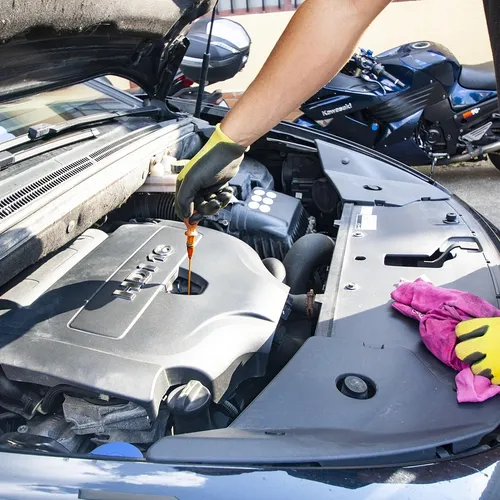
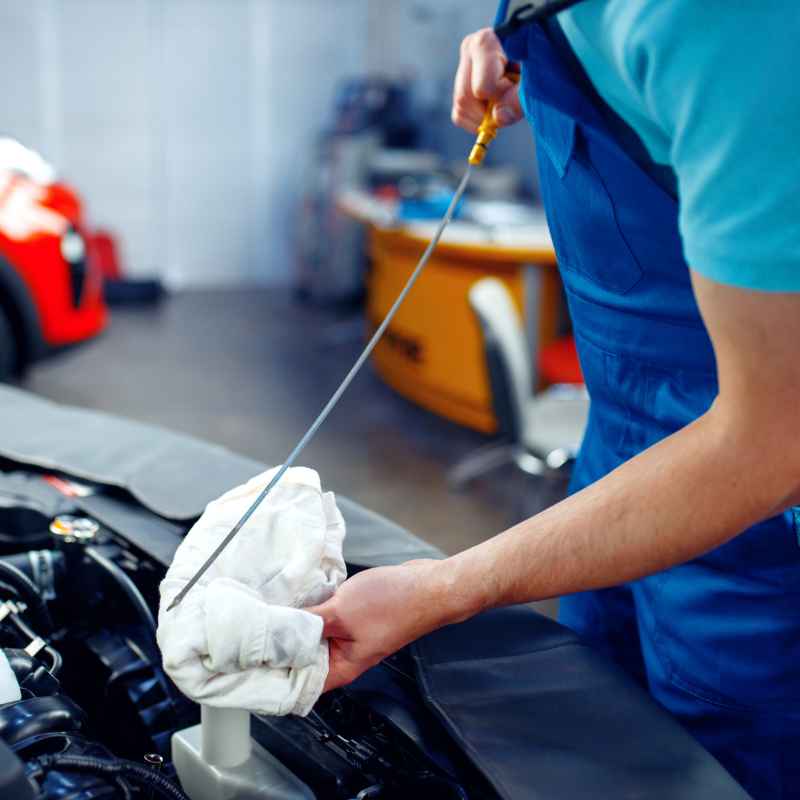
Next, find the engine oil dipstick. It’s usually a bright-colored loop or handle. It might be yellow, orange, or red.
It will have a symbol of an oil can on it. If you can’t find it, check your car’s owner’s manual. It will show you exactly where it is.
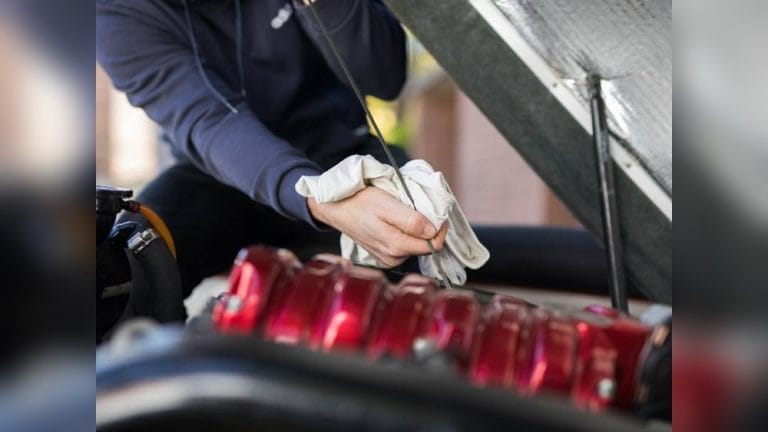
Pull the dipstick all the way out. Wipe it clean with a rag or a paper towel. Make sure you get all the oil off.
Then, put the dipstick all the way back in. Push it in firmly.
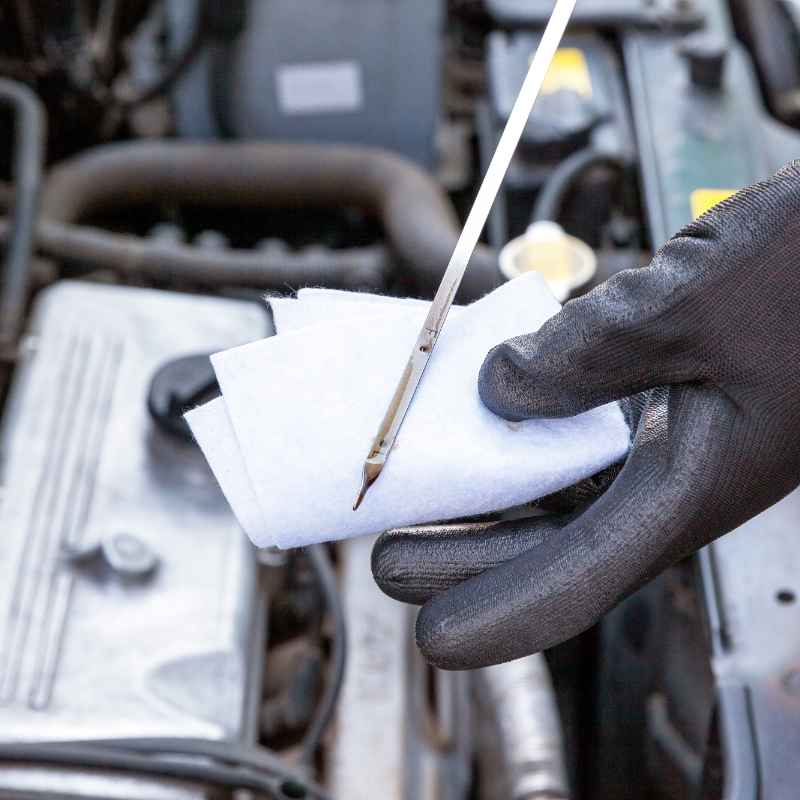
Pull the dipstick out again. Look at the very end of the dipstick. You will see markings.
These markings usually show a range. There might be dots, lines, or the words “MIN” and “MAX” or “ADD” and “FULL”.
The oil level should be between these two marks. Ideally, it should be close to the “FULL” or “MAX” mark. If the oil level is at or below the “ADD” or “MIN” mark, you need to add oil.
Once you know the level, wipe the dipstick clean one last time. Put it back into the engine. Make sure it’s all the way in.
Then close the hood.
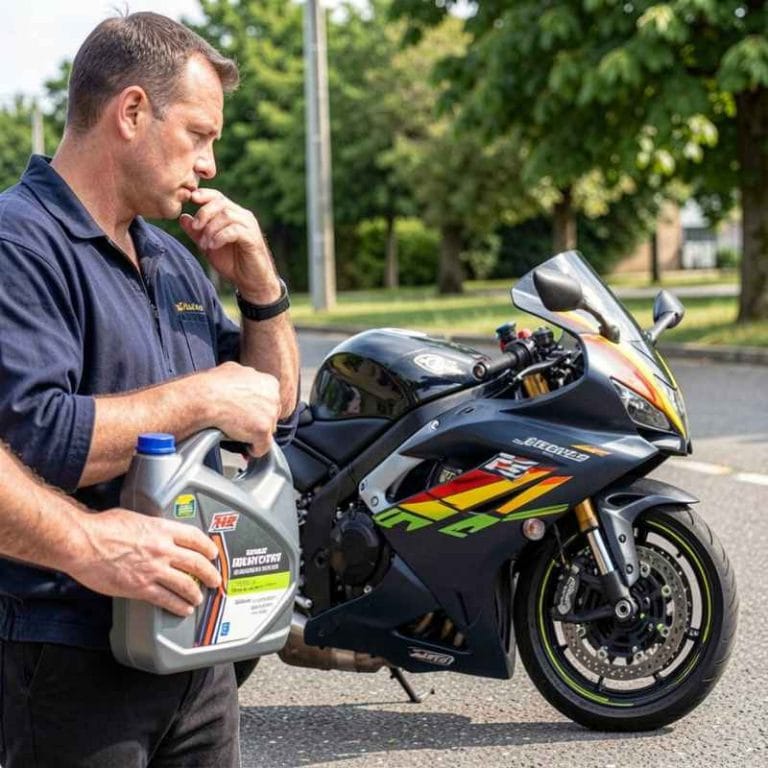
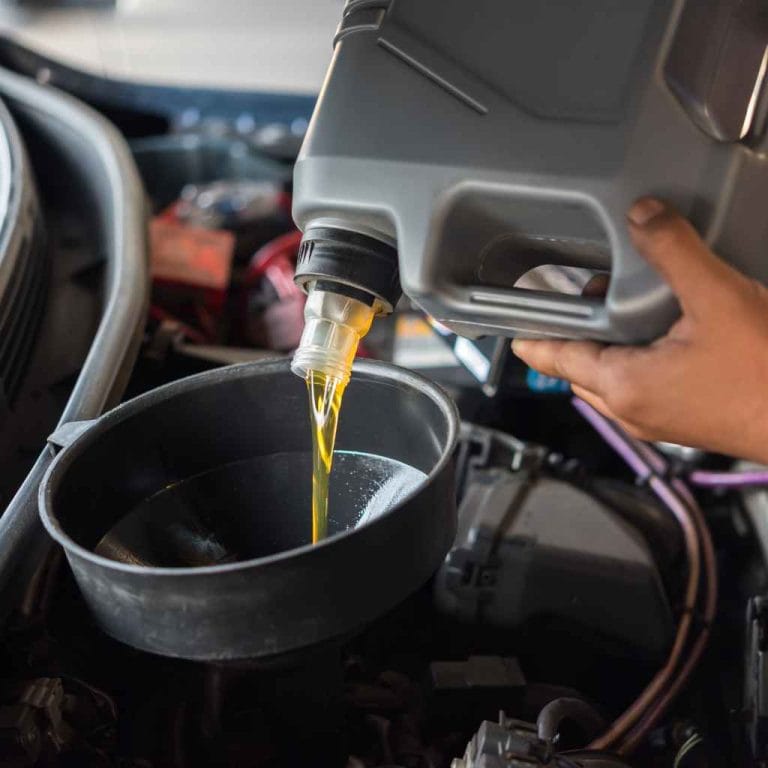
If you need to add oil, use the type recommended in your owner’s manual. Adding the wrong type can cause problems. Unscrew the oil filler cap.
It usually has an oil can symbol on it too. Add a little bit of oil at a time. Wait a minute or two.
Then check the dipstick again. Don’t overfill it. Too much oil can be as bad as too little oil.
Quick Oil Check Checklist
- Park on level ground.
- Engine warm, but off for 5-10 minutes.
- Locate and pull dipstick.
- Wipe dipstick clean.
- Reinsert dipstick fully.
- Pull dipstick again and check level.
- Level should be between MIN and MAX marks.
- Reinsert dipstick and close hood.
What Your Engine Oil Looks Like Tells a Story
The color and texture of your engine oil can tell you a lot. It’s not just about the level. Look closely at the oil on the dipstick.
What do you see?
New oil is usually light brown or amber. It looks clear enough to see through. As it gets used, it darkens.
This is normal.
Used oil that is dark brown is usually okay. It means it’s doing its job. It’s picking up dirt and debris.
As long as the level is good and it’s not gritty, it’s likely fine.
Black oil is oil that has been in the engine for a long time. It’s probably overdue for an oil change. It can’t effectively pick up more dirt.
It might also be breaking down.
Milky or frothy oil is a big red flag. This usually means coolant is leaking into the oil. This is a serious problem.
It can cause major engine damage very quickly. You might see this milky look on the dipstick or inside the oil filler cap.
Gritty or sandy oil means there’s metal wear happening in the engine. Tiny metal particles are getting into the oil. This is another sign of trouble.
It could mean parts are wearing out or failing.
Oil with a strong, burnt smell can indicate overheating. The oil itself might be breaking down. Or it could be leaking onto hot engine parts.
If you see any of these unusual signs, it’s time to get your car checked by a mechanic. Don’t ignore them.
Oil Condition Quick Guide
Normal Used Oil: Dark brown, smooth texture. Still doing its job.
Needs Change Soon: Very dark brown or black, opaque. Overdue for service.
Serious Problem: Milky, frothy, or gritty texture. Strong burnt smell. Indicates leaks or severe wear.
Real-World Scenarios: When Things Go Wrong
I remember a time when I was driving my old sedan cross-country. I was about halfway through my trip. It was a hot July day.
The sun was beating down. I’d been driving for about 8 hours straight. Suddenly, I heard a loud clanking noise from under the hood.
It wasn’t a gentle sound. It was rough and angry. Then, a little red light flashed on my dashboard.
It was the oil warning light!
My heart sank. I immediately found the next exit and pulled over to the side of the highway. I turned off the engine.
I waited a few minutes, feeling a bit of panic. I popped the hood. I knew I hadn’t checked the oil in a while.
I found the dipstick. I pulled it out. It was almost completely dry.
There was barely a drop of oil on the very tip. The clanking noise made sense now. The engine parts were grinding against each other.
Luckily, I had a quart of the correct oil in my trunk from a previous oil change. I carefully added it. I checked the dipstick again.
It was still a bit low, but much better. I started the engine again. The clanking noise was gone.
The warning light went off. I drove directly to the nearest auto parts store. I bought another quart and added it.
I made sure to check the oil every hour for the rest of the trip. That scare taught me a valuable lesson. Checking your oil regularly is not optional.
It’s vital.
What Oil Type to Use
Using the right type of engine oil is as important as checking the level. Your car’s engine is designed for a specific type of oil. This is usually listed in your owner’s manual.
You’ll see numbers like “5W-30” or “0W-20”.
The “W” stands for “Winter”. The first number is how thick the oil is when it’s cold. A lower number means thinner oil.
Thinner oil flows better in cold weather. This helps start your engine easily when it’s freezing outside. The second number is how thick the oil is when the engine is hot.
There are different types of oil: conventional, synthetic blend, and full synthetic. Full synthetic oils offer the best protection. They are made in a lab.
They have a more uniform structure. They can handle extreme temperatures better. They also tend to last longer.
Conventional oil is made from crude oil. It’s the most basic type. Synthetic blends are a mix of conventional and synthetic oils.
They offer better protection than conventional oil alone.
Always refer to your owner’s manual. It will tell you the recommended oil weight and type for your specific car. Using the wrong oil can harm your engine over time.
It might not lubricate properly. It could even lead to premature wear.
Oil Types Explained
Conventional Oil: Made from crude oil. Good for older cars or normal driving.
Synthetic Blend Oil: Mix of conventional and synthetic. Offers better protection than conventional.
Full Synthetic Oil: Man-made. Offers best protection, especially in extreme temps and for high-performance engines.
Oil Weight (e.g., 5W-30): ‘W’ is for Winter. First number is cold flow, second is hot flow. Check manual for your car’s needs.
When Is Low Oil a Serious Concern?
A little bit of oil loss over time is normal. Engines consume a tiny amount of oil as they run. It’s burned in the combustion chamber.
Or it might slowly leak out through seals.
However, if you have to add oil often, it’s a problem. If you’re adding a quart of oil every few hundred miles, that’s too much. This could mean a significant oil leak.
Or it could mean internal engine wear.
If you see large oil spots under your car, that’s a leak. It’s not just a little bit. It’s enough to stain the ground.
The location of the spot might give a clue. Leaks near the front might be from the front seal. Leaks near the middle might be from the oil pan or oil filter.
The signs we talked about earlier are also serious. The oil warning light, knocking noises, and blue smoke from the exhaust are all urgent signals. Do not drive your car if you see these.
Get it towed to a mechanic.
Sometimes, a mechanic might find that your engine has sludge. This is thick, black goo. It forms when oil isn’t changed regularly.
Sludge can block oil passages. This prevents oil from reaching critical parts. It’s like a clogged artery in your body.
You should also worry if the oil on your dipstick looks like chocolate milk. This is a sign that coolant has mixed with the oil. This is very bad.
It means there is likely a leak in the head gasket. This requires a major repair.
The Importance of Regular Oil Changes
Checking your oil level is important, but so is changing it. Over time, engine oil breaks down. It loses its ability to lubricate and protect.
It gets contaminated with dirt, metal particles, and combustion byproducts. This is why regular oil changes are a cornerstone of car maintenance.
Your owner’s manual will recommend an oil change interval. This is usually based on mileage or time. For example, “every 5,000 miles or 6 months, whichever comes first.” Follow these recommendations.
Many modern cars have oil life monitors that tell you when it’s time.
Even if you don’t drive many miles, oil can still degrade. Air and moisture can get into it. Acids can form.
So, even if you only drive 2,000 miles in a year, you should still get an oil change based on the time interval (usually 6 months).
When you get an oil change, the old oil is drained out. A new oil filter is installed. Then, new oil of the correct type and amount is added.
This fresh oil is clean and full of the protective additives your engine needs.
Think of it this way: Would you drink water that’s been sitting in a dirty puddle for months? Probably not. Your engine feels the same way about old, dirty oil.
Fresh oil means a happier, healthier, and longer-lasting engine.
Oil Change Facts
- Extends Engine Life: Keeps parts lubricated and reduces wear.
- Improves Fuel Economy: An engine with clean oil runs more efficiently.
- Prevents Overheating: Oil helps carry heat away from engine parts.
- Cleans Engine Internals: Carries away dirt and debris.
- Protects Against Corrosion: Additives in oil protect metal surfaces.
Common Mistakes People Make
It’s easy to make a mistake when checking or adding oil. Here are some common ones to avoid.
Checking the oil when the engine is too hot or too cold: As we’ve discussed, the engine should be warm but not hot. Let it sit for a bit. Checking when it’s too hot can give a false low reading.
Checking when it’s too cold might show it full when it’s not circulating yet.
Not pushing the dipstick all the way in: If the dipstick isn’t fully seated, you won’t get an accurate reading. Always push it in until it stops.
Overfilling the oil: Too much oil can be a serious problem. It can cause foaming. It can damage seals and gaskets.
It can also lead to the catalytic converter failing. Add oil slowly and check the level often. It’s easier to add more than to take it out.
Using the wrong type of oil: As mentioned, always use the oil recommended in your owner’s manual. Using the wrong weight or type can cause damage over time.
Ignoring warning signs: The biggest mistake is ignoring the oil light, strange noises, or smells. These are your car’s way of telling you it needs attention. Don’t delay.
Forgetting to check: The simplest mistake is just not doing it at all. Make it a habit. Put a reminder on your phone or car calendar.
The Role of Oil Filters
The oil filter is a critical part of your engine’s lubrication system. It works with the oil to keep the engine clean. The oil circulates through the engine.
It picks up tiny particles. These can be dirt, metal shavings, or carbon deposits. The oil then goes through the oil filter.
The filter acts like a sieve. It traps these small particles. This stops them from circulating and causing damage.
Clean oil is then sent back to lubricate the engine parts.
Oil filters need to be replaced regularly. They get clogged over time. When a filter is clogged, oil can’t flow through it easily.
Some filters have a bypass valve. If the filter is too clogged, the oil will go around it. This means dirty oil is circulating in your engine.
This defeats the purpose of the filter.
Most mechanics recommend replacing the oil filter every time you get an oil change. It’s a cheap part that does a big job. Don’t skip this step.
A clean filter ensures your fresh oil stays clean and effective for longer.
When to Consult a Professional
While checking your oil is a DIY job, there are times when you need a mechanic. If you’re not comfortable with any part of the process, ask a friend or neighbor for help the first few times. But if you notice any of these signs, it’s time to call in the pros.
Constant oil warning light: If the light stays on even after you’ve added oil, or if it comes on intermittently, there’s a bigger issue. It could be a faulty sensor, but it could also be a serious problem with oil pressure or supply.
Loud engine noises: Knocking, ticking, or grinding sounds are serious. They indicate metal-on-metal contact. This requires immediate attention from a mechanic.
Visible oil leaks: If you see puddles of oil under your car, or if you can see oil dripping from the engine, it needs to be fixed. A mechanic can find the source of the leak and repair it.
Excessive smoke from the exhaust: Blue or gray smoke usually means oil is burning. This points to internal engine wear and needs expert diagnosis.
Milky or frothy oil: As mentioned, this means coolant is in the oil. This is a critical issue that needs professional repair.
Sudden drop in oil pressure: If your oil pressure gauge drops suddenly, or if the oil pressure light flickers, stop the car immediately. This could be a major failure waiting to happen.
A good mechanic can diagnose these problems. They can also perform complex repairs. They have the tools and knowledge to ensure your car is safe and running correctly.
Frequent Questions About Checking Engine Oil
How often should I check my car’s engine oil?
It’s a good idea to check your oil at least once a month. Many people check it every time they fill up with gas. Also check it before long trips or if you notice any unusual signs.
Can I check my oil with a warm engine?
Yes, but wait about 5 to 10 minutes after turning off the engine. This allows the oil to drain back into the oil pan. Checking while the engine is running or immediately after stopping might give a false low reading.
What happens if I overfill my engine oil?
Overfilling can cause serious damage. The extra oil can get forced into the engine’s seals and gaskets, causing them to leak. It can also cause the crankshaft to whip the oil into a foam.
Foamy oil doesn’t lubricate well, leading to wear and potential engine damage. It can also damage your catalytic converter.
Is it bad if my oil is black?
Black oil usually means it’s time for an oil change. It indicates the oil has been in the engine for a while and has picked up a lot of dirt and soot. As long as it’s not gritty or milky, it’s generally not an immediate crisis, but it should be changed soon.
How much oil does my car take?
The amount of oil your car takes varies by make and model. You can find this information in your car’s owner’s manual. It’s usually listed in quarts or liters.
Always use the recommended amount to avoid overfilling or underfilling.
What’s the difference between regular and synthetic oil?
Regular oil is derived from crude oil. Synthetic oil is man-made in a lab. Synthetic oil offers better performance in extreme temperatures (hot and cold), better protection against wear, and longer intervals between oil changes.
Synthetic blends are a mix of both.
Final Thoughts on Oil Level Checks
Taking a few minutes to check your car’s engine oil is a small act of kindness to your vehicle. It can prevent big, expensive problems down the road. Make it a routine.
Know the signs your car is trying to show you. This simple habit will help keep your engine running smoothly for years to come. And it will give you peace of mind on every drive.
Products related to this article
Sponsored / affiliate links. As an Amazon Associate I earn from qualifying purchases. I may earn additional commission from eligible campaigns.
 ACROPIX Engine Oil Level Indicator Dipstick for Ford Fusion 2010-2012 for Ford Escape 2010-2012 for Ford Fusion 2006-2007 No.6E5Z6750AC Car Parts
 DongJinK Engine Oil Level Gage Dipstick Compatible with Toyota 4Runner 1984-1995 for Toyota Celica 1984-1985 for Toyota Pickup 1984-1995 Replace# 15301-35020 1530135020