Can Brake Pads Cause a Car to Shake? Here’s the Truth
Can brake pads cause a car to shake? This is a critical question for any driver who feels an unsettling vibration when stopping. The straightforward answer is yes, but worn-out pads are rarely the sole source of the problem. In this post, you will learn exactly how brake pads contribute to shaking and what other components you must inspect to fix it.
In short, brake pads alone rarely cause shaking unless they are severely contaminated or glazed. The most common trigger is uneven wear or warping of the brake rotors. However, neglected pads accelerate rotor damage, creating a chain reaction that leads to shaking.
Key Takeaways
- Brake pads cause car to shake primarily when they are glazed, contaminated, or unevenly worn.
- Warped or unevenly worn brake rotors are the most common source of brake-induced vibration.
- Steering wheel shaking usually points to front brake issues, while pedal pulsation often means rotor problems.
- Regular maintenance and prompt replacement of worn brake pads can prevent rotor damage and stop shaking before it starts.
- Diagnosing the exact cause requires checking both the pads and rotors for thickness, wear patterns, and runout.
What Is Brake Shake and Why Does It Happen?
Brake shake refers to the vibration or pulsation you feel when applying the brakes. It typically manifests as a shuddering in the steering wheel, a pulsing sensation in the brake pedal, or a vibration through the floorboard. This happens when the contact between the brake pads and the rotors is interrupted by uneven surfaces.
Instead of a smooth, consistent clamp, the pads bounce or slip over high and low spots on the rotor. According to a study by Brake Parts Inc, over 70% of brake vibration complaints are resolved by machining or replacing the rotors. This statistic highlights how central the rotor condition is to the shaking problem.
The Mechanics of Friction
Your braking system relies entirely on friction. When you press the pedal, the caliper squeezes the pads against the rotor. If the rotor surface is perfectly flat, you get smooth, quiet stopping.
The moment that surface changes, you get vibration.
- Lateral Runout: The rotor wobbles side-to-side as it spins, pushing the pads outward with each rotation.
- Disc Thickness Variation (DTV): The rotor has varying thickness around its circumference, causing the pads to move in and out rapidly.
- Pad Deposits: Uneven transfer of pad material onto the rotor creates high spots that grab the pads.
How Brake Pads Contribute to Shaking Problems
Can brake pads cause a car to shake directly? In most cases, rough or unevenly worn pads can mimic the symptoms of warped rotors. If the pad material is damaged, it cannot apply even pressure to the rotor surface.
Here are the specific ways brake pads cause car to shake:
- Glazing: Overheating the pads hardens the friction material, creating a shiny, glass-like surface. This slick surface cannot grip the rotor evenly, leading to reduced friction and vibration.
- Contamination: Oil, brake fluid, or grease soaking into the pad material prevents proper friction. The contaminated spots grab differently than clean areas, causing shuddering.
- Uneven Wear: If a caliper piston sticks, one pad can wear down faster than the other. This tapered pad cannot make full, even contact with the rotor surface.
- Debonding: In rare cases of manufacturing defects, the friction material can separate from the metal backing plate. This causes a violent grab and shake.
| Pad Condition | Direct Effect on Shaking | Common Cause |
|---|---|---|
| Glazed | Mild to moderate vibration, reduced stopping power | Hard braking, or bedding-in not performed |
| Contaminated | Intermittent shudder, uneven braking | Leaking caliper, or careless installation |
| Unevenly Worn | Steering wheel shake, pedal pulsation | Sticking caliper pins or piston |
| Debonded | Severe, dangerous vibration and noise | Manufacturing defect or extreme overheating |
Warning: If you feel a sudden, severe shake when braking, it could indicate a debonding pad or a failing caliper. This requires immediate professional inspection to avoid complete brake failure.
The Real Cause: How Warped Brake Rotors Trigger Vibrations
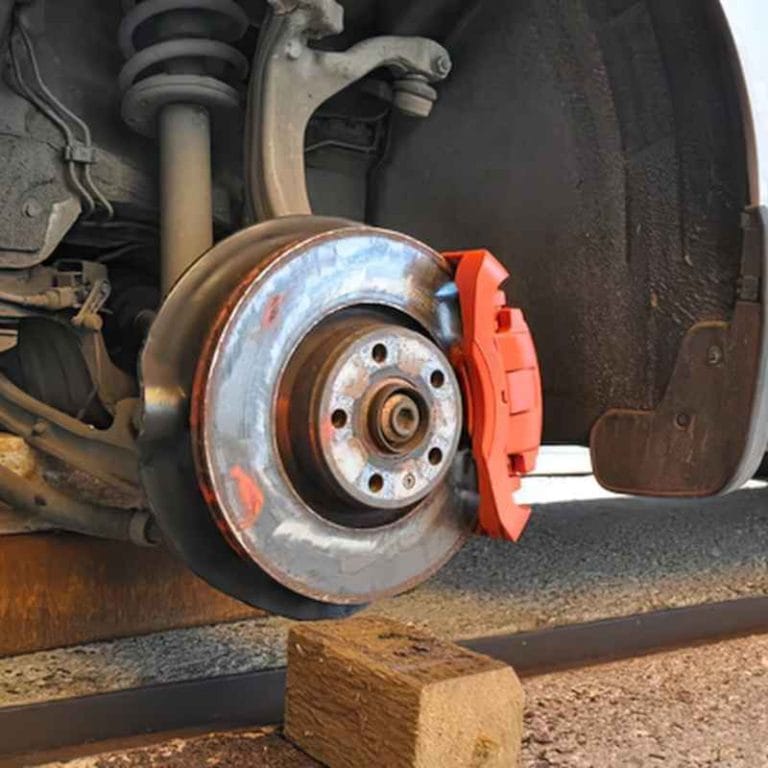
While brake pads cause car to shake in some instances, the real star of the show is usually the rotor. Rotors are large metal discs that the pads clamp onto. Over time, they can lose their perfect flatness.
“Warped rotors” is the common term, but the actual problem is often uneven wear or runout.
Technicians often use the term “warped rotors” loosely. In reality, true warping is rare. More often, the vibration is caused by brake judder – uneven deposits of pad material transferred onto the rotor surface.
When the pads pass over these irregularities, they get pushed back and forth. This movement travels up through the steering and suspension, manifesting as a shake.
According to brake experts at Centric Parts, even 0.002 inches of variation in rotor thickness is enough to feel a noticeable vibration in most modern vehicles. The National Highway Traffic Safety Administration (NHTSA) estimates that brake-related issues account for roughly 22% of all vehicle crashes in the United States.
Rotor Issues: A Comparison Table
To understand the different mechanical failures, look at this breakdown:
| Issue | Description | Symptom |
|---|---|---|
| Hard Spots | Areas of the rotor that have become hardened from excessive heat | Pedal pulsation, uneven pad wear |
| Runout | The rotor wobbles as it spins, even if it is flat | Steering wheel shake during braking |
| Scoring | Deep grooves worn into the rotor surface by old, worn pads | Reduced braking efficiency, noise |
| Heat Cracking | Small cracks on the rotor surface from extreme thermal stress | Brake noise, potential rotor failure |
Tip: Always replace brake pads and rotors as a set. Installing brand new pads on old, warped rotors will cause the new pads to wear unevenly and will likely not solve your shaking problem.
Common Symptoms of Worn Brake Pads and Rotors
Knowing the specific symptoms helps you pinpoint whether brake pads cause car to shake or if it is a different component. Pay close attention to when and how the vibration occurs.
Here are the most common symptoms drivers report:
- Steering Wheel Shakes: Indicates a problem with the front brakes, most often the front rotors are warped or the front pads are unevenly worn.
- Brake Pedal Pulsates: This is the classic sign of rotor thickness variation (DTV). You feel a rhythmical up-and-down motion through your foot.
- Vibration in the Seat: Usually points to a problem with the rear brakes. The vibration travels through the rear suspension and into the chassis.
- Squealing or Grinding Noise: High-pitched squealing often means built-in wear indicators are touching the rotor. Grinding means the pad is completely worn out.
- Shaking Only at High Speed: If the shaking starts only when braking from high speeds, it strongly suggests warped rotors.
A study by Bosch found that 90% of brake wear warnings occur when the friction material is worn down to 2-3mm. If you wait until this stage, you have likely already caused some uneven wear on your rotors.
Important: Don’t ignore a shaking brake pedal. The vibration is a sign that your braking system is not operating efficiently. This increases your stopping distance and can lead to more expensive damage down the line.
How to Diagnose Brake Shake at Home
You can figure out if brake pads cause car to shake or if the rotors are to blame with a few simple checks. Safety is paramount, so always work on a level surface and use jack stands.
Here is a list of tools you will need for a thorough inspection:
- Jack and jack stands
- Lug wrench or impact gun
- C-clamp or brake caliper tool
- Micrometer or Vernier caliper
- Dial indicator with magnetic base (for precise runout)
- Torque wrench
Follow this diagnostic process:
- Test Drive and Listen: Find an empty road. Accelerate to 50-60 mph. Brake firmly. Does the steering wheel shake? Does the pedal pulse?
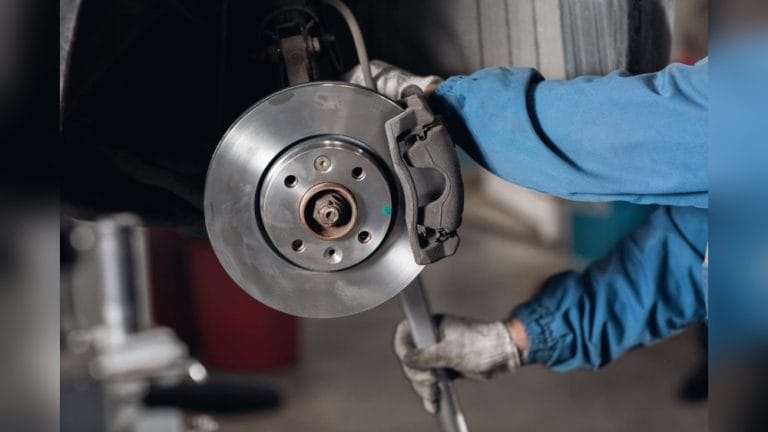
- Visual Inspection: Safely lift the vehicle and remove the wheels. Look at the brake pads. Do the inner and outer pads have equal thickness? Is the friction material shiny or contaminated?
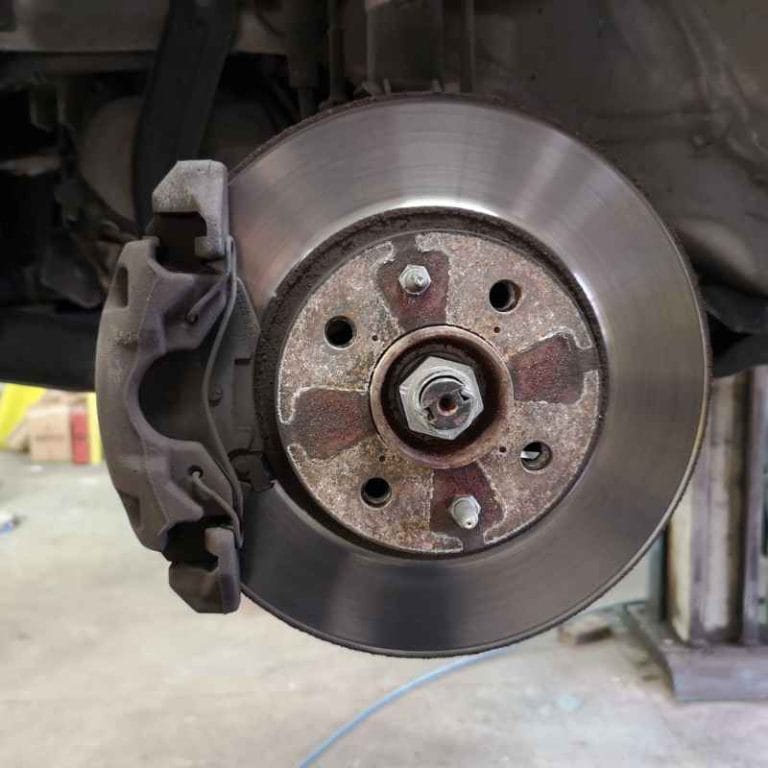
- Check the Rotors: Run your fingernail across the rotor surface. If it feels wavy or you can feel deep grooves, the rotor is damaged.
- Measure Rotor Thickness: Using a micrometer, measure the rotor at several points around the circumference. If the thickness varies by more than 0.002 inches, the rotor needs to be machined or replaced.
- Check for Wheel Bearing Play: Grab the wheel at the 12 and 6 o’clock positions and try to rock it. If there is clunking or movement, a bad wheel bearing could be contributing.
This systematic approach will immediately tell you if pads are the root cause or just a contributor to a larger rotor issue.
Other Brake System Parts That Cause Shaking
While the brake pads and rotors are the primary suspects, other components can cause or contribute to vibration. It is important to check everything before spending money on parts you don’t need.
Don’t assume that simply replacing the pads will fix the shake. Often, the underlying issue lies in these areas:
Sticking Brake Caliper
A caliper that doesn’t slide properly or has a stuck piston will apply uneven pressure. This forces one pad to wear faster than the other and can overheat and warp the rotor on that side. A seized caliper can cause a constant drag, leading to a pull to one side and a vibration.
Worn Wheel Bearings
A loose or worn wheel bearing allows the wheel and rotor assembly to wobble slightly as it spins. When you apply the brakes, this wobble becomes more pronounced, mimicking a warped rotor. The difference is that a bad bearing often causes a roaring or humming noise that changes with speed.
Suspension Components
Worn ball joints, tie rod ends, or control arm bushings can allow the wheel hub to move erratically. Under braking, this movement translates directly into a shake in the steering wheel. If your suspension is loose, even perfectly flat rotors will feel like they are warped.
ABS System Issues
If your Anti-lock Braking System (ABS) activates unexpectedly, it can cause a rapid pulsing in the brake pedal. However, ABS activation usually feels distinct from a warped rotor. ABS pulses are rapid and accompanied by a buzzing sound.
A faulty ABS sensor or tone ring can cause this issue.
Warning: A shaking car can also be caused by a tire that has separated its belts. This is extremely dangerous and requires immediate tire replacement. If your shake is present at all speeds, not just during braking, check your tires first.
When Should You Replace Brake Pads and Rotors?
Replacement timing depends on your driving habits, vehicle weight, and the quality of the parts. As a general rule, brake pads need inspection every 10,000 miles and replacement every 20,000 to 60,000 miles.
Experts at Monroe Brakes suggest that rotor resurfacing or replacement is necessary in approximately 80% of brake service jobs. If you are trying to solve a shaking problem, replacing just the pads often won’t work.
Here is a quick guide on when to replace specific components:
| Component | Replace When. | Cost Estimate |
|---|---|---|
| Brake Pads | Friction material is less than 3mm thick | $150 – $300 per axle |
| Brake Rotors | Below min thickness, deep grooves, or warped | $250 – $500 per axle |
| Brake Calipers | Piston is seized, leaking, or slides unevenly | $300 – $600 per caliper |
| Wheel Bearings | Excessive play or growling noise | $250 – $500 per wheel |
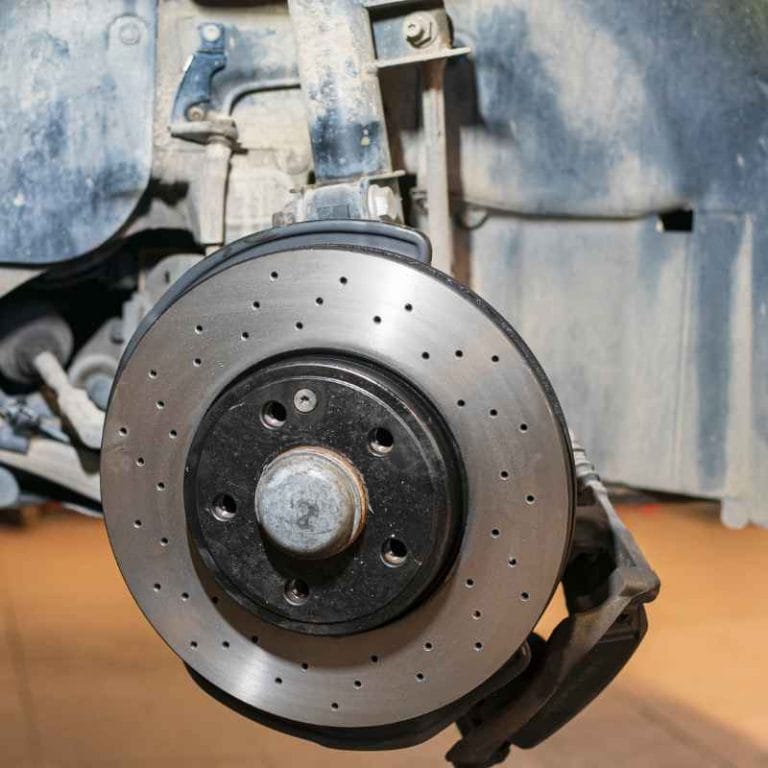
Tip: If you drive a heavy SUV or tow trailers, consider upgrading to performance or drilled-and-slotted rotors. They dissipate heat better and are more resistant to warping compared to standard solid rotors.
How to Prevent Brake Shake in the Future
The best way to avoid the question “can brake pads cause car to shake” is to prevent the conditions that lead to it. Brake shake is almost always caused by heat buildup and component wear.
Follow these preventative maintenance tips to keep your braking system smooth:
- Bed in New Brake Pads: After installing new pads and rotors, perform the proper bedding-in procedure. This transfers a thin, even layer of pad material onto the rotor surface.
- Avoid Hard Stops: Slamming on the brakes from high speeds generates immense heat. If you do this repeatedly, the rotors can overheat and warp.
- Don’t Ride the Brakes: Resting your foot on the brake pedal keeps the pads lightly applied, creating constant heat and friction.
- Use Quality Components: Opt for OEM or high-quality aftermarket brake pads and rotors. Cheap parts often use inferior metal in rotors.
- Flush Brake Fluid: Flush your brake fluid every 2-3 years. Contaminated fluid lowers the boiling point, leading to brake fade and overheating.
- Lubricate Slide Pins: Every time you change your pads, clean and lubricate the caliper slide pins. Sticking pins are a leading cause of uneven wear.
Important: Torque your lug nuts correctly. An improperly torqued wheel can cause the rotor to sit unevenly against the hub, leading to lateral runout and a persistent brake shake that no amount of pad replacement will fix.
Frequently Asked Questions
Can bad brake pads cause shaking?
Yes, but it is less common than rotor issues. Bad brake pads that are glazed, contaminated, or unevenly worn can cause noticeable vibrations when braking. However, the most frequent source of shaking is warped or unevenly worn rotors.
What does a warped rotor feel like?
A warped rotor typically creates a rhythmic pulsing sensation in the brake pedal. You may also feel the steering wheel shake as you apply the brakes. The vibration usually gets faster as your speed increases and goes away when you release the brakes.
How much does it cost to fix brake shaking?
The cost varies depending on the root cause. A simple pad replacement costs $150-$300 per axle. If the rotors are warped and need replacement, the cost ranges from $250 to $500 per axle.
Repairs involving seized calipers or bad wheel bearings can exceed $600 per corner.
Can I drive with shaking brakes?
You can, but it is not safe. A shaking brake system means reduced stopping efficiency and potentially longer stopping distances. The vibration indicates components are wearing abnormally.
It is best to have the brakes inspected immediately.
Do I need to replace rotors when I replace brake pads?
It is highly recommended. Reusing old rotors with new pads significantly increases the risk of brake noise and vibration. Most mechanics and vehicle manufacturers recommend machining or replacing the rotors whenever you install new pads.
Final Thoughts
Brake pads can cause a car to shake, but the rotors are usually the main culprit. If you are experiencing brake vibration, inspect the pads for glazing or contamination, but be prepared to machine or replace your rotors as well. Proper diagnosis, quality parts, and regular maintenance will keep your braking system smooth and reliable for years to come. See also how to stop car brake squeal for good proven methods . See also best car brakes on the market right now tested and ranked .
Products related to this article
Sponsored / affiliate links. As an Amazon Associate I earn from qualifying purchases. I may earn additional commission from eligible campaigns.