What Is The Difference In Car Tires? Everything Explained
Car tires differ in their design, size, materials, and intended use. These differences affect grip, ride comfort, fuel efficiency, and safety. Understanding these distinctions helps you choose the best tires for your vehicle and driving needs.
Understanding the Core of Car Tire Differences
Car tires are more than just rubber circles. They are complex pieces of engineering. Each part plays a role. What makes one tire different from another can be subtle. It can also be quite obvious. It all depends on what aspect you’re looking at.

Continental
Continental 245/50R20 102H CONTI CROSSCONTACT LX25 BW…
- Up to 70,000-miles of limited manufacturer tread life coverage
- Engineered with Continental's EcoPlus Technology which saves fuel, optimizes range, stops shorter on wet roads, and extends tread…
- Short braking distances on wet roads
As an Amazon Associate I earn from qualifying purchases.
Think about it like shoes for your car. You wouldn’t wear work boots for a marathon. And you wouldn’t wear flimsy sandals for a hike. Tires are similar. They need to match the job.
The main differences come down to a few key areas. We’ll look at tread patterns. We’ll also check out tire size. Material compounds are important too. And finally, how they are built matters.
Tread Patterns: More Than Just Looks
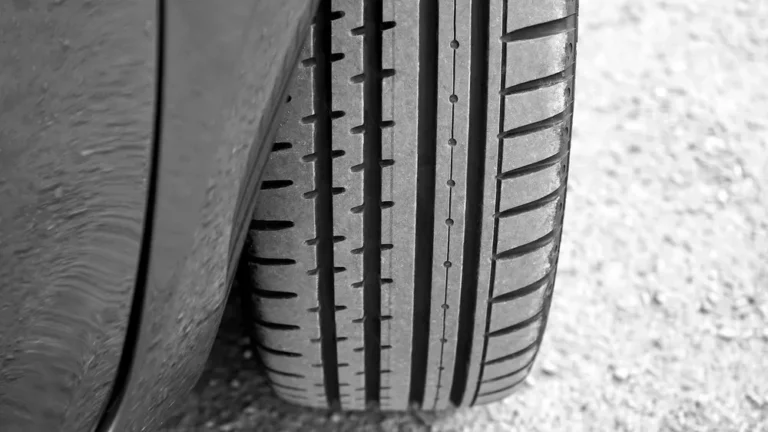
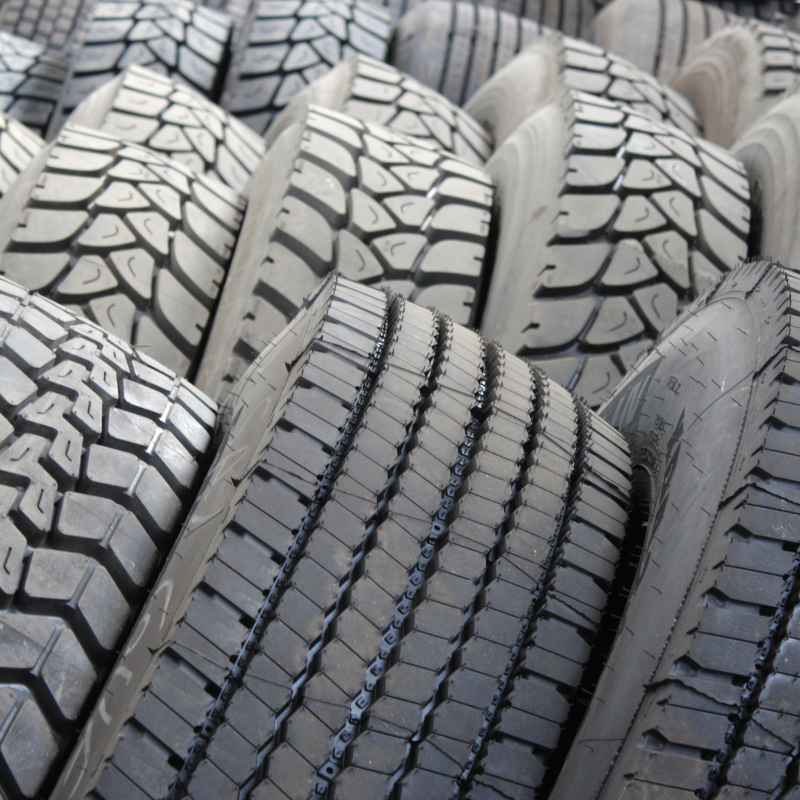
The tread is the part of the tire that touches the road. It’s the most visible difference. It has grooves and patterns. These patterns aren’t just for show. They have a big job to do.
The grooves help move water away. This is key for stopping skids. It’s like a rain gutter for your tire. It channels water out from under the tire. This helps you keep your grip.
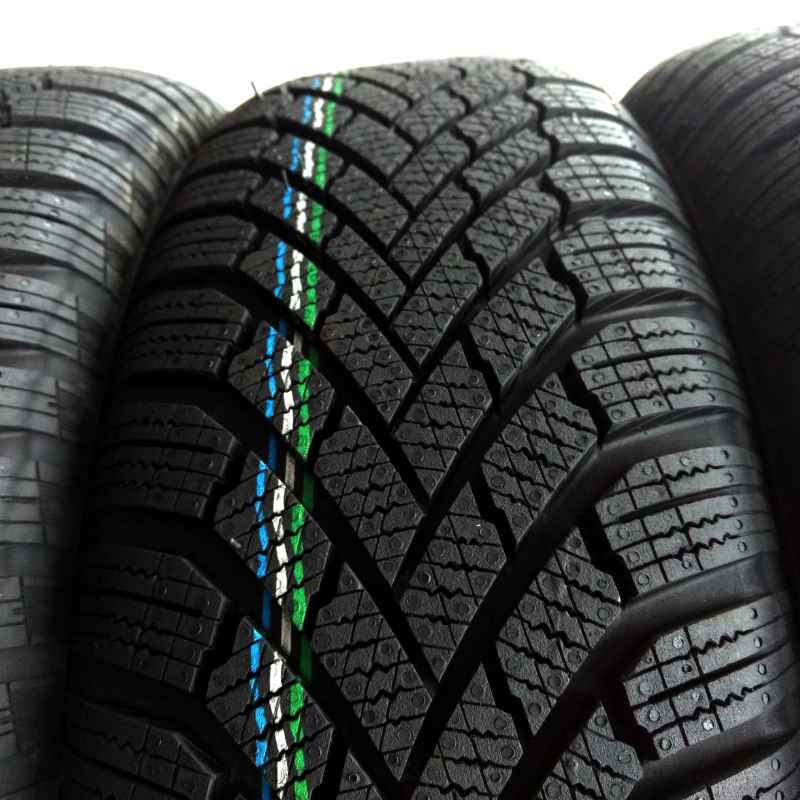
Different patterns work best in different conditions. A tire for heavy rain will look different. It might have deeper grooves. It might have more sipes. Sipes are small cuts in the tread blocks. They help grip on wet or icy roads.
A tire for dry, sunny days might have a simpler pattern. It might have larger tread blocks. This can give you better handling on dry pavement. It can also make for a quieter ride.
Some tires have directional treads. These look like arrows. They must be mounted a certain way. They are often good for performance. They can help with water channeling too.
Other tires have asymmetrical treads. One side of the tire is different from the other. This often means one side is better for dry grip. The other side might be better for wet grip. They need to be put on the correct side of the car.
And then there are symmetrical treads. These are the most common. They can be rotated any way. They are usually good all-around tires. They offer a balance of grip and tread life.
Tire Size Matters: The Numbers Tell a Story
You’ve seen those numbers on the side of a tire. They look like a secret code. But they actually tell you a lot. This is the tire size. It’s crucial for your car.
Let’s break down an example. You might see P215/60R16 95H.
‘P’ means Passenger tire. Some tires are for trucks or performance cars. They will have different letters.
‘215’ is the tire’s width. This is measured in millimeters. So, this tire is 215 mm wide. A wider tire can mean better grip. But it might also mean less fuel efficiency.
’60’ is the aspect ratio. This is a percentage. It’s the height of the sidewall compared to the width. So, the sidewall height is 60% of 215 mm. A lower number means a shorter sidewall. This is often called a “low profile” tire. These tires usually offer better handling. But they can give a rougher ride.
‘R’ means Radial construction. This is how the tire is built. Almost all modern tires are radial.
’16’ is the wheel diameter. This tire fits a 16-inch wheel. It must match your car’s wheel size.
’95’ is the load index. This number tells you how much weight the tire can carry. Each number has a specific weight rating. A higher number means more weight capacity.
‘H’ is the speed rating. This letter tells you the maximum speed the tire can handle safely. ‘H’ is a common rating. Faster ratings mean the tire is built for higher speeds.
Getting the size wrong can be dangerous. It affects how your car handles. It can also mess up your speedometer.
Material Compounds: The Secret Recipe
The rubber compound is the mix of chemicals that make up the tire. This is a big reason why tires perform differently. Manufacturers have secret recipes. They change the mix for different purposes.
Softer rubber compounds often provide more grip. They can feel stickier. This is great for performance tires. But they tend to wear out faster.
Harder rubber compounds last longer. They are more durable. They are often used for touring tires. They might not offer as much grip as softer tires. But they give you more miles.
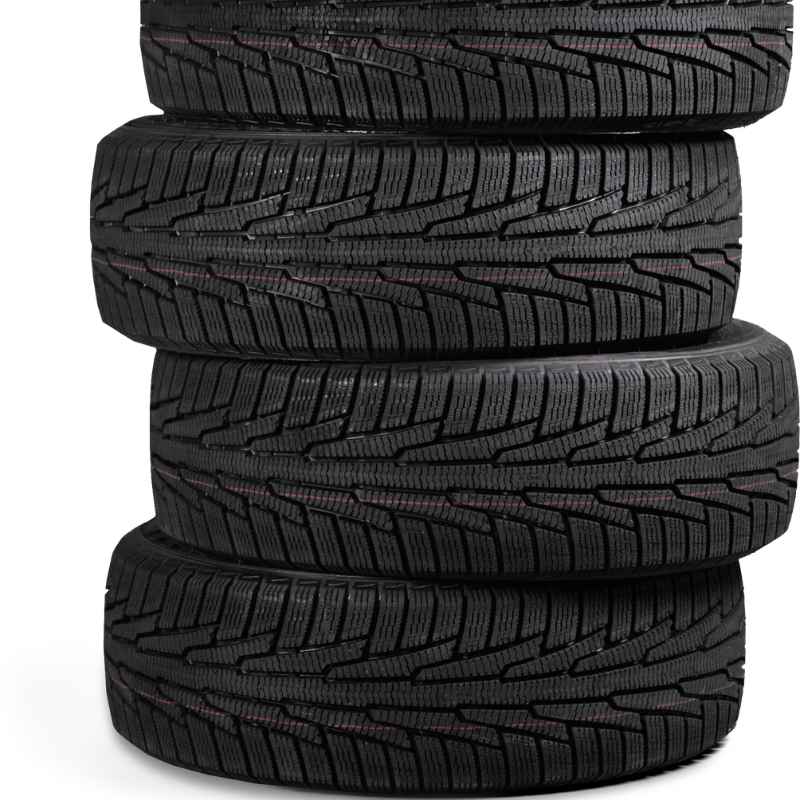
Some compounds are designed for cold weather. They stay flexible even when it’s freezing. This helps them grip ice and snow.
Other compounds are made for hot weather. They might be more resistant to heat buildup. This is good for long drives.
There are also special compounds. Some are designed to reduce rolling resistance. This helps with fuel economy. The tire doesn’t work as hard to roll.
The compound also affects ride comfort. A softer compound can absorb bumps better. This gives you a smoother ride.
Construction Differences: How They Are Built
Tires are built in layers. These layers are called plies. The type and arrangement of these plies matter.
Radial construction is standard now. This means the plies run across the tire. They go from bead to bead. This makes the sidewall flexible. It allows the tread to stay flat on the road. This improves grip and fuel economy.
Some tires have different numbers of plies. More plies can make a tire stronger. But they can also make it stiffer. This might lead to a less comfortable ride.
The bead is the part of the tire that seals against the wheel rim. It needs to be strong and flexible.
The inner liner seals the air inside the tire. It’s like the inner tube in old tires, but built-in.
The belt layers are under the tread. They help keep the tread stable. They add strength and puncture resistance. The material of these belts (steel, Kevlar, etc.) also makes a difference.
Personal Experience: The Day My Tires Sang Off-Key
I remember one crisp autumn afternoon a few years back. I was driving my old sedan on a winding country road. The leaves were just starting to turn. It was one of those perfect drives. I felt relaxed and happy. Then, it started to rain. Not a downpour, just a steady drizzle.
Suddenly, my car felt… off. It wasn’t a sudden scary moment, more like a creeping unease. When I took a gentle corner, the back end felt like it was trying to do its own thing. A little slide. Then another on a slightly sharper turn. My heart jumped a bit.
I pulled over safely. I looked at my tires. They looked fine. Normal. But they weren’t performing. They were old. I’d put off replacing them for too long. I’d bought the cheapest ones I could find last time. They were supposed to be “all-season.” But “all-season” can mean many things. And cheap often means compromising on grip. Especially when things get a little wet.
I drove slower, much slower. Every turn felt like a gamble. I was so annoyed with myself. I had ignored the signs. The tiny squeaks on corners. The slightly longer stopping distances I’d noticed but brushed off. This was a real wake-up call. It wasn’t just about comfort; it was about safety. That day, the difference between a good tire and a mediocre one became crystal clear.
Modern Tire Types and What They Mean
Tires are made for specific jobs. Knowing these jobs helps you pick the right ones.
Tire Sidewalls: More Than Just Letters and Numbers
The sidewall is the part of the tire between the tread and the wheel rim. It’s not just for decoration. It tells you a lot about the tire. And it affects how the tire performs.
Understanding Tire Wear: What to Look For
How your tires wear tells a story. It shows how they are performing. And if something is wrong with your car.
Real-World Context: When Tires Meet the Road
Your tires are the only part of your car touching the ground. What they are made of and how they are designed matters. It affects everything.
Driving Environment
Where do you drive most? Is it city streets? Highways? Rural roads? Do you go off-road? This is a big factor.
City driving often means stop-and-go. Tires need good braking. They also need to handle bumps from potholes.
Highway driving means sustained speeds. Tires need to be stable. They should also be fuel efficient. Noise is also a big factor on long drives.
Rural roads might be rougher. They could be gravel or dirt. This calls for tires with more robust tread.
Off-roading needs specialized tires. Think AT or MT tires. These have aggressive treads. They grip loose surfaces well.
Your Driving Habits
Are you an aggressive driver? Do you accelerate hard? Do you brake late? This puts more stress on your tires. It can cause them to wear out faster. It also affects how they perform.
A gentle driver will get more life from their tires. They will also likely have better fuel economy.
If you drive in very hot climates, tire compounds matter. You need something that won’t overheat.
In very cold climates, winter tires are essential. All-season tires are not enough for deep snow or ice.
Tire Design and Materials
Manufacturers use different rubber compounds. They also use different cord materials. These choices affect tire life. They affect grip. They affect fuel economy.
For example, a tire with more silica in its compound can offer better wet grip. It can also reduce rolling resistance for better MPG.
Steel belts in the tire add strength. They help maintain the tire’s shape. This is good for stability at high speeds.
User Behavior and Tire Choice
Many people just buy the cheapest tires. Or they buy whatever the shop has. This is a mistake. Your tires are critical safety items.
Choosing the right tire for your car and your driving style is important. Don’t be afraid to ask questions. Look up reviews.
Consider the conditions you drive in most often. Think about your priorities. Is it fuel economy? Long tread life? Maximum grip?
## What This Means For You
Understanding tire differences helps you make smart choices. It keeps you safer. It can save you money.
When Tire Differences Are Normal
It’s normal for different tire types to feel different.
A performance tire will feel sportier. It might be noisier.
An all-season tire will feel like a good compromise. It’s okay for most situations.
A winter tire will feel sluggish in warm weather. This is normal. It’s made for the cold.
When to Worry About Tire Differences
You should worry if your tires are wearing unevenly. This means something is wrong. It needs to be checked.
Worry if your tires don’t grip well in normal conditions. Especially in wet or cold weather.
Also worry if your tires are old. Check the date code. Tires degrade over time, even if they look okay.
Simple Checks You Can Do
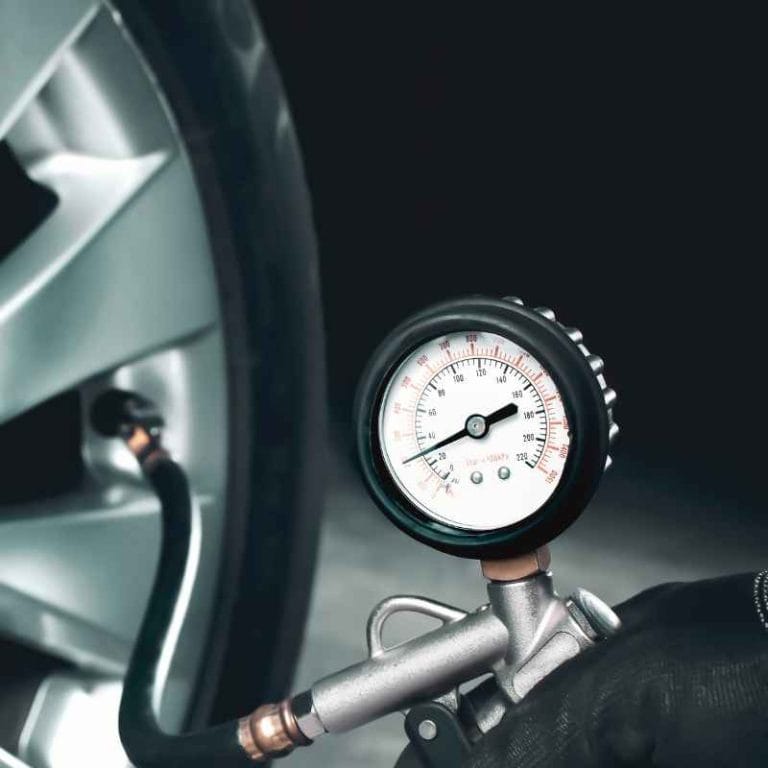
Check your tire pressure often. It’s the easiest thing to do. Your car’s door sticker tells you the right pressure.
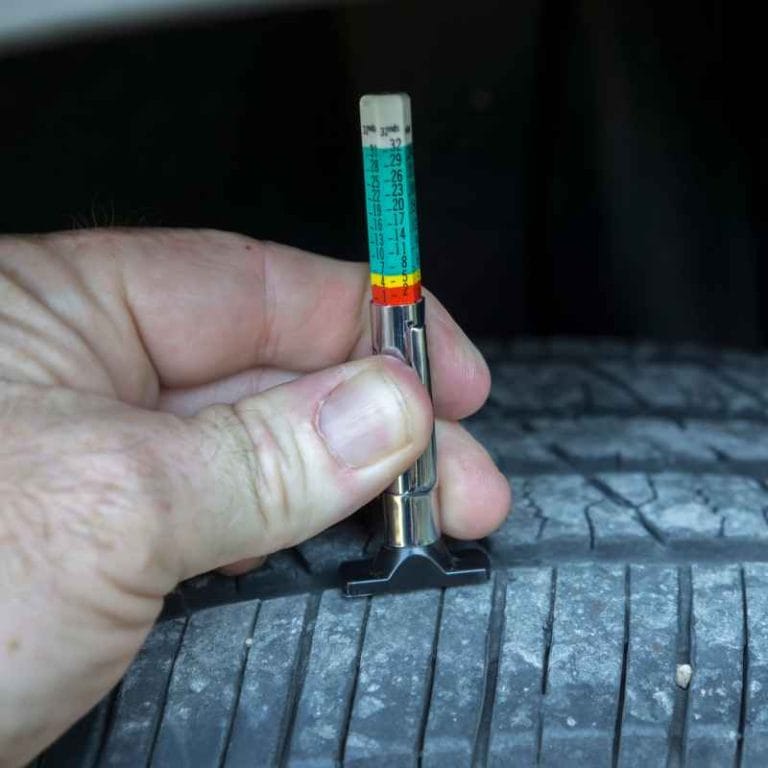
Look at your tread depth. You can use a penny. Stick Lincoln’s head into the deepest groove. If you can see the top of his head, your tread is low.
Check for bulges or cuts on the sidewall. If you see any, get the tire replaced.
Quick Fixes and Tips for Tire Care
Taking care of your tires is simple. It pays off.
Check tire pressure monthly. Use a reliable gauge.
Rotate your tires regularly. Follow your car’s manual. Usually every 5,000-7,000 miles. This helps them wear evenly.
Get your alignment checked. If you notice uneven wear. Or if your car pulls to one side.
Balance your tires. When you get new tires. Or if you feel a vibration.
Inspect tires for damage. Look for cuts, bulges, or embedded objects.
Know your tire’s age. Look for the DOT code. The last four digits are the week and year of manufacture. Replace tires older than 6-10 years, regardless of tread depth.
Frequently Asked Questions About Car Tires
What is the main difference between all-season and summer tires?
All-season tires are designed for a wide range of conditions, offering a balance of grip in dry, wet, and light snow. Summer tires use a softer rubber compound and specific tread patterns for maximum grip and performance in warm, dry, and wet conditions, but they are not suitable for cold temperatures or snow.
How often should I rotate my car tires?
It’s generally recommended to rotate your tires every 5,000 to 7,000 miles. This helps ensure even wear across all four tires, extending their lifespan and maintaining consistent performance. Check your car’s owner’s manual for the manufacturer’s specific recommendation.
What does “low profile” mean for a tire?
A low-profile tire has a shorter sidewall. This means the ratio of sidewall height to tire width is smaller. Low-profile tires offer quicker steering response and better cornering grip because there’s less flex in the sidewall. However, they can result in a firmer, less comfortable ride.
Can I mix different types of tires on my car?
While you can technically mix tires, it’s strongly discouraged. Using different types of tires, especially on the same axle, can negatively affect your car’s handling, braking, and stability. It’s best to use the same type and size of tire on all four wheels.
How can I tell if my tires are worn out?
You can check tread wear by looking at the tread wear indicators (small raised bars in the grooves). If the tread is worn down to these bars, the tire is worn out. You can also use a penny; if Lincoln’s head is visible when inserted into the tread, it’s time for new tires.
What is a tire’s load index and speed rating?
The load index is a numerical code that indicates the maximum weight a tire can carry. The speed rating is a letter code that shows the maximum speed at which the tire can safely operate. Both are found on the tire’s sidewall and are crucial for safety.
Conclusion: Your Tires, Your Connection to the Road
So, you see, car tires are incredibly complex. They aren’t just round pieces of rubber. They are engineered to perform specific tasks. From the depth of their grooves to the very material they are made from, every detail matters. Understanding these differences is key. It helps you choose wisely. It helps you stay safe. And it ensures your car performs its best.
See also when do car tyres expire signs it’s time to replace. See also when should car tyres be changed for safe winter driving.
Related pick: Check today's price on Amazon
Products related to this article
Sponsored / affiliate links. As an Amazon Associate I earn from qualifying purchases. I may earn additional commission from eligible campaigns.