Why Is My Car Engine Oil Leaking? Causes & Fixes Explained
Understanding Engine Oil Leaks

Lucas Oil
Lucas Oil 10278 Engine Oil Stop Leak…
- Compatible with petroleum, semi-synthetic, and full synthetic motor oils
- Renews worn seals with no risk of damage or eventual corrosion
- Reduces engine noise and oil consumption, while raising oil pressure
As an Amazon Associate I earn from qualifying purchases.
Engine oil is the lifeblood of your car. It keeps all the moving parts in your engine smooth and cool. When it starts to leak, it means that vital fluid is escaping its proper place.
This can happen for many reasons, from simple wear and tear to more complex issues within the engine itself. It’s important to know that even a small leak can become a big problem if left unchecked.
Oil leaks don’t just appear out of nowhere. They are usually a sign that something has gone wrong. This could be a part that has worn out, a seal that has cracked, or even something more serious like a damaged oil pan.
The color of the leak can sometimes give clues. Most engine oil is a dark brown or black color. If you see a lighter amber color, it might be transmission fluid, which is a different issue.
Many drivers wonder if they can keep driving with a small oil leak. While a tiny drip might not cause immediate disaster, it’s never a good idea to ignore it. Low oil levels can lead to severe engine damage, costing you a lot more in repairs down the road.
It’s always best to find the source of the leak and get it fixed promptly. This guide will help you identify potential causes so you can have a more informed chat with your mechanic.
My Car’s Oil Leak Story
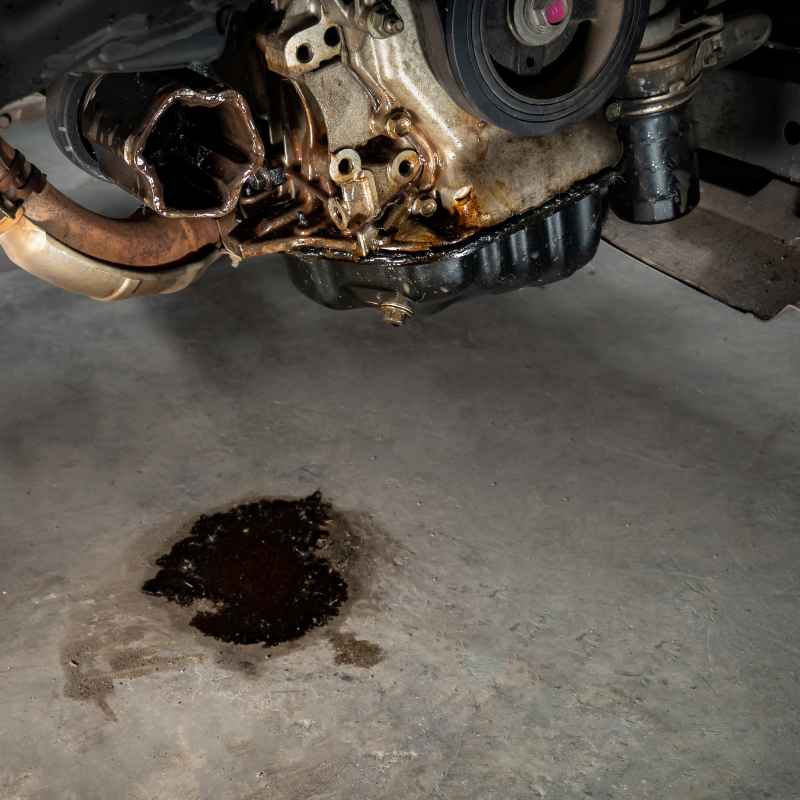
I remember the first time I saw an oil spot under my old sedan. I was pulling out of my driveway one crisp autumn morning. There it was, a dark, greasy stain on the concrete.
My heart sank. I’m not the most mechanically inclined person, so my mind immediately jumped to the worst-case scenario: a blown engine. I felt a wave of panic mixed with annoyance.
I had just paid for new tires!
I called my mechanic, and he asked a few questions. “Is it a big puddle or just a few drops?” “What color is it?” “Does it smell like burning oil when you drive?” I told him it was a small spot, dark brown, and I hadn’t noticed any strange smells. He said it was probably something minor, but I should bring it in.
He suspected a worn gasket or a loose drain plug. The relief I felt was immense.
Later that day, he called me. It turned out to be a faulty oil pan gasket. It was old and brittle, and a small section had cracked.
He replaced it, and the leak was gone. The repair wasn’t too expensive. That experience taught me that it’s better to get leaks checked early.
It saved me from a potentially much bigger repair later on.
Common Causes of Engine Oil Leaks
So, why does this oil start to escape? Let’s explore the most frequent culprits. These are the parts that often wear out or get damaged over time.
Knowing these can help you or your mechanic pinpoint the problem faster.
1. Worn-Out Gaskets and Seals
Gaskets are like the seals that keep fluids in place between engine parts. Seals do a similar job for rotating parts, like the crankshaft. Over time, heat and pressure cause these rubber or silicone parts to dry out, crack, or shrink.
This creates tiny gaps where oil can seep through.
Think of a rubber band that’s been left in the sun for a long time. It gets hard and brittle. Gaskets and seals in your engine face similar conditions.
The engine gets very hot, and then cools down many times. This constant expansion and contraction can stress these parts. When they fail, oil finds its way out.
Common gaskets that leak include the valve cover gasket, oil pan gasket, and the intake manifold gasket. Seals like the crankshaft seal or camshaft seal can also fail. These leaks might start small, like just a few drops, but they can worsen over time.
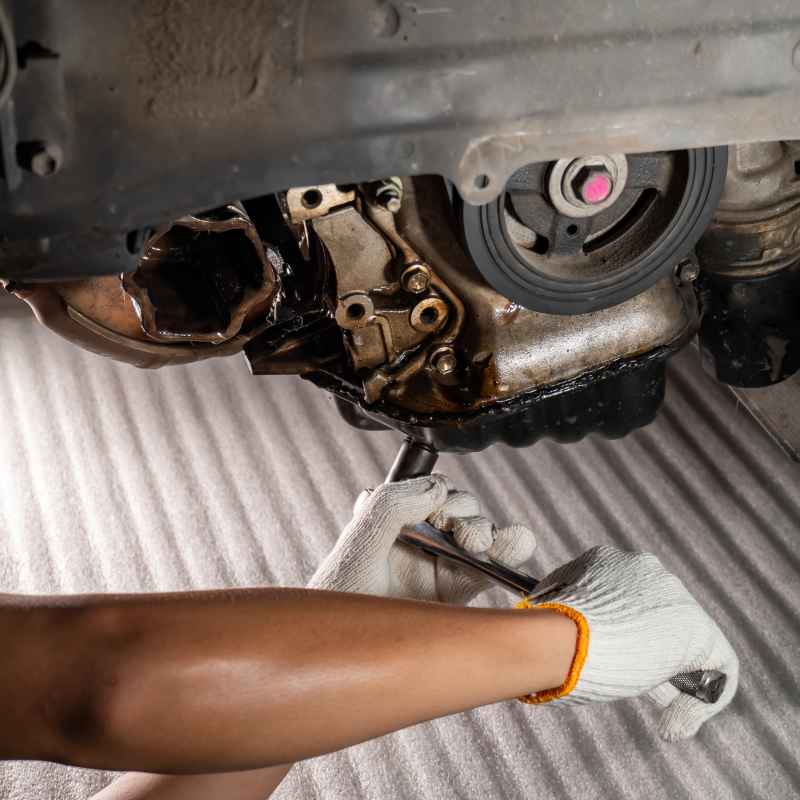
2. Damaged Oil Pan
The oil pan sits at the bottom of your engine. It holds all the oil. It’s made of metal, usually steel or aluminum.
If you drive over something large and hard, or if you hit a pothole too hard, you can dent or even puncture the oil pan. A crack or hole means oil will definitely leak out.
Even a small crack can lead to a significant oil loss. The oil pan is exposed to road debris, rocks, and curbs. It takes a lot of abuse.
If you notice an oil leak and you’ve recently gone over rough terrain, the oil pan is a prime suspect.
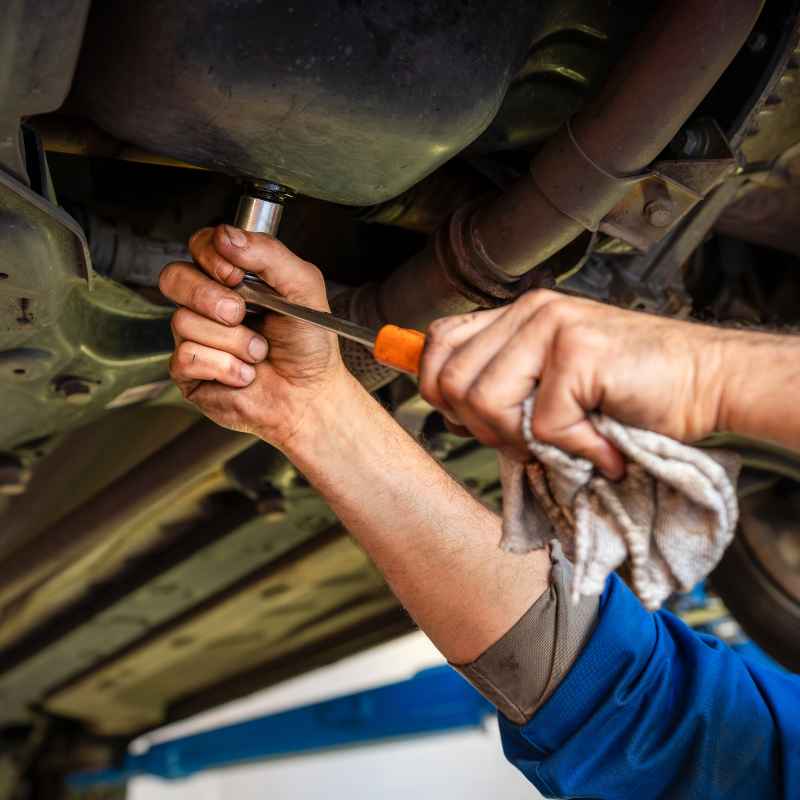
Sometimes, the drain plug on the oil pan can also be the source of a leak. If it’s not tightened properly after an oil change, or if its washer is damaged, oil can drip from there. This is one of the simpler fixes, but it must be addressed.
3. Faulty Oil Filter or Drain Plug
The oil filter keeps your oil clean. It screws onto the engine. If it’s not tightened enough, or if the rubber gasket on the new filter is damaged or missing, it can leak.
It’s also possible for the old filter gasket to stick to the engine block after an oil change, and if the new filter is screwed on over it, it will create a very bad leak.
The oil drain plug is where mechanics drain the old oil during an oil change. This plug has a small washer or gasket. If this washer is old, cracked, or if the plug is not screwed in tightly, oil will leak out.
This is a very common cause of leaks, especially shortly after an oil change.
It’s important to make sure the oil filter is snug and the drain plug is properly seated with a good washer. These are often checked during routine maintenance, but sometimes things get missed or wear out.
4. Cracks in the Engine Block or Cylinder Head
This is a more serious issue. The engine block is the main structure of your engine. The cylinder head sits on top of it.
Cracks in these large metal parts can develop due to extreme temperature changes, manufacturing defects, or internal engine stress. If a crack goes through an oil passage, oil will leak out.
These kinds of leaks are usually more significant and can be harder to spot. They might appear as oil seeping from the sides of the engine block or cylinder head. Sometimes, a crack can also allow coolant to mix with oil, or oil to get into the coolant.
This is a sign of major engine trouble and needs immediate professional attention.
Repairing cracks in the engine block or cylinder head is often very expensive. In some cases, it might be more cost-effective to replace the engine entirely. This is why it’s crucial to catch any oil leak early.
5. Loose or Damaged Oil Cooler Lines
Some cars have an oil cooler. This is a small radiator that helps cool the engine oil, especially in high-performance cars or those that tow heavy loads. The oil cooler is connected to the engine by lines, which are like hoses.
These lines can crack, become loose, or get damaged.
If an oil cooler line is leaking, you’ll likely see oil near the front of the car, where the cooler is usually located. The leak might be more noticeable when the engine is running and the oil is being pumped through the system. Check these lines for any signs of wear or damage.
Oil Leak vs. Other Fluids
It’s easy to mistake oil for other fluids. Here’s a quick guide:
| Fluid Type | Color | Consistency | Smell |
|---|---|---|---|
| Engine Oil | Dark brown/Black | Slightly greasy | Burnt, oily smell |
| Transmission Fluid | Reddish-brown (can be clear when new) | Slicker, more oily | Slightly sweet or burnt smell |
| Power Steering Fluid | Clear, amber, or red | Thinner than oil | Oily, sometimes chemical smell |
| Coolant (Antifreeze) | Green, orange, pink, blue | Watery, slippery | Sweet smell |
| Brake Fluid | Clear to light brown | Very thin, almost watery | Slightly oily, sometimes fishy |
Diagnosing Your Oil Leak
Figuring out where the oil is coming from can feel like detective work. But with a few simple checks, you can often narrow down the possibilities. Safety first!
Always make sure your car is on a level surface and the engine is cool before you try to inspect anything underneath.
Checking the Oil Level
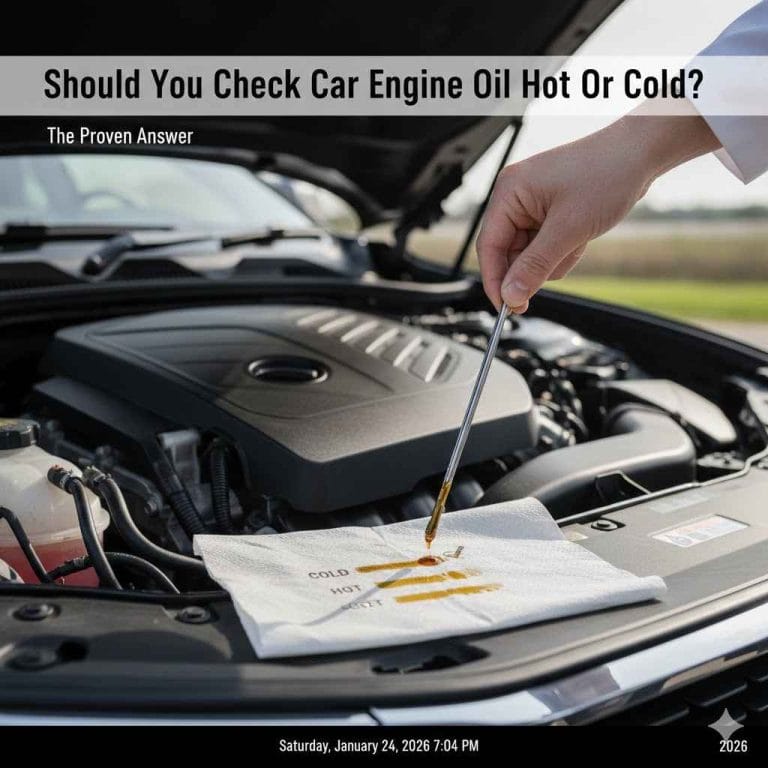
The easiest check is your oil level. Pull out the oil dipstick. It usually has a bright-colored handle, often yellow or orange.
Wipe it clean with a rag, re are usually two marks on the dipstick: “Add” and “Full.” If your oil level is below the “Add” mark, you’ve lost oil, and you definitely have a leak or are burning oil.
Checking the oil level regularly is one of the best things you can do for your car’s health. If you notice it dropping faster than usual, it’s a clear sign something is wrong. Keep an eye on how quickly it drops between checks.
This information can be very helpful for your mechanic.
Inspecting Under the Car
If you see puddles, try to determine their location. Is the spot directly under the engine? Or is it more towards the front, middle, or back of the car?
This can help a lot. For example, a leak near the front might involve the power steering system or the radiator if it’s an oil cooler leak.
Sometimes, it helps to place a large piece of cardboard or clean newspaper under where you park your car overnight. You can then see exactly where the drips are landing. Look closely at the drops themselves.
Their color and consistency can be good clues, as we saw in the table.
Looking Under the Hood
With the engine off and cool, pop the hood. Look for any obvious signs of wetness or grime that looks like oil. Check around the valve cover (usually on top of the engine), the oil filter, and the oil pan (at the bottom).
You might see drips, stains, or a general film of oil that suggests a leak.
Sometimes, a leak can be small and hard to see. The oil might be blown around by the engine’s movement. If you can’t see anything obvious, don’t worry.
A mechanic has tools, like a UV light and dye, to find even the most stubborn leaks.
Quick Oil Leak Checks
Do this after the engine has cooled down:
- Dipstick: Check oil level. Is it low?
- Visual Scan: Look under the hood for wet spots on engine parts.
- Oil Pan: Check the bottom of the engine for leaks or damage.
- Oil Filter: Is it tight? Any oil around it?
- Drain Plug: Check the plug at the bottom of the oil pan.
When to Seek Professional Help
While some minor leaks can be addressed with simple fixes, many require a mechanic’s expertise. It’s always better to be safe than sorry. If you’re unsure about what you’re seeing, or if the leak seems significant, it’s time to call a professional.
Major Leaks
If you see a large puddle of oil, or if your oil level is dropping very quickly, this is a major leak. You should not drive the car. A severe loss of oil can cause catastrophic engine failure very quickly.
Call for a tow truck to get your car to a repair shop.
A major leak could be from a large crack in the oil pan, a blown-out oil line, or a failed gasket that is letting oil pour out. These issues need immediate attention from someone with the right tools and knowledge to fix them safely.
Uncertainty About the Cause
If you’ve looked and can’t find the source of the leak, or if you’re not sure what you’re looking at, trust your gut. Mechanics spend years learning how to diagnose car problems. They have specialized equipment like leak detection dyes and pressure testers that can pinpoint the exact spot of a leak, even if it’s very small or hard to see.
Don’t waste time and money on guessing games. Taking it to a trusted mechanic ensures the problem is correctly identified and repaired the first time. This saves you stress and potentially more costly mistakes.
Warning Lights
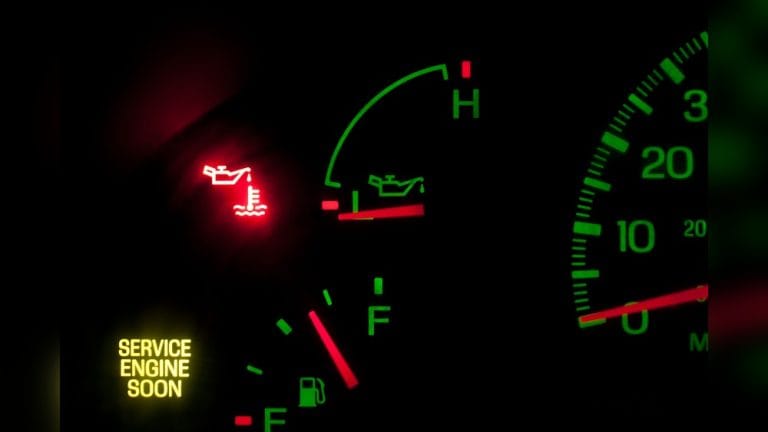
If your car’s oil pressure warning light comes on, stop driving immediately. This light indicates that the oil pressure in your engine is too low. This is a critical situation.
Driving with low oil pressure can destroy your engine within minutes. Park the car safely and have it towed to a mechanic.
The oil pressure light is a serious warning. It means the engine isn’t getting enough lubrication. This can be caused by a severe leak, but also by a failing oil pump or a blocked oil passage.
It’s not something to ignore or try to fix yourself unless you are an expert.
Preventative Maintenance Tips
While you can’t prevent every single oil leak, good maintenance can go a long way. Taking care of your car regularly helps parts last longer and catches problems before they become disasters.
Regular Oil Changes
This is the most important thing you can do. Follow your car manufacturer’s recommended schedule for oil changes. Use the correct type of oil and filter.
During an oil change, a mechanic will also inspect the oil pan, drain plug, and filter area for any signs of leaks. This regular check is crucial.
Fresh oil lubricates your engine better and helps keep parts clean. Old, dirty oil can become corrosive and cause wear. Changing your oil on time is a simple step that protects your engine from many issues, including some that lead to leaks.
Scheduled Inspections
Beyond oil changes, have your car inspected according to the manufacturer’s maintenance schedule. These inspections often include checking hoses, seals, gaskets, and other components for wear and tear. Catching a small crack in a seal during a routine inspection can save you from a major leak later.
Think of these inspections as a health check-up for your car. A good mechanic will spot potential problems before they become obvious and costly. They can identify aging gaskets or worn seals that are starting to show signs of failure.
Frequently Asked Questions About Oil Leaks
How much oil loss is too much?
A few drops on the ground overnight might be minor. If you see a steady drip or a puddle, it’s more significant. If your oil level drops below the minimum mark on the dipstick between regular checks, it’s too much.
Any leak that requires you to add oil frequently is a problem.
Can I drive with a small oil leak?
It depends on how small. If it’s just a few tiny drops and your oil level stays within the safe range, you might be able to drive for a short while to get it to a mechanic. However, it’s never recommended to ignore it.
Small leaks can become big ones quickly, and low oil can destroy your engine.
What does it cost to fix an oil leak?
The cost varies greatly. Replacing a simple drain plug washer might be under $50. A valve cover gasket could be $200-$500.
However, a leaking oil pan or a crack in the engine block could cost well over $1,000. The most common leaks, like valve cover gaskets or oil pan gaskets, are usually in the few hundred dollar range.
How long does it take to fix an oil leak?
A simple fix like a drain plug or oil filter might take less than an hour. Replacing a valve cover gasket or oil pan gasket could take a few hours. More complex repairs, like fixing engine block cracks, can take days and involve significant engine disassembly.
Is it safe to add stop-leak products?
Some people try “stop-leak” additives. These products can sometimes swell seals to temporarily stop small leaks. However, they are not a permanent fix and can sometimes clog small oil passages or cause other problems.
It’s generally better to address the root cause with a proper repair. They are best viewed as a temporary, short-term solution if a repair isn’t immediately possible.
What is the most common place for an oil leak?
The most common places for oil leaks are worn gaskets and seals. This includes the valve cover gasket, oil pan gasket, and crankshaft seals. These components are under constant stress and are prone to wear and tear over time, making them frequent culprits for oil seepage.
Conclusion
Spotting an oil leak can be concerning, but understanding the common causes makes it less mysterious. From worn-out seals to a damaged oil pan, these issues are often signs of normal wear. The most important steps are to check your oil regularly and address any leaks promptly.
Early detection and repair save you from bigger headaches and expensive damage down the road.
Don’t hesitate to consult a trusted mechanic. They have the expertise to diagnose the issue accurately and perform the right repair. By staying on top of your car’s maintenance, you can keep your engine running smoothly and avoid costly surprises.
Your car’s engine is a complex machine, and a little care goes a long way in keeping it healthy.
See also how to clean car engine oil spills safely and effectively.
Related pick: Check today's price on Amazon
Products related to this article
Sponsored / affiliate links. As an Amazon Associate I earn from qualifying purchases. I may earn additional commission from eligible campaigns.
 DongJinK Engine Oil Level Gage Dipstick Compatible with Toyota 4Runner 1984-1995 for Toyota Celica 1984-1985 for Toyota Pickup 1984-1995 Replace# 15301-35020 1530135020
 Suifaqi Engine Oil Dipstick Oil Level Dipstick - Replace Part 120 589 07 21 00, 120589072100 - Compatible with Mercedes-Benz CLS55 AMG 2006(2026 NEW)