What Causes Car Lights To Stay On? (Top Reasons Explained)
Car lights staying on usually means a part like a switch, relay, or computer module isn’t working right. This can drain your battery if not fixed. Common culprits include the headlight switch, ignition switch, or a faulty door sensor.
Understanding Why Car Lights Stay On
When your car’s lights don’t shut off as they should, it’s a signal that something in the electrical system isn’t communicating properly. Your car has a complex network of wires, switches, and computers. These parts work together to control everything, including when your lights should be on or off.
This system helps keep you safe by lighting up the road. It also helps others see you. Sometimes, a small part fails.
That failure can cause a bigger issue, like lights staying on.
Several things can cause this. A faulty switch is a frequent issue. It might tell the lights to stay on even when you’ve turned it off.
Or, a relay, which is like an electrical switch, could get stuck. Sometimes, the problem is with the car’s computer. It might not be sending the right signals.
We’ll explore these common causes in detail. Knowing what’s happening helps you talk to a mechanic. It also helps you understand what needs fixing.
My Own “Lights Won’t Turn Off” Scare
I remember one chilly evening, after a long day at work, I rushed to my car. I turned it off, grabbed my bag, and then saw it. My headlights were still on, slicing through the dark parking lot.
My heart sank a little. I checked the headlight switch. I twisted it off.
Nothing happened. They stayed lit. Panic started to bubble up.
Would my battery die overnight? I had a big drive planned for the next day.
I remembered a story about a sticky headlight switch. I wiggled it a bit, pushed it in and out. Thankfully, after a few tries, the lights clicked off.
Relief washed over me. It was a simple fix that time, but it taught me how quickly a small electrical gremlin can cause worry. It also showed me how important even small parts are in a car’s system.
That day, I learned that even when a car seems fine, electrical quirks can appear without warning.
Headlight Switch Basics
What it does: The headlight switch tells your car when to turn the headlights on and off. It also controls other lights like parking lights and dashboard lights. You usually find it on the steering column or the dashboard.
Common Problems: Wires can loosen. The switch itself can wear out. This can make it stick or fail to signal the lights to turn off.
The Top Culprits: Why Your Car Lights Stay On
Let’s dive into the most common reasons your car lights might refuse to switch off. It’s often not just one thing. Several components can play a role.
We will look at each one.
Faulty Headlight Switch
The headlight switch is often the first suspect. It’s a mechanical part that gets used a lot. Over time, its internal contacts can wear out or get dirty.
This can cause it to send a constant “on” signal to your headlights, even when you try to turn them off. Sometimes, a switch just gets stuck in the “on” position. This is especially true if debris gets into it.
Think of it like a light switch in your house. If that switch breaks, the light might stay on forever. The same happens in your car.
A broken headlight switch means the signal to turn off the lights is lost. Replacing this switch usually solves the problem. It’s a fairly common repair.
Mechanics see this issue often.
Ignition Switch Issues
Role: The ignition switch is key. It tells the car when it’s on or off. It also controls power to various systems, including some lights.
Impact: If the ignition switch fails in a certain way, it might keep power flowing to circuits that should be off. This can include interior lights or even headlights in some car models. It’s a critical part for the car’s whole electrical system.
Bad Relay or Fuse
Your car’s electrical system uses relays. These are small devices that act as remote switches. They use a little bit of electricity to control a larger flow of electricity.
For example, a relay might switch on your headlights. If a relay gets stuck in the “closed” position, it will keep the circuit powered. This means the lights stay on.
Fuses are also important. They protect circuits from too much power. While a blown fuse usually stops a light from working, a faulty fuse holder or a sticky relay connected to a fuse circuit could cause issues.
Sometimes, a relay might be the culprit. It fails to open the circuit when it should.
Door Ajar Switch Malfunction
Most cars have a small switch on the door frame. This switch tells the car when a door is open. It’s what turns on your interior dome lights.
If this switch gets stuck in the “closed” position (meaning it thinks the door is always closed), the interior lights might stay off. But if it gets stuck in the “open” position (thinking a door is always open), the interior lights will stay on.
These switches can get dirty or damaged from daily use. Rust or grime can prevent them from returning to their normal position. Sometimes, you’ll also notice a warning light on your dashboard saying a door is open, even when it’s closed.
That’s a strong clue the door switch is the problem.
Door Ajar Switch (Quick Facts)
- Location: Typically on the door frame or pillar.
- Function: Tells the car if a door is open or closed.
- Effect on Lights: Triggers interior dome lights and sometimes exterior security lights.
- Common Failure: Gets stuck in the “open” position, keeping lights on.
Computer Module Problems (BCM or BCM)
Modern cars have a Body Control Module (BCM). This is a small computer that manages many electrical functions. This includes your lights, locks, windows, and more.
If the BCM malfunctions, it can send incorrect signals. It might fail to tell the lights to turn off. This is a more complex issue to diagnose.
The BCM is like the brain for many of your car’s comfort and convenience features. When it glitches, all sorts of weird things can happen with electronics. It needs specific diagnostic tools to check.
Repairing or replacing a BCM is usually more expensive than a simple switch. It requires expert attention.
Wiring Issues
The wires in your car are like its nervous system. They carry electrical signals everywhere. If a wire gets damaged, shorted, or corroded, it can cause strange electrical behavior.
A short circuit can cause a light to stay on constantly. This might happen if a wire’s insulation wears away and touches metal. Or, if two wires intended to be separate come into contact.
Finding a wiring problem can be tough. It involves tracing wires and checking for damage. Sometimes, a rodent might chew on wires.
This is more common if a car sits for a while. Inspecting the wiring harness for visible damage is a good first step for a mechanic.
Understanding Relays
What they are: Relays are electro-mechanical switches. They use a small electrical current to control a larger electrical current. This helps protect sensitive electronics.
How they fail: When a relay gets stuck, it acts like a light switch that won’t turn off. The power keeps flowing to the component it controls, like headlights or fog lights.
Faulty Daytime Running Lights (DRL) Module
Some cars have a separate module for their Daytime Running Lights (DRLs). These lights are designed to stay on automatically when the engine is running. If this DRL module malfunctions, it might keep the DRLs on even when they are supposed to be off (like at night when headlights are on).
Or, it could keep them on when the car is shut off.
The DRL system is there for safety. It makes your car more visible. But like any other electronic part, the module that controls it can fail.
This failure can lead to unexpected light behavior. It’s another part that might need specific diagnosis.
Battery Drain Issues
While not a direct cause of lights staying on initially, a constant drain from lights that won’t turn off will quickly lead to a dead battery. This is a consequence, not the root cause, but it’s important to understand. If your lights are on for hours when they shouldn’t be, your battery will lose its charge.
This can leave you stranded.
The battery’s job is to start the car and power electronics when the engine is off. It’s not designed to power lights for extended periods. So, if lights stay on, the battery is what suffers.
A healthy battery is vital. But it can’t overcome constant electrical waste.
DRL System Check
Purpose: To make cars more visible during daylight hours.
How it works: Usually, DRLs are a lower-power version of the main headlights or separate amber lights. They turn on automatically with the engine.
Problematic scenarios: A failing DRL module might keep them on when they should be off, or when the car is off.
Real-World Scenarios: When Lights Stay On
Let’s paint a picture with some common situations where you might find your car lights on when they shouldn’t be. These scenarios often point to specific causes.
Scenario 1: The Overnight Battery Drain
You park your car at home after a long day. You double-check everything seems off. You go to bed.
The next morning, you go to start your car, and nothing happens. The battery is dead. When you pop the hood, you notice the interior dome light is still faintly glowing.
This points strongly to a switch or sensor that didn’t signal the light to turn off. It’s a classic sign of a door ajar switch or a faulty interior light switch.
This scenario highlights how even small lights can drain a battery over time. The electrical system is designed to shut down most power when the car is off. If a component prevents that shutdown, the battery suffers.
It’s a frustrating way to start your day. The fix is usually straightforward once the culprit is found.
Scenario 2: The “Forgot My Lights” Scare (But You Didn’t)
You leave work and notice your headlights are on. You distinctly remember turning them off. You check the switch, and it’s in the “off” position.
Yet, the lights remain on. This situation often signals a problem beyond just forgetting. It could be a faulty headlight switch that’s stuck in the “on” position internally.
Or, it might be a relay that has failed and is keeping the headlights powered.
This is particularly worrying at night. You don’t want to be pulled over. Or worse, drain your battery in a dark place.
It’s a situation where you need to address it quickly. The focus here shifts to the main exterior lighting system components.
Car Lights: What’s Normal?
- Headlights: Should turn off with the ignition or a specific switch position.
- Interior Dome Lights: Should turn on with doors opening and off when doors close (or after a delay).
- Daytime Running Lights (DRLs): Should be on when the engine is running and off when headlights are on (on most cars).
- Parking Lights: Should turn on with headlights or separately and turn off with ignition.
Scenario 3: The Dashboard Glow
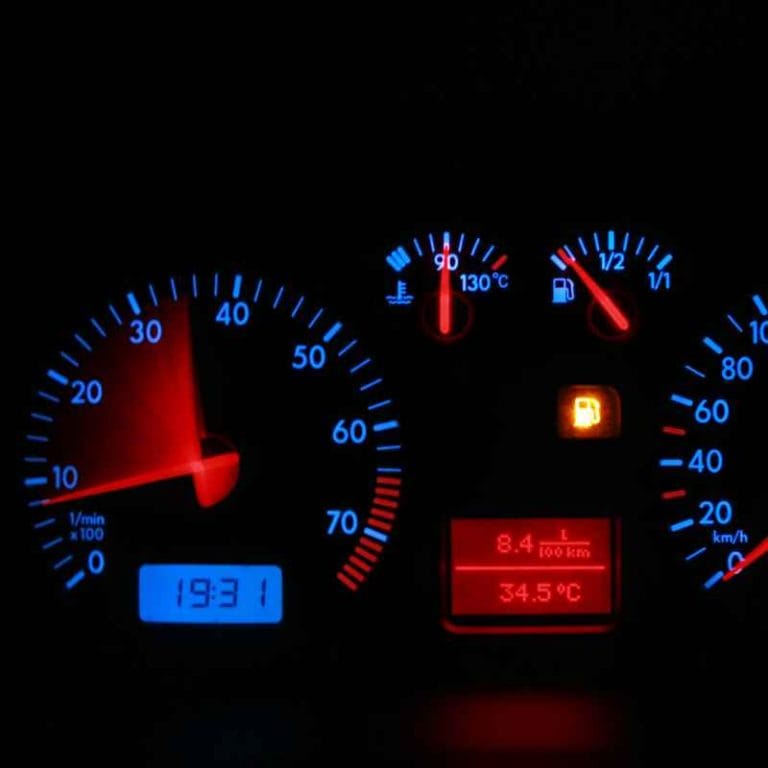
You turn off your car, remove the key, and head inside. But the lights on your dashboard, like the radio display or even some warning lights, stay illuminated. This can be very confusing.
It might suggest a problem with the ignition switch. It could also mean a relay or a control module is not properly de-energizing circuits when the car is off. This is a sign that something is still drawing power.
While a faint glow might seem harmless, any constant drain is bad for your battery. Over weeks or months, it can shorten the battery’s life. It’s also a sign of an electrical system that’s not functioning as designed.
It’s worth investigating to prevent bigger problems.
What This Means for You: Normal vs. Concerning
It’s important to know when your car’s lights staying on is a minor quirk and when it’s a serious issue. There are a few things to watch out for.
When It’s Normal (Usually)
Some lights are designed to stay on for a short period after you turn off the car. This is often called the “dimming” or “theater” feature. Your interior dome lights might stay on for 15-30 seconds.
This gives you light to get out of your car. Headlights might also stay on for a short time. This is usually a programmed feature.
You can often set the duration in your car’s settings.
Daytime running lights (DRLs) are also normal when the engine is running. They are meant to be on. If your DRLs stay on when your headlights are also on, that might be normal on some older systems.
Check your car’s manual to be sure. The key is duration and context.
When to Worry
You should worry if the lights stay on indefinitely. If they don’t turn off after a reasonable time. Or if they stay on when they absolutely should not.
This includes headlights on in broad daylight when the switch is off. Or interior lights that stay on all night. Any situation where you find yourself needing to manually disconnect the battery to stop the lights is a clear sign of a problem.
Also, if you notice your car battery is draining faster than usual. Or if you need to jump-start your car more often. These are strong indicators that something is causing an electrical drain.
The lights staying on is a prime suspect for this drain. Don’t ignore these signs. They can lead to more costly repairs.
Simple Checks You Can Do
- Check all doors: Make sure they are fully closed.
- Test light switches: Operate them through their full range.
- Listen: Sometimes you can hear a relay clicking.
- Observe: Note which lights are staying on.
- Consult your manual: Understand normal light behavior for your car.
Simple Checks You Can Perform
Before calling a mechanic, there are a few simple checks you can do yourself. These can sometimes point you in the right direction. First, make sure all doors are fully closed.
Sometimes, a door not latching completely can trick the car into thinking it’s open. This keeps the interior lights on. Also, try operating your headlight switch and interior light switches through their full range of motion.
Listen closely when you turn the car off. Do you hear any relays clicking or staying engaged? Sometimes, a faulty relay will make a noise.
Finally, consult your car’s owner’s manual. It will explain features like automatic headlights or interior light delays. This helps you understand what’s normal for your specific vehicle.
Quick Tips for Managing Light Issues
If you find yourself with lights that won’t turn off, here are a few immediate actions and preventative tips.
Immediate Actions
If your battery is draining and you need to prevent further loss, the quickest (though not ideal) solution is to disconnect the negative terminal of your car battery. This will cut power to all systems, including the stubborn lights. Be aware that this might reset some of your car’s electronic settings, like radio presets or clock time.
You’ll need to reconnect it later to drive.
Another temporary fix, if it’s just the interior lights, might be to simply remove the dome light bulb. This is a very basic solution for a very specific problem. But it stops the drain.
Always remember to handle battery terminals carefully. Wear gloves and eye protection if possible.
Preventative Maintenance
Regular maintenance can prevent many electrical issues. Keep your car’s electrical connections clean and free of corrosion. Check for any frayed or damaged wiring.
Pay attention to how your switches feel. If a switch feels loose or sticky, get it looked at. It’s cheaper to fix a switch early than to deal with a dead battery.
Don’t overload your car’s electrical system with too many aftermarket accessories that draw a lot of power. Ensure any accessories are installed correctly by a professional. A well-maintained electrical system is less likely to have mysterious “lights on” problems.
Preventative Care List
- Clean battery terminals: Prevents corrosion.
- Inspect wiring: Look for damage or wear.
- Test switches: Report any sticking or looseness.
- Mind aftermarket add-ons: Ensure proper installation.
- Address small issues: Don’t let minor electrical quirks become major.
Frequently Asked Questions About Car Lights Staying On
Why do my interior car lights stay on after I close the doors?
This usually happens because of a faulty door ajar switch. This switch tells the car when a door is open or closed. If it gets stuck thinking a door is always open, the interior lights will stay on.
It might also be a problem with the interior light dimmer switch or a body control module.
My car battery died. Could the lights have caused it?
Yes, absolutely. If your headlights, interior lights, or any other lights stayed on for an extended period when the engine was off, they would drain your car battery. This is a very common reason for a dead battery.
The electrical system isn’t designed to power lights for hours without the engine running.
How can I test my car’s headlight switch?
Testing a headlight switch usually requires a multimeter and knowledge of your car’s wiring diagram. You’d check for continuity and voltage at specific terminals when the switch is in different positions. Often, it’s easier to have a mechanic test it or replace it if it’s suspected to be the cause of lights staying on.
Conclusion: Getting Your Lights Back in Control
Dealing with car lights that refuse to turn off can be frustrating and worrying. It’s a clear sign that a part of your car’s electrical system isn’t working as it should. From simple switch problems to more complex computer glitches, there are several possible causes.
Understanding these reasons is the first step. It helps you know when to seek professional help. Keeping up with regular car maintenance can prevent many of these issues.
It ensures your car’s lights do their job safely and efficiently.
See also best car for light use top reliable picks for daily drive.
Products related to this article
Sponsored / affiliate links. As an Amazon Associate I earn from qualifying purchases. I may earn additional commission from eligible campaigns.