Car Sounds Like A Flat Tire But Isn’T? Here’S What’S Wrong
Your car making a sound like a flat tire, even with good tires, is usually caused by issues with wheel bearings, brakes, suspension parts, or even something stuck on the tire. These sounds often mean a component is worn or damaged and needs attention soon.
Understanding the “Flat Tire” Sound
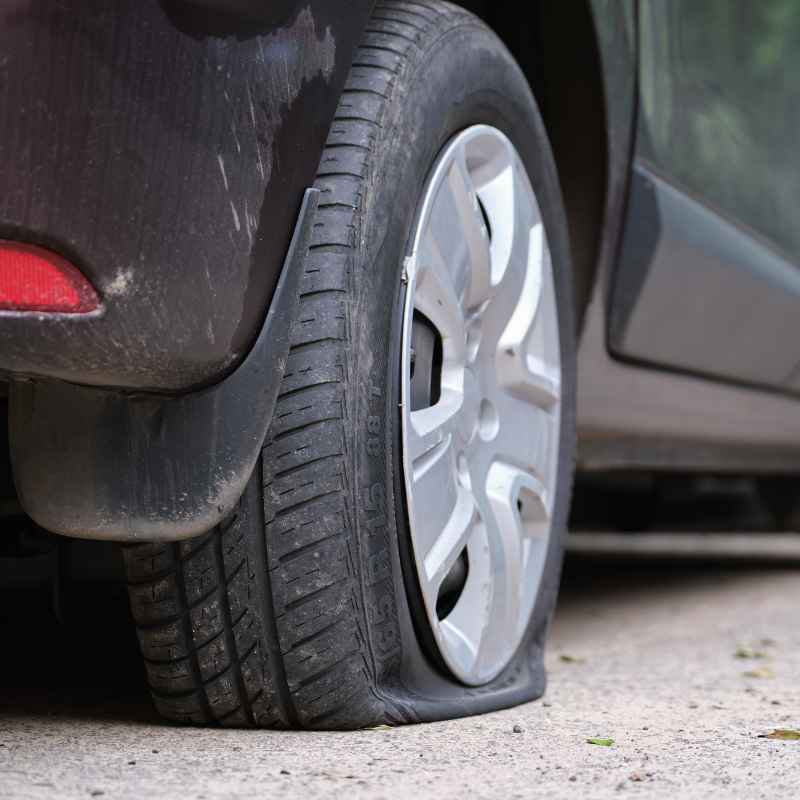
That unmistakable “thump-thump-thump” sound is a classic indicator. It usually gets louder or faster as you go faster. This pattern is key because it’s linked to the rotation of a wheel.
When a tire is flat, the tire itself is uneven. This unevenness causes it to hit the road in a way that makes that repetitive sound.
But since your tires are okay, something else is causing a similar kind of unevenness or vibration as the wheel spins. It could be a part that’s supposed to be smooth but is now rough. Or it could be something loose that’s hitting the ground at just the right moment.
This kind of sound is your car’s way of talking to you. It’s telling you something needs a look. Ignoring it is never a good idea.
These sounds often point to problems that can get worse quickly. They can also be a sign of a safety issue.
My Own “Flat Tire” Scare
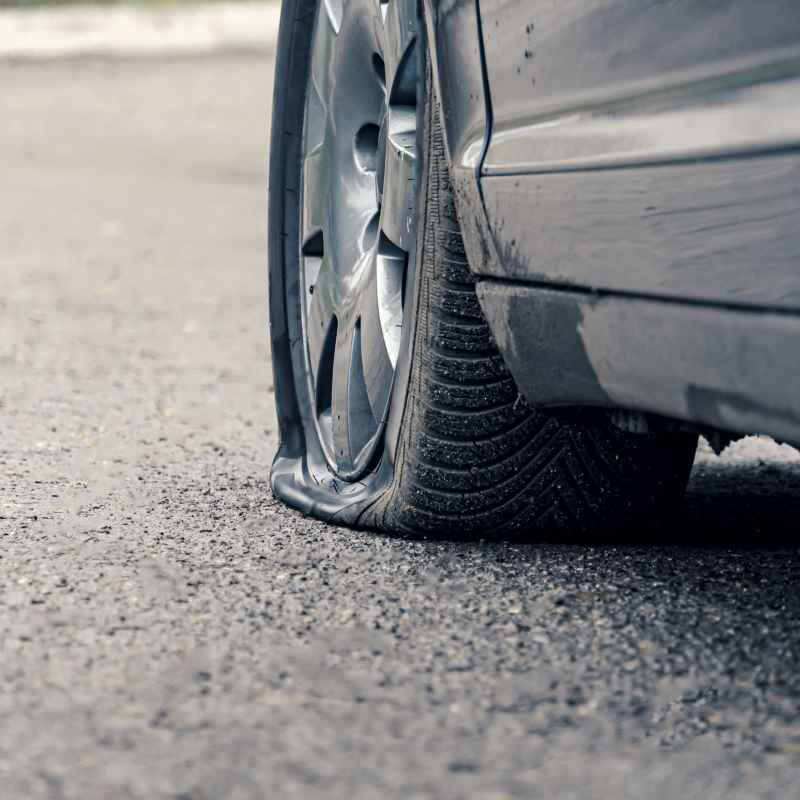
I remember one time, I was driving back from a camping trip. The road was a bit rough, and I started hearing it. That awful thumping.
I pulled over, heart pounding a little. I checked all four tires, even kicked them to see if they felt soft. Nope, they all looked and felt fine.
I was so confused.
I started driving again, very slowly. The sound was definitely there, tied to my speed. It felt like it was coming from the back right.
I imagined a tire about to explode. I limped to the nearest gas station. The mechanic there took a quick look.
He told me it wasn’t the tire at all. It was a small stone stuck deep in the tread of my tire. It was just big enough and in just the right spot to make that loud thumping noise as it rolled.
He popped it out with a screwdriver, and the sound vanished. I felt so silly, but also incredibly relieved!
That experience taught me a lot. It showed me that the sound itself is a clue, but it doesn’t always point to the most obvious source. It’s always best to investigate when you hear something new.
Common Culprits: Beyond the Tire
Worn Wheel Bearings: These are like the silent workers in your wheel assembly. When they wear out, they can make grinding or humming noises. Sometimes, early wear can cause a rhythmic thumping that mimics a flat.
This happens because the bearing isn’t letting the wheel spin smoothly anymore. You might also feel a looseness in the wheel.
Brake Issues: Warped brake rotors or worn brake pads can cause strange sounds. If a rotor is bent, it can hit other parts as it spins. Or, if a brake pad is worn unevenly, it might drag slightly.
This drag can make a repetitive sound. You might also notice a vibration when you brake.
Suspension Problems: Parts like ball joints, control arm bushings, or even a damaged shock absorber can cause noise. If a suspension part is loose or worn, it can cause parts of the wheel assembly to bump or clunk as they move. This can create a rhythmic sound tied to wheel speed.
The Truth About Wheel Bearings
Wheel bearings are critical. They let your wheels turn freely. They also support the weight of your car.
Inside each bearing are many small metal balls or rollers. These are held in place by a metal cage.
When a wheel bearing starts to go bad, these balls or rollers get damaged. They might break or wear down unevenly. This damage causes friction and heat.
It can also make the wheel wobble slightly.
The sound often starts as a hum or a whine. But as it gets worse, it can change. It can become a clicking sound.
It might even turn into that thumping noise. This happens because the damaged parts are no longer allowing a smooth rotation. They are catching or bumping as the wheel spins.
A really bad wheel bearing can break apart. This can cause your wheel to detach from the car. That’s why it’s super important to fix this problem right away.
You might feel a vibration in the steering wheel too. Or the car might pull to one side.
Brakes: More Than Just Stopping
Your brakes are designed to be smooth and quiet. But when they wear out or get damaged, they can make a lot of noise. Warped brake rotors are a common cause of pulsing or shaking when braking.
But they can also cause a rhythmic thumping at other times.
Imagine a slightly bent disc. As it spins with the wheel, the high spot on the disc might rub against something. Or it might cause the entire wheel assembly to vibrate.
This vibration can sound a lot like a flat tire. This is especially true if the rotor is not severely warped.
Worn brake pads can also be a culprit. If a pad wears down too much, the metal backing plate might start to scrape against the rotor. This metal-on-metal sound can be a high-pitched squeal.
But in some cases, it can create a dragging or thumping sensation.
Sometimes, brake dust and debris can build up. This can cause small, hard particles to get lodged in the brake assembly. As the wheel turns, these particles can cause a rhythmic scraping or thumping sound.
Quick Scan: Brake System Check
| Symptom | Possible Cause | What It Might Sound Like |
|---|---|---|
| Shaking when braking | Warped brake rotors | Pulsing pedal, vibration |
| Squealing or grinding | Worn brake pads | High-pitched noise, metal on metal sound |
| Thumping noise at speed | Debris in caliper, bent brake shield | Rhythmic thud, similar to flat tire |
Suspension Woes and Rattles
Your car’s suspension system is a network of parts. These parts absorb bumps and keep your tires on the road. If any of these parts become loose or worn, they can create noise.
A loose component can bang or rattle as the wheel spins.
Think about a ball joint. This is a pivot point in your suspension. If it wears out, there can be play.
This play means the parts can move more than they should. This extra movement can cause a clunking or thumping sound. It’s like a loose tooth in your car’s smile.
Control arm bushings are also common culprits. These are rubber or polyurethane sleeves. They help cushion the connection between the control arm and the car frame.
When they wear out, the metal parts can rub or bang against each other. This creates a noise that can be heard when you go over bumps or turn.
Even a damaged shock absorber or strut can cause issues. If the internal valving is damaged, or if the mount is loose, it can create a rhythmic noise. The shock absorber’s job is to control bouncing.
If it’s not working right, the wheel might not be making even contact with the road. This uneven contact can lead to a thumping sound.
What About CV Axles?
Constant Velocity (CV) axles are essential for sending power from your transmission to your wheels. They have joints that allow them to flex. These joints are covered by rubber boots.
These boots protect them from dirt and moisture.
If a CV boot tears, dirt gets in and grease gets out. This is bad news for the joint. The joint can start to grind, click, or even thump.
The clicking sound is very common when turning. But in some cases, a damaged CV axle can make a rhythmic thumping noise that you hear while driving straight.
This happens because the internal components of the CV joint are no longer moving smoothly. They might be worn, damaged, or lacking lubrication. The damaged joint then creates an uneven rotation.
This uneven rotation can translate into that unsettling thumping sound.
Observational Flow: Diagnosing the Noise
Step 1: Identify the Sound. Is it a thump, a click, a grind, or a hum?
Step 2: Link to Speed. Does the sound change or get faster as your car speeds up? This usually points to a wheel or drivetrain issue.
Step 3: Link to Steering. Does the sound happen or get worse when you turn? This often indicates issues with CV joints, power steering, or suspension on one side.
Step 4: Link to Braking. Does the sound only happen when you apply the brakes, or does it change when you brake? This strongly suggests a brake system problem.
Step 5: Location. Can you tell which side of the car the sound is coming from? Front, back, left, or right?
Debris Caught in the Tire or Wheel Well
My own little stone story is a perfect example. Sometimes, the simplest explanation is the correct one. Things get stuck in tires all the time.
Nails, screws, rocks, or even just packed mud can cause problems.
A sharp object like a nail can cause a slow leak, but it can also cause a rhythmic thump as it gets pressed into the road surface. Even if it doesn’t puncture the tire, it can create an uneven rolling surface. This leads to that familiar sound.
Things can also get stuck in the wheel well. That’s the space above your tire. A branch, a piece of road debris, or even a stray plastic bag can get wedged in there.
As the tire spins, it can hit this object repeatedly. This can create a sound that’s very similar to a flat tire.
It’s worth taking a moment to really look at your tires. Check the treads carefully. Look for anything that seems out of place.
Also, peek into the wheel well. Sometimes, a quick visual inspection can save you a lot of worry and a trip to the mechanic.
Loose Lug Nuts: A Serious Concern
This is a scary one, and it sounds similar. If your lug nuts are loose, the wheel itself can become slightly wobbly. As the wheel spins, this wobble can cause a rhythmic knocking or thumping sound.
It might also feel like the car is shaking.
This is an extremely dangerous situation. A wheel that comes loose while driving can cause a severe accident. If you suspect your lug nuts might be loose, stop driving immediately.
Do not drive the car at all.
You can often check lug nuts yourself. Make sure you have the right tools, like a lug wrench and a torque wrench. If you’re unsure, it’s best to have a mechanic check them.
This is something that should always be tight.
Myth vs. Reality: Flat Tire Sounds
Myth: A thumping sound always means a flat tire.
Reality: While a flat tire makes a thumping sound, many other car parts can create a similar noise. It’s important to investigate other possibilities.
Myth: If my tires look fine, I don’t need to worry about the sound.
Reality: The sound is a warning. Even if the tire itself is okay, another problem is causing the noise. Ignoring it can lead to bigger, more expensive repairs or safety risks.
What This Means for You
Hearing a sound like a flat tire when your tires are actually okay can be unnerving. But it’s usually a sign that something else in the wheel assembly or drivetrain needs attention. The most important thing is not to ignore it.
When it’s normal (or less concerning):
- Very small, superficial debris stuck in the tire tread that you can easily remove.
- A very light thumping that disappears after a few miles as the debris loosens.
When to worry:
- The sound is loud and consistent.
- The sound gets faster as you drive faster.
- You feel a vibration in the steering wheel or the car.
- The sound is accompanied by any pulling to one side.
- You suspect loose lug nuts (stop driving immediately!).
Simple checks you can do:
- Visually inspect all four tires for anything stuck in them or any obvious damage.
- Look in the wheel wells for any lodged debris.
- Listen carefully to try and pinpoint the location of the sound (front, back, left, right).
- Note if the sound changes when you turn or brake.
Quick Tips for Peace of Mind
Since we’re talking about sounds that might mimic a flat tire, let’s focus on general tire and wheel care. These simple steps can help prevent many issues.
- Regular Tire Pressure Checks: Make sure your tires are inflated to the correct pressure. Under-inflated tires can wear unevenly and lead to noise.
- Tire Rotation: Rotate your tires according to your car’s maintenance schedule. This helps them wear evenly.
- Wheel Alignment: Get your alignment checked if you notice uneven tire wear or if your car pulls to one side.
- Listen to Your Car: Get to know the normal sounds your car makes. This makes it easier to identify when something is wrong.
- Don’t Delay Repairs: If you hear a new or concerning sound, get it checked out by a qualified mechanic sooner rather than later.
Frequent Questions About Car Sounds
Why does my car make a thumping sound when it’s not a flat tire?
A thumping sound often comes from something that makes the wheel spin unevenly. This could be a worn wheel bearing, a warped brake rotor, a damaged suspension part, or even debris stuck in the tire. The rhythmic nature of the sound means it’s tied to the wheel’s rotation.
How can I tell if it’s a wheel bearing or a brake issue making the noise?
Wheel bearing noises often start as a hum or whine that gets louder with speed. Brake noises are more likely to happen when you apply the brakes, like a grinding or squealing. However, a warped rotor can cause thumping even when not braking.
Paying attention to when the sound occurs is key.
Is it safe to drive if my car sounds like it has a flat tire but the tires are fine?
It’s generally not advised to drive long distances or at high speeds if you hear a sound like a flat tire and haven’t identified the cause. The noise indicates a potential problem that could worsen or become a safety hazard. It’s best to have it inspected by a mechanic.
What should I do if I hear a new noise while driving?
First, stay calm. Try to identify the type of noise and when it occurs (e.g., speed, turning, braking). If you feel unsafe or the noise is loud, pull over to a safe location.
If it seems minor, make a note of it and schedule an appointment with your mechanic as soon as possible.
Can a pothole cause a sound like a flat tire?
Yes, hitting a pothole hard can damage suspension components, alignment, or even the wheel rim or tire. This damage can lead to a thumping or knocking sound as the wheel spins. It’s important to have your car checked after hitting a significant pothole.
My car makes a noise only when I turn. What could it be?
A noise that only happens when turning often points to a problem with the CV joints, especially if it’s a clicking or popping sound. It could also be related to suspension components or power steering issues. Getting it checked by a mechanic is recommended.
Conclusion
That thumping sound is your car’s way of asking for attention. It’s a puzzle, and finding the real cause is important for safety and your wallet. While it might sound like a flat tire, the problem could be lurking in your bearings, brakes, or suspension.
By listening closely and getting it checked, you can solve the mystery and get back on the road with confidence.
See also why do car tires expire even without heavy use answered. See also how to prevent car tyre punctures on any road condition.
Products related to this article
Sponsored / affiliate links. As an Amazon Associate I earn from qualifying purchases. I may earn additional commission from eligible campaigns.