How To Fix A Car Tire Pressure Sensor (Step-By-Step Guide)
A blinking tire pressure light can be a real head-scratcher. You check your tires, and they seem fine. So why is that little orange light still on?
It’s likely your Tire Pressure Monitoring System (TPMS) sensor is acting up. This guide will walk you through understanding what’s going on and how you might fix it yourself. We aim to make this easy to follow, even if you’re not a car expert.
A flashing tire pressure light often means a TPMS sensor needs attention. This guide explains common sensor issues and offers simple steps to address them, saving you time and a trip to the mechanic.
Understanding Your TPMS Sensor
Your car has a system called TPMS. This stands for Tire Pressure Monitoring System. It’s designed to keep you safe.
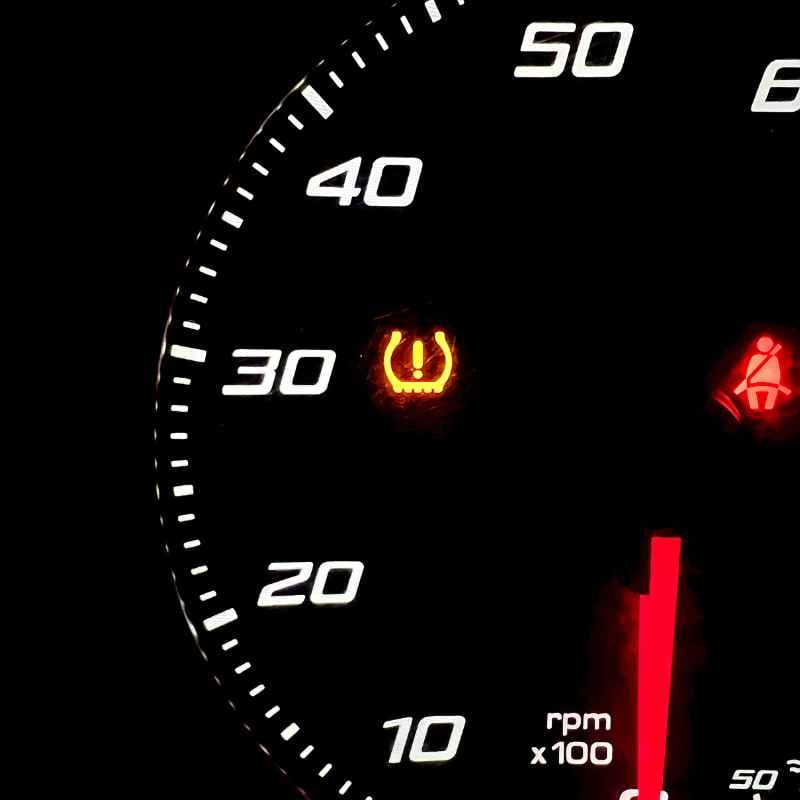
It watches the air pressure inside each of your tires. If the pressure drops too low in any tire, the TPMS light will come on your dashboard. This light is usually orange or yellow.
It often looks like a flat tire with lines inside it.
The system uses special sensors. These sensors are placed inside each tire’s valve stem. They measure the air pressure.
They also often measure the tire temperature. The sensors then send this information wirelessly to your car’s computer. This computer is called the Engine Control Unit, or ECU.
The ECU processes the data. If it sees a problem, it alerts you. This is a vital safety feature.
Low tire pressure can be dangerous. It can affect your car’s handling. It can make braking harder.
It also leads to worse fuel economy. Your tires can wear out faster too. A working TPMS helps prevent these issues.
It lets you know to add air before a small problem becomes a big one.
Sometimes, the light doesn’t mean a tire is low. The sensor itself might be the issue. This is where things can get a bit confusing for drivers.
They see the light and immediately think “flat tire.” But the sensor might be broken or out of sync. We’ll explore those possibilities.
Why Your TPMS Light Might Be On
There are a few common reasons why your tire pressure sensor might be causing the TPMS light to appear. It’s not always a simple flat tire. Let’s break down the most frequent culprits.
Understanding these will help you figure out what’s really going on with your car.
The most obvious reason is indeed low tire pressure. This is what the system is designed to catch. Driving with tires that are significantly underinflated is a safety risk.
Your car’s computer will notice this. It will trigger the warning light. This is the system doing its job correctly.
Always check your tire pressure first.
Another common issue is a faulty TPMS sensor. These sensors are electronic devices. Like any electronic part, they can fail.
Batteries inside the sensors can die. This is very common after several years of use. Extreme temperatures can also affect their performance.
Road damage, like hitting a pothole, can also break a sensor.
Sometimes, the issue isn’t a broken sensor but a simple reset needed. After you’ve adjusted tire pressure, you might need to reset the TPMS. This tells the system that the pressure is now correct.
Cars differ on how to do this. Some do it automatically. Others require a specific button press or a trip to a service center.
You might also see the light if you have a spare tire that doesn’t have a sensor. If you’ve had to use your spare, and it doesn’t have TPMS capabilities, the system might get confused. It’s looking for a signal from every tire.
A missing one can trigger the warning.
Finally, there can be issues with the TPMS receiver or the car’s computer. These are less common. But they are possible.
If all else fails, this might be the area to investigate. These problems are usually beyond a simple DIY fix. They often require specialized tools.
A Personal Story: The Phantom Tire Light
I remember one crisp autumn morning. I was heading out for a morning run. My car, a trusty sedan, had been sitting idle for a few days.
As I turned the key, the dashboard lights flickered on. Then, my heart sank. That familiar orange TPMS light glowed stubbornly.
Uh oh, I thought. My tires looked perfectly fine. I had just filled them a week before.
I walked around the car. I gave each tire a good thump. They all seemed firm.
No obvious flatness. I felt a pang of annoyance. This light always felt like a little nag.
Was it a real problem, or just the car being fussy? I didn’t have time for a full inspection then. I had a run to do!
Later that day, I finally got around to checking the pressures with a gauge. They were all spot on. Exactly what they should be.
This was confusing. The light stayed on, mocking me. I started to worry.
Was a sensor broken? Was this going to be an expensive fix? I pictured dealership visits and hefty bills.
That thought was more unsettling than the light itself.
I searched online. I read forums. I learned about sensor batteries, reset procedures, and the dreaded blinking light.
I discovered that a blinking light could mean a system fault, not just low pressure. This was new to me. It felt like my car was speaking a secret language.
I decided to try the simplest fix first: a TPMS reset. And that, thankfully, is where our how-to journey begins.
How to Check Your Tire Pressure Accurately
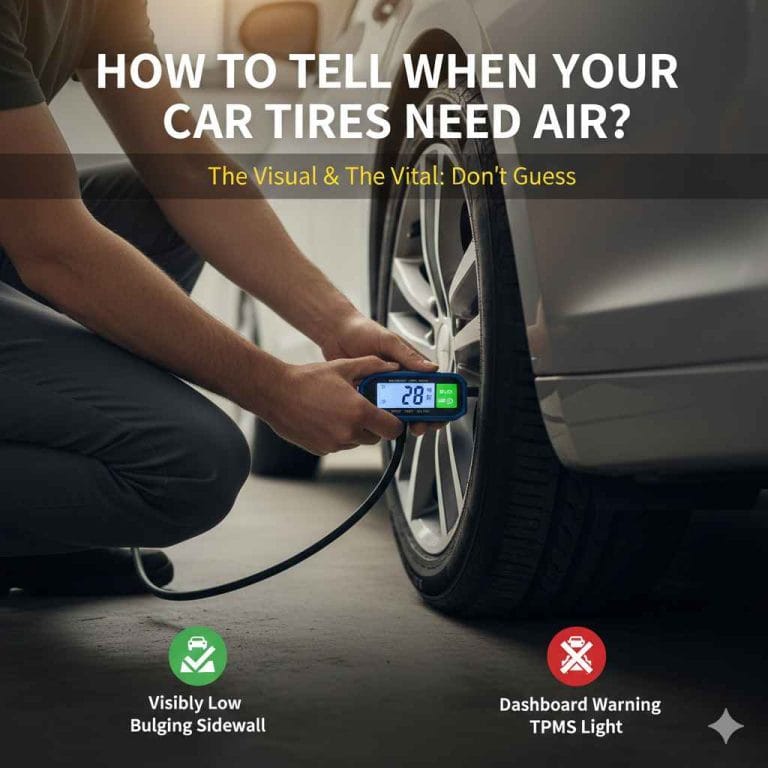
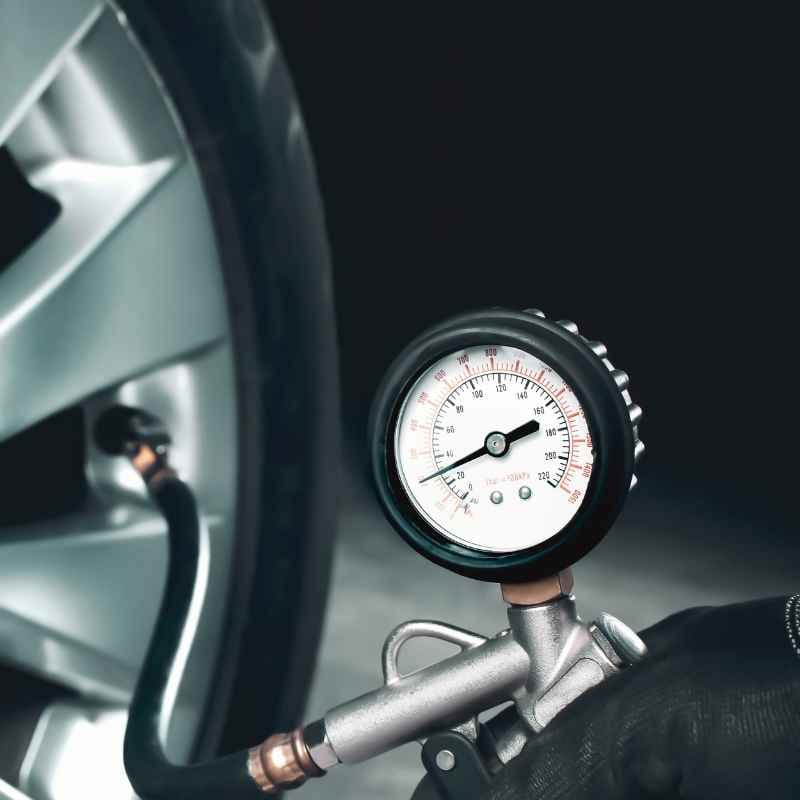
Before you assume a sensor is broken, always, always check your tire pressure. This is the first and most important step. A simple gauge is all you need.
You can find them at any auto parts store or even many supermarkets. They are usually quite inexpensive. Digital ones are easy to read.
Stick gauges are also common.
To get an accurate reading, your tires should be cold. This means the car hasn’t been driven for at least three hours. Or, you’ve only driven it a mile or two at low speed.
Driving heats up the tires. This makes the air inside expand. This will give you a higher reading than is accurate when the tire is cold.
Find the recommended tire pressure for your car. This is usually on a sticker inside the driver’s side doorjamb. It might also be in your car’s owner’s manual.
Do NOT use the pressure listed on the tire sidewall. That number is the maximum pressure the tire can hold, not the recommended operating pressure for your vehicle.
Unscrew the small cap from one of your tire’s valve stems. Press the gauge firmly onto the stem. You might hear a brief hiss of air.
This is normal. Read the pressure on the gauge. Compare it to the recommended pressure.
Repeat this for all four tires.
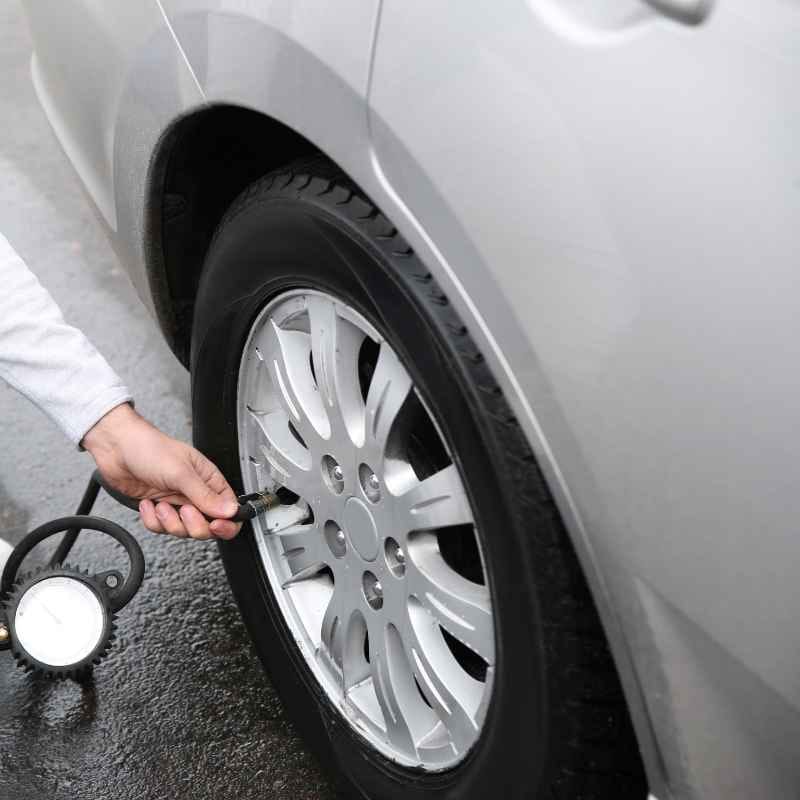
If any tire is significantly low, add air. Use an air pump. You can find these at gas stations.
Be careful not to overfill. If you add too much air, you can let a little out by pressing the tiny pin in the center of the valve stem with the tip of your gauge or a small tool.
Tire Pressure Check: Quick Steps
- Check when cold: Tires should be cool before measuring.
- Find PSI: Locate your car’s recommended pressure.
- Use a gauge: Press firmly on the valve stem.
- Compare: Match gauge reading to recommended PSI.
- Add air if needed: Use a pump to inflate to the correct level.
Once all tires are at the correct pressure, put the valve caps back on. This keeps dirt out. Then, you can see if the TPMS light goes off on its own.
For many cars, it will. For others, a reset is needed.
How to Reset Your TPMS System
Resetting your TPMS can be a straightforward process. It tells your car’s computer to re-learn the correct tire pressures. Many cars today have an automatic reset function.
After driving for a short while with the correct tire pressure, the light will turn off by itself. This can take anywhere from a few minutes to a couple of miles of driving.
However, some vehicles require a manual reset. The method varies greatly by make and model. You’ll often find a TPMS reset button.
This button is sometimes located on the dashboard. It could be near the steering column, in the glove box, or on the center console. Check your owner’s manual.
It will tell you exactly where it is and how to use it.
The general process for a manual reset often looks like this: First, turn the ignition to the “ON” position but do not start the engine. Then, press and hold the TPMS reset button for a few seconds. You might hear a beep.
Some cars require you to cycle the ignition off and on again after pressing the button.
If you can’t find a button, your car might use the steering wheel controls or infotainment system. Navigate through the settings menu. Look for vehicle settings or tire pressure.
There should be an option to reset TPMS. Select it and follow the on-screen prompts.
TPMS Reset Button Locations
- Under the dashboard: Often near the steering column.
- Glove compartment: Inside the box.
- Center console: Between the front seats.
- Infotainment system: In vehicle settings menu.
If you’ve checked your tires, added air, and still can’t get the light to go off, or you can’t find a reset button, don’t panic. Your owner’s manual is your best friend here. It will have specific instructions for your car model.
If you’ve lost it, a quick online search for your car’s year, make, and model plus “TPMS reset” will likely yield results.
When a Sensor Might Need Replacement
If checking tire pressure and resetting the system don’t solve the problem, then a faulty tire pressure sensor is a strong possibility. These sensors are built to last, but they aren’t immortal. They have internal batteries that will eventually run out.
This is one of the most common reasons for them to stop working correctly. Most TPMS sensor batteries last between 5 and 10 years.
Another reason for failure is damage. When tires are mounted or dismounted from wheels, the sensors can be accidentally hit or stressed. If you’ve had tires changed recently, this might be a factor.
Also, severe impact, like hitting a large pothole at speed, could damage the sensor housing or internal components.
Extreme weather can also play a role. While designed for use in all conditions, constant exposure to harsh cold or intense heat can degrade the electronics or batteries over time. Corrosion can also become an issue, especially in areas where roads are salted in the winter.
If your TPMS light is on constantly, or if it blinks and then stays on, and you’ve confirmed your tire pressures are correct, it’s time to consider sensor replacement. Sometimes, the car’s computer will tell you which sensor is reporting an error. This usually requires a diagnostic scan tool.
You might notice symptoms like the light going on and off intermittently. Or, the car might report incorrect pressure readings. If your tire shop performed a tire rotation and the light came on afterwards, they might have accidentally damaged a sensor.
It’s good practice to ask them to check the TPMS sensors if they’re working on your tires.
Signs of a Failing TPMS Sensor
- TPMS light stays on after pressure adjustment and reset.
- TPMS light blinks and then stays on.
- Car reports inconsistent or incorrect tire pressure readings.
- TPMS warning appears immediately after tire service (rotation, mounting).
- TPMS light comes on in very cold or very hot weather and doesn’t go away.
Replacing a TPMS sensor involves removing the tire from the wheel. The old sensor is unmounted. A new sensor is then installed and programmed.
This process requires specialized tools and knowledge. It’s often best left to a professional tire shop or mechanic. They have the equipment to read sensor IDs and program new ones to your car.
Replacing a TPMS Sensor: A DIY vs. Professional Decision
Deciding whether to replace a TPMS sensor yourself or have a professional do it is an important choice. For many car owners, this is a job best suited for a mechanic or a tire shop. The main reason is the specialized equipment required.
You need to remove the tire from the wheel to access the sensor.
Most DIYers don’t have a tire-changing machine at home. Doing this by hand is difficult and can damage your wheel or tire. Even if you can get the tire off the wheel, you still need to remove the old sensor and install a new one.
This often involves a specific torque wrench setting to avoid overtightening or undertightening.
After the new sensor is installed, it needs to be programmed. This means its unique identification code needs to be registered with your car’s TPMS computer. This process requires a TPMS scan tool.
Most car owners don’t have access to these tools. They are expensive and complex to operate.
However, there are some situations where a DIY approach might be considered. If your car has external clip-on sensors, these are sometimes easier to replace. These sensors are fitted onto the valve stem and are visible on the outside of the wheel.
They still may need programming, though. Always check your specific vehicle’s setup.
If you choose to go the professional route, expect to pay for the sensor itself and the labor. The cost of the sensor varies. It can range from $30 to $100 per sensor.
Labor costs can add another $50 to $150, depending on the shop and your location. Some shops offer a package deal for all four sensors.
DIY vs. Professional TPMS Sensor Replacement
| DIY Pros | DIY Cons |
| Potential cost savings if successful. | Requires specialized tools (tire machine, scan tool). |
| Sense of accomplishment. | Risk of damaging wheel or tire. |
| Difficulty in programming new sensors. | |
| Voiding warranty if done incorrectly. | |
| Professional Pros | Professional Cons |
| Proper installation and programming guaranteed. | Higher upfront cost. |
| Access to specialized tools and expertise. | Less hands-on experience for the owner. |
| Saves time and potential frustration. | Appointment may be needed. |
When you take your car to a professional, they will typically perform a diagnostic scan. This confirms which sensor is faulty. They will then order the correct replacement part.
After installation, they will program the new sensor and test the system. This ensures everything is working as it should.
What If You Have Aftermarket Wheels?
If you’ve recently put aftermarket wheels on your car, this can sometimes complicate TPMS. Aftermarket wheels may not be designed to accommodate the original factory TPMS sensors. Or, the shop that installed them might have forgotten to transfer or reinstall them properly.
In some cases, you can buy special TPMS sensor grommets or adapters. These help to fit the factory sensors into aftermarket wheels. However, it’s always best to check compatibility before purchasing aftermarket wheels.
Discuss your TPMS needs with the wheel retailer or installer.
If your aftermarket wheels are not compatible with your factory sensors, you will need to purchase new TPMS sensors. These sensors must be compatible with your car’s TPMS receiver. Many aftermarket sensors are universal.
They can be programmed to work with a wide range of vehicles. Again, this programming step is crucial.
When you get new TPMS sensors for aftermarket wheels, make sure they are the correct frequency for your car. This information is usually in your owner’s manual. It’s often 315 MHz or 433 MHz.
Using the wrong frequency will mean the sensors won’t communicate with your car.
TPMS Considerations with Aftermarket Wheels
- Compatibility: Ensure wheels accept factory sensors or aftermarket alternatives.
- Installation: Verify sensors are transferred or new ones are installed.
- Programming: New sensors require programming to your car’s system.
- Frequency: Purchase sensors with the correct MHz frequency (e.g., 315 MHz or 433 MHz).
- Grommets/Adapters: May be needed to fit sensors into certain aftermarket wheels.
It’s also worth noting that some high-performance aftermarket wheels might have designs that make sensor access very difficult. This can increase labor costs when servicing them. So, if you’re considering custom wheels, it’s wise to ask about TPMS integration upfront.
When Is the TPMS Light a Serious Concern?
While a TPMS light usually indicates a minor issue, there are times when it signals a more serious problem. It’s important to know the difference. The most critical situation is when the TPMS light is accompanied by other warning lights.
Or, if you feel a distinct change in your car’s handling.
A solid TPMS light often means one or more tires are underinflated. This is a safety issue. Driving on underinflated tires can lead to overheating.
This can cause a tire blowout. A blowout at speed can be very dangerous. It can cause you to lose control of the vehicle.
A blinking TPMS light is usually a system malfunction. This could be a faulty sensor, a dead battery in a sensor, or an issue with the car’s TPMS receiver. While not an immediate emergency, it means the system isn’t working to protect you.
You should get it checked out soon. The system won’t alert you if pressure drops too low.
Consider the context. If you’ve just driven over a sharp object or hit a curb hard, and the light comes on, assume the worst. Pull over safely.
Check your tires carefully. If you suspect a puncture, do not drive on the damaged tire. Use your spare tire if you have one.
If you have a flat tire, the TPMS light will usually illuminate. If the light comes on and you can’t find any apparent reason, like a flat, but you hear a hissing sound or notice the car pulling to one side, it’s likely a slow leak or a puncture. In this case, driving further is not advised.
When TPMS Light Needs Immediate Attention
- Multiple Warning Lights: If TPMS light is on with ABS or brake lights.
- Sudden Handling Change: Car pulls sharply, or steering feels off.
- Audible Hissing: You hear air escaping from a tire.
- Visible Tire Damage: You see a nail or tear in the tire.
- Unexplained Flatness: Tire is visibly flat or very low on air.
The TPMS is a safety feature. Treat its warnings seriously. While a blinking light often points to a sensor issue that isn’t an immediate danger, it’s still a problem that needs fixing.
The system is there to help you. Ignoring it can lead to greater risks and more expensive repairs down the line.
Can You Drive Without Working TPMS Sensors?
Yes, you can drive your car without working TPMS sensors. The TPMS system is a safety feature, not a critical operating system. Your car will still drive, brake, and steer without it.
However, you lose the protection and convenience that TPMS provides. It is also illegal in some regions to drive without a functioning TPMS.
The primary concern is safety. Without TPMS, you won’t be alerted to dangerously low tire pressure. This could lead to a blowout, especially at higher speeds.
You also won’t get warnings about slow leaks. This means a tire could go completely flat before you notice it by visual inspection alone. This can lead to expensive tire and wheel damage.
Another impact is on fuel efficiency. Properly inflated tires are more fuel-efficient. Underinflated tires create more rolling resistance.
This means your engine has to work harder, burning more gas. You’ll likely see a noticeable drop in your miles per gallon.
Tire wear will also be uneven and accelerated. When tires are underinflated, they tend to wear more on the outer edges. This can significantly shorten the lifespan of your tires.
Replacing tires is a costly expense. Keeping them properly inflated helps them last longer.
In some places, like the United States, TPMS is mandated by federal law for all passenger vehicles manufactured after a certain date. While law enforcement might not pull you over solely for a TPMS light, it could be a factor in other traffic stops or inspections. It’s best to have it working correctly.
Consequences of Driving Without Functional TPMS
- Reduced Safety: No early warning of low tire pressure, risking blowouts.
- Poor Fuel Economy: Increased fuel consumption due to higher rolling resistance.
- Accelerated Tire Wear: Tires wear out faster and unevenly.
- Potential for Wheel Damage: Driving on a flat tire can damage expensive wheels.
- Legal Issues: May be a violation of vehicle safety regulations in some areas.
- Missed System Malfunctions: Cannot detect actual tire pressure issues.
If your TPMS light is on, it’s wise to address it. Even if it’s just a sensor replacement, the peace of mind and safety benefits are well worth the cost. It ensures your car is performing optimally and protecting you on the road.
Maintaining Your TPMS for Longevity
Keeping your TPMS system in good working order isn’t complicated. A little bit of regular attention goes a long way. The key is consistent checks and understanding what the system is telling you.
Think of it like a tune-up for your tires’ guardians.
The most basic maintenance is simply checking your tire pressure regularly. Don’t rely solely on the TPMS light. Use a reliable tire pressure gauge at least once a month.
Also, check before any long road trips. This ensures you catch any subtle pressure drops early.
When you add air to your tires, make sure to reset your TPMS system if your car requires it. As we discussed, many cars reset automatically. But if yours doesn’t, doing the manual reset ensures the system is correctly tracking pressure.
This prevents false alarms later.
When you get your tires serviced—whether it’s for a rotation, balance, or new tires—always mention your TPMS. Ask the technician to check the sensors. They can often inspect the sensors for damage, corrosion, or loose connections.
This proactive check can save you from a future problem.
If your car is several years old, start thinking about the TPMS sensor batteries. If your car is 5-7 years old and the light has never come on for a faulty sensor, it’s still a good idea to be aware of the battery life. Some shops can check sensor battery health during tire service.
TPMS Longevity Tips
- Regular Pressure Checks: Use a gauge monthly.
- Post-Inflation Reset: Perform manual reset if needed.
- Mention TPMS at Service: Ask technicians to inspect sensors.
- Be Aware of Age: Sensor batteries typically last 5-10 years.
- Clean Valve Stems: Keep them free of dirt and debris.
- Avoid Harsh Chemicals: Some tire cleaners can degrade rubber seals.
By following these simple maintenance tips, you can help your TPMS sensors last longer. This means fewer unexpected warning lights and a more reliable system working to keep you safe on the road.
Frequently Asked Questions About TPMS Sensors
Here are some common questions people have about their car’s tire pressure sensors.
Why does my TPMS light blink and then stay on?
A blinking TPMS light usually indicates a malfunction within the TPMS system itself. This could be a dead sensor battery, a damaged sensor, or an issue with the car’s TPMS receiver. After blinking for a period, it often turns solid to alert you that the system is not fully functional.
How do I know which specific tire sensor is bad?
Most modern cars with TPMS can identify which sensor is reporting an issue. This usually requires a diagnostic scan tool, which a mechanic or tire shop will use. They can read the specific sensor ID that is failing.
Some advanced dashboard displays might show individual tire pressures, helping you pinpoint a problem.
Can I use any brand of TPMS sensor?
You should use TPMS sensors that are compatible with your vehicle’s make, model, and year. Many aftermarket sensors are programmable to work with a wide range of cars. Always check the sensor’s specifications for compatibility, including its frequency (e.g., 315 MHz or 433 MHz).
How long does it take for the TPMS light to turn off after adding air?
For cars with automatic TPMS resets, it can take anywhere from a few minutes to about two miles of driving for the light to turn off after you’ve corrected the tire pressure. If it doesn’t turn off after a reasonable amount of driving, a manual reset might be needed or there could be another issue.
Is it okay to ignore a TPMS warning light?
It is not recommended to ignore a TPMS warning light. A solid light often means a tire is significantly underinflated, which is a safety hazard and can lead to tire damage. A blinking light means the system itself is not working, so it cannot alert you to actual tire pressure problems.
Do TPMS sensors need to be replaced after tire rotation?
No, TPMS sensors generally do not need to be replaced after a tire rotation. However, during the tire mounting or dismounting process, a sensor can sometimes be accidentally damaged. It’s always a good idea to ask the technician to check the sensors when your tires are being serviced.
Conclusion
Dealing with a TPMS light can seem daunting at first. But by understanding how the system works and what the common issues are, you can tackle it with confidence. Remember to always start with the simplest solutions: checking your tire pressure and performing a reset.
If those steps don’t work, a faulty sensor is likely the culprit. While replacing a sensor often requires professional help, knowing the process empowers you to make informed decisions. Keeping your TPMS system healthy ensures your tires are safe and your car runs efficiently.
See also can car tyres be repaired what you need to know first. See also how to prevent car tire theft with these simple strategies.
Products related to this article
Sponsored / affiliate links. As an Amazon Associate I earn from qualifying purchases. I may earn additional commission from eligible campaigns.