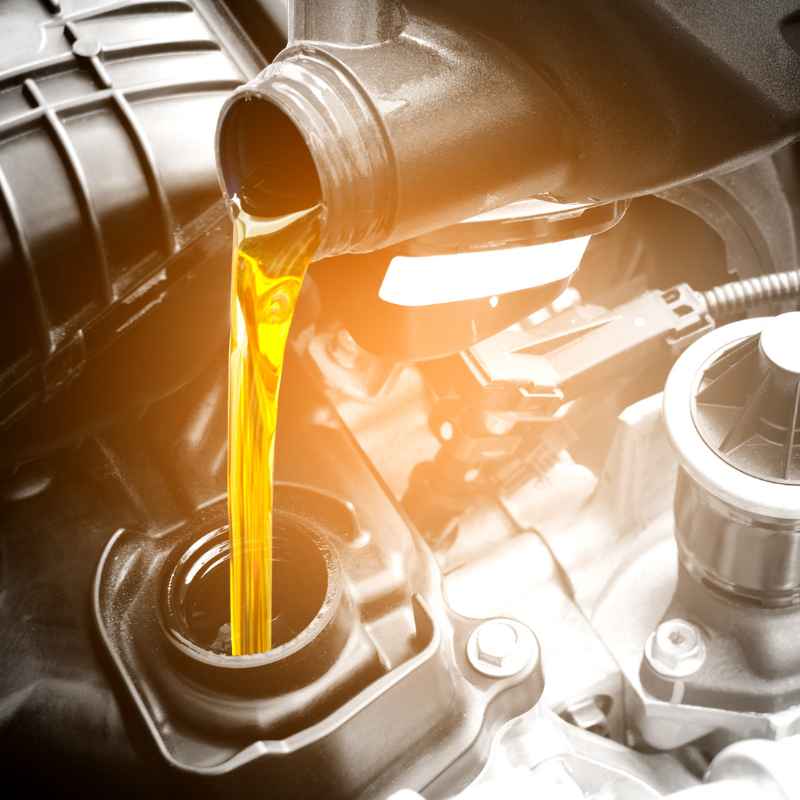
Best Car Engine Oil In The World: Top Picks For Any Engine
Finding the best car engine oil involves understanding your vehicle’s needs and the different oil types available. Factors like viscosity, synthetic versus conventional, and specific engine requirements all play a role in choosing an oil that protects your engine and ensures peak performance. This guide helps you navigate the options.
Understanding Your Engine’s Lifeblood: What is Engine Oil?
Think of engine oil as the lifeblood of your car’s engine. It’s not just a lubricant, though that’s a huge part of its job. This special fluid does so much more.

Liberty Products
Liberty Oil, 1oz Bottle, 100% Synthetic Oil…
- Perfect for all hobby uses
- 1 oz bottle of 100% synthetic lubricant
- Comes with 1.5 inch 18 gauge stainless steel Pharmaceutical grade applicator
As an Amazon Associate I earn from qualifying purchases.
It keeps all those moving metal parts from grinding against each other. Without it, your engine would quickly wear out. That’s because metal on metal contact creates friction.
Friction makes heat. Too much heat can cause serious damage.
But oil does more than just reduce friction. It also helps to keep your engine clean. As it circulates, it picks up small bits of dirt and metal shavings.
These get trapped in the oil filter. This cleaning action prevents sludge and gunk from building up. Sludge can block oil passages.
This starves parts of the engine that need lubrication. Clean oil means a cleaner, healthier engine.
Oil also plays a role in cooling. While your radiator is the main cooling system, the oil circulating through the engine absorbs a lot of heat. It carries this heat away from hot spots, like the pistons.
Then it dissipates some of that heat as it flows through the oil pan and filter. So, it’s a silent, constant worker, keeping your engine at a good temperature.
Finally, engine oil helps to protect against corrosion. Modern oils contain additives. These additives form a protective barrier on metal surfaces.
This shield helps prevent rust and other types of corrosion. This is especially important when your car sits for a while, or if it’s exposed to moisture. So, in short, oil is a multi-tasker: lubricant, cleaner, coolant, and protector.

My Frustrating Oil Change Experience
I remember one sweltering summer afternoon. My old sedan was making a funny rattling sound. It was that gut-wrenching kind of noise that makes you pull over immediately.
I popped the hood. Nothing looked obviously wrong. I decided to check the oil.
I pulled out the dipstick, and it was bone dry. Completely empty.
Panic set in. I had been so busy, I’d totally forgotten to check my oil for months. I usually kept up with it.
But this time, life got in the way. I’d driven hundreds of miles without enough oil. The rattling sound was probably my engine crying for help.
I learned a hard lesson that day about the importance of consistent maintenance. It was a costly mistake, too, both in repair bills and my own stress.
Why Choosing the Right Oil Matters So Much
The type of oil you choose for your car isn’t just a preference; it’s a critical decision for your engine’s longevity and performance. Think of it like choosing the right food for your body. You wouldn’t feed yourself junk all the time and expect to feel great, right?
Your car’s engine is similar. It needs the right kind of fuel and care.
Different engines have different needs. Some are built for high performance. Others are designed for fuel efficiency.
Some run hotter than others. These variations mean they require specific types of oil. Using the wrong oil can lead to problems.
It might not lubricate properly. It might not handle the heat well. It could even cause damage over time.
This is where understanding oil types comes in. There are broadly three main categories: conventional oil, synthetic blend oil, and full synthetic oil. Each has its own pros and cons.
And within those, there are different viscosity grades, like 5W-30 or 0W-20. This number tells you how the oil flows at different temperatures. It’s like finding the perfect fit for your engine’s unique puzzle.
Choosing wisely can mean a smoother ride. It can improve your gas mileage. It can protect your engine from wear and tear, especially in extreme conditions like very hot or very cold weather.
On the flip side, picking the wrong oil could mean more frequent repairs, reduced fuel economy, and a shorter lifespan for your engine. It really does matter.
Key Oil Functions in Simple Terms
Lubrication: Reduces friction between moving metal parts. This stops wear and tear.
Cleaning: Picks up dirt and debris, keeping the engine clean. This prevents sludge.
Cooling: Absorbs heat from engine parts and carries it away. This helps prevent overheating.
Protection: Forms a shield against rust and corrosion. This keeps metal parts safe.
Conventional vs. Synthetic vs. Synthetic Blend: What’s the Difference?
Let’s break down the main types of engine oil you’ll find. This is where things can get a little technical, but we’ll keep it simple. Understanding these differences is key to making the right choice.
Conventional Motor Oil
This is the traditional type of engine oil. It’s made from refined crude oil. It’s been around for a long time.
It’s generally the most affordable option. For older cars or engines that are not high-performance, conventional oil can be perfectly fine. It does its job of lubricating and protecting the engine.
However, conventional oil is less refined than synthetic oils. This means it can have more impurities. These impurities can break down faster.
They don’t offer as much protection in extreme temperatures. If you live in an area with very hot summers or very cold winters, conventional oil might not be the best choice. It also doesn’t last as long.
You’ll likely need to change it more often.
Full Synthetic Motor Oil
Full synthetic oil is a different beast. It’s made in a lab. It starts with a base oil that is chemically engineered.
This process creates a much purer, more consistent product. Think of it as a highly refined, tailor-made product for your engine.
Because it’s engineered, synthetic oil offers superior protection. It handles extreme temperatures much better. It flows easily when it’s cold, so your engine gets protected right from startup.
It also stands up better to heat, resisting breakdown. This means it can last longer between oil changes. It generally provides better wear protection, cleaner engines, and can even improve fuel economy.
The downside? Full synthetic oil is usually more expensive than conventional oil. But for many modern cars, especially those with turbochargers or built for performance, it’s often what the manufacturer recommends.
The extra cost can pay off in the long run through better engine health and fewer repairs.
Synthetic Blend Motor Oil
As the name suggests, a synthetic blend is a mix. It combines conventional base oils with synthetic base oils. The idea is to offer a middle ground.
It aims to give you some of the benefits of synthetic oil at a lower cost than full synthetic.
Synthetic blends offer better protection than conventional oil. They handle temperature extremes a bit better. They also tend to last a little longer.
They are a good compromise if you want improved performance over conventional but aren’t ready for the full cost of synthetic. It’s a popular choice for many everyday drivers.
Quick Comparison: Oil Types
| Feature | Conventional | Synthetic Blend | Full Synthetic |
|---|---|---|---|
| Base Oil | Refined Crude Oil | Mix of Conventional & Synthetic | Chemically Engineered |
| Performance | Basic | Good | Excellent |
| Temperature Handling | Fair | Good | Excellent |
| Oil Change Interval | Shorter | Medium | Longer |
| Cost | Lowest | Medium | Highest |
What Do Those Numbers Mean? Viscosity Grades Explained
You’ve seen them on the oil bottles: 5W-30, 0W-20, 10W-40. These are called viscosity grades. They are super important.
They tell you how thick or thin the oil is at different temperatures. This affects how well it flows and protects your engine.
Let’s break down a common one, like 5W-30. The first number, followed by a ‘W’ (which stands for Winter), is the oil’s viscosity when it’s cold. A lower number means the oil is thinner when cold.
This is good! A thinner oil flows more easily to all parts of the engine when you first start it up. This is when most engine wear happens.
So, a 0W or 5W oil offers better protection at startup in cold weather.
The second number, like 30 in 5W-30, is the oil’s viscosity when the engine is hot. A higher number means the oil is thicker when hot. This thicker oil provides a stronger protective film between moving parts when the engine is running at its normal operating temperature.
It resists breaking down under heat.
So, 5W-30 is thinner when cold than, say, 10W-30. But when hot, they are roughly the same thickness. An oil like 0W-20 is thinner when cold and thinner when hot compared to 5W-30.
This is often used in newer cars for better fuel efficiency.
Why does this matter? Your car’s manufacturer specifies a recommended viscosity grade. This is based on the engine design and the typical climate it’s intended for.
Using the wrong viscosity can cause problems. Too thick an oil won’t flow well when cold. Too thin an oil might not provide enough protection when hot.
My Near Miss with the Wrong Viscosity
This one’s a bit embarrassing. I had a trusty old pickup truck. It was a workhorse.
I usually stuck to the 10W-30 oil it called for. One time, I was traveling for work. I needed an oil change.
The nearest town had a quick lube place. I told them 10W-30. But when I came back, the paperwork said they used 10W-40.
I didn’t think much of it at first. Then, during a particularly cold snap that winter, I noticed my truck was struggling to start. It sounded rough.
The engine took longer to warm up. I also felt like it wasn’t running as smoothly as usual. I finally remembered the oil change.
The 10W-40 was thicker when cold. It was making it harder for the engine to turn over in the freezing temperatures.
I quickly got another oil change, back to the recommended 10W-30. The difference was immediate. The truck started easier.
It ran smoother. It was a clear reminder that even small changes in viscosity can have a big impact. Always follow what your owner’s manual says!
Viscosity Grade Quick Guide
Understanding the Numbers: XW-XX
- The ‘W’ Number (Cold Viscosity): How well the oil flows when cold. Lower number = better cold flow.
- The Second Number (Hot Viscosity): How well the oil flows when the engine is hot. Higher number = thicker oil when hot.
Common Grades & Their Use:
- 0W-20: Often used in newer, fuel-efficient cars. Excellent cold-weather flow.
- 5W-30: A very common all-around grade. Good balance for many climates.
- 10W-30: Suitable for warmer climates or older engines.
- 10W-40: Can be good for older, higher-mileage engines or hot climates.
Key Additives That Make Oil Work Better
Engine oil isn’t just oil. It’s a complex mixture of base oils and additives. These additives are like the vitamins and minerals for your engine.
They give the oil its special properties. Without them, oil would just be basic lubricant. Here are some of the important ones:
Detergents
These are crucial for keeping your engine clean. Detergents help to prevent the buildup of sludge and varnish. They also neutralize acids that form during combustion.
Acids can corrode engine parts. So, detergents keep things running clean and prevent damage from acidic byproducts.
Dispersants
Similar to detergents, dispersants help to keep small particles suspended in the oil. These particles can be soot, dirt, or metal shavings. Instead of clumping together to form sludge, dispersants keep them spread out.
This allows them to be trapped by the oil filter. This prevents them from clogging oil passages.
Anti-wear Agents
These additives form a protective film on metal surfaces. This film reduces friction and wear between moving parts, especially under high pressure. Zinc dialkyldithiophosphate (ZDDP) is a common example, though its use is sometimes limited in modern oils to protect catalytic converters.
Friction Modifiers
These go a step further than just reducing wear. Friction modifiers are designed to reduce the friction between moving parts. This can help improve fuel economy.
They work by creating a slicker surface.
Antioxidants
Oil breaks down over time, especially when exposed to heat and oxygen. Antioxidants slow down this oxidation process. They help the oil last longer and maintain its protective properties.
Viscosity Index Improvers
These are long molecules that help the oil resist thinning out too much when it gets hot, and resist thickening too much when it gets cold. They help the oil maintain its intended viscosity across a wider range of temperatures.
Anti-foam Agents
When oil is agitated rapidly, it can create foam. Foamy oil doesn’t lubricate well. These agents prevent the formation of foam, ensuring the oil can do its job effectively.
Additives: The Secret Sauce
What they do:
- Clean: Detergents and dispersants fight sludge and keep parts clean.
- Protect: Anti-wear agents and friction modifiers reduce damage.
- Last Longer: Antioxidants stop oil from breaking down too fast.
- Flow Right: Viscosity index improvers keep oil at the right thickness.
- Stay Stable: Anti-foam agents prevent bubbles.
The American Petroleum Institute (API) and ILSAC Ratings
When you look at an oil bottle, you’ll often see symbols and codes. These are important for ensuring the oil meets certain standards. Two key organizations are the American Petroleum Institute (API) and the International Lubricant Specification Advisory Committee (ILSAC).
API Service Categories
The API has service categories for engine oils. These categories indicate the oil’s performance level and the types of engines it’s designed for. You’ll usually see something like API SP, API SN Plus, or API SN.
The letters represent different standards. The later the letter in the alphabet, the newer and more advanced the standard usually is.
For example, API SP is the latest standard for gasoline engines. It offers enhanced protection against low-speed pre-ignition (LSPI) in modern turbocharged engines. It also provides improved wear protection, better deposit control, and enhanced fuel economy.
Always try to use an oil that meets the latest API standard recommended for your vehicle.
ILSAC Standards
ILSAC standards are developed jointly by U.S. and Japanese automotive manufacturers. They are often more stringent than API standards and focus on fuel economy and emissions system protection.
You might see ILSAC GF-6A or ILSAC GF-6B.
GF-6A is backward compatible with older API SN Plus oils. GF-6B is specifically for lower viscosity oils like 0W-16. These standards ensure that oils meet the demands of modern engines for efficiency and cleaner emissions.
They often include specific tests for sludge, deposits, and wear.
Decoding Oil Labels
Look for these symbols:
- API Donut: Shows the API service category (e.g., API SP).
- ILSAC Starburst: Indicates it meets ILSAC standards for fuel efficiency and engine protection.
Generally, aim for:
- The newest API category (e.g., SP for gasoline engines).
- The recommended ILSAC category for your vehicle.
What Your Car Owner’s Manual Tells You
This is your absolute best friend when it comes to engine oil. Seriously. Your car’s manufacturer knows your engine better than anyone.
They put years of research and testing into designing it. That’s why they publish a manual. Inside, you’ll find specific recommendations for your vehicle.
Look for a section on “Maintenance” or “Specifications.” It will tell you:
The recommended viscosity grade (e.g., 5W-30). The required API service category (e.g., API SP). The required ILSAC standard (e.g., ILSAC GF-6A).
Sometimes, it will even recommend specific oil types (conventional, blend, or full synthetic) or even specific brands, though this is less common.
Sticking to these recommendations is the easiest way to ensure your engine gets the protection it needs. Manufacturers design their engines to work best with specific types of oil. Using something else might void your warranty or lead to premature wear.
My Own Manual-Saved Moment
I bought a used car once. It was a sporty little hatchback. The previous owner was a gearhead and had a binder full of maintenance records.
He swore by a specific brand of expensive, full-synthetic oil. He said it was the only thing that should ever go in this car. He even included a few extra quarts.
When I first got the car, I was excited to follow his lead. I bought the same oil. But then I started reading through the actual owner’s manual.
It specified a slightly different viscosity grade and said a high-quality synthetic blend was perfectly acceptable. The oil the previous owner recommended was actually a bit too thick for that particular engine model, especially in colder weather.
It made me realize that sometimes, even well-intentioned advice from others might not be the absolute best for your specific car. The manual is king. I switched to the oil recommended in the manual.
The car seemed to run even smoother. It was a good lesson in trusting the data and the experts who built the machine.
Top Engine Oil Brands and Picks for Different Needs
While it’s crucial to follow your owner’s manual, many reputable brands consistently produce high-quality oils. The “best” oil can also depend on your driving habits and environment. Here’s a look at some top performers and what they’re good for.
For Everyday Driving and Fuel Efficiency:
If your car is a commuter vehicle and fuel economy is a priority, you’ll want an oil that flows easily and meets the latest standards. Brands like Mobil 1 Advanced Fuel Economy, Pennzoil Platinum Full Synthetic, and Valvoline Advanced Full Synthetic often get high marks here.
These oils typically come in lower viscosity grades like 0W-20 or 5W-20. They are engineered to reduce friction, which in turn helps your engine use less fuel. They also provide good protection against wear and deposits, even for daily stop-and-go driving.
For High-Performance and Extreme Conditions:
If you have a sports car, a truck that hauls heavy loads, or you frequently drive in very hot or very cold weather, you need an oil that can handle the stress. Oils like Royal Purple High Performance Synthetic, Amsoil Signature Series Synthetic, and Castrol EDGE Full Synthetic are often recommended.
These oils offer robust protection against extreme heat and pressure. They have superior film strength, meaning they create a stronger barrier between metal parts. They resist thermal breakdown and oxidation, so they maintain their protective qualities even under the harshest conditions.
They often use advanced additive packages for maximum protection.
For Older Cars or High-Mileage Engines:
As engines age, seals can start to wear. Oil passages can get a bit clogged. High-mileage oils are designed with special additives to help.
Brands like Valvoline MaxLife Synthetic Blend or Pennzoil High Mileage Synthetic Blend are good choices.
These oils often contain seal conditioners. These conditioners help to swell and rehydrate old, shrunken seals. This can reduce or prevent oil leaks.
They also have extra detergents and dispersants to help clean out sludge. They provide enhanced protection for engines that have seen a lot of miles.
For Budget-Conscious Choices:
You don’t always have to break the bank to get good protection. Many major brands offer excellent conventional or synthetic blend options that are more affordable. Quaker State Advanced Durability, Shell Rotella (for diesel, but they have gasoline options too), and store brands from reputable retailers (like Walmart’s SuperTech or AutoZone’s house brands) can be solid choices, provided they meet your car’s specifications.
Always check that these oils meet the API and ILSAC standards recommended by your manufacturer. Sometimes, a high-quality conventional or blend oil is all your engine needs and will perform just fine.
Brand Spotlight: What They Excel At
- Mobil 1: Often seen as a leader in synthetic technology, known for advanced protection and fuel economy.
- Pennzoil: Known for using natural gas to create its base oils, leading to cleaner, purer synthetics.
- Valvoline: A long-standing, trusted brand with a wide range of options, including excellent high-mileage formulas.
- Amsoil: A premium, high-performance synthetic oil brand, often favored by enthusiasts for ultimate protection.
- Royal Purple: Known for its distinctive purple color and robust performance in high-stress applications.
When is it Okay to Use a Different Oil Type?
Generally, it’s best to stick to what your owner’s manual recommends. However, there are a few situations where you might consider a change, but with caution.
Switching to Synthetic from Conventional
This is often a good move, especially if your car is not too old. Switching from conventional to full synthetic oil can offer better protection, longer drain intervals, and improved performance. Most modern engines are designed to benefit from synthetic oil.
If your manual recommends synthetic but you’ve been using conventional, switching is usually safe and beneficial.
Important Note: If you switch to synthetic, you should generally stick with it. If you have an older car with a lot of miles that has always used conventional oil, some people worry that switching to synthetic might cause leaks. This is because synthetic oil can sometimes clean away deposits that were actually sealing small leaks.
While this is a possibility, it’s less common with modern synthetics. If you do switch an older car, monitor for leaks closely.
Switching to High-Mileage Oil
If your car has over 75,000 miles, it’s a great candidate for a high-mileage oil, even if it previously used conventional or a standard synthetic. These oils have additives specifically designed to help aging engines.
What About “Thicker” or “Thinner” Oil?
Unless your owner’s manual specifically suggests a different viscosity grade for extreme climates or specific operating conditions, it’s best not to deviate. Using an oil that is significantly thicker or thinner than recommended can harm your engine. For example, using a 10W-40 when a 0W-20 is recommended could decrease fuel efficiency and potentially cause wear if the oil doesn’t flow properly when cold.
How Often Should You Change Your Oil?
This is another question where the owner’s manual is your best guide. The old rule of thumb was every 3,000 miles. While that might still apply to some older cars or very heavy-duty use, modern vehicles and modern oils often allow for much longer intervals.
Manufacturers might recommend:
- Every 5,000 to 7,500 miles for conventional oil.
- Every 7,500 to 10,000 miles, or even up to 15,000 miles, for full synthetic oil.
Factors that influence this include:
- Type of oil used: Synthetic lasts longer than conventional.
- Driving habits: Frequent short trips, stop-and-go traffic, and towing put more stress on oil.
- Climate: Extreme heat or cold can affect oil life.
- Vehicle age and condition: Older engines might require more frequent changes.
Many modern cars have oil life monitoring systems. These systems track your driving conditions and tell you when it’s time for an oil change. Always pay attention to these indicators.
If you don’t have one, it’s good practice to check your owner’s manual for the recommended interval.
Oil Change Intervals: The Key Factors
- Owner’s Manual: Your primary source for recommendations.
- Oil Type: Synthetic oils last longer.
- Driving Conditions: Severe driving shortens oil life.
- Vehicle Age: Older engines may need more frequent changes.
- Oil Life Monitor: Use this system if your car has one.
What This Means for Your Car
Choosing the right engine oil is more than just a routine task. It’s an investment in your car’s future. Using the correct oil, with the right viscosity and specifications, ensures:
- Optimal Engine Protection: It reduces wear and tear on critical engine components, extending their life.
- Improved Performance: A well-lubricated engine runs smoother and can perform at its best.
- Better Fuel Efficiency: Lower-viscosity oils, when recommended, can help your car use less gas.
- Cleaner Emissions: Modern oils with advanced additive packages help engines run cleaner, protecting the catalytic converter and other emission systems.
- Reliability: Proper lubrication means fewer breakdowns and unexpected repairs.
Conversely, using the wrong oil can lead to problems like:
- Increased engine wear.
- Overheating.
- Sludge buildup.
- Reduced fuel economy.
- Potential damage to engine seals or components.
- Voiding your vehicle’s warranty.
It’s also important to use oil that meets the current API and ILSAC standards. These standards are constantly updated to keep pace with engine technology and environmental regulations.
Simple Checks You Can Do Yourself
While most oil changes are best left to professionals, there are a few simple checks you can do to monitor your engine’s oil health:
- Check the Oil Level: This is the most important check. Park on a level surface. Wait a few minutes after the engine has been turned off for the oil to settle. Pull out the dipstick, wipe it clean, reinsert it fully, and pull it out again. The oil level should be between the “add” and “full” marks. If it’s low, add the correct type of oil in small amounts, rechecking the level each time.
- Check Oil Color and Consistency: Fresh oil is usually amber or light brown. As it gets older, it will darken. Very dark, black oil could mean it’s due for a change. If the oil looks milky or has a frothy appearance, it could indicate a coolant leak into the oil system, which is a serious problem.
- Look for Leaks: Periodically check under your car for any dark spots or drips. If you see oil leaks, especially around the oil pan or engine block, get them checked out by a mechanic.
Your Quick Oil Health Checklist
- Level: Is it between the marks on the dipstick?
- Color: Is it too dark or milky?
- Leaks: Are there any spots under the car?
- Noise: Is the engine making unusual rattling or ticking sounds? (Could indicate low oil).
The Bottom Line on Choosing the Best Engine Oil
The quest for the “best” car engine oil isn’t about finding a single magic potion. It’s about understanding your specific vehicle’s needs and matching them with the right product. Your owner’s manual is your ultimate guide.
It will tell you the exact viscosity, API category, and ILSAC standard your engine requires.
For most modern vehicles, a high-quality full synthetic oil that meets the latest API and ILSAC standards is often the top choice. It offers the best protection against wear, extreme temperatures, and helps with fuel efficiency. However, if your car is older or your manual specifies otherwise, a synthetic blend or even a good conventional oil might be perfectly suitable and more cost-effective.
Don’t be afraid to ask your mechanic for advice, but always cross-reference it with your owner’s manual. By taking the time to choose wisely and sticking to a regular maintenance schedule, you’re ensuring your engine stays healthy and reliable for years to come. That peace of mind is worth it.

Frequently Asked Questions about Car Engine Oil
Can I mix different brands of the same type of oil?
In a pinch, mixing brands of the same type of oil (e.g., mixing two different brands of 5W-30 full synthetic) is generally okay. They are formulated to meet the same standards. However, it’s best to use the same brand and type for consistency if possible.
Avoid mixing conventional and synthetic oils.
Does synthetic oil really last longer?
Yes, generally, full synthetic oils are engineered to resist breakdown from heat and oxidation better than conventional oils. This allows them to maintain their protective properties for longer periods, leading to extended oil change intervals, often double that of conventional oil, depending on manufacturer recommendations.
Is it bad to switch from conventional to synthetic oil in an older car?
Switching from conventional to synthetic oil in an older car is usually safe and can even be beneficial. However, there’s a small chance that synthetic oil’s superior cleaning ability might dislodge old deposits that were actually sealing minor leaks. If this happens, you might notice a leak.
It’s wise to monitor your oil level and check for leaks after making the switch. If your car has a very high mileage and has only ever used conventional oil, consult your owner’s manual or a trusted mechanic.
What is LSPI and why is it important?
LSPI stands for Low-Speed Pre-Ignition. It’s a phenomenon that can occur in modern turbocharged engines. It’s when the fuel-air mixture in the cylinder ignites prematurely at low speeds, creating a knocking sound and potentially damaging the engine.
Oils meeting newer API standards like SP are formulated to help prevent LSPI.
How can I tell if my engine oil needs changing without looking at the color?
Beyond color, the oil’s consistency and smell can be clues. If the oil feels gritty or you smell a strong, burnt odor, it’s likely time for a change. Many modern cars also have an oil life monitoring system that will tell you when it’s time, based on actual driving conditions, not just mileage.
Are all 5W-30 oils the same?
No, they are not all the same. While they share the same viscosity grade (5W-30), they can differ in their base oil composition (conventional, blend, synthetic) and their additive packages. Always check that the oil meets the specific API and ILSAC standards recommended by your car’s manufacturer, not just the viscosity.
Conclusion: Your Engine Will Thank You
Choosing the right engine oil is a fundamental part of car maintenance. By understanding the different types, viscosities, and specifications, you empower yourself to make informed decisions. Always prioritize your car’s owner’s manual recommendations.
A little knowledge goes a long way in keeping your engine healthy, efficient, and reliable for many miles to come.
Related pick: Check today's price on Amazon
Products related to this article
Sponsored / affiliate links. As an Amazon Associate I earn from qualifying purchases. I may earn additional commission from eligible campaigns.