Why Does A Car Engine Need Oil? Here’S What Really Happens
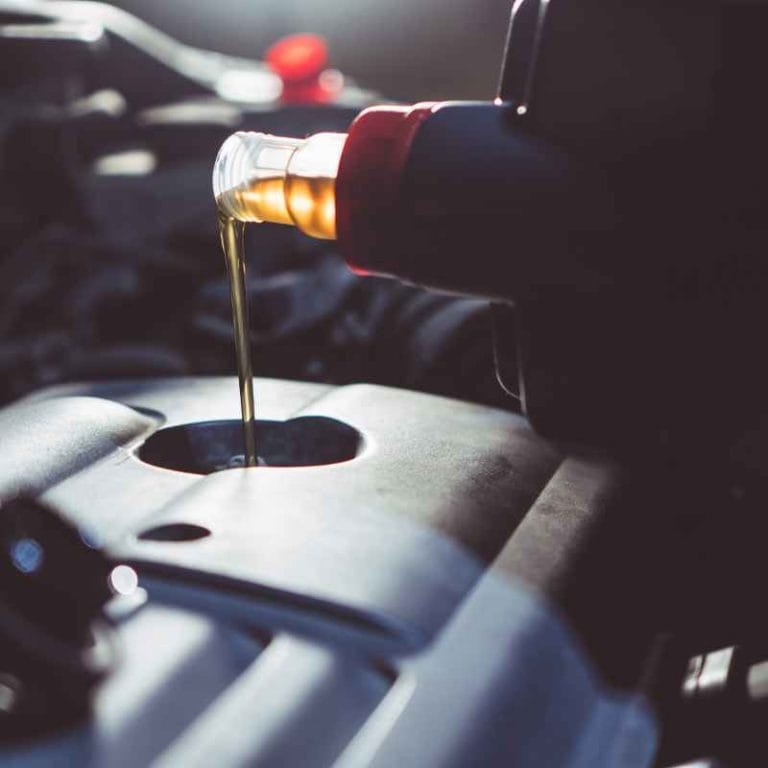
Your car engine needs oil to prevent parts from rubbing together. This reduces wear and tear. It also keeps the engine cool and clean. Without oil, metal parts would grind against each other. This would quickly cause serious damage. Regular oil changes are key to engine life.
The Engine’s Essential Job: Lubrication
Think of your car’s engine as a busy factory. Inside, many metal parts move very fast. Pistons go up and down.

Lucas Oil
Lucas Oil 10278 Engine Oil Stop Leak…
- Compatible with petroleum, semi-synthetic, and full synthetic motor oils
- Renews worn seals with no risk of damage or eventual corrosion
- Reduces engine noise and oil consumption, while raising oil pressure
As an Amazon Associate I earn from qualifying purchases.
Crankshafts spin around. Camshafts turn other parts. These parts are meant to fit together tightly.
But if they just touched, they’d create a lot of friction. Friction means heat. Too much heat can cause parts to warp or seize up.
This would stop the engine dead in its tracks. Oil is the hero that stops this from happening. It creates a slippery film between these moving metal parts.
This film lets them slide smoothly past each other. This is the main job: lubrication. It’s what keeps everything moving without grinding itself to pieces.
This smooth action prevents tiny metal shavings from being created. These shavings could contaminate the oil and cause more damage.
This lubrication is especially important when the engine is first started. When your car sits for a while, oil drains down into the oil pan at the bottom. The very first moments the engine runs are the most critical.
It takes a few seconds for the oil pump to push oil back up to all the moving parts. During this brief time, there’s less oil protection. This is why using the right kind of oil matters.
Some oils are designed to cling to parts longer. They offer better protection during those first few moments. So, the oil isn’t just present; it’s actively working to protect your engine from wear.
Keeping Things Cool: Oil as a Coolant
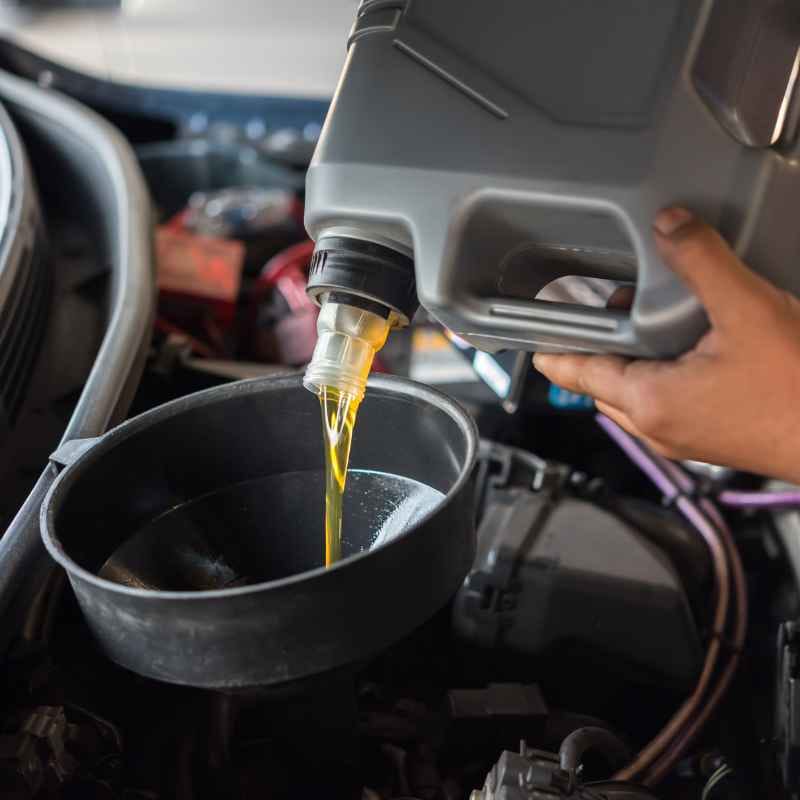
Engines get very hot. Burning fuel creates a lot of heat. Some of this heat is managed by the cooling system, with its radiator and coolant.
But the engine oil plays a big role too. As the oil flows over hot engine parts like the pistons and bearings, it picks up that heat. It then carries this heat away to the oil pan.
The oil pan is usually at the bottom of the engine. It has a larger surface area that can release heat into the air. Some cars also have an oil cooler.
This is like a mini-radiator just for the oil. It helps cool the oil down even more before it goes back into the engine.
This cooling function is vital. Imagine trying to run a machine that constantly overheats. It would break down quickly.
Oil’s ability to absorb and transfer heat prevents engine parts from reaching dangerously high temperatures. This keeps the metal parts strong and stable. Without oil’s cooling effect, the engine’s temperature could rise much faster.
It might even get so hot that the metal components start to expand too much. This expansion could cause them to jam or warp. So, the oil is working overtime to keep your engine from melting down, in a way.
Cleaning Up the Mess: Oil as a Detergent
Engines don’t just run cleanly. Burning fuel, even in a modern engine, creates byproducts. Think of them as tiny bits of soot or carbon.
These byproducts can build up on engine parts. This buildup is like gunk or sludge. It can clog small passages.
It can also make moving parts stick. Oil has special cleaning agents, called detergents, added to it. These detergents work to break down and suspend these small particles.
They keep them floating in the oil instead of sticking to engine surfaces. The oil then carries these particles to the oil filter. The oil filter traps them.
This keeps the engine’s internal surfaces clean and free of harmful deposits. It’s like a constant, internal cleaning crew. This helps maintain the engine’s efficiency.
If the oil isn’t changed regularly, these detergents get used up. The oil itself can become saturated with dirt and debris. The filter can also get clogged.
When this happens, the oil can no longer effectively clean the engine. Sludge can start to form. This sludge is thick and sticky.
It can block oil passages completely. This means some parts might not get any oil at all. This is a recipe for disaster.
It can lead to very quick and expensive engine damage. The cleaning action of the oil is often overlooked, but it’s a critical part of keeping your engine running smoothly for years.
Oil’s Many Hats: A Quick Look
Lubrication: Lets metal parts slide smoothly. Stops grinding. Reduces wear.
Cooling: Picks up heat from hot parts. Carries it away. Prevents overheating.
Cleaning: Uses detergents to remove soot and dirt. Carries debris to the filter.
Sealing: Fills gaps between parts like pistons and cylinders. Improves compression.
Protection: Forms a barrier against rust and corrosion. Keeps metal parts safe.
Sealing the Deal: Oil Prevents Leaks
There are very precise fits between certain engine parts. For example, the pistons move up and down inside the cylinders. There needs to be a seal between the piston rings and the cylinder walls.
If there’s a gap, hot combustion gases can escape. This is called blow-by. It reduces the engine’s power and efficiency.
It also allows hot gases to get into the crankcase. This can contaminate the oil. The oil itself helps to create a seal in these tight spaces.
The thin film of oil fills any microscopic gaps. This helps maintain good compression. Good compression is needed for the engine to run efficiently.
It means the fuel-air mixture is contained properly when ignited.
This sealing function is also important for other moving parts. Think about valve stems and their guides. Or bearings that support the rotating crankshaft.
A good oil film ensures that these parts maintain their seals. This prevents unintended leaks of gases or fluids. It contributes to the overall tight and efficient operation of the engine.
Without this sealing effect, even a well-built engine would struggle to perform. It would lose power and become less fuel-efficient. The oil’s ability to maintain these seals is a quiet but essential function.
Fighting Rust and Corrosion: Oil as a Protector
Metal engine parts are always exposed to air and moisture. Even tiny amounts of water can cause rust. Rust weakens metal.
It can also create rough surfaces that increase wear. The oil film that coats all the moving parts acts as a barrier. It keeps moisture and air away from the metal surfaces.
This prevents rust and corrosion from forming. This is especially important when the engine is not running. During those times, the oil can drain away.
But there’s usually enough residual oil left on the surfaces to offer protection. For parts that are not constantly bathed in oil, like cylinder walls when the engine is off, this protective film is crucial.
Some oils also contain special additives to further enhance this protection. These are called rust inhibitors and corrosion inhibitors. They add an extra layer of defense.
This is important for all engines, but particularly for those that might sit idle for long periods. Think of classic cars or vehicles used seasonally. The oil’s protective qualities ensure that the engine remains in good condition even when it’s not being used.
It’s a passive but vital role in preserving the engine’s integrity over time.
Personal Experience: The Dreaded “Check Engine” Light
I remember one chilly morning, I was heading to an important meeting. The sun was barely up. As I started my car, the dashboard lit up like a Christmas tree.
The dreaded “check engine” light was on. My heart sank. I knew this wasn’t good.
I slowly pulled out of my driveway, my mind racing. I hadn’t noticed any strange noises. The car seemed to be running okay.
But that light… it felt like a ticking time bomb. I decided to check the oil first, just in case. I popped the hood.
The dipstick was dry. Bone dry. I felt a cold dread wash over me.
I had been so busy with work. I’d forgotten to check the oil for a few months. It was a wake-up call.
The low oil level was clearly the culprit. I quickly grabbed a few quarts from the auto parts store. Adding oil was the first step.
Thankfully, after adding enough oil and driving gently for a bit, the light eventually went off. It was a stark reminder of how critical oil is. That day taught me a powerful lesson about engine maintenance.
I never let that happen again. Now, checking my oil is a routine habit, like brushing my teeth.
Quick Oil Check Guide
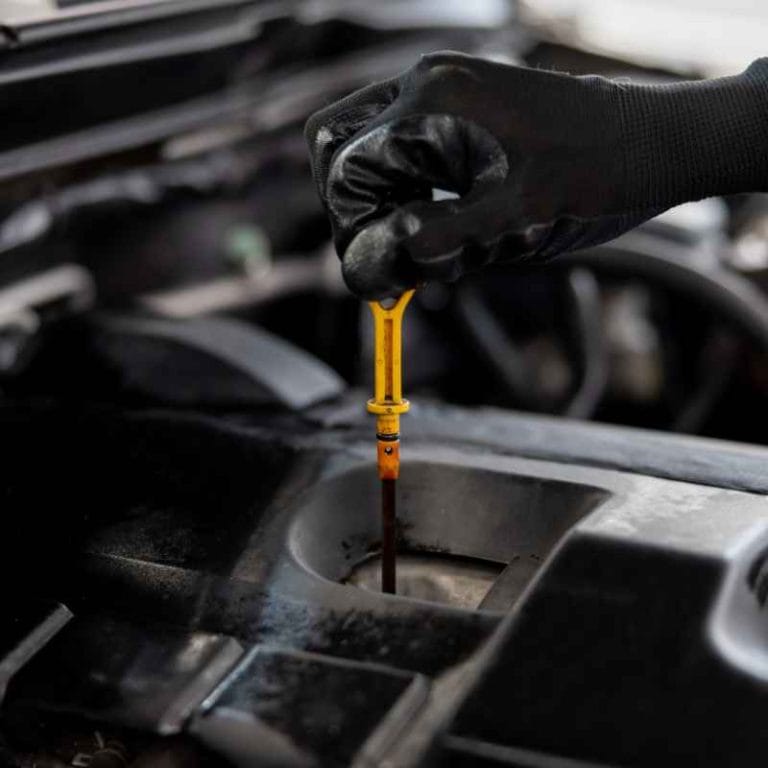
- When: Check when the engine is cold or has been off for a few minutes.
- How: Pull out the dipstick. Wipe it clean. Put it back in fully. Pull it out again.
- What to Look For: The oil level should be between the “low” and “full” marks. The oil should be amber or light brown. Black or milky oil needs attention.
The Role of Oil Pressure
So, we know oil lubricates, cools, cleans, seals, and protects. But how does it get everywhere it needs to go? That’s where oil pressure comes in.
Your car has an oil pump. This pump is driven by the engine itself. When the engine runs, the oil pump works.
It pushes oil from the oil pan up through a network of passages. These passages go to all the critical parts of the engine. This creates pressure.
This pressure ensures that oil is forced into every nook and cranny. It gets to the farthest bearings and the highest points in the engine. The oil pressure gauge or light on your dashboard is an indicator of this.
If the oil pressure drops too low, it means the oil isn’t reaching the parts it should. This is extremely dangerous for the engine. Low oil pressure can be caused by a low oil level, a worn oil pump, or a clogged oil filter.
A healthy oil pressure is like a strong heartbeat for the engine. It ensures that the oil is delivered efficiently and reliably. Without sufficient pressure, the oil film would break down.
Parts would start to rub. Damage would occur very quickly. Most cars have a warning light that comes on if oil pressure is critically low.
This is your car’s way of screaming for help. It’s a signal to stop the engine immediately. Ignoring an oil pressure warning is one of the fastest ways to destroy an engine.
It’s far more serious than just a “check engine” light. It directly indicates a lack of vital lubrication reaching the most sensitive components.
What Kind of Oil Does My Car Need?
Not all oils are created equal. Cars have different needs. The type of oil your car needs is listed in your owner’s manual.
This is a critical piece of information. Using the wrong type of oil can cause problems. It might not lubricate properly.
It might not offer the right protection in different temperatures. Engine oil is rated by viscosity. This is how thick or thin the oil is.
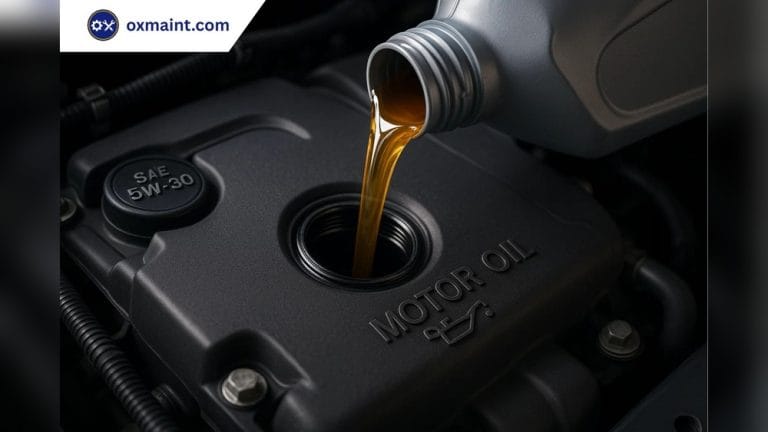
It’s shown by numbers like 5W-30 or 10W-40. The ‘W’ stands for ‘winter’. The first number is the viscosity at cold temperatures.
The second number is the viscosity at normal engine operating temperatures. For example, 5W-30 oil is thinner when cold than 10W-30. This helps with starting in cold weather.
There are also different types of oil: conventional, synthetic blend, and full synthetic. Full synthetic oils offer the best protection. They are engineered to perform better in extreme temperatures.
They also tend to stay cleaner for longer. Conventional oil is made from crude oil. It’s less refined.
Synthetic blend oils offer a mix of both. For most modern cars, especially those with turbochargers or built for high performance, synthetic oil is often recommended. Always check your owner’s manual for the manufacturer’s specific recommendation.
Using the correct oil is just as important as making sure there’s enough of it. It ensures the oil can do all its jobs effectively.
What Happens If You Don’t Change Your Oil?
This is where things get serious. Ignoring oil changes is like ignoring a doctor’s advice. Over time, oil degrades.
The detergents and other additives get used up. The oil becomes dirty and thick with contaminants. It loses its ability to lubricate effectively.
It can’t cool as well. It can’t clean as well. This leads to a cascade of problems.
First, you’ll notice reduced performance. Your car might feel sluggish. Fuel economy will drop.
The engine might start to make strange noises. You might hear ticking, knocking, or grinding sounds. These are all signs of metal-on-metal contact.
As the sludge builds up, it can clog oil passages. This starves parts of the engine of oil. This leads to increased friction and heat.
Parts can start to seize. A seized engine is a dead engine. It means components have locked up due to a lack of lubrication and extreme heat.
This usually results in the need for a complete engine rebuild or replacement. This is incredibly expensive. The cost of regular oil changes is tiny compared to the cost of engine repair.
It’s a small investment for a huge payoff in engine longevity. Think of it as preventative care for your car’s most vital organ.
Real-World Scenarios: When Oil Becomes a Problem
In the real world, oil issues often stem from simple oversights or a lack of understanding. For instance, many people don’t realize that oil can leak. Over time, seals and gaskets can dry out or crack.
This allows oil to drip onto the engine or the ground. If a leak is small, you might not notice it for a while. The oil level slowly drops.
If left unchecked, this can lead to the scenarios I’ve described. Another common issue is neglecting oil changes in extreme weather. In very hot climates, oil can break down faster.
It needs to be able to withstand higher temperatures. In very cold climates, thicker oil can make starting difficult. This can also cause parts to wear more during the initial startup phase if the oil isn’t the right grade.
I’ve seen cars come into the shop with what looks like tar inside the engine. That’s what happens when oil is never changed. It bakes onto the metal parts.
It becomes hard and gummy. This completely blocks oil flow. Another scenario is when people top off their oil with the wrong type.
Maybe they grab whatever is on sale. But that can mess with the viscosity. It can also interfere with the additives.
These additives are carefully balanced. Mixing different types of oil without knowing what you’re doing can reduce its effectiveness. Understanding your car’s specific needs is key to preventing these real-world problems.
Signs Your Oil Needs Attention
Dark, Dirty Oil: Oil should be amber or light brown. Black and thick means it’s time for a change.
Low Oil Level: Dipstick reads below the minimum mark.
Strange Engine Noises: Ticking or knocking sounds often indicate lack of lubrication.
Check Engine Light: While this can mean many things, low oil pressure is a common cause.
Oil Spots Under Your Car: Indicates a potential leak.
What This Means For You: When to Worry
So, when should you really start to worry about your car’s oil? The main thing to watch for is the oil pressure warning light. If that light comes on, stop the car immediately.
Turn off the engine. Do not drive it. Check the oil level.
If it’s low, add oil. But even after adding oil, if the light stays on, there’s a more serious problem. You’ll need professional help.
Another time to worry is if you notice a significant drop in oil level over a short period. This could indicate a leak or that the engine is burning oil. Both are issues that need to be addressed by a mechanic.
You should also worry if you hear persistent knocking or grinding sounds from the engine. These are not normal. They are alarm bells.
They suggest that metal parts are grinding against each other. This happens when the lubrication is insufficient. Regular oil changes are the best way to prevent these scenarios.
Follow your car manufacturer’s recommended interval for oil changes. This is usually found in your owner’s manual. It might be based on mileage or time, whichever comes first.
For example, every 5,000 miles or every 6 months. Don’t wait too long. A little proactive care goes a very long way in protecting your engine.
Quick Tips for Engine Oil Health
Keeping your engine oil in top shape is surprisingly simple. Here are a few tips:
- Check Your Oil Regularly: Make it a habit. Do it at least once a month. Check it before long trips.
- Know Your Oil Type: Always use the oil recommended in your owner’s manual. Stick to the correct viscosity and type (conventional or synthetic).
- Follow the Maintenance Schedule: Don’t skip oil changes. If you drive in harsh conditions (like stop-and-go traffic or extreme temperatures), you might need to change it more often.
- Look for Leaks: If you see oil spots under your car, get it checked out by a mechanic.
- Don’t Overfill: Adding too much oil can be just as bad as not having enough.
- Use a Quality Oil Filter: A good oil filter traps more contaminants.
Frequent Questions About Engine Oi
How much oil does a typical car engine hold?
The amount of oil your car’s engine holds varies greatly depending on the make and model. Smaller engines might hold around 4 quarts (about 3.8 liters). Larger engines, like those in trucks or SUVs, can hold 6 to 8 quarts (about 5.7 to 7.6 liters) or even more.
Your owner’s manual will tell you the exact capacity for your specific vehicle. It’s important not to overfill or underfill the engine.
Is synthetic oil really worth the extra cost?
For many drivers, yes, synthetic oil is worth the extra cost. It offers superior protection in extreme temperatures, both hot and cold. It also tends to resist breaking down longer, meaning it can last longer between changes.
Synthetic oil often provides better cleaning capabilities and reduces engine wear. If your car manufacturer recommends synthetic oil, it’s usually because the engine is designed to benefit from its enhanced properties. It can lead to a longer, healthier engine life.
Conclusion: Oil Is Non-Negotiable
Your car’s engine oil is a complex fluid with many vital jobs. It’s the silent guardian that lubricates, cools, cleans, seals, and protects. Without it, your engine would quickly become a useless, damaged piece of metal.
Regular checks and timely oil changes are not just maintenance tasks; they are essential for your car’s health and longevity. Treat your engine oil right, and it will keep you moving for miles to come.
Related pick: Check today's price on Amazon
Products related to this article
Sponsored / affiliate links. As an Amazon Associate I earn from qualifying purchases. I may earn additional commission from eligible campaigns.
 ACROPIX Engine Oil Level Indicator Dipstick for Ford Fusion 2010-2012 for Ford Escape 2010-2012 for Ford Fusion 2006-2007 No.6E5Z6750AC Car Parts
 ECOGARD X10023 Cartridge Engine Oil Filter for Conventional Oil - Premium Replacement | Fits 2018-2023 Volkswagen Atlas 3.6L; 2020-2023 Atlas Cross Sport 3.6L