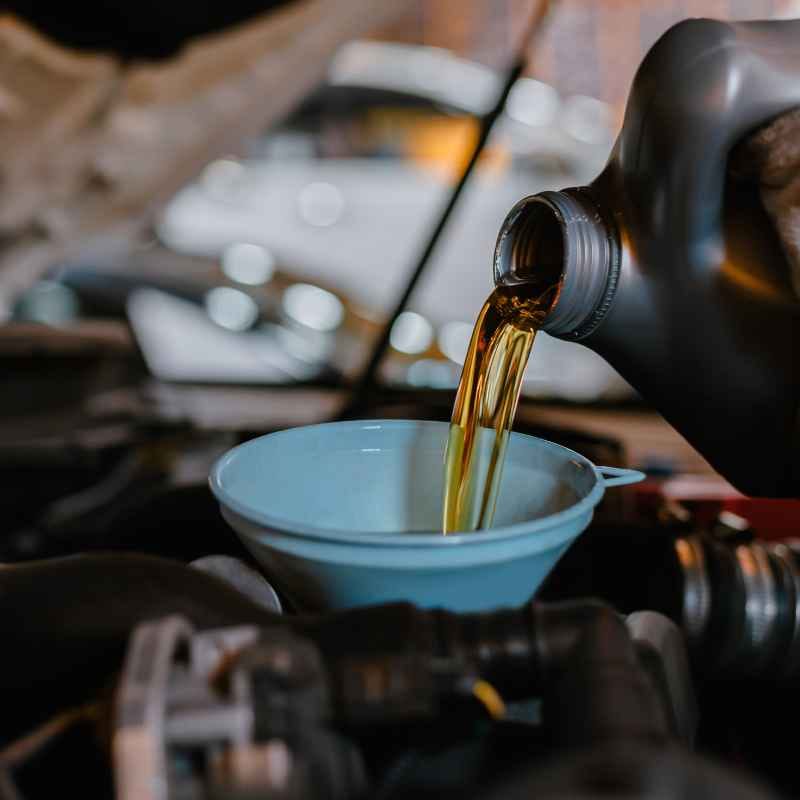
What Are The 7 Functions Of Engine Oil? Full Breakdown
Engine oil. It’s one of those things most car owners know is important. But if you asked why, you might get a shrug or a simple “it makes the engine run.” And while that’s true, it’s like saying a heart pump “makes blood move.” There’s so much more going on!
Engine oil does a lot of heavy lifting behind the scenes. It’s the unsung hero keeping your car’s most complex part from grinding to a halt. Let’s dive into exactly what this amazing fluid does for your car.
Engine oil performs seven main functions essential for your vehicle’s health: it lubricates moving parts to prevent wear, cools the engine by carrying heat away, cleans by suspending dirt and debris, seals the piston rings for better compression, protects against rust and corrosion, reduces noise and vibration, and helps with fuel economy by reducing friction. Understanding these roles helps you appreciate its importance.
The Many Jobs of Engine Oil
Think about your car’s engine. It’s a marvel of engineering. Inside, metal parts move at incredibly high speeds.
They rub against each other constantly. Without something to get between them, they’d quickly wear down. That’s where engine oil comes in.
Its primary job is lubrication. It creates a thin film between these parts. This film stops metal-on-metal contact.
It’s like a super slippery shield.
This oil film is vital. It lets pistons slide smoothly in cylinders. It helps crankshafts spin without seizing.
It keeps camshafts turning freely. Every part that moves needs this protective layer. The better the oil lubricates, the less friction there is.
Less friction means less heat. It also means less wear and tear on your engine components. This makes your engine last much longer.
But lubrication is just the beginning. Engine oil has a whole list of responsibilities. It’s a multi-tasking wonder fluid.
Let’s break down all the ways it helps your car.
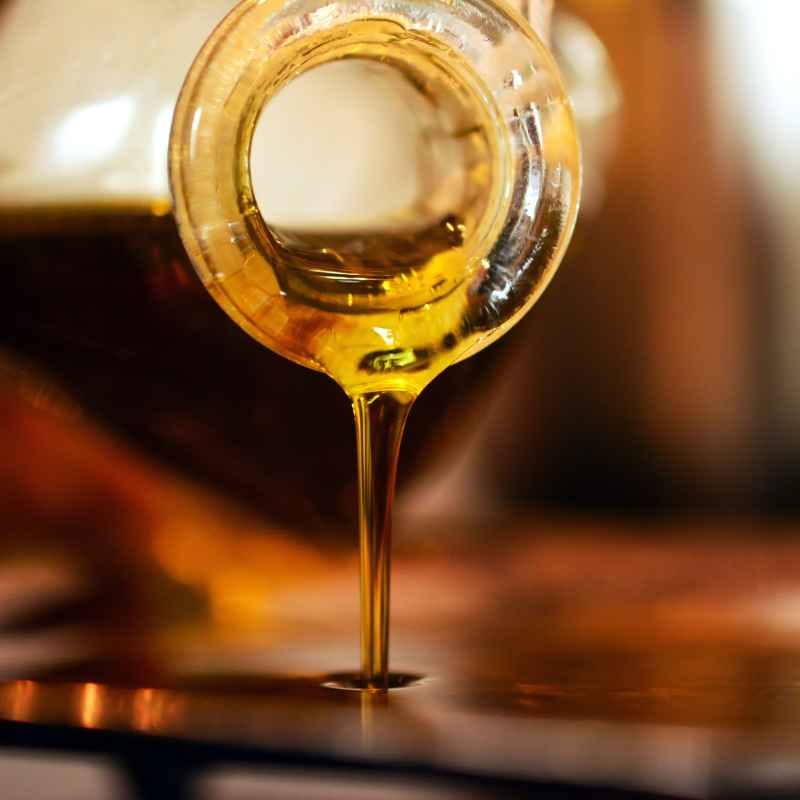
Engine Oil’s Cooling Role
Your engine gets hot. Really hot. The combustion process creates immense heat.
This heat needs to go somewhere. If it’s not managed, parts can warp or melt. Engine oil plays a key role in cooling.
As it circulates through the engine, it picks up heat. It carries this heat away from the hottest parts.
Much of this heat is absorbed from the pistons. These are constantly being hit by explosions. The oil then travels to the oil pan.
It also circulates through the oil filter. Some heat dissipates there. Other systems, like the radiator, help cool the oil further.
This continuous cooling cycle is critical. It prevents your engine from overheating. It keeps everything within a safe operating temperature range.
Without this cooling function, engine parts would seize up quickly. Imagine trying to run a marathon in a sauna. That’s a bit like an engine without proper oil cooling.
The oil acts like a coolant fluid. It moves heat away from where it’s generated. This helps maintain engine performance.
It also prevents serious damage that can occur from extreme heat.
Cleaning Up the Engine Internals
Engines produce byproducts. Burning fuel creates soot. Metal parts wear down, creating tiny metal particles.
These are like tiny bits of grit. If they built up, they’d cause major problems. They’d act like sandpaper.
They’d grind away at other engine parts. Engine oil’s job is to clean this mess up.
As the oil flows, it picks up these contaminants. Think of it like a mobile cleaning crew. It sweeps up the dirt and debris.
It holds onto them. This prevents them from settling in critical areas. The oil then carries this gunk to the oil filter.
The filter is designed to trap these particles. It’s like a tiny sieve for your engine.
The oil filter needs to be changed regularly. When it gets full, it can’t filter effectively anymore. Dirty oil can then flow through the engine.
This is why regular oil changes are so important. They ensure the oil can do its cleaning job. They also ensure the filter is working.
A clean engine runs better. It also lasts longer. This cleaning action is a silent but essential function.
The Crucial Sealing Function
Inside each cylinder, a piston moves up and down. It needs to create a tight seal against the cylinder wall. This seal is vital for compression.
Good compression means the engine is efficient. It means it has power. The piston rings are responsible for this seal.
Engine oil plays a key role here too.
A thin film of oil coats the cylinder walls. It also coats the piston rings. This oil film helps the rings seal tightly.
It fills any microscopic gaps. This prevents combustion gases from leaking past. These gases are what push the piston down.
If they leak, you lose power. This is called blow-by. It’s a sign of worn rings or poor sealing.
This sealing action also helps keep combustion byproducts out of the crankcase. The crankcase is where the oil sits. You don’t want hot, dirty exhaust gases mixing with clean oil.
The oil film provides this barrier. It ensures efficient power transfer. It’s a subtle but powerful effect.
It’s another way oil keeps the engine running smoothly.
Protection Against Rust and Corrosion
Engines are made of metal. Metal can rust. Water is the enemy of metal.
Where does water come from inside an engine? Several places. It can be a byproduct of combustion.
It can enter through condensation. Even humidity in the air can be a factor.
Engine oil contains special additives. These additives create a barrier. This barrier prevents water from touching the metal surfaces.
It’s like a coat of paint. It shields the metal. This protection is crucial.
It stops rust from forming. It also prevents corrosion. Corrosion can weaken metal parts over time.
This protective function is especially important when the engine is off. When an engine sits, water can condense inside. Without oil, this moisture can start to eat away at the metal.
The oil film remains. It continues to protect the metal surfaces. This is one reason why it’s bad to let a car sit for too long.
The oil’s protective film is always working. It’s guarding your engine’s delicate parts.
Reducing Noise and Vibration
Engines make noise. They also vibrate. This is normal to an extent.
But engine oil helps quiet things down. Remember that lubrication film? It’s not just about preventing wear.
It also acts as a cushion. It absorbs some of the shock.
When metal parts move against each other, they create friction. Friction generates noise and vibration. By providing that slippery layer, oil reduces this friction.
Less friction means less direct impact. It means smoother movement. This translates to a quieter engine.
It also means less shaking and rattling.
Think about starting a cold engine. It often sounds rougher. It might vibrate more.
As the oil heats up and circulates, it becomes more effective. The engine smooths out. This is the oil doing its job.
It’s making the engine’s operation more pleasant. It’s also reducing the stress on engine mounts from excessive vibration.
Improving Fuel Economy
This function might surprise some people. How can oil help save gas? It all comes back to friction.
Friction is wasted energy. When parts rub together, energy is lost as heat. This lost energy doesn’t contribute to moving your car.
It’s like trying to push a heavy box across a rough floor. It takes a lot more effort.
Engine oil reduces friction. As we’ve discussed, it creates that lubricating film. This film makes it easier for parts to move past each other.
Less friction means less energy is wasted. This means more of the engine’s power can be used to turn the wheels. More power going to the wheels means better fuel efficiency.
Modern engine oils are designed with this in mind. They use special additives. These additives are called friction modifiers.
They further reduce friction. This can lead to small but measurable improvements in gas mileage. So, by keeping your engine running smoothly, oil helps your wallet too.
It’s another benefit of good lubrication.
Engine Oil: A Quick Scan of Its Roles
- Lubrication: Reduces wear between moving parts.
- Cooling: Carries heat away from hot engine components.
- Cleaning: Suspends dirt, soot, and metal particles.
- Sealing: Helps piston rings create a tight seal for compression.
- Protection: Shields metal parts from rust and corrosion.
- Noise Reduction: Cushions parts, lessening sound and vibration.
- Fuel Economy: Decreases friction, improving efficiency.
Real-World Engine Oil Scenarios
Let’s talk about what this looks like in practice. Imagine a very hot summer day. You’re stuck in stop-and-go traffic.
The engine is working hard. The temperature gauge starts to climb. This is a stress test for the cooling system.
The engine oil is crucial here. It’s constantly circulating. It’s picking up heat from the pistons.
It’s carrying it away. It’s preventing a meltdown.
Now, think about a cold winter morning. You turn the key. The engine feels sluggish at first.
It sounds a bit rough. This is because the oil is cold. It’s thicker.
It doesn’t flow as easily. This is why many mechanics advise letting your car warm up for a minute. It gives the oil time to flow.
It allows it to reach all the parts. It protects them before you put them under heavy load.
Consider a car that hasn’t been driven in months. When you finally start it, you might hear some ticking. This could be because the oil has drained back into the pan.
The upper parts of the engine are temporarily dry. As soon as the oil pressure builds, the ticking stops. This highlights how vital that constant flow is.
The quality of the oil matters too. Cheaper, conventional oils might not hold up as well. They might break down faster at high temperatures.
They might not offer the same level of protection. Synthetic oils, on the other hand, are engineered for extreme conditions. They offer better flow in the cold.
They resist heat better. They often have superior cleaning and protective additives.
Contrast: Normal vs. Concerning Oil Signs
Normal Signs
Slightly Darkened Oil: After use, oil naturally darkens as it picks up contaminants.
Smooth Engine Sound: A well-lubricated engine runs quietly.
Stable Temperature: Oil helps keep the engine in its optimal temp range.
Concerning Signs
Milky or Foamy Oil: Can indicate coolant or water mixing in.
Excessive Ticking/Knocking: May signal poor lubrication or internal damage.
Oil Light On: Low oil pressure is a serious warning.
Burning Smell: Can mean oil is leaking onto hot engine parts.
What These Functions Mean for You
So, what’s the takeaway from all this? Understanding these seven functions helps you appreciate why taking care of your engine oil is so important. It’s not just about passing an inspection.
It’s about the health and longevity of your vehicle.
When is the oil doing its job normally? You’ll notice a smooth-running engine. It will maintain a stable temperature.
You won’t hear excessive grinding or knocking sounds. The oil on the dipstick will look dark but not sludgy. You’ll generally get decent gas mileage.
When should you worry? If your oil light comes on, stop driving. It’s a critical warning.
If you notice a strong burning smell, investigate immediately. If your engine starts making loud, unusual noises, it’s time for a check-up. If the oil looks milky or foamy, that’s a big red flag.
It could mean a serious internal leak.
Simple checks can make a big difference. Check your oil level regularly using the dipstick. Look for any unusual colors or textures in the oil.
Pay attention to any new sounds or smells from your engine. These are your car’s way of talking to you. They signal when something might be wrong.
Quick Checks You Can Do
- Oil Level: Use the dipstick. Make sure it’s between the ‘add’ and ‘full’ marks.
- Oil Color: New oil is amber. Used oil gets darker. Milky or gritty oil is bad.
- Leaks: Look under the car for any fresh oil spots.
- Smell: Notice any burning or unusual odors when driving.
Tips for Maintaining Your Engine Oil
The most important thing you can do is follow your car’s maintenance schedule. This usually involves regular oil changes. The interval recommended by your car’s manufacturer is a good guideline.
For most cars, this is between 5,000 and 10,000 miles. Or it might be every six to twelve months.
Choose the right type of oil. Your owner’s manual will tell you the correct viscosity grade (like 5W-30). It will also specify if you need conventional, synthetic blend, or full synthetic oil.
Using the wrong type can impact performance and protection.
Don’t forget the oil filter. It needs to be changed with every oil change. A clogged filter can’t do its job.
It might even bypass dirty oil if it gets too full. This defeats the purpose of cleaning the oil.
Avoid pushing your engine too hard when it’s cold. Give it a minute or two to warm up. This allows the oil to circulate properly.
Especially in very cold weather. Also, if you frequently drive in extreme conditions (like very hot weather or stop-and-go traffic), consider shorter oil change intervals. Or using a higher-quality synthetic oil.
Tips for Oil Longevity
Follow Schedule: Stick to your manufacturer’s recommended oil change intervals.
Right Oil: Use the exact type and viscosity specified in your owner’s manual.
New Filter: Always replace the oil filter when you change the oil.
Warm Up: Let the engine run for a minute before driving hard, especially when cold.
Monitor: Check your oil level and condition regularly between changes.
Frequently Asked Questions About Engine Oil Functions
What is the main job of engine oil?
The main job of engine oil is to lubricate moving parts. This prevents metal-on-metal contact. It stops excessive wear and tear.
Can engine oil really cool the engine?
Yes, engine oil helps cool the engine. It picks up heat from hot engine parts. It carries this heat away to cooler areas like the oil pan.
How does oil keep the engine clean?
Engine oil contains detergents. These help break down sludge and deposits. The oil then carries dirt and debris to the oil filter for removal.
Why is the seal from engine oil important?
The oil film helps piston rings seal tightly against cylinder walls. This is crucial for maintaining engine compression and power. It prevents gases from leaking.
Does engine oil prevent rust on engine parts?
Yes, engine oil has additives that form a protective barrier. This barrier shields metal surfaces from moisture and prevents rust and corrosion.
How does engine oil reduce engine noise?
The lubricating film acts as a cushion between moving parts. This reduces friction. Less friction means less vibration and noise, leading to a quieter engine.
Will using better engine oil improve my gas mileage?
Yes, higher-quality engine oils often have friction modifiers. These reduce internal friction. Less friction means more engine power is used to move the car, improving fuel economy.
What happens if I don’t change my engine oil?
If you don’t change your engine oil, it breaks down. It loses its ability to lubricate, cool, and clean. This leads to increased wear, overheating, and potential engine failure.
It’s a sure way to shorten your engine’s life.
Wrapping Up the Engine Oil Story
Engine oil is far more than just a lubricant. It’s a complex fluid performing multiple critical tasks. From keeping things moving smoothly to protecting against internal damage.
These seven functions work together constantly. They ensure your engine runs reliably and lasts for many years.
Next time you think about your car, give a nod to that humble bottle of oil. It’s working overtime for you. Taking care of it is one of the best things you can do for your vehicle.
Regular maintenance and using the right products will pay off. They ensure your engine stays healthy and strong.
Products related to this article
Sponsored / affiliate links. As an Amazon Associate I earn from qualifying purchases. I may earn additional commission from eligible campaigns.