When Should You Change Car Engine Oil? Full Schedule Guide
You should change your car engine oil based on either the manufacturer’s recommended mileage or time interval, whichever comes first. Most modern cars need oil changes every 5,000 to 7,500 miles, or about every six months. Older cars or those driven under harsh conditions may need them more often.
Always check your owner’s manual for the exact schedule.
Understanding Your Engine Oil: More Than Just Lubrication
Engine oil does a lot for your car. It’s not just about making parts slide smoothly. Oil is a multi-tasker.
It keeps things clean. It cools the engine down. It also helps seal the engine parts.
Think of your engine as a busy city. Lots of parts are moving very fast. These parts create heat and tiny bits of metal.
Oil rushes around. It picks up this dirt. It carries it away to the oil filter.
The filter catches the gunk.
Without good oil, these metal bits would grind together. This causes wear. It makes the engine hot.
Oil stops this from happening. It forms a thin layer. This layer is between the metal parts.
This is called lubrication. It’s the main job of oil.
But over time, the oil gets dirty. It loses its ability to do its jobs. It breaks down.
This is where changing the oil becomes very important.
The Official Word: Manufacturer Recommendations
Your car’s maker knows best. They designed the engine. They tested it thoroughly.
That’s why the owner’s manual is your best friend. It has the official oil change schedule. This schedule is based on lots of testing.
Most manuals suggest a mileage. They also suggest a time frame. For example, it might say “change oil every 7,500 miles or 12 months.” You need to follow whichever comes first.
So, if you hit 7,500 miles in 8 months, you get an oil change. If you drive less and reach 12 months before 7,500 miles, you still need one.
Modern cars have oil life monitors. These systems use sensors. They track your driving.
They estimate when the oil needs changing. They consider how many miles you drive. They also think about how hard you drive.
This is often shown as a percentage. When it hits 0%, it’s time. These systems are usually pretty good.
But it’s still wise to know your manual’s guidelines.
Older cars might have different needs. They might need changes more often. Maybe every 3,000 to 5,000 miles.
Or every 3 to 6 months. Always check that manual. It’s the most reliable source.
Oil Change Schedule: Key Factors
- Mileage: The most common way to track oil changes.
- Time: Oil degrades over time, even if you don’t drive much.
- Driving Conditions: Harsh driving means more frequent changes.
- Oil Life Monitor: Modern systems provide a digital reminder.
When “Normal” Driving Isn’t So Normal
What is “normal” driving? For some, it’s a short, easy commute. For others, it’s hauling heavy loads or constant stop-and-go traffic.
These different conditions affect your oil. We call these “severe” driving conditions.
If you drive a lot in cities, you know stop-and-go. Your engine idles a lot. It’s not always at its best temperature.
This puts more stress on the oil. Short trips are also tough. The engine doesn’t get hot enough.
This can cause moisture to build up. Water in the oil is not good.
Driving in extreme heat or cold matters too. Very hot weather makes the oil work harder. It can break down faster.
Very cold weather makes oil thicker. It’s harder for the oil pump to move it. This means less lubrication at startup.
Dusty or sandy roads are another issue. This dirt can get into the engine. It acts like sandpaper.
It wears down parts. Your oil and filter have to work overtime to catch it.
If your driving fits these descriptions, you should change your oil more often. Most car makers have a “severe” schedule. It’s usually in the owner’s manual too.
It might be something like 5,000 miles instead of 7,500. Or every 3 or 4 months instead of 6.
Don’t ignore these conditions. They can shorten your engine’s life. Getting an oil change when needed is a small cost.
It saves big money later.
Signs Your Car’s Oil Needs Changing
Sometimes, your car will tell you it’s time. You just need to listen and look. There are several signs.
They are like little alarms for your car.
One big sign is the oil light. If it comes on, do not ignore it. It could mean low oil pressure.
This is serious. It means the oil isn’t doing its job. You might need to add oil.
Or you might need an immediate oil change. Check your oil level first.
The color and smell of the oil are clues. Most new oil is light brown or amber. It smells a bit like petroleum.
Used oil gets dark. It can turn black. If it looks gritty or sludgy, it’s very dirty.
It’s not protecting your engine well anymore.
A strange smell is also a warning. If you smell burning oil, that’s bad. It could mean the oil is too old and burnt.
Or it could mean there’s a leak. A burning smell can also come from oil leaking onto hot engine parts.
Noises from the engine can also be a sign. If you hear knocking or grinding sounds, it might be lack of lubrication. Old oil can’t cushion parts like it should.
These noises mean parts are rubbing too much.
Your car’s performance can also change. If you notice less power. Or if the engine runs rough.
It might be a sign of dirty oil. It could also lead to worse gas mileage.
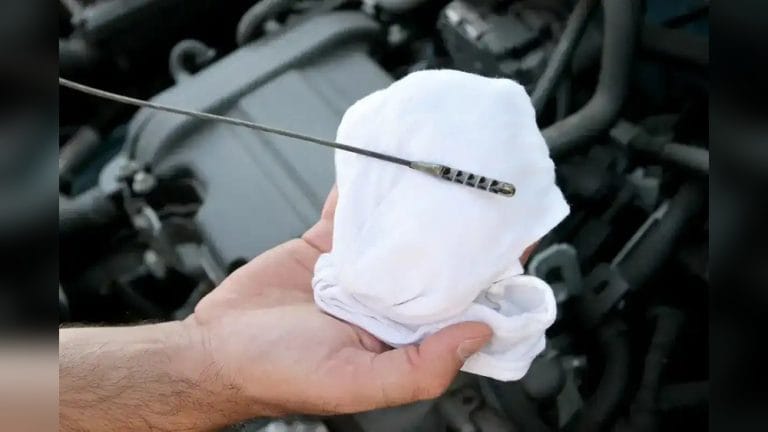
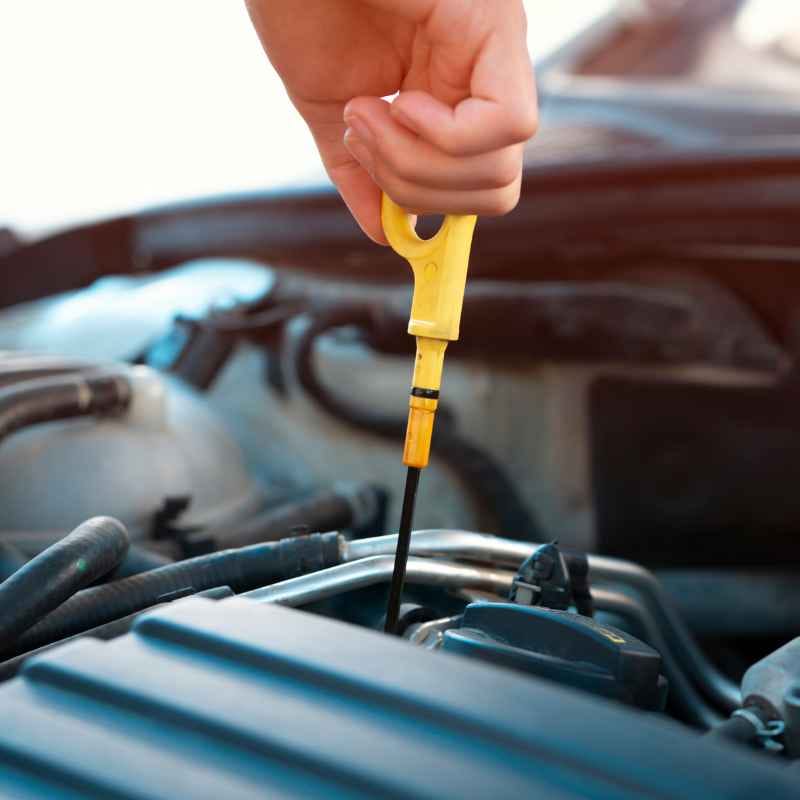
Finally, always check your oil dipstick. Do this when the engine is cool. Pull it out.
Wipe it clean. Put it back in all the way. Pull it out again.
Look at the oil level. Is it between the two marks? Is the oil dark and thick?
If yes, it’s probably time to change it.
Common Oil Change Indicators
- Oil Warning Light: On the dashboard.
- Dark or Gritty Oil: Check the dipstick.
- Burning Oil Smell: Indicates old or leaking oil.
- Engine Noises: Knocking or grinding sounds.
- Reduced Performance: Less power or rough running.
The Type of Oil Matters: Conventional vs. Synthetic
Not all engine oil is the same. There are two main types. You have conventional oil.
And you have synthetic oil. They do the same basic job. But they do it differently.
And they last for different amounts of time.
Conventional oil is made from crude oil. It’s refined. It’s the older, more traditional type.
It’s usually cheaper. For older cars or cars that don’t drive much, it can be fine. But it breaks down faster.
It doesn’t offer as much protection in tough conditions.
Synthetic oil is man-made. It’s engineered in a lab. It’s cleaner.
It’s more consistent. This means it flows better. It flows well even in cold weather.
It resists heat better. It doesn’t break down as quickly. It also lasts longer.
Many newer cars need synthetic oil. Check your owner’s manual. Using the wrong type can hurt your engine.
Or it can void your warranty.
Synthetic oil is more expensive upfront. But it can save you money. It lasts longer.
So, you change it less often. It also offers better protection. This can mean fewer repairs down the road.
There’s also synthetic blend oil. It’s a mix of conventional and synthetic. It’s a middle ground.
It offers better protection than conventional. It costs less than full synthetic.
The weight of the oil is also important. This is shown by numbers like 5W-30. The ‘W’ stands for winter.
The first number is how thick the oil is when cold. The second number is how thick it is when hot. Your car’s manual will tell you the correct weight.
Choosing the right oil is key. It helps your engine run better. It lasts longer.
Always use the oil type recommended by your car’s maker.
My Own Story: A Close Call with Old Oil
I remember one summer, a few years back. I was so busy with work. My car was my workhorse.
I drove it everywhere. I was always on the go. I completely spaced on getting an oil change.
The sticker in my window was old. The oil light hadn’t come on yet. I thought I had plenty of time.
Then one afternoon, I was driving home from a client meeting. It was hot out, maybe 95 degrees. My car started making this weird noise.
It wasn’t a clunk, more like a whirring grind. It got louder as I drove. My heart started to pound.
I pulled over as fast as I could.
I popped the hood. I could smell something. It smelled burnt and acrid.
Not like normal engine smell. I checked the dipstick. The oil was almost black.
It was thick and gooey. It looked nothing like oil should. I realized then how long it had been.
I was so embarrassed and scared. I called a tow truck. The mechanic told me I was lucky.
He said the engine was running very hot. The oil had broken down completely. He said if I had driven much further, I could have seized the engine.
That would have been a very expensive mistake. I learned a huge lesson that day. Never let it get that bad again.
Now I set reminders and check my oil regularly.
The Importance of the Oil Filter
When you change your engine oil, you should always change the oil filter too. Think of the oil filter as the car’s kidney. It’s responsible for cleaning the oil.
It catches all the nasty bits. These bits are like tiny metal shavings. They come from engine wear.
The filter has tiny pores. It traps dirt and debris. As oil passes through, the dirt stays behind.
Over time, these pores get clogged. The filter can’t do its job anymore. It becomes blocked.
When the filter is clogged, oil can’t pass through easily. Some filters have a bypass valve. If the filter gets too blocked, this valve opens.
It lets the dirty oil flow past the filter. This means unfiltered oil goes back into your engine. This is bad.
It’s like running your engine with no filter at all.
Changing the filter with the oil ensures you always have clean oil circulating. It’s a simple step. But it’s critical for engine health.
It’s usually not much more expensive to change the filter. It’s always worth it.
The filter works hard. It’s constantly filtering the oil. Even with regular oil changes, the filter can get saturated.
If you don’t change it, you’re putting old, dirty oil back into the engine. This defeats the purpose of the oil change.
Make sure your mechanic always replaces the oil filter. Or if you do it yourself, remember to swap it out. It’s a small part.
But it has a big impact.
Oil Filter Function
- Traps Debris: Catches metal particles and dirt.
- Protects Engine: Prevents abrasive material from damaging parts.
- Bypass Valve: Allows oil flow if clogged (but this is not ideal).
- Works with Oil: Needs to be
Real-World Scenarios: When Does It Really Matter?
Let’s look at some common situations. When is sticking to that oil change schedule extra important?
Scenario 1: The Commuter Car
You drive 30 miles to work and 30 miles back. This is mostly highway miles. You might think you’re good.
But even highway miles add up. And sitting in traffic on the way home counts as stop-and-go. Your engine still heats up and cools down.
The oil still gets dirty. Stick to your manual’s mileage. Don’t push it.
Scenario 2: The Weekend Warrior
You only drive your car on Saturdays for errands. Maybe a short trip to the park. You might only put 100 miles on your car a month.
But a year passes. Your oil has been sitting there. It’s been exposed to air.
Moisture can get in. It can start to break down. This is why the time interval is key.
Even low mileage drivers need regular changes.
Scenario 3: The Family Hauler
You drive a minivan. You often have kids in the back. You might haul groceries, sports gear, or even help friends move.
This means your car often carries weight. It might be doing more towing. This puts extra strain on the engine and the oil.
You are likely in the “severe” driving category. Get those oil changes done more often.
Scenario 4: The Climate Extremist
You live somewhere that gets very hot summers or very cold winters. Your car is exposed to these extremes daily. Hot weather makes oil thinner and can cause it to burn off.
Cold weather makes oil thick and slow. Both are hard on your oil. Your manufacturer might have specific advice for extreme climates.
Check your manual. You may need more frequent changes.
These real-world situations show that just looking at the odometer isn’t always enough. You need to consider how you drive and where you drive.
What This Means For You: Normal vs. Concerning
Knowing when to change your oil helps your car. It helps your wallet too. Let’s break down what’s normal and what should make you pause.
Normal Oil Change Timing
It’s totally normal to change your oil based on your owner’s manual. This is usually every 5,000 to 7,500 miles or every 6 months. It’s also normal for an oil life monitor to tell you it’s time.
This is what these systems are designed for.
It’s normal for oil to get darker over time. That’s its job – picking up dirt. A slight drop in oil level over many miles is also normal.
Engines use a tiny bit of oil.
When to Worry
If your oil warning light comes on, worry. This means low oil pressure. This is a serious problem.
Stop driving if you can. Add oil if you have it and the level is low. But get it checked out right away.
If you smell burning oil all the time, worry. This suggests a leak or that the oil is old and breaking down. You might see smoke from under the hood.
Or a puddle under your car.
If you hear loud, unusual engine noises like knocking or grinding, worry. This can mean metal parts are not lubricated. They are hitting each other.
This can cause major damage.
If you see thick, black sludge or gunk on your dipstick, worry. This means the oil has been in there way too long. It has stopped doing its job.
Simple Checks You Can Do
Check your oil level once a month. Or before a long trip. Make sure the engine is cool.
Use the dipstick. Wipe it, reinsert, then check the level.
Look at the oil color. Is it light brown or dark black? Is it thick and sticky?
Listen to your engine. Does it sound normal? Or are there new, strange noises?
Pay attention to any smells. Burning oil is a big red flag.
If you notice any of the “worry” signs, don’t delay. Get your car checked by a trusted mechanic.
Quick Tips for Engine Oil Health
Taking care of your engine oil is simple. But it makes a big difference. Here are a few easy tips:
- Read Your Owner’s Manual: This is the most important tip. Know your car’s specific needs.
- Use the Right Oil: Always use the type and weight of oil recommended.
- Change Oil and Filter Together: Don’t skip the filter. It’s just as important.
- Track Your Mileage and Time: Keep a small log or use a reminder app.
- Watch for Warning Signs: Listen to your car. Pay attention to lights, smells, and sounds.
- Don’t Overfill: Too much oil can be as bad as too little.
- Consider Synthetic Oil: If your car allows, it offers better protection and longevity.
These small steps help your engine run smoothly. They help it last longer. They also save you money in the long run.
Frequently Asked Questions About Engine Oil Changes
How often do I really need an oil change?
Most cars need an oil change every 5,000 to 7,500 miles or every six months, whichever comes first. Older cars or those driven in tough conditions may need them more often. Always check your car’s owner’s manual for the specific schedule.
Can I use a different type of oil than recommended?
It’s best to stick to the oil type and weight recommended in your owner’s manual. Using the wrong oil can harm your engine and may void your warranty. Some modern cars require synthetic oil.
What happens if I don’t change my oil?
If you don’t change your oil, it gets dirty and loses its ability to lubricate and protect your engine. This can lead to increased wear, overheating, poor performance, and eventually, major engine damage and costly repairs.
Is it okay to change my oil myself?
Yes, many people change their own oil. You’ll need some basic tools, a drain pan, new oil, a new oil filter, and a wrench. Just make sure you know how to do it properly, dispose of the old oil safely, and consult your manual.
How often should I check my oil level?
It’s a good idea to check your oil level at least once a month. You should also check it before long road trips or if you notice any warning lights or unusual engine sounds. Ensure the engine is cool when checking.
Does the oil change light mean I need an oil change immediately?
The oil change reminder light or message usually indicates that your car’s oil life monitor system estimates it’s time for a change. While it’s not an emergency like the oil pressure light, you should schedule a service soon. It’s also wise to check your oil level manually.
Conclusion: Keeping Your Engine Happy
Taking care of your car’s engine oil is one of the simplest yet most effective ways to keep your vehicle running well. By understanding your owner’s manual, recognizing the signs your car gives you, and following a regular schedule, you protect your engine. This saves you money and keeps you safe on the road.
Don’t let oil changes slide. Your car will thank you for it with a longer, healthier life.