How Long Can Oil Sit In An Engine Before It Goes Bad?
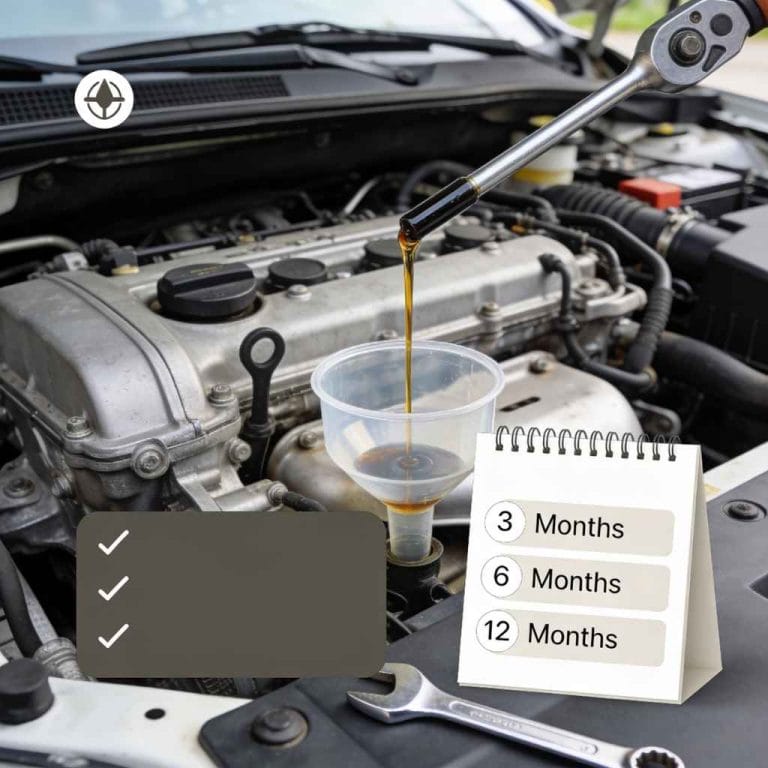
For most cars, oil can sit in the engine for up to one year before it starts to degrade significantly. However, factors like climate, storage conditions, and the type of oil can change this timeline. Regular checks and understanding oil’s signs of aging are key.
The Science of Engine Oil and Time
Engine oil does a lot of work. It keeps parts moving smoothly. It also cools things down.
And it helps keep the inside clean. But time and the elements can affect oil. Think of it like milk in your fridge.
It doesn’t last forever, right?
Oil is made up of base oils and additives. The base oils do the main job of lubrication. Additives boost performance.
They help with things like cleaning and fighting wear. Over time, these parts can break down. This is true even when the engine isn’t running.
Why Does Oil Go Bad in an Engine?
Several things can make engine oil go bad, even if the car isn’t driven. Let’s break them down simply.
Moisture and Contamination
This is a big one. Cars breathe, just like we do. Air goes in and out of the engine.
This air carries moisture. When the engine cools, this moisture can form tiny water droplets. This water can mix with the oil.
Water is not good for oil.
Water in oil can cause a few problems. It can lead to rust inside the engine. Rust particles are abrasive.
They can damage engine parts. Also, water can break down the oil’s additives. This makes the oil less effective at its job.
Other things can get into the oil too. Dust, dirt, and even small bits of metal from the engine itself can mix in. These contaminants make the oil gritty.
Gritty oil is like sandpaper in your engine. It causes extra wear.
Oxidation
Oil can also react with the air around it. This is called oxidation. It’s like how metal can rust when exposed to air and water.
Oxidation changes the oil’s makeup. It can make the oil thicker. It can also make it less slippery.
This process happens slowly. It’s faster when the oil is hot. But it can still happen when the car is just sitting.
The longer the oil sits, the more oxidation can occur. This is one reason why oil has a shelf life.
Additive Depletion
The special chemicals, or additives, in oil are crucial. They help prevent rust, clean the engine, and reduce foam. Over time, these additives get used up.
They do their job, but they don’t last forever. Even if the engine is off, some additives can slowly break down or get absorbed by engine parts.
When these additives are gone, the oil can’t protect the engine as well. This leaves the engine more open to damage from wear, rust, and dirt. It’s like a shield wearing down.
How Long Can Oil Sit in an Engine? The General Rule
As a general guideline, most new, good-quality engine oil can sit in your engine for about one year without becoming completely useless. This is for cars that are parked in decent conditions.
However, this is not a hard and fast rule. Many things can shorten this time. It’s more about the condition of the oil and the environment than a strict calendar date.
Think of it as a starting point for how long you might be okay.
Oil Degradation Factors
Time: Every month that passes, oil loses a little bit of its protective power.
Moisture: Water is the enemy. More water means faster breakdown.
Temperature Swings: Big changes from hot to cold stress the oil.
Air Exposure: Oxygen causes oil to oxidize, thickening it.
Contaminants: Dirt and debris act like tiny abrasives.
My Own Experience: The Dusty Sedan
I remember a situation a few years back. A neighbor had a beautiful vintage sedan. It was a classic beauty, but it had been sitting in their garage for almost two years.
They decided to sell it and asked me to look it over. My first thought was the oil.
I opened the hood, and everything looked okay on the surface. But I popped the oil cap. The oil that was visible looked dark.
It had a slightly sludgy feel when I touched it with a clean finger. I just knew it needed changing. I didn’t even want to start the engine without fresh oil.
They were surprised. “But it’s only been sitting!” they said. I explained that even when a car isn’t running, time and the environment are still affecting the oil.
That thick, sludgy look was a clear sign that the oil had broken down. It had lost its ability to protect the engine. We drained it, and sure enough, it looked pretty bad.
A fresh oil change made all the difference for the new owner.
Factors That Speed Up Oil Degradation
While one year is a general timeframe, some conditions can make oil go bad much faster. It’s good to be aware of these so you can protect your car.
Climate and Storage Conditions
Where the car is stored matters a lot. If your car sits outside in humid, hot weather, the oil will degrade faster. High humidity means more moisture gets into the engine.
Hot temperatures speed up oxidation.
Even extreme cold can be a factor. Very cold temperatures can make oil thicker. This can strain the engine on startup.
While not directly “going bad” like spoilage, it makes the oil less effective.
A cool, dry, stable environment, like a climate-controlled garage, is best. This is where oil is most likely to last closer to that one-year mark.
Type of Oil Used
There are different types of engine oil. Some last longer than others. Conventional oil breaks down faster than synthetic oil.
Synthetic oils are engineered to resist heat, oxidation, and wear better.
If your car has conventional oil and has been sitting for a year in a non-ideal spot, it’s probably time for a change. If it has synthetic oil and was stored well, it might still be okay for a bit longer. But it’s always better to be safe than sorry.
How Long Was the Oil Previously Used?
If the oil in the engine is old and has already seen many miles and heat cycles, it will start to degrade faster. Oil that has just been changed and then the car is parked will likely last longer than oil that was already near its change interval.
Think of it like food. Fresh food lasts longer than leftovers. Engine oil is no different.
If the oil was already used and dirty, it has less life left in it.
Signs Your Engine Oil Has Gone Bad
Sometimes, you can tell if the oil is no good just by looking or smelling. These are clues that your oil might be past its prime.
Quick Oil Check Signs
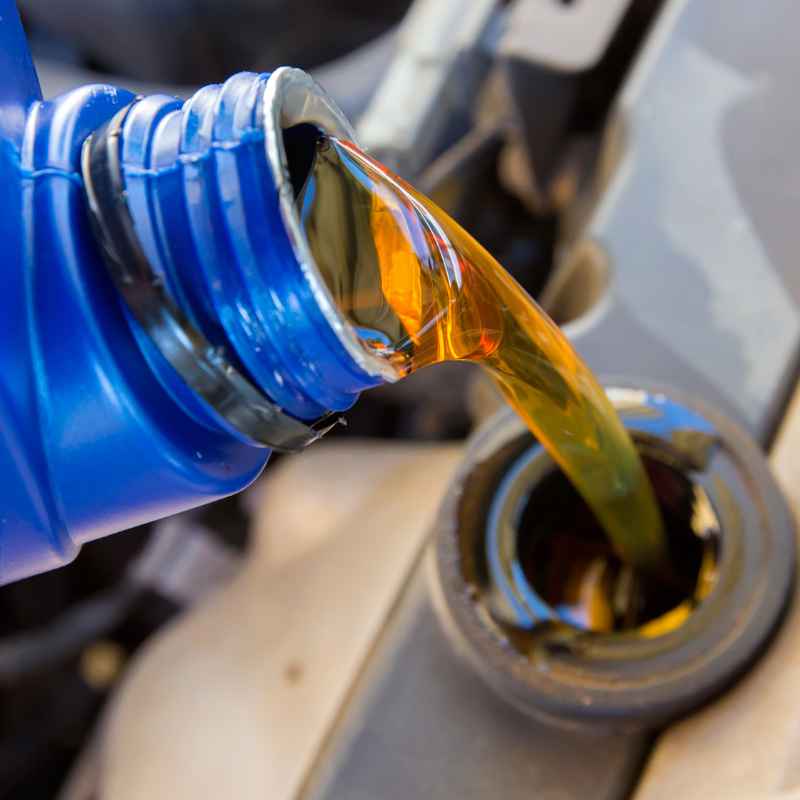
- Dark Color: While oil naturally darkens with use, excessively black or opaque oil can be a sign of heavy contamination or breakdown.
- Gritty Texture: If you can feel grit between your fingers when you rub a tiny bit of oil, it’s full of harmful particles.
- Burnt Smell: Overheated or degraded oil can smell burnt.
- Sludgy or Gummy: Oil that looks thick, sticky, or like sludge has likely broken down.
- Water Contamination: Sometimes you might see a milky or foamy appearance, indicating water mixed in.
If you notice any of these signs, it’s a strong indicator that the oil needs to be changed. Don’t risk starting the engine with bad oil.
When to Worry: What’s the Threshold?
When is it definitely time to change the oil? If your car has been sitting for over a year, you should seriously consider changing the oil. This is especially true if you don’t know the car’s history or if it wasn’t stored perfectly.
If the car has been sitting for several years without the oil being changed, it’s absolutely essential to replace it. The oil will have degraded significantly. It’s better to spend a little on an oil change than to face costly engine repairs.
What About Oil Sitting in a Bottle?
This is slightly different. Unopened, sealed bottles of engine oil can last quite a long time. Most manufacturers say they are good for about 4-5 years.
Once opened, the oil is exposed to air and moisture, so its shelf life decreases.
If you have a bottle of oil that’s been in your garage for a while, check the date on the bottle if you can. If it’s more than 5 years old, especially if the seal is broken or it looks cloudy, it’s best to get fresh oil.
Checking Your Car’s Oil
Learning to check your car’s oil is a simple but important skill. It helps you keep an eye on its health.
Simple Oil Check Steps
- Park on Level Ground: Make sure your car is on a flat surface.
- Engine Cool: Let the engine cool down for at least 10-15 minutes.
- Locate Dipstick: Find the oil dipstick. It usually has a brightly colored handle.
- Pull and Wipe: Pull the dipstick all the way out. Wipe it clean with a cloth or paper towel.
- Reinsert Dipstick: Push the dipstick all the way back in.
- Pull and Check Level: Pull it out again. Look at the oil level. There are usually markings for “add” and “full.”
- Examine Oil: Look at the color and texture of the oil on the dipstick. See our signs above.
If the oil level is low, you might need to add some. If the oil looks or feels bad, it’s time for a change, especially if the car has been sitting.
Real-World Scenarios
Let’s look at some common situations where this question comes up.
The Weekend Warrior Car
This is a car that’s driven only on weekends or for short trips. Even if it’s driven regularly, the oil might not always get hot enough to burn off all the moisture that builds up. This can lead to faster oil degradation.
For these cars, sticking to the manufacturer’s recommended oil change interval is best. Don’t just go by mileage; consider time too. If it’s been over a year since the last change, get it done.
The Car in Long-Term Storage
This is a car that’s parked for months or even years. As we’ve discussed, oil left sitting can still degrade. Before trying to start and drive a car that’s been in storage, always change the oil and filter.
Also, consider flushing the engine if it’s been stored for a very long time. This helps remove any sludge or buildup that might have formed.
A good practice for long-term storage is to drain the oil. Then, refill with fresh oil and a new filter before you plan to drive it again. This ensures the engine is protected from the start.
The Classic Car or Project Car
These cars are often driven infrequently. They might sit for long spells. For these vehicles, regular oil changes are crucial, even with low mileage.
Some owners of classic cars prefer to use specific oil formulas designed for older engines. These often contain higher levels of zinc, which helps protect flat-tappet camshafts.
Even with the right oil, if a classic car sits for over a year, a new oil and filter change is a wise investment before firing it up.
What This Means for Your Car
Knowing how long oil can sit is important for car owners. It helps you make smart choices about maintenance.
When It’s Normal for Oil to Sit
It’s normal for oil to sit in the engine whenever your car is parked. This includes overnight, during work, or on weekends. The oil is in a resting state.
However, if “sitting” means months or a year or more without being driven, that’s when you need to pay attention to its condition.
When to Consider an Oil Change
- Over 1 Year of Sitting: If your car has been parked for more than a year, change the oil and filter.
- Visible Signs of Degradation: If the oil looks dark, gritty, sludgy, or smells burnt.
- Long-Term Storage Preparations: Draining and refilling with fresh oil before putting a car into long-term storage, or before taking it out.
- Unknown Oil History: If you bought a used car and don’t know when the oil was last changed, it’s wise to do it soon, especially if it sat before you bought it.
Simple Checks You Can Do
The most important check is the dipstick. Regular visual inspection tells you a lot. If you’re unsure, take it to a mechanic.
They can check the oil’s condition and recommend if a change is needed.
Quick Tips for Oil Longevity
Here are some easy ways to help your engine oil last longer, whether the car is driven or parked.
Oil Care Tips
Drive Regularly: Even short drives help. They get the engine hot enough to burn off moisture. Aim for at least a 20-minute drive once a month.
Use Quality Oil: Synthetic oils generally last longer and offer better protection.
Store Properly: If you must park a car for a long time, store it in a cool, dry place. Cover it to protect from dust and elements.
Change Oil on Schedule: Follow your car manufacturer’s recommendations for oil changes, considering both time and mileage.
Check for Leaks: Oil leaks can expose fresh oil to the elements, leading to faster breakdown.
Frequent Questions
How often should I change the oil in a car that sits most of the time?
Even if a car doesn’t get driven much, oil still degrades. It’s best to change the oil and filter at least once a year, regardless of mileage. This ensures the oil is fresh and protective.
Can I use old oil in my engine if it’s still a year old?
If the oil is a year old and the car hasn’t been driven, it might be okay. However, always check the oil’s appearance and smell. If it looks dark, gritty, or smells burnt, it’s time for a change.
Does starting an engine briefly help oil stay good?
Starting an engine for just a few minutes can actually do more harm than good. It doesn’t get the engine hot enough to burn off moisture. This can lead to more condensation in the oil.
It’s better to drive it for at least 20 minutes if you start it.
What happens if I drive my car with old oil?
Driving with old, degraded oil can lead to increased engine wear. The oil can’t lubricate and protect as it should. This can cause parts to rub together, leading to damage, overheating, and eventually, costly repairs.
Is there a way to test the health of my engine oil?
Yes, you can send oil samples to a lab for analysis. This can tell you about wear metals, contamination levels, and how much life is left in the oil’s additives. For most car owners, visual checks and following a yearly change schedule are sufficient.
Can moisture in the oil cause rust inside the engine?
Yes, moisture is a primary cause of rust in an engine. When water mixes with oil, it can sit on metal surfaces and start the rusting process. This is why it’s important to have oil that can handle and repel moisture, which it loses as it ages.
Conclusion
Engine oil is vital for your car’s health. It’s not invincible. Even when a car sits still, time, moisture, and air work to break down the oil.
A general rule is that oil can sit in an engine for about one year before you should consider changing it. Always trust your senses – look, smell, and feel the oil if you’re unsure. Regular checks and timely changes are the best ways to keep your engine protected and running smoothly for years to come.
Products related to this article
Sponsored / affiliate links. As an Amazon Associate I earn from qualifying purchases. I may earn additional commission from eligible campaigns.
 ECOGARD X10023 Cartridge Engine Oil Filter for Conventional Oil - Premium Replacement | Fits 2018-2023 Volkswagen Atlas 3.6L; 2020-2023 Atlas Cross Sport 3.6L
 ECOGARD X10040 Cartridge Engine Oil Filter for Conventional Oil - Premium Replacement | Fits 2011-2026 Jeep Grand Cherokee, Dodge Durango 3.6L; 2012-2026 Wrangler 3.6L; 2014-2022 Cherokee 3.2L