How Often Should You Top Up Car Engine Oil for Peak Performance
How Often Should You Top Up Car Engine Oil
Many car owners know that engine oil is important, but not everyone is sure how often they should top it up. Some people wait for a warning light, while others check the oil every week. The truth is, there is no single answer that fits every car and situation. If you want your vehicle to last longer, run better, and avoid expensive repairs, understanding engine oil top-up frequency is essential.
This guide explains the factors that decide how often you should top up oil, the right way to check oil level, why oil matters, and tips to avoid mistakes. You will also learn about warning signs, myths, and real-world examples that help you make smarter decisions about engine care.
Why Engine Oil Matters So Much
Engine oil is not just a lubricant. It does several jobs at once:
- Reduces friction so engine parts move smoothly.
- Cools engine components by carrying away heat.
- Cleans by picking up dirt and tiny metal particles.
- Seals gaps between pistons and cylinders.
- Protects against corrosion inside the engine.
If the oil level is too low, these functions are weakened. The engine works harder, heats up faster, and parts wear out sooner. In the worst case, running with too little oil can destroy the engine completely.
How To Check Engine Oil Level Correctly
Topping up at the right time starts with knowing the current oil level. Checking oil is simple, but many people do it wrong. Here’s the correct way:
- Park on a level surface. This gives an accurate reading.
- Turn off the engine and wait at least 5 minutes so oil settles in the pan.
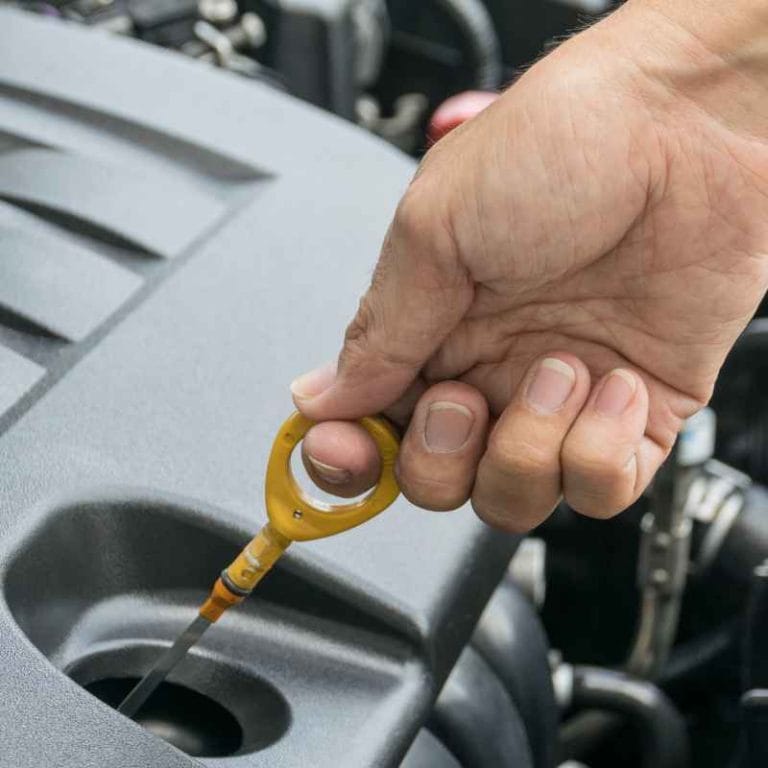
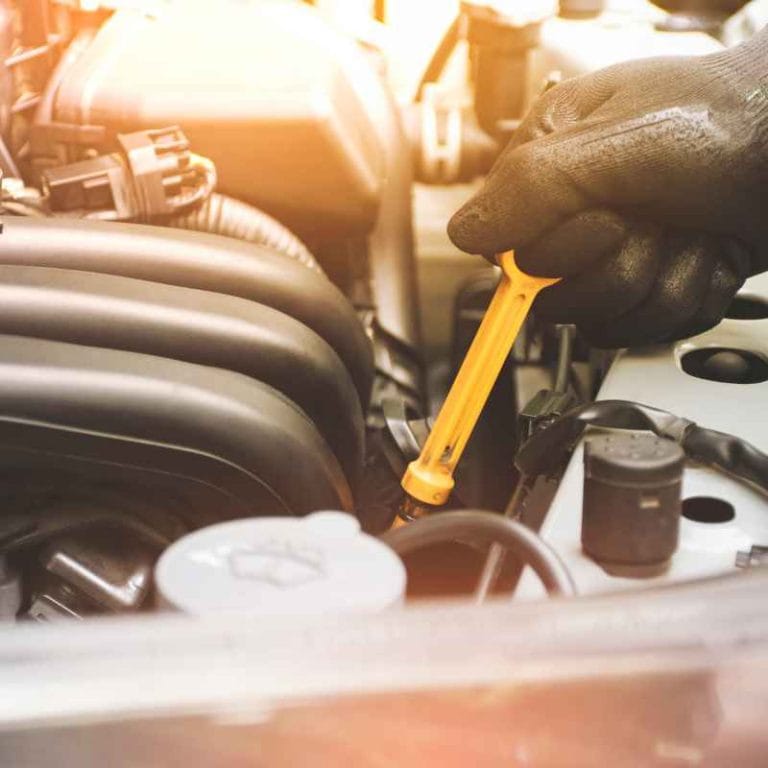
- Open the hood and find the oil dipstick (usually a yellow or orange handle).
- Pull out the dipstick and wipe it clean with a rag.
- Reinsert fully, then pull out again. Check where the oil film ends between the “MIN” and “MAX” marks.
- Look at the oil color and smell. Healthy oil is amber or light brown and does not smell burnt.
If the oil is near or below the “MIN” mark, you should top up. If it’s between “MIN” and “MAX,” topping up is not urgent but may be wise if a long trip is ahead.
Non-obvious insight: Some modern cars do not have a dipstick at all. They use electronic sensors. In these cars, check the oil level from the dashboard menu.
How Often Should You Top Up Engine Oil? Key Factors
There is no “one-size-fits-all” answer. The right interval depends on several things:
1. Car Make, Model, And Age
- Newer cars (less than 5 years old) often need oil top-up only at service intervals.
- Older cars (over 10 years) may need topping up every 1,000–2,000 km, especially if they burn or leak oil.
- High-performance or luxury cars sometimes use oil faster than normal cars.
2. Engine Type
- Turbocharged engines and sports engines often burn oil faster.
- Diesel engines sometimes consume less oil but can also leak if seals wear out.
3. Driving Conditions
- Short trips (under 8 km) cause more oil contamination, needing top-up sooner.
- Stop-and-go traffic and hot climates can speed up oil use.
- High-speed highway driving burns oil faster due to higher RPM.
4. Oil Quality And Type
- Synthetic oils last longer and evaporate less than mineral oils.
- Cheap, low-quality oils break down faster and may need more frequent top-ups.
5. Mileage And Oil Change Interval
- If you drive more than 1,000 km per month, check oil every two weeks.
- If your car’s oil change interval is 10,000 km or 1 year, check at least every month in between.
6. Oil Leaks Or Burning
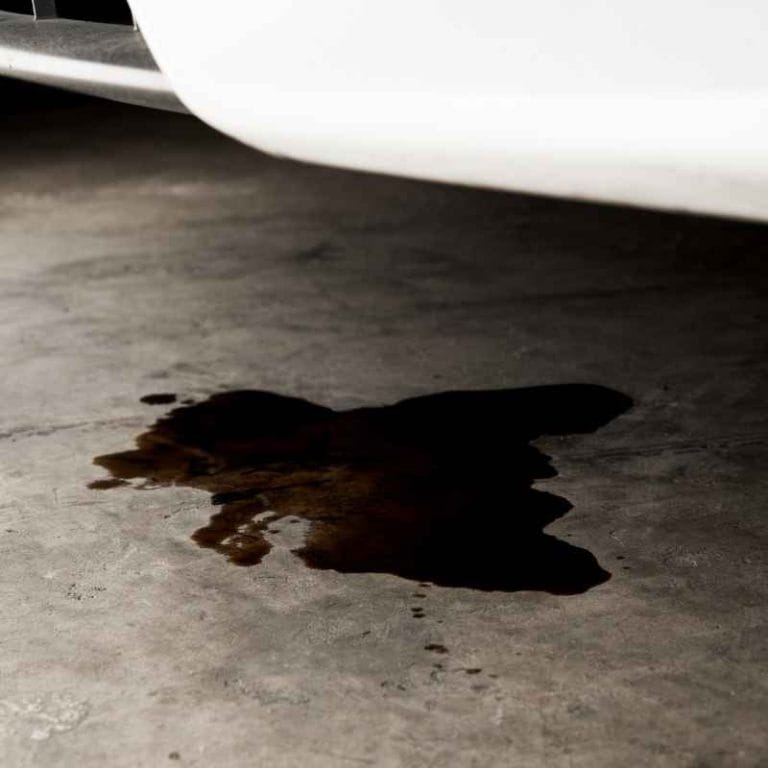
- If you see oil stains under your car, check oil weekly.
- Blue smoke from the exhaust means your engine is burning oil—top up and get repairs soon.
Practical tip: Always check the owner’s manual. Some cars have special needs for oil types and maintenance schedules.
Typical Oil Top-up Frequency For Different Cars
The following table shows average oil top-up intervals for different types of vehicles. These are estimates—always check your car’s manual.
| Car Type | Age | Average Top-Up Frequency |
|---|---|---|
| Modern Compact (e.g., Toyota Corolla) | 0-5 years | Every 6,000–10,000 km |
| Luxury Sedan (e.g., BMW 5 Series) | 0-5 years | Every 5,000–8,000 km |
| Older Economy Car | 10+ years | Every 1,000–2,000 km |
| SUV/Truck | Any | Every 5,000–8,000 km |
| Performance Sports Car | Any | Every 3,000–5,000 km |
Non-obvious insight: Even if your car does not burn oil, small leaks or evaporation can slowly lower the level over time, especially in hot climates.
Signs That Your Car Needs An Oil Top-up
Watching for warning signs is as important as following a schedule. Here are key signs your engine oil is low:
- Oil warning light appears on the dashboard.
- Engine noise becomes louder—tapping or knocking sounds.
- Oil pressure gauge (if equipped) shows low pressure.
- Burning smell from the engine area.
- Engine feels hotter than usual or the temperature gauge rises.
- Visible smoke (blue or white) from the exhaust.
- Rough idling or poor acceleration.
If you notice any of these, check the oil level as soon as possible.
How Much Oil Should You Add When Topping Up?
Adding too much oil can harm the engine, just as too little can. Here’s how to add the right amount:
- Check the dipstick to see how much oil is needed. The distance between “MIN” and “MAX” marks is usually about 1 liter.
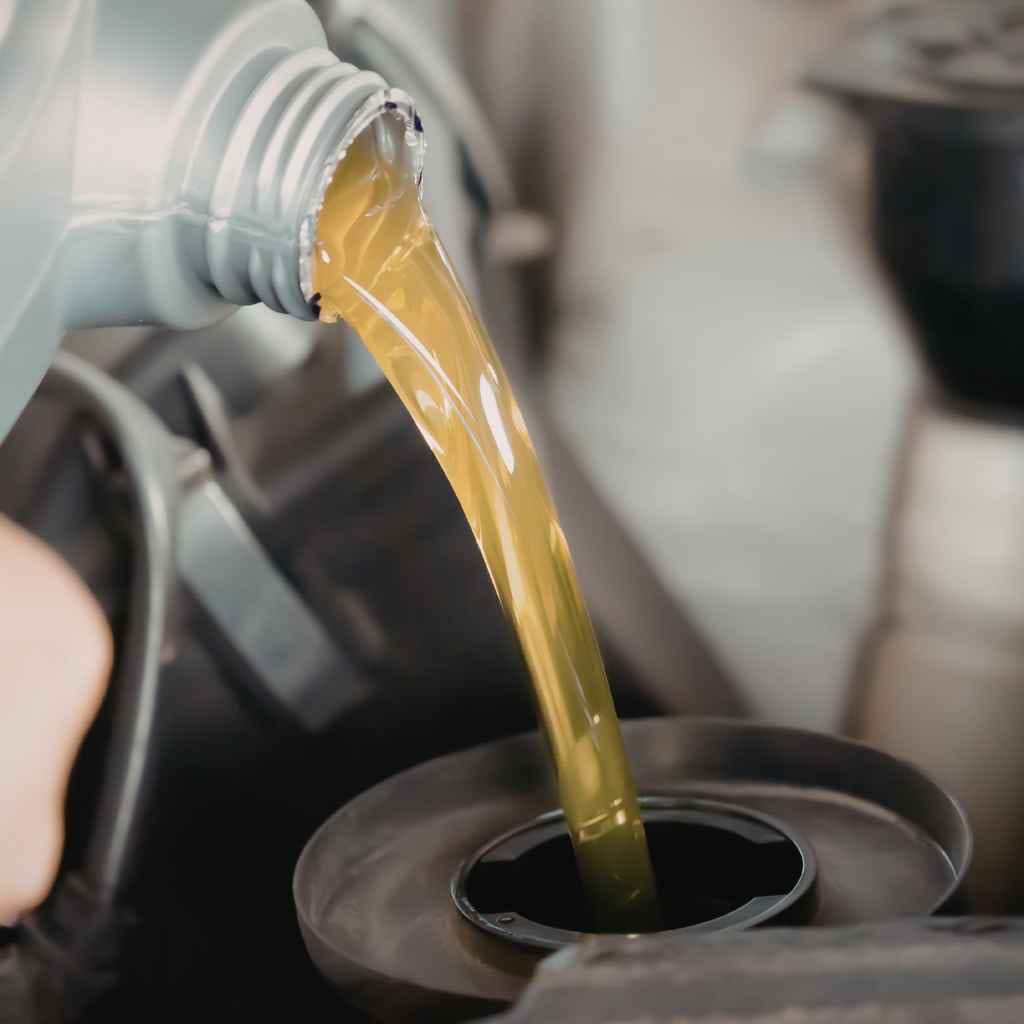
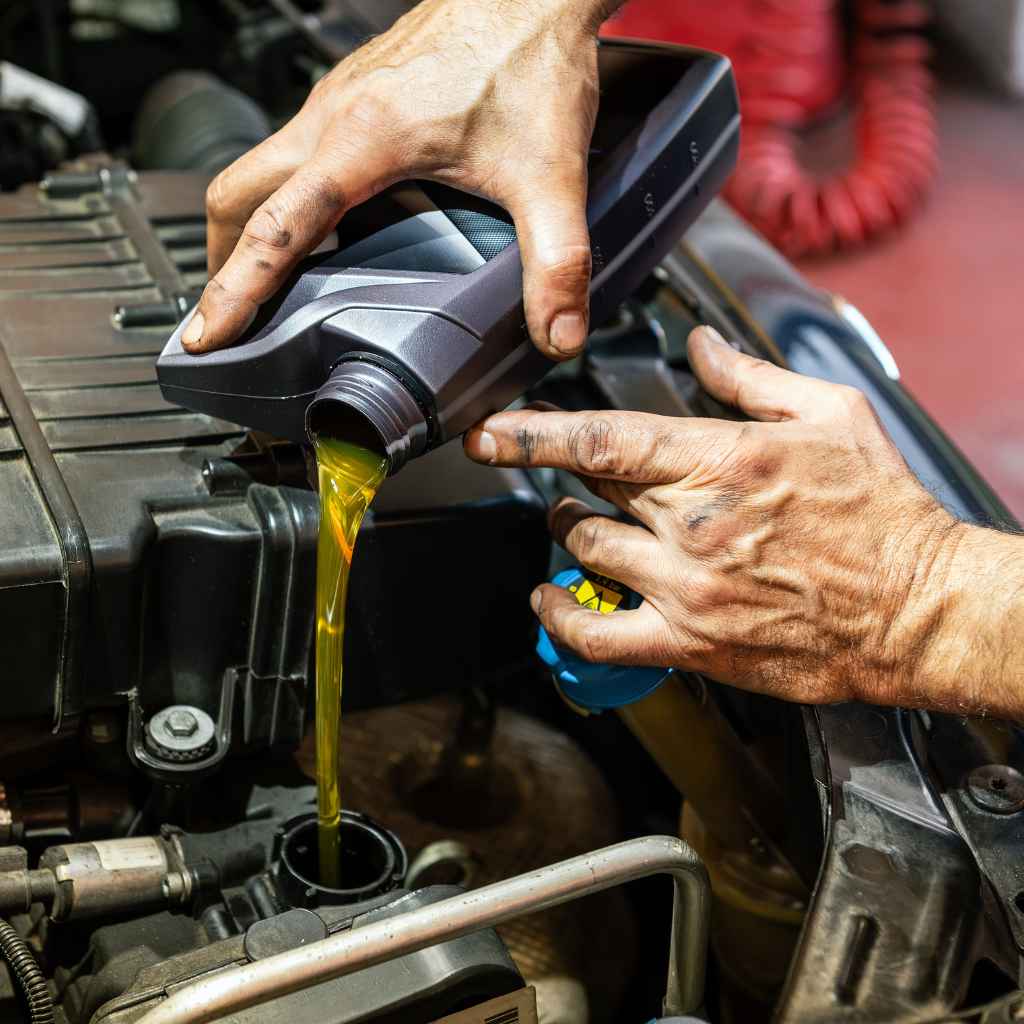
- Pour oil slowly, a bit at a time. Check the level after each pour.
- Stop once the oil is close to the “MAX” mark. Do not overfill.
Pro tip: Use a funnel to avoid spills. Wipe any excess oil off the engine after topping up.
Risks Of Not Topping Up Engine Oil
Ignoring oil top-ups can lead to several problems:
- Engine wear increases due to friction.
- Overheating is more likely, especially in hot weather.
- Sludge build-up can block oil passages.
- Expensive repairs if the engine seizes (stops working due to lack of oil).
According to the Automobile Association, running with low oil is one of the top reasons for engine failure.
Overfilling: Why Too Much Oil Is Also Bad
Some drivers think more oil is always better. But overfilling the engine can cause:
- Foaming: The crankshaft whips the oil into foam, which does not lubricate well.
- Leaks: Extra pressure can force oil past seals and gaskets.
- Catalytic converter damage if oil enters the exhaust system.
If you accidentally add too much oil, drain the excess as soon as possible.
Oil Top-up Vs. Oil Change: Know The Difference
Topping up oil is not a substitute for changing it. Here’s why:
- Topping up only adds fresh oil to old, dirty oil. Over time, the oil loses its ability to protect the engine.
- Changing oil removes old oil and contaminants. It is needed even if you keep topping up.
Changing oil on schedule keeps your engine running smoothly and can add years to its life.
Best Practices For Checking And Topping Up Oil
Following these steps will help you avoid mistakes and keep your engine healthy:
- Check oil regularly: At least once a month, more often for older cars or hard driving.
- Use the right oil: Follow the type and grade recommended in your car’s manual.
- Top up slowly: Add oil in small amounts, checking the dipstick each time.
- Keep records: Note when you top up or change oil. This helps spot patterns or problems.
- Store oil safely: Keep a spare bottle of the correct oil in your car’s trunk for emergencies.
Myths And Misconceptions About Engine Oil Top-ups
Let’s clear up some common myths:
- Myth: If oil looks clean, you don’t need to check the level.
- Fact: Oil can look clean but still be too low to protect your engine.
- Myth: Synthetic oil never needs topping up.
- Fact: All oils evaporate or leak over time, even synthetics.
- Myth: You only need to top up if the warning light comes on.
- Fact: The warning light means the oil is already dangerously low.
Non-obvious insight: Some engines naturally “consume” small amounts of oil even when new. This is normal and not a sign of failure if it is within the limits given by the manufacturer.
Real-world Examples: When To Top Up
Let’s look at some situations:
- Daily commuter: Drives 30 km to work, mostly highway. Car is 3 years old. Checks oil every month, tops up once between oil changes.
- City driver: Old car, many short trips. Needs to check oil every 1–2 weeks and often tops up every 1,500 km.
- Hot climate driver: Lives in a warm area. Checks oil more often in summer, as heat speeds up oil loss.
- Performance car owner: Drives fast and often. Checks oil before every long drive or track day.
Oil Consumption: What’s Normal?
All engines use a little oil as they run. But how much is normal?
| Engine Age | Acceptable Oil Use (per 1,000 km) | Action Needed |
|---|---|---|
| New (0-5 years) | 0.1–0.3 liters | Check at every fuel fill-up |
| Mid-life (5-10 years) | 0.2–0.5 liters | Check every 2 weeks |
| Old (10+ years) | 0.5–1.0 liters or more | Check weekly |
If you need to add more than 1 liter per 1,000 km, ask a mechanic to check for leaks or engine problems.
Special Cases: When To Check Oil More Often
There are times when you should be extra careful:
- Before long trips: Always check oil before driving a long distance.
- After hard driving: Racing, towing, or mountain driving can burn oil faster.
- When buying a used car: Check oil right away and keep watching it for the first few months.
- After engine repairs: Mechanics may forget to fill oil fully or leaks may develop.
What Type Of Oil Should You Use For Top-ups?
Not all oils are the same. Use oil with the right viscosity (thickness) and specification for your car.
- Look for numbers like 5W-30 or 10W-40—these describe how the oil flows at hot and cold temperatures.
- Check for certifications on the bottle (API, ACEA, or manufacturer-specific).
- Mixing different brands is usually safe in an emergency, but try to use the same type and brand for best results.
Pro tip: If you are unsure, ask at your dealership or check this guide to motor oils.
How Weather And Climate Affect Oil Top-ups
- Hot climates: Oil thins out and evaporates faster, so check more often.
- Cold climates: Oil can thicken and flow slowly, but less evaporates. Still, check for leaks due to shrinking seals.
- Seasonal changes: If you switch between winter and summer oil grades, double-check after each oil change.
Non-obvious insight: Parking outside in very hot or cold weather can change oil condition faster than you expect.
Preventing Oil Loss: Practical Tips
To keep oil levels stable and avoid topping up too often:
- Fix leaks quickly, even small drips.
- Use the recommended oil type—wrong viscosity can burn or leak faster.
- Avoid over-revving and harsh driving.
- Replace old gaskets and seals as the car ages.
- Clean or replace PCV valves—these control engine pressure and oil use.
Understanding Your Owner’s Manual
Your car’s owner’s manual is the best place to find specific advice. It tells you:
- Recommended oil type and grade
- Oil change intervals
- Special notes for extreme driving or climate
Do not rely only on general advice. Each engine is different.
Engine Oil Top-up: Quick Reference Table
Here’s a summary of when and how often to top up based on key factors:
| Situation | How Often to Top Up | Notes |
|---|---|---|
| Modern, healthy engine | Every 6,000–10,000 km (or at service) | Check monthly |
| Older engine, minor leaks | Every 1,000–2,000 km | Check weekly |
| Hard driving (racing, towing) | After each event | Check before and after |
| Before long trips | Always top up if below “MAX” | Carry spare oil |
| Warning light on | Immediately | Check for leaks or burning |
Final Thoughts: Keeping Your Engine Healthy
Topping up engine oil may seem simple, but it is one of the most important tasks for car care. By understanding your car’s needs, checking oil correctly, and responding to early warning signs, you can avoid breakdowns and save money on repairs. Remember: a little attention now can prevent big problems later. Always use the right oil, follow your manual, and never ignore changes in oil level or quality. Whether your car is new or old, a healthy oil routine is the foundation for a long-lasting engine.
Frequently Asked Questions
How Do I Know If My Car Needs An Oil Top-up?
Check your oil level using the dipstick or electronic monitor. If the oil is near or below the “MIN” mark, it’s time to top up. Warning lights, engine noise, or a burning smell are also clear signs to check and add oil.
Can I Top Up With A Different Brand Or Type Of Oil?
If you are in an emergency, it’s usually safe to mix brands as long as the viscosity (like 5W-30) is the same. Try not to mix synthetic and mineral oils unless your manual says it’s allowed. For best results, use the same type and brand for all top-ups.
How Much Oil Should I Add When Topping Up?
Usually, the distance between the “MIN” and “MAX” marks on the dipstick equals about 1 liter. Add oil slowly, checking the level after each pour, and stop when near “MAX. ” Do not overfill.
What Happens If I Never Check Or Top Up The Oil?
Ignoring oil levels can lead to increased engine wear, overheating, sludge build-up, and even total engine failure. Regular checks and timely top-ups are key to avoiding costly repairs.
Is It Bad To Top Up Oil Too Often?
No, topping up when needed is not bad. But if you need to add oil often (more than 1 liter per 1,000 km), your engine may have a leak or be burning oil. Get a mechanic to check for problems if oil use is high.
Products related to this article
Sponsored / affiliate links. As an Amazon Associate I earn from qualifying purchases. I may earn additional commission from eligible campaigns.