How Long Does Car Engine Oil Really Last? (The Truth)
The actual lifespan of car engine oil varies greatly. It depends on the oil type, driving conditions, and vehicle age. While old rules suggested 3,000 miles, modern oils and cars often last much longer. Always check your owner’s manual and pay attention to your car’s signals.
Understanding Your Engine Oil’s Job
Think of your engine oil as the unsung hero under your car’s hood. It has a tough job. First, it keeps things moving. Metal parts inside your engine rub together constantly. Oil creates a thin film between them. This film stops them from grinding against each other. Without it, friction would cause massive damage. It would be like trying to slide two dry pieces of sandpaper together, over and over, at high speed. That’s how hot and damaged things would get, very quickly.
But oil does more than just lubricate. It also helps keep your engine clean. As parts move, they create tiny bits of metal and carbon. These bits can build up. Oil picks up this dirt. It carries it to the oil filter. The filter then traps these particles. This stops them from gunking up your engine. Imagine a tiny vacuum cleaner working all the time, but it’s your oil doing the work.
Another crucial role is cooling. While your car has a radiator for cooling, the oil also helps. It flows through hot engine parts. It carries some of that heat away. Then, it goes back to the oil pan. Here, it can cool down slightly before going back to work. So, it’s a cooling system helper, too. It’s constantly on the move, doing its best to keep everything at a good temperature.
Finally, oil helps protect against rust and corrosion. Metal parts can react with air and moisture. This can lead to rust. The oil coating forms a barrier. This barrier stops rust from starting. It keeps the shiny metal parts looking shiny and strong. This is especially important in humid climates or if your car sits for a while.
The Many Hats of Engine Oil
- Lubrication: Reduces friction between moving engine parts.
- Cleaning: Picks up dirt and metal bits, carrying them to the filter.
- Cooling: Helps carry heat away from hot engine components.
- Protection: Prevents rust and corrosion on metal surfaces.
Why the “3,000-Mile Rule” Is Outdated
If you’ve been driving for a while, you’ve likely heard the 3,000-mile rule. It’s a mantra many drivers learned from their parents or from older mechanics. “Change your oil every 3,000 miles, no exceptions!” This rule was king for a long time. It was born in a different era of cars and engine oils.
Back then, engine oils were much simpler. They didn’t have the advanced additive packages we see today. Cars were also built with looser tolerances. This meant more dirt and wear particles were generated. Plus, many cars from that time didn’t have oil filters, or they were very basic. So, the oil got dirty much faster. Changing it frequently was a good way to prevent serious engine problems.
However, cars and oil have come a long way. Modern engines are built with much tighter precision. They run hotter and cleaner. Engine oil technology has also advanced dramatically. We now have synthetic oils. We also have blends and conventional oils with sophisticated additive packages. These additives help oil resist breaking down. They keep it cleaner for longer. They provide better protection even under tough conditions.
Because of these advancements, most modern cars can go much longer than 3,000 miles between oil changes. Sticking to that old rule can actually be a waste of money and resources. You might be changing your oil more often than your car actually needs it. This isn’t necessarily harmful, but it’s not efficient. It means more used oil to dispose of, too.
Old Rule vs. New Reality
The Old 3,000-Mile Rule
Based on older car technology and simpler oil formulas. Kept engines clean but was often unnecessary for modern vehicles.
Modern Oil Change Intervals
Often 5,000 to 10,000 miles or more. Based on advanced oil tech, tighter engine tolerances, and manufacturer testing.
Factors That Actually Affect Oil Lifespan
So, if it’s not just mileage, what does matter? Several factors play a big role in how long your engine oil stays good. Think about it like this: when you work out, how much you sweat and how tired you get depends on the type of workout and how hard you push yourself. Your car’s oil is similar.
The first big factor is the type of oil you use. This is super important. We have a few main types:
- Conventional Oil: This is the most basic type. It’s refined from petroleum. It works well for many older cars or less demanding driving. It tends to break down faster than other types.
- Synthetic Blend Oil: This is a mix of conventional and synthetic oils. It offers better protection and performance than conventional oil alone. It’s a good middle ground for many drivers.
- Full Synthetic Oil: This is the top-tier option. It’s engineered in a lab. It offers the best protection, performance, and resistance to extreme temperatures. It also lasts the longest. If you have a newer car or drive in tough conditions, synthetic is often recommended.
Next, consider your driving habits and conditions. This is a huge one. Are you mostly driving on highways? Or are you making a lot of short trips? Short trips are hard on oil. This is because the engine doesn’t get fully warmed up. When an engine is cold, moisture and fuel byproducts can build up in the oil. They don’t get a chance to burn off. This is called “sludge.” It thickens the oil and makes it less effective. Frequent stop-and-go traffic is also tough. It puts more stress on the engine and oil.
Driving in extreme temperatures also matters. Very hot weather can make oil break down faster. It can get too thin. Very cold weather can make oil thicker. This makes it harder for the engine to start. It also means less oil is circulating at first. If you live somewhere with very hot summers or very cold winters, this can impact your oil’s life.
The age and condition of your vehicle also play a part. Older engines might have more wear. They might leak a little or have other issues. These can affect how oil performs. If your engine is burning oil, you’ll need to top it up more often. The oil might also get dirty faster. Newer cars are often designed with oil life monitoring systems. These systems take many factors into account.
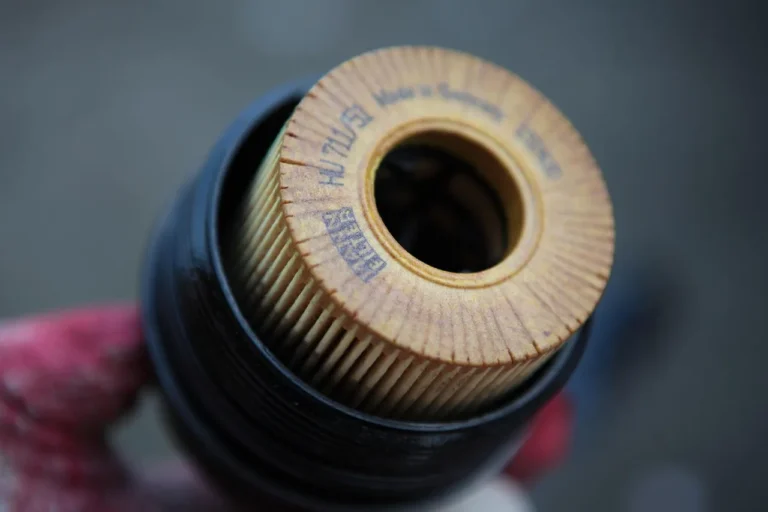
And, of course, the quality of the oil filter matters. The oil filter cleans the oil. If the filter is old or clogged, it can’t do its job well. It might even bypass the dirty oil. Always change your oil filter when you change your oil. It’s a small part that makes a big difference.
Key Oil Lifespan Factors
Engine Type & Age: Newer engines often have longer intervals. Older engines may need more frequent changes.
Oil Type: Full synthetic oils last longer than conventional or blend oils.
Driving Conditions: Short trips, stop-and-go traffic, and extreme temperatures reduce oil life.
Vehicle Maintenance: Regular filter changes and proper top-offs are vital.
Oil Quality: Using a high-quality oil that meets your car’s specifications is crucial.
When Your Owner’s Manual Becomes Your Best Friend
If you’re feeling overwhelmed by all these factors, take a deep breath. There’s one place that has the definitive answer for your car. It’s your car’s owner’s manual. I can’t stress this enough. Car manufacturers spend millions testing their vehicles. They figure out the best maintenance schedule for each model. This includes the recommended oil type and change intervals.
Your owner’s manual will tell you exactly what kind of oil your car needs. It will specify the weight (like 5W-30) and the API service classification. This is critical. Using the wrong type of oil can cause problems. It might not lubricate correctly. It could even damage your engine over time. Always use the oil recommended by the manufacturer.
More importantly, it will give you a recommended mileage or time interval for oil changes. This interval is usually a range. It often lists two different schedules. One is for “normal” driving. The other is for “severe” or “special operating conditions.” It’s really important to know which one applies to you. Most people actually fall under the “severe” conditions category without realizing it.
What counts as severe driving? As we mentioned, frequent short trips where the engine doesn’t fully warm up. Driving in dusty or dirty conditions. Towing a trailer. Driving in extreme heat or cold. Frequent idling. Driving in heavy traffic with lots of stopping and starting. If you do any of these things regularly, you should follow the severe service schedule. This might mean changing your oil sooner than the “normal” schedule.
Some newer cars have what’s called an Oil Life Monitoring System (OLMS). This system is pretty smart. It doesn’t just go by mileage. It uses sensors and algorithms to track your actual driving conditions. It calculates how much life is left in your oil. It will then tell you when it’s time to change it. Often, it will display a percentage or a “change oil soon” message. This system is usually quite accurate, but it’s still good to understand the manual’s guidelines.
Your Car’s Manual: The Ultimate Guide
Why it matters: Manufacturers test extensively to find the best oil and intervals for your specific model.
What to look for:
- Recommended Oil Type: Viscosity (e.g., 5W-30) and specifications (e.g., API SN, ILSAC GF-6).
- Normal vs. Severe Service Schedule: Understand which applies to your driving.
- Time Intervals: Most manuals also specify a time limit (e.g., 6 months or 1 year), even if mileage isn’t reached.
What Happens When Oil Gets Old?
Engine oil doesn’t last forever. Over time, it degrades. It loses its ability to do its job effectively. This degradation happens because of heat, oxidation, and contamination. Think of it like food left out too long. It spoils and becomes unsafe to eat. Old oil spoils the engine.
One of the first things that happens is oxidation. Heat and air cause oil molecules to break down. This leads to the formation of sludge and varnish. Sludge is like thick mud. Varnish is a sticky, hard deposit. These build up on engine parts. They block oil passages. This stops oil from reaching critical areas. Imagine trying to pour syrup through a straw that’s half-blocked. That’s what’s happening inside your engine.
Another issue is contamination. As oil circulates, it picks up debris. This includes metal shavings from wear, dirt from the air intake, and unburned fuel. Water and combustion byproducts can also get into the oil. These contaminants make the oil thicker and abrasive. They act like sandpaper against your engine parts. They increase wear and tear.
The additives in the oil also get used up. Oils contain special chemicals. These help with cleaning, preventing foaming, fighting corrosion, and reducing wear. Over time, these additives are consumed. They can’t do their job anymore. This leaves the base oil to struggle on its own. The oil loses its protective qualities.
When oil gets old and stops working, the consequences can be serious. The most obvious is increased friction. Without good lubrication, metal parts will grind against each other. This causes rapid wear. It can lead to engine noise, reduced performance, and eventually, complete engine failure. This is the most expensive kind of car repair.
Overheating is another risk. Old oil can’t carry heat away as well. It can also get too thin at high temperatures. This can cause engine temperatures to rise. If it gets too hot, it can lead to major damage, like warped cylinder heads or blown gaskets.
Finally, old oil can lead to corrosion and sludge buildup. The protective barrier breaks down. Moisture and acids can attack metal parts. Sludge can clog the oil pickup screen in the oil pan. This starves the engine of oil. It’s a recipe for disaster. So, while it might seem like a small thing, clean oil is crucial for a healthy engine.
Signs of Aging Oil
Color Change: Fresh oil is amber. Old oil gets dark brown or black.
Texture: If you rub a little old oil between your fingers, it might feel gritty or gritty.
Smell: Burnt or acrid smell indicates oil breakdown.
Thickness: Oil might become thicker (sludge) or thinner (worn out).
My Own “Uh Oh” Oil Change Moment
I remember this one time, years ago, with my old pickup truck. It was a beast, but it was also a bit neglected by the previous owner. I’d bought it cheap and was trying to keep it running. I was maybe in my early 20s, and money was tight. I’d sort of picked up the “change oil every 3,000 miles” rule like gospel.
So, I diligently changed the oil at 3,000 miles, every time. Except, one time, I got super busy. I was working late shifts, and my social life was… well, let’s just say it was demanding. I completely lost track of the mileage. I think I was a week or two away from a trip I really needed to take. My truck was my only way to get around.
I finally remembered the oil change. I glanced at the odometer. I was nearly 5,000 miles past the last change. My stomach dropped. I could almost hear my dad’s voice yelling about engine damage. I pictured the dark, sludgy oil, the worn-out parts, the cracked engine block. Panic set in.
I rushed to the auto parts store. I grabbed the cheapest conventional oil I could find and a filter. I scrambled under the truck, in my driveway, feeling the grit under my fingernails. When the old oil finally drained out, it was truly disgusting. It came out thick and black, like tar. There were little bits floating in it. It smelled burnt. It was a scary sight. I instantly regretted letting it go so long, even though I knew I’d been driving much more than usual.
After the change, the truck felt… different. It was quieter. Smoother. It was like the engine could finally breathe again. It was a harsh lesson, but a valuable one. It taught me that while modern oils are tough, they aren’t indestructible. And that ignoring your car’s needs, even out of busyness, can lead to bigger problems down the road. I learned to be more mindful and check my manual.
Modern Oil Technologies and Extended Life
Today’s engine oils are amazing pieces of engineering. They aren’t just simple lubricants anymore. They are complex chemical cocktails designed to handle extreme conditions and last much longer. This is why those longer oil change intervals are now common and safe for many vehicles.
Full synthetic oils are the stars here. They are made from highly refined base oils. These base oils have a very uniform molecular structure. This means they flow consistently across a wide range of temperatures. They don’t thin out too much when hot or thicken too much when cold. This consistent viscosity provides better protection.
Synthetic oils also contain advanced additive packages. These additives do a lot of heavy lifting:
- Detergents: Keep engine parts clean, preventing sludge and varnish.
- Dispersants: Suspend small particles in the oil, so they don’t clump together.
- Anti-wear agents: Form a protective layer on metal surfaces.
- Antioxidants: Slow down the oil’s degradation from heat and air.
- Friction modifiers: Further reduce friction for better fuel economy.
These additives are designed to last much longer. They can withstand higher temperatures and more stress than older formulas. This is why a good quality full synthetic oil can often go 10,000 miles or even more between changes. Some manufacturers are now recommending intervals of 15,000 miles or even a year, whichever comes first.
It’s also worth noting that many oils now meet specific industry standards. In the U.S., look for certifications from the American Petroleum Institute (API). Standards like API SP (the latest for gasoline engines) indicate high quality. Also, the International Lubricant Standardization and Approval Committee (ILSAC) provides standards, like ILSAC GF-6A. These standards ensure the oil meets the performance requirements for modern engines.
So, when your car’s manual recommends a longer interval, it’s usually because it’s designed to use these advanced oils. It’s not a trick to get you to skip maintenance. It’s a reflection of the improved technology in both cars and the fluids that keep them running.
Modern Oil Advancements
Full Synthetics: Engineered for superior performance and durability.
Advanced Additives: Detergents, dispersants, anti-wear agents, and more keep engines protected and clean.
Industry Standards: API and ILSAC certifications ensure quality and compatibility.
Extended Life: Allows for longer intervals between oil changes, saving time and money.
When To Worry: Signs Your Oil Needs Changing NOW
Even with modern oils, there are times when you just know it’s time. Your car will often give you clues. Ignoring these clues can lead to expensive repairs. It’s like ignoring a fever; it usually means something is wrong. Paying attention to these signals is a key part of smart car ownership.
The most obvious sign is your dashboard warning light. Most cars have an oil pressure light or an oil level light. If this light comes on, it means the oil pressure is too low. This is a serious problem. It could mean your oil level is critically low, or the oil has become too thin or broken down. You should stop driving your car as soon as it is safe to do so. Do not drive with this light on. Check your oil level immediately.
Listen to your engine noises. If you start hearing new sounds, like knocking, ticking, or grinding, it could be a sign of poor lubrication. Old, degraded oil can’t cushion the moving parts effectively. These sounds are your engine complaining. It’s telling you it’s not happy with the current situation. These noises often get worse if you continue to drive.
Pay attention to how your engine is performing. Has it lost power? Does it feel sluggish? Is your fuel economy suddenly worse? While these can be symptoms of many issues, degraded oil can contribute. It increases friction and drag. This makes the engine work harder and use more fuel. It also reduces its ability to perform at its best.
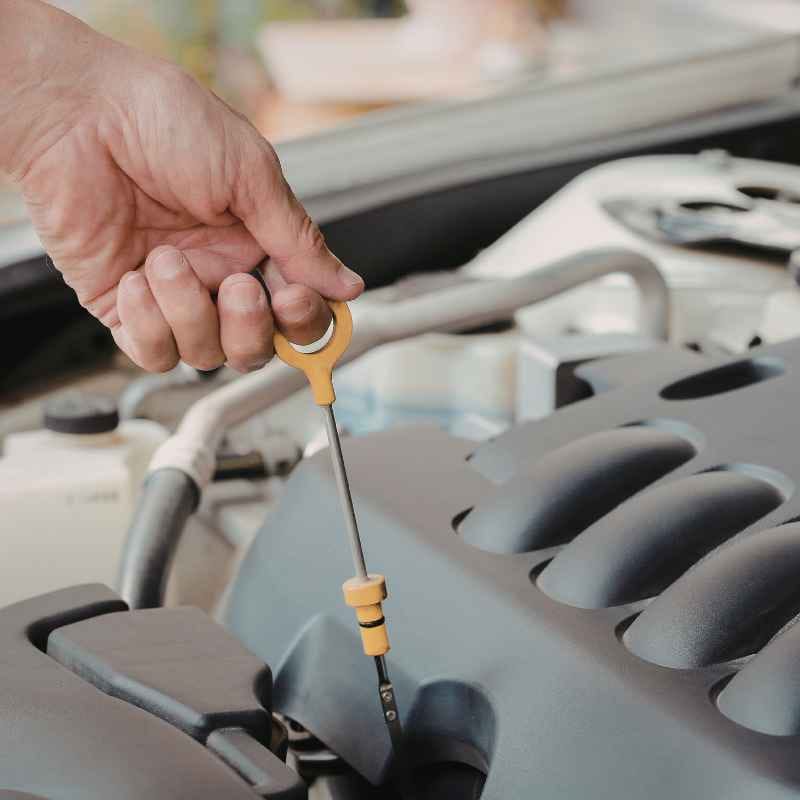
Check your oil dipstick. This is something you can easily do yourself. Pull out the dipstick. Wipe it clean. Reinsert it fully, then pull it out again. Look at the oil. Is it dark brown or black? Does it have a gritty feel? Does it smell burnt? These are all indicators that the oil is old and needs to be changed. If you see sludge, that’s a major red flag.
Also, check for leaks. If you notice oil spots under your car, you might have a leak. Even if the oil level seems okay, a leak means oil is escaping. This can lead to low oil pressure over time. It also means you’re losing the protective properties of the oil. You might need to get the leak fixed and change the oil.
Urgent Signs to Act On
Dashboard Warning Light: Oil pressure or level light means stop driving.
Unusual Engine Noises: Knocking, ticking, or grinding sounds are bad news.
Reduced Performance: Sluggish acceleration or poor fuel economy can be oil-related.
Dark or Gritty Oil: Visible signs on the dipstick that oil is no longer effective.
Oil Leaks: Spots under the car indicate a problem needing attention.
Simple Checks You Can Do At Home
You don’t need to be a mechanic to do some basic checks on your car’s oil. These checks can save you a lot of trouble and money. They help you catch problems early. They also help you stay on top of your maintenance schedule. It only takes a few minutes. Making it a habit is one of the best things you can do for your car.
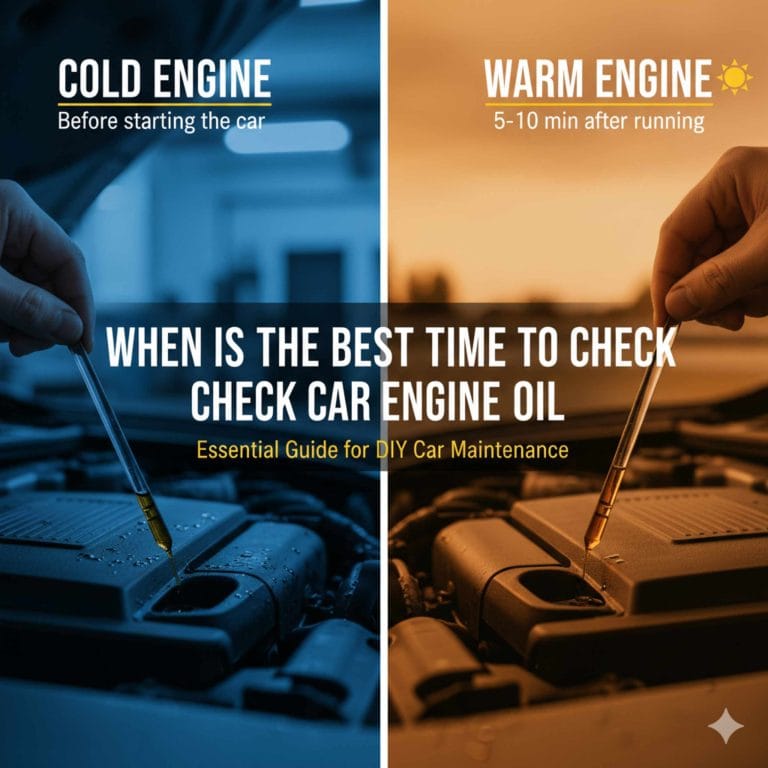
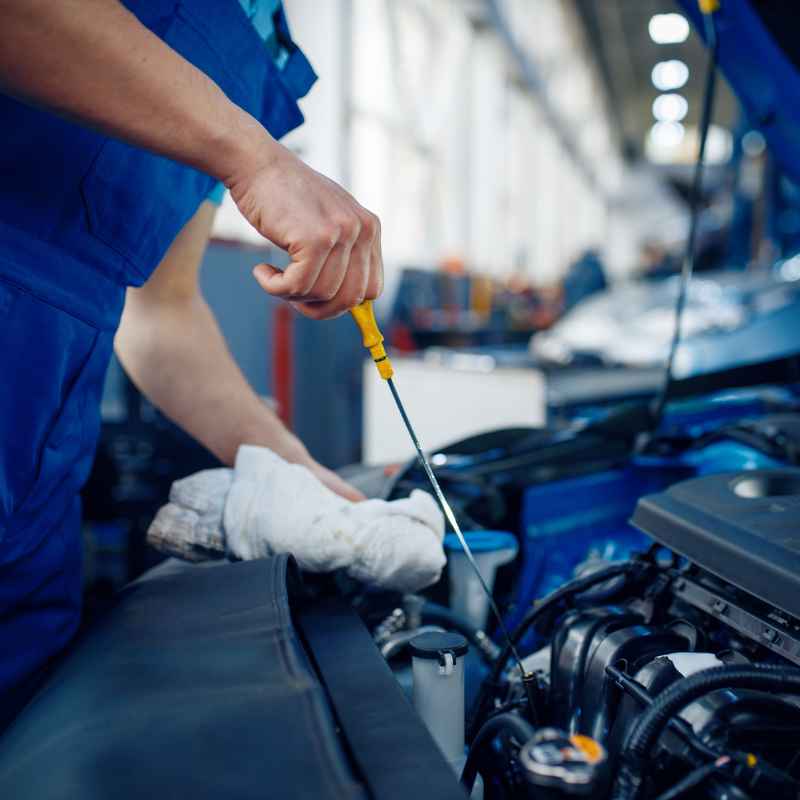
First, check your oil level. Park your car on a level surface. Make sure the engine has been off for at least 10 minutes. This lets the oil drain back into the oil pan. Locate the oil dipstick. It usually has a bright-colored handle, often yellow or orange. Pull it out. Wipe it clean with a rag or paper towel. Push it all the way back in. Pull it out again. Look at the end of the dipstick. You’ll see two marks or holes. These usually say “Add” or “Low” and “Full” or “Max.” Your oil level should be between these two marks. If it’s at or below the “Add” mark, you need to add oil. If it’s way over the “Full” mark, it’s too much oil, which can also cause problems.
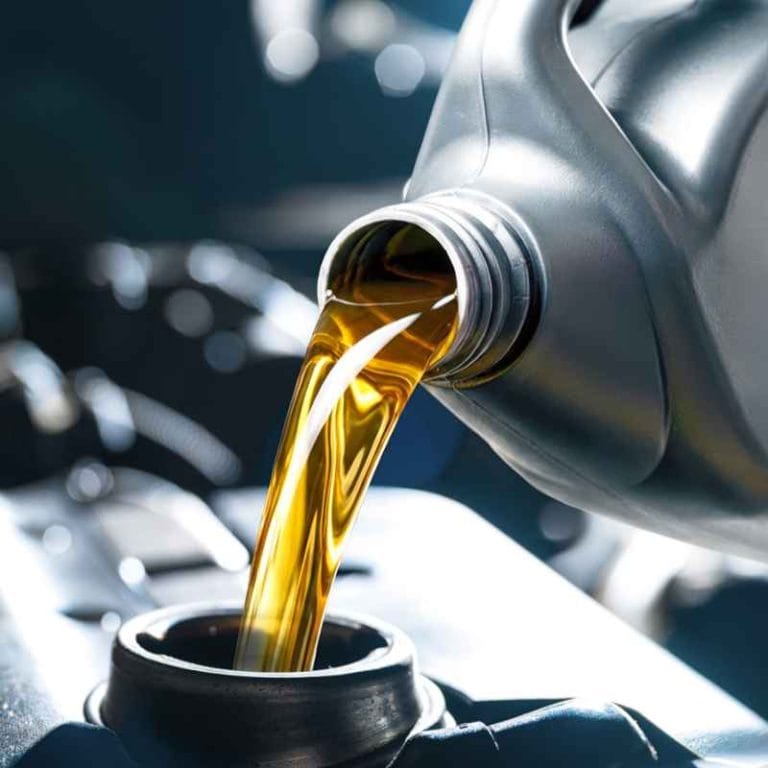
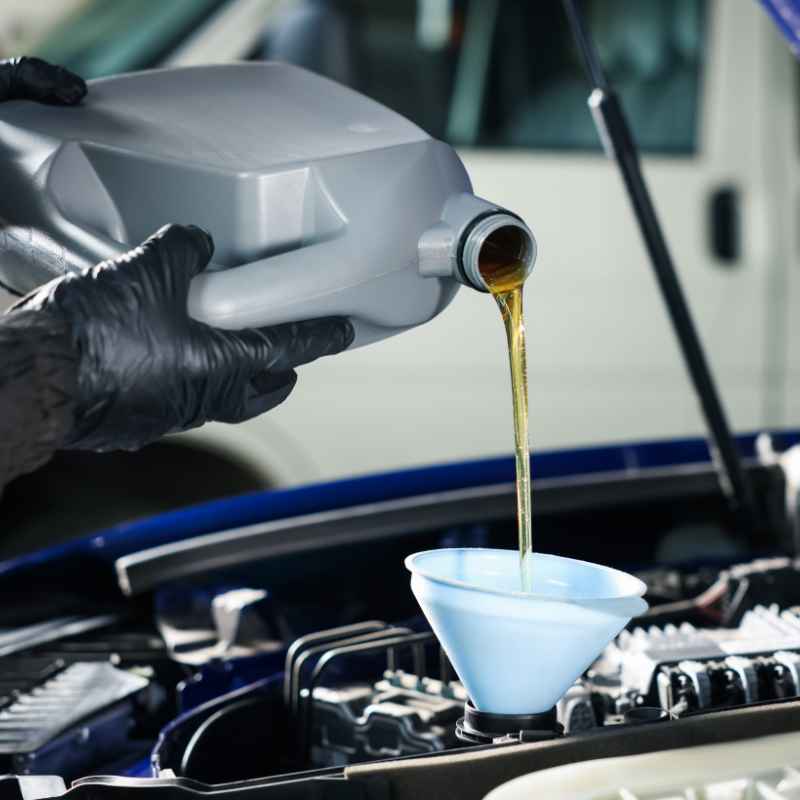
To add oil, you’ll need to know the correct type. Check your owner’s manual! Unscrew the oil fill cap. It usually has an oil can symbol on it. Slowly add a little oil at a time. Wait a few minutes for it to settle. Then check the dipstick again. Repeat until the level is correct. Do not overfill!
Next, check the oil’s condition. While you have the dipstick out, look closely at the oil itself. Is it clear and amber-colored? Or is it dark brown, black, or even sludgy? If it’s dark and dirty, it’s a sign it’s old and needs changing. You can also rub a little between your thumb and forefinger. Does it feel gritty? That means it’s full of contaminants and losing its protective qualities.
Smell the oil. Does it smell burnt? A burnt smell means the oil is breaking down due to heat. This is not a good sign. It suggests the oil isn’t protecting the engine properly anymore.
You can also listen to your engine sound. Start the engine and let it run for a minute. Does it sound smooth? Or is it making any unusual noises like tapping, knocking, or rattling? These sounds can indicate low oil levels or oil that’s too thin or old to lubricate properly.
These simple checks are your first line of defense. They help you understand the health of your engine’s most vital fluid. Making this a routine part of your car care can prevent a small issue from becoming a big, expensive problem.
DIY Oil Checks: Quick Guide
When: Park on a level surface, engine off for 10+ minutes.
Check Level: Use the dipstick. Oil should be between “Add” and “Full” marks.
Check Condition: Look for dark color, grit, or burnt smell on the dipstick.
Listen: Start the engine. Are there new, unusual noises?
How Long Does Car Engine Oil Really Last? The Answer
So, after all this, what’s the real answer to “How long does car engine oil really last?” The honest truth is: it depends. There’s no single number that fits every car and every situation.
For older cars, or those driven in very harsh conditions, you might still be looking at intervals closer to 3,000 to 5,000 miles. This often applies if you’re using conventional oil.
For most modern cars, using a good quality synthetic blend or full synthetic oil, and driven under normal conditions, intervals of 5,000 to 10,000 miles are common. Many manufacturers now recommend even longer, like 7,500 to 15,000 miles or once a year, whichever comes first.
The most important thing is to consult your owner’s manual. It provides the most accurate guidance for your specific vehicle. If your car has an oil life monitoring system, pay attention to its recommendations. These systems are designed to take your driving habits into account.
Don’t just blindly follow old rules or generic advice. Understand the type of oil you’re using. Consider your driving environment and habits. And perform simple checks regularly. By doing so, you can ensure your engine oil is doing its best job for as long as it can. This protects your engine and saves you money in the long run.
Frequently Asked Questions
What happens if I don’t change my engine oil?
If you don’t change your engine oil, it will degrade and become contaminated. This means it can’t lubricate, cool, and clean effectively. This leads to increased friction, wear, overheating, sludge buildup, and eventually, severe engine damage or complete failure. It’s one of the most common reasons for major engine repairs.
Can I use a different weight oil than what’s recommended?
It’s best to stick to the oil weight recommended in your owner’s manual. Using a different weight can affect how well the oil flows and lubricates. For example, using oil that’s too thick in cold weather can make starting difficult. Oil that’s too thin in hot weather might not provide enough protection. Always use the manufacturer’s recommended viscosity grade (like 5W-30).
How do I know if my car uses synthetic oil?
Your car’s owner’s manual will clearly state if it requires or recommends synthetic oil. If you’re unsure, check the oil cap or the label on the oil container the last time it was changed. Most modern cars, especially those with turbochargers or high-performance engines, specify synthetic oil. You can also ask your mechanic.
Is it okay to mix conventional and synthetic oil?
Yes, it is generally okay to mix conventional and synthetic oils. Many “synthetic blend” oils are just that – a mix. However, mixing them will dilute the benefits of the synthetic oil. If you have a car that requires or benefits from full synthetic oil, it’s best to use full synthetic for optimal performance and protection. Mixing might slightly reduce the overall lifespan and effectiveness compared to using pure synthetic.
What does “viscosity” mean for engine oil?
Viscosity refers to a fluid’s resistance to flow. For engine oil, it’s how thick or thin it is. The number before the “W” (like in 5W-30) indicates its viscosity at cold temperatures. A lower number means it flows better when cold. The number after the “W” indicates its viscosity at operating temperature. Oil needs to be thin enough to flow but thick enough to protect.
How often should I change my oil filter?
You should change your oil filter every time you change your engine oil. The oil filter traps dirt and debris from the oil. If you don’t change it, the old filter can become clogged. A clogged filter can prevent oil from flowing properly or, in some cases, cause the filter to bypass, letting dirty oil into your engine. It’s a cheap part that performs a vital function.
Keeping Your Engine Happy
Caring for your car’s engine oil is one of the simplest yet most effective ways to ensure your vehicle runs smoothly for years. Forget the old rules if they don’t apply to your modern car. Instead, rely on your owner’s manual, understand your driving habits, and perform basic checks. Your engine will thank you with reliable performance and a longer life.
Products related to this article
Sponsored / affiliate links. As an Amazon Associate I earn from qualifying purchases. I may earn additional commission from eligible campaigns.