Should You Change Car Engine Oil Every Year? Find Out
It’s a question many car owners ponder. You see your car’s oil change sticker. It might say “6 months” or “5,000 miles.” But what if it’s been a year and you haven’t hit that mileage?
Does time alone matter for your car’s engine oil? Many people think oil lasts forever if the mileage isn’t reached. This is a common worry.
We’ll explore when and why it’s best to change your car’s engine oil, even if the miles aren’t there yet. Understanding this helps keep your car running smoothly and avoids costly repairs down the road. Let’s dive in.
Your car’s engine oil should ideally be changed at least once a year, regardless of mileage. This is because oil degrades over time due to oxidation and contamination. Regular yearly changes help maintain engine lubrication, prevent wear, and ensure optimal performance. Always check your car’s owner’s manual for specific recommendations.
Understanding Your Car’s Engine Oil Life
Engine oil is like the lifeblood of your car’s engine. It does many important jobs. It keeps moving parts well-oiled.
This stops them from rubbing together. It also helps keep the engine cool. Oil carries away heat from hot engine parts.
It cleans up tiny metal bits. These bits come from wear. It also helps seal parts.
This makes the engine work better.
Over time, engine oil can break down. This happens for a few reasons. Heat is a big one.
Engines get very hot when they run. This heat can make the oil thinner. It can also make its good qualities fade.
Air is another factor. Oxygen in the air mixes with the oil. This is called oxidation.
Oxidation makes the oil thicker and sludgy.
Dirt and tiny metal bits also get into the oil. These come from normal engine wear. They can also come from the air.
Fuel can also get into the oil. This happens when the engine isn’t running perfectly. These things contaminate the oil.
They make it less effective. Think of it like old water. If you leave water out, it can get dirty.
Engine oil is similar.
So, even if your car doesn’t drive many miles, the oil still gets old. It still gets dirty. It still breaks down a bit.
This is why changing the oil yearly is a good idea. It ensures the oil is fresh and ready to protect your engine.
Why Time Matters: The Slow Degradation Process
Let’s talk more about why time is a factor. It’s not just about how much you drive. Engine oil is a complex mix of base oils and additives.
These additives do special jobs. They fight wear. They keep things clean.
They prevent rust. They help control foaming.
When oil sits in the engine, even when the car is off, things are still happening. The heat from the last drive might still be around. This heat helps start the breakdown process.
Moisture can also get into the engine. This can happen from condensation. This moisture mixes with the oil.
It can cause rust. It can also make the oil less effective.
Then there’s oxidation. Air is always around. It seeps into the engine.
It mixes with the oil. Over months, this slow mix causes the oil to change. It becomes less able to lubricate.
It might turn a darker color. It can become thicker. In severe cases, it can form sludge.
Sludge is like thick mud. It can block small oil passages. This stops oil from getting where it needs to go.
This is very bad for an engine. Parts can get damaged from lack of oil. This can lead to major problems.
Think of cooking oil. If you leave a bottle of cooking oil open for a year, it won’t taste or smell the same. It might even look different.
Engine oil works hard. It’s under more stress. So, it degrades even if the car is parked.
Changing it yearly means you are replacing oil that has aged. You are putting in fresh oil ready to do its job.
The oil filter also plays a role. It catches the dirt and gunk. But filters have a limit.
Over time, they can get full. They can’t catch as much. A yearly oil change often includes a new filter.
This is just as important as the fresh oil. It ensures the oil stays cleaner for longer.
My Own Experience: The “Low Mileage, High Time” Oil Change
I remember this one time, a few years back. I had a little sedan. I loved that car.
But I didn’t drive it much. I worked from home most days. My commute was basically the kitchen to the living room.
I’d take it out on weekends for errands. Maybe a short trip to see family once in a while. I was pretty good about following the mileage recommendations.
The oil change light never came on. The mileage count was nowhere near the suggested 5,000 miles. So, I thought, “Why bother?” I had the sticker from the last oil change.
It said about 10 months had passed. I figured I had another month or two before the mileage was up.
One day, I noticed a little hesitation when I started the car. It was barely anything. Just a tiny hiccup.
Then, a few weeks later, I heard a faint knocking sound. It wasn’t loud. It was more like a subtle tick.
I started to get a little worried. This car was usually so quiet.
I took it to my trusted mechanic. He’s been working on cars for ages. I told him about the noises.
I also mentioned I hadn’t changed the oil yet, but it was close to the mileage limit. He nodded slowly. He checked under the hood.
He looked at the oil dipstick. He said, “How long has it been since your last oil change?”
I told him the time frame. He smiled a little, kindly. He said, “See that sticker?
That’s a good reminder. But time is just as important as miles, especially on cars that don’t get driven much.” He explained that the oil had likely started to break down. It had lost some of its protective qualities.
The moisture and oxidation were likely making it less effective.
He showed me the oil he drained. It looked a bit darker than I expected. It also seemed a bit thicker than fresh oil should be.
He explained that the tiny bits of wear and the byproducts of combustion can build up. They can turn into a sort of grime. Even if the car isn’t driven hard, this slow build-up happens.
He did the oil change. He replaced the filter too. After he was done, he started the car.
The knocking sound was gone. The engine sounded smooth and quiet again. It was like night and day.
I felt a bit silly for not knowing this. But I was also relieved it was a simple fix. That experience really taught me a lesson.
Time is a real factor for engine oil.
Key Factors Affecting Oil Life
Several things can affect how long your engine oil stays in good shape. It’s not always a one-size-fits-all situation. Your driving habits play a big part.
So does the climate where you live. And the type of oil you use matters too.
Driving Conditions
Short Trips: Driving only short distances is hard on oil. The engine doesn’t get hot enough to burn off moisture and fuel vapors. This can lead to condensation and fuel dilution in the oil.
These make the oil break down faster.
Stop-and-Go Traffic: This is also tough. The engine is running a lot but not moving fast. It’s like idling a lot.
This can cause the oil to get hotter than it should. It also means more wear happens over time.
High-Performance Driving: If you push your car hard, like racing or frequent hard acceleration, this puts more stress on the oil. It gets hotter and breaks down faster.
Climate
Extreme Heat: Hot weather makes engine oil hotter. This speeds up oxidation. The oil can lose its ability to protect the engine.
Extreme Cold: In very cold weather, oil can become thicker. It’s harder for the oil pump to move it around when the engine starts. This can cause wear during those crucial first few minutes.
Humidity: High humidity means more moisture. This moisture can get into the engine oil and cause problems, like rust and sludge.
Oil Type
Conventional Oil: This is less refined. It breaks down faster than synthetic oils. It’s more sensitive to heat and oxidation.
Synthetic Oil: This is specially made. It’s more stable. It resists heat better.
It lasts longer and offers better protection, especially in extreme conditions. Synthetic blends offer some of the benefits of full synthetics.
These factors mean that the miles listed on your oil change sticker are a guideline. They are for average driving conditions. If your driving is harder than average, or if you live in a tough climate, you might need to change your oil more often.
Even if you don’t drive many miles, the clock is still ticking on the oil’s life.
Signs Your Engine Oil Needs Changing
Sometimes, your car will give you hints. You can also check the oil yourself. These signs tell you it’s time for a change.
Don’t wait for the car to break down. These are good things to look for.
Quick Scan for Oil Issues
- Dark or Dirty Oil: Fresh oil is usually amber or light brown. If it looks black, thick, or gritty, it’s time for a change.
- Low Oil Level: If the oil level is below the minimum mark on the dipstick, you need to add oil. If you’re adding oil often, there might be a leak or the oil is burning. It also suggests the oil may be old.
- Oil Light Indicator: A red oil pressure light on your dashboard is serious. It means your oil pressure is too low. This could be due to old oil, a leak, or a bad oil pump. Stop driving and get it checked immediately.
- Strange Engine Sounds: Noises like knocking or ticking can mean the oil isn’t lubricating parts well.
- Oil Smell: If you smell burning oil inside the car, it might mean there’s a leak onto hot engine parts. Or, the oil itself is old and overheating.
Checking your oil is easy. You can do it yourself. Park your car on a level spot.
Let the engine cool for a few minutes. Open the hood. Find the oil dipstick.
It usually has a bright handle. Pull it out. Wipe it clean with a rag or paper towel.
Put it back in fully. Then pull it out again. Look at the oil level.
See the marks on the dipstick. Add oil if it’s low. Also, look at the oil’s color and texture.
If your oil looks very dark or has bits in it, it’s a clear sign. It’s no longer doing its job well. It’s full of contaminants.
This can harm your engine. So, even if you haven’t reached the mileage, if you see these signs, get an oil change. It’s a small cost compared to engine repair.
Understanding Oil Change Intervals: Mileage vs. Time
Car manufacturers give us recommended oil change intervals. These are usually listed in your owner’s manual. They are often given as both a mileage and a time frame.
For example, “5,000 miles or 6 months, whichever comes first.” This is a very common guideline.
Why both? Because they know people drive differently. Some people drive a lot.
They might hit 5,000 miles quickly. Others might drive very little. For them, the 6 months will come first.
The mileage number is for when the oil has simply done a lot of work. It has circulated heat and friction thousands of times. It has filtered out a lot of tiny debris.
After so many miles, its lubricating and protective properties start to fade. Its additives get used up.
The time number is for when the oil has aged. It has been exposed to heat cycles. It has been subject to oxidation.
Moisture might have gotten in. Even if the car sits, the oil is still slowly degrading. Over 6 months or a year, these processes make the oil less effective.
So, the phrase “whichever comes first” is very important. It means you should change your oil based on whichever limit you reach first. If you drive 5,000 miles in 4 months, change it then.
If you only drive 1,000 miles in a year, you still need to change it after that year is up.
Some newer cars have what’s called an “oil life monitoring system.” These systems track your driving. They consider things like engine temperature, speed, and how long the engine is running. They then tell you when it’s time to change the oil.
These systems are often more accurate than fixed intervals. But even these systems have a time limit built in. They will usually suggest an oil change after about a year, even if the percentage is still high.
This is because they know oil degrades with time.
Always refer to your specific car’s owner’s manual. It has the most accurate information for your vehicle. But as a general rule, sticking to at least a yearly oil change is a smart move for most cars.
What Happens If You Don’t Change Your Oil?
Skipping oil changes can seem like saving money. But it’s often the opposite. It can lead to much bigger, more expensive problems later on.
Your engine has many moving metal parts. These parts need to glide smoothly against each other. This is what oil does.
It creates a thin film. This film stops metal-on-metal contact.
When oil gets old and dirty, this film breaks down. It gets weak. The metal parts start to grind against each other.
This causes friction. Friction creates heat. It also causes wear.
Tiny metal particles flake off. These particles get into the oil. They act like sandpaper.
They cause even more wear.
This wear happens slowly at first. You might not notice it. But over time, parts get damaged.
Seals can start to leak. The engine can start to lose power. It might start making strange noises.
The engine can overheat. This can damage the head gasket or other major parts.
If the oil gets really bad, it can turn into sludge. Sludge is thick and sticky. It blocks the small oil passages.
The oil pump might not be able to push the oil through these blockages. This means parts of your engine don’t get any oil at all. This is called oil starvation.
It can cause catastrophic engine failure very quickly. This means the engine is ruined and needs to be replaced.
Replacing an engine is one of the most expensive car repairs you can face. It can cost thousands of dollars. Often, it’s cheaper to buy a new car.
So, a simple, routine oil change is a small price to pay to avoid this. It’s like going to the doctor for a check-up. You catch small problems before they become big ones.
Modern engines are built with tighter tolerances. They are very precise. This makes them work very efficiently.
But it also means they are more sensitive to poor lubrication. Fresh, clean oil is critical for them to last a long time.
The Role of the Oil Filter
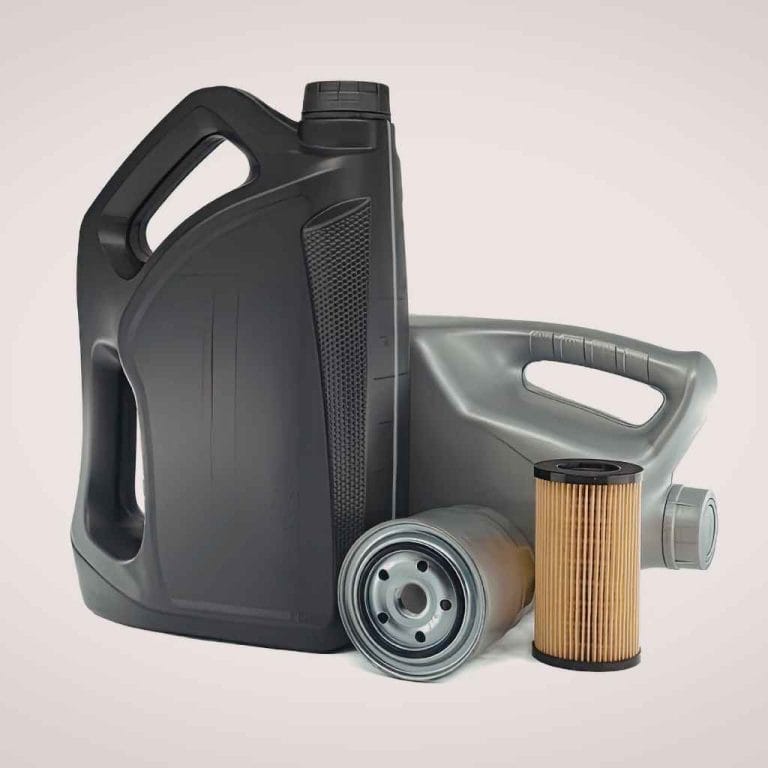
The oil filter is just as important as the oil itself. Think of it as the engine’s kidney. Its job is to catch all the gunk.
This gunk includes tiny metal shavings. It also catches dirt. It traps carbon particles.
These come from the burning of fuel.
When you get an oil change, you should always get a new oil filter. The old filter has done its job. It’s full of all the contaminants it has removed from the oil.
If you just change the oil and leave the old filter, the new oil will quickly get dirty. It will pick up all the gunk that was sitting in the old filter.
An oil filter has a special paper or synthetic material inside. This material has tiny pores. These pores let the oil pass through.
But they trap the larger particles. As more and more particles get trapped, the filter starts to clog up. The oil flow through the filter slows down.
Many filters have a bypass valve. If the filter gets too clogged, oil pressure can build up. This valve opens.
It allows unfiltered oil to bypass the filter. This happens to make sure the engine still gets oil. But this unfiltered oil is dirty.
It can cause wear. So, while the bypass valve saves the engine from starving of oil, it allows dirty oil to circulate.
A clogged filter can also put a strain on the oil pump. It makes the pump work harder. This can reduce its lifespan.
Changing the filter with every oil change ensures that the new oil stays clean. It keeps the oil flowing freely. It protects the engine from wear caused by dirty oil.
So, when you go for an oil change, make sure they are replacing the filter. It’s a small part, but it plays a huge role in protecting your engine. It’s a vital part of the regular maintenance schedule.
When Is It Okay to Wait a Little Longer?
There are some specific situations where you might be able to extend the time between oil changes. However, these are exceptions, not the rule. And they usually still involve reaching the mileage first.
Extended Intervals: The Nuances
Full Synthetic Oil: If your car’s manual specifically allows for extended intervals with full synthetic oil, and you are driving under ideal conditions, you might be able to go longer. Some synthetics are rated for 10,000 miles or more. However, even with synthetics, the time limit of about one year is still a good idea.
Ideal Driving Conditions: This means mostly highway driving. The engine runs at a steady speed. It reaches optimal temperature quickly.
There’s minimal starting and stopping. This is much easier on the oil than city driving.
Newer Vehicles: Modern cars often have advanced engine designs and sophisticated oil life monitoring systems. These systems are designed to optimize oil change intervals based on actual usage. If your car has one of these systems, follow its guidance.
But again, don’t ignore the annual check.
Even in these cases, it’s crucial to be honest about your driving. Are you truly always driving on the highway? Is your car always at optimal temperature?
If you do a lot of short trips even within a “highway” driving routine, that changes things.
For example, maybe you drive 50 miles on the highway daily for work. That’s 100 miles round trip. That sounds like highway driving.
But what if you live in a very humid area? Or what if you live in a place with extreme temperature swings? These factors still play a role in oil degradation.
Also, remember that manufacturers often recommend these extended intervals for new cars under warranty. Once the car is older, you might want to revert to more frequent changes to ensure long-term reliability. It’s always a balance between convenience, cost, and engine longevity.
When in doubt, it’s always safer to change your oil a bit more often than less often. A slightly premature oil change is far better for your engine than one that’s too late.
Can I Use Different Types of Oil?
This is a common question. You might have a bottle of oil left over from a previous job. Or you might see a sale on a different type of oil.
It’s important to know what your car needs.
Oil Compatibility Guide
Viscosity Grade: This is the first thing to check. It’s usually a number like 5W-30 or 10W-40. The “W” stands for Winter.
The first number is how thick the oil is when cold. The second number is how thick it is when hot. Your owner’s manual will specify the correct viscosity grade for your car and climate.
API Service Category: This is a standard set by the American Petroleum Institute. It indicates the oil’s performance level. Your manual will list the required API category (e.g., API SP, API SN).
Always use oil that meets or exceeds this standard.
Synthetic vs. Conventional: If your car came with conventional oil, you can usually switch to a synthetic blend or full synthetic. This often provides better protection.
If your car came with synthetic, you can usually switch to a conventional oil, but you might lose some of the benefits. Never switch back and forth if your manual doesn’t explicitly say it’s okay. It’s generally best to stick with what the manufacturer recommends.
Mixing Oils: It’s generally okay to mix oils of the same viscosity grade and API rating, even if one is synthetic and the other conventional. However, this will dilute the benefits of the synthetic oil. It’s best to use one type consistently.
If you do mix, use it only until your next full oil change where you can use the preferred type.
The most important thing is to follow your car’s owner’s manual. It has the exact specifications your engine needs. Using the wrong type of oil can lead to poor lubrication.
It can cause increased wear. It can even damage your engine. The manual is your best friend here.
If you are unsure, ask a mechanic. They can tell you the right type of oil for your car. They can also explain the differences between conventional and synthetic oils.
Making the right choice ensures your engine gets the best possible protection. This helps it run smoothly for many years.
What Does the Owner’s Manual Really Say?
Your car’s owner’s manual is not just a book of warnings. It’s a guide to keeping your car running its best. It has specific information for your exact make and model.
This includes crucial details about maintenance, like oil changes.
Look for the section on “Maintenance Schedule” or “Service Intervals.” Here, you will find the manufacturer’s recommendations for oil changes. They will usually list a mileage interval and a time interval. For example, it might say: engine oil and filter every 7,500 miles or 12 months, whichever comes first.”
The manual will also tell you the exact type of oil your car needs. This includes the viscosity grade (like 5W-30) and the API service rating. Using the wrong oil can cause problems.
It can affect fuel economy and engine performance.
Some manuals also discuss “severe” driving conditions. These conditions might require more frequent maintenance. Examples include: lots of short trips, driving in dusty areas, towing, or frequent stop-and-go traffic.
If your driving fits this description, you might need to change your oil more often than the standard recommendation.
Pay attention to any notes about oil life monitoring systems. If your car has one, the manual will explain how it works. It will also tell you the maximum time or mileage limit for that system.
Don’t have your owner’s manual? Most manufacturers have them available online. You can usually download a PDF version from their website.
Just search for “ owner’s manual PDF.”
Ignoring the owner’s manual is a common mistake. It’s a valuable resource. It contains the precise knowledge needed to care for your specific vehicle.
It’s the best source for determining your car’s oil change needs.
DIY vs. Professional Oil Changes
You have two main choices when it comes to changing your oil: do it yourself (DIY) or take it to a professional. Both have their pros and cons. What’s best for you depends on your skills, tools, and time.
DIY Oil Change
Pros: Can save money on labor costs. You learn more about your car. You can choose the exact oil and filter you want.
You can do it on your own schedule.
Cons: Requires tools (wrenches, oil filter wrench, drain pan, jack/stands). Can be messy. You need to know how to do it safely.
Proper disposal of used oil is required (don’t pour it down the drain!). Takes time and effort.
Professional Oil Change
Pros: Convenient and quick. They have the right tools and knowledge. They handle the disposal of used oil.
Often come with a multi-point inspection. Less mess for you.
Cons: Costs more due to labor charges. You might not have control over the exact brand of oil or filter used (unless specified). Can be busy, requiring an appointment.
If you decide to do it yourself, make sure you have the right equipment. Watch a few online videos specific to your car model. They can show you the exact steps.
Always use safety precautions when lifting your car. Never get under a car supported only by a jack.
If you go to a professional, choose a reputable shop. Quick lube places can be convenient, but some people worry about the quality of service or the brands of products they use. A trusted mechanic is often the best bet.
Regardless of who does the job, always keep records. Note the date and mileage of each oil change. This helps you track your maintenance.
It’s also important for resale value. Many buyers like to see a well-maintained service history.
The most important thing is that the oil change gets done. Whether you do it yourself or pay someone, make sure it’s done correctly and on time. A yearly oil change is a small price for engine health.
When to Worry: Red Flags for Your Engine Oil
While oil degradation is normal, some signs are more serious than others. These indicate potential problems beyond just needing a routine oil change. It’s good to know when to be concerned and seek professional help.
Serious Signs to Watch For
Constant Oil Light: If the oil pressure light stays on, even after adding oil, do not drive the car. This means your engine isn’t getting enough lubrication, and severe damage can occur very quickly.
Excessive Smoke: Blue smoke coming from the exhaust often means your engine is burning oil. This can happen if the oil is too thin, or if seals and rings are worn out. It’s a sign of internal engine problems.
Engine Knocking or Very Loud Noises: While a slight ticking might be old oil, a loud knocking sound is a major warning. It often means metal parts are hitting each other because of a lack of lubrication.
Oil Leaks: If you see puddles of oil under your car, it’s a leak. This can be from a worn gasket, a loose drain plug, or a cracked oil pan. Leaks need to be fixed promptly to prevent oil loss.
Sludge Build-up: If you open the oil fill cap and see thick, black, tar-like sludge, your oil has not been changed regularly enough. This sludge can cause serious engine damage.
If you notice any of these serious signs, it’s time to stop driving your car and have it inspected by a qualified mechanic. Ignoring these warnings can lead to very expensive repairs, including complete engine failure.
Regular oil changes are preventative maintenance. They help avoid these serious issues. Think of it as an investment in your car’s health.
It’s much cheaper to prevent a problem than to fix it. If you are ever unsure about what a sound or light means, err on the side of caution.
It’s important to remember that the advice here is general. Your car’s owner’s manual is the ultimate guide. Always consult it for your specific vehicle’s needs.
But the principle of changing oil at least once a year remains sound for most vehicles.
Frequently Asked Questions About Changing Engine Oil
How often should I change my car’s engine oil if I drive very little?
Even if you drive very little, it’s recommended to change your engine oil at least once a year. Oil degrades over time due to oxidation and moisture, regardless of mileage. The owner’s manual typically provides a time-based interval (e.g., 6 or 12 months) for this reason.
Does the type of oil filter matter as much as the oil itself?
Yes, the oil filter is crucial. It traps contaminants that can damage your engine. Always
What are the risks of using synthetic oil in a car that used conventional oil?
Generally, switching from conventional to synthetic oil is safe for most cars. Synthetics offer better protection. However, in very old cars with high mileage, some mechanics worry that the detergents in synthetic oil might dislodge sludge built up over years, potentially causing blockages.
It’s best to consult your owner’s manual or a trusted mechanic.
My car has an oil life monitoring system. Do I still need to change the oil yearly?
Yes, most oil life monitoring systems have a time limit, usually around one year. Even if the system indicates you have plenty of oil life left based on mileage and driving conditions, the oil can still degrade over time. It’s wise to follow the system’s recommendation or the manual’s yearly timeframe.
Can I extend my oil change interval if I use premium oil?
Premium oils, like full synthetics, offer better protection and can handle more stress. This allows for potentially longer intervals, often up to 10,000 miles or more, as stated by manufacturers. However, it’s still a good practice to change it at least annually, even if you haven’t reached the mileage limit, due to time-based degradation.
What is “sludge” in an engine, and how does it form?
Sludge is a thick, black, tar-like substance that forms when engine oil breaks down and mixes with contaminants like moisture, unburned fuel, and combustion byproducts. It forms over time, especially if oil changes are neglected, and can clog oil passages, starving the engine of lubrication.
Conclusion: A Year is a Smart Rule
Keeping your car’s engine healthy is vital. Engine oil is one of its most important fluids. It protects against wear and heat.
While mileage is a key factor, time plays a critical role too. Oil degrades over months, even when the car sits idle.
Changing your engine oil at least once a year is a smart move. It ensures fresh lubrication. It prevents damage from aging oil.
It’s a simple, cost-effective way to keep your car running smoothly for years to come. Always check your owner’s manual for specific advice tailored to your vehicle.
Products related to this article
Sponsored / affiliate links. As an Amazon Associate I earn from qualifying purchases. I may earn additional commission from eligible campaigns.