How to Get Car Engine Oil Off Driveway (By Surface Type)
Fresh car engine oil lifts off a driveway with kitty litter or baking soda, but a stain older than a few days usually needs a poultice or a stronger degreaser. Oil left too long can weaken asphalt binder, and harsh cleaners can strip sealant off stamped concrete, so the right method depends on your surface. This guide covers fresh-spill absorbents, a 24 to 48 hour poultice for set-in stains, and separate steps for concrete, asphalt, pavers, and stamped concrete.
Understanding the Oil Stain
Best Driveway Oil Stain Remover Pick
CHOMP Concrete Oil Stain Remover – $17.97
A purpose-built version of the commercial concrete degreaser this guide recommends for set-in oil stains.
- Best for: Set-in stains that dish soap and hot water alone did not lift
- Why we picked it: Formulated specifically for concrete oil stains, not a general-purpose degreaser
- Main drawback: Needs to sit before scrubbing, so it is not an instant fix
Compare more driveway cleaning options
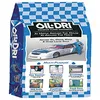 Option 1 Oil-Dri Absorbent – $10.99
|
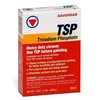 Option 2 Savogran TSP – $9.33
|
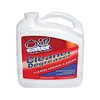 Option 3 Oil Eater Degreaser – $12.99
|
As an Amazon Associate we earn from qualifying purchases.
Engine oil is a complex mixture. It has a base oil and additives. This makes it thick and sticky.
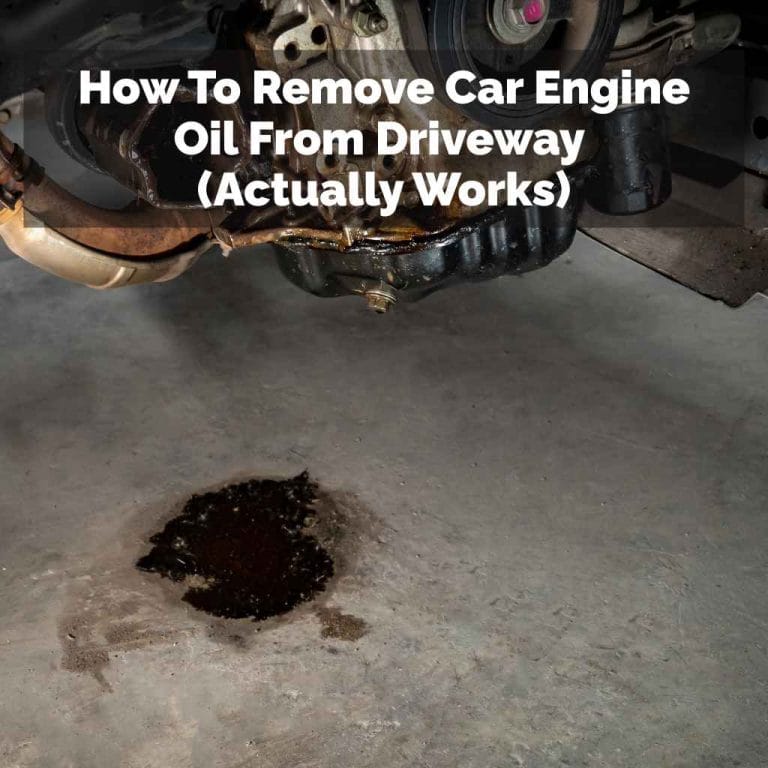
When it hits your driveway, it sinks in. Concrete and asphalt are porous. This means the oil seeps into the tiny holes.
The longer it sits, the deeper it goes. This makes it harder to lift out. Heat can also make oil spread.
So, a hot summer day might make a spill worse. Understanding this helps us choose the right cleaning steps.
Different driveway materials react to oil and cleaning agents differently. If you have a concrete driveway, it’s very absorbent. Asphalt driveways can be softened by oil.
This is because asphalt is made with oil itself. Pavers or stamped concrete might have sealants. These sealants can offer some protection.
But they can also be damaged by harsh cleaners. Always consider your driveway type before you start. This prevents making the problem bigger.
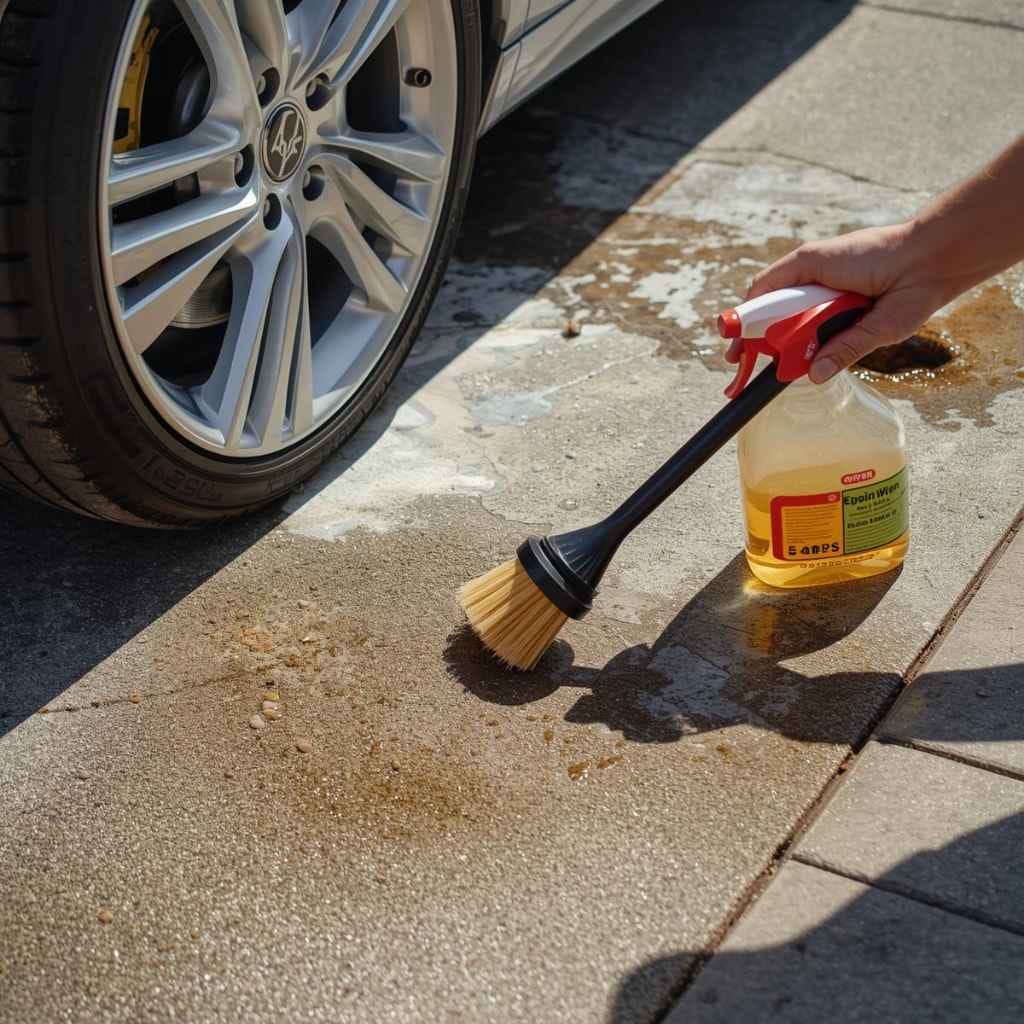
My Own Driveway Oil Stain Story
I remember one Saturday morning. I was getting ready to head out. I noticed a new, dark stain right by the garage door.
It was a big, greasy splotch. My heart sank. I’d been meaning to organize my garage, and I guess something decided to leak overnight.
I felt a wave of annoyance. It looked so bad. I tried wiping it with a rag, but it just smeared.
Panic started to set in a bit. I thought my driveway was ruined. I grabbed some dish soap and a brush.
It helped a little, but the stain was still very visible. That day taught me that a quick wipe isn’t enough. You need a plan.
Later, I did some digging. I found out that acting fast is key. I also learned about different absorbents.
Things like kitty litter or baking soda can soak up fresh spills before they set. For older stains, stronger methods are needed. I experimented with a few things.
Some worked better than others. This experience showed me that patience and the right tools make a huge difference. Now, I feel much more confident if a spill happens again.
Fresh Spill Triage: Act Fast!
What to do: If you see a fresh oil spill, don’t delay. Grab an absorbent material right away. This is your first and best line of defense.
- Absorbent materials:
- Kitty litter (clay-based works best)
- Baking soda
- Cornstarch
- Sawdust
- Sand
- How to use: Pile it on the spill. Let it sit for several hours or overnight. Then, sweep it up. This pulls the oil out of the pores.
Common Driveway Materials and Oil Stains
Your driveway material matters a lot. Concrete is super common. It’s tough but also very porous.
This means oil really soaks in. Asphalt driveways are different. Oil can break down the asphalt binder.
This can weaken the surface. Pavers offer a different challenge. The oil might seep between the stones.
It can also stain the paver surface itself. Knowing your driveway’s type helps pick the safest and most effective cleaner.
Many people have plain concrete driveways. They are great for cars. But they stain easily.
Older concrete might be more worn. This means it has more tiny cracks for oil to hide in. Newer concrete might be smoother.
But it can still absorb oil. Asphalt driveways are usually dark. This can hide some stains.
But oil can make them look even darker. It can also leave a shiny, greasy spot. It’s like the oil is part of the driveway.
Stamped or decorative concrete can be sealed. A good sealant helps a lot. But oil can still get past it.
Or it can dull the finish.
Driveway Material Quick Guide
Concrete: Very porous. Stains easily. Can handle many cleaners but test first.
Needs absorbents and degreasers.
Asphalt: Oil can weaken the surface. Use cleaners carefully. Avoid harsh solvents that can melt it.
Pavers: Oil can stain the surface and seep between stones. Cleaning requires getting into the gaps.
Sealed Surfaces: Sealants offer protection. But strong cleaners can strip them. Re-sealing might be needed after cleaning.
Best Cleaning Methods for Fresh Oil Spills
For fresh oil spills, speed is your friend. Your main goal is to absorb as much oil as possible. Don’t rub the spill.
Rubbing pushes the oil deeper. Instead, focus on lifting it out. Think of it like blotting a drink spill on a carpet.
You want to soak it up, not spread it.
Start with a good absorbent. Kitty litter is a classic for a reason. It’s cheap and effective.
Spread a thick layer over the entire spill. Let it sit for at least a few hours. If it’s a big spill, leave it overnight.
The litter will soak up the liquid oil. Once it’s done its job, sweep it all up. Dispose of the used litter properly.
Many places have rules about disposing of oily waste.
After absorbing, you might still see a faint mark. This is normal. The oil has likely touched the surface.
Now you can move to a cleaning agent. Dish soap is a great starting point. It’s designed to cut grease.
Pour a small amount onto the stain. Add a little water. Scrub it gently with a stiff brush.
Let it sit for a few minutes. Then rinse it well with water. A hose with good pressure helps.
You might need to repeat this step.
Fresh Spill Steps (Summary)
- Absorb: Cover spill with kitty litter, baking soda, or cornstarch. Let sit for hours.
- Sweep: Remove all absorbent material.
- Degrease: Apply dish soap to the remaining stain. Scrub gently.
- Rinse: Wash the area thoroughly with water.
- Repeat: If needed, repeat steps 3 and 4.
Tackling Older, Set-In Oil Stains
Older oil stains are tougher. The oil has had time to really soak in. It might have hardened or bonded with the driveway material.
You’ll likely need stronger cleaning solutions. But always be careful. Harsh chemicals can damage your driveway.
Always test any cleaner in an inconspicuous spot first.
One effective method is using a poultice. A poultice is like a paste. It draws the stain out.
You can make one with baking soda or fuller’s earth. Mix your powder with a liquid. Water works, but a solvent like mineral spirits or even a strong degreaser can be more powerful.
Make a thick paste. Spread it over the stain. Cover it with plastic wrap.
Tape the edges down. Let it dry completely, which can take 24–48 hours. As it dries, it pulls the oil from the pores.
Once dry, scrape it off and rinse.
Commercial concrete cleaners are also an option. Look for products specifically designed for oil stains on concrete. These often contain strong degreasers and sometimes solvents.
Follow the product instructions very carefully. Wear gloves and eye protection. Ensure good ventilation.
These cleaners are powerful. They can lift stubborn stains but also pose risks if misused. Always read the label.
For asphalt driveways, be extra cautious. Many strong concrete cleaners can damage asphalt. Some specialized asphalt cleaners exist.
Or, you might try a less aggressive approach first. A good scrub with dish soap and hot water might help. You could also try a mix of laundry detergent and water.
Apply it, let it sit, scrub, and rinse. For very tough asphalt stains, you might need a specific asphalt degreaser. But always test it.
Poultice Power
What it is: A paste that draws stains out.
Ingredients:
- Absorbent powder (baking soda, fuller’s earth, diatomaceous earth)
- Liquid (water, mineral spirits, degreaser)
How to make: Mix powder and liquid into a thick paste. Apply to stain. Cover with plastic.
Let dry 24-48 hours. Scrape off and rinse.
Powerful Cleaning Agents and Products
When everyday cleaners aren’t enough, you might need something stronger. Many products are available. Some are household items.
Others are commercial cleaners. Understanding what they do helps you choose wisely.
Dish Soap: As mentioned, great for fresh spills. It’s a surfactant. It breaks down grease so water can wash it away.
Use it undiluted on the stain.
Baking Soda: A mild abrasive and absorbent. It can help lift stains. You can use it as a paste with water or as a dry powder on fresh spills.
Trisodium Phosphate (TSP): This is a powerful cleaner. It’s very effective on grease and oil. However, it’s also harsh.
You must wear gloves and eye protection. Ensure good ventilation. TSP can be harmful to plants and pets.
Use it only when other methods fail. Mix according to package directions. Apply, scrub, let sit, and rinse very thoroughly.
Commercial Concrete Cleaners/Degreasers: Many brands offer specific solutions. Some are enzyme-based. They eat away at the oil.
Others are chemical degreasers. Read labels carefully. Look for ones that match your driveway material.
For example, a concrete degreaser might be too strong for asphalt.
Engine Degreaser (Automotive Type): Sometimes, an engine degreaser made for car parts can work. These are potent. Use them with extreme caution on driveways.
They can strip sealants or damage asphalt. Test in a small area first.
Poultice Materials: Fuller’s earth or diatomaceous earth are excellent for poultices. They are very absorbent.
Product Power Levels
Mild: Dish Soap, Baking Soda. Good for fresh or light stains.
Moderate: Commercial Concrete Degreasers (mild formulas), Laundry Detergent. For tougher, but not ancient, stains.
Strong: TSP, Commercial Concrete Degreasers (heavy-duty), Poultices with solvents. For deep, old stains. Use with caution.
The Power of Hot Water and Scrubbing
Sometimes, the simplest methods are the most effective. Hot water is your best friend when dealing with grease. Heat helps to break down oil.
It makes it less viscous. This means it’s easier to lift. When combined with a good degreaser like dish soap, hot water can work wonders.
Start by pouring boiling water over the stain. Be careful. Then, apply your cleaning agent.
Dish soap is a great choice. Let it sit for a few minutes. Next, grab a stiff-bristled brush.
A wire brush can work on concrete, but a heavy-duty nylon brush is safer for most surfaces. Scrub the area vigorously. Work in different directions to lift the stain from the pores.
After scrubbing, rinse the area thoroughly. Use hot water from your hose if possible. You might see the stain lighten immediately.
But often, a second application is needed. For very stubborn stains, repeat the hot water, soap, and scrubbing process. Patience is key here.
Don’t get discouraged if it doesn’t come out perfectly the first time.
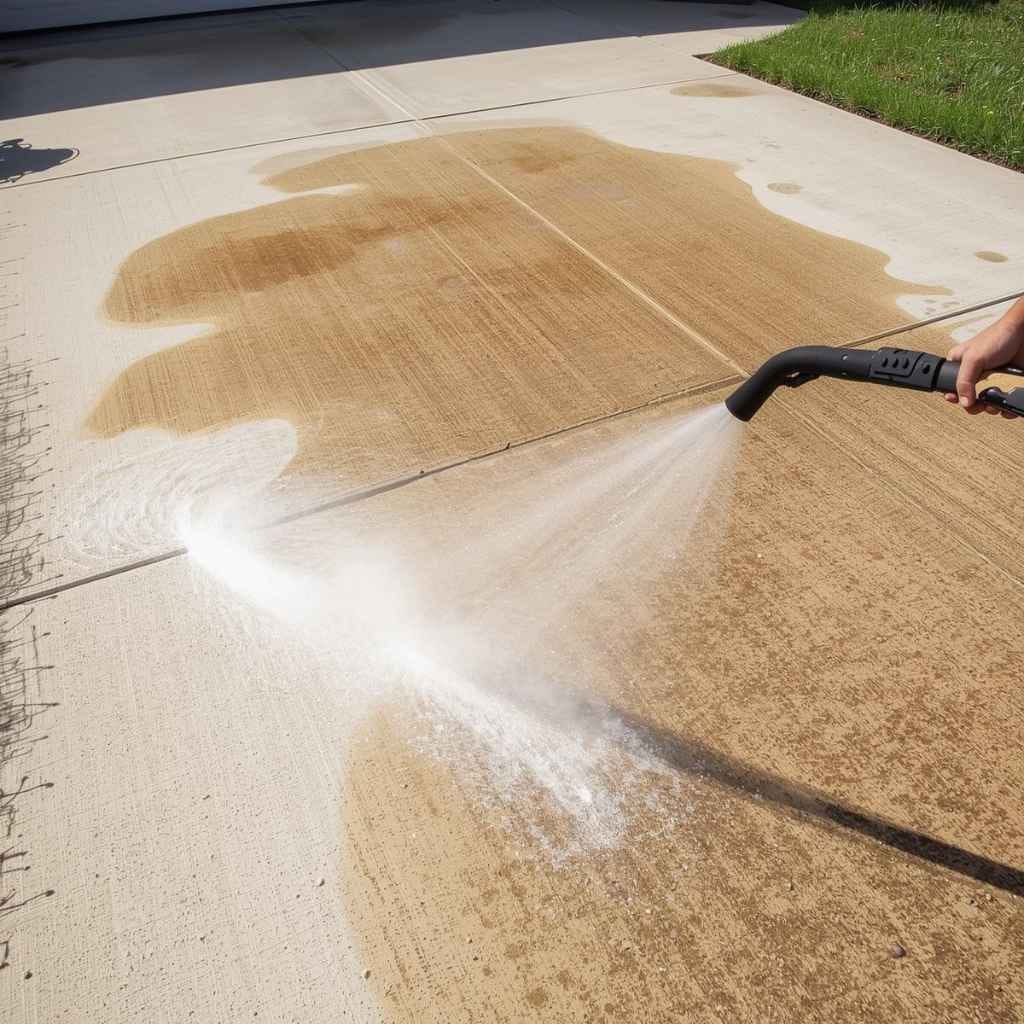
A pressure washer can also be very helpful. However, use it on a low setting. High pressure can damage concrete.
It can blast away the surface layer. It can also erode the binder in asphalt. Always start on a low setting.
Move the wand in an even pattern. Use hot water if your pressure washer has that feature. It will make the cleaning much more effective.
Hot Water + Scrub = Magic
Why it works: Hot water softens oil. Scrubbing lifts it from pores.
Steps:
- Pour boiling water on the stain.
- Apply dish soap or degreaser.
- Scrub hard with a stiff brush.
- Rinse well with hot water.
- Repeat if needed.
Special Situations: Pavers and Stamped Concrete
Driveways made of pavers or stamped concrete have unique cleaning needs. Pavers have grout lines. Oil can seep into these gaps.
It can also stain the paver surface. Stamped concrete has a textured surface. This texture can trap dirt and oil.
For pavers, you might need to focus on cleaning the grout lines too. A stiff brush is essential. You can use a concrete cleaner or a degreaser.
Apply it directly to the stain. Let it sit for a bit. Then scrub hard, making sure to get into the cracks between the pavers.
Rinse thoroughly. Sometimes, you might need to use a specialized paver cleaner. These are designed to be effective without damaging the paver material or color.
Stamped concrete can be tricky. The deep impressions can hide stains. A strong degreaser applied liberally can work.
You’ll need to scrub well to get into the textured areas. A concrete cleaner designed for stamped surfaces is best. Always rinse very, very well.
Leftover cleaner can etch or dull the finish. If your stamped concrete is sealed, use cleaners that won’t strip the sealant. Harsh chemicals might remove the protective layer.
You may need to re-seal the driveway after cleaning.
Paver & Stamped Concrete Tips
Pavers:
- Focus on grout lines too.
- Use a stiff brush.
- Consider paver-specific cleaners.
Stamped Concrete:
- Clean texture thoroughly.
- Rinse exceptionally well.
- Watch out for sealant damage.
Preventing Future Oil Stains
The best way to deal with oil stains is to avoid them. This sounds obvious, but there are practical steps you can take. Regular maintenance of your car is key.
Keep an eye on your car’s fluid levels. Check for leaks. If you notice a drip, get it fixed.
Don’t let it sit and stain your driveway. Small leaks can become big problems. Sometimes, a simple fix can save you a lot of cleaning later.
Another good idea is to use drip pans. If your car tends to leak a little, place a drip pan underneath. This catches any drips before they hit the driveway.
You can buy specialized car drip pans. Or, a large piece of cardboard can work in a pinch. Make sure it’s large enough to catch all potential drips.
Consider sealing your driveway. A good quality sealant creates a barrier. It makes your driveway less porous.
Oil and other spills sit on top. They don’t soak in as easily. This makes them much simpler to wipe up.
Re-apply sealant every few years. The lifespan of a sealant depends on the product and your climate. Check the sealant manufacturer’s recommendations.
Prevention is Key
- Car Maintenance: Fix leaks promptly.
- Drip Pans: Catch small leaks before they stain.
- Driveway Sealing: Creates a protective barrier.
When to Call a Professional
Sometimes, an oil stain is just too much for DIY cleaning. If you’ve tried several methods and the stain remains, it might be time to call a professional. Professional cleaning services have powerful equipment and specialized chemicals.
They know how to tackle tough stains without damaging your driveway.
Consider professional help if the stain is very old and deep. Or if the spill was exceptionally large. If you have a very delicate driveway material, like historic pavers or a specially coated surface, a pro can be safer.
They have experience. They know the risks. They can assess the situation and use the right approach.
Also, if you’re uncomfortable using strong chemicals like TSP or potent degreasers, a professional is a good choice. Safety is important. If you have any doubts about your ability to clean the stain safely and effectively, call in the experts.
It might cost a bit more upfront, but it can save you from causing more damage.
Pro Help Checklist
- Stain is very old and deep.
- Spill was very large.
- Driveway material is delicate or specialized.
- Uncomfortable with strong chemicals.
- DIY attempts have failed.
Frequently Asked Questions About Oil Stains
What is the best thing to use for a fresh oil spill on concrete?
For a fresh oil spill, the best thing is an absorbent material. Pile on kitty litter, baking soda, or cornstarch. Let it soak for hours.
Then sweep it up. This pulls out the bulk of the oil before it sets.
Can I use bleach to clean oil stains?
Bleach can lighten some stains, but it doesn’t actually break down oil well. It can also damage concrete over time or harm plants. It’s generally not the best choice for oil stains.
A degreaser or soap is more effective.
How long should I leave a cleaner on the oil stain?
This depends on the cleaner. For dish soap, a few minutes to 15 minutes might be enough. For commercial degreasers or TSP, follow the product directions.
They might suggest 15-30 minutes or longer. Poultices need 24-48 hours to dry.
Is motor oil harmful to my driveway?
Yes, motor oil can be harmful, especially to asphalt. It can break down the binder in asphalt, making it weaker. On concrete, it doesn’t usually cause structural damage, but it creates unsightly stains that are hard to remove.
Can I use a regular household degreaser?
Many household degreasers, like kitchen or oven cleaners, can work. However, some can be too harsh for certain driveway materials, like asphalt or stamped concrete. Always test in a small, hidden area first to ensure it doesn’t cause damage.
How do I clean oil stains from a driveway sealant?
If your driveway is sealed, oil stains are usually easier to clean. Apply a mild dish soap and water solution. Scrub gently.
Rinse thoroughly. Avoid harsh chemicals that could strip the sealant. If the sealant is damaged, you may need to reapply it.
Conclusion
Oil stains on your driveway can be a nuisance. But they are not permanent. By acting fast and using the right methods, you can restore your driveway’s look.
Remember to identify your driveway material. Then choose your cleaning agent wisely. Whether it’s a fresh spill needing an absorbent or an old stain needing a poultice, there are solutions.
With a little effort, your driveway can look clean again.
Products related to this article
Sponsored / affiliate links. As an Amazon Associate I earn from qualifying purchases. I may earn additional commission from eligible campaigns.