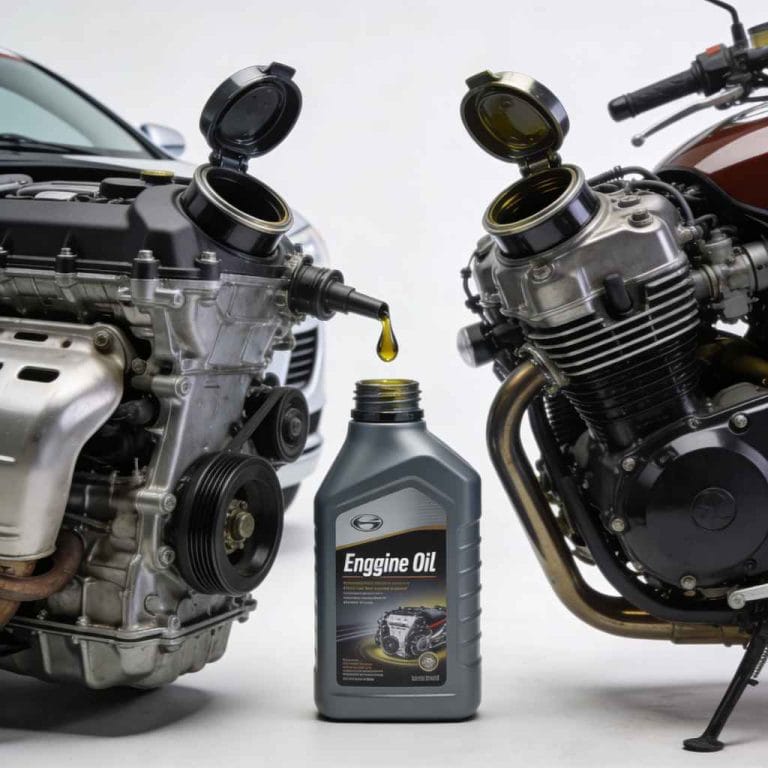
What Is The Advantage Of Using Synthetic Oil Over Regular?
Synthetic oil offers significant advantages over conventional oil, including better engine protection in extreme temperatures, improved fuel economy, longer oil change intervals, and superior resistance to breakdown and deposits, ultimately extending engine life.
What’s the Big Deal with Synthetic Oil?
Think of your car’s engine like a complex, tiny city. Lots of metal parts move very fast. They create heat and friction.
Oil is the hero that keeps everything running smoothly. It cools things down and stops parts from rubbing together too much. Regular oil has been doing this job for a long time.
It’s made from crude oil found deep underground. It works, but it has its limits.
Synthetic oil is different. It’s made in a lab. Scientists design its molecules to be super consistent and strong.
This means it can handle tough jobs much better than regular oil. It’s like comparing a homemade tool to one built with precision engineering. Both might get the job done, but the engineered one is usually much more reliable and effective, especially under pressure.
So, what are the specific benefits? Let’s dive in. We’ll look at how synthetic oil helps your engine in everyday driving and also when things get a bit more extreme.
Understanding these points will help you see why many drivers are making the switch. It’s about giving your car the best protection possible.

The Science Behind the Shine: How Synthetic Oil Works
To really grasp the advantage of synthetic oil, it helps to peek under the hood of what makes oil, well, oil. Conventional motor oil starts life as crude oil. This oil comes from the ground.
It’s then refined and processed. But crude oil isn’t uniform. It has all sorts of different-sized molecules.
Some are big and clunky. Others are small and wimpy. These uneven molecules don’t always behave the same way.
When this oil heats up, those clunky molecules can break down faster. They can turn into gunk or sludge. This stuff can clog up important parts of your engine.
When it gets cold, those same clunky molecules can get thick. This makes it hard for the oil to flow. Your engine parts might not get enough oil when you first start it up, especially on a chilly morning.
This is a key moment for wear.
Synthetic oil is engineered from the ground up. Scientists start with specific base chemicals. They build molecules that are all the same size and shape.
Imagine tiny, perfectly uniform balls instead of a mixed bag of shapes. These consistent molecules flow better when cold. They also stand up to heat much longer without breaking down.
This consistency is the core of why synthetic oil is superior.
This precise engineering means synthetic oil can offer a stronger protective film. This film shields your engine’s metal parts. It reduces friction and wear.
It also helps keep the engine cleaner. There’s less chance of sticky deposits forming. This clean operation is vital for engine health.
It allows parts to move freely. It prevents them from grinding against each other. This means your engine can last longer.
My Own Close Call with Regular Oil
I remember one summer, a few years back. It was sweltering hot. I was driving my old sedan cross-country.
The highway stretched out forever. The air conditioning was blasting. My car had always used regular 5W-30 oil.
I’d never really thought much about it. It was what my dad always used. It was cheap and readily available.
About three hours into the drive, the car started making a funny noise. It was a faint ticking sound at first. I turned the radio up, trying to ignore it.
But it got louder. Then, a little orange light flickered on my dashboard. It was the oil pressure light.
My heart sank. I pulled over onto the shoulder as fast as I safely could. The engine was still running, but that ticking was now a definite clatter.
I popped the hood. I could smell something hot. I checked the oil dipstick.
It was surprisingly low. I hadn’t noticed any leaks. The heat and the long drive had really taken their toll.
The regular oil had gotten too thin. It wasn’t lubricating properly. I was lucky I caught it when I did.
I ended up having to add a quart of oil right there. I also took it easy for the rest of the trip. That experience really opened my eyes.
I realized that while regular oil works, it might not be enough for tough conditions. It made me think hard about what I was putting into my car’s engine.
Synthetic Oil vs. Conventional Oil: A Quick Look
Key Difference: How they are made.
Conventional Oil: Refined from crude oil. Molecules vary in size and shape.
Synthetic Oil: Chemically engineered in a lab. Molecules are uniform.
Result: Synthetic oil offers better protection and performance in various conditions.
Superior Engine Protection in Extreme Temperatures
Your engine doesn’t just operate at one temperature. It gets hot when you drive. It gets cold when you park.
Synthetic oil handles these extremes much better. Let’s talk about cold starts first. When you turn your key on a freezing morning, your engine needs oil right away.
The oil needs to flow quickly to all the moving parts.
Regular oil can get thick like molasses when it’s very cold. This means it takes longer for the oil to reach critical parts like the camshaft. During these first few seconds, parts are moving with little lubrication.
This causes wear. Synthetic oil, because its molecules are uniform, stays thinner when cold. It flows much faster.
This means your engine gets that protective film almost instantly. Less wear happens right from the start.
Now, let’s think about heat. Engines generate a lot of heat. Driving uphill or in stop-and-go traffic can really push the temperature up.
Regular oil can break down at high temperatures. It can become less viscous, or “thinner.” This means the protective film it forms gets weaker. It can also form sludge and deposits.
These deposits can block oil passages. This starves parts of oil.
Synthetic oil is designed to resist high temperatures. It doesn’t break down as easily. It maintains its thickness and protective qualities.
This means your engine stays well-lubricated even when it’s working hard. This superior heat resistance helps prevent engine damage. It also keeps the engine cleaner.
This is a huge advantage for engine longevity. You can trust it more in demanding situations.
Better Fuel Economy and Performance
Does the oil you use really affect how much gas you use? Yes, it absolutely can. Friction is the enemy of efficiency.
Every bit of metal rubbing against metal in your engine wastes energy. This wasted energy means your engine has to work harder. To do that harder work, it burns more fuel.
Synthetic oil’s uniform molecules create a smoother, more slippery surface. This means there’s less friction between engine parts. Think of it like sliding on ice versus sliding on sandpaper.
The ice is much smoother. Less effort is needed to move. When there’s less friction inside your engine, it doesn’t have to burn as much fuel to do its job.
This can lead to a noticeable improvement in your car’s gas mileage.
On the performance side, less friction also means your engine can perform better. Power isn’t being lost to internal drag. Some drivers report feeling a bit more “pep” in their car after switching to synthetic oil.
The engine might feel smoother and respond more quickly. This is because the parts are moving with less resistance. It’s a subtle but appreciated benefit.
It’s important to note that the fuel economy gains might not be huge for everyone. Factors like driving style and the age of the car play a big role. However, studies and real-world tests often show a small but consistent improvement.
This improvement, combined with better protection and longer oil life, adds up to a compelling case for synthetic oil.
Insight: Oil Flow at Cold Start
Conventional Oil: Can be slow to flow when cold. May not reach all parts quickly.
Synthetic Oil: Flows quickly even in cold. Reaches parts faster for immediate protection.
Why it matters: Most engine wear happens during cold starts.
Longer Oil Change Intervals: Saving Time and Money
One of the most practical benefits of synthetic oil is that it often lasts longer. This means you can go more miles between oil changes. This is a big deal for busy people.
It means fewer trips to the mechanic or the quick lube shop. It also means less money spent on oil and filters over the life of your car.
Why does synthetic oil last longer? It comes back to its engineered stability. Regular oil breaks down over time.
It loses its protective properties. It gets contaminated with tiny metal particles, dirt, and combustion byproducts. This used-up oil can actually start to harm your engine.
Synthetic oil resists this breakdown much better. It doesn’t degrade as quickly. It also tends to resist thickening and sludge formation.
This means the oil stays “good” for longer. Many car manufacturers now recommend longer oil change intervals for cars using synthetic oil. Some can go 7,500 miles, 10,000 miles, or even more between changes.
Always check your car’s owner’s manual. It will tell you the recommended oil type and change interval. If your car is compatible with synthetic oil, switching can allow you to take advantage of these longer intervals.
While synthetic oil might cost more upfront per quart, the extended life and fewer changes can make it more cost-effective in the long run. It’s a trade-off between upfront cost and long-term savings and protection.
Reduced Engine Deposits and Sludge Buildup
We touched on this earlier, but it’s worth emphasizing. Sludge and deposits are the silent killers of engines. They are the result of oil breaking down and oxidizing.
This gunk can form thick, tar-like layers. These layers coat engine parts. They can block small oil passages.
This prevents oil from getting where it’s needed most.
Imagine a clogged artery in your body. It restricts blood flow. Similarly, sludge in your engine restricts oil flow.
This leads to parts overheating and wearing out. In severe cases, a completely blocked passage can cause catastrophic engine failure. This is an extremely expensive problem to fix.
Synthetic oils are formulated with special additives. These additives help to keep the oil from forming deposits. They also help to keep any existing small particles suspended in the oil.
This way, they get filtered out. This action keeps your engine’s internal surfaces much cleaner. A cleaner engine runs more efficiently.
It also stays cooler. And, as we’ve discussed, a cleaner engine is a longer-lasting engine.
This is particularly important for modern engines. Many are designed with tighter tolerances and more complex systems. They can be more sensitive to the buildup of gunk.
Using a high-quality synthetic oil helps protect these advanced engines from internal damage. It’s a proactive step in maintaining engine health and performance.
Myth vs. Reality: Oil Change Frequency
Myth: You always need to change your oil every 3,000 miles.
Reality: Modern cars and synthetic oils often allow for longer intervals (e.g., 7,500-10,000 miles). Always check your owner’s manual.
Why the change? Improved oil technology and engine design.
What About Specific Types of Synthetic Oils?
Not all synthetic oils are created equal. You might see terms like “full synthetic,” “synthetic blend,” and “synthetic technology” on oil bottles. Understanding these terms helps you choose the right product.
Full Synthetic: This is the highest grade. It’s made entirely from chemically altered base oils. It offers the best performance and protection.
It’s ideal for high-performance vehicles, extreme driving conditions, and modern engines. It usually comes with the highest price tag.
Synthetic Blend: This is a mix of conventional and synthetic base oils. It offers better protection than conventional oil alone. It’s often more affordable than full synthetic.
It’s a good mid-range option for many everyday drivers who want improved performance without the full synthetic cost.
Synthetic Technology / Hydrocracked: Some oils are labeled as having “synthetic technology.” This often refers to conventional oils that have undergone advanced refining processes. These processes can make the oil perform better than basic conventional oil, but they don’t quite reach the performance level of true full synthetic. They are typically priced between conventional and synthetic blends.
When choosing, consider your car’s make and model. Check the owner’s manual for the recommended oil specification (e.g., 5W-30, 0W-20). Then, decide which level of synthetic protection fits your needs and budget.
For most people looking for the best advantage, full synthetic is the top choice if their car is compatible.
Real-World Scenarios Where Synthetic Shines
Let’s look at a few situations where the benefits of synthetic oil really stand out. These are times when regular oil might struggle, but synthetic oil performs admirably.
Scenario 1: The Hot Summer Commute. You live in a region with brutal summers. Your commute involves a lot of stop-and-go traffic on hot asphalt. Your car is sitting idle for long periods, but the engine is still running and generating heat.
In this environment, regular oil can thin out significantly. It might not provide adequate protection. Synthetic oil’s superior heat resistance keeps the oil film strong.
It prevents excessive wear even in these demanding conditions.
Scenario 2: The Snowy Winter Start. It’s 10 degrees Fahrenheit outside. You need to get to work. You start your car, and the engine sounds rough for a few moments.
That’s the sound of parts moving with minimal lubrication. With synthetic oil, the flow is much quicker. The engine sounds smoother right away.
The risk of premature wear from these cold starts is significantly reduced. Your engine is better protected from the moment you turn the key.
Scenario 3: Towing or Hauling. You hook up a trailer to your SUV for a weekend camping trip. You’re climbing hills. The engine is working harder than usual.
The transmission is under more stress. This extra load generates more heat and puts more strain on the engine. Synthetic oil’s ability to maintain its viscosity and resist breakdown under heavy load is a major advantage.
It provides the robust protection needed for these tough jobs. It helps prevent overheating and damage.
Scenario 4: High-Performance Driving. You own a sports car. You enjoy spirited driving on winding roads or the occasional track day. These activities push your engine to its limits.
High RPMs generate extreme heat and pressure. Regular oil simply cannot withstand these conditions. It would break down quickly, leading to severe engine damage.
Full synthetic oil is essential here. It’s designed to handle the extreme demands of high-performance engines.
Quick Scan: When Synthetic Oil is Most Beneficial
- Extreme Temperatures: Very hot or very cold climates.
- Stop-and-Go Traffic: Frequent idling and acceleration.
- Heavy Loads: Towing, hauling, or carrying passengers.
- High-Performance Engines: Sports cars, racing, or aggressive driving.
- Longer Oil Life Needed: When you want to extend oil change intervals.
What This Means For Your Car
So, what’s the takeaway? If you’re looking for the best possible protection for your engine, synthetic oil is a clear winner. It offers tangible benefits that can lead to a healthier, longer-lasting vehicle.
Here’s a breakdown of what that means for you.
For newer cars: Many modern cars are designed with synthetic oil in mind. Their engines run hotter and have tighter tolerances. Using the manufacturer-recommended synthetic oil ensures you’re meeting the engine’s specific needs.
It helps maintain the warranty and ensures optimal performance. It also helps protect the advanced technology inside the engine.
For older cars: Even if your older car was designed for conventional oil, you might still benefit from switching. If the engine is in good condition, synthetic oil can provide superior protection against wear. It can help keep existing seals healthy and prevent leaks.
It can also help clean out any minor sludge that may have built up over time. However, it’s always wise to discuss this with a trusted mechanic, especially if the engine has very high mileage or known issues.
When it’s normal: It’s perfectly normal to use conventional oil if your owner’s manual recommends it and your driving conditions are mild. For many drivers with standard commutes and no extreme demands on their vehicle, conventional oil will do a perfectly adequate job. The key is to use the correct grade and change it on time.
When to consider switching: If you live in a climate with extreme temperatures, do a lot of towing or hauling, or simply want to give your engine the best possible protection, it’s time to seriously consider synthetic oil. The long-term benefits often outweigh the slightly higher upfront cost. It’s an investment in your car’s future.
Simple Checks and When to See a Pro
Before you switch to synthetic oil, or even if you’re sticking with conventional, it’s good practice to do a few simple checks. Regularly checking your oil level is crucial. Too little oil is one of the fastest ways to damage an engine.
Look for the dipstick under your hood. Pull it out, wipe it clean, reinsert it, and pull it out again to check the level. Make sure it’s between the “add” and “full” marks.
Listen to your engine. Unusual noises like knocking, ticking, or grinding can be signs of lubrication problems. If you notice any strange sounds, it’s time to get it checked out by a mechanic.
Also, pay attention to any warning lights on your dashboard, especially the oil pressure light or the check engine light.
If you decide to switch to synthetic oil, follow the advice in your owner’s manual. If your manual specifies synthetic, use it. If it allows for conventional or synthetic blend, you have options.
Some older vehicles might have been designed for conventional oil and could potentially have issues with synthetic if seals are old and brittle. However, most modern vehicles are designed for or can handle synthetic oil without problems. When in doubt, always consult a qualified mechanic.
Quick Tips for Optimal Engine Lubrication
Here are some easy tips to keep your engine happy, whether you use synthetic or conventional oil:
- Use the Right Oil Type: Always check your owner’s manual for the correct viscosity grade (like 5W-30) and any specific oil type recommendations (API service category).
- Stick to Recommended Intervals: Don’t skip oil changes. Follow the mileage or time intervals recommended in your car’s manual. Synthetic oil can last longer, but it still needs to be changed eventually.
- Check Oil Levels Regularly: Make it a habit to check your oil level at least once a month.
- Inspect for Leaks: If you see oil spots under your car, get them checked out promptly.
- Consider Your Driving Habits: If you drive in severe conditions (lots of short trips, extreme temperatures, towing), you might need to change your oil more often than the standard recommendation, even with synthetic.
- Don’t Mix Randomly: While you can often top off conventional oil with synthetic (or vice-versa) in a pinch, it’s best to stick to one type for an oil change. Mixing can dilute the benefits of synthetic.
Frequently Asked Questions About Synthetic Oil
Can I switch to synthetic oil if my car has always used regular oil?
Generally, yes. Most cars designed for conventional oil can safely use synthetic oil. However, for very old vehicles with high mileage and potentially worn seals, it’s wise to check with a trusted mechanic.
In rare cases, the detergents in synthetic oil might dislodge existing sludge, which could cause minor issues if the engine is already very dirty. But for most cars, the switch is safe and beneficial.
Will switching to synthetic oil void my car’s warranty?
No, not if you use the correct viscosity grade and type of oil recommended by your car’s manufacturer. In fact, using the oil specified by the manufacturer, whether synthetic or conventional, is usually required to maintain your warranty. Using a higher quality oil like synthetic often exceeds the minimum requirements and can be beneficial.
Is synthetic oil much more expensive than conventional oil?
Yes, synthetic oil typically costs more per quart than conventional oil. However, the advantage is that synthetic oil lasts longer, meaning you can go more miles between oil changes. This can make it more cost-effective over the long term, as you’ll buy fewer quarts of oil and fewer oil filters throughout your car’s life.
Does synthetic oil actually help with fuel economy?
Yes, synthetic oil can help improve fuel economy. Because its molecules are more uniform and create less friction, your engine doesn’t have to work as hard. This reduced internal resistance can translate to a small but measurable improvement in your gas mileage.
The exact amount varies by vehicle and driving conditions.
How do I know which synthetic oil is right for my car?
The best way is to consult your car’s owner’s manual. It will specify the recommended viscosity grade (e.g., 0W-20, 5W-30) and the required API service classification. Look for oils that meet these specifications.
If your manual recommends a specific type of synthetic oil, it’s best to follow that recommendation.
Is “synthetic blend” oil good enough?
A synthetic blend offers better protection than conventional oil and is often a good compromise. It contains a mix of conventional and synthetic base oils. If you want improved performance and protection over regular oil but want to save some money compared to full synthetic, a synthetic blend can be an excellent choice for many everyday driving situations.
The Bottom Line: A Smarter Choice for Your Engine
Making the switch to synthetic oil is more than just a trend; it’s a smart decision for the long-term health of your engine. It offers superior protection in all kinds of weather, helps improve efficiency, and keeps your engine cleaner. While the initial cost might seem higher, the benefits in terms of reduced wear, fewer repairs, and potentially longer engine life make it a worthwhile investment for most drivers.
Products related to this article
Sponsored / affiliate links. As an Amazon Associate I earn from qualifying purchases. I may earn additional commission from eligible campaigns.