How to Make Car Brakes Last Longer (Simple Expert Tips)
Making car brakes last longer is easier than most drivers think, and it saves you hundreds of dollars in replacement costs over time. This guide covers the specific driving habits, maintenance routines, and product choices that maximize brake life without sacrificing safety.
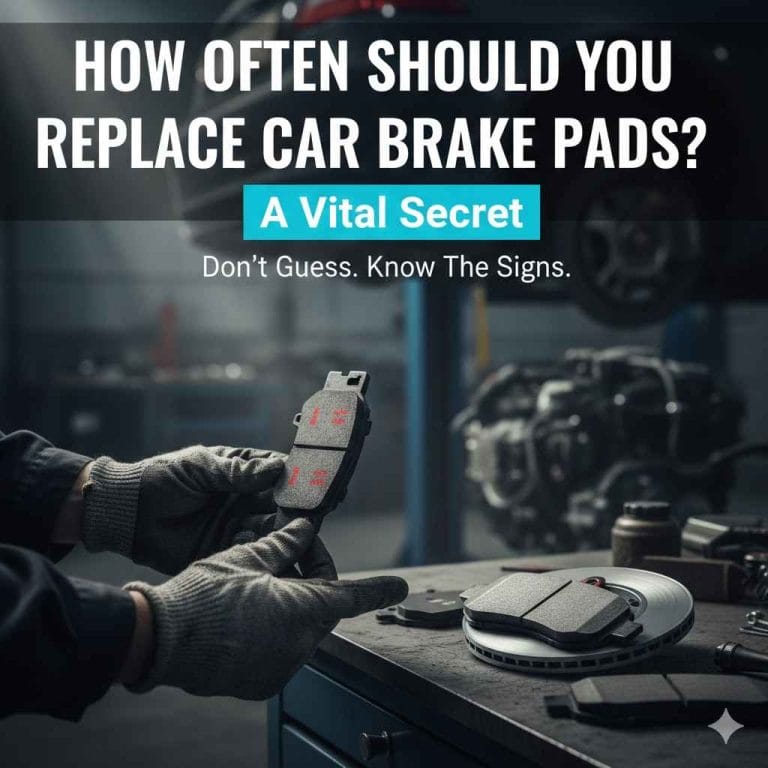
Simply put, your brakes last longer when you brake smoothly, keep your brake fluid fresh, inspect pads and rotors regularly, and avoid riding the pedal. Most brake pads can last 40,000–70,000 miles with proper care, but aggressive driving can cut that in half.
Key Takeaways
- Making car brakes last longer starts with smooth, anticipatory driving rather than late, hard stops.
- Regular brake fluid flushes and annual inspections prevent internal corrosion and uneven wear.
- Choosing ceramic or semi-metallic pads matched to your driving conditions improves longevity.
- Avoiding common mistakes like riding the brake or carrying excess weight reduces unnecessary friction.
- Paying attention to early warning signs saves you from costly rotor and caliper replacements.

How to Make Car Brakes Last Longer with Proper Driving Habits
Your driving style is the single biggest factor in how fast your brakes wear down. Smooth, deliberate inputs keep friction material on the pads longer and prevent overheating that warps rotors.
Anticipating traffic flow instead of reacting at the last second lets you use engine braking and coasting to slow down naturally. This reduces the number of times you actually press the brake pedal.
Key Driving Habits That Extend Brake Life
- Look 12–15 seconds ahead so you can ease off the gas instead of braking hard.
- Use engine braking on long downhill grades by downshifting (automatic or manual).
- Keep a safe following distance of at least 3–4 seconds to avoid sudden stops.
- Brake in a straight line before entering a turn, not while you are turning.
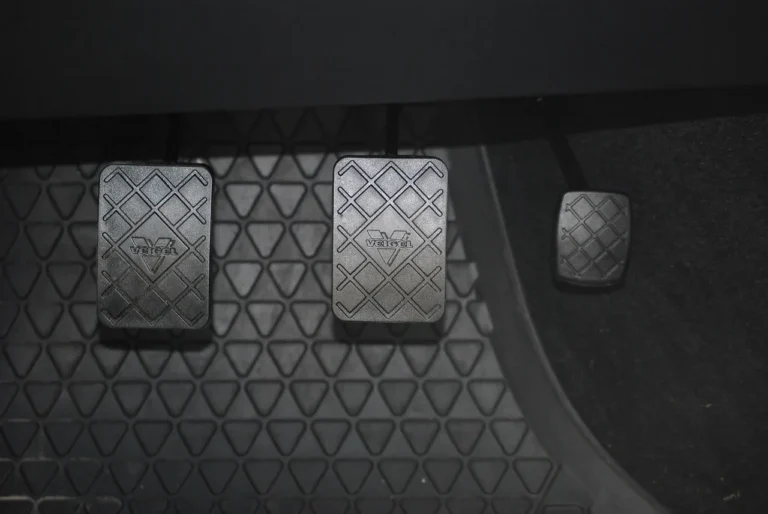
- Avoid resting your left foot on the brake pedal while driving.
- Remove heavy items from your trunk or cargo area when you don’t need them.
- Shift to neutral or park at long stoplights instead of keeping your foot on the brake.
Tip: If you see a red light ahead, take your foot off the gas and coast. This simple habit can reduce brake pad wear by 15–20 percent over the life of the vehicle.
According to the Car Care Council, aggressive driving that includes hard acceleration and heavy braking can reduce brake pad life by up to 50 percent compared to smooth, defensive driving.
What Is the Best Way to Brake on Highways and City Streets
The technique you use matters just as much as how often you brake. On highways, light and early pressure gives you controlled deceleration without building excessive heat. In stop-and-go city traffic, quick light taps followed by a steady roll work better than dragging the pedal.
Threshold braking — applying firm pressure just before the wheels lock — is useful in emergencies but should not be your everyday method because it generates high heat. For normal driving, use progressive braking: start light, increase pressure smoothly, then ease off as you come to a stop.
| Driving Scenario | Best Braking Technique | Why It Helps |
|---|---|---|
| Highway exit ramp | Light, steady pressure well in advance | Reduces heat buildup and pad glazing |
| City stop-and-go | Quick taps then roll forward | Minimizes continuous friction |
| Long downhill grade | Engine braking + intermittent light taps | Prevents brake fade and rotor warping |
| Emergency stop | Firm, steady pressure (do not pump ABS) | Maintains control and even pad wear |
The AAA Foundation for Traffic Safety reports that smooth braking not only extends brake life but also improves fuel economy by up to 10 percent in city driving.
How Often Should You Inspect Your Brake System
Regular visual inspections catch problems before they turn into expensive repairs. You do not need a mechanic for a basic check — you can look at pad thickness through the wheel spokes and listen for warning sounds during normal driving.
Most manufacturers recommend a full brake inspection every 12,000 miles or once a year, whichever comes first. If you drive in hilly areas, tow a trailer, or commute in heavy traffic, inspect them every 6,000 miles instead.
What to Check During a DIY Brake Inspection
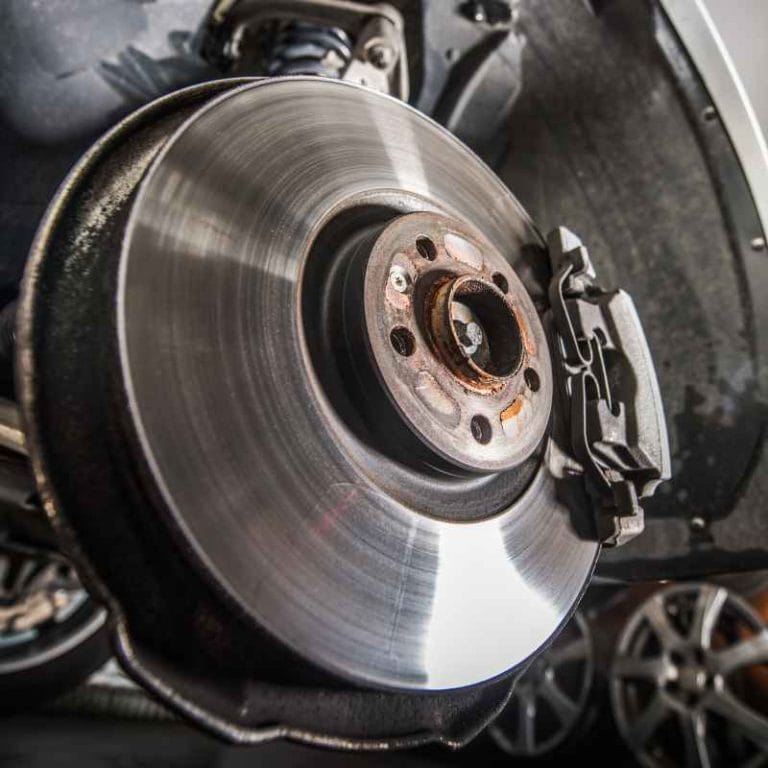
- Pad thickness: Look through the wheel spokes — pads should have at least 3–4 mm of friction material remaining.
- Rotor surface: Check for deep grooves, blue discoloration (heat damage), or cracks.
- Brake fluid level: The reservoir should be between MIN and MAX lines; dark fluid indicates contamination.
- Rubber brake lines: Look for cracks, bulges, or wet spots that indicate leaks.
- Brake dust: Heavy dust on one wheel compared to others can mean a sticking caliper.
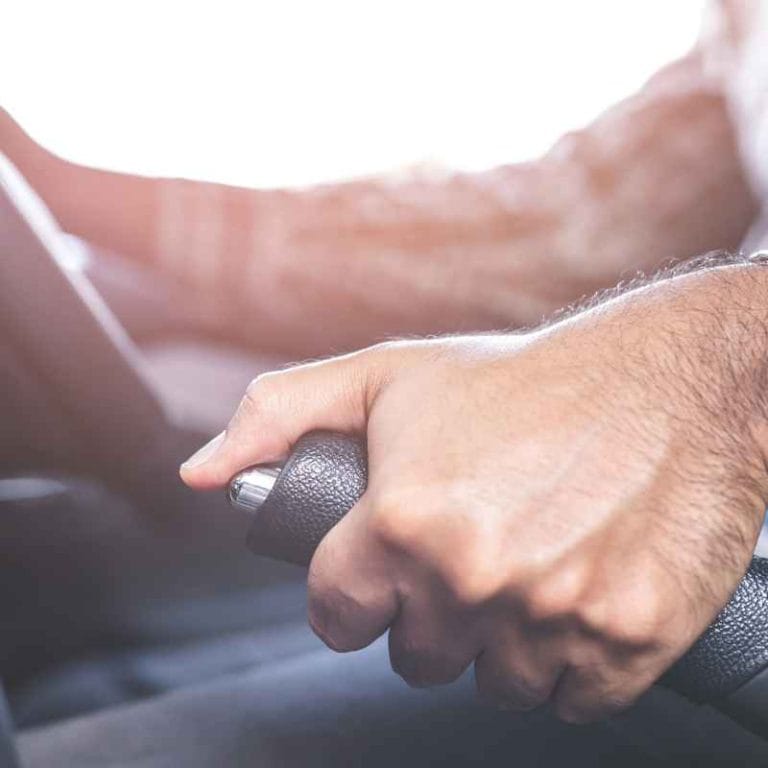
- Parking brake: Test that it holds the car on a slight incline without slipping.
Warning: If you hear a metallic screeching or grinding sound when braking, your pads are likely worn down to the backing plate. Driving even short distances in this condition can destroy your rotors and calipers.
According to the National Highway Traffic Safety Administration (NHTSA), brake-related problems contribute to roughly 22 percent of vehicle crashes caused by mechanical failure. Regular inspections are the simplest way to prevent those failures.
What Role Does Brake Fluid Play in Brake Longevity
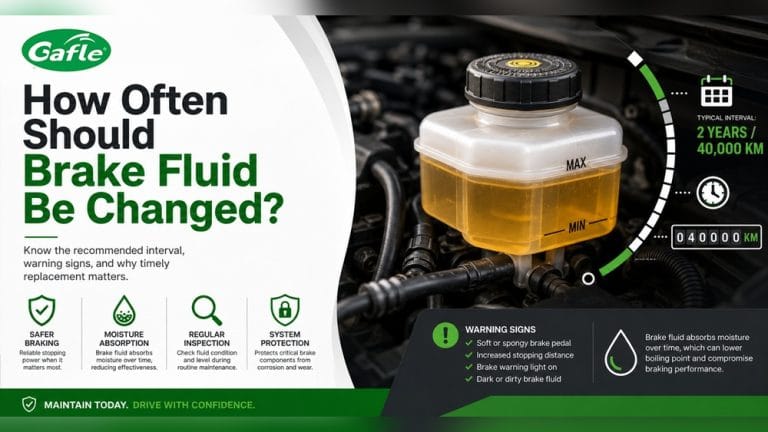
Brake fluid is the hydraulic medium that transfers force from your foot to the calipers. Over time it absorbs moisture from the air, which lowers its boiling point and causes internal corrosion in calipers, master cylinders, and ABS units.
Moisture-contaminated fluid boils under heavy braking, creating vapor bubbles that compress instead of transmitting pressure. This condition, called brake fade, forces you to press harder and longer, which accelerates wear on pads and rotors.
| Fluid Condition | Appearance | Action Needed |
|---|---|---|
| Good | Clear, light amber | No action needed |
| Marginal | Dark amber or light brown | Plan flush within 6 months |
| Bad | Dark brown or black | Flush immediately |
| Contaminated | Milky or cloudy | Flush and inspect all seals |
Brake fluid should be flushed every 2–3 years regardless of mileage. Most vehicle manufacturers specify DOT 3 or DOT 4 fluid, and using the wrong type can damage seals and reduce performance.
Important: Brake fluid is hygroscopic — it absorbs moisture even through the rubber lines and reservoir cap. A simple test strip can tell you the moisture content in seconds.
The Brake Manufacturers Council states that brake fluid with more than 3 percent moisture content should be replaced immediately to prevent internal corrosion and maintain safe boiling points.
How to Choose the Right Brake Pads for Longer Life
Not all brake pads are created equal. The material composition determines how long they last, how much noise they make, and how they perform at different temperatures. Choosing the right pad for your driving style is one of the most effective ways to make car brakes last longer.
Ceramic pads offer the best combination of longevity, low dust, and quiet operation for daily drivers. Semi-metallic pads handle heat better and work well for towing or performance driving but wear faster and produce more noise. Organic pads are cheapest but wear quickest.
Brake Pad Material Comparison
- Ceramic pads: Long lifespan (50,000–70,000 miles), low dust, quiet, good for most daily drivers.
- Semi-metallic pads: Excellent heat dissipation, good for heavy vehicles and towing, moderate dust, can be noisy.
- Organic pads: Soft and quiet, low cost, short lifespan (20,000–30,000 miles), produce more dust.
- Low-metallic NAO pads: Good stopping power when cold, moderate lifespan, high dust levels.
Tip: If you do mostly highway driving, ceramic pads are the best choice. If you tow regularly or drive a heavy SUV, high-quality semi-metallics will last longer under the extra heat.
Consumer Reports testing shows that premium ceramic pads from brands like Akebono, Bosch, and Wagner can last twice as long as budget organic pads, making them more cost-effective over the long term even though they cost more upfront.
Why Regular Brake Maintenance Extends Brake Life
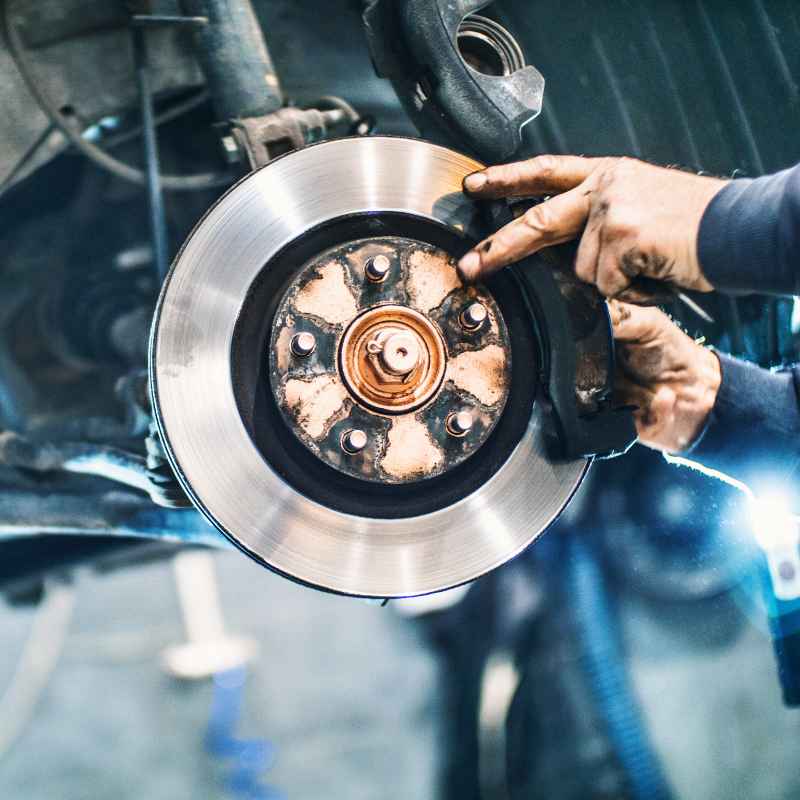
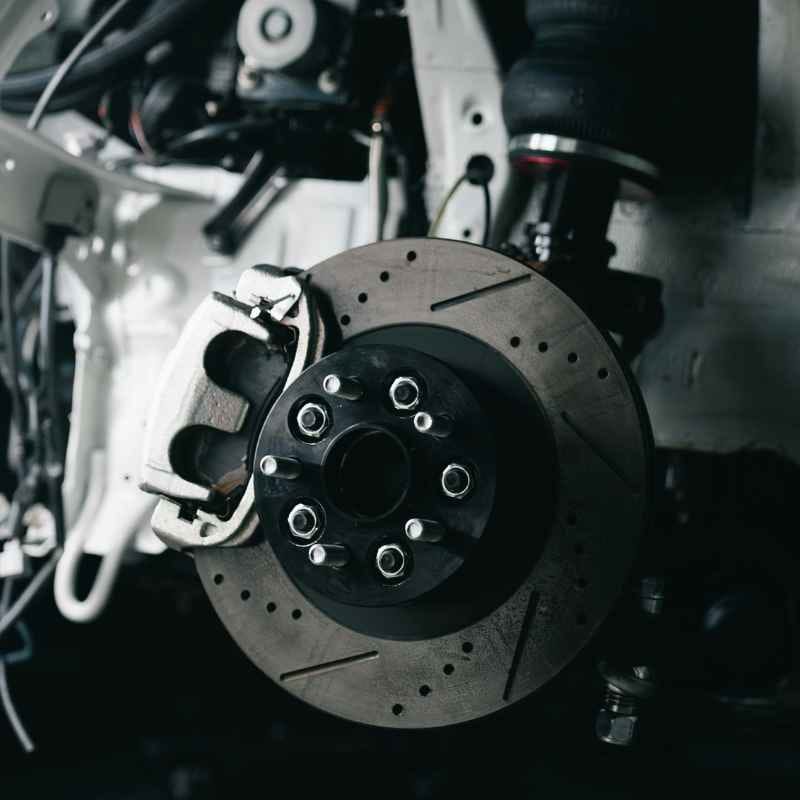
Professional brake maintenance goes beyond just checking pad thickness. A thorough service includes cleaning and lubricating caliper slide pins, inspecting caliper pistons for smooth operation, and checking that rotors are within runout specifications.
Sticking calipers are one of the most common causes of premature brake wear. When a caliper fails to release fully, it keeps the pad in light contact with the rotor, generating constant friction and heat. This can reduce pad life by thousands of miles.
What a Professional Brake Service Includes
- Removal and inspection of all four wheels and brake assemblies.
- Measurement of pad thickness and rotor thickness at multiple points.
- Cleaning and greasing caliper slide pins with high-temperature silicone grease.
- Inspection of brake lines, hoses, and fittings for leaks or damage.
- Brake fluid flush and bleed to remove moisture and air bubbles.
- Test drive to check for pedal feel, noise, and pulling.
Important: If your car pulls to one side during braking, you may have a stuck caliper or a collapsed brake hose. Driving with a sticking caliper will quickly ruin the pad and rotor on that wheel.
According to the Automotive Aftermarket Suppliers Association (AASA), vehicles that receive annual brake maintenance see 30–40 percent longer brake component life compared to vehicles that only get brake work when something fails.
Common Braking Mistakes That Wear Down Brakes Faster
Even experienced drivers make errors that shorten brake life. Identifying and correcting these habits is one of the fastest ways to make car brakes last longer without changing anything else about your routine.
Riding the brake — keeping your foot lightly on the pedal so the pads constantly drag — generates heat and wears friction material even when you do not need to slow down. This is especially common in traffic where drivers keep one foot hovering over the pedal.
Top Mistakes to Avoid
- Resting your foot on the brake pedal while driving — it slightly engages the brake switch and can cause pad drag.
- Braking while going downhill instead of using engine braking — overheats pads and causes fade.
- Late, hard stops at red lights and stop signs — wears pads faster than smooth, early braking.
- Overloading your vehicle beyond its GVWR — extra weight requires more braking force.
- Ignoring warning signs like squeaking, pulsing, or a low brake pedal — small problems become big repairs.
- Using cheap aftermarket pads that are not designed for your vehicle’s weight and performance.
- Failing to replace brake fluid on schedule — contaminated fluid causes corrosion and fade.
Warning: Braking while driving through deep water can cause temporary brake fade. After driving through standing water, lightly apply the brakes for a few seconds to dry the pads and rotors.
The Insurance Institute for Highway Safety (IIHS) notes that vehicles with well-maintained brakes stop 20–30 feet shorter from 60 mph compared to vehicles with neglected brakes — a critical difference in collision avoidance.
How Does Your Vehicle’s Weight Affect Brake Wear
Heavier vehicles require more force to stop, which translates directly into increased brake wear. Every extra 100 pounds of weight adds measurable friction and heat to the braking system during each stop.
If you regularly carry cargo, tools, or passengers, your brakes will wear faster than the same vehicle driven lightly. This is why trucks and SUVs typically need brake replacements more often than compact cars.
Weight-Related Factors That Increase Brake Wear
- Adding roof racks, cargo boxes, or bike racks increases aerodynamic drag and weight.
- Towing a trailer doubles the braking demand on your vehicle’s system.
- Carrying unnecessary heavy items in the trunk adds constant extra load.
- Aftermarket wheels and larger tires increase unsprung weight and rotational inertia.
Tip: Removing just 50–100 pounds of unnecessary weight from your vehicle can reduce brake wear and improve fuel economy by 1–2 percent.
The EPA estimates that every 100 pounds of excess weight reduces fuel economy by about 1 percent, and the same principle applies to brake wear — less weight means less kinetic energy to dissipate during every stop.
Frequently Asked Questions
How many miles should brake pads last?
Brake pads typically last between 30,000 and 70,000 miles, depending on driving habits, vehicle weight, and pad material. Highway drivers often get 60,000–70,000 miles, while city drivers may need replacements at 30,000–40,000 miles.
Can I make my brakes last longer by braking harder less often?
Yes, braking harder less often is actually better than light braking more often. Each brake application generates heat and wear, so reducing the total number of stops extends pad life. However, hard braking should not be so aggressive that it triggers ABS or causes overheating.
Does driving with the parking brake on damage brakes?
Driving with the parking brake engaged generates extreme heat and can glaze the rear brake pads, warp the rotors, or damage the parking brake cable and mechanism. If you notice a burning smell or drag, release the parking brake immediately.
How often should I replace brake fluid?
Brake fluid should be replaced every 2–3 years regardless of mileage. Moisture absorption happens over time, not distance. If you drive in humid climates or tow frequently, consider flushing every 18–24 months.
Are ceramic brake pads worth the extra cost?
Ceramic brake pads cost 30–50 percent more than organic pads but last 2–3 times longer and produce much less dust. For most daily drivers, ceramic pads deliver the best long-term value and performance.
Final Thoughts
Making car brakes last longer comes down to three things: smooth driving habits, regular inspections, and choosing quality components. Anticipate stops, keep your brake fluid fresh, and address squeaks or vibrations early. A little attention now saves hundreds of dollars in rotor and caliper replacements later, and it keeps your braking system reliable when you need it most.
See also how to stop car brake noise that drives you crazy.
Products related to this article
Sponsored / affiliate links. As an Amazon Associate I earn from qualifying purchases. I may earn additional commission from eligible campaigns.