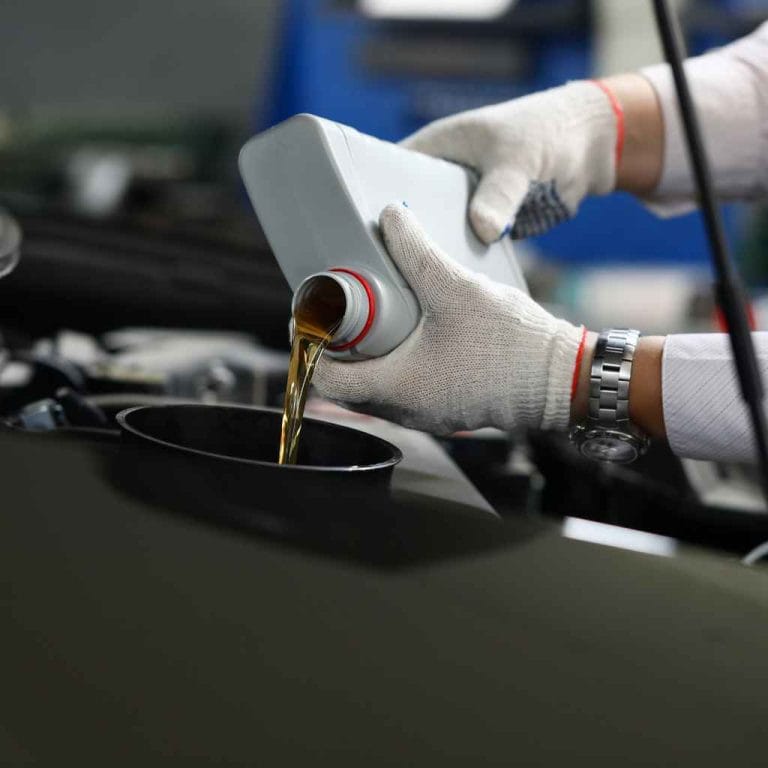
How Often Should You Change Car Engine Oil? Real Answer
The general rule is to check your owner’s manual for specific recommendations. Many modern cars can go 7,500 to 10,000 miles or even more between oil changes. However, older cars, or those driven in severe conditions, may need changes more frequently, sometimes every 3,000 to 5,000 miles.
Understanding Engine Oil and Your Car
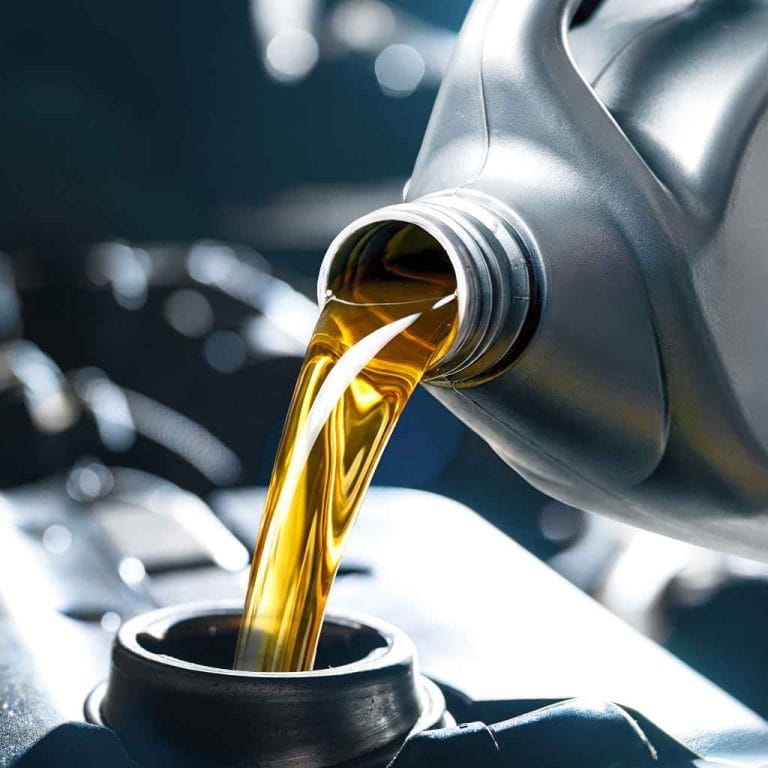
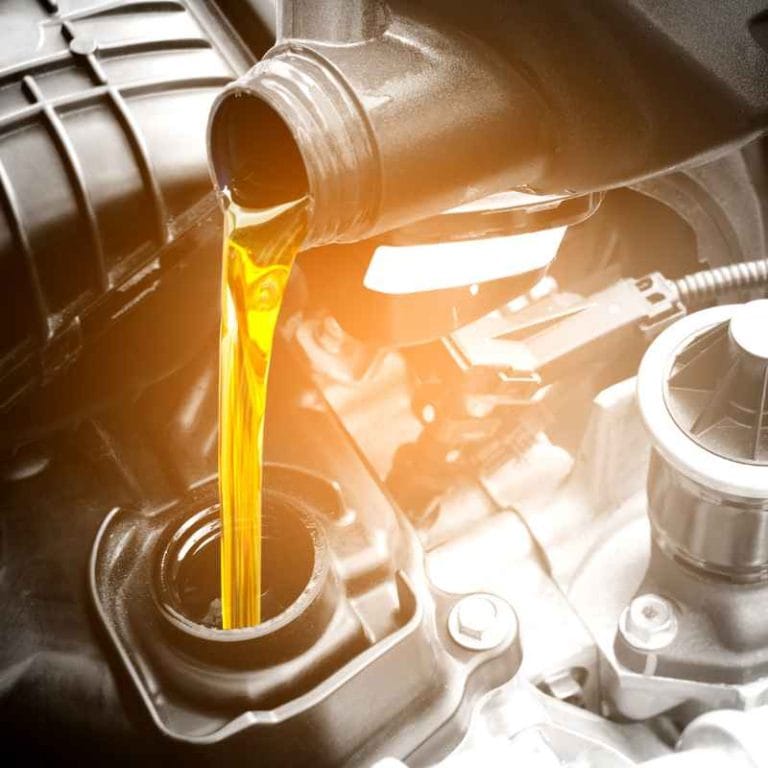
Engine oil is like the lifeblood of your car. It does so many important jobs. It keeps things clean. It stops parts from rubbing together. This reduces wear and tear. It also helps cool the engine down. Think of it as a tiny, but mighty, superhero working hard inside your car’s heart.

Valvoline
Valvoline Advanced Full Synthetic SAE 0W-16 Motor…
- Advanced protection against the four main causes of engine breakdown: wear friction heat and deposits
- Delivers stronger wear protection than industry standards to reduce friction and improve fuel economy
- Exceeds industry standards, keeping engines cleaner for smoother performance and longer-lasting protection
As an Amazon Associate I earn from qualifying purchases.
Over time, this oil gets dirty. It picks up little bits of metal. It also collects gunk from the burning fuel. The heat of the engine makes the oil break down. It doesn’t work as well as it used to. This is why changing it is so important. It’s like giving your engine a fresh, clean drink.
When oil breaks down, it can’t protect your engine anymore. This leads to more friction. More friction means more heat. It also means engine parts wear out faster. This can cause big problems down the road. Problems that cost a lot of money to fix. So, keeping up with oil changes is a smart move.
My Own Oil Change Scare
I remember years ago, I had a beat-up sedan. It was my first car. I was young and, honestly, a bit clueless about car maintenance. I drove it everywhere. To work, to friends’ houses, on long road trips. I saw the oil change sticker, but I kept putting it off. “It’s fine,” I told myself. “It’s still running.”
One sweltering summer day, I was driving to the beach. The car started making a funny noise. It was a knocking sound. Then it got louder. Smoke started to puff out from under the hood. I pulled over as fast as I could. My heart was pounding. I opened the hood, and it looked like a science experiment gone wrong. Black, sludgy oil was everywhere. The engine was steaming.
A kind tow truck driver took a look. He shook his head. “You waited too long, kid,” he said gently. “This oil is completely shot. It turned to tar.” He explained how the lack of clean oil had caused metal parts to grind together. That was the knocking sound. The smoke was the engine overheating. My cheap car ended up needing a whole new engine. It cost me thousands. That was a hard lesson learned. It taught me to respect what my car needs.
When Was Your Last Oil Change?
It’s easy to forget. Life gets busy. But your car’s engine is working hard every day.
Keep a small note in your phone or a reminder on your calendar. It’s a simple step that saves a lot of trouble.
How Often is “Often” Anyway?
This is where things get a little tricky. There isn’t one single answer that fits every car. Many car makers give you a number. This number is usually in miles or months. For example, 7,500 miles or 6 months. But this is often for “normal” driving.
What is “normal” driving? It means short trips. You drive a few miles to work. Then you come home. Your engine doesn’t get very hot. This means it doesn’t burn off all the gunk. It also means condensation can build up. This isn’t good for the oil.
So, if you do a lot of short trips, you might need to change your oil more often. Even if you haven’t hit the mileage number. If you drive in really hot weather. Or if you tow things. Or if you drive in dusty areas. These are all “severe” driving conditions. They put more stress on your oil.
Signs Your Oil Needs Changing
- Dark or Dirty Oil: Fresh oil is usually a honey or amber color. If it looks black and gritty, it’s time.
- Low Oil Level: If you check the dipstick and the oil is low, add more. But if it’s consistently low, there might be a leak.
- Engine Noise: Thumping or knocking sounds can mean low or dirty oil.
- Check Engine Light: Sometimes this light comes on for oil issues.
- Smell of Oil: If you smell oil inside the car, it might be leaking.
The Owner’s Manual: Your Car’s Best Friend
Your car’s owner’s manual is super important. It has all the specific details for your car. It will tell you the best type of oil to use. It will also tell you the recommended change interval. This is the best place to start. Don’t just guess. Don’t rely on what your neighbor told you. Look it up.
Car makers test their vehicles a lot. They know what works best for their engines. They consider the engine design. They consider the materials used. They even consider the climate where the car is sold. So, that manual is your golden ticket.
If you can’t find your manual, don’t worry. Most car companies have them online. You can usually download a PDF. Just search for ” owner’s manual PDF”. It’s worth the effort.
What Kind of Oil Should You Use?
This is another area where the manual is key. There are different types of engine oil. There’s conventional oil. There’s synthetic blend. And there’s full synthetic oil. Each has its own strengths.
Full synthetic oil is the best. It’s made in a lab. It’s very clean. It lasts longer. It can handle extreme temperatures better. It also keeps your engine cleaner. Many newer cars need synthetic oil. Using the wrong kind could hurt your engine.
Conventional oil is cheaper. It’s fine for older cars. Or for cars that don’t get driven much. Synthetic blends offer a middle ground. They are a mix of conventional and synthetic. They offer better protection than just conventional. But they cost less than full synthetic.
The manual will tell you the viscosity grade. This is the number you see on the oil bottle. Like 5W-30. The “W” stands for winter. The first number is how the oil flows when it’s cold. The second number is how it flows when it’s hot. Using the right viscosity is very important.
The Big Debate: 3,000 Miles vs. Modern Intervals
You’ve probably heard people say you need to change your oil every 3,000 miles. This used to be a common rule. It came from a time when car engines were different. Oils were also not as advanced.
Today’s engines are built much better. They have tighter tolerances. They use better materials. The oils are also far superior. They are made to last much longer. They have additives that protect the engine better.
So, for most modern cars, 3,000 miles is too often. You’re basically throwing away good oil. It’s not necessary. It’s a waste of money and resources. However, if you have a very old car, or drive in extreme conditions, 3,000 miles might still be a good idea. Always check your manual first.
Checking Your Oil Level and Condition
You don’t need to be a mechanic to check your oil. It’s a simple thing you can do yourself. You’ll need a clean cloth or paper towel.
1. Park on a Level Surface: Make sure your car is on flat ground.
2. Wait for the Engine to Cool: It’s best to do this when the engine is cool. Or at least not piping hot. Wait about 10-15 minutes after turning the car off.
3. Open the Hood: Find the dipstick. It usually has a bright-colored loop handle.
4. Pull Out the Dipstick: Pull it all the way out.
5. Wipe it Clean: Use your cloth to wipe off all the oil.
6. Reinsert the Dipstick: Push it all the way back in.
7. Pull it Out Again: Now look at the oil. There will be marks on the dipstick. Usually two dots or lines. The oil level should be between these marks.
8. Check the Color and Texture: Is the oil dark? Does it look gritty? If so, it’s probably time for a change.
If the oil is below the lowest mark, you need to add oil. You can buy the correct type at any auto parts store. Add a little at a time. Then recheck the dipstick. Don’t overfill it. Too much oil can be bad too.
Oil Change Quick Scan
| Driving Type | Recommended Interval (General) |
| Normal (Mostly highway, longer trips) | 7,500 – 10,000+ miles / 12 months |
| Severe (Short trips, stop-and-go, extreme temps, towing) | 3,000 – 5,000 miles / 6 months |
| Older Cars (Pre-2000s) | 3,000 – 5,000 miles / 6 months |
Note: Always consult your owner’s manual for the most accurate information.
Why Changing Oil is So Crucial
Let’s dive a little deeper into why this really matters. Think about all the moving parts in your engine. Pistons going up and down. Gears turning. All at high speeds. Without proper lubrication, these parts would just grind against each other. They’d wear down incredibly fast.
Oil creates a thin film between these parts. This film is what stops the metal-on-metal contact. It reduces friction. Less friction means less heat. Less heat means less stress on the engine. It also makes the engine run more smoothly.
Dirty oil can’t form that good film. It becomes thick and sludgy. It can clog up small passages in the engine. These passages carry oil to critical parts. If they get blocked, those parts don’t get any oil. That’s how engine damage starts.
The Role of Oil Filters
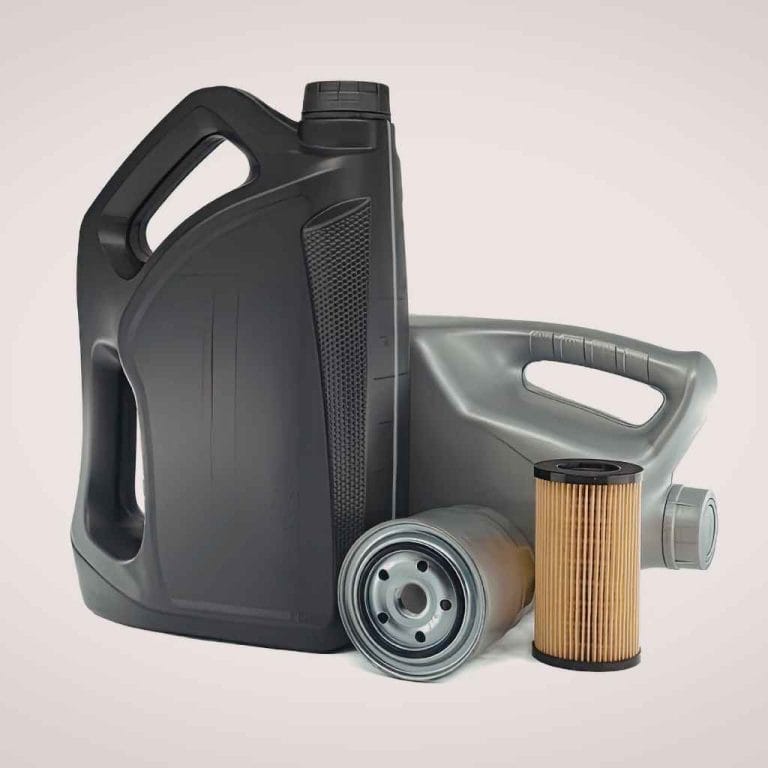
When you change your oil, you should also change your oil filter. The oil filter is like the kidney of your engine. It catches all those tiny metal bits and dirt. It keeps the oil cleaner for longer.
A clogged oil filter can’t do its job. It can even get to a point where it stops oil from flowing properly. This is bad for your engine. New oil with a new filter is the best way to protect your engine.
Synthetic Oil: Is It Worth the Extra Cost?
For many people, the answer is a resounding yes. Full synthetic oil costs more upfront. You might pay $10-$20 more per oil change. But it lasts longer. Many manufacturers now recommend intervals of 10,000 miles or more for synthetic oil.
This means you might only need 3-4 oil changes per year. Instead of 5-6 with conventional oil. When you factor that in, the cost can be similar. Or even cheaper. Plus, the protection your engine gets is much better.
Synthetic oil is more stable. It doesn’t break down as easily under high heat. It flows better in cold weather. This means your engine is protected from the moment you start it up. Even on a cold morning. This reduced wear and tear can mean your engine lasts longer.
Common Driving Habits That Affect Oil Life
We touched on this, but let’s look closer at specific habits.
Short Trips: As mentioned, lots of short trips mean the engine never gets fully warmed up. This traps moisture and byproducts. They mix with the oil and make it break down faster.
Idling: Leaving your car idling for long periods is also tough on oil. The engine is running, but not moving. It’s not circulating oil as efficiently. This can also lead to more condensation.
Stop-and-Go Traffic: This is a form of severe driving. Your engine is constantly starting and stopping. It’s not cruising at a steady speed. This puts more stress on the oil.
Towing or Hauling: When you tow a trailer or carry a heavy load, your engine works harder. This generates more heat. It makes the oil degrade faster. If you tow often, you’ll need to change your oil more frequently.
Extreme Temperatures: Both very hot and very cold weather stress your engine oil. Hot weather makes it break down. Cold weather makes it thicker and harder to circulate.
Signs of Oil Sludge
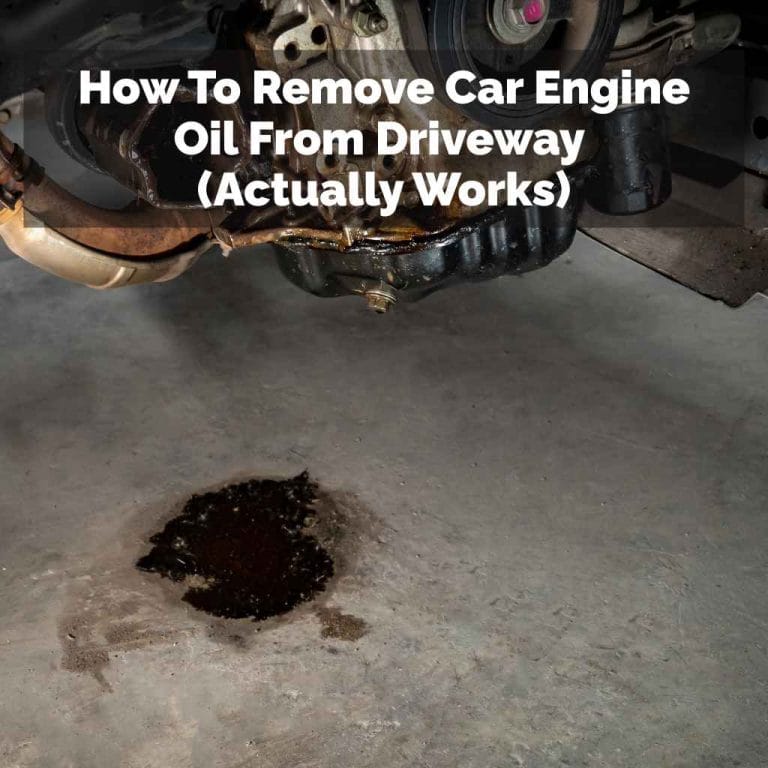
Oil sludge is the enemy of your engine. It’s thick, black, gooey stuff. It forms when oil breaks down completely. It can clog oil passages. It can coat engine parts. It prevents oil from reaching where it needs to go.
What does sludge look like? It’s often described as looking like tar or thick peanut butter. If you check your oil dipstick and see this, it’s a major red flag. You may need an engine flush. But it’s a sign you’ve gone way too long between changes.
The Environmental Impact
Changing your oil regularly is also good for the planet. Used motor oil is a hazardous waste. It should never be poured down a drain or into the ground. It can contaminate soil and water.
However, used oil can be recycled. Many auto parts stores and service centers have collection points. They take the old oil and filter it. Then it can be re-refined. Or used for other purposes. By changing your oil on schedule, you ensure it gets disposed of properly.
When to Trust Your Mechanic (and When to Ask Questions)
Most mechanics are honest and knowledgeable. They want to keep your car running well. They will recommend oil changes based on your car’s needs. They will also suggest other maintenance.
However, it’s always good to be informed. If a mechanic tells you something that doesn’t sound right. Or if they recommend a service you’re not sure about. Don’t be afraid to ask questions. Ask them to explain why it’s needed. Ask them to show you in your owner’s manual.
If you feel pressured. Or if the explanation doesn’t make sense. It’s okay to get a second opinion. Trust your gut feeling.
DIY Oil Changes: Can You Do It?
Yes, you absolutely can do an oil change yourself! It’s a rewarding task. It can save you money. You just need a few basic tools. And a safe place to work.
What you’ll need:
New oil (the correct type and amount)
New oil filter
Wrench for the oil drain plug
Oil filter wrench
Drain pan for old oil
Funnel
Gloves
Rags or paper towels
You’ll also need to know where the oil drain plug is. And the oil filter is. These are usually on the bottom of the engine. You’ll need to get under your car. Make sure the car is securely supported if you need to lift it. A good jack and jack stands are important for safety.
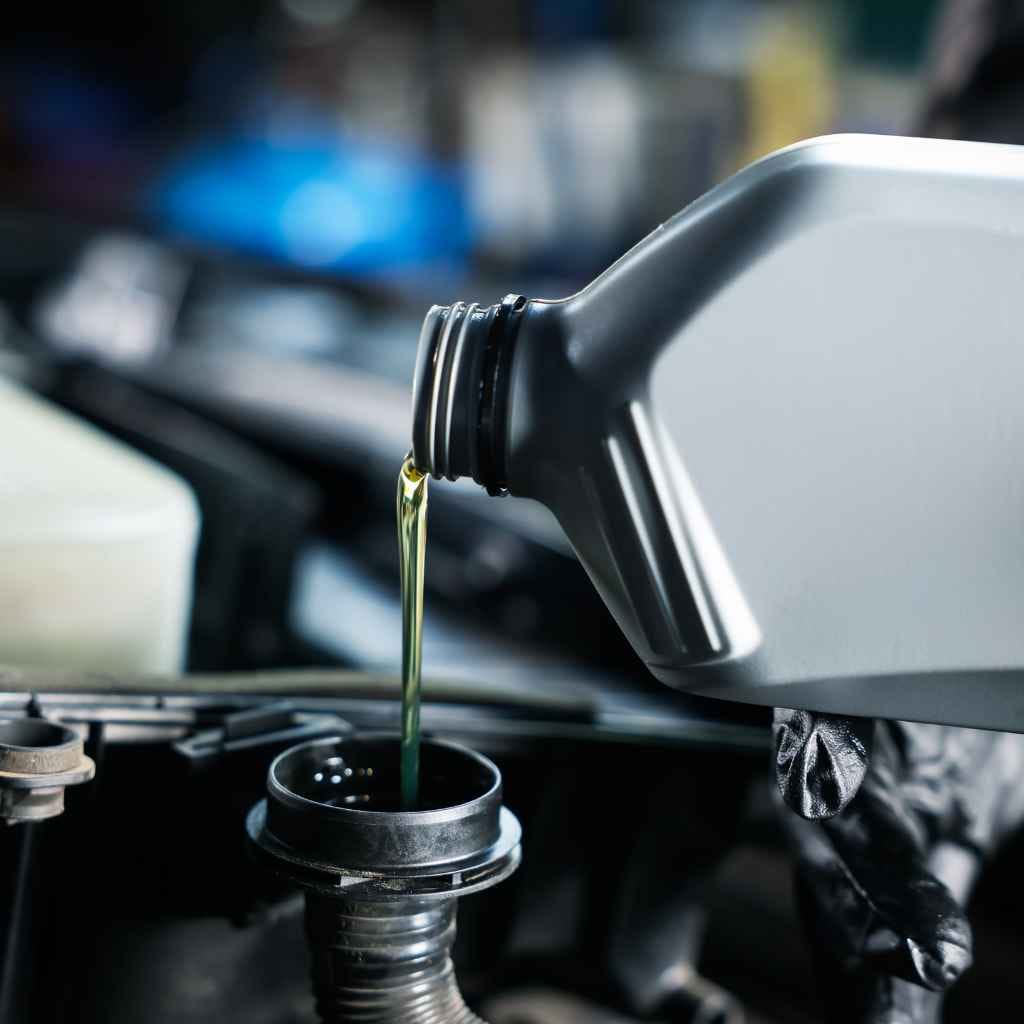
The process involves draining the old oil. Then removing the old filter. Then putting on the new filter. Then replacing the drain plug. Finally, you add the new oil. It takes patience and a bit of getting dirty. But it’s very doable. And you know it’s done right.
What Happens If You Never Change Your Oil?
This is the worst-case scenario. And it’s not pretty. If you never change your oil, your engine will eventually fail. The oil will get so thick and dirty that it stops lubricating. Metal parts will grind together.
First, you’ll likely hear strange noises. Tapping, knocking, grinding sounds. Then the engine will start to overheat. The check engine light will come on. Performance will drop. The car might start sputtering or stalling.
Eventually, a major component will fail. A piston might seize. A bearing could burn out. The engine will seize up. This means the engine stops turning. It’s usually a catastrophic failure. The car will be dead. Repairing or replacing an engine is incredibly expensive. Often, it costs more than the car is worth. So, that neglected oil change really costs you in the end.
Modern Car Technology and Oil Changes
Newer cars are getting smarter. Some have oil life monitoring systems. These systems don’t just track mileage. They actually monitor driving conditions. They use sensors to gauge how the oil is performing.
Based on your driving habits, the system will tell you when it’s time for an oil change. This is usually displayed on your dashboard. It might say “Oil Change Due Soon” or give you a percentage. These systems are quite accurate. They take the guesswork out of it.
However, it’s still a good idea to check your oil level and condition visually. And to keep a record of when the oil life monitor says to change it. Sometimes, the system might be a little off. Or you might want to change it a bit sooner for extra peace of mind.
Summary: Finding Your Car’s Sweet Spot
So, how often should you change your car engine oil? The short answer is: it depends. But here’s a breakdown to help you figure it out.
1. Check Your Owner’s Manual: This is always step one. It has the manufacturer’s recommendation for your specific car.
2. Consider Your Driving Habits: Are you mostly on the highway? Or do you do a lot of short trips and stop-and-go driving? Severe conditions mean more frequent changes.
3. Look at the Oil Type: Synthetic oils last longer than conventional oils.
4. Pay Attention to Your Car: Listen for strange noises. Watch for the check engine light. Check your oil level and color regularly.
5. Use Oil Life Monitoring Systems: If your car has one, trust it, but still do your own checks.
For most modern cars driven normally, intervals of 7,500 to 10,000 miles or once a year are common. For older cars, or those driven in severe conditions, 3,000 to 5,000 miles or every six months is more appropriate.
Don’t put it off. It’s one of the most basic, yet important, things you can do for your car. It’s an investment in its longevity and reliability. And it will save you a lot of headaches and money in the long run.
Frequently Asked Questions About Car Engine Oil Changes
How often should I change my car’s oil if I only drive it once a month?
Even if you don’t drive much, oil can still break down over time due to moisture and contaminants. For infrequent drivers, it’s often recommended to change the oil based on time rather than mileage. Check your owner’s manual, but typically, this means changing it at least once a year, regardless of how many miles you’ve driven.
Can I use a different weight of oil than what my manual recommends?
It’s generally not a good idea to deviate from the oil viscosity recommended in your owner’s manual. The “W” number (like 5W in 5W-30) indicates how well the oil flows when cold, and the second number indicates how it flows when hot. Using a different weight could affect lubrication, engine temperature, and performance, potentially causing damage over time.
What’s the difference between conventional and synthetic oil?
Conventional oil is refined from crude oil and is more basic. Synthetic oil is created in a lab through a more complex process, resulting in a purer, more consistent lubricant. Synthetic oils offer better protection, last longer, and perform better in extreme temperatures compared to conventional oils.
Is it okay to mix conventional and synthetic oil?
Yes, you can mix conventional and synthetic oils, especially in a pinch. If your car requires synthetic oil and you can only find conventional, adding some conventional won’t immediately harm your engine. However, this mixture will have the properties of conventional oil, reducing the benefits of synthetic.
For the best protection, it’s always recommended to use the type of oil specified by your car manufacturer and stick to it.
How long does an oil change take at a mechanic?
An oil change is usually a quick service. At a professional shop, it typically takes between 30 to 60 minutes. This includes checking other fluids, topping them off, and inspecting the oil filter.
If you’re doing it yourself, it might take a bit longer if you’re new to the process.
Can I just add oil if the level is low, instead of changing it?
Yes, if your oil level is low, you can add the correct type of oil to bring it up to the proper level. This is a temporary fix for a low oil situation. However, if you are constantly needing to add oil, it could indicate a leak or that the oil is burning off, which might mean it’s also time for a full oil change and inspection.
Final Thoughts on Oil Changes
Keeping your car’s engine healthy is a marathon, not a sprint. Regular oil changes are one of the simplest, most effective ways to ensure your car runs smoothly for years to come. Don’t let it be a chore; see it as a vital act of care for your trusted ride.
},
},
},
},
},
}
]
}
Related pick: Check today's price on Amazon
Products related to this article
Sponsored / affiliate links. As an Amazon Associate I earn from qualifying purchases. I may earn additional commission from eligible campaigns.