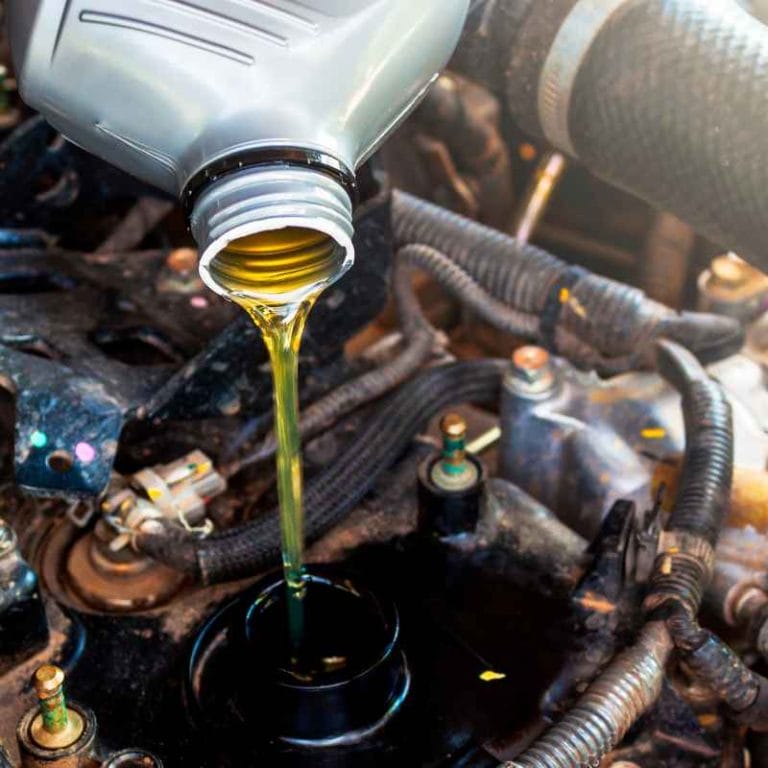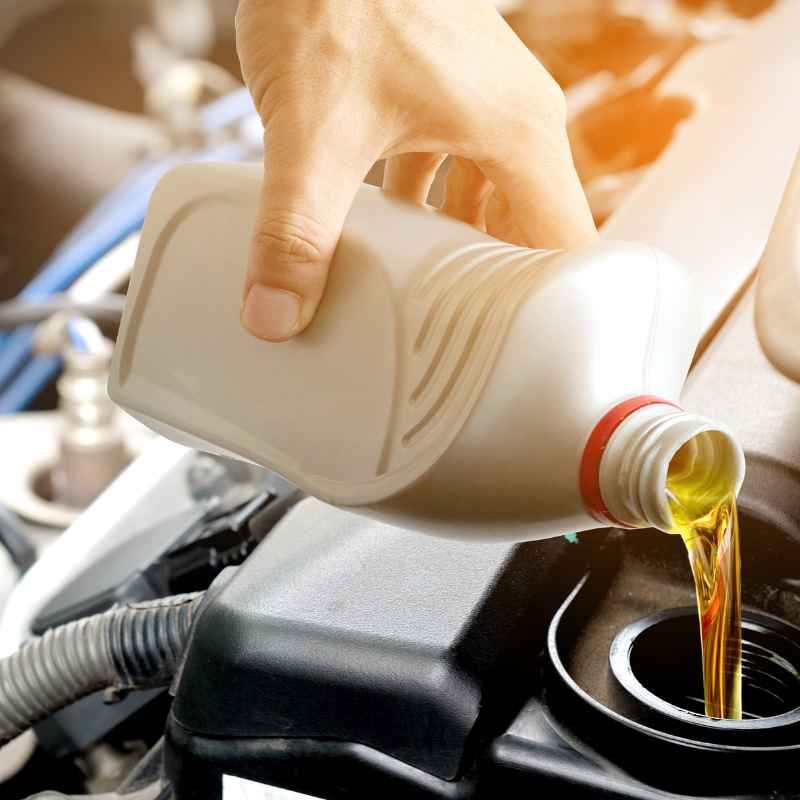
What Happens If You Have No Engine Oil? Scary Truth Here
Imagine your car’s engine. It’s a complex system with many moving parts. These parts need a special fluid to keep them working smoothly.
That fluid is engine oil. It’s like the blood of your car. But what if that vital fluid is gone?
What happens if you have no engine oil? It’s a question that can make any driver nervous.
Running your engine without oil is a really bad idea. It can lead to serious damage. It can also cost you a lot of money.
Let’s look at what actually happens inside your engine when the oil disappears.
If your car runs with no engine oil, its metal parts will grind together. This causes extreme friction and heat. The engine will quickly seize up and become permanently damaged.
It’s crucial to maintain proper oil levels to prevent catastrophic engine failure.
The Engine Without Its Lifeblood
Your car’s engine is a marvel of engineering. It has many metal parts. These parts move very fast.
Think of pistons going up and down. Think of a crankshaft spinning around. Think of valves opening and closing.
All these parts need to move freely. They also need to stay cool. Engine oil does two main jobs.
First, it lubricates. This means it puts a slippery layer between metal parts. This layer stops them from rubbing directly against each other.
No oil means metal on metal contact. That creates a lot of friction.
Second, oil helps cool the engine. As it circulates, it picks up heat. It carries this heat away from hot spots.
Then it releases the heat. Without oil, there’s no cooling. Temperatures inside the engine can climb very fast.
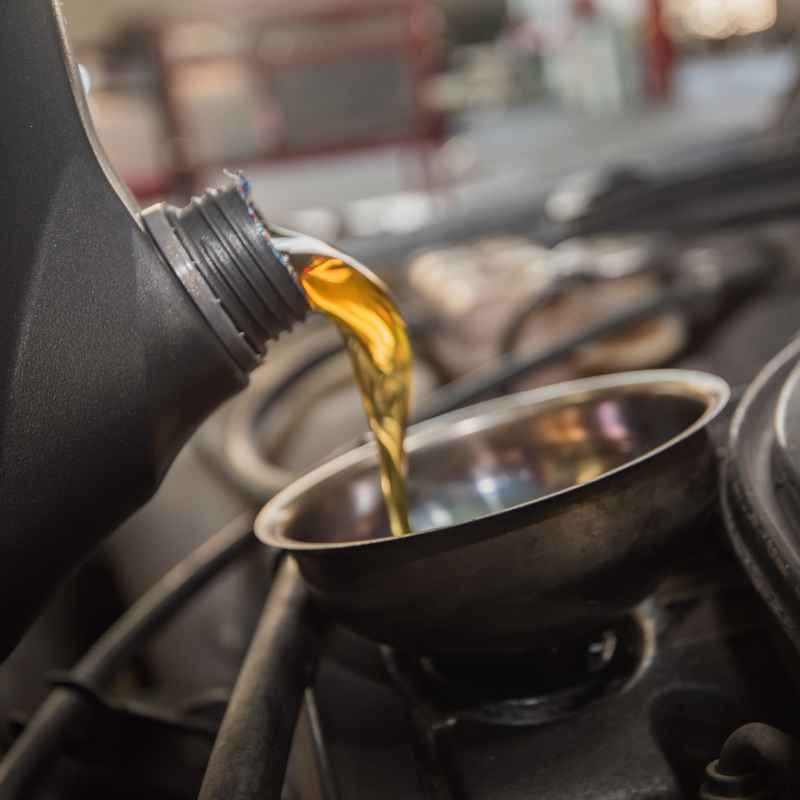
What Happens When Oil Levels Drop
Let’s say your oil level starts to drop. At first, you might not notice much. Your car might still seem to run okay.
But inside, problems are starting. The oil pump is working harder. It’s trying to get oil to all the parts.
Soon, some parts won’t get enough oil. The noise might start first. You might hear a ticking or knocking sound.
This is a warning sign. It means metal parts are starting to touch. They are not supposed to.
The friction creates heat. This heat makes the metal parts expand. They can even start to glow red hot.
This is very dangerous for your engine. It can cause parts to warp or melt.
Eventually, the oil pressure will drop to zero. Most cars have a warning light for this. It’s usually an oil can symbol.
If this light comes on, you need to stop driving immediately.
The Engine Seizes: The Worst-Case Scenario
When there is absolutely no engine oil, the metal parts will grind against each other. This is called “seizure.” The pistons are moving up and down inside cylinders. Without oil, they will get very hot.
They will expand too much. They can get stuck inside the cylinders. This stops the pistons from moving.
Since the pistons are connected to the crankshaft, the crankshaft also stops turning.
The whole engine can lock up. It becomes a solid, stuck block of metal. This is called an engine seizure.
It’s a complete breakdown.
Once an engine seizes, it’s usually not repairable. You would need a whole new engine. This is a very expensive fix.
It can cost thousands of dollars. Sometimes, it’s cheaper to get a new car.
Other Engine Problems Caused by Low Oil
Even before the engine seizes, other issues arise. Overheating is a big one. Oil is a key part of the cooling system.
Without it, the engine temperature spikes. This can damage many components.
The oil pump itself can be damaged. It needs oil to stay lubricated. If it runs dry, it can burn out.
Then, even if you add oil later, the pump won’t work.
Bearings are also very vulnerable. These are the parts that allow shafts to spin smoothly. Engine bearings are critical.
Low oil will destroy them quickly. This leads to loud knocking noises.
The metal shavings from grinding parts can also spread. These metal bits can clog up oil passages. This makes it even harder for oil to reach where it’s needed.
It’s a domino effect of damage.
Oil Level Warning Signs
Low Oil Pressure Light: This is the most serious warning. It looks like an oil can. If it lights up, stop driving right away.
Strange Noises: Ticking, knocking, or grinding sounds from the engine. These mean metal parts are rubbing.
Overheating: Your engine temperature gauge climbs into the red zone. The engine feels very hot.
My Own Scare with Low Oil
I remember one time I was driving back from a long trip. It was late at night. The highway was dark.
I was tired and just wanted to get home. My car started making a funny noise. It was a soft ticking sound at first.
I almost ignored it.
But it got louder. It started to sound like a small hammer tapping inside the engine. Then, the oil pressure light came on.
It was a bright red oil can. My heart dropped. I knew this was bad.
I pulled over to the side of the road immediately. I turned off the engine. I waited a few minutes.
Then I checked the oil dipstick. It was bone dry. Not a drop of oil on it.
I had been driving without enough oil.
Luckily, I was only a few miles from a small town. I managed to get a tow truck. The mechanic said I was very lucky.
He said I caught it just in time. He replaced the oil and filter. He said the engine hadn’t seized yet.
But it was a close call. I learned my lesson that night about checking my oil regularly. It was a scary feeling.
Why Does Engine Oil Disappear?
Engine oil doesn’t just vanish. There are a few main reasons why your oil level might drop.
Leaks: This is very common. Over time, seals and gaskets in the engine can wear out. Oil can start to drip out.
You might see oil spots under your car. Check your garage floor.
Burning Oil: Some oil can get past the piston rings. It can then burn up inside the engine. This creates blue smoke from the exhaust pipe.
Older cars are more prone to this.
Evaporation: A very small amount of oil can evaporate. This happens slowly over long periods. It’s usually not a major cause of low oil.
Not Enough Oil Added: Sometimes, it’s as simple as not adding enough oil during a change. Or maybe it wasn’t topped up when needed.
Common Places for Oil Leaks
Oil Pan Gasket: The seal between the oil pan and the engine block.
Valve Cover Gasket: The seal on top of the engine.
Crankshaft Seals: Seals at the front and rear of the crankshaft.
Oil Filter Housing: The connection point for the oil filter.
Checking Your Engine Oil: A Simple Habit
Checking your engine oil is one of the easiest and most important car maintenance tasks. You can do it yourself. It takes just a few minutes.
First, park your car on a level surface. The engine should be cool or warm, but not hot. Open the hood.
Find the oil dipstick. It usually has a bright colored handle, often yellow or orange.
Pull the dipstick out. Wipe it clean with a rag. Push it all the way back in.
Pull it out again. Look at the end of the dipstick. There are markings on it, usually two dots or lines.
These show the “full” and “add” levels.
Your oil level should be between these two marks. If it’s below the “add” mark, you need to add oil. If it’s near the “full” mark, it’s good.
If it’s above “full,” that can also cause problems.
Always use the correct type of oil for your car. Check your owner’s manual. Adding the wrong oil can hurt your engine.
You can buy oil at auto parts stores or even some grocery stores.
Quick Oil Check Steps
Park on Level Ground: Essential for accurate reading.
Engine Cool (or Warm): Not when the engine is hot.
Locate Dipstick: Look for the bright handle.
Wipe and Reinsert: Make sure it’s clean and fully in.
Read Level: Check the markings for full and add.
What If You Realize You Have No Oil While Driving?
This is the moment of panic. If you notice the oil light is on, or you hear terrible noises, stop driving. Do not try to make it home.
Every second you drive without oil causes more damage.
Pull over safely as soon as possible. Turn off the engine immediately. This is the most important step.
It stops the grinding. It prevents the engine from seizing.
Once stopped, check the oil level if you can. But if the light is on and you hear noises, assume it’s very low or gone.
You will likely need a tow truck. Call roadside assistance or a local tow company. They can take your car to a mechanic.
Do not try to drive it to the shop.
When you talk to the mechanic, explain what happened. Tell them you drove with the oil light on or heard noises. Be honest.
This helps them diagnose the problem correctly.
Can an Engine Be Saved After Running Low on Oil?
It depends on how long you drove. And how low the oil level was. If you catch it very early, the damage might be minimal.
A quick oil change might be all you need. But if you heard knocking noises, or the oil light stayed on for a while, there’s probably internal damage. The bearings could be worn.
The pistons might have scored the cylinder walls.
Even if the engine doesn’t seize completely, it might not run right afterward. It could burn more oil. It might be weaker.
It could have a shorter lifespan.
Sometimes, mechanics can inspect the engine for damage. They might remove the oil pan and look at the bearings. If they look bad, replacement is likely needed.
Engine Condition After Low Oil Drive
Minor Damage: Engine runs okay after oil change. May not have any noticeable issues.
Moderate Damage: New noises appear. Engine performance decreases. Oil consumption increases.
Severe Damage: Engine seizes completely. Catastrophic failure. Engine replacement needed.
The Cost of Neglect: Oil Changes
Regular oil changes are one of the cheapest forms of car maintenance. A typical oil change costs between $50 and $100. This includes the oil and the filter.
Compare that to the cost of a new engine. A used engine can cost $2,000 to $5,000. A new engine can be $4,000 to $10,000 or more.
Plus labor costs.
Skipping oil changes is a false economy. You think you are saving money. But you are risking much bigger repair bills down the road.
Oil gets dirty and breaks down over time. It loses its ability to lubricate and protect.
Manufacturers recommend oil change intervals. These are usually based on mileage or time. For example, every 5,000 miles or 6 months.
Follow these recommendations. Or even change it a little more often if you drive in harsh conditions.
What to Do if Your Oil is Extremely Low
If you discover your engine oil is extremely low or empty, here’s what to do:
Do Not Start the Engine: If the engine is cold and you find it empty, do not start it.
Add the Correct Oil: Buy the type of oil recommended in your owner’s manual. Add enough to bring the level up to the “add” mark, or slightly above. Start with a quart.
Check for Leaks: After adding oil, look under the car for drips. If you see them, you have a leak that needs fixing.
Start the Engine Carefully: If you added oil and there are no obvious leaks, start the engine. Listen for strange noises. Watch the oil light.
If the light goes off and the engine sounds normal, let it run for a few minutes.
Drive to a Mechanic: Even if everything seems okay, it’s wise to have a mechanic check the engine. They can look for any hidden damage. They will also recommend an oil change.
If you find the oil completely empty and the engine was running for a while, you will likely need a tow. Adding oil might not fix the damage already done.
Adding Oil Safely
Use Correct Oil Type: Check your owner’s manual.
Add Gradually: Don’t pour in too much at once.
Check Level Often: Re-check dipstick after adding.
Watch for Leaks: Look under the car.
Listen to Engine: Note any new sounds.
The Role of Oil Viscosity
Oil has something called viscosity. This is how thick or thin it is. It’s usually shown as numbers like 5W-30.
The “W” means “winter.” The first number is viscosity when cold. The second is viscosity when hot.
A lower first number means it flows better when cold. This helps start the engine easily in winter. A good second number means it stays thick enough when hot to protect parts.
If you use the wrong oil viscosity, it can cause problems. Too thin, and it won’t protect well when hot. Too thick, and it might not flow quickly enough when cold.
Always use what the manufacturer recommends.
Long-Term Effects of Running Low on Oil
Even if you don’t seize the engine, running low on oil has long-term effects. The internal parts will experience increased wear. This is like not getting enough sleep every night.
Over time, it takes a toll.
Components like camshafts, crankshafts, and connecting rods can wear unevenly. This can lead to rougher engine running. It can also cause reduced power and fuel efficiency.
The engine might start to burn more oil as seals and rings get damaged. This means you’ll have to add oil more often. It also means more pollution from your exhaust.
In summary, running your engine without enough oil is a shortcut to expensive problems. It damages critical parts. It reduces the engine’s lifespan.
It can lead to a complete breakdown.
What This Means for You: Peace of Mind
Understanding what happens when you have no engine oil is important. It empowers you to take care of your car. It’s about preventative care.
You want your car to last.
Knowing the signs – the lights, the noises, the overheating – can save you. It means you can react quickly. This reaction is key to avoiding major damage.
For most drivers, the main takeaway is simple: check your oil regularly. Make it a habit, like checking your tire pressure. It takes only a minute.
When to worry: The oil light comes on. You hear any strange engine noises. Your car is overheating.
These are serious indicators.
When it’s normal: Your oil level is between the marks on the dipstick. Your engine runs smoothly. Your temperature gauge is in the normal range.
Simple checks: A quick glance at the dipstick once a month. A look under the car for oil spots. Listening to your engine as you drive.
Quick Fixes and Tips for Oil Management
While there are no “quick fixes” for a lack of oil that has caused damage, prevention is the best strategy.
Regular Oil Changes: Stick to the recommended schedule. This is the most important tip.
Check Oil Level Frequently: Aim for at least once a month. Or before long trips.
Address Leaks Promptly: If you see oil spots, get them checked out.
Use Quality Oil and Filters: Don’t skimp on these essentials.
Top Off When Needed: If your level is low, add the correct oil immediately.
Educate Yourself: Know what your car needs. Read your owner’s manual.
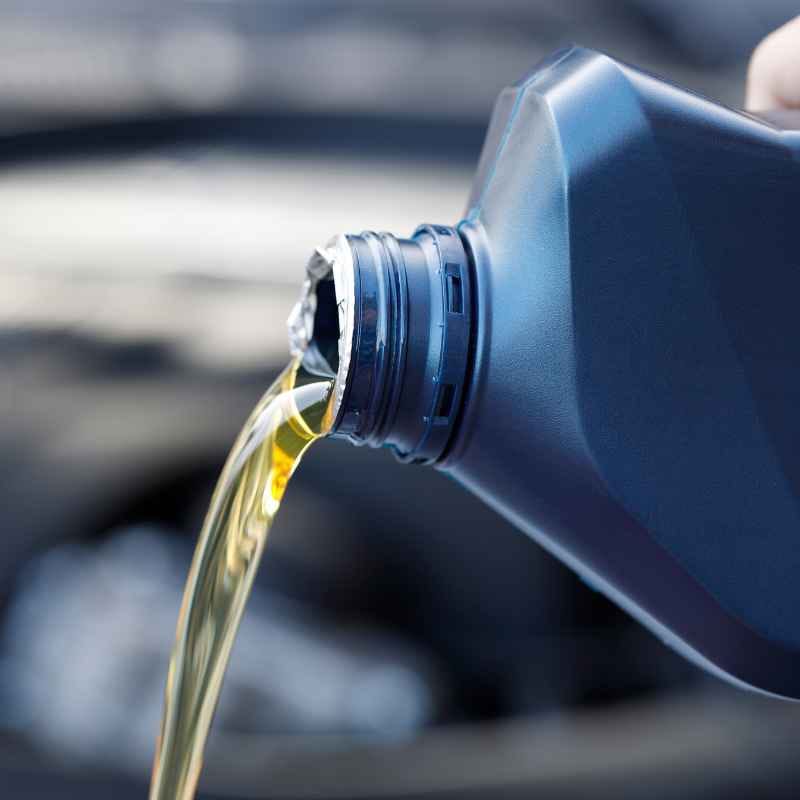
Frequent Questions About No Engine Oil
Can I drive my car with the oil light on?
No. You should not drive your car with the oil light on. This light indicates critically low oil pressure.
Driving will cause severe and likely permanent engine damage. Stop the car immediately and safely.
How long can an engine run without oil?
An engine can run for a very short time, perhaps only a few seconds to a minute, before suffering serious damage. Some modern engines might have protective systems, but prolonged operation without oil will lead to seizure.
What kind of damage occurs from no engine oil?
The main damage is extreme friction between metal parts. This leads to overheating, scoring of cylinder walls, bearing failure, and eventually engine seizure. Metal shavings can also clog oil passages, worsening the problem.
Is it possible to fix an engine that seized from no oil?
Generally, no. A seized engine means the internal components are locked solid. Repair usually involves replacing the entire engine, which is very costly.
Sometimes, very specific minor damage might be fixable, but seizure is usually fatal for an engine.
How much does it cost to replace an engine?
Replacing an engine can vary greatly. A used engine might cost $2,000-$5,000 installed. A new or rebuilt engine can range from $4,000-$10,000 or more, depending on the car make, model, and engine type.
How often should I check my engine oil?
It is recommended to check your engine oil at least once a month. You should also check it before any long road trip. This simple habit can prevent major issues.
Conclusion: Your Engine’s Best Friend
Engine oil is not just a fluid; it’s the lifeblood of your car’s engine. Running without it invites disaster. From friction and overheating to complete seizure, the consequences are severe and expensive.
Regular checks and timely oil changes are your engine’s best defense. Protect your investment and ensure a smooth ride by making oil maintenance a priority.
Products related to this article
Sponsored / affiliate links. As an Amazon Associate I earn from qualifying purchases. I may earn additional commission from eligible campaigns.
 ACROPIX Engine Oil Level Indicator Dipstick for Ford Fusion 2010-2012 for Ford Escape 2010-2012 for Ford Fusion 2006-2007 No.6E5Z6750AC Car Parts
 DongJinK Engine Oil Level Gage Dipstick Compatible with Toyota 4Runner 1984-1995 for Toyota Celica 1984-1985 for Toyota Pickup 1984-1995 Replace# 15301-35020 1530135020