When Should You Check The Engine Oil Level? Here’S How
When should you check the engine oil level? It’s a question many car owners ask. You might think it’s only for mechanics.
But knowing this simple step can save your car a lot of trouble. It’s like checking your own health. A little attention goes a long way.
We’ll walk through why it matters and how to do it easily.
You should check your engine oil level at least once a month. Also, check it before any long road trip. Doing this helps prevent engine damage and keeps your car running smoothly.
It’s a quick, essential maintenance task for all car owners.
Understanding Your Engine Oil
Engine oil is the lifeblood of your car. It does many important jobs. It keeps moving parts from rubbing together.
This stops wear and tear. Oil also cleans your engine. It carries away dirt and tiny metal bits.
Plus, oil helps cool down hot engine parts. Without enough oil, your engine can get very hot.
Over time, oil can get dirty. It can also slowly leak out. This is normal.
Cars burn a tiny bit of oil as they run. It’s like how we might lose a little water over time. The important thing is to keep the level right.
Too little oil is bad. But too much oil can also cause problems. It can foam up.
This makes it less effective.
Think of it like the oil in a frying pan. If there’s not enough, your food can burn. If there’s too much, it can get messy and splutter.
Your car’s engine is much more delicate. So, keeping the oil level just right is key. We need to know when to check it and how to do it right.
When to Check Your Engine Oil
There are key times when checking your oil is super important. Not all times are equal. Some moments are more critical for a quick check.
Regular Checks: The Foundation
The most important time to check your oil is regularly. Most experts say at least once a month. This is a good baseline for most drivers.
If you drive a lot, maybe check it every two weeks. It’s a small habit that pays off big.
Another important time is before a long trip. If you’re planning to drive for many hours or miles, check the oil. You don’t want to find out you’re low on oil halfway across the country.
It’s a simple step to ensure peace of mind.
What about after you’ve had work done on your car? If you just had an oil change, the mechanic should have filled it correctly. But it never hurts to double-check soon after.
Sometimes things can happen. Maybe a cap wasn’t tightened well. A quick look can catch issues early.
You should also check if your car’s oil light comes on. This light usually means the oil pressure is low. This can happen if the oil level is very low.
It might also mean there’s an oil leak. If this light turns on, stop driving as soon as it’s safe. Check the oil level immediately.
Listen to your car. If you hear new or strange noises, like a knocking sound, it could be oil-related. These sounds often mean metal parts are rubbing.
This is a sign of low oil. Check the oil level right away. Don’t wait.
Quick Scan: When in Doubt
When you fill up with gas is a great time to get in the habit. Many gas stations have a flat, level spot. This is the perfect place to check fluids.
You’re already stopping. Make it a part of your routine. It takes less than two minutes.
Some cars have a low oil warning message on the dashboard. Pay attention to these. They are direct alerts from your car’s computer.
Don’t ignore them. They are there to help you.
What about different driving conditions? If you drive in extreme heat, stop-and-go traffic, or tow heavy loads, your engine works harder. This can make oil levels drop faster.
It’s wise to check your oil more often if you do these things. Maybe every other week instead of monthly.
The main idea is to be proactive. Don’t wait for a problem. Regular checks are the best way to avoid costly repairs.
It’s simple maintenance that keeps your engine happy.
How to Check Your Engine Oil: A Step-by-Step Guide
Checking your oil isn’t hard at all. You just need a few simple steps. Let’s break it down so anyone can do it.
No special tools are needed, just a clean rag or paper towel.
Step 1: Park on Level Ground
This is the most crucial first step. Your car must be on a flat, level surface. If your car is tilted, the oil will pool to one side.
This will give you a false reading. You might think you have enough oil when you don’t. Or you might think it’s low when it’s fine.
So, find a nice, flat spot. A garage floor or a level driveway works well.
Next, you need to turn off the engine. Let it cool down for a few minutes. Most cars suggest waiting about 5 to 10 minutes after turning off the engine.
This lets the oil drain back into the oil pan at the bottom. If you check it while the engine is still very hot, some oil might still be up in the engine. This can make the dipstick read lower than it actually is.
Now, you need to open the hood. You’ll find a lever inside your car, usually near the driver’s side footwell. Pull that lever.
Go to the front of your car and lift the hood. There’s usually a prop rod or a gas strut to hold it open. Secure it.
Step 2: Find the Oil Dipstick
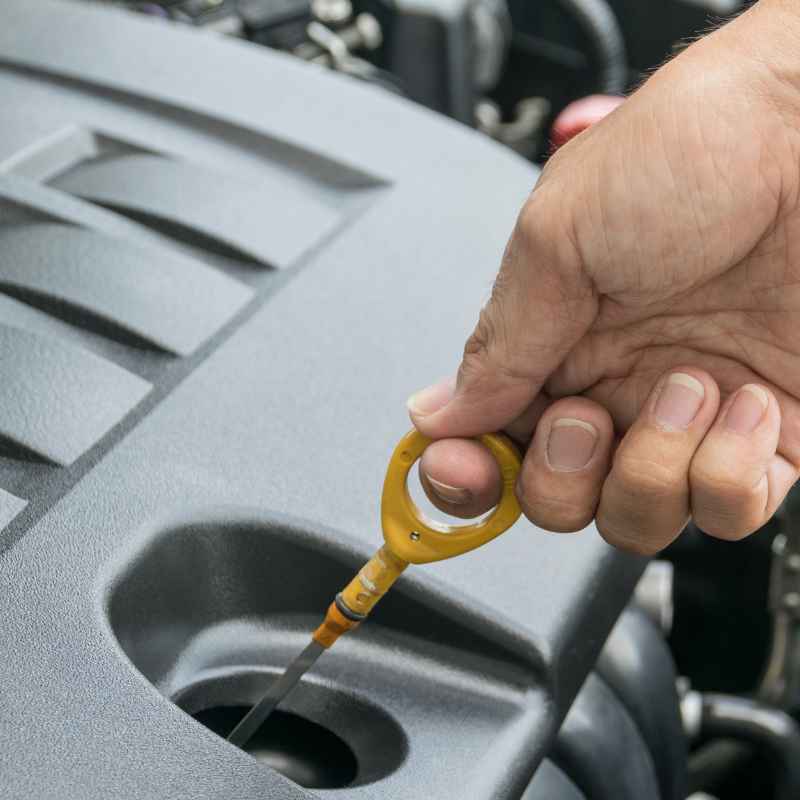
Look for the dipstick. It’s usually a brightly colored loop or handle. Often it’s yellow, orange, or red.
It will be sticking out of a tube. The tube might have a symbol of an oil can on it. If you can’t find it, check your car’s owner’s manual.
It will show you exactly where it is.
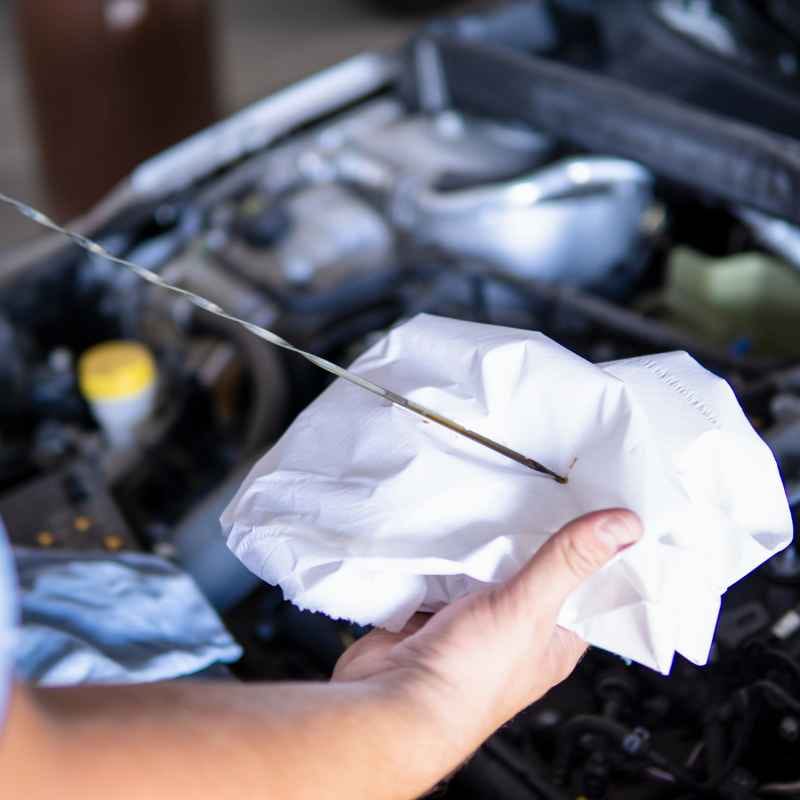
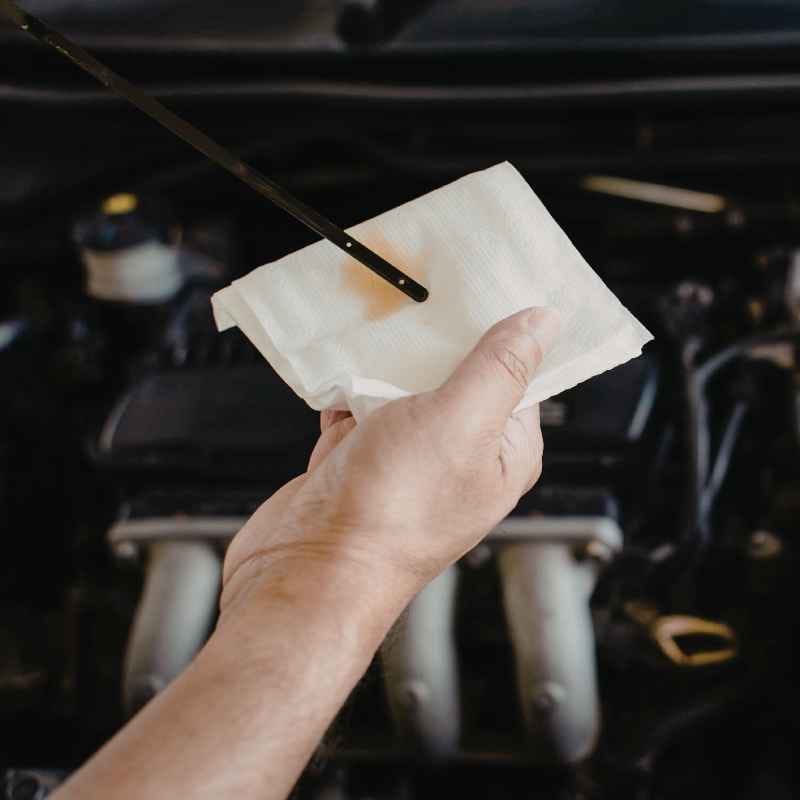
Once you find the dipstick, pull it all the way out. Be ready for it to be a little bit oily. Wipe it clean with a rag or paper towel.
Make sure you wipe off all the oil. You want a clean surface to get an accurate reading.
After wiping it clean, push the dipstick all the way back in. Make sure it’s fully seated. This is important.
If it’s not all the way in, you won’t get a good reading. You’ll be measuring from the wrong spot.
Step 3: Read the Oil Level
Now, pull the dipstick out again. This time, look closely at the end. You’ll see two marks or holes.
These marks show the normal operating range for your oil. One mark is usually labeled “LOW” or “ADD.” The other is labeled “FULL” or “MAX.”
The oil level should be somewhere between these two marks. If the oil covers the second mark, it’s full. If it’s near the first mark, it’s low.
If the oil mark is below the “LOW” mark, you need to add oil. If it’s right at the “FULL” mark, your oil level is perfect.
What if there’s no oil on the dipstick at all? This is a serious problem. It means you are very low on oil.
Stop driving and add oil immediately. You might have a leak. It’s important to fix that too.
Also, look at the color and texture of the oil. New oil is usually clear and light brown. If the oil looks dark, thick, or has tiny metal particles in it, it’s time for an oil change.
Dirty oil isn’t doing its job well. It can harm your engine.
Step 4: Add Oil if Needed
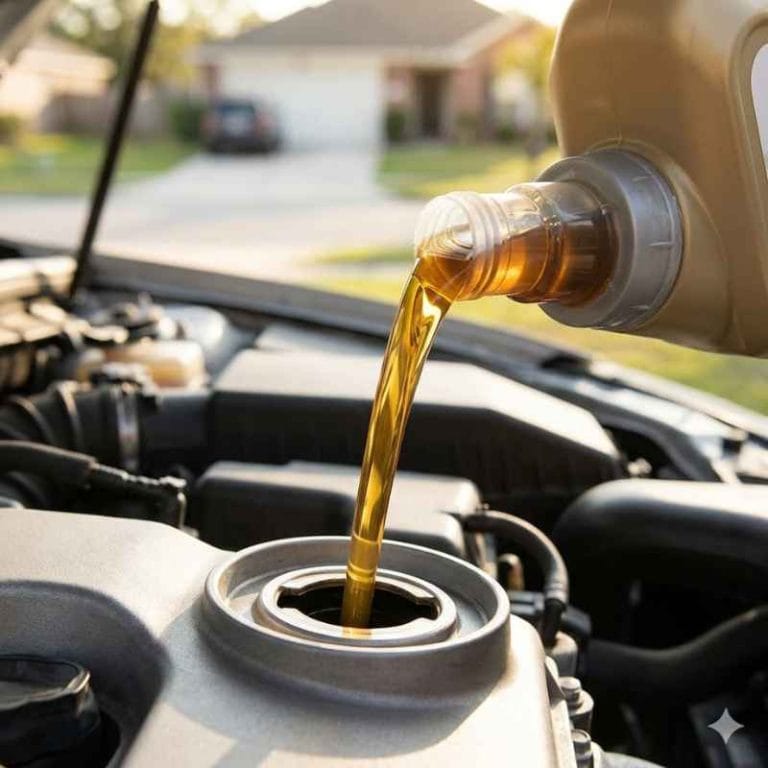
If the oil level is low, you need to add more. First, find the oil filler cap. It’s usually on top of the engine.
It will have the same oil can symbol as the dipstick. Unscrew or remove this cap.
You will need the correct type of oil for your car. This is very important. Check your owner’s manual for the exact type and weight (like 5W-30).
Using the wrong oil can damage your engine. Have a funnel ready. Place it in the oil filler hole.
Pour a small amount of oil into the engine. Start with about half a quart (about half a liter). Don’t pour too much at once.
It’s easier to add more than to take it out. Wait a minute for the oil to drain down into the pan.
Then, re-check the oil level using the dipstick. Repeat adding small amounts and re-checking until the oil level is near the “FULL” mark. Do not overfill.
Overfilling can cause damage. Once it’s at the right level, put the oil filler cap back on securely. Close the hood.
This whole process should take only a few minutes. It’s a simple way to take care of your car. Making it a habit will help your engine last longer.
Personal Experience: That Time I Ignored the Light
I remember it vividly. I was driving home late one evening after a long day at work. The radio was playing softly, and I was just trying to unwind.
Then, a small, orange light flickered on my dashboard. It was the oil pressure warning light. My heart sank.
I’d been feeling a little tired, and honestly, I’d been putting off checking my car’s fluids. It seemed like such a chore.
My first thought was, “Maybe it’s just a glitch.” I kept driving, telling myself it would go away. But then, a faint knocking sound started. It was subtle at first, like a tiny hammer tapping inside the engine.
That’s when the panic really set in. I remembered reading somewhere that the oil light meant serious trouble. It meant parts might be grinding against each other without enough lubrication.
I pulled over to the side of the road as quickly and safely as I could. The knocking was getting louder. I was miles from home, and the night felt very dark and lonely.
I grabbed my phone and looked up my car’s manual. It confirmed my worst fears: low oil pressure can lead to catastrophic engine failure. I felt a wave of regret wash over me.
If only I had taken those few minutes to check the oil level just a week earlier.
Luckily, a kind stranger stopped and helped me. He had some extra oil in his trunk. We checked the dipstick, and sure enough, it was bone dry.
He helped me add enough oil to get me to the nearest town. That scare taught me a valuable lesson. Ignoring small warning signs can lead to big, expensive problems.
Now, I check my oil religiously. It’s a small act of care that I never skip.
Understanding Oil Viscosity and Types
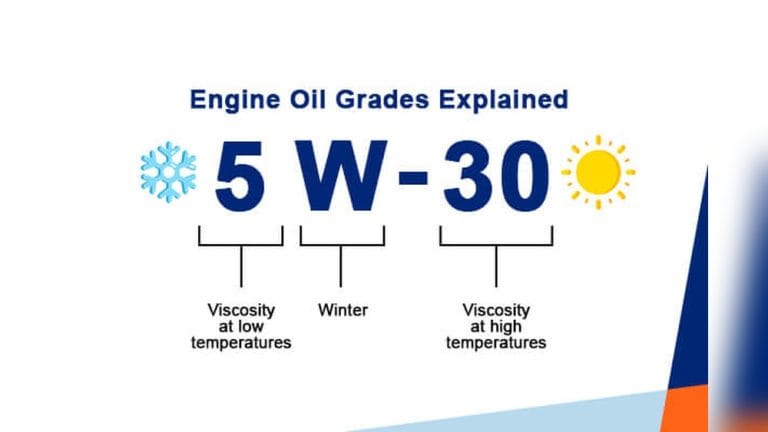
When you check your oil, you’ll see numbers like 5W-30 or 10W-40 on the bottle. These numbers describe the oil’s viscosity. Viscosity is how thick or thin the oil is.
It’s a critical factor for how well the oil protects your engine.
What Do Those Numbers Mean?
The first number, followed by a ‘W’, like the ‘5W’ in 5W-30, tells you how the oil flows when it’s cold. ‘W’ stands for ‘Winter’. A lower number means the oil is thinner when cold.
Thinner oil flows more easily to parts when you first start your engine. This is super important because most engine wear happens when it’s cold.
The second number, like the ’30’ in 5W-30, tells you how the oil flows when the engine is hot. A higher number means the oil is thicker when the engine is running at its normal temperature. This thicker oil can better protect parts under high heat and pressure.
So, 5W-30 oil is thinner when cold than 10W-30 oil. But when hot, 5W-30 oil has the same thickness as 10W-30 oil.
Your car’s manufacturer specifies the exact type of oil it needs. This is usually found in your owner’s manual. Using the wrong viscosity can hurt your engine.
In very cold climates, you might need a thinner cold-viscosity oil. In very hot climates, a thicker hot-viscosity oil might be recommended. However, most modern cars work well with the manufacturer’s recommended type year-round.
There are also different types of oil.
Types of Engine Oil
Conventional Oil: This is the most basic type. It’s refined from petroleum. It’s good for many cars but may need to be changed more often.
Synthetic Blend Oil: This is a mix of conventional and synthetic oils. It offers better protection than conventional oil at a lower cost than full synthetic.
Full Synthetic Oil: This is man-made. It offers the best protection. It resists heat and breakdown better.
It can also help engines run cleaner and go longer between oil changes.
High-Mileage Oil: This is made for cars with over 75,000 miles. It often contains special additives to condition seals and reduce leaks.
Always use the type of oil recommended by your car’s manufacturer. If you’re unsure, your mechanic can advise you. Choosing the right oil is as important as checking the level.
Real-World Scenarios and Oil Level
Let’s look at some everyday situations and how they might affect your oil level.
Scenario 1: The City Commuter
Environment: Frequent stop-and-go traffic in a busy city. Short trips to work, errands, and back. The engine often doesn’t reach its full operating temperature on these short drives.
Habits: Idling at traffic lights or in parking lots. Frequent acceleration and braking.
What this means for oil: This type of driving can be tough on oil. Short trips mean the engine is always starting cold. This is when engines wear the most.
Oil may not get hot enough to burn off moisture and contaminants. Condensation can build up. This can lead to sludge.
You might also see oil consumption increase over time. Checking oil monthly is good. Consider an oil change more often, especially if you mostly do short trips.
Scenario 2: The Long-Haul Driver
Environment: Mostly highway driving. Long distances covered in a single trip. The engine runs at a steady, high speed for extended periods.
Habits: Consistent cruising speeds. Less idling. Regular maintenance.
What this means for oil: This is generally easier on the engine and the oil. The engine reaches its optimal temperature, helping to burn off contaminants. However, very long, continuous operation at high speeds can still lead to oil breakdown and consumption.
Check oil before each long trip. Follow the manufacturer’s recommended oil change intervals. If you use synthetic oil, it can handle these conditions better.
Scenario 3: The Towing Enthusiast
Environment: Driving with a trailer or heavy load. Hills, mountains, and challenging terrain. Extended periods of high engine strain.
Habits: Regularly exceeding normal driving conditions. Engine works much harder.
What this means for oil: Towing puts a huge strain on your engine. This means the oil gets much hotter and works harder. It can break down faster.
Oil consumption will likely increase. You absolutely need to check your oil level before towing. Consider using a higher-quality synthetic oil designed for heavy-duty use.
You should also shorten your oil change intervals. Your owner’s manual will have specific advice for towing.
These scenarios show why a one-size-fits-all approach doesn’t work. Your driving habits matter. They affect how often you should check your oil and when you should change it.
What This Means for You: Normal vs. Concerning Levels
So, you’ve checked your oil. Now, what do you do with that information? It’s important to know what’s normal and what’s a sign of trouble.
Normal Oil Level Indicators
The oil on your dipstick is between the “LOW” and “FULL” marks. It might be anywhere in this range. This is generally considered normal.
It means you have enough oil to protect your engine.
The oil looks relatively clean. It might be a bit dark, but it doesn’t have grit or metal flakes.
You might need to add a small amount of oil between changes. This is also normal for many cars. A quart (liter) every few thousand miles isn’t usually a big deal if the car is older or driven hard.
Concerning Oil Level Indicators
The oil level is below the “LOW” mark. This is a clear sign you need to add oil immediately. If it’s way below, stop driving and add oil before continuing.
The oil level is significantly above the “FULL” mark. This is called overfilling. It can cause the crankshaft to whip the oil into a foam.
Foamy oil doesn’t lubricate well and can damage seals. If you’ve overfilled, you may need to drain some oil out.
There is no oil on the dipstick at all. This is extremely serious. Your engine is likely not being lubricated.
Stop driving immediately. You could cause severe engine damage.
The oil looks milky or like chocolate milk. This often means coolant is leaking into the oil. This is a very serious problem that needs immediate professional attention.
It can lead to engine failure.
The oil is very dark, thick, and gritty, or you see metal flakes in it. This suggests the oil is old and dirty. It’s not protecting the engine.
It could also mean there’s internal engine wear. It’s time for an oil change and possibly a mechanic’s inspection.
Pay attention to the smell of the oil. If it smells burnt, that’s a warning sign. It could mean the engine is overheating or the oil is breaking down.
Also, keep an eye on the oil warning light on your dashboard. If it comes on while you’re driving, it means the oil pressure is low. This is critical.
Pull over safely and check your oil level. If it’s low, add oil. If the light stays on after adding oil, or if the level was fine, do not drive the car.
Have it towed to a mechanic.
Understanding these signs helps you know when to act. Most of the time, your oil level will be fine. But being aware of the warning signs is key to protecting your car.
Quick Tips for Oil Level Maintenance
Here are some easy tips to help you keep your oil level in check.
- Make it a Routine: Check your oil at least once a month. Add it to your calendar if you need to.
- Use a Funnel: When adding oil, always use a funnel. This prevents spills and makes the job cleaner.
- Keep Extra Oil: Keep a quart of the correct oil in your trunk. This way, you’re prepared if you need to top it off.
- Read Your Manual: Your car’s owner’s manual is your best friend. It tells you the exact type of oil and how much you need.
- Don’t Guess on Oil Type: Always use the oil recommended by your car’s manufacturer. The wrong oil can harm your engine.
- Check When Cold: For the most accurate reading, check your oil when the engine is cold and the car is on level ground.
- Wipe the Dipstick Twice: Wipe it clean, reinsert, pull out again to read. This ensures a clear mark.
- Note the Oil’s Condition: Look at the color and texture. Dark, gritty oil means it’s time for a change.
- Listen to Your Car: Strange noises or warning lights are not to be ignored. They often point to fluid issues.
These simple habits can help you avoid common problems. They keep your engine running smoothly for years to come.
Frequent Questions About Checking Engine Oil
How often should I check my engine oil?
It’s best to check your engine oil at least once a month. You should also check it before any long road trip. If you drive in harsh conditions or tow, check it more often.
Can I check my oil if the engine is hot?
It’s better to check when the engine is cool. Wait at least 5 to 10 minutes after turning off the engine. This lets the oil drain back into the oil pan for an accurate reading.
What happens if I overfill my engine with oil?
Overfilling can be bad. The crankshaft can whip the oil into a foam. Foamy oil doesn’t lubricate well.
It can also cause oil leaks and damage seals. If you overfill, it’s best to remove some oil.
What does the oil warning light mean?
The oil warning light usually means there is low oil pressure. This can happen if your oil level is too low or if there’s an oil leak. If this light comes on, stop driving as soon as it’s safe and check your oil.
How do I know what type of oil to use?
Always check your car’s owner’s manual. It will tell you the specific type and viscosity of oil your engine needs. Using the wrong oil can cause damage.
Can I use a different brand of oil than what was last used?
Yes, as long as it’s the same type and viscosity recommended by your car manufacturer. Brands are less important than meeting the specifications.
The Bottom Line on Oil Checks
Keeping an eye on your engine oil level is a fundamental part of car care. It’s a small task that prevents big, expensive issues. By checking regularly and knowing what to look for, you help your engine last longer.
It’s a simple act of kindness to your car.
Products related to this article
Sponsored / affiliate links. As an Amazon Associate I earn from qualifying purchases. I may earn additional commission from eligible campaigns.
 ACROPIX Engine Oil Level Indicator Dipstick for Ford Fusion 2010-2012 for Ford Escape 2010-2012 for Ford Fusion 2006-2007 No.6E5Z6750AC Car Parts
 DongJinK Engine Oil Level Gage Dipstick Compatible with Toyota 4Runner 1984-1995 for Toyota Celica 1984-1985 for Toyota Pickup 1984-1995 Replace# 15301-35020 1530135020